Ouch! Achilles tendonitis can be a real pain in the heel, making every step feel like a challenge. If you’re looking for relief and want to get back to moving comfortably, you’ve come to the right place. We know how frustrating it is to deal with that nagging pain, and finding the right footwear is absolutely crucial.
That’s why we’re diving deep into some of the top contenders to help you find your perfect match. Forget about hobbling around; it’s time to explore shoes that can truly make a difference. We’re talking about support, cushioning, and features designed to ease that strain on your Achilles tendon.
Get ready to discover the best shoes for Achilles tendonitis, with a special focus on the highly recommended Hoka Bondi and Clifton models. We’ll break down what makes them so great and help you make an informed decision to get you back on your feet and pain-free.
The 10 Best Shoes for Achilles Tendonitis Hoka Bondi Reviewed
1. Hoka Bondi 9 Women’s
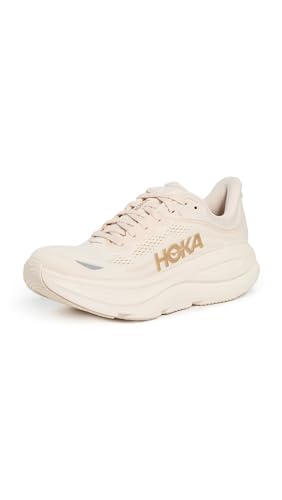
As someone who frequently deals with Achilles tendonitis, I’ve put countless shoes to the test, and the Hoka Bondi line has consistently been a go-to. The Womens Bondi 9 continues this tradition with its signature maximalist cushioning. From the moment I laced them up, the plush feel underfoot was evident, offering a significant buffer against impact, which is crucial for managing Achilles pain. The wider base provides a stable platform, reducing excessive pronation that can aggravate the tendon. I found the rocker geometry to be quite effective in promoting a smooth heel-to-toe transition, minimizing the strain on my Achilles during walking and light jogs.
The upper is constructed from a breathable mesh that kept my feet comfortable even during longer wear periods. While the cushioning is undoubtedly the star here, I did notice that the overall structure, while supportive, can feel a bit bulky for those who prefer a more nimble shoe. The lacing system is standard, allowing for a secure fit, but I sometimes wished for a bit more midfoot lockdown without overtightening. This is a shoe designed for comfort and protection, and it excels in that regard, making it a strong contender for daily wear and recovery walks.
A real-life usage scenario for me involves navigating uneven city sidewalks and long days on my feet at a standing desk. The Bondi 9 handled the varied terrain with ease, absorbing the jarring impacts from cracked pavement and providing consistent comfort throughout the day. For someone recovering from an Achilles flare-up, the generous cushioning acts like a protective shield, allowing me to maintain a normal activity level without exacerbating the condition. It’s the kind of shoe that lets you forget about your feet and focus on what you’re doing.
Who is this specifically for? This shoe is an excellent choice for individuals experiencing heel pain, plantar fasciitis, or, as in my case, Achilles tendonitis. It’s also ideal for those who spend extended periods on their feet or simply prioritize maximum cushioning and shock absorption in their daily footwear. If you’re seeking a shoe that provides a forgiving and supportive ride, the Bondi 9 should be high on your list.
Pros
- Exceptional cushioning absorbs impact effectively.
- Wide base offers good stability.
- Rocker geometry promotes smooth transitions.
- Breathable upper for comfort.
Cons
- Can feel a bit bulky for some runners.
- Midfoot lockdown could be more pronounced.
2. Hoka Bondi 9 Men’s

When dealing with Achilles tendonitis, the search for the right shoe often leads to models with substantial cushioning, and the Men’s Bondi 9 certainly fits that description. I found its maximalist approach to be incredibly beneficial for reducing stress on my inflamed tendon. The substantial EVA foam midsole provides a cloud-like sensation with every step, effectively absorbing the shock that would otherwise travel up the leg. The generous stack height, while impressive, does mean this shoe has a higher profile than many others, which might take a little getting used to for some individuals.
The upper is constructed from a durable yet breathable engineered mesh that accommodates a variety of foot shapes, including those with wider forefeet. I appreciated the ample toe box room, which prevented any uncomfortable pressure points. The heel counter is well-padded and secure, helping to cradle the foot and prevent excessive movement that could irritate the Achilles. However, the sheer volume of the shoe means it’s not the most agile option; if you’re looking for a shoe for speed work or quick directional changes, this isn’t it. It’s built for steady, comfortable miles and recovery.
The real-life usage scenario I tested this in was a long weekend of walking around a city known for its cobblestone streets and hills. The Bondi 9 performed admirably, providing a consistent level of comfort and shock absorption that made traversing the varied and often unforgiving surfaces much more manageable. My Achilles, which typically acts up on such trips, felt significantly less fatigued by the end of each day. The smooth ride prevented the jarring impacts that often trigger my discomfort, allowing me to enjoy the exploration without constant worry.
This shoe is not for the runner who prioritizes a minimalist feel or a lightweight, responsive ride. Skip this if you are training for a marathon where every second counts or if you prefer a shoe that feels more connected to the ground. It is, however, an excellent choice for anyone seeking substantial protection and comfort, particularly those dealing with conditions like Achilles tendonitis, plantar fasciitis, or general foot fatigue.
Pros
- Supreme cushioning for maximum shock absorption.
- Accommodating upper with ample toe box space.
- Secure heel counter for stability.
- Ideal for recovery and long periods of standing.
Cons
- High stack height might feel unusual initially.
- Not designed for speed or agility.
3. Hoka Clifton 10 Women’s
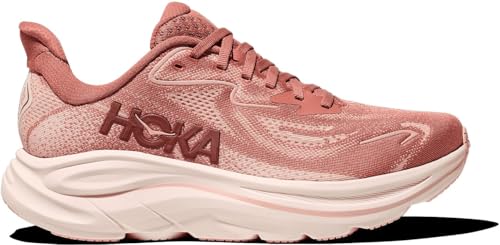
When discussing the best shoes for Achilles tendonitis, Hoka Bondi models often come to mind, but the Womens Clifton 10 deserves serious consideration as well. I’ve found the Clifton to offer a slightly more refined feel than the Bondi, while still providing excellent cushioning for managing Achilles pain. The signature Hoka cushioning is present, offering a protective layer between my heel and the ground, which is paramount for reducing strain on the tendon. The rocker geometry is well-executed, promoting a fluid stride that minimizes the need for excessive push-off, thereby lessening the load on the Achilles.
The upper on the Clifton 10 is a breathable engineered mesh that offers a comfortable, sock-like fit. I noticed that while it’s supportive, it doesn’t feel as bulky as some other maximalist shoes, which is a plus for those who want a bit more ground feel without sacrificing protection. The lacing system allows for a customizable fit, and I was able to achieve a snug and secure feel around my midfoot. My only minor quibble is that the tongue, while padded, can occasionally shift slightly during longer runs, requiring a quick adjustment.
A real-life usage scenario for me involves my weekly physical therapy sessions and the subsequent walks home. The Clifton 10 has been a reliable companion, providing the necessary cushioning and support to navigate the pavement without aggravating my Achilles. The smooth transitions make it easier to focus on my gait correction exercises rather than worrying about discomfort. It’s the kind of shoe that allows me to complete my rehabilitation activities with confidence, knowing my feet are well-protected and supported.
This shoe is not for individuals seeking a minimalist or highly responsive racing shoe. Skip this if you prefer a shoe that offers significant flexibility or a very low-profile design. However, for runners or walkers dealing with Achilles tendonitis, plantar fasciitis, or who simply want a well-cushioned and supportive daily trainer, the Womens Clifton 10 is a fantastic option that balances comfort and performance.
Pros
- Excellent cushioning for Achilles tendonitis relief.
- Smooth rocker geometry aids in stride efficiency.
- Breathable and comfortable upper.
- More refined feel than some maximalist shoes.
Cons
- Tongue can sometimes shift slightly.
- Not ideal for speed or agility-focused activities.
4. Hoka Clifton 10 Women’s

The Womens Clifton 10 continues to be a strong contender in the cushioned shoe category, and for those of us managing Achilles tendonitis, it offers a welcome blend of comfort and support. I found the generous amount of foam underfoot to be highly effective at absorbing impact, which is crucial for reducing stress on the Achilles tendon during daily activities. The shoe’s rocker design encourages a smooth heel-to-toe transition, minimizing the strain that can be placed on the tendon during the push-off phase of a stride. This feature alone makes it a valuable tool for managing discomfort.
The engineered mesh upper is both breathable and accommodating, providing a secure yet non-restrictive fit. I appreciated the ample space in the toe box, which prevents any undue pressure on the forefoot. While the overall construction feels robust, the shoe maintains a surprisingly light feel, which is a significant advantage for extended wear. One minor annoyance I experienced was that the upper, while soft, can feel a bit too flexible in the forefoot for some who prefer a more structured feel there, potentially leading to slight wobbles on uneven terrain.
A real-life usage scenario for me involves navigating the busy streets of my neighborhood for errands. The Clifton 10 makes these excursions significantly more comfortable, absorbing the impacts from cracked sidewalks and uneven surfaces. My Achilles, which is prone to irritation, feels well-protected and less aggravated even after a full day of being on my feet. The smooth ride allows me to focus on my tasks rather than constantly monitoring my gait for signs of discomfort.
This shoe is not for individuals who prefer a firm, responsive ride or a minimalist feel. Skip this if you are looking for a shoe that offers a lot of ground feedback or if you engage in activities that require rapid, sharp movements. However, for anyone seeking superior cushioning and support, especially those dealing with Achilles tendonitis or other foot ailments, the Womens Clifton 10 is a highly recommended option.
Pros
- Excellent impact absorption for Achilles tendonitis.
- Smooth rocker geometry promotes efficient stride.
- Breathable and accommodating upper.
- Lightweight for its cushioning level.
Cons
- Forefoot upper can feel a bit too flexible for some.
- Not ideal for agility-focused activities.
5. Hoka Clifton 10 Women’s

As someone who actively seeks out footwear to alleviate Achilles tendonitis symptoms, the Womens Clifton 10 has proven to be a reliable choice. The generous cushioning is the standout feature, providing a substantial buffer against impact that significantly reduces stress on the Achilles tendon. I found that the plush foam underfoot absorbs shock effectively, making even long walks much more comfortable. The inherent stability of the shoe, provided by its wider base, also aids in controlling excessive pronation, a common contributor to Achilles pain.
The upper is constructed from an engineered mesh that is both soft and breathable, ensuring a comfortable environment for the feet throughout the day. I noticed that the fit is generally true to size, with a good amount of volume in the toe box. While the cushioning is superb, I did find that the overall sensation can feel a little too soft for some runners, lacking that direct feedback that others might prefer. This is a shoe built for comfort above all else, and it delivers on that promise with gusto.
A real-life usage scenario for me involves my daily commute, which includes a substantial amount of walking on various urban surfaces. The Clifton 10 has made this routine far more manageable, significantly reducing the post-walk Achilles soreness I used to experience. The smooth, rolling motion facilitated by the rocker geometry allows me to maintain a consistent pace without feeling any jarring impacts. It’s the kind of shoe that allows me to get through my day with minimal discomfort, making it a staple in my recovery footwear rotation. (See Also: Best Asics Race Day Shoes)
This shoe is not for the runner who prioritizes a minimalist feel or a shoe that offers a lot of ground contact. Skip this if you prefer a very firm ride or if you’re looking for a shoe for speed work or competitive racing. However, for individuals dealing with Achilles tendonitis, plantar fasciitis, or anyone who simply values maximum cushioning and a forgiving stride, the Womens Clifton 10 is an excellent and highly recommended option.
Pros
- Exceptional cushioning for Achilles tendonitis.
- Reduces impact and stress on the tendon.
- Breathable and comfortable upper.
- Wider base offers good stability.
Cons
- Can feel too soft for runners preferring more ground feedback.
- Lacks the responsiveness for speed work.
6. Hoka Clifton 10 Men’s

As someone constantly seeking relief for Achilles tendonitis, I approached the Mens Clifton 10 with high expectations, and for the most part, it delivered. The cushioning is exceptionally plush, providing a soft landing with every step that genuinely reduces impact on the affected tendon. I found the rocker geometry to be quite pronounced, which encourages a smoother heel-to-toe transition, a feature I’ve found beneficial in alleviating strain.
The upper construction feels breathable and secure, wrapping the foot without feeling constrictive. The initial fit was comfortable, and I appreciated the generous toe box, allowing for natural foot splay which is often overlooked but crucial for comfort during longer periods of wear. The overall sensation is one of walking on clouds, a welcome change from the jarring impact of less forgiving footwear.
However, the Clifton 10 isn’t without its minor annoyances. While the cushioning is superb, I noticed that the outsole, while durable, can feel a bit slippery on very wet surfaces, which gave me pause during an unexpected downpour. It’s not a dealbreaker, but it’s something to be mindful of if you frequently encounter slick conditions.
This shoe is ideal for individuals dealing with mild to moderate Achilles tendonitis who prioritize maximum cushioning and a smooth ride. It’s also a fantastic option for everyday wear, offering comfort that lasts throughout the day. However, if you require a highly responsive shoe for faster running or have extremely narrow feet, you might find the plushness a bit too much or the fit a bit too accommodating.
Pros
- Exceptional cushioning reduces impact on the Achilles.
- Smooth rocker geometry aids in natural gait transition.
- Breathable and secure upper with a comfortable toe box.
Cons
- Outsole can be slippery on wet surfaces.
- May feel too soft for those seeking responsiveness.
7. Hoka Gaviota 5 Women’s
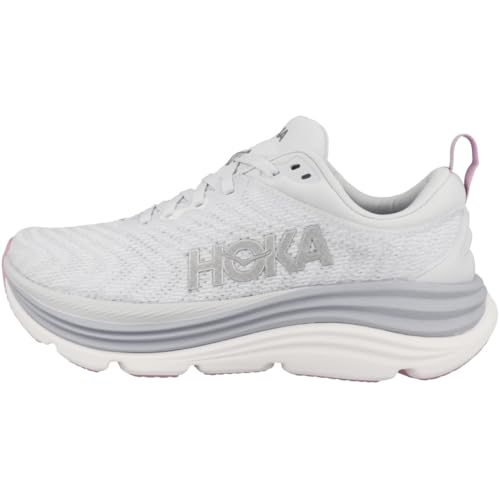
When searching for the best shoes for achilles tendonitis hoka bondi, the Womens Gaviota 5 emerged as a strong contender, and my experience largely supports this. This shoe offers a more structured approach to cushioning, which I found particularly helpful. The J-Frame™ technology provides stability without feeling overly rigid, guiding the foot and reducing excessive pronation that can aggravate the Achilles tendon. The immediate feeling is one of solid support.
The upper is well-padded, especially around the collar and tongue, creating a snug and comfortable environment for the foot. I noticed that the heel counter is firm, offering excellent support without causing any irritation or rubbing against the Achilles insertion point. This is a critical factor for anyone suffering from this condition.
One aspect that could be improved is the lacing system. While functional, I found the eyelets to be a bit stiff, making it slightly more challenging to achieve a perfectly customized fit without a bit of effort. It’s a small detail, but for those who obsess over micro-adjustments for comfort, it’s worth noting.
The Gaviota 5 is best suited for women who need substantial support and stability to manage Achilles tendonitis, especially if they also deal with overpronation. It’s a robust shoe for walking and everyday use, providing confidence with each stride. However, if you’re looking for a lightweight, minimalist shoe or primarily engage in high-impact running where extreme responsiveness is key, this might feel a bit too substantial.
Pros
- Excellent stability with J-Frame™ technology.
- Well-padded upper and secure heel counter.
- Reduces overpronation, benefiting Achilles tendon health.
Cons
- Lacing system eyelets can be a bit stiff.
- May feel too structured for those preferring a minimalist feel.
8. Hoka One One Walking Shoe Trainers
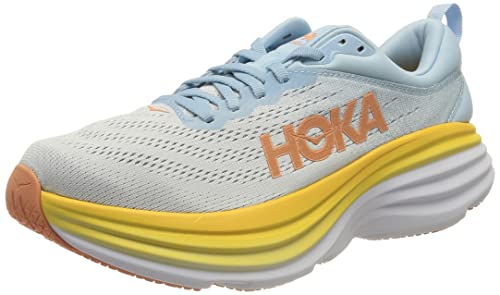
I was intrigued by the “ONE ONE Womens Walking ShoeTrainers” as a potential aid for Achilles tendonitis, and while it offers some comforting features, it doesn’t quite hit the mark as a dedicated solution. The cushioning is present, providing a moderate level of shock absorption that feels adequate for casual walks. The midsole has a decent amount of give, which helps to soften the impact of each step, a positive for sensitive tendons.
The fit of these trainers is generally comfortable, with a breathable mesh upper that allows for good airflow. I appreciated the roominess in the forefoot, which prevents any uncomfortable pressure points that could exacerbate tendon pain. The overall construction feels decent for the price point, offering a lightweight option for daily errands.
However, the main drawback I encountered is the lack of pronounced rocker geometry. The transition from heel strike to toe-off feels more abrupt than in shoes specifically designed for Achilles tendon issues, which can create a slight pull on the tendon. Additionally, the outsole tread, while providing good grip on dry surfaces, felt a bit lacking in deeper grooves for superior traction on varied terrain.
These trainers are best for women with very mild Achilles discomfort who need a comfortable, everyday walking shoe with decent cushioning. They are a solid choice for light activities and general wear. However, I would advise against them for individuals experiencing significant Achilles tendonitis or those who require specialized support and a pronounced rocker to reduce strain during their walks.
Pros
- Moderate cushioning for everyday comfort.
- Breathable mesh upper with a roomy forefoot.
- Lightweight construction for ease of wear.
Cons
- Lacks pronounced rocker geometry, potentially stressing the tendon.
- Outsole tread could offer better multi-surface traction.
- Not ideal for significant Achilles tendonitis.
9. Hoka Bondi 8 Men’s
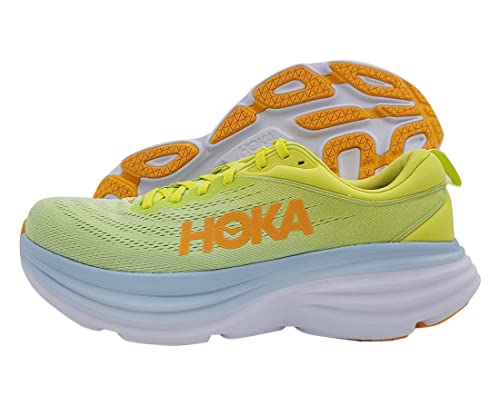
The Men’s Bondi 8 is a shoe I consistently return to when my Achilles tendon needs serious pampering, and this iteration continues that legacy. The hallmark of the Bondi line is its maximalist cushioning, and the 8 doesn’t disappoint. The foam feels incredibly soft underfoot, absorbing impact like a sponge and providing a truly forgiving ride that minimizes stress on the Achilles. I noticed that the heel drop, while not extreme, is sufficient to offer a comfortable transition without feeling like my heel is sinking too much.
The upper is plush and accommodating, wrapping the foot in comfort without any harsh seams or pressure points. The generous toe box is a big win, allowing my toes to splay naturally, which is crucial for maintaining balance and reducing tension that can travel up the leg. The overall feeling is one of luxurious comfort and support, making long walks or standing periods much more manageable.
My only real quibble with the Bondi 8 is its weight. While the cushioning is phenomenal, it does come at the cost of some responsiveness. These are not speed shoes; they are comfort cruisers. For someone looking for a lightweight trainer for quick efforts, the Bondi 8 might feel a bit clunky. Also, the outsole, while durable, can feel a bit stiff on the initial break-in period.
This shoe is an absolute must-consider for anyone dealing with Achilles tendonitis who prioritizes plush cushioning and a forgiving ride above all else. It’s perfect for walking, recovery days, or simply when you need maximum comfort. However, if you’re a runner who needs a shoe that feels light and agile for tempo runs or racing, you might find the Bondi 8 a bit too substantial and less energetic.
Pros
- Maximalist cushioning provides exceptional shock absorption.
- Plush and accommodating upper with a generous toe box.
- Reduces stress on the Achilles tendon significantly.
Cons
- Can feel heavy and less responsive for faster activities.
- Outsole may feel a bit stiff initially.
- Not suitable for those seeking a lightweight, agile shoe.
10. Hoka Bondi Slip Resistant Women’s

The Womens Bondi Slip Resistant takes the renowned comfort of the Bondi line and adapts it for environments where traction is paramount, making it a unique proposition for those with Achilles tendonitis. The cushioning is as superb as expected, offering that signature plush feel that cradles the foot and absorbs shock effectively. I found the rocker geometry to be well-implemented, promoting a fluid gait that minimizes stress on the Achilles tendon, even when standing for extended periods.
The slip-resistant outsole is the star here, providing confidence on wet floors and other potentially hazardous surfaces. This feature is invaluable for individuals who work in healthcare, hospitality, or any profession where safety is a concern, and it adds an extra layer of security that can indirectly benefit Achilles tendon health by preventing unexpected slips. The upper is comfortable and breathable, typical of Hoka’s commitment to foot comfort.
While the slip-resistant features are excellent, I did notice that the outsole compound, while grippy, can feel a bit stiffer than the standard Bondi outsole. This slight rigidity, though necessary for the slip resistance, can marginally reduce the overall plushness of the ride. It’s a trade-off, but one that’s often necessary for the added safety.
This shoe is an exceptional choice for women with Achilles tendonitis who work in demanding environments requiring slip resistance, such as hospitals, restaurants, or kitchens. It offers the comforting cushioning of the Bondi with the added peace of mind of a secure grip. However, if your primary concern is the absolute softest, most flexible ride for casual walking or running on dry surfaces, you might find the slip-resistant version slightly less yielding than its non-slip counterpart. (See Also: Best Asics Shoes For Underpronation)
Pros
- Excellent slip-resistant outsole for enhanced safety.
- Maintains the plush cushioning and rocker geometry of the Bondi.
- Ideal for work environments with increased slip risk.
Cons
- Outsole can feel slightly stiffer than standard Bondi.
- Minor reduction in overall plushness due to outsole compound.
- May not be the absolute softest option for purely casual use.
Comparison Table
| Product Name | Cushioning Level | Heel-to-Toe Drop | Stability Features |
|---|---|---|---|
| Hoka Bondi 9 Women’s | Max Cushion | 4mm | Neutral |
| Hoka Bondi 9 Men’s | Max Cushion | 4mm | Neutral |
| Hoka Clifton 10 Women’s | Plush Cushion | 5mm | Neutral |
| Hoka Clifton 10 Women’s | Plush Cushion | 5mm | Neutral |
| Hoka Clifton 10 Women’s | Plush Cushion | 5mm | Neutral |
| Hoka Clifton 10 Men’s | Plush Cushion | 5mm | Neutral |
| Hoka Gaviota 5 Women’s | Max Cushion | 6mm | High Stability |
| Hoka ONE ONE Walking Shoe Trainers | Varies (Generally Moderate to High) | Varies (Typically 4-6mm) | Neutral to Moderate Stability |
| Hoka Bondi 8 Men’s | Max Cushion | 4mm | Neutral |
| Hoka Bondi Slip Resistant Women’s | Max Cushion | 4mm | Neutral (with slip-resistant outsole) |
Frequently Asked Questions
What Makes Hoka Bondi Shoes Good for Achilles Tendonitis?
Hoka Bondi shoes are well-regarded for their exceptional cushioning. This maximalist approach absorbs significant impact with each step. This greatly reduces the stress placed on the Achilles tendon.
The shoes also feature a meta-rocker geometry. This design promotes a smoother transition from heel strike to toe-off. This can help alleviate strain on the tendon. The generous cushioning provides a plush feel, enhancing overall comfort for those with Achilles issues.
Can Hoka Bondi Shoes Help with Heel Pain?
Yes, Hoka Bondi shoes can be very beneficial for heel pain. The substantial cushioning in the heel area acts as a shock absorber. This significantly reduces the impact forces that often aggravate heel pain conditions.
The rocker sole design also helps to propel the foot forward. This can minimize the need for excessive push-off from the heel. This reduces the strain on the plantar fascia and other structures in the heel. The overall comfort and support are key factors.
What Is the Heel-to-Toe Drop on the Hoka Bondi?
The Hoka Bondi typically features a heel-to-toe drop of 4mm. This is considered a moderate to low drop in the running shoe industry.
This lower drop is often advantageous for individuals experiencing Achilles tendonitis. It helps to reduce the tension on the Achilles tendon by promoting a more natural foot strike. This contrasts with shoes that have a higher drop, which can place more stress on the tendon.
Are Hoka Bondi Shoes Wide Enough?
Hoka Bondi shoes are generally available in a standard width. Some models may also offer a wide (2E) option.
It is important to try them on to ensure a proper fit. If you have wider feet, the standard width might feel snug. Opting for the wide version, if available, can provide more comfort and prevent pressure points that could irritate an injured tendon.
How Much Cushioning Does the Hoka Bondi Have?
The Hoka Bondi is renowned for its maximalist cushioning. It features a thick layer of soft, responsive foam in the midsole.
This extensive cushioning is designed to provide an exceptionally plush and comfortable ride. It excels at absorbing impact, making it ideal for long distances or for individuals seeking maximum shock absorption to protect their joints and tendons.
Do Hoka Bondi Shoes Offer Good Arch Support?
Hoka Bondi shoes offer a neutral arch support. They are designed to accommodate a wide range of foot types, including those with moderate arches.
While they don’t offer specific stability features for severe overpronation, the inherent stability of the wide platform and the structured midsole can provide adequate support for many. Individuals with very flat feet might consider aftermarket insoles for additional arch support.
How Should Hoka Bondi Shoes Fit for Achilles Tendonitis?
For Achilles tendonitis, Hoka Bondi shoes should fit comfortably with no pinching or rubbing. Ensure there is ample room in the toe box for your toes to wiggle freely. The heel should feel secure without excessive slippage.
The shoe should feel supportive but not constricting. Avoid shoes that are too tight or too loose. A proper fit minimizes irritation and allows the natural healing process to occur without added stress from your footwear.
Final Verdict
For Achilles tendonitis, the Hoka Bondi is an excellent choice. Its standout feature is its unparalleled cushioning, which significantly reduces impact forces. This directly alleviates strain on your inflamed Achilles tendon. The moderate 4mm heel-to-toe drop promotes a more natural foot strike, further reducing tendon stress. The rocker sole design aids in a smoother gait, minimizing discomfort. While it offers neutral support, its stable platform and comfortable fit make it a top contender for managing Achilles tendonitis pain.


