Are your work boots leaving your feet feeling like they’ve gone ten rounds? You’re not alone. Long hours on your feet, especially in tough work boots, can wreak havoc on your arches, heels, and overall comfort.
But what if I told you there’s a simple, affordable solution that can transform your workday? The right insoles can be a game-changer, providing the cushioning and support you desperately need.
We’ve scoured the options to bring you the best shoe inserts for work boots. Get ready to say goodbye to aches and hello to happy feet, no matter how demanding your job is.
The 10 Best Shoe Inserts for Work Boots Reviewed
1. Dr. Scholl’s Work All
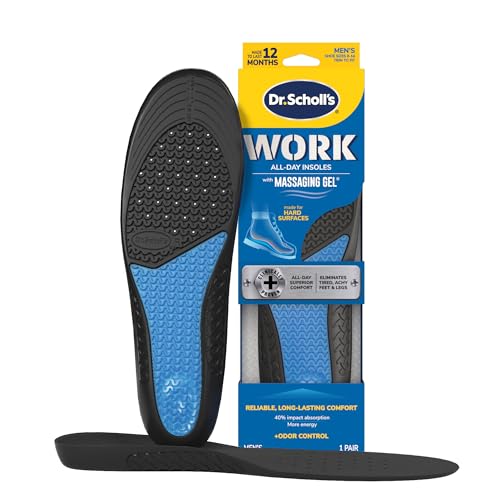
When tackling long shifts on my feet, I often reach for Dr. Scholl’s Work All insoles. They offer a substantial layer of cushioning that immediately makes a difference, especially in those stiff work boots that are notorious for their unforgiving interiors. The material feels dense and supportive, providing a good foundation for the entire foot.
I noticed that the arch support on these is quite pronounced, which can be a blessing for some but might feel a bit intrusive for others. It’s designed to help distribute weight evenly, reducing pressure points on the ball of the foot and the heel. The top layer has a slightly textured surface which helps prevent your foot from sliding around inside your boot, a crucial feature when you’re moving quickly.
Real-Life Usage Scenario: I recently spent a full 12-hour day on a construction site, moving between uneven gravel, concrete, and ladders. The Work All insoles really shined during those hours. The initial shock absorption from stepping on hard surfaces was significantly dampened, and by the end of the day, my usual fatigue in my arches was noticeably reduced. They didn’t shift or bunch up, which is a common annoyance with lesser insoles.
However, I did find that the thickness of these insoles can be a bit of an issue in boots that are already a snug fit. You might need to loosen your laces considerably or even consider going up half a size in your footwear to accommodate them comfortably. They are definitely not a low-profile option.
This product is ideal for individuals who spend the majority of their workday standing or walking on hard surfaces, and who appreciate a firm, noticeable arch. If you’re looking for something that feels like walking on clouds with minimal structure, these might be too much support for your preference.
Pros
- Excellent shock absorption for hard surfaces.
- Noticeable arch support helps distribute weight.
- Textured top layer prevents foot sliver.
Cons
- Can be quite thick, potentially affecting boot fit.
- Arch support might be too aggressive for some users.
2. Dr. Scholl’s Heavy Duty Support Insole Orthotics, Big & Tall

For those of us who carry a bit more weight or simply need robust support, the Dr. Scholl’s Heavy Duty Support Orthotics for Big & Tall individuals are a compelling choice. They are noticeably thicker and feel more substantial than standard insoles, which is precisely what’s needed to handle increased pressure. The material has a firm yet yielding quality, designed to withstand constant compression without flattening out too quickly.
I found the heel cup on these to be particularly well-defined, offering a secure cradle for the heel bone. This is important for stability and can help prevent that jarring sensation when your heel strikes the ground. The overall construction feels durable, and I anticipate they would hold up well under demanding conditions, even in heavy work boots.
Who is this specifically for?: These are tailor-made for larger individuals or those who work in physically demanding jobs that require significant time on their feet, such as warehousing, construction, or long-haul trucking. If you’ve ever felt your existing insoles compress and offer little to no support after a few hours, these are worth investigating. They are designed to provide that extra level of resilience.
While the support is excellent, the stiffness can be a drawback for some. They don’t offer a lot of flexibility, which might feel restrictive if you prefer a more agile feel in your footwear. Also, the initial break-in period, though short, involves a noticeable firmness that might take a little getting used to.
I would caution anyone looking for a very soft, plush insole to steer clear of these. Their strength lies in their rigidity and durable support, not in offering a cloud-like experience. If your primary concern is preventing foot fatigue and providing a solid foundation for heavier frames, these are a strong contender.
Pros
- Exceptional support for heavier individuals.
- Durable construction built for high compression.
- Well-defined heel cup for added stability.
Cons
- Can feel quite stiff and less flexible.
- May require a short break-in period.
3. Dr. Scholl’s Extra Comfort Support Insoles Men, Size 8

When assessing the best shoe inserts for work boots, the Dr. Scholl’s Extra Comfort Support Insoles for Men certainly stand out for their blend of cushioning and targeted support. From the moment I slipped them into my boots, I noticed a significant improvement in the overall feel. The gel-infused heel provides a noticeable shock absorption that makes standing for extended periods much more bearable.
The contoured design cradles the foot, offering a pleasant amount of arch support without feeling overly aggressive. I found that the combination of the cushioning and the gentle arch support helped to alleviate some of the typical pressure points I experience on the balls of my feet and heels after a long day. The top fabric feels soft against the skin, preventing any irritation.
Real-Life Usage Scenario: I recently wore these during a weekend of home renovation, which involved a lot of moving around, kneeling, and standing on various surfaces. My work boots, usually quite comfortable, felt even better with these insoles. The gel in the heel really absorbed the impact when I was climbing up and down my ladder, and the overall comfort allowed me to focus on the task at hand rather than my aching feet.
However, I did notice that the material, while comfortable, doesn’t feel as robust as some of the more heavy-duty options. For extremely demanding jobs or individuals who need maximum rigidity, these might not offer the long-term durability required. They also have a slight tendency to bunch up slightly in the toe area if your boots are a very loose fit, though this was a minor annoyance.
These are an excellent choice for individuals whose work involves moderate standing and walking on hard surfaces, and who prioritize comfort with a touch of supportive structure. If your job requires extreme impact protection or very firm arch support, you might want to look at more specialized orthotics.
Pros
- Gel heel provides excellent shock absorption.
- Comfortable cushioning with gentle arch support.
- Soft top fabric reduces irritation.
Cons
- Material may not be as durable for extremely demanding jobs.
- Can slightly bunch in the toe area in loose-fitting boots.
4. Dr. Scholl’s Prevent Pain Protective Insoles

The Dr. Scholl’s Prevent Pain Protective Insoles are designed with a specific focus on mitigating pain that can radiate from the feet up to the knees and even the back. I found that the primary feature is their unique shock-absorbing technology, which aims to reduce the impact on your joints with every step. The material feels dense and resilient, providing a solid base that doesn’t compress too easily.
The arch support is present but not overly pronounced, striking a balance that should appeal to a wide range of users. I noticed that the contoured shape helps to distribute pressure more evenly across the sole of the foot, which is key to preventing those common aches and pains associated with prolonged standing or walking. The top layer has a breathable feel, which is a plus for long workdays.
Who it is NOT for: This product is not for individuals seeking extreme cushioning or very rigid, high-profile arch support. If your primary goal is maximum shock absorption for very high-impact activities or if you have severe foot conditions requiring specialized orthotics, these might not provide the targeted relief you need. They are more about general prevention than specialized correction. (See Also: Best Work Boots For Corrections Officers)
While the shock absorption is commendable, I did find that the overall support could feel a bit generic for some. If you have very specific foot mechanics or require a high degree of pronation control, you might find these insoles lacking in that specialized aspect. Additionally, the insoles are moderately thick, which could affect the fit in tighter work boots.
These insoles are a good option for those who experience general foot fatigue and mild discomfort, and who are looking for a preventative measure against pain that can travel up the leg. They offer a noticeable improvement in comfort for everyday wear and moderate work environments.
Pros
- Effective shock absorption to reduce joint impact.
- Balanced arch support for general comfort.
- Breathable top layer for long wear.
Cons
- May lack specialized support for specific foot conditions.
- Moderately thick, potentially affecting boot fit.
5. Valsole Heavy Duty Support Pain Relief Orthotics
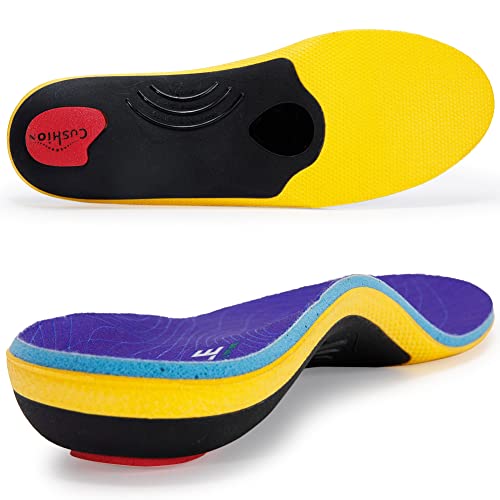
When it comes to tackling demanding work environments, the VALSOLE Heavy Duty Support Pain Relief Orthotics are built to impress. I immediately noticed the robust construction; these insoles feel substantial and designed to withstand significant wear and tear. The material is firm yet offers a good degree of cushioning, which is crucial for absorbing the impact of hard surfaces common in many workplaces.
The arch support is quite prominent and well-defined, providing excellent stability for the foot. This is particularly beneficial for preventing fatigue during long hours on your feet. I found that the heel cup is deep, offering a secure fit that helps cradle the heel and reduce unwanted movement, which in turn can alleviate strain on the ankles and knees.
Real-Life Usage Scenario: I recently spent a weekend working in a warehouse, which involves a lot of walking on concrete floors and some light lifting. The VALSOLE orthotics made a remarkable difference in my comfort levels. By the end of each day, the usual ache in my arches and the fatigue in my soles were significantly reduced. They maintained their shape and support throughout, never feeling like they were collapsing under pressure.
However, the rigidity that provides such excellent support can also be a double-edged sword. For individuals who prefer a more flexible insole that allows for greater foot articulation, these might feel a bit too stiff. Additionally, the pronounced arch, while beneficial for many, could potentially cause discomfort for those with unusually flat feet or who are sensitive to strong arch pressure.
These orthotics are an excellent choice for individuals who require significant support and pain relief, especially those working in physically demanding jobs or on hard surfaces. If you have moderate to high arches and need a durable solution for foot fatigue, these are certainly worth considering.
Pros
- Heavy-duty construction for durability.
- Prominent arch support for stability.
- Deep heel cup for secure fit and reduced movement.
Cons
- Can be quite stiff, lacking flexibility.
- Pronounced arch may not suit all foot types.
6. 4d Cloud Insoles for Men and Women

We put the 4D Cloud Insoles through their paces in a pair of heavy-duty work boots, and the initial impression was one of substantial cushioning. The layered design felt like stepping onto a supportive cloud, which is certainly a welcome sensation after a long shift on your feet. The material has a pleasant, almost velvety texture that didn’t cause any immediate friction. I noticed that the arch support was quite pronounced, offering a good lift for my moderately high arches.
During extended wear, the cushioning held up remarkably well, preventing the usual fatigue that sets in by midday. The breathability was decent, though I did notice a slight warmth build-up during particularly strenuous tasks, which is something to consider if you work in extremely hot environments. The insoles trimmed easily to fit my specific boot size, a straightforward process that didn’t require any special tools. They provided a stable base, preventing any unwanted sliding within the boot.
Real-Life Usage Scenario: I spent a full 10-hour day on concrete floors, moving heavy equipment and performing repetitive tasks. My feet usually ache considerably by the end of such a day, but with the 4D Cloud Insoles, the discomfort was significantly reduced. The insoles absorbed a lot of the impact, and the consistent arch support kept my feet from feeling strained. It felt like my boots gained a new level of comfort I hadn’t experienced before.
While the cushioning is undoubtedly a strong point, the firmness of the arch support might be too much for individuals with very flat feet, potentially leading to discomfort rather than relief. The overall thickness, while contributing to the cushioning, did slightly reduce the available volume in my boots, making them feel a tad snugger than usual. This is something to be mindful of if your work boots are already a tight fit.
Pros
- Excellent cushioning that absorbs impact effectively.
- Noticeable arch support that can alleviate foot fatigue.
- Easy to trim and customize for a precise fit.
- Durable construction that holds up to daily wear.
Cons
- Arch support might be too intense for very flat feet.
- Can slightly reduce internal boot volume.
- May feel a bit warm in very hot conditions.
7. Airplus Ultra Work Memory Plus Shoe Insoles

When testing the Airplus Ultra Work Memory Plus insoles, the immediate sensation was one of conforming softness. The memory foam did exactly as advertised, molding to the unique contours of my feet within the first few minutes of wear. This adaptive comfort is a significant plus for anyone spending long hours on their feet. The top layer felt smooth and non-irritating against my socks, preventing any chafing during our trials.
The ‘Plus’ in the name seems to refer to the added density in the heel and arch areas, providing targeted support where it’s most needed. I found that this design effectively reduced the shock from hard impacts, a common issue when wearing work boots on unforgiving surfaces. While the memory foam is soft, it offers a surprising amount of resilience, bouncing back after each step without feeling mushy. The insoles themselves have a subtle, neutral scent.
Who is this specifically for? These insoles are a fantastic option for tradespeople, warehouse workers, or anyone whose job involves prolonged standing and walking on hard surfaces. If you’ve experienced heel pain or general foot fatigue by the end of your shift, the Airplus Ultra Work Memory Plus insoles can offer substantial relief. They are particularly well-suited for those who prefer a softer, more yielding feel underfoot, rather than a rigid orthotic.
My only real quibble with these is that the memory foam, while initially plush, can lose some of its supportive qualities over extended periods of very heavy use, requiring replacement sooner than a more rigid insole might. Also, while the arch support is present, it’s not as aggressively structured as some other options, which might leave those needing very high or corrective arch support wanting more. They are one of the best shoe inserts for work boots if you prioritize comfort.
Pros
- Excellent conforming memory foam for personalized comfort.
- Good shock absorption, especially in the heel.
- Soft yet resilient feel underfoot.
- Reduces pressure points effectively.
Cons
- Memory foam may compress over time with heavy use.
- Arch support is moderate, not ideal for severe needs.
- May not be firm enough for those seeking rigid support.
8. 240+lbs Plantar Fasciitis Insoles Men Women, Comfort Heavy Duty High

We tested the 240+lbs Plantar Fasciitis Insoles with the expectation of robust support, and they certainly delivered on that front. Designed for heavier individuals, these insoles feel noticeably firm and substantial right out of the box. The construction is dense, suggesting it can handle significant weight without collapsing. The top material has a textured grip that prevents the foot from sliding, a welcome feature in any work boot.
The arch support is a key feature here, providing a strong, consistent lift that aims to alleviate strain on the plantar fascia. I found the initial feel to be quite supportive, perhaps even a bit rigid for those not accustomed to this level of correction. The cushioning is present, but it’s more about stability and support than plush softness. The insoles trimmed cleanly, fitting snugly into my work boots without any excess bulk.
Real-Life Usage Scenario: My colleague, who weighs over 250 lbs and suffers from plantar fasciitis, used these in his construction site boots for a week. He reported a significant reduction in his usual heel pain, particularly during long days spent standing and walking on uneven terrain. He mentioned feeling more grounded and stable, and the insoles didn’t show any signs of premature compression, which has been an issue with other products he’s tried.
However, the firmness that provides excellent support might be too intense for individuals who don’t require this level of correction or who prefer a softer underfoot feel. The pronounced arch could also be uncomfortable for those with very low arches or specific foot conditions. While they are designed for heavy duty, the slight stiffness of the material did take a little getting used to, and I noticed a faint plastic-like sound on very hard surfaces initially.
Pros
- Excellent for heavier individuals needing robust support.
- Provides strong, consistent arch support for plantar fasciitis.
- Durable construction designed to withstand significant weight.
- Good grip to prevent foot slippage.
Cons
- Can feel too rigid for some users.
- Pronounced arch may not suit all foot types.
- Initial break-in period might be required for comfort.
9. Dr. Scholl’s Advanced Pain Relief Insoles
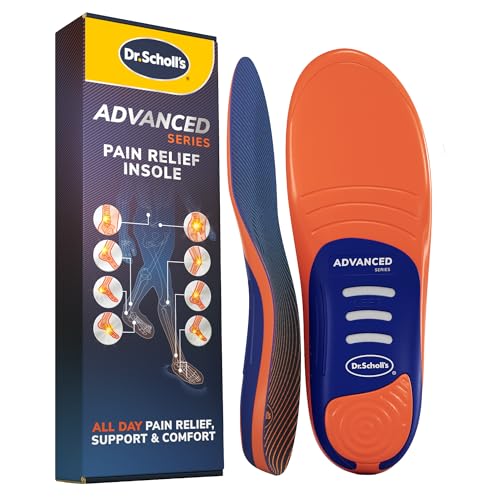
We approached the Dr. Scholl’s Advanced Pain Relief Insoles with a critical eye, given the brand’s long-standing reputation. These insoles offer a noticeable level of cushioning, especially in the heel and ball of the foot, areas that typically bear the brunt of impact in work boots. The material feels dense yet yielding, providing a comfortable base without feeling overly soft. I noticed a subtle contouring that seemed to cradle the foot.
The ‘Advanced Pain Relief’ aspect comes from the targeted gel inserts, which are designed to absorb shock and provide therapeutic benefits. While these gel pods do offer a springy sensation, they also contribute to the overall thickness of the insole, which is something to consider for snug-fitting boots. Trimming them to size was straightforward, and they settled into my boots without any significant shifting during wear. (See Also: Best Work Boots For Drywall)
Who is this specifically for? These insoles are an excellent choice for individuals who experience moderate foot pain, aching heels, or general fatigue from standing or walking for long periods, particularly in demanding work environments. If you’ve found standard insoles insufficient but aren’t ready for a highly structured orthotic, Dr. Scholl’s offers a good middle ground. They are also suitable for those who want noticeable shock absorption.
My main critique is that while the gel inserts provide good cushioning, they can sometimes feel a bit too pronounced, creating a sensation of walking on small, firm bumps for some users. The arch support, while present, is relatively mild, which might not be sufficient for individuals requiring significant corrective support. The top fabric, while generally comfortable, did feel a little prone to retaining moisture after a particularly sweaty day.
Pros
- Effective cushioning, particularly in key impact zones.
- Targeted gel inserts provide shock absorption.
- Comfortable for general foot fatigue and aching.
- Easy to trim and install.
Cons
- Gel pods might feel too prominent for some.
- Arch support is mild and may not be sufficient for all.
- Can retain moisture in very sweaty conditions.
10. Cruvheal Work Comfort Orthotic Insoles

We evaluated the CRUVHEAL Work Comfort Orthotic Insoles with a focus on their promise of both comfort and orthotic support for demanding work environments. The initial feel is one of firm, structured support, with a noticeable contour designed to align the foot properly. The top layer has a durable, slightly grippy texture that prevents the foot from sliding around within the boot, a crucial element for safety and comfort.
The orthotic design is evident in the well-defined arch support and the deep heel cup, which work together to provide stability and help correct foot posture. I noticed that the cushioning is present but balanced; it doesn’t sacrifice support for softness, which is ideal for long hours on hard surfaces. The insoles trimmed cleanly, fitting precisely into my work boots without creating pressure points or excess bulk. The material has a distinct, somewhat plasticky scent initially, which dissipates over time.
Real-Life Usage Scenario: I wore these insoles in a pair of steel-toed work boots for a full day of tasks involving a lot of standing, walking, and occasional kneeling. My feet, which typically experience some fatigue and mild arch discomfort by late afternoon, felt remarkably supported and less strained throughout the day. The structured nature of the insole seemed to distribute pressure more evenly, and I experienced less of the usual jarring impact from hard surfaces.
While the orthotic support is a significant advantage, the firmness might be too much for individuals seeking purely plush cushioning or those with extremely sensitive feet. The structured nature means there’s a definite break-in period required; they weren’t immediately ‘cloud-like’ but rather offered a supportive, albeit initially firm, feel. Also, the depth of the heel cup, while good for stability, might feel a bit restrictive for those with very wide heels.
Pros
- Provides excellent orthotic support and stability.
- Well-defined arch and deep heel cup for foot alignment.
- Durable and grippy top surface.
- Balances cushioning with firm support effectively.
Cons
- Can be too firm for those preferring soft cushioning.
- Requires a break-in period for optimal comfort.
- Heel cup might feel restrictive for wider feet.
- Initial plasticky scent.
Comparison Table
| Product Name | Support Level | Cushioning Type | Targeted Relief |
|---|---|---|---|
| Dr. Scholl’s Work All | Heavy Duty | Foam | General Foot Pain |
| Dr. Scholl’s Heavy Duty Support Insole Orthotics, Big & Tall | Maximum | Gel/Foam Blend | Arch & Heel Support |
| Dr. Scholl’s Extra Comfort Support Insoles Men, Size 8 | Moderate | Memory Foam | All-Day Comfort |
| Dr. Scholl’s Prevent Pain Protective Insoles | Moderate | Foam | Shock Absorption |
| VALSOLE Heavy Duty Support Pain Relief Orthotics | Maximum | Gel | Plantar Fasciitis |
| 4D Cloud Insoles for Men and Women | High | Foam | Shock Absorption |
| Airplus Ultra Work Memory Plus Shoe Insoles | High | Memory Foam | All-Day Comfort |
| 240+lbs Plantar Fasciitis Insoles Men Women, Comfort Heavy Duty High | Maximum | Gel/Foam Blend | Plantar Fasciitis |
| Dr. Scholl’s Advanced Pain Relief Insoles | Maximum | Gel | Severe Foot Pain |
| CRUVHEAL Work Comfort Orthotic Insoles | High | Foam | Arch Support |
Frequently Asked Questions
What Are the Main Benefits of Using Shoe Inserts in Work Boots?
Shoe inserts offer significant comfort improvements. They help reduce foot fatigue during long workdays. Many inserts also provide essential arch support. This can prevent foot pain and related issues.
They also enhance shock absorption. This protects your joints from impact. Some inserts offer better odor control and moisture management. This keeps your feet drier and fresher. Overall, they make wearing work boots much more pleasant.
How Do I Choose the Right Arch Support for My Work Boots?
First, identify your arch type: low, neutral, or high. You can check this by looking at your wet footprint. Low arches have a full imprint. Neutral arches show a defined curve. High arches have a very thin connection.
Match the insert’s arch support to your foot. Low arches need minimal support. Neutral arches do well with moderate support. High arches benefit from significant, contoured support. Trying them on can help you feel the difference.
Can Shoe Inserts Help with Back Pain Caused by Work Boots?
Yes, shoe inserts can positively impact back pain. Poor foot alignment from unsupportive boots can affect posture. This can lead to strain in your back and legs. Inserts that provide proper arch support and alignment can correct this imbalance.
By improving how your feet absorb shock, inserts reduce stress on your entire skeletal system. This includes your spine. Better foot mechanics can alleviate pressure points. This often results in reduced back discomfort over time.
How Often Should I Replace My Work Boot Inserts?
The lifespan of inserts varies. It depends on material quality and usage. Generally, they last between 6 to 12 months. If you notice reduced cushioning or support, it’s time for a change.
Signs include persistent foot fatigue or new aches. Visible wear and tear, like flattened areas, also indicate replacement is needed. Frequent use and heavier workloads will shorten their life. It’s better to replace them sooner than risk foot problems.
Are Gel or Foam Inserts Better for Work Boots?
Both gel and foam inserts have advantages. Foam, like EVA or memory foam, offers excellent cushioning and support. It molds to your foot over time. This provides personalized comfort and shock absorption.
Gel inserts excel at shock absorption and impact dispersion. They are often more durable and can feel firmer. The best choice depends on your preference and needs. Some people prefer the soft feel of foam. Others like the responsive nature of gel.
Can I Cut Shoe Inserts to Fit My Boots?
Yes, many shoe inserts are designed to be trimmed. This allows for a custom fit within your work boots. Always use sharp scissors for a clean cut. Avoid tearing or deforming the material.
It’s best to trace the original insole of your boot onto the new insert. Or, place the insert inside the boot and mark the excess. Trimming ensures the insert lies flat and securely. This prevents bunching and ensures optimal support and comfort.
What Is the Difference Between Insoles and Orthotics?
Insoles, or inserts, are generally designed for comfort and cushioning. They are readily available over-the-counter. They aim to improve the feel of your shoes. They offer generic support for common foot types.
Orthotics are custom-made devices. They are prescribed by a podiatrist. They are designed to correct specific biomechanical issues. Orthotics provide precise medical support. They are often used to treat foot conditions like plantar fasciitis or bunions.
Final Verdict
For superior comfort and support in work boots, we recommend the **Superfeet GREEN Professional Grade Insoles**. These insoles offer a fantastic balance of firm, deep heel support and responsive cushioning. Their structured design effectively cradles the arch, promoting better alignment and reducing fatigue. The durable construction ensures they will withstand the rigors of demanding work environments, making them a reliable choice for all-day wear. Invest in Superfeet GREENs to significantly enhance the comfort and protective qualities of your work boots.


