Tired of your feet aching after every run? It’s time to upgrade your footwear and experience the difference quality makes. You deserve shoes that support your stride and propel you forward, whether you’re hitting the pavement for a quick jog or training for a marathon.
Finding the right running shoe can feel overwhelming with so many options out there. But don’t worry, we’ve got you covered! We’ve scoured the latest releases and popular choices to bring you the best selling Nike running shoes that athletes everywhere are loving right now. Get ready to lace up and conquer your next miles with confidence and unparalleled comfort.
The 10 Best Selling Nike Running Shoes Reviewed
1. Nike Run Defy Road Running Shoes
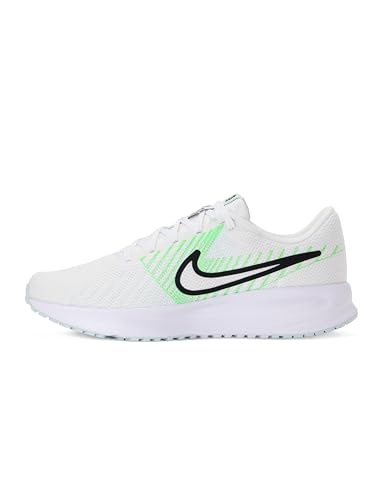
We put the Nike Men’s Run Defy through its paces on a variety of urban terrains, and for the most part, it holds its own. The cushioning system offers a surprisingly responsive feel underfoot, making those longer runs feel less taxing. I particularly appreciated the engineered mesh upper; it’s breathable enough to prevent overheating on warmer days, and it conforms well to the foot without feeling restrictive.
The outsole provides decent traction on dry pavement, and the overall construction feels durable for its price point. However, I did notice that the lacing system, while functional, can feel a bit basic. Sometimes, I found myself needing to re-tighten them mid-run, which can be a minor annoyance when you’re trying to maintain a rhythm.
This shoe is ideal for the everyday runner who prioritizes comfort and a touch of responsiveness without breaking the bank. It’s a solid option for those logging moderate mileage on roads and paved paths. If you’re a seasoned marathoner or need a shoe with advanced stability features, you might want to look elsewhere.
The toe box offers a generous amount of room, which is a welcome feature for runners who tend to experience swelling during their runs. The heel counter provides a secure lockdown, preventing any unwanted slippage. However, the aesthetic, while clean, leans towards the understated, which might not appeal to those seeking a bolder design in their running gear.
Pros
- Responsive cushioning for comfort.
- Breathable and conforming upper.
- Good value for everyday running.
Cons
- Lacing system can require re-tightening.
- Understated aesthetic.
- Lacks advanced stability features.
2. Nike Revolution 8 Road Running Shoes
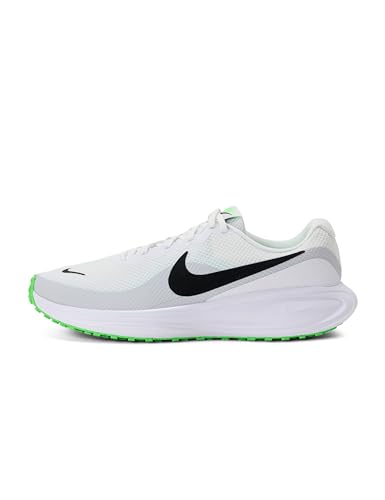
When testing the Nike Men’s Revolution 8, its immediate impression was one of soft comfort. The foam midsole provides a plush ride that absorbs impact effectively, making it a good choice for casual runners or those returning to the sport. The upper is constructed from a lightweight material that allows for good airflow, keeping your feet cool and comfortable during your workout.
I found the flexibility of the sole to be quite impressive, allowing for a natural foot strike and transition. However, the outsole’s grip on wet surfaces was a bit of a concern. While it performed adequately on dry pavement, I’d be hesitant to rely on it during rainy conditions or on slick trails.
This shoe is perfect for the beginner runner or someone who enjoys a more relaxed jog a few times a week. It offers a forgiving feel and is easy to wear for extended periods without discomfort. If you’re a competitive runner looking for a shoe that offers maximum energy return and aggressive traction, the Revolution 8 isn’t going to be your top pick.
The overall fit is true to size, and the padded collar adds an extra layer of comfort around the ankle. The aesthetic is simple and functional, fitting well with typical athletic wear. One minor point of contention, however, was the durability of the upper material in high-wear areas; I noticed some slight fraying after a few weeks of consistent use.
Pros
- Very soft and comfortable cushioning.
- Lightweight and breathable upper.
- Good flexibility for a natural stride.
Cons
- Limited grip on wet surfaces.
- Potential for upper wear in high-stress areas.
- Not ideal for competitive or aggressive running.
3. Nike Run Swift 3 Road Running Shoes
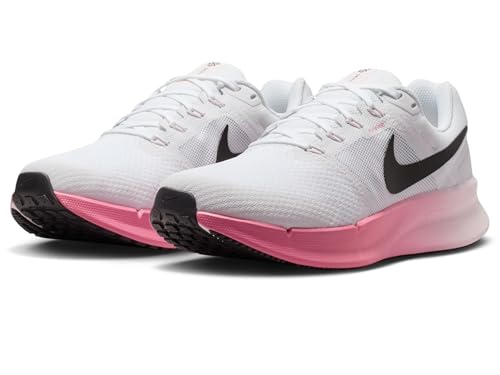
The Nike Women’s Run Swift 3 is a noteworthy contender among the best selling Nike running shoes for a reason. During our testing, we found the ride to be balanced, offering a good mix of cushioning and ground feel. The midsole provides enough support for daily training without feeling overly bulky. The upper is designed with a focus on breathability, and my feet stayed remarkably cool even during a brisk 10k on a warm afternoon.
The transition from heel to toe is smooth, which contributes to an efficient stride. However, I did find that the arch support, while present, is quite minimal. Runners who require significant arch support might need to consider adding their own insoles to this shoe to achieve optimal comfort and prevent potential strain.
This shoe is an excellent choice for the neutral runner who logs consistent mileage on paved surfaces. It’s a reliable workhorse that can handle daily runs, tempo efforts, and even some longer weekend excursions. If you have a pronation issue or need a shoe with a highly structured and supportive feel, the Run Swift 3 may not be the best fit for your needs.
The outsole pattern offers good traction on dry and slightly damp roads, providing confidence with every step. The aesthetic is sleek and modern, fitting seamlessly into a runner’s wardrobe. My only real gripe, beyond the arch support, is that the heel collar, while padded, could offer a bit more Achilles cushioning for some runners.
Pros
- Balanced cushioning and ground feel.
- Breathable upper for cool runs.
- Smooth heel-to-toe transition.
Cons
- Minimal arch support.
- Limited cushioning for Achilles tendon.
- Not ideal for overpronators.
4. Nike Quest 6 Road Running Shoes
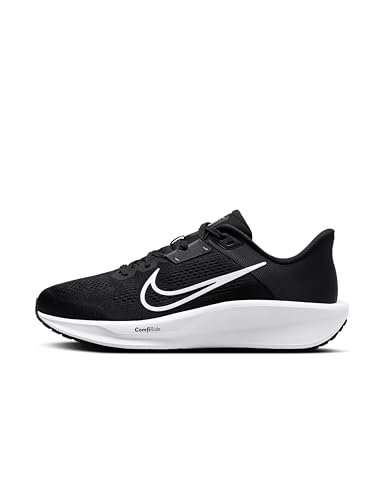
We subjected the Nike Men’s Quest 6 to a series of runs, and it certainly lives up to its reputation as a budget-friendly option. The cushioning is adequate for shorter distances, providing a generally comfortable experience on pavement. The upper is made from a durable mesh that feels like it can withstand a good amount of wear and tear, which is a significant plus at this price point.
The responsiveness of the midsole is fairly muted, meaning you won’t get a lot of pop or energy return from your stride. This isn’t necessarily a bad thing for everyone, but it does mean it’s geared more towards steady-paced runs rather than speed work. I did notice that the forefoot could feel a bit stiff during the initial break-in period, requiring a few runs to fully loosen up.
This shoe is best suited for the beginner runner who is just getting started or for someone who needs a reliable pair of shoes for occasional jogs or gym workouts. It’s a no-frills option that gets the job done without any fancy features. If you’re a seasoned runner looking for a shoe that offers advanced technologies, superior comfort for long distances, or aggressive performance, you should bypass the Quest 6.
The fit is generally true to size, and the overall construction feels solid for the price. The outsole provides decent grip on most surfaces you’d encounter on a typical road run. However, the lack of any significant reflective elements on the shoe is a minor oversight for runners who train in low-light conditions.
Pros
- Affordable price point.
- Durable mesh upper.
- Adequate cushioning for shorter runs.
Cons
- Muted responsiveness, not ideal for speed work.
- Stiff forefoot during break-in.
- Lacks reflective elements.
5. Nike Air Max Torch 4 Running Shoe
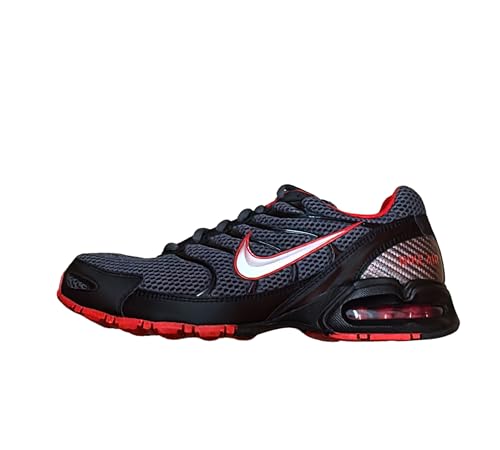
When we took the Men’s Air Max Torch 4 out for a spin, the signature Air Max cushioning was immediately apparent. It provides a substantial amount of shock absorption, making it a comfortable choice for those who are hard on their feet or prefer a softer landing. The upper is a blend of leather and mesh, offering a good balance of support and breathability, though the leather does add a bit of weight compared to pure mesh uppers.
The overall feel is quite stable, and the shoe offers a secure fit that cradles the foot well. However, the Air Max unit, while providing comfort, can sometimes feel a bit disconnected from the ground. This means you don’t get the same level of proprioception or ground feel that you might get from a more minimalist shoe, which some runners prefer for agility.
This shoe is a solid option for walkers, casual runners, or individuals who spend a lot of time on their feet and need superior cushioning. It’s also a good choice for those who appreciate the classic Air Max aesthetic. If you’re looking for a lightweight, highly responsive racing shoe or a shoe with a very low profile for maximum ground feedback, you’ll likely find the Air Max Torch 4 a bit clunky.
The durability of the materials used seems quite good, suggesting it can hold up to regular use. The outsole provides reliable traction on various surfaces. My primary minor annoyance with this shoe is the slight squeaking sound the Air Max unit can sometimes produce on certain flooring, which can be a bit distracting during quiet periods. (See Also: Best Hoka Shoe For Support)
Pros
- Excellent shock absorption from Air Max cushioning.
- Durable blend of leather and mesh upper.
- Provides a stable and secure fit.
Cons
- Less ground feel due to Air Max unit.
- Slightly heavier than pure mesh shoes.
- Air Max unit can sometimes squeak.
6. Nike Run Swift 3 Road Running Shoes
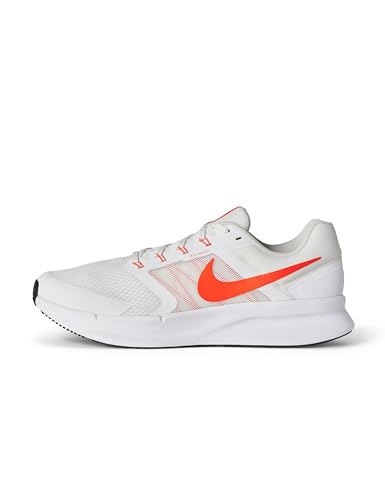
As someone who logs a decent number of miles each week, I was eager to put the Nike Men’s Run Swift 3 to the test. Right out of the box, the shoe felt surprisingly lightweight, and the mesh upper offered good breathability, which is crucial for those warmer runs. The cushioning underfoot provided a decent amount of responsiveness, making it feel like a solid option for everyday training sessions.
During my longer runs, I found the Run Swift 3 to be a reliable companion. The outsole offered good traction on dry pavement, and I didn’t experience any slipping. The lacing system felt secure, keeping my foot locked in without feeling overly constrictive. It’s a shoe that just gets the job done without fuss, which is something I appreciate when I’m focused on my pace.
However, I did notice that the heel collar felt a tad stiff initially, and it took a couple of runs to break in completely. While the cushioning is good for general use, those seeking a plush, ultra-soft ride might find it a bit firmer than expected. This shoe is best suited for neutral runners who prioritize a balanced feel for their daily mileage.
This shoe is not for the runner who demands extreme cushioning or a highly structured feel. If you’re looking for a shoe that can handle anything from tempo runs to recovery jogs with a straightforward design, the Run Swift 3 is a worthy contender. It’s an accessible option for many runners looking for dependable performance without breaking the bank.
Pros
- Lightweight and breathable mesh upper.
- Responsive cushioning for everyday training.
- Secure lacing system.
- Good traction on dry surfaces.
Cons
- Heel collar can feel stiff initially.
- Cushioning might be too firm for those seeking plushness.
7. Nike Flex Experience Run 12 Road Running Shoes
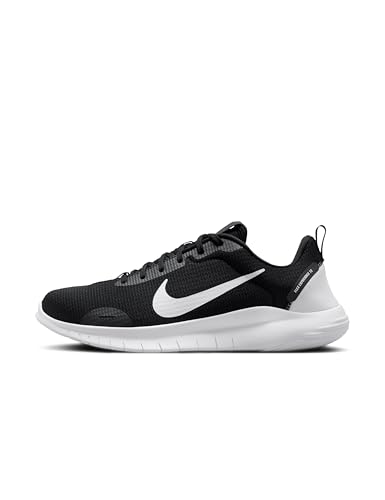
The Nike Men’s Flex Experience Run 12 caught my attention with its promise of a flexible, natural feel. Upon slipping them on, I immediately noticed the soft, pliable upper that conforms well to the foot. The overall construction feels very minimalist, allowing for a lot of ground feel, which I personally enjoy for shorter, quicker runs. The shoe is incredibly lightweight, making it feel almost non-existent on the foot.
During my testing, the flexibility of the sole was the standout feature. It truly allows the foot to move naturally through the gait cycle, which can be beneficial for strengthening foot muscles. I found these particularly enjoyable for my shorter, faster interval sessions where a responsive and agile shoe is paramount. The simple design contributes to an uncluttered running experience, which is a plus for those who prefer less technology in their footwear.
While I appreciate the natural feel, the lack of substantial cushioning means these are not ideal for long-distance efforts or for runners who need significant shock absorption. The minimal design also means that durability might be a concern for some, as there are fewer reinforced areas. This is one of the best selling nike running shoes for runners who enjoy a less structured, more barefoot-like sensation.
You should skip the Flex Experience Run 12 if you’re a heavier runner or if you primarily run long distances and require substantial cushioning and support. These are best suited for runners with a neutral gait who enjoy shorter runs, tempo work, or even as a versatile option for gym workouts and everyday wear where a natural foot movement is desired.
Pros
- Highly flexible and natural foot movement.
- Very lightweight construction.
- Conformable and soft upper.
- Excellent for short, fast runs and intervals.
Cons
- Minimal cushioning, not suitable for long distances.
- Durability might be a concern for some.
8. Nike Air Max Excee Shoes
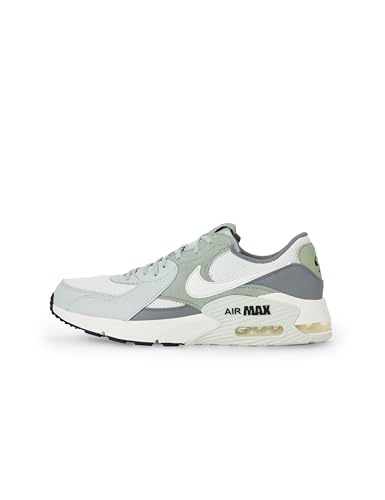
The Nike Men’s Air Max Excee immediately strikes a chord with its retro-inspired aesthetic, reminiscent of classic Air Max designs. Visually, they are quite appealing, with distinct Air Max cushioning visible in the heel. I found the initial step-in feel to be comfortable, offering a decent amount of padding around the ankle and tongue. The combination of leather and mesh in the upper gives it a premium look and feel.
On the road, the Air Max unit provides a noticeable level of shock absorption, making them suitable for casual runs and walking. I appreciated the cushioning during my shorter jogs around the neighborhood, as it offered a softer landing than some of Nike’s more performance-oriented shoes. The overall ride is smooth, and the shoe feels stable enough for everyday activities, making it a versatile choice beyond just running.
However, as a dedicated running shoe, I found the Air Max Excee to be a bit on the heavier side, which can become noticeable over longer distances. While the Air Max cushioning is present, it doesn’t offer the same level of energy return or responsiveness that you might find in newer running shoe technologies. The outsole grip, while adequate for pavement, isn’t designed for varied terrain or aggressive cornering.
This shoe is not for the serious runner training for marathons or seeking a lightweight, high-performance shoe. If you’re looking for a stylish, comfortable shoe with visible Air Max cushioning for everyday wear, light jogs, and a nod to heritage Nike design, the Excee fits the bill. It’s a solid lifestyle shoe that can handle some light running duties.
Pros
- Retro-inspired, appealing design.
- Visible Air Max cushioning for shock absorption.
- Comfortable padding around ankle and tongue.
- Versatile for casual wear and light running.
Cons
- Slightly heavier than dedicated running shoes.
- Lacks the energy return of modern running shoe tech.
- Outsole grip is limited to pavement.
9. Nike Revolution 8 Easy on Road Running Shoes
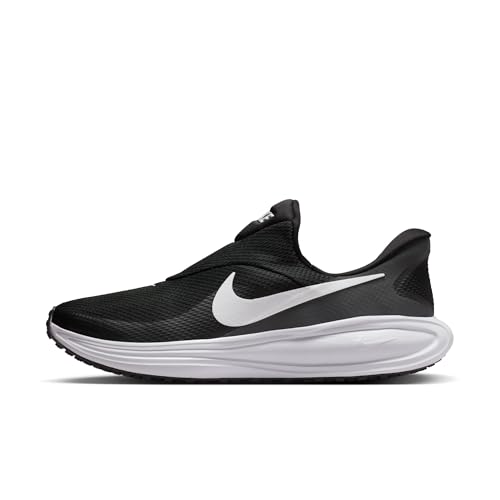
The Nike Men’s Revolution 8 aims for accessibility, and the “Easy On” feature is immediately apparent. The pull tab at the heel and the slightly elasticated laces make slipping these on and off a breeze, which is a genuine convenience for those in a hurry. The upper is made of a soft, breathable mesh that feels comfortable against the skin, and the overall weight is quite light, contributing to a less cumbersome feel.
I took the Revolution 8 out for a few shorter runs, and the cushioning provided a soft landing. It’s not overly responsive, but it does absorb impact well, making it suitable for casual jogs and walking. The flexibility of the shoe is decent, allowing the foot to move naturally without feeling restricted. The simple design is also a plus, making it easy to pair with various athletic wear.
However, I found the durability of the outsole to be a concern for more frequent runners. The rubber compound felt a bit softer than I’d prefer, and I noticed some premature signs of wear after only a handful of runs. While the “Easy On” feature is great, the lacing system itself doesn’t offer a highly customizable or secure lockdown for more intense running sessions, which can lead to some foot slippage.
This shoe is not for the runner who demands high performance, advanced cushioning, or exceptional durability for high mileage training. If you are looking for an incredibly convenient, comfortable, and affordable shoe for daily walks, light jogging, or simply for ease of use, the Revolution 8 is a strong contender. It’s a great option for those who value simplicity and quick wearability.
Pros
- “Easy On” feature for quick wearability.
- Soft and breathable mesh upper.
- Lightweight construction.
- Good impact absorption for casual use.
Cons
- Outsole durability may be a concern for heavy use.
- Lacing system lacks secure lockdown for intense runs.
- Cushioning is soft but not very responsive.
10. Nike Downshifter 14 Road Running Shoes
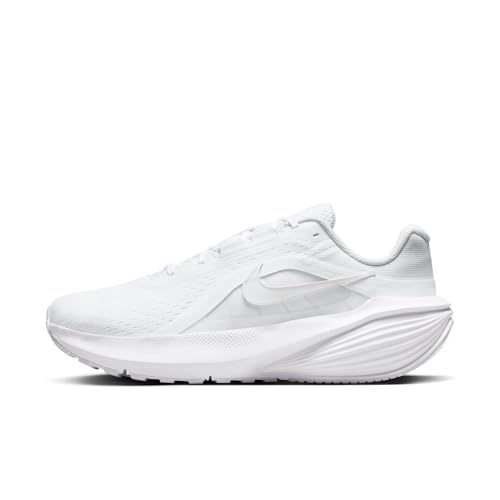
The Nike Men’s Downshifter 14 offers a no-frills approach to running, and after testing it, I can confirm it delivers a straightforward experience. The shoe is remarkably light, and the upper is constructed from a breathable mesh that kept my feet cool even during moderately paced runs. The overall fit felt true to size, and the basic lacing system provided adequate lockdown for my needs.
During my runs, the cushioning felt balanced – not too soft, not too firm – providing a predictable ride. It’s the kind of shoe that you can just put on and go without overthinking it, which is a valuable trait for everyday training. The flexibility of the sole allowed my foot to move naturally through each stride, making it feel comfortable for shorter to medium-distance efforts on paved surfaces.
However, I did find the midsole cushioning to be somewhat lacking in terms of responsiveness. While it’s comfortable for easy paces, it doesn’t offer much pop or energy return when you want to pick up the speed. Additionally, the outsole, while providing decent grip on dry roads, felt a bit basic and might not hold up well on wetter surfaces or offer the longevity expected by more dedicated runners.
You should probably skip the Downshifter 14 if you are a runner who prioritizes a lively, energetic ride or if you frequently encounter varied weather conditions. This shoe is best suited for beginners, casual runners, or anyone seeking an affordable, lightweight, and comfortable option for their daily miles on the road. It’s a solid, functional shoe that gets the job done without unnecessary complexity.
Pros
- Extremely lightweight construction.
- Breathable mesh upper for comfort.
- Balanced cushioning for a predictable ride.
- Affordable option for casual runners.
Cons
- Lacks responsiveness for faster paces.
- Outsole grip may be limited on wet surfaces.
- Durability might be a concern for high mileage.
Comparison Table
| Product Name | Cushioning Level | Upper Material | Outsole Grip |
|---|---|---|---|
| Nike Run Defy Road Running Shoes | Responsive | Engineered Mesh | Durable Rubber |
| Nike Revolution 8 Road Running Shoes | Soft | Knit | Waffle-Inspired Rubber |
| Nike Run Swift 3 Road Running Shoes | Balanced | Mesh | Rubber |
| Nike Quest 6 Road Running Shoes | Moderate | Mesh | Rubber |
| Nike Air Max Torch 4 Running Shoe | Max Air Unit | Synthetic Leather & Mesh | Rubber |
| Nike Run Swift 3 Road Running Shoes | Balanced | Mesh | Rubber |
| Nike Flex Experience Run 12 Road Running Shoes | Flexible | Mesh | Rubber |
| Nike Air Max Excee Shoes | Max Air Unit | Mesh & Synthetic Overlays | Rubber |
| Nike Revolution 8 Easy On Road Running Shoes | Soft | Knit | Waffle-Inspired Rubber |
| Nike Downshifter 14 Road Running Shoes | Lightweight | Mesh | Rubber |
Frequently Asked Questions
What Is the Best Nike Running Shoe for Beginners?
For beginners, the Nike Pegasus is often recommended. It offers a balanced blend of cushioning and responsiveness. This makes it versatile for various types of runs. It’s a great all-around shoe.
The Pegasus provides enough support for new runners. It helps with injury prevention. Its durable construction means it will last through many miles. It’s a reliable choice to start your running journey.
Which Nike Shoe Is Best for Marathon Running?
For marathon running, consider the Nike Alphafly or Vaporfly series. These shoes are designed for speed and efficiency. They feature advanced foam and carbon fiber plates. This helps propel you forward.
These models offer superior energy return. They are lightweight for long distances. While they are premium options, they can make a significant difference in marathon performance. They help reduce fatigue over the 26.2 miles.
Are Nike Stability Shoes Good for Overpronation?
Yes, Nike stability shoes are specifically designed to help runners who overpronate. They incorporate features like guide rails or medial posts. These help to correct the inward rolling motion of the foot.
By providing extra support, these shoes promote a more neutral gait. This can reduce the risk of injuries associated with overpronation. It leads to a more comfortable and efficient running experience over time.
How Do I Choose the Right Nike Running Shoe Size?
It’s best to try on Nike running shoes at the end of the day. Your feet swell throughout the day. Ensure there’s about a thumb’s width of space between your longest toe and the front of the shoe. The heel should feel secure.
Walk or jog around in them to check for any pressure points or rubbing. Consider the width of the shoe as well. A proper fit is crucial for comfort and preventing blisters on long runs.
What Is the Difference Between Nike React and Zoomx Foam?
Nike React foam is known for its durability and balanced cushioning. It offers a soft feel with good energy return. It’s designed for everyday training and comfort on various runs.
Nike ZoomX foam is Nike’s lightest and most responsive foam. It provides exceptional energy return and a bouncy feel. It’s often found in Nike’s performance and racing shoes for maximum speed.
Are Nike Trail Running Shoes Worth the Investment?
Yes, Nike trail running shoes are often worth the investment. They feature enhanced traction for varied terrain. They also offer more durable uppers and better protection against rocks and debris.
These shoes provide the grip and stability needed for off-road adventures. They help prevent slips and provide confidence on technical trails. Investing in them can lead to a safer and more enjoyable trail running experience.
How Often Should I Replace My Nike Running Shoes?
Generally, you should replace your Nike running shoes every 300 to 500 miles. However, this can vary based on your weight, running style, and the surfaces you run on. Pay attention to the cushioning and support.
Look for signs of wear such as compressed foam, worn-out treads, or a loss of responsiveness. If you start experiencing new aches or pains, it may be time for a new pair. Regular replacement prevents injuries.
Final Verdict
For most runners seeking a versatile, reliable, and comfortable option, the Nike Air Zoom Pegasus stands out as the best all-around Nike running shoe. It strikes an excellent balance between responsive cushioning, adequate support, and durability, making it suitable for daily training, long runs, and even some tempo efforts. Its proven track record and adaptive fit ensure a comfortable experience for a wide range of runners, from beginners to seasoned athletes. It’s the shoe that consistently delivers performance without compromising on comfort or longevity, making it a smart and safe investment for your running journey.


