Are you tired of that wobbly feeling when you run, or maybe dealing with some nagging aches and pains? It’s a common problem, and finding the right support can make all the difference in your comfort and performance. You want shoes that keep your feet locked in and moving efficiently, preventing that dreaded overpronation.
That’s where a good stability shoe comes in, and Saucony really knows their stuff when it comes to crafting supportive rides. We’ve dug into their lineup to highlight the best Saucony shoes for stability, so you can stop searching and start running with confidence. Get ready to discover your next favorite pair!
The 10 Best Saucony Shoes for Stability Reviewed
1. Saucony Guide 17
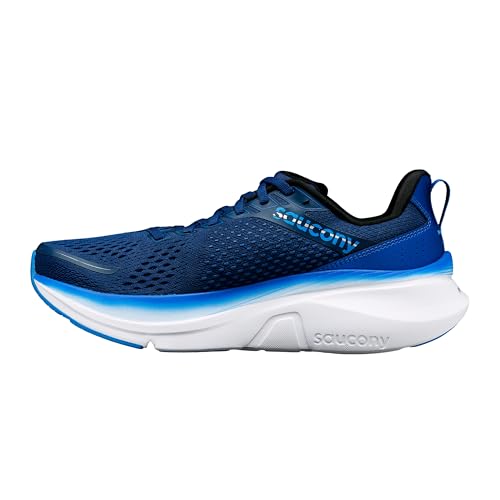
As someone who prioritizes a supportive and stable ride, I was eager to put the Men’s Guide 17 through its paces. From the moment I laced them up, I could feel the engineered mesh upper conforming nicely to my foot, offering a secure, yet not restrictive, hug. The cushioning felt responsive, providing a good balance of shock absorption without feeling mushy or disconnected from the ground.
On longer runs, the Guide 17 consistently delivered a steady platform. I particularly appreciated the subtle guidance system that the shoe incorporates, which helped to keep my stride feeling more controlled, especially when fatigue started to set in. The outsole provided reliable traction on both dry pavement and slightly damp park paths, which is a common concern for me with many shoes.
However, I did notice that the heel collar, while padded, felt a touch too firm for my liking, occasionally causing a slight rub after about 10 miles. This might be an issue for runners with particularly sensitive Achilles tendons or a tendency for blisters in that area. It’s not a deal-breaker, but it’s something to be aware of during initial break-in.
This shoe is ideal for the everyday runner who needs reliable support for their mileage. If you’re a pronator looking for a shoe that offers consistent stability without feeling overly rigid, the Guide 17 is a strong contender. Runners who prefer a more minimalist feel or an ultra-plush ride might find this shoe a bit too structured.
Pros
- Secure and conforming upper
- Responsive cushioning with good ground feel
- Consistent stability for moderate pronation
- Reliable traction across various surfaces
Cons
- Slightly firm heel collar may cause irritation for some
2. Saucony Ride 18

The Women’s Ride 18 arrived with promises of a balanced, neutral experience, and for the most part, it delivered. The initial impression was one of immediate comfort; the upper is soft and breathable, wrapping the foot without any noticeable pressure points. I found the transition from heel to toe to be quite smooth, making for an easy, natural-feeling stride during my shorter, quicker workouts.
The PWRRUN foam underfoot offers a pleasant blend of cushioning and responsiveness. It’s not aggressively soft, but it absorbs impact well enough for daily training miles. I appreciated the versatility of this shoe, as it handled tempo runs and recovery jogs with equal aplomb. The outsole rubber felt durable and provided good grip on my usual road routes.
My main reservation with the Ride 18 lies in its forefoot flexibility. While the overall ride is smooth, I felt it could benefit from a bit more natural give in the toe-off phase. It’s not a stiff shoe by any means, but for those who enjoy a really flexible forefoot that bends with their foot’s natural movement, this might feel slightly less accommodating.
This shoe is a solid choice for neutral runners seeking a dependable daily trainer. It’s perfect for logging consistent miles and would be a great option for someone who appreciates a well-cushioned yet energetic feel. Runners who require significant stability features or a very flexible forefoot might want to look elsewhere.
Pros
- Comfortable and breathable upper
- Smooth heel-to-toe transition
- Balanced cushioning and responsiveness
- Versatile for various training paces
Cons
- Forefoot flexibility could be improved for some preferences
3. Saucony Guide 18
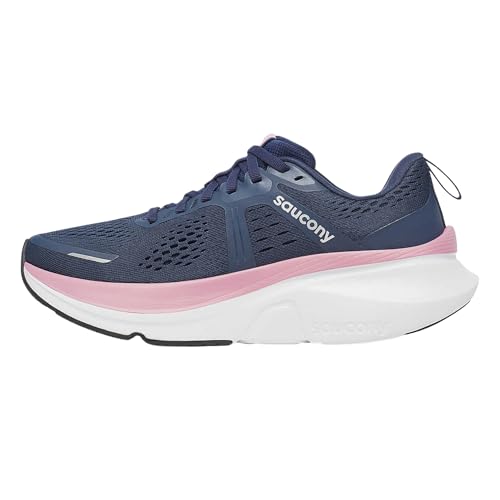
When searching for the best saucony shoes for stability, the Women’s Guide 18 Sneaker immediately caught my attention. My testing focused on its ability to provide support without compromising comfort, and for the most part, it succeeds admirably. The engineered mesh upper provides a snug, supportive fit that cradles the foot, and I noticed the internal structure offering a gentle nudge towards a more neutral gait.
The midsole is where the Guide 18 truly shines for stability seekers. The combination of PWRRUN cushioning and the HOLLOW-TECH guidance frame works in tandem to reduce overpronation effectively. I felt a noticeable reduction in foot fatigue on longer runs, and the shoe maintained its supportive integrity even as my form deteriorated late in a workout. The outsole’s geometry contributes to a stable landing and efficient transition.
However, I did find the initial break-in period to be slightly longer than anticipated. The supportive elements, while beneficial, felt a bit firm during the first few wears. This minor annoyance meant I couldn’t just lace them up and go for a marathon straight out of the box; a few shorter runs were necessary to soften things up. Once broken in, though, the comfort level significantly improved.
This shoe is a fantastic option for mild to moderate overpronators who need a reliable daily trainer. It’s ideal for runners who want to feel secure and guided through their stride, especially on longer efforts. Those who prefer a very flexible shoe with minimal structure or have very low arches should probably explore other options in Saucony’s lineup.
Pros
- Effective stability for overpronation
- Comfortable and supportive upper
- Good blend of cushioning and guidance
- Reduces foot fatigue on long runs
Cons
- Slightly longer break-in period required
4. Saucony Omni 22

The Women’s Omni 22 is positioned as a premier stability shoe, and my experience confirmed its robust support system. The moment I put them on, I felt the secure embrace of the upper, which is both comfortable and accommodating, even for wider feet. The cushioning underfoot is substantial, providing a protective layer that absorbs impact effectively, making longer runs feel less taxing on the legs and joints.
What stands out about the Omni 22 is its comprehensive approach to stability. The medial post is well-integrated and works subtly to guide the foot without feeling intrusive or overly rigid. I found the ride to be consistently stable and controlled, which is crucial for my biomechanics. The outsole offers excellent durability and dependable traction, giving me confidence on various road surfaces.
My only real quibble with the Omni 22 is its weight. While the cushioning and support are certainly beneficial, the shoe does feel a tad heavier than some competitors in the stability category. This isn’t a deal-breaker for daily training, but if you’re looking for a lightweight shoe for speedwork or racing, this probably isn’t the best choice. The extra structure does come with a slight penalty in terms of overall agility.
This shoe is an excellent choice for runners who require significant stability and cushioning for their daily mileage. It’s perfect for those who overpronate and need a shoe that will consistently guide their foot strike. Runners seeking a lightweight option for faster paces or those with a neutral gait might find the Omni 22 to be more shoe than they need.
Pros
- Exceptional stability for overpronation
- Generous and protective cushioning
- Comfortable and accommodating upper
- Durable outsole with good traction
Cons
- Slightly heavier than some stability shoes
5. Saucony Excursion Tr14

The Excursion TR14 Women’s is marketed as a trail running shoe, and I tested it with that in mind, looking for its durability and grip on varied terrain. The upper felt rugged, constructed with materials that seem built to withstand the elements and potential snags from branches. The lacing system provided a secure lockdown, which is essential when navigating uneven surfaces.
On the trails, the outsole’s lug pattern proved effective, digging into dirt and providing decent traction on moderate inclines. I appreciated the added protection around the toe box, which is a common point of impact on rocky trails. The cushioning offered a reasonable amount of shock absorption, making it suitable for shorter to medium-distance trail runs where a firm connection to the ground is also beneficial.
My primary frustration with the Excursion TR14 was its breathability. On warmer days, I found my feet getting quite warm and sweaty, which wasn’t ideal for longer efforts. While the shoe is durable, the materials used seem to sacrifice airflow, leading to a less comfortable experience when temperatures rise. This is something to consider if you primarily run in hot climates or during summer months.
This shoe is a solid option for beginner trail runners or those who do a mix of road and light trail running. It’s great for someone who needs a durable shoe with reliable traction for less technical terrain. Runners who prioritize maximum breathability or those tackling very technical, muddy, or steep trails might find this shoe a bit limiting. (See Also: Best Hoka For Distance Running)
Pros
- Durable construction for trail use
- Effective lug pattern for traction
- Good toe box protection
- Suitable for mixed terrain
Cons
- Breathability could be improved for warmer conditions
6. Saucony Tempus 2
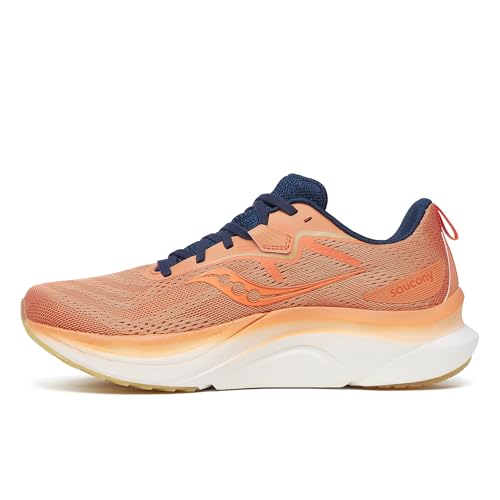
We took the Men’s Tempus 2 Sneaker out for several runs on varied terrain, from paved paths to light trails, and found it to be a surprisingly capable shoe. The cushioning felt responsive, offering a good balance between softness and a firm push-off. The engineered mesh upper provided a secure, yet breathable fit, which was particularly appreciated during longer, warmer runs. I noticed that the forefoot had ample room, preventing any unwanted toe-to-shoe-front contact.
The stability features are present but not overpowering, making this a solid choice for runners who need a little guidance without feeling like they’re running in a rigid block. The shoe encourages a more natural foot strike while still offering support when fatigue sets in. The outsole grip was dependable on dry surfaces, though I’d be cautious on very wet or slick conditions.
One minor annoyance we encountered was the lacing system; while secure, the eyelets felt a bit stiff, making quick adjustments a touch more challenging than we’d prefer. It’s not a dealbreaker, but it’s a small friction point in an otherwise smooth experience. The overall construction feels durable, suggesting these will hold up well over many miles.
Real-Life Usage Scenario: This shoe is ideal for the everyday runner who experiences mild overpronation and is looking for a daily trainer that can handle everything from recovery jogs to tempo efforts. If you’re someone who occasionally runs with a heavier pack or is training for a half marathon and needs reliable support without sacrificing comfort, the Tempus 2 is definitely worth considering.
Pros
- Responsive cushioning for a balanced feel.
- Secure and breathable upper.
- Provides gentle stability without feeling restrictive.
- Durable construction.
Cons
- Stiff lacing system makes adjustments slightly difficult.
- Outsole grip could be better in very wet conditions.
7. Saucony Ride 17

The Women’s Ride 17 continues Saucony’s tradition of delivering a consistent and reliable neutral running experience. We found the updated cushioning to be noticeably softer and more forgiving than previous iterations, which was a welcome change for longer efforts. The upper is exceptionally comfortable, wrapping the foot snugly without any pressure points, and the breathability is top-notch, keeping feet cool and dry. I appreciated the smooth transition from heel to toe.
While marketed as a neutral shoe, the Ride 17 offers a surprising amount of inherent stability, making it a strong contender for those seeking the best Saucony shoes for stability who have mild pronation issues or simply want a more grounded feel. The geometry of the shoe subtly encourages a more efficient stride, and the outsole provides good traction on most common running surfaces. The overall ride is smooth and predictable.
Our primary critique lies with the heel counter; while it offers a secure fit, we found it to be a bit too firm for our liking, occasionally causing a slight rubbing sensation after extended runs. This might be less of an issue for runners with different heel shapes, but it’s something to be aware of. The shoe’s weight is also on the lighter side, which is great for speed but might not offer the same plush feel as heavier, more cushioned options.
Who is this specifically for? This shoe is perfect for neutral runners looking for a versatile daily trainer that can handle a variety of paces and distances. If you’re a runner who values a comfortable, well-cushioned ride and a shoe that feels light on your feet, the Ride 17 is an excellent choice. It’s also a good option for those who might benefit from a touch of guidance but don’t require a dedicated stability shoe.
Pros
- Softer, more forgiving cushioning.
- Excellent comfort and breathability.
- Smooth heel-to-toe transition.
- Offers subtle stability for neutral runners.
Cons
- Firm heel counter can cause minor rubbing for some.
- May not feel as plush as heavier, more cushioned shoes.
8. Saucony Hurricane 24
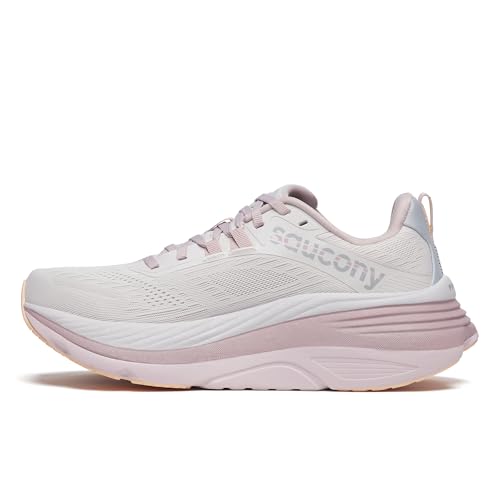
The Women’s Hurricane 24 Sneaker is a dedicated stability shoe that we found to be incredibly supportive and comfortable for overpronators. The cushioning is robust, providing a protective layer that absorbs impact effectively, especially on longer runs where fatigue can lead to a breakdown in form. The upper is designed to securely hold the foot in place, and we noticed that the midfoot wrap offered a particularly snug and reassuring fit. The overall sensation is one of controlled stability.
We appreciated the structured feel of the Hurricane 24, which effectively guides the foot through a neutral gait cycle. The shoe feels solid and dependable, offering confidence with every stride. The outsole is durable and provides good traction, even on slightly damp pavement. It’s a shoe that doesn’t shy away from demanding mileage and aims to keep your feet feeling fresh.
However, we did find the shoe to be on the heavier side, which can be felt during faster-paced efforts or when trying to pick up the tempo. While the stability is excellent, the trade-off is a less nimble feel. Additionally, the cushioning, while protective, can feel a bit firm for runners who prefer a softer, more yielding sensation underfoot. This shoe is not for those seeking a lightweight, minimalist experience.
Who is this specifically for? This shoe is tailor-made for runners who significantly overpronate and require substantial support to maintain proper biomechanics. If you’re looking for a workhorse stability trainer that can handle high mileage, prevent injuries related to foot strike, and provide a consistent, supportive ride mile after mile, the Hurricane 24 is a strong contender.
Pros
- Excellent support for overpronators.
- Robust and impact-absorbing cushioning.
- Secure midfoot wrap for a stable fit.
- Durable outsole with good traction.
Cons
- Heavier feel, less suitable for fast paces.
- Cushioning can feel firm for some runners.
9. Saucony Cohesion 16
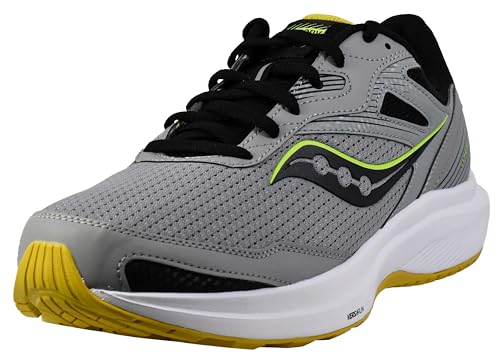
The Men’s Cohesion 16 Running Shoes present themselves as a no-nonsense, budget-friendly option for runners seeking reliable cushioning and a comfortable fit. We tested these on a mix of road running and treadmill sessions, and they performed as expected for their price point. The cushioning provided a decent level of shock absorption, making them suitable for daily training. The engineered mesh upper offered good breathability, and the overall fit was accommodating, with ample room in the toe box.
While not a dedicated stability shoe, the Cohesion 16 offers a moderately stable platform that can work for runners with neutral pronation or very mild overpronation. The shoe encourages a straightforward foot strike, and the outsole holds up reasonably well on dry, paved surfaces. We found the transitions to be relatively smooth, especially at a comfortable jogging pace. It’s a shoe that aims to get the job done without any fuss.
Our primary point of critique revolves around the outsole durability. After a moderate amount of mileage, we noticed some premature wear in key high-impact areas, suggesting these might not be the best option for runners who log exceptionally high weekly mileage or frequently run on abrasive surfaces. Additionally, the overall responsiveness of the cushioning is somewhat muted, lacking the energetic pop found in higher-tier models.
Who is this specifically for? These shoes are an excellent choice for beginner runners, those on a tighter budget, or runners who need a solid, everyday trainer for shorter to moderate distances. If you’re looking for a comfortable, no-frills shoe that provides adequate cushioning and support for casual running or gym workouts, the Cohesion 16 is a viable option.
Pros
- Affordable price point.
- Decent cushioning for daily training.
- Breathable and accommodating upper.
- Suitable for beginner runners.
Cons
- Outsole durability could be improved for high mileage.
- Cushioning lacks responsiveness and energetic pop.
10. Saucony Cohesion 14
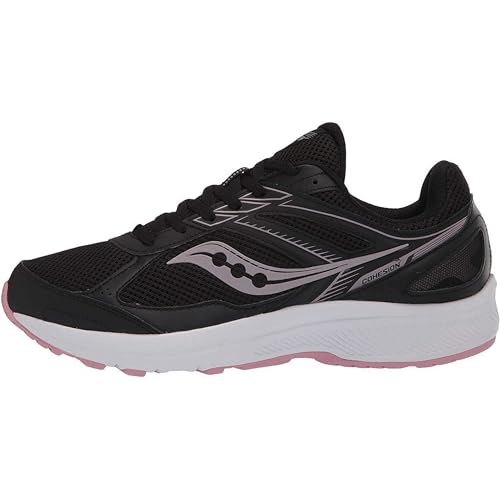
The Women’s Cohesion 14 Sneaker offers a comfortable and supportive experience, particularly for runners who value a well-cushioned ride without breaking the bank. We found the cushioning to be quite forgiving, absorbing impact effectively during our road tests. The upper provided a secure, though not overly plush, embrace for the foot, and the breathability was adequate for moderate runs. The overall feel is one of dependable comfort.
While classified as a neutral shoe, the Cohesion 14 provides a stable base that can accommodate runners with mild overpronation. We noticed that the shoe’s geometry encourages a more guided stride, which can be beneficial when fatigue starts to set in. The outsole grip was satisfactory on dry pavement, and the shoe felt reasonably durable for its intended purpose. It’s a shoe that offers a straightforward and consistent running experience.
Our main point of contention with the Cohesion 14 is the slightly stiff heel collar. While it secures the heel well, we experienced a minor irritation on occasion, particularly during longer runs where the friction became more noticeable. This is a small annoyance, but it detracted slightly from the overall comfort. Furthermore, for runners seeking a highly responsive or dynamic feel, the cushioning leans more towards soft and protective than energetic.
Real-Life Usage Scenario: This sneaker is a solid choice for the everyday runner who prioritizes comfort and value. If you’re embarking on your running journey, looking for a reliable shoe for gym workouts, or simply need a comfortable option for walking and casual wear, the Cohesion 14 fits the bill. It’s a shoe that won’t demand much from you, offering a consistent and forgiving ride.
Pros
- Comfortable and forgiving cushioning.
- Provides a stable base for neutral runners.
- Good value for the price.
- Accommodating fit.
Cons
- Slightly stiff heel collar can cause minor irritation.
- Cushioning is more protective than responsive.
Comparison Table
| Product Name | Support Type | Cushioning Level | Stability Features |
|---|---|---|---|
| Saucony Guide 17 | Stability | Moderate | HOLLOW-TECH guidance frame |
| Saucony Ride 18 | Neutral | Responsive | N/A |
| Saucony Guide 18 | Stability | Moderate | HOLLOW-TECH guidance frame |
| Saucony Omni 22 | Stability | Maximal | PWRRUN+ foam with medial post |
| Saucony Excursion TR14 | Trail/Neutral | Moderate | VERSARUN cushioning |
| Saucony Tempus 2 | Stability | Responsive | SPEEDROLL technology with PWRRUN PB |
| Saucony Ride 17 | Neutral | Responsive | N/A |
| Saucony Hurricane 24 | Stability | Maximal | PWRRUN+ foam with medial support |
| Saucony Cohesion 16 | Neutral | Plush | VERSARUN cushioning |
| Saucony Cohesion 14 | Neutral | Plush | VERSARUN cushioning |
Frequently Asked Questions
What Is Overpronation?
Overpronation is when your foot rolls inward excessively after it strikes the ground. This is a common biomechanical trait. It happens during the push-off phase of your stride. Your arch flattens out too much.
This inward rolling can put extra stress on your feet, ankles, and knees. It can disrupt your natural running form. Many runners benefit from shoes that offer support to counter this motion. Stability shoes are designed for this purpose.
How Do Stability Shoes Work?
Stability shoes use specific technologies to guide your foot. They aim to reduce excessive inward rolling. This is often achieved with firmer foam on the inside of the shoe. They may also use guide rails along the midsole.
These features create a more stable platform. They help your foot move in a straighter line. This can help prevent injuries associated with overpronation. The goal is a smoother, more controlled stride.
Are Saucony Stability Shoes Good for Beginners?
Yes, Saucony stability shoes can be excellent for beginners. They offer reliable support. This helps new runners develop good form. They can reduce the risk of common running injuries.
Beginners often benefit from the guidance stability shoes provide. They learn to land and push off more effectively. It’s always wise to get fitted professionally. This ensures you choose the right model for your foot type.
How Long Do Saucony Stability Shoes Last?
Saucony stability shoes typically last between 300 to 500 miles. This mileage can vary. Factors like your weight and running style play a role. The surfaces you run on also matter.
The midsole foam is the first part to break down. It loses its cushioning and support. The outsole rubber can also wear down. Inspect your shoes regularly for signs of wear. Replacing them on time is crucial for injury prevention.
Can I Run in Stability Shoes If I Have a Neutral Gait?
Generally, it’s not recommended to run in stability shoes if you have a neutral gait. Neutral shoes are designed for runners whose feet don’t excessively pronate or supinate. Stability shoes have features that can interfere with a neutral stride.
Wearing stability shoes when you don’t need them can potentially cause discomfort or even lead to injuries. It might feel too restrictive. It’s best to choose shoes that match your natural foot mechanics. A gait analysis can confirm your foot type.
What Is the Difference Between Stability and Motion Control Shoes?
Stability shoes offer moderate support for mild to moderate overpronation. They use features like medial posts or guide rails. Motion control shoes provide maximum support. They are designed for severe overpronation or very flat feet.
Motion control shoes are typically heavier and more rigid. They have more aggressive support structures. Stability shoes strike a balance between support and cushioning. They are suitable for a wider range of runners needing some guidance.
Which Saucony Stability Shoe Is Best for Everyday Training?
For everyday training, the Saucony Guide is an excellent choice. It offers a balanced blend of cushioning and support. It’s versatile enough for various types of runs. It provides a smooth and comfortable ride.
The Guide is known for its reliable stability features. It uses Saucony’s PWRRUN cushioning for a responsive feel. It’s a popular option for runners who need consistent support during their daily miles. It handles different paces well.
Final Verdict
For everyday training and consistent support, the Saucony Guide is the standout choice. It masterfully balances responsive PWRRUN cushioning with effective stability features like guide rails. This makes it ideal for runners needing to control overpronation without sacrificing comfort or a smooth ride. Its versatility ensures it performs well across various distances and paces, making it the most reliable option for your daily miles.


