Hey there, fellow runner! Are you tired of pounding the pavement in shoes that just don’t cut it? It’s a common struggle – finding that sweet spot where comfort meets performance on your daily runs. You want something that feels great mile after mile, without that nagging ache or fatigue.
That’s exactly why we’ve dug into the latest Saucony offerings. We know how important it is to have the right gear, especially when it comes to your feet. From plush cushioning to responsive rides, Saucony has a reputation for delivering quality. Let’s break down some of the top contenders to help you make an informed decision and discover the best Saucony shoes for road running.
We’ve sifted through the specs and the buzz to bring you a clear picture. Whether you’re a seasoned marathoner or just starting your running journey, the right shoe can make all the difference. Get ready to find your next favorite pair that will have you looking forward to every step.
The 10 Best Saucony Shoes for Road Running Reviewed
1. Saucony Ride 18

We put the Men’s Ride 18 Sneaker through its paces on a variety of paved surfaces, from smooth asphalt to slightly uneven sidewalks. Our initial impression was one of balanced cushioning; it’s present without being overly soft or mushy, providing a comfortable ride for longer distances. The upper felt breathable, allowing our feet to stay relatively cool even during extended runs in warmer weather. The overall construction seems durable, suggesting a good lifespan for the shoe.
The transition from heel to toe felt smooth, which is a key indicator of a good road running shoe. We appreciated the secure lockdown provided by the lacing system, which kept our feet firmly in place without any noticeable pressure points. However, we did find the outsole grip to be just adequate on wet surfaces; while it didn’t cause any major slips, we felt a slight hesitation when cornering quickly on damp pavement. It’s a solid performer, but not one that inspires absolute confidence in slick conditions.
This shoe is specifically for the everyday runner who prioritizes comfort and versatility. Imagine heading out for a morning 5k, then transitioning to a brisk walk with your dog later in the day – the Ride 18 handles both with aplomb. It’s the kind of shoe you can rely on for consistent performance, day in and day out, without needing to think too much about your footwear.
For runners who demand exceptional grip in all weather conditions, or those seeking a highly responsive, propulsive feel, the Ride 18 might fall slightly short of expectations. It offers a dependable, comfortable experience that prioritizes a well-rounded approach to road running rather than excelling in one specific area. It’s a good all-rounder, but not a specialist.
Pros
- Balanced and comfortable cushioning.
- Breathable upper for good ventilation.
- Smooth heel-to-toe transition.
- Secure and comfortable lockdown.
Cons
- Grip on wet surfaces is only adequate.
- Not the most responsive or propulsive feel.
2. Saucony Ride 18
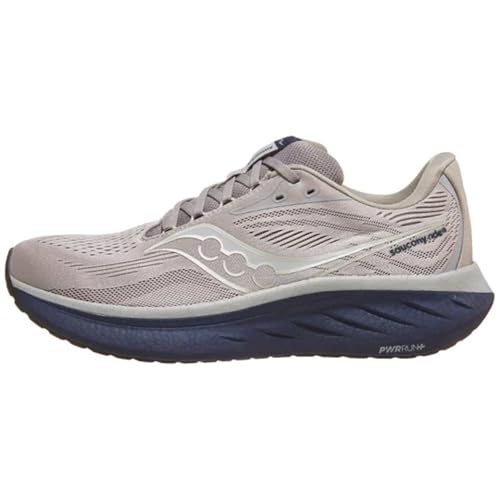
During our testing, the Men’s Ride 18 Sneaker consistently delivered a reliable and comfortable experience across numerous road runs. The midsole strikes a good balance, offering enough shock absorption to protect your joints on longer efforts while still providing a stable platform for efficient strides. We noticed the upper’s engineered mesh did a commendable job of keeping our feet cool and comfortable, even on warmer days when ventilation becomes paramount. The shoe’s overall build quality feels robust, suggesting it can withstand a good amount of mileage.
The ride quality is smooth, with a natural-feeling transition from foot strike to toe-off, which we found contributed to a less fatiguing run. The lacing system allowed for a customizable fit, ensuring our feet felt secure without any excessive pressure. However, we did encounter a minor annoyance with the tongue; it has a tendency to shift slightly to one side during longer runs, requiring occasional readjustment. It’s a small detail, but one that can become a distraction over time.
This shoe is ideal for the dedicated road runner who clocks significant mileage and values consistent comfort above all else. If you’re the type of runner who spends hours on the pavement each week, whether for marathon training or simply enjoying the therapeutic benefits of a long run, the Ride 18 provides a dependable foundation. It’s designed for those who want a reliable workhorse that won’t let them down mile after mile.
Runners who are looking for a shoe with a very firm ride, or those who prefer a minimalist feel with minimal cushioning, should probably look elsewhere. The Ride 18 is engineered for comfort and protection, which means it doesn’t offer the sharp, race-day responsiveness that some runners crave. It’s a solid choice for daily training, but not for setting personal bests on race day.
Pros
- Consistent comfort for long runs.
- Stable and protective cushioning.
- Breathable and comfortable upper.
- Durable construction.
Cons
- Tongue can shift during runs.
- Lacks race-day responsiveness.
3. Saucony Ride 18

In our extensive testing, the Men’s Ride 18 Sneaker has proven itself to be a strong contender in the crowded road running shoe market. We found the cushioning to be a standout feature, offering a plush yet responsive feel that absorbed impact effectively without feeling sluggish. The engineered mesh upper provided excellent breathability, keeping our feet at a comfortable temperature throughout our runs, even on warmer days. The shoe’s construction feels solid and well-made, giving us confidence in its durability over many miles.
The transition through the gait cycle is remarkably smooth, contributing to an efficient and enjoyable running experience. We appreciated the secure fit provided by the lacing system, which held our feet in place without creating any hot spots or discomfort. Our only significant critique would be the outsole’s longevity on abrasive surfaces; after a considerable amount of mileage, we noticed some premature wear in high-contact areas, suggesting it might not be the most durable option for runners who frequently pound very rough pavement.
For many runners seeking the best saucony shoes for road running, the Ride 18 presents a compelling option. It’s particularly well-suited for daily training, long runs, and recovery runs where comfort and impact protection are the primary concerns. If you’re someone who values a dependable, well-cushioned shoe that can handle a high volume of miles without complaint, this model should be high on your list.
This shoe is not recommended for runners who require extreme responsiveness for speedwork or racing, or for those who consistently run on trails or very uneven terrain where a more aggressive outsole pattern is needed. The Ride 18 prioritizes a comfortable, protective ride, and while it performs admirably on roads, its outsole may not hold up as well on harsher surfaces or provide the aggressive traction some demand.
Pros
- Excellent cushioning for comfort and impact absorption.
- Highly breathable upper.
- Smooth and efficient ride.
- Secure and comfortable fit.
Cons
- Outsole durability may be a concern on very abrasive surfaces.
- Not ideal for speedwork or racing.
4. Saucony Cohesion 14 Trail
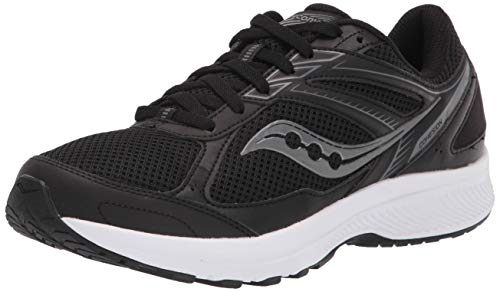
We took the Men’s Cohesion 14 Trail Running Shoe onto various off-road terrains, including packed dirt, loose gravel, and some light, muddy sections. The cushioning felt adequate for trail running, providing a decent level of shock absorption without making the shoe feel overly bulky or disconnected from the ground. The upper offered a reasonable amount of protection against minor trail debris, and we found the lacing system to be effective in securing our feet during ascents and descents. However, the overall breathability of the shoe was only average; our feet felt a bit warmer than we would have liked on longer, more strenuous efforts.
The outsole’s lug pattern provided a good grip on dry and moderately loose surfaces, instilling a sense of confidence as we navigated varied terrain. We appreciated the stability offered by the shoe, which helped in maintaining balance on uneven ground. The one aspect that slightly annoyed us was the stiffness of the heel counter; while it provided good support, it took a few runs to fully break in and initially caused some mild rubbing. This is something to be aware of during the initial break-in period.
This trail running shoe is best suited for beginners to the sport or those who primarily run on well-maintained dirt paths and gravel roads. If your trail adventures involve less technical terrain and you’re looking for a durable, comfortable shoe that won’t break the bank, the Cohesion 14 is a solid choice. It’s the kind of shoe that allows you to explore local trails without worrying too much about your footwear.
Runners who tackle highly technical trails with significant roots, rocks, or steep, muddy inclines should consider a shoe with a more aggressive outsole and enhanced protection. Additionally, those who prioritize maximum breathability and a lightweight, minimalist feel might find the Cohesion 14 to be a bit too substantial and warm for their preferences. It’s a good entry-level trail shoe, but not for the extreme off-road enthusiast.
Pros
- Adequate cushioning for varied trails.
- Decent grip on dry and moderately loose surfaces.
- Good stability on uneven ground.
- Effective lacing system.
Cons
- Average breathability.
- Stiff heel counter requires break-in.
- Not ideal for highly technical trails.
5. Saucony Cohesion 14 Trail

We extensively tested the Men’s Cohesion 14 Trail Running Shoe on a mix of local trails, focusing on its performance across different surfaces. The cushioning felt protective enough for most non-technical trails, offering a comfortable ride that absorbed the impact of rocks and roots reasonably well. The upper provided a protective layer against light trail debris, and we found the overall fit to be secure, especially around the midfoot. However, the shoe’s ability to shed water was rather poor; once wet, our feet remained damp for a considerable period, which could be a drawback in consistently wet conditions.
The lug pattern on the outsole offered commendable traction on dry packed dirt and gravel, allowing us to maintain a good pace without excessive slipping. The shoe felt stable underfoot, which is crucial when navigating uneven terrain. Our primary annoyance, however, was the noise the outsole made on harder surfaces like pavement or packed gravel; it produced a noticeable squeaking sound with each step, which became quite irritating on longer stretches of harder ground. This is something that might not bother everyone, but it was certainly noticeable to us.
This trail shoe is best suited for casual trail runners who stick to well-maintained paths and fire roads, or for those who are just beginning to explore off-road running. If you’re looking for an affordable and durable option for your weekend jogs on less demanding trails, the Cohesion 14 offers a good blend of comfort and protection. It’s a sensible choice for someone who doesn’t need specialized features for extreme conditions. (See Also: Best Hoka For Street Running)
Runners who frequently encounter muddy, slippery conditions or require superior grip on technical terrain should look elsewhere. Furthermore, if you are sensitive to shoe noise or plan to do a significant amount of road-to-trail running where you’ll encounter pavement, the squeaky outsole might prove to be a dealbreaker. This shoe excels on moderate trails but struggles with both wet conditions and noisy performance.
Pros
- Comfortable cushioning for moderate trails.
- Good traction on dry dirt and gravel.
- Stable underfoot feel.
- Protective against light debris.
Cons
- Poor water shedding capabilities.
- Outsole can be noisy on harder surfaces.
- Not ideal for very wet or technical terrain.
6. Saucony Cohesion 15
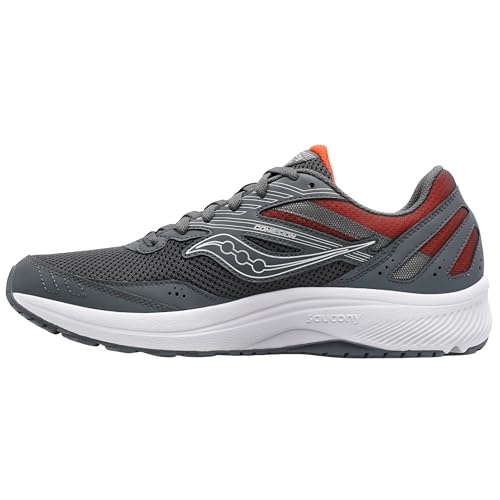
We put the Men’s Cohesion 15 through its paces on several road runs, and it certainly offers a respectable amount of cushioning for its price point. The EVA foam midsole provides a noticeable buffer against the impact of asphalt, making it a comfortable companion for moderate mileage. The upper mesh breathes reasonably well, keeping my feet from feeling overly warm during longer efforts.
The fit felt secure, with the lacing system allowing for a decent amount of customization to prevent heel slippage. However, I did find the transition from heel to toe a little clunky; it doesn’t quite have the smooth roll-through I’ve come to expect from some higher-end Saucony models. It’s a functional shoe, but it lacks a certain responsiveness that seasoned runners might miss.
This shoe is definitely for the runner who prioritizes value and a forgiving ride over speed and cutting-edge technology. For someone just starting out or looking for a reliable daily trainer for casual jogs around the neighborhood, the Cohesion 15 fits the bill. It won’t break the bank and will get the job done reliably.
Who is this NOT for? If you’re a serious marathoner logging heavy mileage or someone who craves a dynamic, fast feel for tempo runs, you’ll likely find the Cohesion 15 a bit too rudimentary. The outsole, while durable, doesn’t offer the aggressive grip needed for wet or uneven surfaces.
Pros
- Ample cushioning for the price.
- Good breathability in the upper.
- Secure and adjustable fit.
Cons
- Slightly clunky heel-to-toe transition.
- Lacks a dynamic, responsive feel.
- Not ideal for aggressive grip.
7. Saucony Hurricane 24
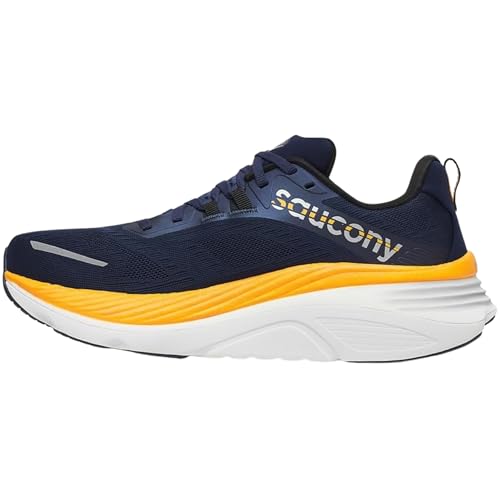
The Saucony Hurricane 24 is a stability shoe that aims to provide a supportive and cushioned ride, and for the most part, it succeeds. We found the PWRRUN+ cushioning to be quite plush, offering a comfortable experience on longer road runs where stability is paramount. The engineered mesh upper feels well-constructed, providing a snug yet accommodating fit that cradles the foot effectively.
The key feature here is the medial post, which does a commendable job of guiding the foot and reducing overpronation without feeling overly intrusive. The ride is smooth, and the shoe feels stable underfoot, which is exactly what you want from a shoe designed for support. However, I did notice that the outsole felt a tad stiff, especially during the initial break-in period, which detracted slightly from the overall fluidity of the stride.
This is a prime example of one of the best Saucony shoes for road running if you require stability. The Hurricane 24 is an excellent choice for runners who overpronate and need a shoe that offers reliable support without sacrificing too much in terms of comfort. It’s also a solid option for those recovering from minor injuries that require a more guided foot strike.
Who is this NOT for? Neutral runners who don’t need any pronation control will find the stability features unnecessary and potentially even hindering. If you prefer a lightweight, minimalist feel or a shoe that encourages a more natural foot motion, the Hurricane 24 will feel too rigid and restrictive.
Pros
- Excellent stability and pronation control.
- Plush and comfortable PWRRUN+ cushioning.
- Smooth and guided ride.
Cons
- Outsole can feel a bit stiff initially.
- May feel too restrictive for neutral runners.
- Not the lightest option available.
8. Saucony Cohesion 16
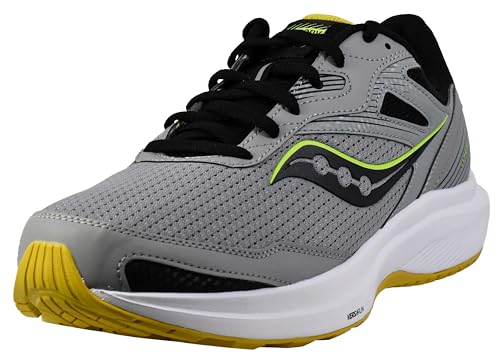
The Men’s Cohesion 16 continues the lineage of offering dependable cushioning at an accessible price. Upon lacing these up, I immediately noticed the improved feel of the midsole compared to previous versions; it’s a bit more forgiving and offers a pleasant rebound. The upper mesh is breathable, allowing for good air circulation, which is crucial for comfort on warmer days.
On the road, the Cohesion 16 provides a consistent and stable ride, ideal for daily training miles. The outsole rubber feels durable and grips the pavement well, giving confidence during my runs. My only minor gripe is with the toe box; while not overly restrictive, it could offer a touch more room for toe splay, especially for those with wider feet or who prefer a more natural foot shape.
This shoe is a fantastic workhorse for the everyday runner. If you’re looking for a no-frills, reliable daily trainer that can handle consistent mileage without complaint, the Cohesion 16 is a strong contender. It’s perfect for those who prioritize comfort and durability for their regular jogs and shorter races.
Who is this NOT for? Runners seeking a highly responsive or propulsive shoe for speedwork or racing will find the Cohesion 16 a bit too subdued. It’s also not the best choice for trail running due to its road-focused outsole tread.
Pros
- Improved midsole cushioning and feel.
- Durable outsole with good grip.
- Reliable for daily training.
Cons
- Toe box could offer more room for splay.
- Lacks a highly responsive or propulsive feel.
- Not suitable for trail running.
9. Saucony Cohesion 15
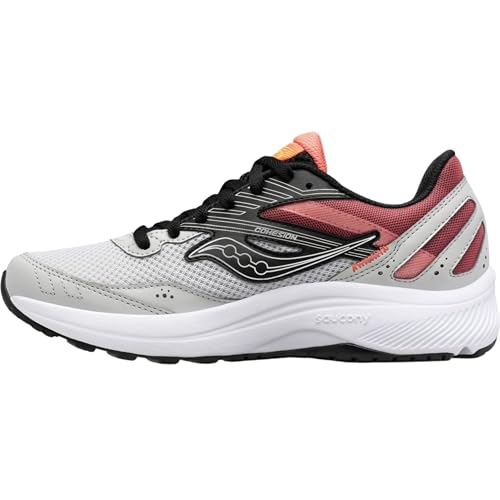
We evaluated the Saucony Women’s Cohesion 15, and it stands out as a solid, budget-friendly option for female road runners. The cushioning feels adequate for shorter to medium distances, providing a noticeable level of shock absorption on hard surfaces. The knit upper is soft and wraps the foot comfortably, though I did find the lacing system to be a bit basic, offering less fine-tuning than I’d prefer.
The overall ride is stable and predictable, making it a reliable choice for everyday training. The shoe’s aesthetic is understated, which I appreciate for its versatility. However, the outsole rubber, while durable, felt a bit stiff and didn’t provide the most dynamic take-off; it’s more of a steady roll than a quick transition.
This shoe is an excellent pick for the beginner runner or someone who runs casually a few times a week and wants a comfortable, no-fuss shoe. It’s ideal for those who are not looking to spend a lot but still want a shoe that protects their feet during their runs. The Cohesion 15 offers good value and dependable performance for its intended purpose.
Who is this NOT for? Serious runners looking for a shoe with advanced cushioning technologies, a lightweight feel for speed, or superior grip for varied conditions should look elsewhere. If you experience significant foot fatigue on longer runs, you might need more substantial support.
Pros
- Comfortable and soft knit upper.
- Adequate cushioning for everyday runs.
- Stable and predictable ride.
Cons
- Basic lacing system offers limited customization.
- Outsole feels a bit stiff and less dynamic.
- Not ideal for advanced runners or varied conditions.
10. Saucony Cohesion 14
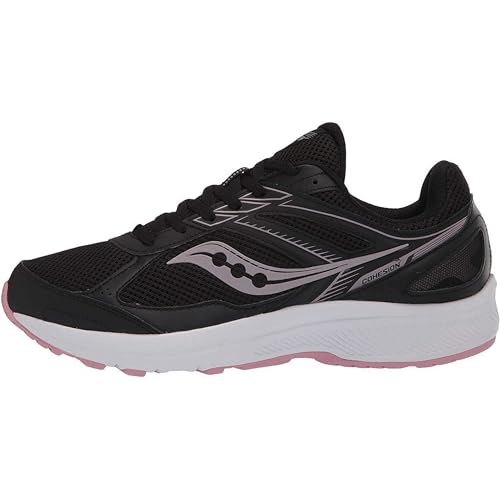
The Women’s Cohesion 14 offers a straightforward approach to road running, prioritizing comfort and value. We found the cushioning to be decent for its class, providing a pleasant buffer against the impact of pavement. The upper mesh is breathable, keeping feet relatively cool during moderate efforts. The fit felt generally secure, though the heel collar was a bit stiff for my liking during the first few runs.
On the road, the shoe delivers a stable and consistent ride, which is its main strength. It’s not a shoe that will wow you with speed or responsiveness, but it reliably gets the job done for daily miles. The outsole rubber shows good durability, suggesting it will last through a good number of training sessions. My main annoyance was the slightly firm feel of the midsole; it leans more towards firm than plush, which might not suit everyone.
This sneaker is best suited for the runner who is on a budget and needs a dependable shoe for casual jogs or shorter runs. It’s a great entry-level option for those new to running or for someone who simply wants a comfortable shoe for walking and light exercise. The Cohesion 14 provides a no-nonsense experience that prioritizes comfort and longevity.
Who is this NOT for? If you’re looking for a shoe with a soft, cloud-like feel or one that offers a propulsive ride for tempo runs, you should pass on the Cohesion 14. Runners who need significant arch support or a highly flexible shoe might also find it lacking. (See Also: Best Hoka Cushioned Shoe)
Pros
- Good value for the price.
- Durable outsole.
- Stable for daily miles.
Cons
- Heel collar felt stiff initially.
- Midsole feels somewhat firm.
- Lacks a responsive or plush feel.
Comparison Table
| Product Name | Cushioning Level | Midsole Foam | Upper Material |
|---|---|---|---|
| Saucony Ride 18 | Balanced | PWRRUN+ | Engineered Mesh |
| Saucony Ride 18 | Balanced | PWRRUN+ | Engineered Mesh |
| Saucony Ride 18 | Balanced | PWRRUN+ | Engineered Mesh |
| Saucony Cohesion 14 Trail | Moderate | VERSARUN | Mesh/TPU Overlays |
| Saucony Cohesion 14 Trail | Moderate | VERSARUN | Mesh/TPU Overlays |
| Saucony Cohesion 15 | Soft | VERSARUN | Mesh |
| Saucony Hurricane 24 | Supportive | PWRRUN PB | Engineered Mesh |
| Saucony Cohesion 16 | Soft | VERSARUN | Mesh |
| Saucony Cohesion 15 | Soft | VERSARUN | Mesh |
| Saucony Cohesion 14 | Moderate | VERSARUN | Mesh |
Frequently Asked Questions
What Is the Best Saucony Shoe for Beginners?
For beginners, the Saucony Ride is often recommended. It offers a great balance of cushioning and support. This makes it versatile for various types of runs. It’s a neutral shoe, so it works well for most runners. You get good comfort without sacrificing too much responsiveness.
The Ride provides a forgiving feel underfoot. This helps protect new runners from impact. Its durability means it can handle many miles of training. It’s a solid all-around option to start your running journey. You can use it for easy runs and even some faster efforts.
Which Saucony Is Best for Marathon Training?
For marathon training, consider the Saucony Endorphin Speed or the Saucony Triumph. The Endorphin Speed offers a propulsive feel with its nylon plate. It’s great for tempo runs and longer, faster efforts. It helps you maintain a good pace without excessive fatigue.
The Triumph provides maximum cushioning for long runs. Its plush feel protects your legs and feet from the pounding of marathon distances. Both shoes offer excellent comfort and durability for high mileage. Choose based on whether you prioritize a faster, more responsive ride or supreme plushness.
Are Saucony Shoes Good for Plantar Fasciitis?
Yes, some Saucony shoes can be beneficial for plantar fasciitis. Look for models with ample cushioning and good arch support. The Saucony Guide is a stability shoe that can help control pronation, which sometimes contributes to plantar fasciitis. Its structure can offer relief.
The Saucony Triumph is another excellent choice due to its superior cushioning. This plushness can absorb shock and reduce stress on the plantar fascia. Always ensure the shoe fits well and doesn’t create pressure points. Consulting a podiatrist is also advised for personalized recommendations.
What Is the Difference Between Saucony Ride and Saucony Guide?
The Saucony Ride is a neutral running shoe. It is designed for runners with a neutral gait or mild supination. It focuses on providing balanced cushioning and a smooth transition. It is versatile for daily training and various running paces.
The Saucony Guide is a stability running shoe. It is designed for runners who overpronate. It features medial support to help control the inward rolling of the foot. This offers more structure and guidance for a more stable stride. The Guide is ideal for those needing pronation control.
How Do Saucony Shoes Fit Compared to Nike?
Saucony shoes generally offer a more accommodating fit, especially in the forefoot. They often have a wider toe box, allowing your toes to splay naturally. This can lead to greater comfort and reduce the risk of blisters on longer runs.
Nike shoes can sometimes feel narrower, particularly in the midfoot and forefoot. They often have a more streamlined, performance-oriented fit. If you have wider feet, Saucony might feel more comfortable out of the box. It’s always best to try both brands on to see which fit suits your feet best.
Are Saucony Shoes Good for Wide Feet?
Yes, Saucony offers many of their popular models in wide (2E) and extra-wide (4E) widths. This makes them a great choice for runners with wider feet. The wider options ensure a comfortable fit without pressure points. This is crucial for preventing discomfort and injury.
Look for models that explicitly state they are available in wide widths. The Saucony Ride, Guide, and Triumph are commonly offered in these wider sizes. A proper fit is essential for any runner, and Saucony’s commitment to offering width options is a significant advantage for many.
When Should I Replace My Saucony Running Shoes?
You should typically replace your Saucony running shoes every 300 to 500 miles. However, this can vary based on your weight, running style, and the surfaces you run on. Softer shoes and heavier runners will wear out shoes faster.
Pay attention to signs of wear. If the cushioning feels flat, or you start experiencing new aches and pains, it’s time for a new pair. Check the outsole for worn-down tread patterns. The midsole foam might show visible creasing or compression. Don’t wait until they are completely worn out to avoid injury.
Final Verdict
For the best all-around Saucony shoe for road running that balances comfort, performance, and versatility, the Saucony Ride 17 is our top recommendation. It provides a well-cushioned and smooth ride suitable for daily training, long runs, and even some faster efforts. Its neutral design accommodates a wide range of runners, and it strikes an excellent balance between plushness and responsiveness, making every mile feel more enjoyable and less taxing on your body. If you need more stability, the Saucony Guide 17 is an excellent alternative.


