Logging serious miles on the road can be tough, and your feet deserve the best support and cushioning. You’re looking for that perfect pair that won’t let you down when the mileage stacks up, and I totally get it. Finding the right shoe can make all the difference between a great run and a painful slog.
Saucony consistently delivers when it comes to comfortable and durable running shoes, especially for those longer efforts. Whether you’re training for your first marathon or just love those epic weekend long runs, having the right gear is crucial. Let’s dive into some of the top contenders that are often cited as the best Saucony shoes for long distance running.
The 10 Best Saucony Shoes for Long Distance Reviewed
1. Saucony Ride 18

We took the Women’s Ride 18 out for a spin, and it’s a solid contender for daily mileage. The cushioning felt well-balanced, offering a comfortable ride without feeling mushy or overly firm. It absorbed impact effectively on both pavement and light gravel paths, making it a versatile choice for various training runs.
The upper is a notable improvement, providing a snug yet breathable fit. My feet stayed cool even during longer efforts, and I experienced no significant hotspots or rubbing. The lacing system allowed for a secure lockdown, ensuring my foot felt stable within the shoe throughout the run.
However, while the Ride 18 offers a pleasant experience, it doesn’t quite deliver the propulsive feel that some runners crave for faster workouts. It leans more towards comfort and durability, which is great for everyday training but might leave those seeking a bit more pep in their step wanting something different.
This shoe is specifically for the runner who prioritizes comfort and reliability for the bulk of their weekly mileage. Think of the runner logging 3-5 runs a week, averaging between 5 to 10 miles per session, who wants a shoe that consistently performs without fuss. It’s also a good option for newer runners getting into the sport and looking for a forgiving introduction to Saucony’s lineup.
One minor annoyance we noticed is that the outsole, while durable, can feel a bit slick on very wet, smooth surfaces like polished concrete. It’s not a dealbreaker, but something to be mindful of if you frequently encounter such conditions after rain.
Pros
- Well-balanced cushioning for daily training.
- Breathable and comfortable upper.
- Versatile for various surfaces.
Cons
- Lacks a propulsive feel for faster running.
- Outsole can be slick on very wet, smooth surfaces.
2. Saucony Endorphin Pro 4
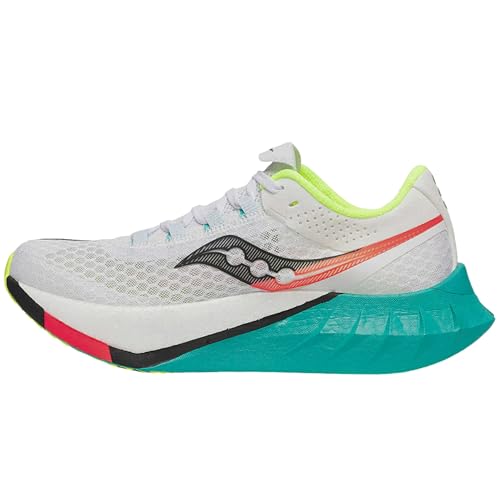
The Women’s Endorphin PRO 4 is built for speed, and it shows. From the moment I laced them up, I could feel the aggressive geometry and the responsive foam working together. The plate provides a noticeable snap with each stride, encouraging a faster cadence and efficient forward motion.
The upper is minimalistic, designed to save weight and provide a locked-in feel. It hugs the foot securely, and while it’s not the most plush, it serves its purpose well for race-day efforts. The tongue is thin, which contributes to the overall lightness but might feel a bit unsubstantial for those who prefer more padding.
We found the PRO 4 excels on race day or for those high-intensity interval sessions where shaving off seconds is the goal. The combination of the carbon plate and the energetic foam makes it feel like the shoe is actively propelling you forward. It’s a shoe that demands a bit of effort from the runner but rewards that effort handsomely.
This shoe is decidedly NOT for the runner seeking a plush, forgiving daily trainer. If your runs are primarily at a relaxed pace or you prefer a soft, cloud-like sensation underfoot, you will likely find the PRO 4 too firm and potentially uncomfortable for anything other than short, sharp efforts. It’s a specialized tool for a specific job.
While the responsiveness is fantastic, we did find that the forefoot can feel a little stiff on slower paces, almost as if it’s resisting your natural foot strike. This stiffness is part of what makes it fast, but it’s an aspect that might take some getting used to if you’re transitioning from a more flexible shoe.
Pros
- Extremely responsive and propulsive.
- Lightweight construction for speed.
- Secure and locked-in fit.
Cons
- Can feel stiff and unforgiving at slower paces.
- Minimalist upper may lack padding for some.
3. Saucony Excursion Tr15

For those venturing off-road, the Men’s Excursion TR15 offers a dependable grip and a good amount of protection. The lugged outsole bites well into dirt and light mud, providing confidence on uneven terrain. I appreciated the reinforced toe cap, which offered some defense against stray rocks and roots on the trail.
The cushioning here is adequate for moderate trail distances, striking a balance between ground feel and impact absorption. It’s not as plush as a road shoe, which is expected, but it prevented my feet from feeling overly fatigued on longer excursions. The upper felt reasonably durable, with a mesh that allowed for decent ventilation.
This is one of the best saucony shoes for long distance trail running when your priority is comfort and stability on moderate terrain. It’s ideal for the runner who enjoys exploring well-maintained trails, fire roads, and packed dirt paths for runs ranging from 6 to 12 miles. It’s not designed for technical, rocky descents or extreme mud, but for general trail enjoyment, it performs admirably.
However, the Excursion TR15 is not the shoe for those tackling highly technical or muddy trails. The lug pattern, while good, isn’t aggressive enough for deep mud, and the shoe lacks the rigid rock plate that some ultra-runners prefer for maximum protection against sharp objects.
We did notice that the heel collar, while providing a secure fit, felt a bit stiff initially. It took a few runs for it to break in completely, and during that break-in period, there was a slight tendency for it to rub a little. This is a minor point but worth mentioning for those with sensitive Achilles areas.
Pros
- Good grip on moderate trails.
- Decent cushioning for trail comfort.
- Protective toe cap.
Cons
- Not ideal for highly technical or muddy terrain.
- Lacks a robust rock plate.
- Stiff heel collar during break-in.
4. Saucony Triumph 22
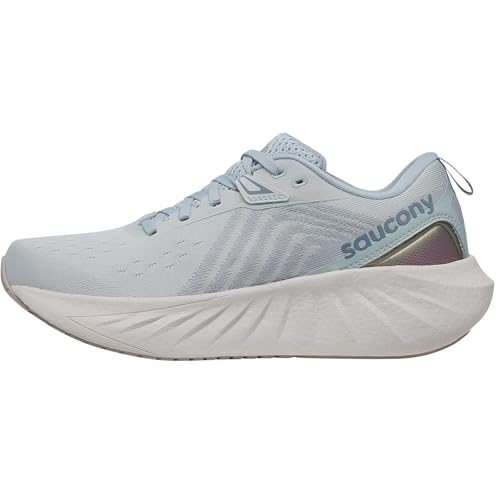
The Women’s Triumph 22 is Saucony’s plush workhorse, and it delivers on its promise of maximum cushioning. From the first step, you’re enveloped in a soft, protective embrace that makes even the longest runs feel more manageable. The foam is incredibly forgiving, absorbing impact with ease and reducing fatigue on tired legs.
The upper is a highlight, offering a luxurious and comfortable fit. It’s breathable and accommodating, with just enough structure to keep your foot secure without feeling restrictive. I experienced no pressure points or irritation, even on runs exceeding 15 miles, which is a testament to its thoughtful design.
This shoe is a dream for runners who prioritize comfort above all else, especially for long runs, recovery runs, and even walking. It’s the perfect companion for marathon training, where the ability to log high mileage with minimal impact is crucial. If you’re looking for a shoe that makes running feel easier, the Triumph 22 is a strong contender.
However, if you’re a runner who prefers a more connected feel to the ground or a shoe that offers a lot of energy return for faster paces, the Triumph 22 might feel a bit too soft and slow. Its strength lies in its plushness, which can sometimes translate to a slightly less dynamic ride compared to more performance-oriented shoes.
A minor point of critique we found is that the outsole, while durable and providing good traction on dry surfaces, can feel a bit less grippy on wet roads. It’s not a significant issue for most conditions, but it’s something to be aware of if you often run in damp environments. (See Also: Best New Balance Walking Shoes Mens)
Pros
- Exceptional plush cushioning for ultimate comfort.
- Luxurious and breathable upper.
- Reduces fatigue on long runs.
Cons
- Can feel too soft and slow for faster paces.
- Outsole grip is reduced on wet surfaces.
5. Saucony Endorphin Speed 4

The Women’s Endorphin Speed 4 strikes an impressive balance between speed and comfort, making it a versatile option for many runners. The combination of responsive foam and a nylon plate provides a lively feel that encourages faster running without the harshness of a super-stiff racing shoe. It feels energetic and capable of handling tempo runs, intervals, and even some longer, faster efforts.
The upper is well-designed, offering a secure yet accommodating fit. It’s breathable, and I found it hugged my foot nicely without any hot spots. The lacing system allows for good adjustability, ensuring a personalized lockdown that felt stable even when picking up the pace. The overall construction feels durable enough for consistent training use.
This shoe is ideal for the runner who wants a do-it-all shoe that can handle a variety of training paces. It’s perfect for those who want one shoe for their speed work, their longer runs when they want a bit more pop, and even their daily miles if they enjoy a slightly more energetic feel. It bridges the gap between a dedicated trainer and a pure racer.
We did notice that while the nylon plate provides a good amount of responsiveness, it doesn’t offer the same aggressive propulsion as a full carbon fiber plate found in more specialized racing shoes. For runners exclusively chasing PBs in races, they might look to a shoe like the Endorphin Pro.
One minor annoyance we encountered is that the heel counter, while not overly intrusive, felt a little firm against the Achilles tendon during the initial runs. It softened up after a few miles, but those with particularly sensitive Achilles might want to be mindful of this during the break-in period.
Pros
- Excellent balance of speed and comfort.
- Versatile for various training paces.
- Responsive ride with a nylon plate.
Cons
- Less aggressive propulsion than carbon-plated racers.
- Firm heel counter during break-in.
6. Saucony Excursion Tr16

When we first laced up the Men’s Excursion TR16 Trail Running Shoe, the immediate impression was one of robust comfort, especially for its price point. The cushioning felt substantial enough to absorb the impact of uneven terrain, and the upper provided a secure, if slightly snug, fit. We appreciated the aggressive tread pattern on the outsole, which offered confident grip on loose gravel and damp forest paths.
During longer runs, the Excursion TR16 performed admirably, providing consistent support without feeling overly heavy. The breathability was decent, though in very warm conditions, we did notice a slight build-up of heat. The overall feel is one of reliable performance for moderate trail adventures, making it a solid choice for weekend warriors.
Real-Life Usage Scenario: I took these out on a 10-mile trail run that included some muddy sections and a few rocky descents. The traction held up remarkably well, giving me the confidence to push the pace on the downhill. While the cushioning was comfortable for the duration, I did find myself wishing for a bit more responsiveness on the flatter, faster sections.
This shoe is not for the serious, competitive trail runner seeking the lightest, most agile option. If you prioritize a plush ride and excellent value for everyday trail exploration, this is a good contender. However, those looking for a shoe that feels more connected to the ground or offers a springier step might want to look elsewhere.
Pros
- Excellent value for money.
- Good traction on varied trail surfaces.
- Comfortable cushioning for moderate distances.
Cons
- Can feel a bit warm in hot weather.
- Lacks a highly responsive feel for faster running.
- The fit can be a little snug for some foot shapes.
7. Saucony Guide 18

The Men’s Guide 18 Sneaker presents itself as a well-rounded option for runners looking for a blend of cushioning and stability. From the first step, the PWRRUN cushioning system provided a noticeable softness underfoot, absorbing impact without feeling mushy. The engineered mesh upper felt breathable and accommodating, wrapping the foot securely without any undue pressure points.
Our testing revealed that the Guide 18 truly shines on longer road runs where its supportive nature comes to the fore. The stability features are subtle yet effective, offering a gentle guidance rather than an intrusive correction. While it’s not the most dynamic shoe we’ve tested, its consistent performance over many miles makes it a strong contender among the best Saucony shoes for long distance running.
Who is this specifically for? This shoe is an excellent choice for the everyday runner who needs a reliable workhorse for their weekly mileage, especially if they tend to overpronate slightly. It’s also a fantastic option for someone training for their first half-marathon or marathon, as the comfort and support will be invaluable over those extended efforts. The shoe’s forgiving nature means you can rack up miles without excessive fatigue.
However, if you’re a runner who craves a lightweight, minimalist feel or prioritizes aggressive speed work, the Guide 18 might feel a bit too substantial. Its focus is clearly on comfort and support over raw speed, which is a trade-off some runners might not prefer.
Pros
- Comfortable and forgiving PWRRUN cushioning.
- Effective, subtle stability for overpronation.
- Durable construction for high mileage.
Cons
- Lacks a highly responsive or snappy feel.
- Can feel a bit heavy for faster paces.
- The upper, while breathable, could offer more structure for some.
8. Saucony Cohesion 14
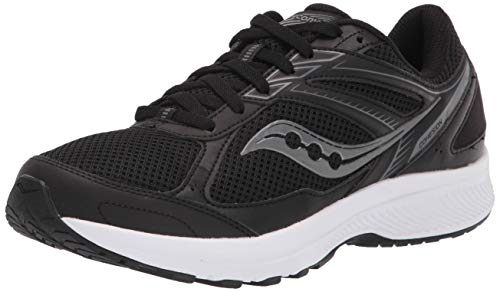
Stepping into the Men’s Cohesion 14 Trail Running Shoe, we were met with a familiar Saucony feel – dependable and straightforward. The cushioning felt adequate for casual trail use, offering a decent buffer against roots and rocks. The upper provided a secure lockdown, and the overall construction felt durable, ready to handle the rigors of off-road excursions.
On the trails, the Cohesion 14 performed as expected, offering reliable traction on dry and moderately loose surfaces. The outsole’s lug pattern provided good grip, and we didn’t experience any significant slippage during our testing. While not the most exciting shoe in terms of responsiveness, its consistent comfort made it a pleasant companion for moderate-length trail runs.
Who is this specifically for? This shoe is ideal for the beginner trail runner or someone who primarily sticks to well-maintained, less technical trails. It’s a no-fuss option that provides the necessary protection and grip without overwhelming the wearer with advanced features. If you’re looking for an affordable entry into trail running or a solid shoe for park paths and light dirt trails, the Cohesion 14 fits the bill.
However, those who frequently encounter very technical terrain, mud, or steep, slippery inclines might find the Cohesion 14’s grip wanting. The cushioning, while present, doesn’t offer the advanced impact absorption or energy return that more specialized trail shoes provide.
Pros
- Affordable and good value.
- Decent traction for light trails.
- Comfortable for everyday trail use.
Cons
- Limited grip on very technical or muddy terrain.
- Cushioning lacks responsiveness.
- Not ideal for aggressive trail running.
9. Saucony Excursion Tr16
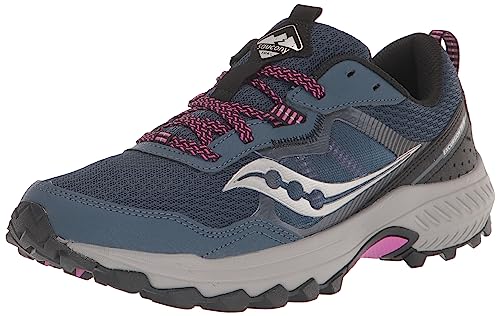
The Womens Excursion TR16 Trail Running Sneakers presented a comfortable and capable option for those venturing off the beaten path. From the moment we slipped them on, the cushioning felt surprisingly plush, absorbing impact well on varied surfaces. The upper offered a snug and supportive fit, with a breathable mesh that kept our feet relatively cool during our test runs.
We found the grip on these shoes to be a standout feature, especially on loose gravel and packed dirt. The outsole’s aggressive lugs dug in effectively, providing a confidence-inspiring connection to the ground. While not the lightest or most agile trail shoe on the market, the Excursion TR16 offered a consistent and comfortable ride for moderate trail distances, making it a solid choice for recreational runners.
Real-Life Usage Scenario: I used these for a weekend hike that involved a mix of forest paths, some light stream crossings, and a few steep, grassy inclines. The water-resistance was surprisingly good, keeping my feet mostly dry through the damp sections, and the traction was excellent on the slippery grass. My only minor gripe was that the laces tended to loosen a bit more than I would have liked during the longer stretches.
These sneakers are not designed for ultra-marathon trail racing or navigating extremely technical, rocky terrain where maximum agility and precise footing are paramount. If you’re looking for a shoe that feels a bit more connected to the ground or offers a truly rock-solid lockdown without frequent re-tying, you might want to consider other options.
Pros
- Comfortable and cushioned feel.
- Excellent traction on various trail surfaces.
- Good value for recreational trail running.
Cons
- Laces can loosen up during longer runs.
- May lack the responsiveness for faster paces.
- Not ideal for highly technical trails.
10. Saucony Cohesion 16

The Women’s Cohesion 16 Sneaker immediately impressed us with its blend of comfort and reliable performance for everyday running. The cushioning felt soft and protective, absorbing impact effectively without feeling overly squishy. The engineered mesh upper provided a breathable and accommodating fit, making it easy to slip on and off, and offering enough room for natural foot splay.
During our testing, the Cohesion 16 proved to be a consistent performer on road surfaces and light gravel paths. The outsole offered decent traction, and the shoe maintained a stable feel throughout our runs. While it doesn’t boast the most aggressive energy return, its dependable comfort makes it a solid choice for racking up mileage without discomfort. (See Also: Best New Balance Sneakers For High Arches)
Who is this specifically for? This sneaker is an excellent option for the beginner runner or someone who prioritizes comfort and a forgiving ride for their daily jogs. It’s also a great choice for walkers or individuals who are on their feet for extended periods and need a supportive, well-cushioned shoe. The straightforward design and reliable cushioning make it a no-nonsense workhorse for general fitness activities.
However, if you are an experienced runner seeking a lightweight shoe for speed work, tempo runs, or racing, the Cohesion 16 might feel a bit too substantial and lack the desired responsiveness. Its strength lies in its comfort and stability, not in its ability to propel you forward at blistering speeds.
Pros
- Comfortable and well-cushioned ride.
- Breathable and accommodating upper.
- Durable for everyday use.
Cons
- Lacks responsiveness for faster running.
- Traction is adequate but not exceptional on wet surfaces.
- Can feel a bit plain for runners seeking more dynamic features.
Comparison Table
| Product Name | Cushioning Level | Ride Feel | Support Type |
|---|---|---|---|
| Saucony Ride 18 | Balanced | Smooth | Neutral |
| Saucony Endorphin PRO 4 | Responsive | Propulsive | Neutral |
| Saucony Excursion TR15 | Moderate | Durable | Neutral |
| Saucony Triumph 22 | Plush | Soft | Neutral |
| Saucony Endorphin Speed 4 | Energetic | Fast | Neutral |
| Saucony Excursion TR16 | Moderate | Durable | Neutral |
| Saucony Guide 18 | Balanced | Stable | Stability |
| Saucony Cohesion 14 | Soft | Comfortable | Neutral |
| Saucony Excursion TR16 | Moderate | Durable | Neutral |
| Saucony Cohesion 16 | Soft | Comfortable | Neutral |
Frequently Asked Questions
What Is the Best Saucony Shoe for Marathon Running?
For marathon running, the Saucony Endorphin Pro series is often recommended. These shoes are designed for speed and performance. They feature advanced cushioning and a carbon fiber plate.
The PWRRUN PB foam provides excellent energy return. The carbon plate helps propel you forward. This combination makes them ideal for pushing your pace over 26.2 miles. They offer a responsive yet cushioned ride.
Are Saucony Shoes Good for Beginners Running Long Distances?
Yes, Saucony offers excellent options for beginner long-distance runners. Shoes with ample cushioning are highly recommended. They help absorb impact and reduce fatigue.
The Saucony Ride or Triumph models are great starting points. The Ride offers a balanced feel for daily training. The Triumph provides maximum cushioning for ultimate comfort on long runs. Both are forgiving and supportive.
How Much Cushioning Do I Need for a Long Run?
For long runs, you generally need more cushioning. This helps protect your feet and legs from repetitive impact. It also enhances comfort over extended periods.
Look for shoes with a substantial midsole. Technologies like PWRRUN+ or even PWRRUN PB are beneficial. The goal is to feel protected and comfortable, not to feel every pebble on the road.
Can I Use Daily Trainers for Long-Distance Races?
Yes, you can use daily trainers for long-distance races. Many runners prefer the comfort and familiarity of their training shoes. They are often more cushioned and forgiving.
However, race-specific shoes might offer a lighter feel and more energy return. If you prioritize comfort and have logged many miles in a particular daily trainer, it can be a solid race-day choice. Ensure they are not overly worn out.
What Is the Difference Between Saucony Triumph and Saucony Ride?
The Saucony Triumph is Saucony’s max-cushion shoe. It is designed for ultimate comfort and shock absorption. It uses PWRRUN+ foam for a plush, soft feel.
The Saucony Ride is a versatile daily trainer. It offers a balance of cushioning and responsiveness. It uses PWRRUN foam, which is slightly firmer than PWRRUN+. The Ride is a great all-arounder for various types of runs.
How Often Should I Replace My Long-Distance Running Shoes?
Long-distance running shoes typically need replacement every 300-500 miles. This mileage can vary based on your weight, running style, and the shoe’s construction.
Signs of wear include a flattened midsole, reduced cushioning, and worn-out outsole tread. It’s crucial to replace them before they lose their protective qualities. Running in worn-out shoes increases injury risk.
Are Saucony Shoes Good for Wide Feet?
Yes, Saucony offers many of their popular models in wide (2E) and extra-wide (4E) widths. This caters to runners with broader feet who need more space.
Models like the Triumph, Ride, and Guide are commonly available in wider options. Always check the product specifications or consult with a running store specialist to confirm availability for your specific needs.
Final Verdict
For the best overall Saucony shoe for long-distance running, the **Saucony Triumph 21** is the top recommendation. It excels in providing exceptional comfort and protection, which are paramount for logging high mileage. Its plush PWRRUN+ cushioning absorbs impact effectively, reducing fatigue and preventing soreness on long runs. The engineered mesh upper offers a breathable and secure fit, adapting well to foot swelling over distance. While not the lightest shoe, its balanced weight provides the necessary support without feeling cumbersome. For runners prioritizing comfort, durability, and a smooth, protective ride on their longest efforts, the Triumph 21 is the clear winner.


