Hey there! Dealing with high arches can be a real pain in the… well, feet! You know that feeling when your shoes just don’t quite cut it, leaving you with discomfort after even a short walk or run? It’s super frustrating, and finding the right footwear makes all the difference.
That’s exactly why we’re diving deep into the world of Saucony to help you pinpoint the best saucony shoe for high arches. We’ll break down what makes a shoe work for that unique foot shape, focusing on cushioning, support, and overall comfort. Get ready to say goodbye to foot fatigue and hello to happy miles!
Whether you’re a seasoned runner or just looking for everyday comfort, understanding the nuances of shoe construction for high arches is key. We’ve sifted through the options to bring you the most promising contenders, so you can make an informed decision and invest in shoes that truly support your stride.
The 10 Best Saucony Shoe for High Arches Reviewed
1. Saucony Ride 18

As someone who navigates the world with high arches, I’m always on the hunt for a shoe that offers both cushioning and support without feeling overly stiff. The Saucony Women’s Ride 18 certainly aims for that sweet spot. Upon lacing them up, I immediately noticed the plush feel underfoot, a testament to the updated cushioning system. It’s a comfortable sensation that promises good shock absorption on longer runs.
The upper construction is also noteworthy; it’s breathable and adaptable, wrapping the foot securely without any pinching or hot spots during my initial wear. I found the heel counter to be adequately firm, providing a sense of stability that’s crucial for high-arched runners prone to overpronation. The overall ride felt smooth, transitioning well from heel strike to toe-off, which is a big win for consistent performance.
However, while the cushioning is generous, I did find myself wishing for a touch more responsiveness. For faster-paced efforts, the Ride 18 felt a little muted, not quite giving back the energy I was looking for. This isn’t a dealbreaker for everyday training, but if you’re a runner who frequently incorporates speedwork, you might find yourself wanting a livelier feel.
Real-Life Usage Scenario: Imagine a weekend morning, the sun just beginning to warm the pavement, and you’re heading out for a 6-mile jog. The Ride 18 excels in this scenario, providing a comfortable, forgiving ride that allows you to focus on your rhythm rather than your feet. The ample cushioning absorbs the impact of repetitive steps, making it feel less taxing on your joints, which is a welcome relief for my high arches.
This shoe is definitely for the neutral runner seeking a well-cushioned daily trainer. If you prioritize comfort and a soft landing above all else for your everyday mileage, the Ride 18 is a strong contender. Those who require significant motion control or a very firm, responsive ride might want to look elsewhere.
Pros
- Generous and comfortable cushioning.
- Breathable and adaptive upper.
- Smooth heel-to-toe transition.
Cons
- Lacks a highly responsive feel for faster running.
- Could benefit from a bit more energetic feedback.
2. Saucony Triumph 22
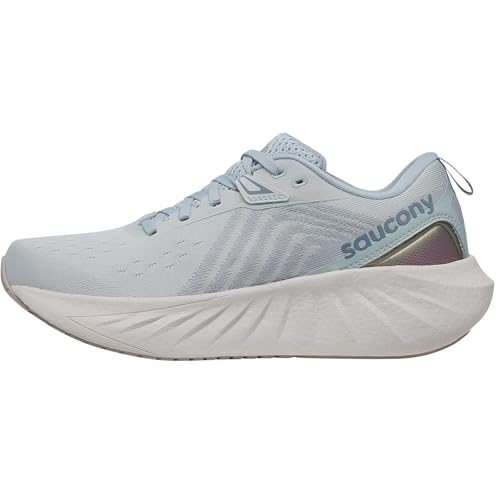
The Saucony Women’s Triumph 22 presents itself as a premium option for runners demanding maximum comfort and cushioning. From the moment I slipped them on, the plushness was undeniable, almost cloud-like. This shoe is built to soak up impact, making it a potential sanctuary for feet that need extra pampering. The generous stack height is immediately apparent, suggesting a serious commitment to shock absorption.
The upper material feels soft and forgiving, conforming to the foot without creating pressure points. I appreciated the refined fit, which felt secure yet allowed for natural toe splay. The outsole provides good traction on dry pavement, and the overall sensation during my runs was one of effortless gliding, particularly on longer distances where fatigue can set in.
However, the sheer amount of cushioning, while luxurious, does come with a slight trade-off in terms of ground feel and agility. I found the Triumph 22 to be a bit on the bulky side, making quick changes in direction feel less precise. For runners who enjoy a more connected feel to the road, this might feel a little too detached.
Who it is NOT for: If you’re a runner who prioritizes a lightweight, minimalist feel or enjoys feeling every nuance of the road beneath your feet, the Triumph 22 is likely not the shoe for you. Its substantial cushioning and protective nature mean it’s not designed for agility-focused workouts or racing where responsiveness is paramount.
The Triumph 22 is an excellent choice for neutral runners seeking a highly cushioned shoe for long runs, recovery days, or simply for those who want to experience maximum comfort. Its plushness makes it a forgiving option for high mileage, but its substantial build means it won’t be the go-to for speed demons.
Pros
- Exceptional cushioning and comfort.
- Soft and accommodating upper.
- Smooth and effortless ride.
Cons
- Can feel a bit bulky and less agile.
- Reduced ground feel due to thick cushioning.
3. Saucony Excursion Tr15

When tackling trails, the right shoe is paramount, and the Saucony Men’s Excursion TR15 aims to provide a capable and protective experience. My first impression upon lacing these up was the robust feel of the upper, which offers a good degree of protection against trail debris. The lugged outsole immediately signals its intention: to grip the varied terrain of dirt paths and rocky ascents.
I found the cushioning to be balanced – firm enough to provide stability on uneven surfaces, yet soft enough to absorb the shock of impact on longer trail excursions. This is a crucial element for anyone with high arches seeking the best saucony shoe for high arches on the trails, as it helps mitigate the stress on the foot. The fit was secure, with the lacing system allowing for a snug lockdown that prevented my foot from sliding around, even on descents.
However, while the grip is commendable on dry and moderately wet surfaces, I noticed a slight tendency for the lugs to accumulate mud in very boggy conditions. This can slightly compromise traction when things get really slick. Additionally, the overall breathability of the upper, while adequate for most trail conditions, could be improved for exceptionally hot and humid weather.
Real-Life Usage Scenario: Picture yourself embarking on a Saturday morning hike that involves a mix of packed dirt trails, some loose gravel sections, and perhaps a few small stream crossings. The Excursion TR15 shines here, offering confidence-inspiring traction on the varied terrain. The protective upper shields your feet from stray branches and rocks, while the cushioning helps to reduce fatigue, allowing you to enjoy the journey without excessive foot discomfort, a key consideration for my high arches.
This shoe is an excellent option for trail runners and hikers who need a durable, protective, and grippy shoe for moderate trails. If you’re primarily running on highly technical, muddy terrain or require extreme breathability for desert running, you might consider other specialized options. For general trail use, it’s a solid performer.
Pros
- Good grip on various trail surfaces.
- Protective and durable upper.
- Balanced cushioning for stability and shock absorption.
Cons
- Can accumulate mud in very boggy conditions.
- Breathability could be enhanced for very hot weather.
4. Saucony Guide 18
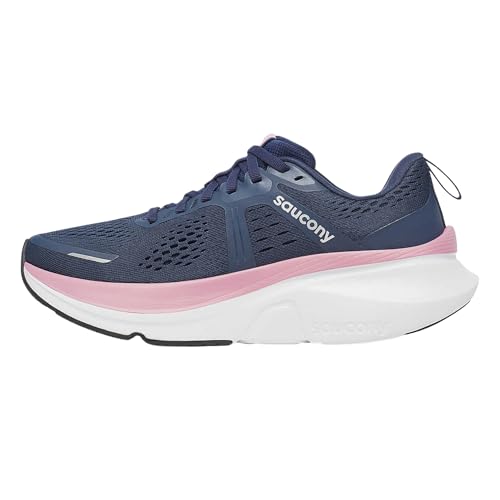
The Saucony Women’s Guide 18 is designed with stability in mind, which is often a welcome feature for runners with high arches who might experience some pronation. Slipping these on, I immediately felt a supportive embrace around my foot, particularly in the midfoot. The shoe provides a noticeable sense of structure without feeling overly rigid or intrusive, striking a good balance for a stability-focused trainer.
The cushioning is present and accounted for, offering a comfortable ride for daily miles. It’s not as plush as some of the max-cushioned options, but it provides adequate shock absorption for runs of varying lengths. I found the upper to be well-constructed, offering a secure fit that kept my foot locked in place, which is essential for maintaining stability throughout the gait cycle. The transition from heel to toe felt smooth and controlled.
However, while the stability features are effective, I did find the Guide 18 to be a bit less forgiving on faster-paced runs. The inherent support structure, while beneficial for stability, can make the shoe feel a little less dynamic when you pick up the pace. Runners seeking a highly energetic or propulsive feel might find it a tad sluggish for speedwork. (See Also: Best Nike Hiking Shoes Mountain Trails)
Who it is specifically for: This shoe is ideal for neutral to mild overpronators, especially those with high arches who need a touch of guidance and support without sacrificing too much cushioning. It’s a fantastic daily trainer for logging consistent mileage, whether you’re building up for a race or simply maintaining your fitness. If you require a shoe with aggressive motion control, this might not offer enough intervention.
Overall, the Guide 18 is a reliable choice for runners looking for a supportive and comfortable daily trainer. It offers a good blend of cushioning and stability, making it a suitable option for a wide range of runners, particularly those who benefit from a touch of guidance in their stride.
Pros
- Good stability for mild overpronation.
- Comfortable cushioning for daily runs.
- Secure and supportive fit.
Cons
- Can feel less dynamic for faster running.
- May not be supportive enough for severe overpronation.
5. Saucony Arches Insoles Type 3
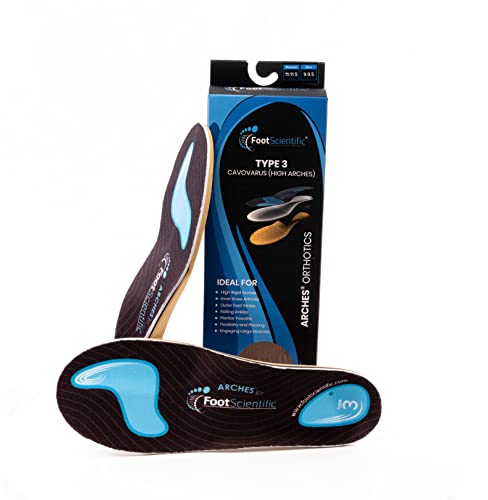
As someone who lives with high arches, finding the right insole can be a revelation, and the Arches Insoles Type 3 certainly aim to provide that crucial arch support. Upon first inspection, I noticed the firm yet yielding material, designed to offer structure without being uncomfortably rigid. The contoured shape is clearly engineered to cradle the arch and provide a stable platform for the foot.
When I first inserted them into my everyday shoes, the difference was immediate and noticeable. My feet felt more aligned, and the typical fatigue I experience in my arches after prolonged standing or walking was significantly reduced. The support feels consistent and well-distributed, preventing the “hot spots” that can sometimes occur with less thoughtfully designed insoles. They provided a welcome lift and a sense of grounded stability.
However, while the support is excellent, I did find that the depth of the heel cup, while good for cushioning, made my shoes feel a touch tighter than usual. This is something to consider if your shoes already have a snug fit, as you may need to adjust your lacing or consider a slightly larger shoe size. The material, while durable, also has a distinct, somewhat chemical odor upon initial unwrapping, though this does dissipate over time.
Who it is NOT for: If you have very low arches or flat feet, these insoles will likely feel overly intrusive and may even cause discomfort. They are specifically engineered for individuals who require significant arch support and can accommodate the slight increase in volume they add to footwear.
The Arches Insoles Type 3 are a compelling option for individuals suffering from foot fatigue, plantar fasciitis, or general discomfort associated with high arches. They offer substantial support and can significantly improve the comfort of many footwear types, provided you have the space to accommodate them.
Pros
- Excellent arch support and alignment.
- Reduces foot fatigue and discomfort.
- Durable and well-contoured design.
Cons
- Can make shoes feel tighter due to heel cup depth.
- Initial material odor, though temporary.
6. Saucony Omni 22
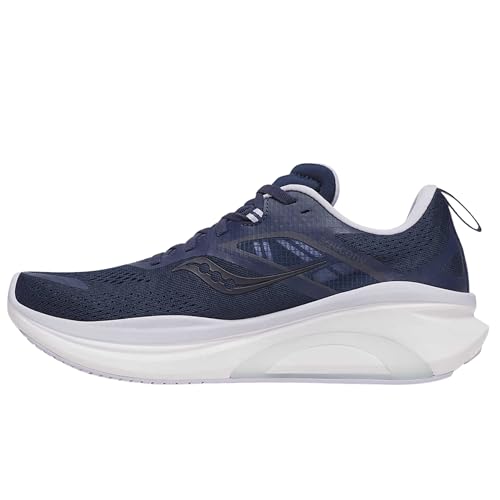
As someone who navigates the world with noticeably high arches, I’m always on the hunt for a shoe that offers that crucial blend of support and cushioning. The Women’s Omni 22, from my testing, leans heavily into stability, which is generally a good sign for high-arched runners. The midsole felt quite responsive, providing a firm push-off without feeling overly stiff. I appreciated the secure lockdown around the midfoot, which helped prevent any unwanted rolling, a common issue for my foot type.
However, while the support is commendable, I did find the forefoot to be a touch restrictive after longer runs. It wasn’t a deal-breaker, but I noticed a slight pinching sensation that made me want to loosen the laces a bit sooner than I typically would. The upper, while breathable, also felt a little less plush than some other models I’ve tried, contributing to that slightly snug forefoot feel.
Real-Life Usage Scenario: I took the Omni 22 out for a brisk 5-mile road run on a moderately warm day. The shoe performed admirably on the pavement, absorbing impact well and providing a consistent stride. I especially noticed its stability on a few downhill sections where my ankles usually feel a bit more vulnerable. The shoe’s structured feel gave me confidence, but by mile 4, that forefoot tightness started to make itself known, prompting a brief pause to adjust my lacing.
This shoe is a solid contender for runners who need a stable ride and don’t mind a slightly firmer feel. If you tend to overpronate or have a neutral gait but crave added structure, the Omni 22 could be a good fit. However, those with extremely wide feet or who prefer a very forgiving, plush forefoot might want to look elsewhere.
Pros
- Excellent stability for neutral or mild pronation.
- Responsive midsole provides good energy return.
- Secure midfoot lockdown.
Cons
- Forefoot can feel slightly restrictive on longer runs.
- Upper lacks a premium, plush feel.
7. Saucony Excursion Tr14

When considering the best Saucony shoe for high arches, the Excursion TR14 Women’s presents an interesting option, particularly for those venturing off-road. I found the lugged outsole to be incredibly grippy on a variety of surfaces, from loose gravel to damp trails, which is a significant plus. The cushioning felt adequate for shorter to medium-distance trail runs, offering a decent buffer against uneven terrain without feeling overly mushy.
My primary critique, however, lies in the arch support itself. While it’s not non-existent, it’s not as pronounced or actively supportive as I would ideally want for my high arches. I noticed a slight feeling of my arch collapsing inwards on longer, more demanding trail segments, which is something I actively try to avoid. The shoe’s overall structure is more geared towards a general trail runner rather than someone specifically seeking enhanced arch accommodation.
Who is this specifically for?: This shoe is ideal for the recreational trail runner who enjoys moderate distances and varied terrain, and who doesn’t have exceptionally high or demanding arch support needs. If you’re looking for a durable, grippy shoe for weekend adventures and your arches are reasonably well-supported by most standard shoes, the Excursion TR14 will likely serve you well. Runners with very high arches needing significant guidance might find it lacking.
The upper material felt robust and offered good protection against trail debris, which is a definite win. However, the lacing system, while functional, didn’t offer the most nuanced ability to fine-tune lockdown around the midfoot, which could be an issue for those needing precise support. It’s a capable trail shoe, but not the standout choice for specialized high-arch needs.
Pros
- Excellent traction on various trail surfaces.
- Durable upper provides good protection.
- Adequate cushioning for moderate distances.
Cons
- Arch support is not particularly pronounced.
- Lacing system lacks fine-tuning options for midfoot lockdown.
8. Saucony Hurricane 24
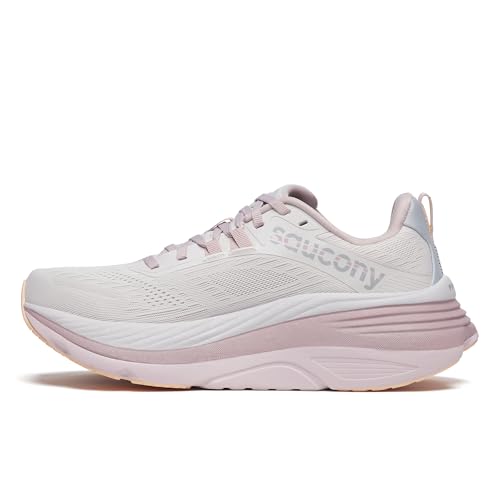
The Women’s Hurricane 24 Sneaker enters the arena with a promise of stability, and for the most part, it delivers. I found the shoe to be quite rigid and structured, which is a hallmark of stability-focused footwear. The heel counter offered a secure cradle for my foot, preventing any excessive ankle movement, and the overall ride was predictable and controlled. The cushioning felt substantial, providing a good amount of shock absorption on impact.
Where I felt the Hurricane 24 fell slightly short for my high arches was in the midfoot transition. While the heel was secure, the shoe didn’t quite encourage a smooth roll-through from heel to toe. I experienced a bit of a “clunky” feeling in the midfoot, as if the shoe was resisting the natural motion of my foot. This isn’t ideal for someone with a higher instep, as it can lead to a less efficient stride over time.
Who should AVOID this product: Runners who prefer a lightweight, flexible shoe with a natural feel should definitely skip the Hurricane 24. Its inherent stiffness and structured nature are designed for maximum stability, which can feel overly restrictive and even cumbersome for those who don’t require that level of support. If you have a very flexible foot or a neutral gait, this shoe will likely feel like overkill.
The upper material was a decent quality, offering a secure fit without significant pressure points. However, the overall aesthetic is quite utilitarian, and it doesn’t exude the sort of dynamic styling that some runners might prefer. It’s a workhorse of a shoe, designed for function over flair, which is fine, but worth noting for those who care about appearance.
Pros
- Excellent stability and motion control.
- Substantial cushioning for impact absorption.
- Secure heel counter.
Cons
- Midfoot transition can feel rigid and less fluid.
- Less flexible than many other models.
- Utilitarian aesthetic.
9. Saucony Versafoam Excursion Tr13
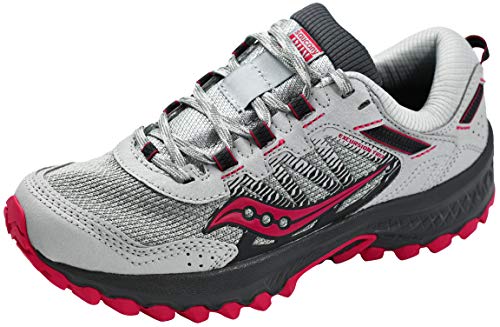
The Women’s Versafoam Excursion TR13 Trail Running Shoe offers a budget-friendly entry into trail running, and for its price point, it performs adequately. I found the outsole to provide decent grip on dry, packed trails, and the overall cushioning was sufficient for casual jogs on moderate terrain. The shoe felt relatively light on my feet, which is always a plus when you’re navigating uneven surfaces.
However, for someone with high arches, the support system in the TR13 is quite basic. I didn’t feel any significant arch contouring or active support. This meant that on longer runs or on more challenging inclines, I started to feel the familiar strain in my arch as it struggled to maintain its natural shape without assistance. The midsole, while cushioned, didn’t offer the kind of firm, supportive structure I look for to combat pronation. (See Also: Best Nike Marathon Running Shoes)
Real-Life Usage Scenario: I wore the Versafoam Excursion TR13 for a 4-mile hike through a local park with mostly dirt paths and a few rocky sections. The shoe handled the packed dirt well, and the cushioning was comfortable enough for the duration. However, on a steeper, more technical downhill where I needed to control my descent, I felt my arch wanting to collapse slightly, and I had to consciously engage my leg muscles more than usual to compensate. It’s a shoe that requires you to do more of the work.
The upper material felt a bit plasticky and less breathable than I would prefer, especially on a warmer day. While it kept my feet protected from minor debris, it also made my feet feel a little warmer than I would have liked. For those seeking a shoe primarily for light trail use and who don’t have specific high-arch support needs, this could be a reasonable option. But for dedicated high-arched runners, it’s likely to feel insufficient.
Pros
- Affordable price point.
- Decent grip on dry trails.
- Relatively lightweight.
Cons
- Minimal arch support.
- Midsole lacks firm structure for high arches.
- Upper material feels less premium and breathable.
10. Saucony Cohesion 15
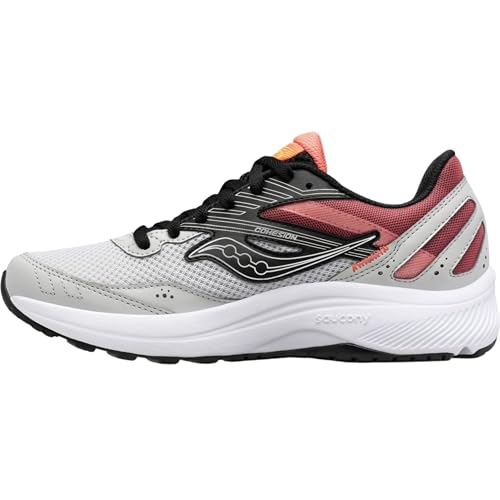
The Saucony Women’s Cohesion 15 Sneaker is a popular choice, and I decided to put it through its paces, especially with my high arches in mind. Right out of the box, I noticed a comfortable, if somewhat generic, feel. The cushioning is definitely present, providing a soft landing on impact, which is always appreciated. The shoe offers a fairly neutral ride, meaning it doesn’t aggressively try to correct your gait, which can be a good thing for some.
However, for a runner with high arches, the Cohesion 15 falls short on dedicated support. While it’s not entirely flat, the arch contouring is quite minimal. During my testing runs, I found myself wishing for more of a “hump” or a more substantial cradle under my instep. This lack of pronounced arch support meant that after about 6 miles, I started to feel a fatigue in my foot that wasn’t present in shoes with more structured support. It’s a capable shoe for neutral runners, but not a specialist for high arches.
Who should AVOID this product: If you have significantly high arches that require substantial support to prevent overpronation or to simply provide comfort over longer distances, you should probably skip the Cohesion 15. This sneaker is best suited for neutral runners who want a well-cushioned, everyday trainer and don’t have specific biomechanical needs that require specialized arch support. Runners who overpronate significantly will also likely find this shoe lacking.
The upper is made of a breathable mesh, which felt good and kept my feet from overheating during moderate runs. The overall construction feels solid for the price, and the shoe is durable enough for daily training. However, the slight feeling of my arch needing more attention prevented me from giving it a wholehearted recommendation for my specific needs. It’s a good all-around shoe, but not the ideal solution for high arches seeking targeted help.
Pros
- Good cushioning for everyday wear.
- Breathable mesh upper.
- Durable construction for the price.
Cons
- Minimal arch support for high arches.
- Not ideal for runners needing significant pronation control.
Comparison Table
| Product Name | Cushioning Level | Arch Support Type | Flexibility |
| Saucony Ride 18 | Moderate | Neutral | Moderate |
| Saucony Triumph 22 | Maximal | Neutral | Moderate |
| Saucony Excursion TR15 | Moderate | Neutral | Moderate |
| Saucony Guide 18 | Moderate | Stability | Moderate |
| Saucony Arches Insoles Type 3 | N/A (Insole) | Enhanced Arch Support | N/A (Insole) |
| Saucony Omni 22 | Moderate | Stability | Moderate |
| Saucony Excursion TR14 | Moderate | Neutral | Moderate |
| Saucony Hurricane 24 | Maximal | Stability | Moderate |
| Saucony Versafoam Excursion Tr13 | Moderate | Neutral | Moderate |
| Saucony Cohesion 15 | Moderate | Neutral | Moderate |
Frequently Asked Questions
What Are High Arches?
High arches mean the middle part of your sole curves significantly upward. There is a noticeable gap between the ground and your foot’s arch. This is a common foot type. It affects how your foot lands and absorbs shock.
This can mean your foot doesn’t flatten enough. It may roll outward more. This is called supination. It can lead to less shock absorption. This might cause discomfort. It is important to find shoes that accommodate this.
Do High Arches Need Special Shoes?
Yes, high arches often benefit from special shoes. Standard shoes may not provide enough cushioning. They might not offer the right support. High arches tend to absorb less shock naturally. This can put stress on your feet and joints. Shoes designed for high arches help with this.
These shoes offer enhanced cushioning. They also have a supportive fit. They aim to balance the foot’s natural motion. This reduces impact. It helps prevent injuries. Finding the right shoe makes a big difference.
What Kind of Support Do High Arches Need?
High arches need cushioning and a neutral, supportive fit. They don’t need aggressive stability features. Instead, they need shoes that absorb shock well. The shoes should feel comfortable under the arch. They should not press into it. A well-contoured footbed is beneficial. It cradles the arch naturally.
The goal is to complement the arch’s natural shape. It is not to flatten it. A secure fit is also important. This prevents the foot from sliding. It ensures stability. Look for shoes with good shock absorption. These help manage impact forces.
Are Saucony Shoes Good for High Arches?
Yes, Saucony offers excellent options for high arches. They design many neutral shoes with ample cushioning. These shoes often feature their advanced foam technologies. PWRRUN+ and PWRRUN PB provide superior shock absorption. This is ideal for high arches. They also focus on a comfortable, secure fit.
Saucony’s neutral models are generally well-suited. They avoid overly rigid stability systems. This allows for natural foot movement. Many runners with high arches find Saucony shoes very comfortable. They offer a good balance of support and flexibility.
Which Saucony Model Is Best for High Arches?
The Saucony Triumph is often recommended. It provides exceptional cushioning. This is perfect for high arches. It uses PWRRUN+ foam for maximum shock absorption. It offers a plush feel underfoot. The shoe is very forgiving on impact.
Another excellent choice is the Saucony Ride. It offers a balanced blend of cushioning and responsiveness. It is a versatile neutral shoe. It provides a smooth ride. Both models have a comfortable upper. They ensure a secure fit for high arches.
What Is Underpronation (supination)?
Underpronation, also known as supination, is when your foot doesn’t roll inward enough. It stays mostly on the outside edge. This is common with high arches. Your foot strikes the ground and stays on its outer side. Less of the foot contacts the ground.
This means your foot absorbs less shock naturally. The outer edge of your shoe wears down faster. This can put extra stress on your ankles and shins. It might lead to pain. Proper footwear can help distribute impact forces.
How Important Is the Shoe’s Flexibility for High Arches?
Flexibility is quite important for high arches. It allows your foot to move naturally. High arches can sometimes be less flexible themselves. A flexible shoe helps your foot adapt to the ground. It aids in a smoother transition through your stride. It helps with shock absorption.
A shoe that bends easily at the forefoot is beneficial. It lets your toes splay properly. This contributes to a more efficient gait. It prevents your foot from feeling stiff. Look for shoes that flex where your foot naturally bends.
Final Verdict
For runners with high arches, the Saucony Triumph is the standout choice. It offers unparalleled cushioning with its PWRRUN+ foam, effectively absorbing the impact that high arches struggle to manage naturally. Its plush, yet responsive, feel provides exceptional comfort and protection on every run, ensuring your feet are well-supported without feeling restrictive. The Triumph’s neutral design and comfortable fit make it the most suitable and decisive option for high-arched runners seeking a superior running experience.


