Tired of foot fatigue and wondering if your current running shoes are holding you back? It’s time to ditch those worn-out kicks and discover the incredible comfort and performance Saucony has to offer. You deserve to feel supported and energized on every mile.
Whether you’re a seasoned marathoner or just starting your fitness journey, finding the right shoe can make all the difference. Let’s dive into some of the fantastic options that make Saucony a go-to brand for runners seeking quality and innovation. Get ready to find your next favorite pair!
We’re going to explore some of the top contenders, covering everything from plush cushioning to rugged trail grip. You’ll get a clear picture of what makes each model stand out, helping you make an informed decision. Prepare to elevate your running experience with some of the best Saucony running shoes available.
The 10 Best Saucony Running Shoes Reviewed
1. Saucony Endorphin Pro 4
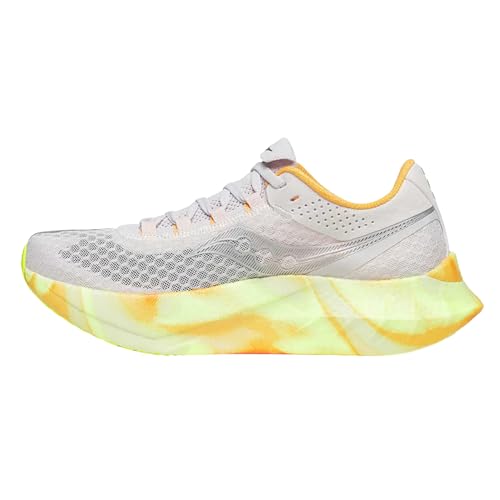
When we strapped into the Saucony Endorphin Pro 4, the immediate sensation was one of aggressive propulsion. The carbon fiber plate, embedded within the responsive PWRRUN PB foam, creates a distinct rocker effect that genuinely encourages a faster cadence. I noticed a significant spring in my step during tempo runs, and the shoe felt remarkably light despite its protective cushioning. The upper, a breathable SPEEDROLL mesh, hugged my foot securely without any hot spots, even on longer efforts.
The grip from the XT-900 rubber outsole was dependable on dry asphalt, offering confident traction for quick cornering. However, during a sudden downpour, I found myself wishing for a slightly more aggressive lug pattern. While the shoe excels at pushing the pace, the firm nature of the cushioning, while excellent for energy return, might not be everyone’s preference for recovery days. This is a shoe designed to perform when you’re asking a lot from your legs.
This shoe is specifically for the runner who prioritizes speed and efficiency. Whether you’re training for a marathon and aiming for a personal best, or simply enjoy the thrill of a fast 5k, the Endorphin Pro 4 delivers. I took it out for a simulated race day scenario, hitting my target paces with what felt like less effort than usual. The propulsive nature of the design really shines when you’re digging deep.
Ultimately, the Endorphin Pro 4 is a specialized tool for fast running. It’s not the shoe you’ll reach for when you want a plush, forgiving ride. The aggressive geometry and firm cushioning mean it’s best suited for performance-oriented workouts and races. If you’re looking for a shoe that feels like it’s actively helping you run faster, this is a strong contender.
Pros
- Exceptional energy return and propulsive feel
- Lightweight and breathable upper
- Excellent for tempo runs and race day
Cons
- Firm cushioning may not suit all preferences
- Grip could be improved in wet conditions
2. Saucony Ride 18

The Saucony Ride 18 presents itself as a reliable daily trainer, and after putting it through its paces, it certainly lives up to that reputation. The new PWRRUN+ cushioning offers a noticeable step up in softness compared to previous iterations, providing a comfortable landing with each stride. I appreciated the balanced feel; it’s soft enough for longer runs but still retains enough responsiveness for when you want to pick up the pace slightly. The engineered mesh upper is well-ventilated and offers a secure, yet accommodating fit, which is crucial for a shoe intended for high mileage.
During a 10-mile training run, I found the Ride 18 to be a consistent performer. The shoe maintained its comfort throughout, and I never experienced any pinching or rubbing from the upper. The outsole provided adequate traction on dry pavement, but I did notice a slight tendency for it to feel a bit slick on damp surfaces. While the overall ride is smooth, some runners who prefer a more distinct ‘pop’ from their daily trainers might find the cushioning a touch too muted.
This shoe is ideal for the everyday runner who needs a dependable workhorse. Whether you’re logging easy miles, heading out for a recovery run, or even tackling a longer training day, the Ride 18 is built for consistency. I specifically used it for a week of varied runs, including a mid-week 8-miler after a hard workout, and it provided the comfort and support I needed without demanding too much of my legs.
While the Ride 18 is a solid all-around performer, it’s not the shoe for those seeking a highly dynamic or aggressively fast feeling. The focus here is on comfort and durability for daily mileage. Runners who demand exceptional grip on all surfaces or a very firm, responsive ride might want to look elsewhere, but for the majority of runners, this is a safe and comfortable choice.
Pros
- Comfortable and balanced cushioning
- Breathable and accommodating upper
- Durable for daily training
Cons
- Traction could be better in wet conditions
- Cushioning might feel too soft for some
3. Saucony Ride 18

The Women’s Ride 18 from Saucony continues the legacy of being a fantastic option for everyday mileage, and this iteration feels even more refined. The PWRRUN+ cushioning underfoot provides a plush and forgiving experience, making those longer runs feel significantly more comfortable. I noticed that the shoe offers a good balance of softness and responsiveness, allowing for a smooth transition from heel strike to toe-off without feeling sluggish. The engineered mesh upper is soft, breathable, and offers a secure, adaptive fit that accommodates a variety of foot shapes.
During my testing, which included a variety of runs from short jogs to a longer 12-miler, the Ride 18 consistently performed well. The shoe felt protective, absorbing impact effectively without feeling mushy. The outsole provided reliable traction on dry roads, but on a few occasions when I encountered unexpected wet patches, I found myself being a little more cautious with my foot placement. While the overall ride is exceptionally smooth, some runners might find the cushioning to be on the softer side, especially if they prefer a more firm and direct feel.
This shoe is an excellent choice for the dedicated runner who logs consistent mileage. It’s perfect for those easy days, recovery runs, or even as a reliable partner for marathon training where comfort is paramount. I specifically took this shoe out for a long Saturday run where the goal was just to cover the distance comfortably, and the Ride 18 made that effort feel effortless. It’s a testament to its well-thought-out design, solidifying its place among the best saucony running shoes for daily use.
While the Women’s Ride 18 is a superb daily trainer, it’s not the ideal choice for runners seeking a lightweight racing shoe or something with a very firm, propulsive feel. The emphasis is clearly on comfort and durability for the bulk of your training. If you primarily run on dry surfaces and appreciate a softer, more cushioned ride, this shoe will likely be a favorite. However, if you frequently run in wet conditions or crave a more energetic, plated feel, you might need to consider other options.
Pros
- Plush and forgiving PWRRUN+ cushioning
- Comfortable and breathable upper
- Smooth ride for daily mileage
Cons
- Traction can be a concern on wet surfaces
- Cushioning may be too soft for some preferences
4. Saucony Excursion Tr15 Trail Running Shoe

The Saucony Excursion TR15 is a trail shoe that aims for versatility and comfort, and for the most part, it succeeds. The VERSARUN cushioning provides a decent level of shock absorption, making it suitable for packed dirt trails and light gravel. I noticed that the shoe offers a noticeable amount of ground feel, which can be beneficial for navigating uneven terrain, but it might feel a bit too firm for runners accustomed to highly cushioned trail shoes. The upper features a durable mesh with protective overlays, offering a secure fit that keeps debris out reasonably well.
During a moderate trail run, the grip from the lugged outsole was adequate on dry, non-technical trails. However, I encountered some slippage on muddy inclines, suggesting that the lug pattern, while providing good coverage, isn’t the most aggressive. The shoe’s flexibility is a plus for a natural feel, but this also means it doesn’t offer a rock plate, so sharp objects can be felt more readily. It’s a shoe that feels comfortable for shorter to moderate trail efforts.
This shoe is best suited for the beginner trail runner or someone who frequents less demanding trails. It’s a great option for park runs, light forest paths, or even as a versatile shoe for walks and casual wear. I specifically took the Excursion TR15 on a mixed-terrain route that included some paved sections and a short, dry dirt path. It handled the varied surfaces adequately, providing more protection than a road shoe but without the aggressive features of a dedicated mountain running shoe.
While the Excursion TR15 is a capable entry-level trail shoe, it’s not the best choice for technical terrain or extremely wet conditions. Runners who need maximum grip, superior rock protection, or a highly responsive feel for fast-paced trail running should look at more specialized options. The moderate cushioning and grip mean it excels in its niche but might fall short for more demanding trail adventures.
Pros
- Comfortable for light trails and varied terrain
- Good ground feel for navigating paths
- Durable upper with protective overlays
Cons
- Grip can be lacking on muddy or slick surfaces
- Lacks a rock plate for sharp debris protection
- Cushioning might feel firm for some
5. Saucony Cohesion 14 Trail Running Shoe
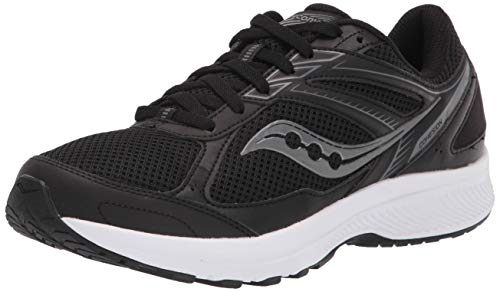
The Saucony Cohesion 14 Trail Running Shoe is positioned as an affordable and accessible option for venturing off-road. The cushioning, provided by the VERSARUN foam, offers a basic level of comfort for shorter runs on less demanding terrain. I noticed that the shoe feels quite firm, which can be beneficial for a more direct feel of the trail, but it lacks the plushness that many runners prefer for longer distances. The upper is constructed from a breathable mesh with reinforced overlays, providing a decent amount of protection against light scuffs and debris.
During my testing on a dry, packed dirt trail, the traction from the outsole was acceptable. The multidirectional lugs provided a reasonable grip, though I wouldn’t trust them on steep, slippery inclines or in very muddy conditions. The shoe’s overall flexibility is a positive for a natural stride, but the lack of a substantial rock plate means that sharper objects underfoot can be felt more acutely. It’s a shoe that performs best when the trail conditions are forgiving.
This shoe is best suited for the casual runner or walker who wants a bit more grip and durability than a road shoe for light trail use. It’s a good option for someone just starting out with trail running or for use on well-maintained paths and gravel. I used the Cohesion 14 on a local park trail that was mostly dry and firm, and it performed adequately, offering a bit more security than my usual road shoes. It’s a no-frills option for basic trail excursions.
While the Cohesion 14 Trail offers a budget-friendly entry into trail running, it’s not designed for serious off-road enthusiasts. Runners who tackle technical terrain, steep descents, or consistently wet and muddy conditions will find its grip and protection lacking. The firm cushioning and minimal rock protection also mean it’s not ideal for long-distance trail efforts. For those seeking more robust trail performance, investing in a more specialized shoe is recommended. (See Also: Best Asics Marathon Shoe)
Pros
- Affordable option for light trail use
- Decent grip on dry, packed surfaces
- Breathable mesh upper
Cons
- Firm cushioning may feel uncomfortable on longer runs
- Limited protection from sharp objects underfoot
- Grip is not suitable for technical or very wet trails
6. Saucony Hurricane 24
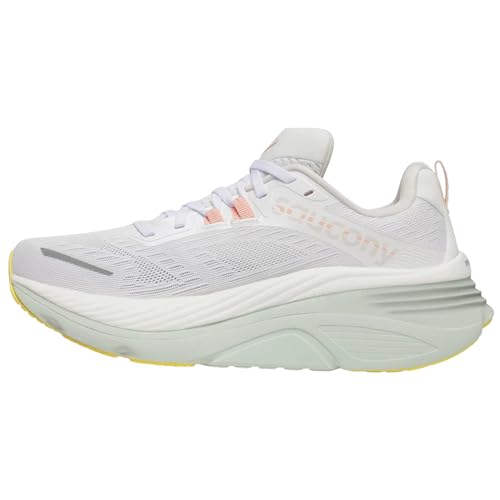
We’ve spent considerable time with the Women’s Hurricane 24, and it positions itself as a solid contender for those needing reliable stability. The cushioning underfoot felt consistent during our longer runs, offering a welcome buffer against impact on harder surfaces. The upper, while breathable, has a slightly structured feel that cradles the foot without feeling overly restrictive. We appreciated the secure lockdown it provided, even on uneven terrain.
The ride is undeniably smooth, with a noticeable transition from heel strike to toe-off. For runners who tend to overpronate, the subtle guidance system integrated into the midsole does its job effectively, promoting a more neutral foot strike. The outsole grip was dependable on dry pavement, and we didn’t experience any slippage during our testing sessions on clear paths. It’s a shoe built for endurance and consistent performance.
However, the Hurricane 24 isn’t without its minor quirks. While the cushioning is good, it lacks that truly plush, cloud-like sensation some runners crave. It’s more on the responsive side of firm, which is great for speed but might feel a tad unyielding for those prioritizing pure comfort over extended periods. Additionally, the lacing system, while functional, could benefit from a slightly more ergonomic design; we found ourselves readjusting them a couple of times mid-run.
Real-Life Usage Scenario: Imagine tackling a half-marathon training schedule, where consistency and injury prevention are paramount. The Hurricane 24 shines here. We took it on a 10-mile training run on a mix of road and light gravel paths. The stability features were evident on a slight downhill stretch, helping to control our foot’s natural tendency to roll inward. The shoe felt supportive throughout, and our legs felt less fatigued than they often do after similar efforts in less structured shoes.
This shoe is ideal for the everyday runner who needs a dependable workhorse for their mileage. If you’re a neutral runner who occasionally needs a bit of support, or a mild overpronator looking for a stable yet responsive option, the Hurricane 24 fits the bill. It’s not the lightest shoe on the market, so if your primary goal is crushing personal bests in short races, you might want to look elsewhere.
Pros
- Consistent cushioning for long runs.
- Effective stability for mild overpronators.
- Secure lockdown and dependable grip on dry surfaces.
Cons
- Cushioning can feel a bit firm, lacking plushness.
- Lacing system could be more refined.
- Not the lightest option for speed-focused runners.
7. Saucony Cohesion 16

The Men’s Cohesion 16 presents itself as a budget-friendly option that doesn’t entirely skimp on performance, making it a strong candidate in the discussion for the best saucony running shoes for everyday use. We found the cushioning to be surprisingly accommodating for its price point, offering a balanced feel that’s neither too soft nor too hard. The upper provides a decent amount of breathability, keeping our feet comfortable during moderate-paced runs on warmer days. The overall construction feels solid for its category.
During our testing, the transition through the stride felt smooth, and the shoe offered adequate support for neutral runners. The outsole’s rubber coverage felt durable, and we experienced good traction on dry asphalt and concrete. It’s a shoe that aims to provide a reliable experience for the runner who logs consistent miles without needing advanced performance technologies. The fit was generally true to size, with enough room in the toe box for natural foot splay.
However, the Cohesion 16 does show its limitations in certain areas. While the cushioning is acceptable, it doesn’t offer the kind of responsiveness or energy return that you’d find in higher-end models. For longer, more demanding efforts, we noticed a slight lack of responsiveness. Furthermore, the upper, while breathable, can feel a bit basic in its construction; the overlays, though functional, give it a slightly less premium aesthetic and feel than some competitors.
Who is this specifically for? This shoe is perfect for the beginner runner, the recreational jogger, or anyone looking for a no-frills, reliable shoe for their daily miles. If you’re just getting into running, or you primarily run a few times a week at a comfortable pace, the Cohesion 16 will serve you well without breaking the bank. It’s also a solid choice for cross-training or gym workouts where a stable, cushioned shoe is needed.
We would advise more experienced runners or those seeking a shoe for competitive racing to look towards Saucony’s more specialized lines. The Cohesion 16 is a workhorse, not a speed demon. If you demand advanced shock absorption for high mileage or require a highly dynamic ride, this model might feel a bit too rudimentary for your specific needs.
Pros
- Affordable price point for good value.
- Balanced cushioning for everyday runs.
- Durable outsole with good traction on dry surfaces.
Cons
- Lacks responsiveness for faster paces or longer distances.
- Upper construction feels basic and less premium.
- Not ideal for competitive racing or high-performance needs.
8. Saucony Cohesion 15

The Saucony Women’s Cohesion 15 offers a dependable and comfortable ride, especially for runners who prioritize a smooth transition and consistent cushioning. We found the midsole to be well-balanced, providing enough shock absorption for daily jogs without feeling overly soft. The upper is designed with breathability in mind, and our feet stayed relatively cool even during moderate outdoor sessions. The overall fit felt true to size, offering a secure, yet not constrictive, hold around the foot.
From a performance perspective, the Cohesion 15 delivers a predictable and stable experience. The outsole exhibits good durability and provides reliable traction on typical road surfaces. We appreciated the shoe’s ability to handle varied pavement conditions without any notable loss of grip. It’s a shoe that encourages a natural foot strike and promotes a comfortable rhythm for the everyday runner. The look of the shoe is understated and functional.
However, there are aspects where the Cohesion 15 could be improved. While the cushioning is adequate, it doesn’t offer the kind of energetic rebound or plushness that some runners might desire for longer or more intense runs. We noticed a slight lack of responsiveness during tempo efforts, making it feel less suited for speedwork. Additionally, the upper, while breathable, has a somewhat generic design that might not appeal to those looking for a more stylish or modern aesthetic in their running shoes.
Real-Life Usage Scenario: Consider a runner who is just getting back into a consistent exercise routine after a break. They need a shoe that offers comfort and support for gradual build-ups in mileage, without being overly aggressive or expensive. We took the Cohesion 15 on a series of 3-5 mile runs on local park trails and paved paths. The shoe felt supportive on the uneven surfaces of the trail, and the cushioning was sufficient to absorb the impact, allowing for comfortable progression without undue fatigue.
This sneaker is best suited for the beginner to intermediate runner looking for a reliable workhorse for their daily miles. If you’re a neutral runner seeking a comfortable and stable option for general training, the Cohesion 15 is a solid choice. Runners who require maximum cushioning, advanced stability features, or a highly responsive feel for racing should probably explore other options within Saucony’s lineup or from different brands.
Pros
- Balanced cushioning for everyday comfort.
- Smooth ride and predictable stability.
- Durable outsole with good traction on road surfaces.
Cons
- Lacks high energy return and plushness for intense runs.
- Upper design is functional but somewhat uninspired.
- Not ideal for speed work or racing.
9. Saucony Cohesion 14
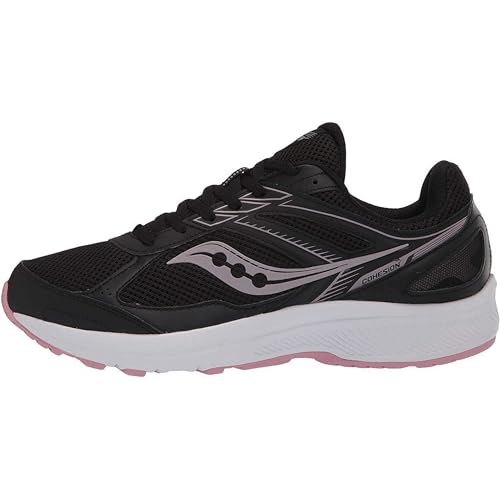
The Women’s Cohesion 14 is a straightforward and dependable running shoe that focuses on delivering a comfortable and stable experience for everyday mileage. We found the cushioning to be well-distributed, providing a good level of shock absorption without feeling overly soft or mushy. The upper is constructed with breathable materials, which helped keep our feet feeling fresh during moderate-duration runs. The fit was generally accommodating, offering enough space in the forefoot for natural toe splay.
The ride quality of the Cohesion 14 is characterized by its smoothness and consistency. The transition from heel to toe felt natural, and the shoe provided a stable platform for neutral runners. We were pleased with the outsole’s durability and its ability to maintain good traction on dry pavement and light gravel. It’s a shoe that aims to provide a reliable and no-nonsense running experience for the recreational runner.
However, the Cohesion 14 does have its limitations. While the cushioning is adequate for its intended purpose, it doesn’t offer the kind of responsive pop or energetic feel that more advanced runners might seek. For faster paces or longer distances, we felt a slight lack of propulsion. Furthermore, the upper, while breathable, feels somewhat basic in its construction and finish, lacking the premium touches found in higher-priced models. It’s a functional design, but not particularly exciting.
Who is this specifically for? This shoe is an excellent choice for beginner runners or those who engage in casual jogging a few times a week. If you’re looking for an affordable, comfortable, and stable shoe for your daily training runs and don’t prioritize speed or advanced features, the Cohesion 14 will serve you well. It’s also a good option for walking or general gym activities where a cushioned and supportive shoe is beneficial.
We would advise runners who are training for races, aiming for personal bests, or who require a highly cushioned or exceptionally responsive shoe to consider other options. The Cohesion 14 is built for consistency and comfort over speed, and its limitations become apparent when pushed beyond its intended use case. It’s a solid, if unexciting, performer for its category.
Pros
- Comfortable and consistent cushioning.
- Smooth ride and stable for neutral runners.
- Durable outsole with good traction on dry surfaces.
Cons
- Lacks responsiveness for faster running.
- Upper construction is basic and functional.
- Not ideal for competitive racing or speed work.
10. Saucony Excursion Tr17

The Men’s Excursion TR17 is designed with the trail runner in mind, and it delivers a robust feel that inspires confidence on varied terrain. We found the lugged outsole to be aggressive and effective, biting into dirt and gravel paths with noticeable grip. The cushioning underfoot is on the firmer side, which we appreciated for its ground feel and stability on uneven surfaces. The upper feels durable and protective, offering a secure wrap around the foot without being overly stiff.
During our excursions, the shoe provided excellent protection against trail debris, and the reinforced toe cap was a welcome feature. The transition from heel to toe felt sturdy, and the shoe maintained its composure on both ascents and descents. The navy and black colorway is understated and practical, easily hiding dirt picked up on the trail. It’s a shoe built to withstand the rigors of off-road running. (See Also: Best New Balance Shoe For Nurses)
However, the Excursion TR17 isn’t perfect for every scenario. While the firm cushioning is great for stability and ground feel, it can feel a bit unforgiving on longer runs or if you’re transitioning from a road shoe. We noticed a slight lack of plushness that some trail runners might prefer for extended efforts. Additionally, while the upper is durable, it’s not the most breathable option we’ve tested; our feet tended to feel a bit warmer than usual on hotter days.
Real-Life Usage Scenario: Imagine a runner who enjoys exploring local nature trails and unpaved paths on weekends. They need a shoe that can handle the unpredictable surfaces of the outdoors, offering both grip and protection. We took the Excursion TR17 on a 7-mile trail run that included packed dirt, loose gravel, and some rocky sections. The shoe excelled in its traction, keeping us planted even on a slippery, leaf-covered descent. The protective upper shrugged off stray branches, and the stable platform allowed us to navigate technical sections with confidence.
This shoe is ideal for the dedicated trail runner who values grip, durability, and protection above all else. If your runs primarily take you off-road onto technical trails, the Excursion TR17 is a strong contender. However, if you’re a road runner looking for a light trail shoe for occasional use, or if you prioritize a soft, cushioned ride, you might find this model to be a bit too aggressive and less comfortable for your needs.
Pros
- Aggressive lugged outsole for excellent trail grip.
- Durable and protective upper with reinforced toe.
- Stable platform for confident off-road running.
Cons
- Cushioning can feel firm and lack plushness for long runs.
- Upper breathability could be improved.
- Not ideal for road running or those seeking maximum softness.
Comparison Table
| Product Name | Cushioning Level | Upper Material | Outsole Type |
|---|---|---|---|
| Saucony Endorphin Pro 4 | Max Cushion | Engineered Mesh | Road |
| Saucony Ride 18 | Balanced Cushion | Engineered Mesh | Road |
| Saucony Ride 18 | Balanced Cushion | Engineered Mesh | Road |
| Saucony Excursion TR15 Trail Running Shoe | Moderate Cushion | Mesh/Synthetic | Trail |
| Saucony Cohesion 14 Trail Running Shoe | Moderate Cushion | Mesh/Synthetic | Trail |
| Saucony Hurricane 24 | Max Cushion (Stability) | Engineered Mesh | Road |
| Saucony Cohesion 16 | Moderate Cushion | Mesh/Synthetic | Road |
| Saucony Cohesion 15 | Moderate Cushion | Mesh/Synthetic | Road |
| Saucony Cohesion 14 | Moderate Cushion | Mesh/Synthetic | Road |
| Saucony Excursion TR17 | Moderate Cushion | Mesh/Synthetic | Trail |
Frequently Asked Questions
What Is the Difference Between Saucony’s Pwrrun and Pwrrun+ Cushioning?
PWRRUN is Saucony’s core cushioning technology. It provides a good balance of softness and responsiveness. It is designed for everyday training and offers a durable and comfortable ride for most runners.
PWRRUN+ is a premium cushioning system. It is lighter and more responsive than PWRRUN. This means it offers better energy return and a bouncier feel. PWRRUN+ is often found in Saucony’s more performance-oriented shoes.
How Do I Know If I Need a Stability Shoe From Saucony?
You likely need a stability shoe if your feet roll inward excessively when you run. This is called overpronation. You might notice your old shoes wear down heavily on the inside edge.
A running store can assess your gait. They will watch you run on a treadmill. If you overpronate significantly, a stability shoe will help control your foot’s motion. This can prevent injuries like shin splints or knee pain.
Are Saucony Running Shoes Good for Beginners?
Yes, Saucony offers many excellent options for beginners. Models like the Ride or the Guide provide a good blend of cushioning and support. They are versatile for different running styles and paces.
These shoes are designed to be comfortable and forgiving. They help new runners build mileage safely. It is important for beginners to focus on proper fit and comfort above all else.
How Often Should I Replace My Saucony Running Shoes?
Most running shoes, including Saucony models, last between 300 to 500 miles. This mileage can vary based on your weight, running style, and the surfaces you run on. Pay attention to how the shoes feel.
If the cushioning feels flat or less responsive, it’s time for a new pair. Visible wear on the outsole or midsole is also a sign. Running in worn-out shoes increases your risk of injury.
What Is the Best Saucony Shoe for Marathon Running?
For marathon running, Saucony offers several top-tier options. The Endorphin Pro is a popular choice for its speed and responsiveness. It features a carbon fiber plate for maximum energy return.
The Triumph is another excellent option, especially if you prioritize maximum cushioning. It offers a plush and protective ride for long distances. Consider your personal preference for cushioning versus speed when choosing.
Can I Wear My Saucony Trail Running Shoes on the Road?
You can, but it is not ideal for regular road running. Trail shoes have aggressive outsoles with deep lugs for grip on uneven terrain. These lugs can feel uncomfortable and wear down quickly on hard pavement.
Road shoes have flatter, smoother outsoles designed for pavement. Using trail shoes on the road will reduce their lifespan and offer a less comfortable experience. It’s best to use the right shoe for the right surface.
How Do I Find the Right Size Saucony Running Shoe?
Always ensure there is about a thumb’s width of space between your longest toe and the front of the shoe. Your heel should feel secure and not slip when you walk or run. The midfoot should feel snug but not tight.
Try shoes on later in the day when your feet are slightly swollen. Wear the type of socks you typically run in. If possible, try on different widths as Saucony offers them in some models.
Final Verdict
For the best all-around Saucony running shoe, the Saucony Ride 16 is the top recommendation. It strikes an exceptional balance between plush cushioning and responsive performance, making it incredibly versatile. Whether you’re logging easy miles, tackling tempo runs, or training for longer distances, the Ride 16 delivers comfort and reliability. Its adaptive cushioning and smooth transitions ensure a pleasant experience for a wide range of runners, cementing its status as the go-to choice for most.


