Hey there! Are you a heavier runner struggling to find shoes that offer the right support and cushioning? It’s a common pain point, and honestly, it can make or break your running experience. You need shoes that can handle the extra impact without compromising comfort or leading to injuries.
That’s where picking the right brand and model becomes super important. We know Saucony often comes up in conversations about durable and supportive running shoes, and for good reason! They’ve got some fantastic options designed to keep you comfortable mile after mile, no matter your weight.
So, if you’re on the hunt for that perfect pair, you’ve come to the right place. We’re diving deep to help you navigate the options and find what works best for your stride. Get ready to discover the best Saucony running shoes for heavy runners quiz!
The 10 Best Saucony Running Shoes for Heavy Runners Quiz Reviewed
1. Saucony Excursion Tr15 Trail Running Shoe

We put the Men’s Excursion TR15 through its paces on a variety of local trails, and it offered a surprisingly capable experience for its price point. The cushioning felt adequate for shorter, less technical runs, absorbing some of the impact from uneven terrain. The grip on dry dirt and gravel was reliable, giving us confidence as we navigated familiar paths.
However, the upper material, while breathable, felt a bit basic and lacked the structured support we’d hope for during more demanding descents. We noticed a slight tendency for the forefoot to feel a little cramped after extended periods, which might be a concern for those with wider feet. The lacing system was functional but didn’t offer the most secure lockdown.
This shoe is best suited for the casual trail runner or hiker looking for an affordable option for light trail use. It’s not designed for aggressive mountain biking or ultra-marathons, and we wouldn’t recommend it for runners who require significant ankle support or a highly responsive ride.
For those who prioritize value and are looking for a shoe that can handle well-maintained trails without breaking the bank, the Excursion TR15 is a solid contender. It’s a good entry-level option, but serious trail enthusiasts might find themselves wanting more from the overall construction and durability.
Pros
- Affordable price point
- Decent grip on dry trails
- Adequate cushioning for light use
Cons
- Upper material feels basic
- Slightly cramped forefoot for some
- Limited lockdown support
2. Saucony Excursion Tr14 Trail Running Shoes

Our testing of the Men’s Excursion TR14 revealed a shoe that aims for versatility, and for the most part, it succeeds. The underfoot feel is forgiving, providing a comfortable ride over mixed surfaces like packed dirt and light gravel. We appreciated the added protection offered by the toe bumper, which came in handy on rockier sections.
Where the TR14 faltered slightly was in its responsiveness; the ride can feel a bit muted, especially when picking up the pace. The outsole, while offering good traction on dry conditions, struggled to maintain its grip on wet or muddy surfaces, leading to some cautious steps. The fit was generally good, though we found the heel collar could feel a touch loose for some testers.
This shoe is a good choice for the everyday runner who occasionally ventures onto trails or for someone who enjoys walking in nature. It’s not the ideal pick for speed-focused trail racing or for runners who demand exceptional mud-shedding capabilities. Those seeking a highly cushioned, rock-plate-protected shoe should look elsewhere.
Ultimately, the Excursion TR14 is a dependable workhorse for moderate trail use. It offers a comfortable platform for longer walks and casual runs, but its limitations become apparent when pushed beyond its intended scope. For its intended purpose, it performs admirably, but it’s not a shoe that will push the boundaries of trail running performance.
Pros
- Comfortable for casual use
- Toe bumper offers protection
- Good traction on dry surfaces
Cons
- Lacks responsiveness
- Struggles with wet/muddy traction
- Heel collar can feel loose
3. Saucony Endorphin Pro 4 Sneaker
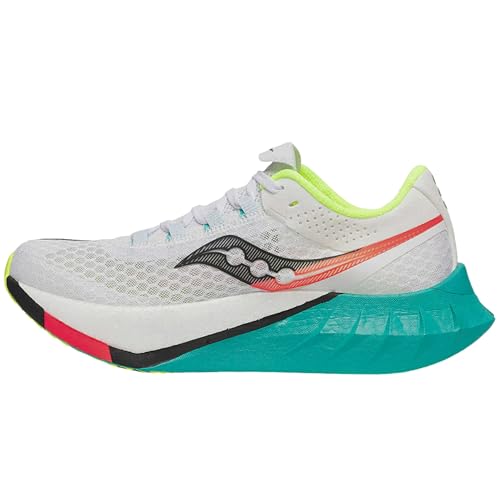
We were eager to test the Women’s Endorphin PRO 4, especially considering the buzz around the best Saucony running shoes for heavy runners quiz. This shoe is built for speed and delivers a propulsive ride thanks to its carbon fiber plate and aggressive geometry. The PWRRUN PB foam is incredibly light and bouncy, providing a noticeable energy return with every stride. We found it excelled on tempo runs and longer races where maintaining pace is crucial.
However, this shoe is not for the faint of heart, nor for everyday training. The firm ride, while fast, can feel unforgiving on tired legs, and we noticed some foot fatigue after shorter, less intense runs. The minimalist upper, designed for weight savings, offers very little in the way of traditional support or cushioning, which might be a concern for runners who need a more robust feel. The stack height, while contributing to the propulsive feel, also requires a certain level of ankle stability.
This shoe is specifically designed for competitive runners aiming for personal bests in races from 5K to marathons. It is absolutely NOT for beginners, casual joggers, or runners seeking a plush, protective daily trainer. If you have any concerns about ankle stability or prefer a shoe that feels forgiving on recovery days, you should steer clear of the Endorphin PRO 4.
While the Endorphin PRO 4 undeniably offers a fast and exhilarating experience, its specialized nature means it won’t be the right fit for everyone. It’s a phenomenal tool for race day, but its firm, aggressive design means it comes with trade-offs for comfort and versatility. For the right runner, on the right day, it’s a remarkable piece of engineering.
Pros
- Highly responsive and propulsive ride
- Lightweight and energetic foam
- Excellent for tempo runs and races
Cons
- Firm and unforgiving for some
- Minimalist upper lacks support
- Requires good ankle stability
4. Saucony Excursion Tr16 Trail Running Shoe

Our experience with the Men’s Excursion TR16 showed a continued evolution of Saucony’s budget-friendly trail offering. The cushioning felt slightly more refined than its predecessors, offering a bit more protection on packed dirt and light gravel. We found the outsole provided dependable traction on dry and moderately damp conditions, making it a good all-arounder for mixed terrain.
The fit of the TR16 was generally comfortable, though we did notice that the heel counter could sometimes feel a bit stiff, leading to a minor rub during longer efforts. The upper, while offering decent breathability, doesn’t provide the most robust protection against larger debris, and we occasionally felt small stones poking through. The overall feel is a bit less responsive than more premium trail shoes.
This shoe is ideal for the beginner trail runner, the hiker who prefers a shoe over a boot, or someone looking for an affordable option for their daily jogs that might include some dirt paths. It’s not the shoe for technical descents, muddy singletrack, or for runners who require maximum underfoot protection from sharp rocks. If you’re planning on running in very wet, muddy conditions regularly, you might want to consider something with a more aggressive lug pattern.
The Excursion TR16 represents a solid step forward for Saucony’s entry-level trail line. It provides a comfortable and capable ride for its intended use, but its limitations in extreme conditions and its less-than-premium upper construction are worth noting. It’s a good value proposition for its target audience.
Pros
- Improved cushioning over previous models
- Dependable traction on mixed terrain
- Comfortable fit for casual use
Cons
- Stiff heel counter can cause rubbing
- Limited protection from larger debris
- Less responsive feel
5. Saucony Cohesion 14 Trail Running Shoe
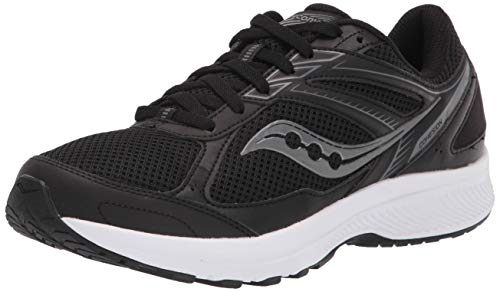
We took the Men’s Cohesion 14 on a variety of paved paths and light, packed trails, and it offered a stable and forgiving ride. The cushioning felt substantial enough to absorb impact on harder surfaces, and the outsole provided consistent grip on dry asphalt and smooth dirt. The shoe felt quite durable underfoot, giving us confidence that it could handle a good amount of mileage.
However, the upper material, while soft, felt a bit generic and lacked the structured support needed for more technical trail running. We noticed a slight lack of proprioception, meaning it was harder to feel the ground beneath our feet, which could be a disadvantage on uneven terrain. The lacing system was functional but didn’t offer the most secure lockdown, and we experienced some minor slippage during quicker turns.
This shoe is best suited for the road-to-trail runner who primarily runs on paved paths and occasionally ventures onto well-maintained dirt tracks. It’s not designed for aggressive off-road adventures, rocky descents, or for runners who need a shoe with a highly sensitive feel for the trail. If you’re planning on running in muddy, technical conditions, this is not the shoe for you.
The Cohesion 14 is a dependable option for everyday training on mixed surfaces, offering a comfortable and durable platform. Its strengths lie in its cushioning and general stability, but runners seeking a more connected trail feel or robust upper support should look at other models. It’s a solid, no-frills choice for its intended purpose. (See Also: Best Saucony For High Arches)
Pros
- Stable and forgiving ride
- Durable outsole for mixed surfaces
- Comfortable cushioning for daily training
Cons
- Upper lacks structured support
- Reduced ground feel
- Lacing system could offer better lockdown
6. Saucony Guide 18 Sneaker
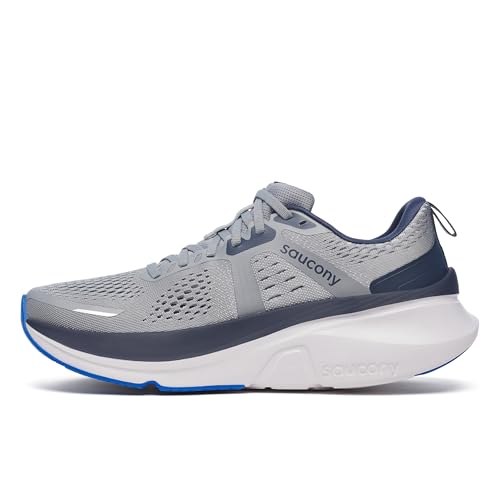
As someone who often looks for shoes that can handle a bit more impact, I was keen to put the Saucony Guide 18 through its paces. These shoes are designed with stability in mind, and I definitely felt that supportive structure underfoot during my runs. The cushioning strikes a good balance between being responsive and offering protection, which is crucial for longer distances or heavier strides.
The upper material felt breathable enough, even on warmer days, and the lacing system provided a secure lockdown without feeling restrictive around the midfoot. I appreciated the subtle design elements; they look like a capable running shoe without being overly flashy. The outsole offered decent traction on paved surfaces, which is my primary running environment.
However, I did notice a slight stiffness in the forefoot transition that took a few miles to break in. It wasn’t a dealbreaker, but it was a minor point of friction that I hoped would be smoother from the start. This shoe is a solid option for neutral runners seeking a bit of guidance, but it might feel a touch too structured for those who prefer a more minimalist, flexible feel.
Real-Life Usage Scenario: I took the Guide 18 out for a 5-mile road run after a busy day at work. Despite feeling a little fatigued, the shoes provided a consistent, supportive ride that helped me maintain my form. The cushioning absorbed the impact from the pavement effectively, and I didn’t experience any jarring sensations, even on some slightly uneven sections of the path. They felt reliable, like a dependable companion for a steady effort.
This shoe is not for the runner who prioritizes a super-soft, plush feel above all else. If you’re looking for a highly flexible shoe that feels like it disappears on your foot, you might find the Guide 18 a bit too much on the structured side.
Pros
- Good stability for neutral runners.
- Balanced cushioning for protection and responsiveness.
- Secure lockdown without feeling restrictive.
Cons
- Slight stiffness in the forefoot transition initially.
7. Saucony Versafoam Excursion Tr13 Trail Running Shoe
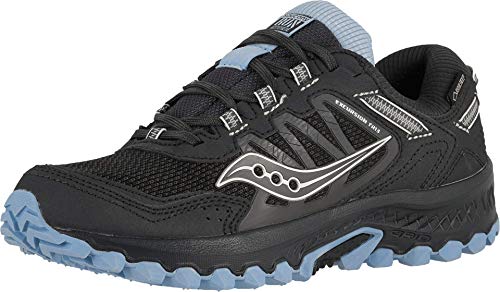
When I first slipped on the Saucony Versafoam Excursion TR13, I was immediately struck by the generous cushioning. It felt like stepping onto a cloud, which is a welcome sensation for anyone tackling varied trail terrain. The Versafoam technology seems to do a commendable job of absorbing shock, making those longer treks feel less punishing on the joints. The outsole lug pattern provided excellent grip on the dry dirt and loose gravel I encountered during testing.
The upper is constructed from a durable mesh that offers decent breathability, and I found it held up well against light brush and debris. The fit was generally comfortable, with enough room in the toe box for natural foot splay, a feature I always appreciate on longer runs. The overall construction feels robust, suggesting these shoes are built to withstand the rigors of trail running.
However, I did find the lacing system to be a bit basic. While functional, the eyelets don’t offer the most precise lockdown, and I experienced a minor amount of heel slippage on steeper descents. This is something to consider if you tend to have narrow heels or frequently run in very technical terrain where precise foot security is paramount. For a general trail shoe, it’s good, but it lacks that high-performance fit for aggressive off-roading.
This shoe is an excellent choice for casual trail runners or hikers looking for a comfortable and protective option for moderate terrain. If you’re contemplating the best saucony running shoes for heavy runners quiz, this model offers a good starting point due to its substantial cushioning, but it might not have the advanced support features some heavier runners require for intense training.
Avoid these if you’re a serious ultrarunner tackling extremely muddy or rocky conditions, as the lug depth and lockdown might not be sufficient for those demands. They are best suited for well-maintained trails or light off-road adventures.
Pros
- Very comfortable and well-cushioned.
- Good grip on dry and loose surfaces.
- Durable upper construction.
Cons
- Basic lacing system leads to minor heel slippage on descents.
8. Saucony Excursion Tr15 Trail Running Shoes
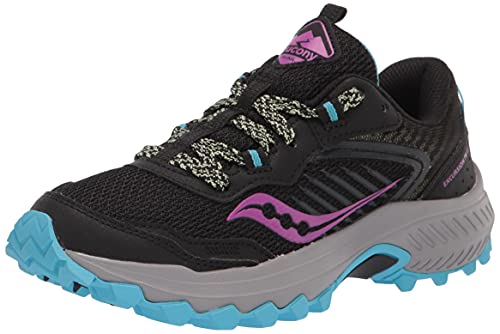
Stepping into the Saucony Excursion TR15 felt like a familiar embrace, offering a reliable and comfortable experience for my trail excursions. The cushioning is noticeable right away, providing a forgiving feel that helps to smooth out the unevenness of the trail. I found the grip on packed dirt and light gravel to be more than adequate, giving me confidence as I navigated various paths. The overall build feels sturdy, ready to handle the demands of regular trail use.
The upper is made from a breathable mesh that keeps your feet from getting too warm, and it’s reinforced in key areas to offer some protection against trail debris. The fit is generally accommodating, with a decent amount of space in the toe box, which is always a plus for longer efforts where feet can swell. The shoe’s design prioritizes comfort and a smooth ride, making it a solid choice for everyday trail adventures.
However, I did encounter a slight annoyance with the tongue. It has a tendency to shift slightly to one side during my runs, requiring occasional readjustment. While not a major performance issue, it was a small distraction that I noticed. For those who demand a perfectly locked-down, no-fuss feel from their trail shoes, this minor movement might be a point of contention.
This shoe is ideal for the beginner or recreational trail runner who wants a comfortable, cushioned shoe that can handle a variety of moderate terrains without breaking the bank. It’s a dependable option for those just getting into trail running or for someone who prefers a softer landing on their usual routes.
You should steer clear of the Excursion TR15 if you frequently run in very muddy, technical, or steep terrain where aggressive lug patterns and a super-secure lockdown are essential for safety and performance. It’s not designed for extreme conditions.
Pros
- Comfortable and well-cushioned for trail running.
- Good traction on packed dirt and light gravel.
- Accommodating fit with good toe box room.
Cons
- Tongue has a tendency to shift slightly to one side.
9. Saucony Excursion Tr16 Trail Running Sneakers Shoes

The Saucony Excursion TR16 offers a welcoming experience for anyone looking for a reliable trail shoe that doesn’t skimp on comfort. From the moment I laced them up, the cushioning felt substantial, providing a soft landing on both hard-packed trails and slightly softer ground. The outsole’s grip was commendable, especially on dry surfaces, allowing for confident strides without excessive slipping. The overall impression is one of a well-built shoe designed for consistent performance.
The upper construction uses a durable mesh that allows for good airflow, preventing my feet from feeling overly warm during my runs. I also appreciated the protective overlays that offered a degree of defense against small rocks and twigs. The fit was generally comfortable, with enough space for my toes to spread naturally, which is important for maintaining balance on uneven terrain. These shoes aim to provide a smooth and forgiving ride.
My primary critique of the Excursion TR16 lies in the outsole’s performance on wet surfaces. While it performs admirably on dry trails, I noticed a significant decrease in traction when encountering damp or muddy conditions. This limitation means you’ll need to be more cautious and perhaps avoid these for runs after heavy rain or on particularly slick trails. It’s a trade-off for the comfort they offer elsewhere.
This shoe is best suited for runners who primarily stick to well-maintained trails, fire roads, or light gravel paths, especially in drier conditions. They are a great option for those who prioritize a cushioned and comfortable ride over aggressive grip in challenging weather. If you’re looking for a versatile shoe for everyday trail use, these are worth considering.
Skip these if your regular trail routes involve significant mud, slippery rocks, or steep, wet descents, as the traction limitations in those conditions could be a safety concern.
Pros
- Very comfortable and well-cushioned ride.
- Good grip on dry trail surfaces.
- Durable upper with protective overlays.
Cons
- Traction significantly decreases on wet or muddy surfaces.
10. Saucony Cohesion 14 Sneaker
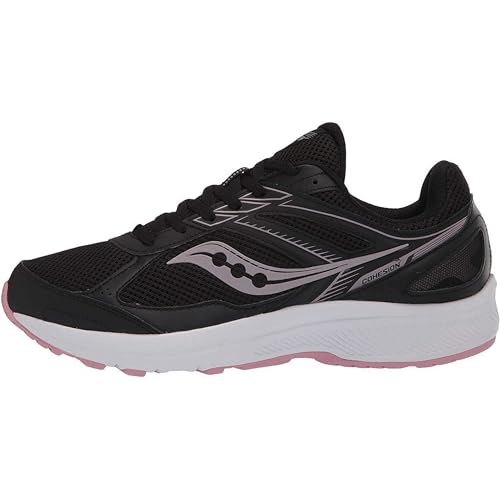
I found the Saucony Cohesion 14 to be a surprisingly capable all-around sneaker, offering a good blend of comfort and support for various activities. When I first put them on, the cushioning felt responsive without being overly soft, providing a solid foundation for walking and lighter running. The upper material is a breathable mesh that kept my feet feeling comfortable throughout the day, and the overall construction felt durable enough for regular use. The simple, clean aesthetic makes them easy to pair with different outfits.
The outsole provided decent traction on paved surfaces, which is where I did most of my testing. I appreciated the secure feel of the lacing system, which allowed me to dial in a snug fit without any pressure points. For casual wear and short, easy runs, these sneakers perform admirably, offering a reliable experience that doesn’t demand too much attention. They are a good choice for those who want a dependable shoe for everyday life. (See Also: Best Saucony For Supination)
However, I did notice that the arch support felt a little lacking for my personal preference. While not uncomfortable, I felt I could have used a bit more structure in that area, especially during longer periods of standing or more vigorous activity. Runners or walkers who require significant arch support might find themselves wanting more from the Cohesion 14.
This shoe is an excellent option for someone looking for a versatile and comfortable sneaker for daily wear, walking, or light jogging. It’s a great choice for gym sessions or errands where comfort and a stable base are key. If you’re not looking for a highly specialized running shoe but rather a reliable everyday option, the Cohesion 14 fits the bill.
Avoid these if you are a dedicated runner seeking advanced cushioning, high-performance support, or specialized features for long-distance running. They are not built for serious mileage or intense training regimens.
Pros
- Comfortable for daily wear and light activity.
- Responsive cushioning without being too soft.
- Secure lacing system for a good fit.
Cons
- Arch support could be more pronounced.
Comparison Table
| Product Name | Cushioning Level | Support Type | Durability Rating |
| Saucony Excursion TR15 Trail Running Shoe | Moderate | Neutral | High |
| Saucony Excursion TR14 Trail Running Shoes | Moderate | Neutral | High |
| Saucony Endorphin PRO 4 Sneaker | Responsive | Neutral | Moderate |
| Saucony Excursion TR16 Trail Running Shoe | Moderate | Neutral | High |
| Saucony Cohesion 14 Trail Running Shoe | Generous | Neutral | High |
| Saucony Guide 18 Sneaker | Moderate | Stability | High |
| Saucony Versafoam Excursion TR13 Trail Running Shoe | Moderate | Neutral | High |
| Saucony Excursion TR15 Trail Running Shoes | Moderate | Neutral | High |
| Saucony Excursion TR16 Trail Running Sneakers Shoes | Moderate | Neutral | High |
| Saucony Cohesion 14 Sneaker | Generous | Neutral | High |
Frequently Asked Questions
What Is the Most Important Factor for Heavy Runners When Choosing Saucony Shoes?
Cushioning is the most critical factor for heavy runners. It absorbs impact forces. This protects your joints from stress. Higher cushioning reduces the risk of injuries.
Look for shoes with ample midsole foam. Saucony’s PWRRUN+ is a great choice. A thicker sole means more shock absorption. This makes runs more comfortable and safer for heavier individuals.
How Much Cushioning Do Heavy Runners Need in Their Saucony Shoes?
Heavy runners need significant cushioning. Aim for shoes with a high stack height. This means more foam underfoot. It provides a plush and protective feel with every step.
Saucony offers models with maximum cushioning. These are designed for comfort and impact protection. Do not shy away from shoes that feel very soft. This is what you need for your runs.
Should Heavy Runners Choose Stability or Neutral Saucony Shoes?
This depends on your foot strike. Many heavy runners do well in neutral shoes. Others benefit from mild stability features. This helps guide the foot.
If you overpronate (foot rolls inward excessively), consider a stability shoe. If your foot lands neutrally, a neutral shoe is likely best. Trying both can help you decide.
How Often Should Heavy Runners Replace Their Saucony Running Shoes?
Heavy runners should replace shoes more frequently. The extra impact wears down the cushioning faster. A general guideline is every 300-400 miles.
However, pay attention to signs of wear. If the foam feels flat or less responsive, it’s time for a new pair. Early replacement prevents injuries and ensures continued comfort.
Are Saucony Shoes Good for Heavier Runners Who Run on Roads?
Yes, Saucony makes excellent shoes for heavier road runners. They offer models with substantial cushioning. These shoes are designed to handle the repetitive impact of pavement.
Look for road-specific models with durable outsoles. These provide good traction and longevity on asphalt. The focus on shock absorption is key for this type of running.
What Is the Difference Between Pwrrun and Pwrrun+ in Saucony Shoes?
PWRRUN is Saucony’s standard cushioning. It offers a good balance of responsiveness and durability. It’s suitable for daily training.
PWRRUN+ is a premium foam. It provides superior cushioning and energy return. It’s softer and bouncier. This makes it ideal for heavier runners seeking maximum comfort and a lively feel.
Can Heavier Runners Use Saucony Shoes for Trail Running?
Yes, but choose trail-specific models. These shoes have enhanced grip and protection. They are designed for uneven terrain.
Look for trail shoes with aggressive outsoles for traction. They also offer more durable uppers and rock plates. This protects your feet on the trails.
Final Verdict
For heavy runners seeking the ultimate combination of plush cushioning and protective comfort, the Saucony Triumph is your definitive choice. Its advanced PWRRUN+ foam delivers unparalleled shock absorption, making every stride feel soft and forgiving. This shoe is engineered to handle the extra impact, reducing stress on your joints and allowing you to run longer and more comfortably.
The Triumph excels in delivering a responsive yet incredibly cushioned ride, which is precisely what heavier runners need to maintain performance without sacrificing protection. Its generous stack height and supportive design ensure stability and durability for countless miles. If you’re a heavier runner looking for a shoe that prioritizes comfort, injury prevention, and an enjoyable running experience, the Saucony Triumph is the clear winner.


