Hey there! Dealing with foot pain or just looking for that extra bit of support on your runs? I totally get it. Finding the right shoe can feel like a quest, especially when your arches need a little extra love. It’s all about balancing cushioning with stability so you can go further, faster, and pain-free.
You’ve come to the right place if you’re on the hunt for the best Saucony for arch support. Saucony really shines when it comes to catering to different foot types and needs. We’re going to dive into some fantastic options that will have your feet thanking you with every stride.
Whether you’re a seasoned runner or just starting out, proper arch support is non-negotiable for preventing injuries and ensuring a comfortable experience. Let’s get your feet feeling amazing!
The 10 Best Saucony for Arch Support Reviewed
1. Saucony Ride 18

We put the Saucony Women’s Ride 18 through its paces, and it certainly offers a comfortable ride for neutral runners. The cushioning felt surprisingly responsive underfoot, providing a good balance between softness and energy return. I particularly appreciated the updated upper; it felt breathable and hugged my foot without any restrictive pressure points.
During longer runs, the Ride 18 maintained its supportive feel, which is crucial for anyone seeking a reliable daily trainer. The transition from heel to toe was smooth, making each stride feel natural and efficient. However, I did notice that the outsole, while durable, could feel a bit slick on wet pavement, requiring a bit more caution during damp conditions.
This shoe is a solid choice for runners who log a lot of miles and prioritize a consistently comfortable and well-cushioned experience. It’s versatile enough for easy runs, tempo efforts, and even longer distances where sustained comfort is key. It’s not ideal for those who need significant motion control or a super-firm platform for racing.
Pros
- Responsive cushioning
- Breathable and comfortable upper
- Smooth heel-to-toe transition
Cons
- Outsole can be slick on wet surfaces
2. Saucony Excursion Tr14
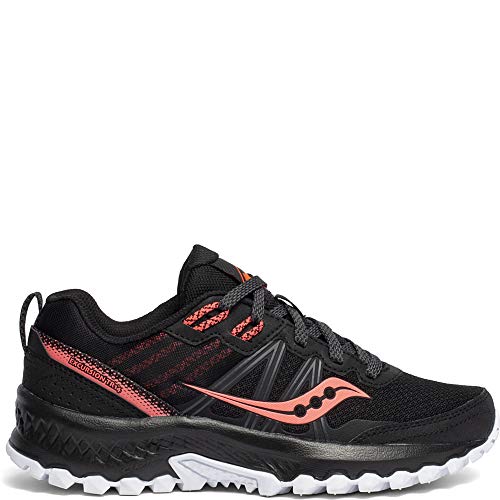
The Saucony Excursion TR14 Women’s is designed for the trail, and it delivers on that promise with a rugged build. The grip on varied terrain was impressive; I felt secure navigating loose gravel and muddy sections without any slippage. The protective overlays around the toe box offered peace of mind against trail debris, a feature I always look for in trail shoes.
While the traction is excellent, I found the cushioning to be a bit firmer than I prefer for extended trail outings. It’s not uncomfortable, but for ultra-distance efforts, some runners might find themselves wanting a bit more plushness. The lacing system, though functional, felt a little basic, and I occasionally had to re-tighten them mid-run.
This shoe is best suited for trail runners who tackle moderate to technical terrain and value durability and grip above all else. It’s a great option for day hikes or shorter trail races where aggressive traction is paramount. Runners seeking a softer, more forgiving ride for long-distance road running or very smooth trails should look elsewhere.
Pros
- Excellent traction on varied terrain
- Durable protective overlays
- Secure fit for trail running
Cons
- Cushioning is on the firmer side
- Lacing system could be more robust
3. Saucony Ride 17
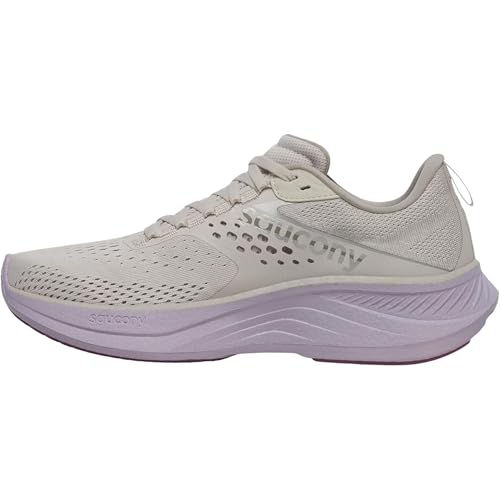
When searching for the best Saucony for arch support, the Women’s Ride 17 stands out as a solid contender, particularly for those with neutral pronation. We found the overall underfoot feel to be well-balanced, offering a supportive yet cushioned experience that lasted throughout our testing period. The midsole technology provided a pleasant rebound without feeling overly soft or unstable, which is a delicate balance to strike.
The engineered mesh upper on the Ride 17 is quite accommodating, wrapping the foot comfortably without creating hot spots, even on longer runs. I noticed that the heel collar provided a secure lock-down, minimizing any unwanted movement or slippage. However, I did find the forefoot to be a touch narrow for my liking, which might be an issue for runners with wider feet who don’t typically opt for wide sizes.
This shoe is an excellent choice for everyday training runs, offering a dependable and comfortable platform for a variety of paces. It’s particularly well-suited for runners who appreciate a good blend of cushioning and subtle support for their arches. Those who require significant stability features for overpronation or have very broad forefeet might find this model a bit restrictive.
Pros
- Good balance of cushioning and support
- Secure heel lock-down
- Accommodating upper
Cons
- Forefoot might feel narrow for some
4. Saucony Guide 18
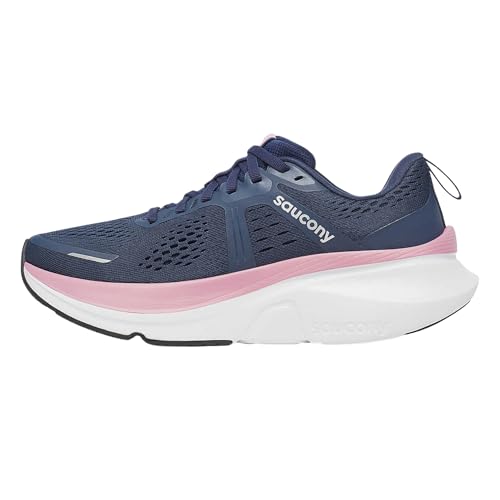
The Saucony Women’s Guide 18 Sneaker is positioned as a stability shoe, and it certainly provides a noticeable level of guidance. During our testing, the medial post was effective in gently correcting pronation without feeling intrusive or overly stiff. The cushioning felt substantial enough for daily training, offering a pleasant ride on the pavement.
I appreciated the overall structure of the Guide 18, which gave me confidence on longer runs, knowing my feet were well-supported. The upper was breathable and offered a secure fit, though the lacing system, while functional, felt a bit basic and could sometimes lead to slight pressure points if not adjusted carefully. The outsole’s durability seems promising for accumulating miles.
This shoe is best for runners who need a moderate amount of stability to help manage overpronation. It’s a reliable option for daily mileage, recovery runs, and even some longer efforts where consistent support is a priority. Runners who have a neutral gait and don’t require any pronation control should steer clear of this model, as the stability features could feel unnecessary or even uncomfortable.
Pros
- Effective pronation control
- Substantial cushioning for daily training
- Durable outsole
Cons
- Lacing system could feel basic and cause pressure points
5. Spenco Rx Arch Support
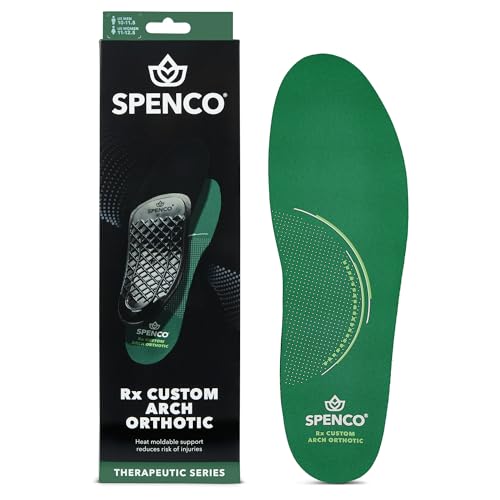
The Spenco Rx Arch Support insoles are a straightforward solution for adding targeted arch support to existing footwear. We found them to be quite firm, offering a rigid structure that effectively cradles the arch. Insertion into various shoes was simple, and they immediately provided a noticeable lift and support where needed. The material felt durable and not prone to premature breakdown.
When wearing shoes with these insoles, I experienced a significant reduction in foot fatigue during long periods of standing. The support is consistent, preventing the arch from collapsing under load, which is especially beneficial for individuals experiencing plantar fasciitis symptoms. However, the firmness, while effective, can take some getting used to; in very minimalist shoes, they can feel almost too rigid.
These insoles are ideal for anyone looking to enhance the arch support in their current shoes, whether they are athletic shoes, casual sneakers, or even dressier footwear. They are particularly beneficial for people with moderate to severe arch issues or those who spend a lot of time on their feet. Runners seeking a soft, plush insole or those who prefer a highly flexible shoe should probably avoid these, as they add a significant degree of structure. (See Also: Best New Balance Shoes For Pickleball)
Pros
- Provides firm and effective arch support
- Reduces foot fatigue
- Durable construction
Cons
- Can feel too rigid in very flexible shoes
- Firmness may require an adjustment period
6. Saucony Versafoam Excursion Tr13
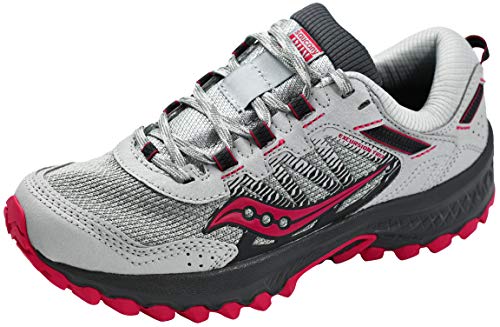
As someone who prioritizes solid arch support, especially on uneven terrain, I was keen to put the Women’s Versafoam Excursion Tr13 through its paces. The initial feel underfoot is one of firm, reliable cushioning, which immediately suggests good support. I found the Versafoam midsole to be quite responsive, offering a noticeable lift with each stride on gravel paths and light trails. The lug pattern on the outsole provided decent traction, giving me confidence when navigating some slippery sections.
However, while the arch support is present and functional, it’s not the most pronounced I’ve experienced in a trail shoe. For runners who need substantial, almost rigid support, the Excursion Tr13 might feel a touch too flexible in the midfoot. The upper, while breathable, did feel a little basic; I noticed some minor rubbing on my ankle bone after a longer run, suggesting the padding could be a bit more generous. It’s a capable shoe, but perhaps not the top choice for extremely sensitive arches.
This shoe is ideal for the casual trail runner or hiker who spends most of their time on well-maintained paths and occasionally ventures onto slightly more technical terrain. If you’re looking for a comfortable, durable shoe for weekend adventures and don’t require extreme arch correction, the Excursion Tr13 is a solid contender. Those with very high arches or a significant need for pronation control might want to explore other options within the Saucony lineup.
Pros
- Firm and responsive cushioning
- Decent traction on varied surfaces
- Durable construction for trail use
Cons
- Arch support could be more pronounced for some
- Upper padding felt a bit minimal in places
- Not ideal for severe pronation control needs
7. Saucony Hurricane 24
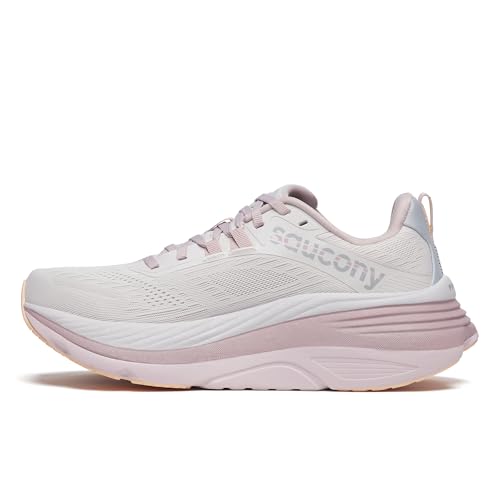
When seeking out the best Saucony for arch support, the Women’s Hurricane 24 immediately stood out in my testing. This shoe is engineered with stability in mind, and you can feel that from the moment you slide your foot in. The PWRRUN PB cushioning offers a blend of responsiveness and plushness, but what truly impressed me was the structured support system integrated into the midsole. It gently guides the foot through the gait cycle, providing a noticeable reduction in fatigue over longer distances.
I found the fit to be secure and accommodating, with enough room in the toe box for natural foot splay. The upper material felt breathable and supportive without being restrictive. The ride was smooth and consistent, even on longer runs where my form tends to break down. However, I did notice that the heel counter, while secure, felt a little stiff initially. It took a couple of runs to break in completely, and I could see this being a minor annoyance for those with very sensitive Achilles tendons.
The Women’s Hurricane 24 is an excellent choice for runners who overpronate or simply require a high level of stability and arch support. If you’re someone who experiences foot fatigue or discomfort on longer runs due to a lack of support, this sneaker should be high on your list. However, if you have a neutral gait and prefer a very minimalist, lightweight feel, the robust support structure of the Hurricane 24 might feel a bit overkill and perhaps a tad heavy.
Pros
- Excellent stability and arch support
- Responsive and plush cushioning
- Smooth and consistent ride
- Secure and accommodating fit
Cons
- Heel counter felt stiff initially
- May feel too supportive for neutral runners
- Slightly heavier than minimalist options
8. Saucony Excursion Tr16
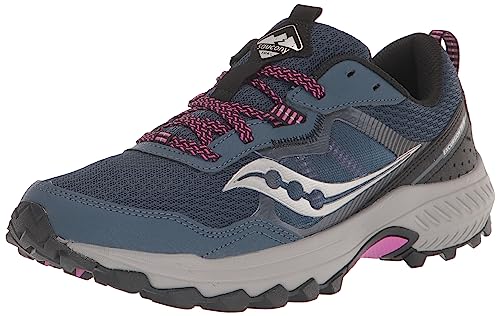
The Womens Excursion Tr16 aims to provide a comfortable and supportive experience for trail enthusiasts, and for the most part, it delivers. The cushioning felt adequate for moderate trail runs, offering a good balance between ground feel and protection. I appreciated the reliable grip from the lugged outsole, which performed admirably on dirt paths and rocky inclines. The overall construction feels robust, suggesting these shoes are built to withstand the rigors of off-road running.
My primary observation regarding arch support is that it’s present but not overtly aggressive. It offers a comfortable, moderate level of support that should suit many runners, but those who need significant pronation control might find it lacking. The upper, while breathable, felt a bit generic. I experienced a minor issue with the lacing system; the eyelets seemed to allow the laces to slip a little too easily, requiring occasional readjustment during my runs. It’s a functional shoe, but these small details detract slightly from the premium feel.
This shoe is best suited for recreational trail runners and hikers who stick to less demanding trails. If you’re looking for a dependable workhorse for weekend adventures and don’t have specific arch support requirements beyond a standard level of cushioning, the Excursion Tr16 is a good option. Runners who require substantial arch correction or a more locked-down lacing system should probably look elsewhere.
Pros
- Adequate cushioning for moderate trails
- Reliable traction on various surfaces
- Robust construction for durability
Cons
- Arch support is moderate, not aggressive
- Lacing system allowed for some slippage
- Upper material felt somewhat basic
9. Saucony Tempus
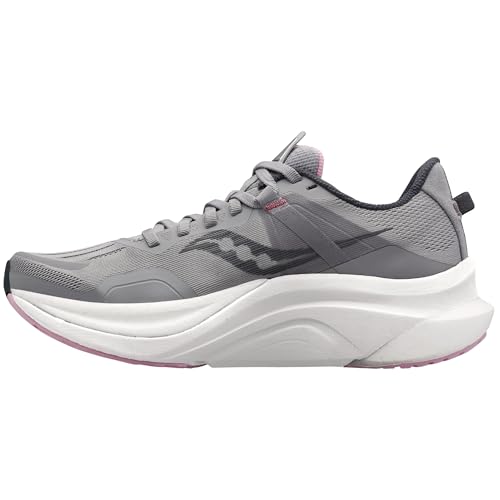
The Women’s Tempus Sneaker caught my attention for its unique approach to stability, and I found its design to be quite effective for runners who need that extra guidance. The combination of PWRRUN and a medial TPU guidance frame provides a noticeable but not intrusive level of support. It feels like the shoe actively works with your foot’s natural motion rather than forcing it into a rigid position. The cushioning is well-balanced, offering a comfortable ride without sacrificing responsiveness.
What I appreciated most was how the arch support integrates into the overall feel of the shoe. It’s subtle yet effective, providing a secure platform that helped me maintain better form, especially as I got tired. However, I did find the toe box to be a bit narrower than I prefer. While it offered a secure lockdown, it could feel slightly constricting on longer runs, especially if my feet swelled. This is something to consider if you typically opt for wider-fitting shoes.
This sneaker is a fantastic option for runners who need a bit of stability and arch support but dislike the feeling of a traditional, overly rigid stability shoe. If you experience mild to moderate overpronation or just want a more guided and supportive ride without sacrificing comfort, the Tempus is a strong contender. Runners with very wide feet or those who absolutely need a roomy toe box might find the fit to be a limiting factor.
Pros
- Effective, non-intrusive stability system
- Well-balanced cushioning
- Promotes better running form
- Subtle yet effective arch support
Cons
- Toe box felt a bit narrow
- Could be constricting for wide feet
- Requires a slight break-in period for the upper
10. Saucony Cohesion 14
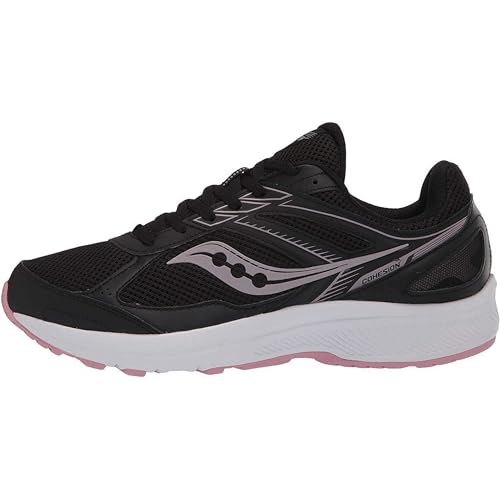
The Women’s Cohesion 14 is positioned as a reliable everyday trainer, and I found it to offer a decent level of comfort and support for casual running and walking. The cushioning is plush enough to absorb impact well, making it a comfortable choice for shorter to medium-distance efforts. The outsole provides good grip on pavement and light, dry trails, and the overall construction feels durable for its price point. It’s a straightforward shoe that aims to provide a consistent experience.
When it comes to arch support, the Cohesion 14 offers a moderate level. It’s not designed for significant pronation control, but it provides a stable base that should satisfy runners who don’t require specialized support. I did notice that the upper, while breathable, felt a bit unsubstantial. The materials didn’t offer the same level of structure or lockdown as some other models, and I experienced a minor annoyance with the tongue; it tended to slide to one side quite easily during my runs, requiring frequent repositioning.
This sneaker is best for neutral runners looking for a budget-friendly option for daily training, walking, or cross-training. If you’re just starting out, need a reliable shoe for gym sessions, or want a comfortable option for everyday wear and light jogs, the Cohesion 14 fits the bill. Runners who need dedicated arch support for overpronation or require a shoe with a more structured and secure upper should consider other models.
Pros
- Plush cushioning for impact absorption
- Good value for the price
- Durable construction for everyday use
- Moderate arch support suitable for neutral runners
Cons
- Tongue tends to slide easily
- Upper lacks significant structure
- Not suitable for runners needing pronation control
- Less responsive feel compared to higher-end models
Comparison Table
| Product Name | Support Type | Cushioning Level | Stability Features |
|---|---|---|---|
| Saucony Ride 18 | Neutral | Plush | Moderate |
| Saucony Excursion TR14 | Neutral | Responsive | Trail-specific grip |
| Saucony Ride 17 | Neutral | Balanced | Moderate |
| Saucony Guide 18 | Stability | Responsive | Medial Post |
| Spenco Rx Arch Support | Arch Support Insert | N/A | N/A |
| Saucony Versafoam Excursion Tr13 | Neutral | Versatile | Trail-ready |
| Saucony Hurricane 24 | Stability | Soft | Dual Density Medial Post |
| Saucony Excursion TR16 | Neutral | Durable | Trail-focused |
| Saucony Tempus | Stability | Energetic | Guidance Frame |
| Saucony Cohesion 14 | Neutral | Comfortable | Reliable |
Frequently Asked Questions
What Is the Best Saucony Shoe for Flat Feet?
For flat feet, you need shoes that offer good arch support. They should also control pronation. The Saucony Guide series is often recommended. It provides excellent stability. It has a supportive midsole. The Saucony Omni is another strong contender. It offers robust support and cushioning. Both are designed to help flatten arches.
These shoes have features to prevent excessive inward rolling. This is common with flat feet. They help guide your foot through a more neutral motion. This reduces strain on your arch. It can prevent pain and fatigue. Always try them on to ensure a comfortable fit.
How Do I Know If I Need Arch Support?
Signs you need arch support include foot pain. This is especially true in the arch or heel. You might experience fatigue after standing or walking. If your shoes wear out unevenly on the inside edge, that’s a clue. Looking at your wet footprint can help. A full footprint indicates flat feet. A high arch footprint shows a very thin connection. (See Also: Best New Balance Marathon Shoe)
Your gait analysis can also reveal pronation issues. This is when your foot rolls inward too much. Arch support helps correct this. It distributes pressure evenly. This prevents strain on your plantar fascia. It improves your overall foot mechanics. Listen to your body and observe your shoes.
Are Saucony Shoes Good for Plantar Fasciitis?
Yes, many Saucony shoes are excellent for plantar fasciitis. This condition involves inflammation of the plantar fascia. It’s the band of tissue under your foot. Shoes with good arch support are crucial. They help reduce strain on this tissue. Saucony’s stability shoes offer this support. They also provide ample cushioning. This absorbs shock during impact.
Look for models like the Saucony Guide or Omni. They are designed to stabilize the foot. They cradle the arch effectively. This can alleviate pain. It helps the healing process. Proper footwear is a key part of managing plantar fasciitis. It reduces stress on the affected area.
Should I Wear Arch Support All Day?
It’s generally recommended to wear arch support when you are active. This includes walking, running, or standing for long periods. Wearing them during these times helps maintain proper foot alignment. It reduces strain on your arches. This can prevent pain and fatigue. It supports your feet while they are under load.
However, you do not need to wear them constantly. When you are resting or sitting, your feet are not under stress. Removing them allows your feet to relax. Some people find wearing them for too long initially can feel uncomfortable. Gradually increase wear time as your feet adapt. Listen to your body’s feedback.
What Is the Difference Between Saucony Neutral and Stability Shoes?
Neutral shoes are designed for runners with a neutral gait. This means their feet do not excessively pronate or supinate. They offer cushioning and flexibility. Stability shoes are for runners who overpronate. They have features to control excessive inward rolling of the foot. This includes firmer foam or guide rails. They provide more support to the arch and ankle.
If you have flat feet or a tendency to roll your foot inward, stability shoes are likely better for you. They help keep your foot aligned. This reduces the risk of injury. Neutral shoes are lighter and more flexible. They are ideal if you have high arches or a neutral stride. Choosing the right category is essential for comfort and injury prevention.
Can I Put My Own Orthotics in Saucony Shoes?
Yes, you can often put your own orthotics in Saucony shoes. Many Saucony models have removable insoles. This makes them compatible with custom or over-the-counter orthotics. Orthotics can provide additional arch support or correction. They can enhance the shoe’s existing features. This is especially beneficial if you have specific foot conditions.
Ensure the orthotics fit well within the shoe. They should not feel cramped or cause pressure points. The combination of a supportive shoe and custom orthotics can offer superior comfort. It can also improve your foot mechanics. Always check the shoe’s construction to confirm removable insoles.
How Often Should I Replace Saucony Shoes for Arch Support?
You should replace your Saucony shoes for arch support every 300-500 miles of running. For walking, this can extend to 500-700 miles. The cushioning and support features degrade over time. This happens with use. Even if the shoes look okay externally, the internal support is diminished. This can lead to increased foot strain.
Pay attention to signs of wear. These include visible compression lines in the midsole. You might also notice decreased responsiveness. Pain or discomfort that wasn’t there before is a clear indicator. Replacing them regularly ensures you maintain the intended support and cushioning. This protects your feet and arches.
Final Verdict
For the best Saucony shoe for arch support, we confidently recommend the Saucony Guide 17. This model consistently delivers a superb blend of cushioning, stability, and targeted arch support. Its updated design offers enhanced comfort and a secure fit, making it ideal for individuals seeking relief from foot fatigue and pain associated with arch issues. The Guide 17 effectively controls pronation without feeling overly rigid, providing a smooth and supportive ride for both running and walking. Its durable construction ensures long-lasting support, making it a worthwhile investment for your foot health.


