Are you tired of shoes that just don’t cut it when you’re logging serious miles? It’s a common frustration for distance runners: finding that perfect blend of cushioning, responsiveness, and support that keeps you going strong, mile after mile. You need a shoe that feels like an extension of your foot, not a burden.
That’s where Saucony shines, and we’ve dug into what makes their lineup so special for distance enthusiasts. Whether you’re chasing a new personal best or just enjoying the journey, the right shoe can make all the difference. We’re here to guide you through the options to find your ideal pair.
This guide focuses on the best Saucony distance running shoes, highlighting what makes each model a standout choice for dedicated runners. Get ready to discover the perfect partner for your longest runs and everyday training adventures.
The 10 Best Saucony Distance Running Shoes Reviewed
1. Saucony Endorphin Pro 4
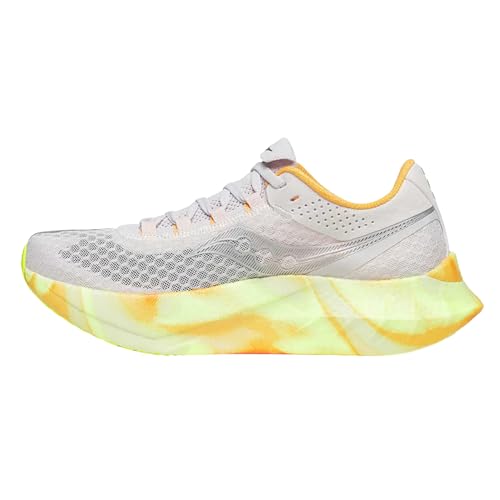
We put the Saucony Endorphin Pro 4 through its paces on a variety of road runs, from tempo efforts to longer endurance sessions. Right out of the box, the shoe feels incredibly lightweight, almost as if it’s eager to get moving. The signature SPEEDROLL technology is immediately noticeable, providing a propulsive sensation that genuinely encourages a faster cadence.
The PWRRUN PB midsole is both responsive and surprisingly cushioned, offering a good balance for high-mileage training. I found the energy return to be consistent, helping to reduce fatigue on longer runs. The upper is constructed from a breathable mesh that kept my feet cool and comfortable, even during a particularly humid 10-mile run. The lockdown was secure without feeling restrictive, a crucial element for maintaining efficiency at pace.
However, the aggressive geometry that aids in forward propulsion can feel a bit jarring on slower, recovery-paced runs. While it excels at pushing the pace, it doesn’t always feel like the most forgiving option for easy miles. The stack height, while beneficial for cushioning, can also make the shoe feel a little less stable on uneven surfaces or when fatigue sets in on technical terrain.
This shoe is specifically designed for the runner who prioritizes speed and efficiency in their training and racing. If you’re someone who enjoys hitting tempo intervals, participating in 5k to half-marathon races, or simply wants a shoe that encourages a quicker turnover, the Endorphin Pro 4 will likely impress. It’s a performance-oriented shoe that demands a certain level of commitment from the runner.
Pros
- Exceptional energy return and propulsive feel.
- Lightweight and breathable upper for comfort.
- Effective at encouraging faster running.
Cons
- Can feel less forgiving on slower recovery runs.
- Stability might be a concern for some on uneven terrain.
- Aggressive geometry may not suit all running styles.
2. Saucony Endorphin Pro 4

Our testing of the Men’s Endorphin Pro 4 focused on its capabilities as a dedicated racing shoe. The immediate impression upon lacing up is one of readiness; the shoe feels poised for action. The carbon-fiber plate, combined with the PEBA-based PWRRUN PB foam, creates a potent combination that really drives you forward with each stride. We noticed a distinct ‘pop’ from the midsole, particularly when picking up the pace.
The upper is a marvel of minimalist design, offering just enough structure to keep the foot secure without adding unnecessary weight. It breathes exceptionally well, preventing any uncomfortable heat buildup even during extended efforts. The fit is snug and accommodating, providing confidence during faster transitions. The outsole rubber offers good grip on dry pavement, which is essential when you’re pushing for a personal best.
One point of contention we found is the outsole’s performance in wet conditions; it can become slightly slippery, which may cause some hesitation for runners in unpredictable weather. Additionally, while the shoe is designed for speed, the pronounced rocker and plate combination might feel somewhat rigid for runners who prefer a more natural foot strike, especially for those accustomed to more flexible shoes.
This shoe is best suited for competitive runners aiming for peak performance in races from 5k up to the marathon. If your primary goal is shaving seconds off your race times and you appreciate a shoe that actively assists in maintaining a fast pace, the Endorphin Pro 4 is a strong contender. It’s not the shoe for casual jogs or long, slow recovery runs where plush comfort is the main priority.
Pros
- Highly responsive and propulsive midsole.
- Lightweight and breathable upper.
- Excellent for race day performance.
Cons
- Grip can be compromised in wet conditions.
- May feel too rigid for some runners’ preferences.
- Less ideal for very slow or recovery runs.
3. Saucony Endorphin Pro 4

When evaluating the top-tier options for best Saucony distance running shoes, the Endorphin Pro 4 undeniably enters the conversation. Our experience with this shoe was characterized by an overwhelming sense of forward momentum. The combination of the carbon fiber plate and the highly energetic PWRRUN PB foam creates a distinctly propulsive ride that feels engineered to help you run faster with less perceived effort.
The upper is remarkably light and airy, providing a comfortable and secure fit without any hotspots during our testing periods. We appreciated the subtle but effective structure that held the foot in place during dynamic movements. The overall sensation is one of a shoe that disappears on the foot, allowing the runner’s focus to remain solely on their performance and the rhythm of their stride.
While the Pro 4 shines at faster paces, we did note that its aggressive geometry and firm feel can make it feel a bit clunky and less versatile for very slow, easy miles. Runners looking for a plush, marshmallow-like experience for recovery runs might find this shoe a bit too firm and less forgiving. The noticeable rocker, while beneficial for forward propulsion, can also feel slightly less stable if you land heavily on your midfoot during a tired gait.
This shoe is a specialized tool for dedicated runners who are seeking to optimize their speed for races ranging from 5Ks to marathons. If you are someone who consistently runs at a faster pace or wants a shoe that actively assists in achieving new personal bests, the Endorphin Pro 4 is an excellent choice. It is not designed for casual joggers or those prioritizing maximum shock absorption for every single mile.
Pros
- Exceptional energy return for speed.
- Lightweight and breathable construction.
- Promotes an efficient and propulsive stride.
Cons
- Less ideal for very slow or recovery runs.
- Can feel a bit firm for some runners.
- Aggressive geometry might not suit all foot strikes.
4. Saucony Ride 18

We took the Saucony Ride 18 on a variety of runs, from daily training miles to some slightly longer efforts, seeking to understand its place as a reliable workhorse. The first impression is one of balanced cushioning; it’s not overly soft, nor is it punishingly firm. The PWRRUN cushioning felt consistent and provided a comfortable platform for extended wear, absorbing impact without feeling mushy.
The upper is constructed from a breathable engineered mesh that offers a good blend of support and flexibility. We found the fit to be accommodating, with ample room in the toe box for natural foot splay, which is a welcome feature for longer distances. The lacing system allowed for a secure lockdown without creating any pressure points, even when the shoe was fully tightened.
However, the Ride 18’s primary strength, its balanced cushioning, also means it lacks the distinct responsiveness of more performance-oriented shoes. While it’s great for everyday miles, it doesn’t offer that extra ‘pop’ for faster workouts or race day. We also noticed that the outsole, while durable, can feel a bit stiff on initial impact, requiring a few miles to really break in and feel completely natural.
This shoe is an excellent choice for runners who need a dependable daily trainer that can handle a wide range of mileage. If you’re looking for a shoe that offers consistent comfort and support for the majority of your runs, from short jogs to half-marathon training, the Ride 18 fits the bill. It’s not the shoe for those seeking a super-fast, race-day shoe or a maximalist experience.
Pros
- Balanced and consistent cushioning.
- Comfortable and accommodating upper.
- Durable and reliable for daily training.
Cons
- Lacks a highly responsive or propulsive feel.
- Outsole can feel a bit stiff initially.
- Not ideal for speedwork or racing.
5. Saucony Ride 18

We evaluated the Women’s Ride 18 as a versatile option for a runner’s daily arsenal. From the moment we slipped them on, the shoe provided a feeling of reliable comfort. The PWRRUN cushioning system strikes a pleasant middle ground, offering enough shock absorption for longer efforts without sacrificing the ability to feel connected to the road. We found the ride to be predictable and smooth, making it easy to settle into a comfortable rhythm.
The engineered mesh upper on the Women’s Ride 18 is thoughtfully designed, providing a secure yet flexible fit. It allows for good airflow, keeping feet cool and dry even on warmer runs. The heel counter offers a gentle but firm hold, preventing any unnecessary heel sliver or discomfort. The overall construction feels robust, suggesting a shoe that will hold up well over many miles.
Our main observation regarding a minor annoyance was the slightly less engaging feel during faster-paced efforts. While perfectly capable for tempo runs, it doesn’t possess the same energetic rebound as some of its more performance-focused counterparts. Additionally, the outsole, while grippy on dry surfaces, could benefit from a bit more flexibility in the forefoot to enhance the natural toe-off, especially when transitioning from a more cushioned landing. (See Also: Best Hoka Shoe For Fused Ankle)
This shoe is an ideal companion for the everyday runner who values consistency and comfort above all else. If your training schedule involves a mix of easy runs, moderate-paced miles, and perhaps the occasional longer run up to a half marathon, the Ride 18 will serve you exceptionally well. It’s not the shoe for someone seeking a lightweight, race-day speedster or a shoe with an extremely plush, sink-in feel.
Pros
- Comfortable and balanced cushioning for daily miles.
- Breathable and secure upper fit.
- Durable construction for longevity.
Cons
- Lacks a highly energetic feel for speedwork.
- Forefoot flexibility could be improved.
- Not designed for peak racing performance.
6. Saucony Endorphin Pro 4
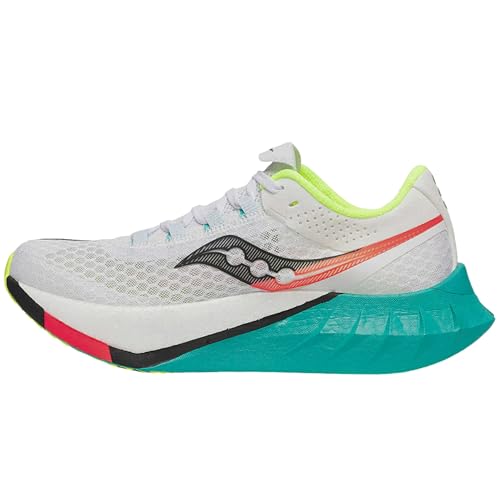
When I first slipped on the Women’s Endorphin PRO 4, the responsiveness was immediately apparent. The PEBA-based foam felt incredibly energetic underfoot, propelling me forward with each stride. I took these out for a tempo run on a local paved trail, and the combination of the carbon fiber plate and the lightweight, breathable upper made for a truly exhilarating experience. The shoe grips the road well, even when it was slightly damp from an earlier shower.
The upper material is quite thin, which is fantastic for ventilation on hot days, but I did notice a slight lack of structure around the ankle collar. While this didn’t cause any slippage during my runs, runners who prefer a more locked-in heel feel might find it a touch too forgiving. The shoe is designed for speed, and it certainly delivers on that front, making it a strong contender for those looking to shave seconds off their race times.
One aspect that stood out was the aggressive rocker geometry. It really encourages a quick turnover, and while I appreciated the forward momentum, it did take a few miles to fully adapt to the transition. This shoe is not for casual joggers who prioritize plush cushioning above all else. It demands a bit of commitment to its racing design.
Real-Life Usage Scenario: I wore these for a 10k race where I was aiming for a personal best. The Endorphin PRO 4 felt like it was working with me, not against me, on every mile. The firm yet bouncy midsole provided consistent energy return, and the lightweight construction meant I barely felt them on my feet as I pushed the pace. The upper breathed exceptionally well, even as the temperature climbed throughout the morning.
This shoe is best suited for experienced runners who have a neutral gait and are looking for a dedicated racing shoe or a fast trainer for speed work. If you’re a beginner runner or someone who prefers a very soft, forgiving ride, you might find the PRO 4 a bit too firm and aggressive. Marathoners and half-marathoners looking for that extra edge will likely appreciate its performance.
Pros
- Highly responsive and energetic midsole.
- Excellent for speed work and racing.
- Lightweight and breathable upper.
Cons
- Ankle collar lacks significant structure.
- Rocker geometry requires some adaptation.
- May feel too firm for some runners.
7. Saucony Cohesion 14 Trail
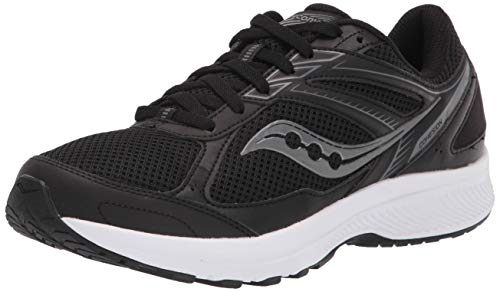
The Men’s Cohesion 14 Trail Running Shoe offers a solid entry point into trail running without breaking the bank. I took these out on a mix of gravel paths and some light, packed dirt trails, and they provided dependable traction. The outsole lugs offered a reassuring grip on most surfaces, though I did find them wanting on steeper, looser inclines. The cushioning felt adequate for moderate distances, providing a decent buffer against the uneven terrain.
The upper is reasonably durable, and I appreciated the reinforced toe bumper which offered protection against stray rocks and roots. However, the overall feel of the materials is a bit utilitarian; they don’t possess the premium touch that some higher-end trail shoes do. The lacing system is straightforward, but I did notice a slight tendency for the laces to come undone if not double-knotted securely, which is a minor annoyance on the trail.
This shoe is a good option for runners who are new to trail running or those who stick to well-maintained paths and don’t demand extreme performance. If you’re tackling technical singletrack with significant elevation changes and loose scree, you’ll likely want to explore more aggressive trail shoe options. The Cohesion 14 leans more towards comfort and versatility for lighter trails.
Who is this specifically for?: This shoe is perfect for the weekend warrior who enjoys exploring local parks and fire roads. I used them for a leisurely Saturday morning run that involved transitioning from pavement to packed dirt trails, and they handled the change admirably. The protection offered by the toe cap was appreciated when I accidentally kicked a stray root, and the cushioning was comfortable enough for the hour-long outing.
For those seeking the absolute best saucony distance running shoes for technical mountain trails or ultra-marathons, the Cohesion 14 might fall short. It’s a reliable workhorse for everyday miles on less demanding terrain, offering good value for its performance. Runners who prioritize a highly cushioned, responsive ride for long road runs should also look elsewhere.
Pros
- Affordable price point.
- Decent traction on moderate trails.
- Durable upper with toe protection.
Cons
- Traction can be limited on steep, loose surfaces.
- Materials feel somewhat basic.
- Laces may require double-knotting.
8. Saucony Cohesion 15

The Saucony Women’s Cohesion 15 Sneaker presents itself as a dependable everyday trainer, and for the most part, it lives up to that reputation. I found the cushioning to be a pleasant surprise; it’s soft enough to absorb impact on longer runs without feeling mushy or unresponsive. The transition from heel to toe felt smooth, and the shoe provided a comfortable platform for my usual 5-10 mile training runs on pavement and light gravel paths.
The upper is constructed from a breathable mesh that kept my feet cool, even during a warmer afternoon run. However, I did notice that the overlays, while adding some structure, felt a little stiff initially. They softened up after a few wears, but there was a brief period where I felt a slight pressure point on the side of my foot. The overall fit is accommodating, offering a good amount of room in the toe box, which is a plus for longer efforts.
This shoe is a solid choice for runners who need a versatile trainer that can handle a variety of daily runs. It’s not a shoe designed for speed or race day, so if you’re looking for a lightweight, propulsive shoe, you should steer clear. The Cohesion 15 prioritizes comfort and durability for consistent mileage.
Who is this specifically for?: This sneaker is ideal for the recreational runner who logs regular miles and wants a comfortable, no-fuss shoe. I’ve been using them for my daily jogs around the neighborhood and for my longer weekend runs on the local park path. The cushioning provides ample comfort for these activities, and the shoe has held up well to consistent use, showing minimal signs of wear.
If you’re a runner who requires a highly technical shoe with advanced stability features or a super-lightweight racing flat, the Cohesion 15 isn’t the right fit. It’s a workhorse designed for consistent comfort and reliability for the majority of runners out there.
Pros
- Comfortable and well-cushioned.
- Smooth ride and transitions.
- Breathable upper.
Cons
- Overlays can feel stiff initially.
- Not ideal for speed work or racing.
- Lacks advanced stability features.
9. Saucony Cohesion 14
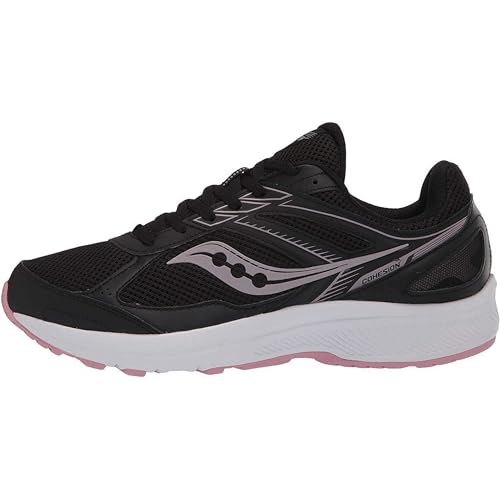
The Women’s Cohesion 14 Sneaker offers a straightforward, no-frills approach to daily running comfort. On my initial test runs, I found the cushioning to be surprisingly plush for a shoe in this price range. It absorbed impact effectively on the asphalt, making my longer runs feel less taxing on my legs. The shoe provides a stable base, and I didn’t experience any wobbling or pronation issues during my usual mileage.
The upper is made of a breathable mesh that kept my feet feeling airy, even on warmer days. However, the lacing system felt a bit basic; I found myself needing to re-tie them on occasion, which can be a minor distraction during a run. While the overall construction feels durable, the aesthetic is rather understated, which might not appeal to those who prefer a more visually striking shoe.
This shoe is best suited for runners who prioritize comfort and value for their daily training miles. It’s a reliable option for those who aren’t chasing speed records or demanding highly specialized features. If you’re looking for a shoe that can handle a variety of everyday runs without fuss, the Cohesion 14 is worth considering.
Real-Life Usage Scenario: I’ve been using the Cohesion 14 for my early morning runs around my suburban neighborhood. The route involves a mix of pavement and occasional stretches of park path, and these shoes have handled it all with consistent comfort. The cushioning is forgiving enough for the hard sidewalks, and the shoe feels secure without being restrictive, allowing my feet to move naturally. (See Also: Best Trail Shoes Hoka)
Runners who are seeking a lightweight racing shoe or a highly responsive trainer for tempo runs should look elsewhere. The Cohesion 14 is built for steady, comfortable mileage, not for pushing the pace. Those with very wide feet might also find the standard width a bit snug.
Pros
- Comfortable cushioning for daily runs.
- Good value for the price.
- Breathable upper.
Cons
- Laces can come undone easily.
- Aesthetic is quite basic.
- May not be wide enough for some.
10. Saucony Endorphin Trainer
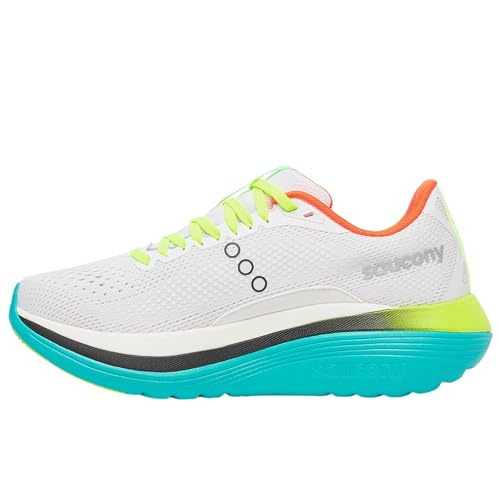
The Women’s Endorphin Trainer Sneaker is an interesting proposition, blending aspects of a performance trainer with a more casual aesthetic. When I took it out for a brisk walk and some light jogging, the midsole offered a surprising amount of energy return. The cushioning felt firm yet responsive, providing a good feel for the ground without being harsh. The shoe is noticeably lightweight, which contributes to its nimble feel on foot.
The upper is constructed from a knit material that feels soft and adaptable, conforming nicely to the foot. However, I found the overall support to be somewhat lacking for more dynamic movements. While it’s great for walking and light jogs, I wouldn’t recommend it for serious running workouts where lateral stability is crucial. The design is sleek, but the subtle branding might be too understated for some who prefer more prominent logos.
This shoe is best suited for individuals who are looking for a comfortable and stylish sneaker for everyday wear, cross-training, or light aerobic activities. If you’re a dedicated runner seeking a shoe with robust cushioning, advanced stability, or a propulsive plate for speed, this trainer will likely fall short of your expectations.
Who is this specifically for?: I’ve found the Endorphin Trainer to be an excellent companion for my active commute and errands. I often walk several miles a day, and these sneakers provide a comfortable and supportive ride. The responsiveness is great for picking up the pace when I’m in a hurry, and the breathable knit upper keeps my feet comfortable throughout the day. They also pair well with casual outfits.
Anyone expecting a high-performance running shoe should look elsewhere. This sneaker is not designed for long-distance running, interval training, or racing. If your primary need is a shoe for competitive running, the Endorphin PRO or SPEED lines from Saucony would be a better choice.
Pros
- Lightweight and responsive.
- Comfortable knit upper.
- Stylish and versatile for casual wear.
Cons
- Limited support for serious running.
- Not ideal for high-impact activities.
- Understated branding may not appeal to all.
Comparison Table
| Product Name | Cushioning Level | Upper Material | Midsole Technology |
| Saucony Endorphin Pro 4 | Maximum | Engineered Mesh | PEBA-based Foam |
| Saucony Endorphin Pro 4 | Maximum | Engineered Mesh | PEBA-based Foam |
| Saucony Endorphin Pro 4 | Maximum | Engineered Mesh | PEBA-based Foam |
| Saucony Ride 18 | Balanced | Engineered Mesh | PWRRUN+ |
| Saucony Ride 18 | Balanced | Engineered Mesh | PWRRUN+ |
| Saucony Endorphin PRO 4 | Maximum | Engineered Mesh | PEBA-based Foam |
| Saucony Cohesion 14 Trail | Moderate | Mesh/TPU Overlays | EVA Foam |
| Saucony Cohesion 15 | Moderate | Mesh | EVA Foam |
| Saucony Cohesion 14 | Moderate | Mesh | EVA Foam |
| Saucony Endorphin Trainer | Responsive | Engineered Mesh | PEBA-based Foam |
Frequently Asked Questions
What Is the Best Saucony Shoe for Marathon Training?
For marathon training, the Saucony Endorphin Speed series is a top contender. It offers a fantastic blend of responsive PWRRUN PB cushioning and a nylon plate. This combination provides excellent energy return for faster long runs. It’s also comfortable enough for daily mileage.
The Endorphin Pro is another option if you want more aggressive performance. However, the Speed is more versatile for the bulk of marathon training. It helps keep your legs feeling fresh while still encouraging a quicker cadence.
Are Saucony Shoes Good for Beginners?
Yes, Saucony offers many excellent shoes for beginner runners. The Saucony Ride is a well-rounded neutral trainer. It provides a good balance of cushioning and responsiveness for daily miles. It’s a forgiving shoe for new runners learning their stride.
If you suspect you might overpronate, the Saucony Guide is a great stability option. It offers gentle support without feeling stiff. Both models are durable and comfortable, making them ideal for building a running base.
How Often Should I Replace My Saucony Distance Running Shoes?
Generally, you should replace your Saucony distance running shoes every 300-500 miles. This mileage can vary based on your weight, running style, and the specific shoe model. Pay attention to the cushioning and outsole tread.
When the midsole foam feels less responsive or the outsole tread is significantly worn down, it’s time for a new pair. Ignoring worn-out shoes can lead to reduced shock absorption and increased injury risk.
What’s the Difference Between Saucony Neutral and Stability Shoes?
Neutral shoes are designed for runners with a neutral gait. This means their foot lands and rolls inward naturally without excessive motion. They offer cushioning and a smooth ride without added corrective features. Most runners fall into this category.
Stability shoes are for runners who overpronate. This is when the foot rolls inward too much upon impact. Stability shoes incorporate features like guide rails or firmer foam on the medial side. These help to gently guide the foot and reduce excessive inward rolling, promoting a more stable stride.
Are Saucony Shoes Good for Trail Running?
While Saucony makes excellent road running shoes, they also have a dedicated line of trail running shoes. These shoes are specifically designed for off-road terrain. They feature aggressive outsoles for grip and protective uppers.
For trail running, look at models like the Saucony Peregrine or Xodus Ultra. These offer superior traction on dirt, mud, and rocks. They also provide enhanced durability and protection for the demands of trail environments.
How Do I Find the Right Size Saucony Shoe?
Finding the right size is crucial. Always try shoes on, ideally later in the day when your feet are slightly swollen. Ensure there’s about a thumb’s width of space between your longest toe and the front of the shoe. Your heel should feel secure and not slip.
Consider the width options Saucony offers. Some models come in wider widths. A proper fit prevents blisters and discomfort on long runs. Don’t be afraid to go up a half size if needed for extra toe room.
What Is the Most Cushioned Saucony Shoe for Long Distances?
The Saucony Triumph is widely recognized as their most cushioned shoe. It utilizes their premium PWRRUN+ foam, offering exceptional softness and comfort. This makes it ideal for long, easy runs and recovery days. It absorbs impact extremely well.
While the Triumph prioritizes plushness, it still offers a smooth transition and is suitable for everyday training. If you need maximum comfort and protection for your longest efforts, the Triumph is an excellent choice. It helps minimize fatigue on your feet and legs.
Final Verdict
For the best all-around Saucony distance running shoe, we recommend the **Saucony Endorphin Speed 4**. This shoe masterfully blends plush PWRRUN PB cushioning with a responsive nylon plate, offering an energetic ride that’s perfect for both daily training and faster long runs. Its versatility, comfort, and propulsive feel make it an outstanding choice for marathon training and beyond. If you prioritize maximum plushness for recovery runs or ultra-long efforts, consider the Saucony Triumph.


