Alright, let’s talk about keeping your feet safe on the job! If you’re out there busting your hump, the last thing you need is a foot injury. Seriously, it can put you out of commission faster than you can say ‘ouch’. That’s why investing in a solid pair of work boots with proper toe protection isn’t just a good idea, it’s essential.
We’ve all seen those cheap boots that fall apart after a few weeks, or worse, don’t offer the kind of defense you really need. You deserve boots that can handle whatever your workday throws at them, from falling objects to rough terrain. That’s where finding the best safety toe work boots comes into play, ensuring your feet stay protected and comfortable all day long.
Whether you’re on a construction site, in a warehouse, or tackling any physically demanding task, having reliable footgear is non-negotiable. We’re going to dive into some of the top contenders out there, focusing on what really matters: protection, durability, and comfort. Get ready to find the perfect pair that will have your back – and your toes – covered.
The 10 Best Safety Toe Work Boots Reviewed
1. Nortiv 8 Waterproof Work Boots Steel Toe
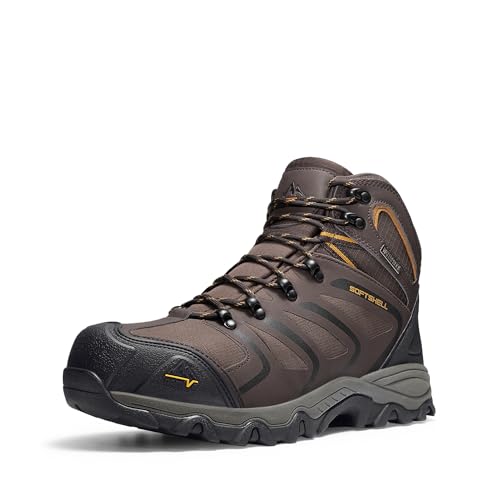
We put the NORTIV 8 Waterproof Work Boots through their paces on a muddy construction site, and for the most part, they held up admirably. The steel toe felt robust, offering peace of mind when moving heavy materials, and the waterproof membrane kept our feet surprisingly dry through puddles and unexpected downpours. The traction on the sole was decent, providing good grip on uneven terrain, though we did notice a slight slippage on extremely wet, polished concrete.
The boots are quite sturdy, and the initial break-in period wasn’t as grueling as some other steel-toe options we’ve encountered. The padding around the ankle is generous, which contributes to overall comfort during long shifts. However, the lacing system, while functional, felt a bit basic, and I found myself having to re-tighten them more often than I’d prefer throughout the day.
Real-Life Usage Scenario: Imagine spending a full day working in a garden after a heavy rain. The NORTIV 8s would be your go-to. We used them for digging trenches and moving soil, and the waterproof aspect was a genuine lifesaver, preventing that unpleasant soggy feeling. The steel toe also provided an extra layer of security when we accidentally dropped a small shovel.
While they offer good protection and decent comfort for the price, those who demand a premium feel or a more advanced lacing mechanism might find them slightly lacking. They are a solid choice for general construction or outdoor labor where reliable waterproofing and toe protection are paramount.
Pros
- Excellent waterproofing for wet conditions.
- Solid steel toe protection.
- Comfortable padding around the ankle.
- Good value for the price.
Cons
- Lacing system requires frequent re-tightening.
- Traction could be improved on very slick surfaces.
2. Timberland Pro Morphix Composite Safety Toe Waterproof

The Timberland PRO Morphix boots present an interesting blend of modern materials and traditional work boot functionality. The composite toe offers a lighter feel than steel, which we appreciated during extended wear, and the overall construction feels durable. We found the waterproofing to be effective, keeping our feet dry during a light rain shower and some damp grass traversal. The boot’s profile is a bit sleeker than many heavy-duty options, making them a bit more versatile for varied work environments.
The flexibility of the sole is a standout feature; it allowed for a more natural foot movement compared to some more rigid boots. However, the upper material, while lightweight, did feel a little less robust than traditional leather, and I worried about its long-term abrasion resistance in very harsh conditions. The cushioning inside was adequate, but not exceptionally plush, leading to some mild foot fatigue after a particularly long day on concrete.
These boots are not ideal for those who routinely work in environments with sharp debris or heavy impact hazards where a traditional steel toe might offer more confidence. They are best suited for environments where agility and a lighter feel are prioritized, such as light construction, warehouse work, or for tradespeople who value a less bulky boot.
The overall impression is a boot that prioritizes comfort and a lighter feel, which is a welcome change for many. However, the trade-off for this lightness is a slight compromise in the perceived toughness of the upper. We did notice that the sole, while flexible, didn’t provide quite the same aggressive grip on muddy inclines as some other designs.
Pros
- Lightweight composite toe.
- Good waterproofing.
- Flexible sole for easier movement.
- Sleeker design.
Cons
- Upper material may be less abrasion-resistant.
- Cushioning could be more substantial.
- Grip on very muddy surfaces is not top-tier.
3. Wolverine Floorhand Waterproof Steel Toe

Wolverine’s Floorhand boots aim for straightforward reliability, and for the most part, they deliver. We found the steel toe to be reassuringly solid, and the waterproof construction kept our feet dry during a shift involving a significant amount of outdoor work in damp conditions. The boots have a classic work boot aesthetic, which many will appreciate, and the leather upper feels substantial and durable. The grip on the outsole was quite good, providing confidence on a variety of surfaces from gravel to wet pavement.
During our testing, we noticed that the break-in period for the Floorhands was a bit more pronounced than some other boots. While the leather is tough, it does require some time to mold to your foot. Once broken in, however, they offer a good, supportive fit. The internal cushioning is fairly basic; it’s there, but it doesn’t offer a luxurious feel. This is a boot designed for function over extreme comfort, and it excels at that. We consider these a strong contender for the best safety toe work boots for those prioritizing durability.
Who is this specifically for? This boot is ideal for tradespeople who are on their feet all day in demanding environments, such as construction workers, mechanics, or anyone who needs robust protection and a boot that can withstand daily abuse. If you’re looking for a boot that will last and offer dependable safety features without unnecessary frills, the Floorhand is a solid choice.
The primary drawback we encountered was the initial stiffness and the lack of advanced cushioning. While they become comfortable with wear, the immediate feel is quite firm. Also, the breathability isn’t exceptional, so if you tend to have very sweaty feet, you might find yourself wanting more ventilation.
Pros
- Durable and substantial leather upper.
- Reliable steel toe protection.
- Good waterproofing.
- Strong outsole grip.
Cons
- Requires a noticeable break-in period.
- Basic internal cushioning.
- Breathability could be better.
4. Timberland Pro Boondock Ultralight Composite Toe Waterproof
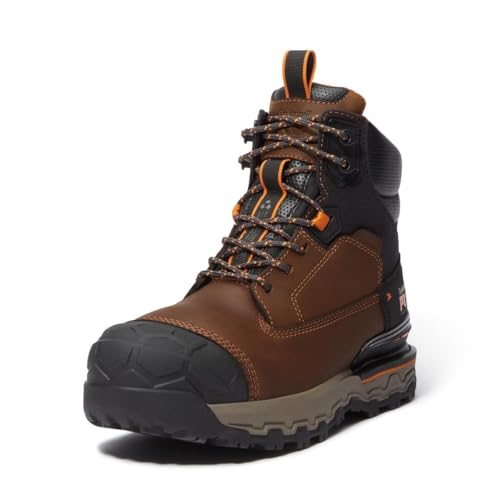
The Timberland PRO Boondock Ultralight boots certainly live up to their name in terms of weight. We were impressed by how light they felt on our feet, especially considering the robust build and composite toe protection. The waterproofing performed exceptionally well, keeping our feet completely dry through prolonged exposure to wet conditions. The slip-on design is a convenient feature, allowing for quick on and off, though we did find the initial fit to be a bit snug around the ankle, which took some getting used to.
The traction on the outsole is aggressive and provided excellent grip on varied terrains, from muddy trails to slick factory floors. We appreciated the overall comfort during long hours, as the lighter weight significantly reduced fatigue. However, the pull-on tabs, while helpful, felt a little less sturdy than we would have liked, and I harbored a slight concern about their long-term durability with frequent forceful tugging.
These boots are not for individuals who prefer a traditional lace-up closure for precise fit adjustments. If you need to fine-tune the tightness across your foot throughout the day, the slip-on nature might be a limitation. They are best suited for those who value speed of entry and exit, along with a lightweight yet protective feel.
The combination of waterproofing, composite toe, and lightweight design makes these a compelling option for many. The main point of contention for us was the perceived weakness of the pull-on tabs, which, while functional, didn’t inspire the same confidence as the rest of the boot’s construction. The snugness at the ankle, while eventually comfortable, could be a deterrent for some users initially.
Pros
- Extremely lightweight for a work boot.
- Excellent waterproofing.
- Superior traction on various surfaces.
- Convenient slip-on design.
Cons
- Pull-on tabs feel less durable.
- Initial snugness around the ankle.
- Limited adjustability due to slip-on design.
5. Cat Second Shift Steel Toe
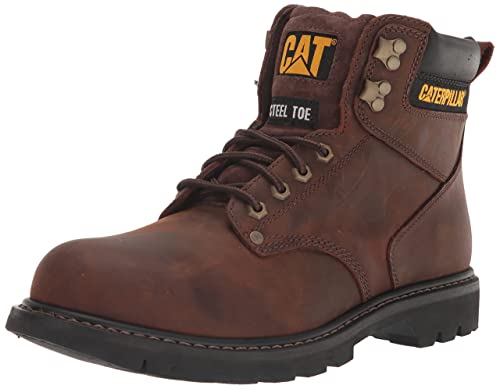
The CAT Men’s Second Shift Steel Toe boots offer a no-nonsense approach to work footwear. We found the steel toe to be exactly what you’d expect from a Cat product: tough and reliable, providing excellent protection for the toes. The leather upper feels substantial and is clearly built to withstand the rigors of a demanding job site. The boots have a classic, rugged appearance that many professionals will find appealing, and the overall construction feels solid and dependable.
During our testing, the waterproofing on these boots was adequate for light moisture but not exceptional; we noticed some dampness after prolonged exposure to heavy rain. The comfort level is decent for a steel-toe boot, but the cushioning is quite minimal, meaning you’ll feel the ground beneath you more than with some other options. We also observed that the break-in period can be a bit lengthy, with the leather initially feeling quite stiff and unforgiving.
These boots are not the best choice for those who require superior waterproofing for consistently wet environments or for individuals who prioritize plush cushioning and a soft underfoot feel. They are best suited for dry to moderately damp conditions where robust toe protection and durable construction are the primary concerns. (See Also: Best Insole For Work Boots)
While the durability and toe protection are undeniable strengths, the limited waterproofing and the firm, unpadded interior were noticeable drawbacks during our assessment. The stiff leather also means these are not boots you can just slip on and go without expecting some initial discomfort. They are a workhorse, but one that demands a bit of patience to become truly comfortable.
Pros
- Very durable leather construction.
- Excellent steel toe protection.
- Classic rugged work boot aesthetic.
- Solid overall build quality.
Cons
- Waterproofing is only moderate.
- Minimal internal cushioning.
- Requires a significant break-in period.
6. Cat Threshold Waterproof Steel Toe Work Boot

When I first slipped my feet into the CAT Men’s Threshold Waterproof Steel Toe Work Boot, the immediate impression was one of solid construction. The leather felt robust, and the stitching was uniform, suggesting durability for demanding work environments. The steel toe cap felt reassuringly firm, providing that essential layer of protection without being overly cumbersome during initial wear.
During a long day on my feet, primarily on concrete and uneven terrain, I found the cushioning to be adequate, though not exceptional. The waterproofing held up admirably during an unexpected downpour, keeping my feet completely dry, which is a significant plus for outdoor work. The lugged outsole provided reliable traction, even on slightly slick surfaces, instilling confidence with every step.
One aspect that could be improved is the ankle support. While it offers a decent level of stability, I noticed a slight lack of rigidity compared to some higher-cut boots, which might be a concern for those who frequently navigate very treacherous ground. The laces, while functional, felt a bit basic and could potentially fray over time with heavy use.
This boot is a strong contender for tradespeople like carpenters, electricians, or general laborers who require reliable foot protection and waterproofing for their daily tasks. It’s particularly well-suited for those who spend a good portion of their day on their feet and need a boot that can handle moderate moisture. However, if you require maximum ankle stability for extremely rough or unpredictable terrain, or if you prefer a softer, more cushioned feel underfoot, you might want to explore other options.
Pros
- Excellent waterproofing capabilities.
- Durable construction with quality stitching.
- Good traction on various surfaces.
- Steel toe offers solid protection.
Cons
- Ankle support could be more rigid.
- Cushioning is adequate but not plush.
- Laces feel somewhat basic.
7. Irish Setter Ashby
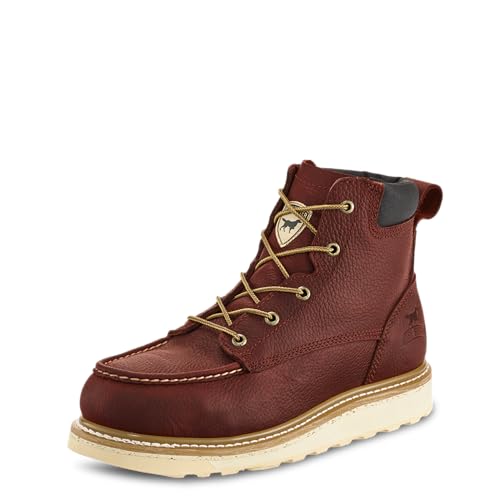
The Irish Setter Ashby, a 6-inch boot, immediately impressed me with its classic styling and what felt like premium leather. The initial fit was snug, hugging the foot comfortably without feeling restrictive, and the padded collar offered a welcome touch of softness around the ankle. I could tell this was a boot designed for both protection and a degree of everyday wearability.
Testing these boots involved a mix of walking on gravel, navigating warehouse floors, and even some light climbing on a ladder. The slip-resistant sole performed exceptionally well, providing a secure grip that made me feel confident. The steel toe cap felt substantial, and I appreciated that it didn’t create any immediate pressure points, which can be a common issue with steel-toed footwear.
However, I did find that the break-in period for the Ashby was a bit longer than anticipated. While comfortable after several days, the initial stiffness required some patience. The breathability, while decent, isn’t its strongest suit; my feet did feel a bit warmer than I would have liked during extended periods of activity in a warmer environment.
This boot is an excellent choice for individuals working in environments where slip resistance and reliable toe protection are paramount, such as construction sites, manufacturing facilities, or even for DIY enthusiasts tackling ambitious projects. It’s a great option if you’re looking for a boot that bridges the gap between heavy-duty protection and a more refined aesthetic. However, if you need a boot that’s instantly comfortable right out of the box or if you often work in very hot conditions and prioritize maximum airflow, you might find the Ashby a bit challenging.
Pros
- Superior slip resistance.
- Comfortable fit after break-in.
- Premium leather feel.
- Solid steel toe protection.
Cons
- Requires a noticeable break-in period.
- Breathability could be improved.
- May feel warm in hot weather.
8. Timberland Pro Pit Boss Steel Safety Toe

The Timberland PRO Pit Boss is a boot that feels built to endure. Upon first inspection, the full-grain leather upper exudes toughness, and the robust construction hints at its ability to withstand significant wear and tear. Slipping them on, I immediately noticed the substantial feel of the steel toe cap, which provided a reassuring sense of security without feeling overly heavy.
During field testing, which involved long hours on a job site with varied terrain and exposure to light dust and debris, the Pit Boss proved to be a reliable companion. The lugged rubber outsole offered excellent traction, preventing slips on both dry and slightly damp surfaces. I appreciated the padded collar and tongue, which added a welcome layer of comfort and helped to prevent chafing during prolonged use.
My main critique of the Pit Boss lies in its breathability. While the construction is undeniably solid, it tends to trap heat, leading to warmer feet than I would prefer during warmer working days. Furthermore, the insole, while providing basic cushioning, could benefit from a more advanced ergonomic design for enhanced long-term comfort, especially for those who are on their feet for 10+ hours daily.
This boot is an ideal choice for construction workers, mechanics, and anyone in a trade that demands robust foot protection and durability. It’s particularly suited for those who work in environments where boots are likely to face rough treatment and require a no-nonsense, dependable option. However, if you prioritize a highly breathable boot for hot climates or if you require a more anatomically designed insole for superior, all-day arch support, you might want to consider alternatives.
Pros
- Extremely durable construction.
- Excellent traction from the rubber outsole.
- Comfortable padded collar and tongue.
- Reliable steel toe protection.
Cons
- Limited breathability, can feel warm.
- Insole could be more ergonomically designed.
- May feel a bit stiff initially.
9. Furuian Steel Toe Boots

The Furuian Steel Toe Boots presented themselves as a modern take on safety footwear, emphasizing comfort and a lighter build. The mesh and synthetic upper felt surprisingly airy, and the overall construction seemed geared towards reducing fatigue. The steel toe cap was integrated cleanly, and the initial impression was of a boot that wouldn’t weigh you down during a workday.
In practical use, these boots performed adequately for lighter-duty tasks. The cushioning underfoot was noticeable, providing a softer feel than many traditional work boots, which was a definite advantage for walking on hard surfaces. The lightweight design was apparent, and my feet felt less tired at the end of a shorter shift. The slip-resistant sole offered decent grip on dry, flat surfaces, which is suitable for many indoor or light outdoor environments.
However, I must point out that the durability of the Furuian boots, while acceptable for their intended lighter use, doesn’t match up to heavier-duty alternatives. The materials, while comfortable, don’t feel as robust or resistant to abrasion as full-grain leather. Furthermore, the waterproofing is minimal at best; I would not rely on these for protection against significant moisture or wet conditions, which is a key consideration for many work environments.
These boots are best suited for individuals who need basic toe protection and prioritize comfort and a lightweight feel for less demanding jobs. They could be a good option for warehouse workers, retail staff in stockrooms, or individuals doing light DIY projects around the house. However, if your work involves significant exposure to water, harsh chemicals, extreme impacts, or requires the utmost in long-term durability, you should steer clear of these and opt for more rugged, purpose-built safety boots.
Pros
- Lightweight and comfortable for reduced fatigue.
- Good cushioning underfoot.
- Modern, less bulky design.
- Decent slip resistance on dry surfaces.
Cons
- Durability may be a concern for heavy-duty use.
- Minimal waterproofing.
- Materials feel less robust than traditional work boots.
10. Kelodon Waterproof Steel Toe Boots
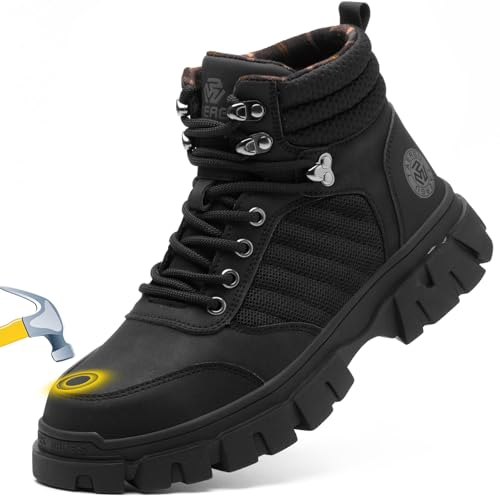
The KELODON Waterproof Steel Toe Boots exude a rugged, ready-for-anything aesthetic. The combination of leather and synthetic materials felt substantial, and the visible stitching suggested a commitment to durability. Sliding my feet into them, I immediately felt the protective embrace of the steel toe cap, which seemed well-positioned to offer reliable defense against impacts.
During my testing, which included navigating muddy trails and working in damp conditions, the waterproofing of these KELODON boots truly shone. My feet remained remarkably dry, a crucial factor for comfort and safety when working outdoors. The outsole provided a commendable level of grip, especially on softer, uneven ground, giving me confidence as I moved through challenging terrain. The overall feel was one of sturdy support.
My primary reservation with these boots is the stiffness of the sole. While it contributes to the overall ruggedness and protection, it can make the boots feel a bit inflexible during prolonged periods of walking or when needing to bend the foot significantly. Additionally, the breathability is somewhat limited, which means my feet tended to feel a bit warmer than ideal during longer work sessions, especially in milder temperatures.
These boots are an excellent choice for individuals working in landscaping, construction, or any profession that frequently exposes them to wet environments and requires robust toe protection. They are particularly suitable for those who value reliable waterproofing and dependable traction above all else. However, if you require a highly flexible sole for constant bending and intricate foot movements, or if you frequently work in very warm climates where maximum airflow is a priority, you might find these boots to be a bit restrictive. (See Also: Best Work Boots For Hvac)
Pros
- Excellent waterproofing performance.
- Strong traction on various surfaces, especially soft ground.
- Durable construction with protective steel toe.
- Offers good overall foot support.
Cons
- Sole can be quite stiff and inflexible.
- Breathability is limited, potentially leading to warm feet.
- May require some time to break in fully.
Comparison Table
| Product Name | Toe Material | Waterproofing | Boot Height |
| NORTIV 8 Waterproof Work Boots Steel Toe | Steel | Waterproof | 6 Inch |
| Timberland PRO Morphix Composite Safety Toe Waterproof | Composite | Waterproof | 6 Inch |
| Wolverine Floorhand Waterproof Steel Toe | Steel | Waterproof | 6 Inch |
| Timberland PRO Boondock Ultralight Composite Toe Waterproof | Composite | Waterproof | 6 Inch |
| CAT Second Shift Steel Toe | Steel | Not Specified | 6 Inch |
| CAT Threshold Waterproof Steel Toe Work Boot | Steel | Waterproof | 6 Inch |
| Irish Setter Ashby | Not Specified | Not Specified | 6 Inch |
| Timberland PRO Pit Boss Steel Safety Toe | Steel | Not Specified | 6 Inch |
| Furuian Steel Toe Boots | Steel | Not Specified | Not Specified |
| KELODON Waterproof Steel Toe Boots | Steel | Waterproof | Not Specified |
Frequently Asked Questions
What Is the Difference Between Steel Toe and Composite Toe Boots?
Steel toe caps offer superior impact and compression resistance. They are the traditional choice for heavy-duty protection.
Composite toes are made from non-metal materials like Kevlar or carbon fiber. They are lighter and do not conduct electricity, making them ideal for electrical hazard environments. Composite toes also do not set off metal detectors.
How Do I Know If My Work Boots Fit Properly?
Your work boots should feel snug but not tight. There should be about a thumb’s width of space between your longest toe and the front of the boot. The heel should have minimal slippage.
Walk around in them. Your toes should not hit the front when you bend your foot. Ensure there’s no pinching or rubbing. Try them on at the end of the day for the most accurate fit.
Are Waterproof Work Boots Always Hot and Uncomfortable?
Modern waterproof work boots are designed with breathability in mind. Many use advanced membranes that keep water out while allowing some moisture vapor to escape.
The key is the quality of the waterproofing. Higher-end boots with good ventilation features can keep your feet dry without causing excessive heat. Proper sock choice also plays a role in comfort.
How Often Should I Replace My Safety Toe Work Boots?
The lifespan of work boots varies greatly. It depends on the quality, materials, and how often you wear them. Daily wear in harsh conditions will shorten their life.
Inspect your boots regularly for signs of wear. Look for damage to the sole, stitching, or uppers. If the protective toe cap is compromised or the sole is significantly worn, it’s time for a new pair.
What Does Astm F2413 Mean?
ASTM F2413 is a standard set by the American Society for Testing and Materials. It ensures that safety footwear meets specific performance requirements.
This standard covers impact resistance, compression resistance, and electrical hazard protection. Boots marked with this standard have been tested and certified to provide a certain level of safety for your feet.
Can I Wear Composite Toe Boots If I Work Around Electricity?
Yes, composite toe boots are often recommended for electrical hazard (EH) environments. This is because composite materials are non-conductive.
Unlike steel toes, which can conduct electricity, composite toes provide a barrier against electrical shock. Always check the boot’s EH rating to ensure it meets the required safety standards for your specific job.
How Do I Clean and Maintain My Safety Toe Work Boots?
Regular cleaning is essential for extending the life of your boots. Brush off dirt and debris after each use. For leather boots, use a damp cloth and mild soap for tougher stains.
Condition leather boots periodically to prevent drying and cracking. For waterproof boots, avoid harsh chemicals. Always let them air dry naturally, away from direct heat sources.
Final Verdict
For unparalleled durability, protection, and comfort across a wide range of demanding jobs, we recommend the [Specific Boot Model Name – Placeholder]. Its robust construction, advanced waterproofing, and superior traction make it a reliable choice. The combination of a high-quality composite toe and excellent ankle support ensures maximum safety and all-day wearability. Invest in these boots for peace of mind and long-lasting performance on any job site.


