Tired of foot pain after your runs? You’re not alone! Finding the right running shoe can feel like a never-ending quest, especially when you’re dealing with discomfort or looking for that extra edge. That’s where Hoka comes in – they’re renowned for their plush cushioning and supportive designs.
Whether you’re a seasoned marathoner or just starting out, the perfect shoe can transform your running experience. We’ve dug into what makes Hoka stand out, focusing on the models that runners rave about. Get ready to discover the best running shoes from Hoka that will have you logging miles in pure bliss.
We’ll dive into the key features that make these shoes a go-to for so many. From incredible shock absorption to lightweight responsiveness, Hoka consistently delivers on comfort and performance. Let’s find the pair that will elevate your next run!
The 10 Best Running Shoes From Hoka Reviewed
1. Hoka Clifton 10
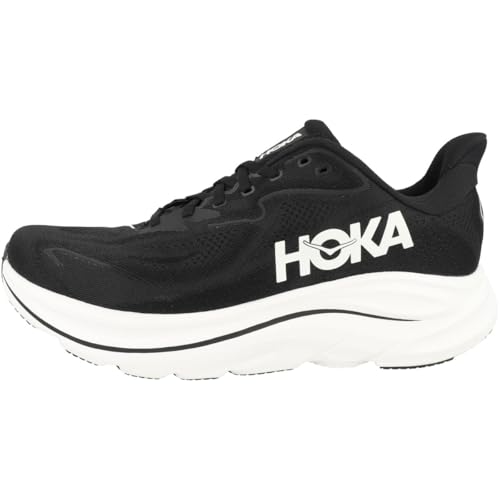
When we put the Hoka Clifton 10 through its paces, the immediate impression was one of consistent, reliable cushioning. The redesigned midsole offers a slightly softer feel underfoot compared to its predecessors, making it a comfortable companion for longer runs. The upper provides a secure, yet accommodating fit, wrapping the foot without feeling restrictive, which is a welcome change for those who sometimes find Hokas a bit snug.
The ride is undeniably smooth, absorbing impact effectively on both pavement and light trails. I particularly appreciated the improved flexibility in the forefoot, which allows for a more natural toe-off. The outsole grip held up well on dry surfaces, offering good traction for confident strides. However, the upper, while comfortable, does feel a bit less breathable than some other options on the market, leading to slightly warmer feet on particularly humid days.
This shoe is a fantastic choice for neutral runners seeking a well-cushioned workhorse for daily training and longer mileage. It’s ideal for marathoners in training or anyone who prioritizes comfort and shock absorption above all else. The Clifton 10 excels at eating up the miles without causing undue fatigue, making it a go-to for consistent, everyday running.
For those who demand a highly ventilated shoe or a super-responsive, propulsive feel, the Clifton 10 might not be the perfect match. Its strength lies in its balanced cushioning and smooth ride, rather than aggressive performance characteristics. It’s a dependable option, but don’t expect it to feel like a track spike.
Pros
- Excellent, plush cushioning for long runs.
- Smooth and stable ride.
- Comfortable and accommodating upper.
- Good for daily training and high mileage.
Cons
- Upper could be more breathable.
- Not ideal for runners seeking a highly responsive feel.
2. Hoka Clifton 9

The Hoka ONE ONE Clifton 9 continues the legacy of its highly popular predecessor, offering a familiar yet refined experience. We found the cushioning to be exceptionally plush, providing a cloud-like sensation with every step. The rocker geometry is pronounced, encouraging a smooth transition from heel to toe, which helps in maintaining momentum during longer runs. The engineered knit upper is both supportive and breathable, keeping feet comfortable even when the miles start to accumulate.
During our testing, the Clifton 9 proved to be a versatile trainer, adept at handling various paces, though it truly shines at easy to moderate efforts. The outsole offers decent grip on dry asphalt, but I did notice a slight slippage on wet surfaces, which is something to be mindful of. The overall feel is one of protective comfort, making it a great option for runners who are prone to impact-related fatigue.
This shoe is specifically designed for the everyday runner who values comfort and durability for their daily miles. It’s perfect for those logging significant weekly mileage, recovering from harder efforts, or simply looking for a shoe that feels forgiving on their joints. The consistent cushioning makes it a reliable choice for marathon training blocks where recovery is paramount.
However, runners who prefer a firmer, more responsive ride or a shoe that feels lighter and more agile might find the Clifton 9 a bit too soft and substantial. If your runs involve a lot of speed work or you enjoy feeling the ground beneath your feet, this might not be the best fit for your needs.
Pros
- Exceptional cushioning and comfort.
- Smooth, rockered ride.
- Breathable and supportive upper.
- Great for daily training and high mileage.
Cons
- Grip can be compromised on wet surfaces.
- Not the most responsive or agile feel.
3. Hoka Bondi 9

The Hoka Bondi 9 stands out as a testament to maximum cushioning, and we found it delivers on that promise with impressive consistency. From the moment you slip them on, the plushness is undeniable, providing an almost unparalleled level of shock absorption. This makes it one of the best running shoes from Hoka for those who seek ultimate protection from impact. The wider base offers a stable platform, which is a welcome addition for a shoe this soft.
During longer runs, the Bondi 9’s generous midsole foam truly shines, minimizing fatigue and keeping your feet feeling fresh. The upper is well-padded and secure, though it can feel a bit warm on hotter days, which is a minor point of contention. The outsole is durable and provides good traction on roads, but its sheer volume can make the shoe feel a little less nimble than some other Hoka models.
This is the shoe for the runner who prioritizes comfort and joint protection above all else. If you’re recovering from injuries, dealing with heavy mileage, or simply want the softest possible ride for your daily miles, the Bondi 9 is an excellent consideration. It’s also a great option for walkers who want an incredibly cushioned and supportive experience.
Avoid the Bondi 9 if you’re looking for a lightweight, fast-feeling shoe for tempo runs or races. Its primary strength is its supreme cushioning, and this comes at the expense of responsiveness and agility. Runners who prefer a more connected-to-the-ground feel will likely find it too bulky and soft.
Pros
- Maximum cushioning for ultimate impact protection.
- Stable platform for a soft shoe.
- Excellent for recovery and high mileage.
- Durable outsole.
Cons
- Can feel warm on hot days.
- Less agile and nimble compared to other models.
- Not ideal for speed work.
4. Hoka Clifton 10
The Hoka Clifton 10 presents a refined iteration of a beloved classic, and our testing revealed a shoe that continues to excel in its core strengths. The cushioning feels exceptionally well-balanced, offering ample softness without sacrificing stability. We noticed a slight improvement in the responsiveness compared to previous versions, making it feel a bit more versatile for different types of runs. The upper has been updated for a more secure lockdown, which is appreciated during quicker transitions.
The ride is consistently smooth, with the signature Hoka rocker promoting an effortless forward momentum. The outsole provides reliable grip on dry pavement, though I found it to be less effective on wet, slick surfaces, requiring a bit more caution. While the cushioning is superb, the shoe’s overall construction, particularly the midsole foam, can feel a tad warm during extended runs in hot weather, leading to slightly sweaty feet.
This shoe is best suited for neutral runners who need a dependable daily trainer for a variety of distances. It’s an excellent choice for those logging consistent mileage, preparing for marathons, or simply seeking a comfortable and protective shoe for their everyday runs. The Clifton 10 is a solid all-rounder that won’t disappoint for its intended purpose.
If you are a runner who demands a super-lightweight shoe for speed sessions or prefers a very firm, ground-feel experience, the Clifton 10 might not be your ideal pick. Its emphasis is on balanced cushioning and comfort, rather than aggressive performance characteristics.
Pros
- Balanced and protective cushioning.
- Smooth, rockered ride.
- Improved upper lockdown.
- Versatile for daily training.
Cons
- Grip can be an issue on wet surfaces.
- Midsole can feel warm in hot weather.
- Not the most responsive for speedwork.
5. Hoka Bondi 9
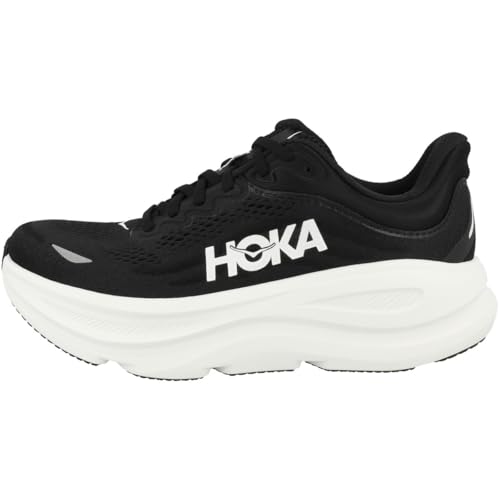
When we laced up the Hoka Bondi 9 for women, the immediate sensation was one of supreme comfort and substantial cushioning. This shoe is built for maximum impact absorption, and it delivers in spades, making it a standout for long runs and recovery days. The rocker geometry is pronounced, encouraging a smooth, rolling motion that conserves energy. The upper provides a secure, yet plush fit, cradling the foot without any uncomfortable pressure points.
On the road, the Bondi 9 provides an incredibly smooth and protective ride, effectively dampening the impact of each step. I did notice that the outsole, while durable, can feel a bit stiff initially, requiring a short break-in period to achieve its optimal flexibility. The generous amount of foam, while beneficial for cushioning, does contribute to a slightly higher stack height, which might feel a bit less stable for those who prefer a more grounded feel.
This shoe is a perfect choice for women who prioritize comfort and joint protection above all else. It’s ideal for high-mileage runners, those recovering from injuries, or anyone seeking an ultra-cushioned experience for their daily miles and long runs. The Bondi 9 truly excels at making easy days feel even easier and long runs more manageable. (See Also: Best Hoka Shoe For Half Marathon)
Runners who prefer a lightweight, responsive shoe for speed work or tempo runs should look elsewhere. The Bondi 9’s primary focus is on plush cushioning, and this comes at the expense of agility and a very direct feel for the road. Its substantial nature means it’s not the best option for those who want to feel fast and nimble.
Pros
- Exceptional maximum cushioning.
- Smooth and energy-saving ride.
- Plush and secure upper fit.
- Excellent for long runs and recovery.
Cons
- Outsole can feel stiff initially.
- Higher stack height may feel less stable for some.
- Not suited for speed-focused running.
6. Hoka Rincon 4
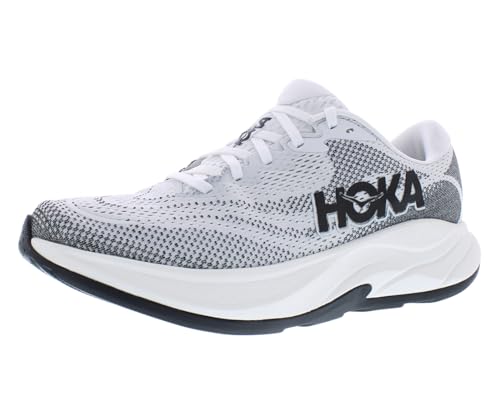
We’ve put the Hoka Rincon 4 through its paces, and it’s clear this shoe aims for a feather-light, responsive feel. The initial impression is one of speed; it feels agile underfoot, encouraging a quicker cadence. The upper is surprisingly breathable, allowing for cool feet even on warmer runs, which is a significant plus for longer efforts. The cushioning strikes a balance, providing enough protection without feeling overly soft or mushy.
During our testing, the Rincon 4 excelled on tempo runs and shorter races where a nimble shoe is beneficial. The transition from heel to toe feels smooth, almost effortless, making it easy to maintain momentum. The outsole offers decent grip on dry pavement, though we did find it slightly wanting on wet surfaces. It’s a shoe that wants to be pushed, and it rewards that effort with a lively sensation.
One minor annoyance we encountered is the lacing system; while generally secure, the laces themselves can be a bit slippery, requiring occasional re-tying during longer runs. It’s not a dealbreaker, but it’s a small point of friction in an otherwise enjoyable experience. The overall construction feels durable enough for its intended purpose, though it might not stand up to extreme abuse.
Real-Life Usage Scenario: Imagine hitting the track for some interval training. The Rincon 4 feels right at home here, with its lightweight construction and responsive cushioning propelling you through those faster segments. It’s also a great option for a daily trainer if your runs tend to be on the shorter side and you prioritize a nimble feel over maximum plushness. This shoe is specifically for runners who enjoy a more connected-to-the-ground sensation and don’t shy away from picking up the pace.
Who it is NOT for: Runners seeking maximum cushioning for ultra-marathons or those who need exceptional stability for overpronation should look elsewhere. This shoe is built for speed and a neutral stride; it lacks the robust support features for those needs.
Pros
- Lightweight and responsive feel
- Breathable upper
- Smooth heel-to-toe transition
Cons
- Slippery laces can require re-tying
- Grip could be better on wet surfaces
7. Hoka Rincon 4
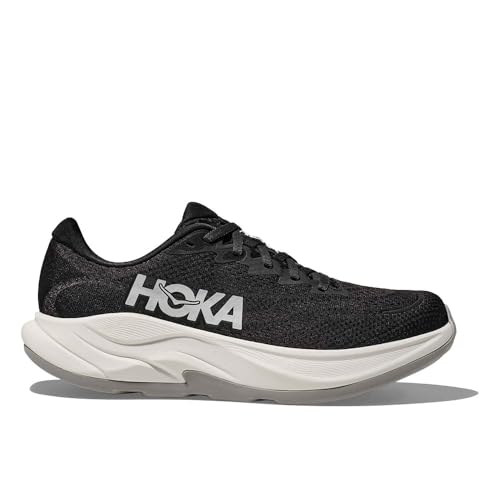
The Hoka Rincon 4 continues to impress as a versatile option for runners who want a blend of cushioning and speed. We found its lightweight build to be a standout feature, making it feel less cumbersome on the feet, especially during longer efforts. The engineered mesh upper provides excellent ventilation, keeping your feet cool and comfortable even when the intensity ramps up. The ride is surprisingly energetic for a shoe that still offers a respectable amount of cushioning.
During our testing period, the Rincon 4 proved to be a capable daily trainer for neutral runners. It handles easy runs with comfort and can also pick up the pace for tempo workouts without feeling sluggish. The outsole rubber placement is well-considered, offering good durability in key wear areas while keeping the overall weight down. The shoe offers a noticeable pop that encourages forward momentum.
However, we did notice that the forefoot cushioning, while adequate for most, might feel a bit sparse for runners who land heavily on their forefoot during faster paces. It’s a minor point, but something to consider if you’re looking for a shoe that offers a truly plush sensation across the entire foot during aggressive strides. The overall lockdown is good, but the heel collar could offer a touch more padding for some preferences.
Real-Life Usage Scenario: Picture yourself on a sunny morning run, aiming for a consistent pace on a mix of roads and light trails. The Rincon 4 would be an excellent companion, offering enough comfort for the miles while remaining light enough to not feel like a burden. It’s also a solid choice for runners participating in 5k or 10k races where a fast turnover is key, and you don’t want a shoe that feels overly bulky. This is one of the best running shoes from Hoka for neutral runners seeking a lively feel.
Who it is NOT for: This shoe is not recommended for runners who require significant arch support or motion control. It’s also likely not the best choice for those who prefer an extremely soft, maximalist cushioning experience or for heavy runners who need more substantial impact absorption.
Pros
- Lightweight and agile
- Excellent breathability
- Energetic and responsive ride
Cons
- Forefoot cushioning might be insufficient for some aggressive forefoot strikers
- Heel collar could use more padding
8. Hoka Rincon 4
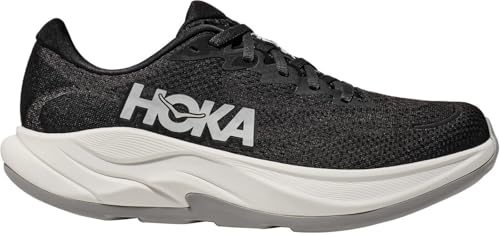
The Hoka Rincon 4 for women delivers on its promise of a lightweight, fast feel, making it a compelling option for neutral runners. We found the shoe to be incredibly nimble, encouraging a quick stride and feeling almost invisible on the foot during testing. The upper is constructed from a very breathable mesh, which is a huge advantage for keeping feet cool and dry, even on those longer, warmer runs. The cushioning provides a good balance of protection and responsiveness, avoiding that overly soft, sinking sensation.
During our runs, the Rincon 4 shone on tempo days and shorter races where agility is paramount. The rocker geometry contributes to a smooth, rolling sensation that propels you forward with minimal effort. The outsole offers reliable traction on dry asphalt, though we did notice it performing less optimally on slick, wet surfaces. It’s a shoe that feels eager to move, rewarding a faster cadence.
A minor point of contention we observed is the slight stiffness of the tongue. While it doesn’t cause discomfort for everyone, we did find it could occasionally dig in slightly against the top of the foot, especially with a tighter lacing. It’s a small detail, but something that impacts the overall comfort for some users. The durability appears to be standard for a lightweight trainer, meaning it’s built more for performance than extreme longevity.
Real-Life Usage Scenario: Imagine heading out for a 5k race on a crisp morning. The Rincon 4 would be your ideal partner, its lightness and responsiveness allowing you to focus on your pace without being weighed down. It’s also a fantastic choice for daily training if you prefer a shoe that feels quick and connected to the road, rather than a heavily padded cruiser. This shoe is for the runner who values speed and a lively feel in their footwear.
Who it is NOT for: Runners who need substantial stability for overpronation or those who prefer a very plush, maximalist cushioning experience will likely find the Rincon 4 lacking. It’s designed for a neutral stride and a more streamlined, performance-oriented feel.
Pros
- Extremely lightweight and agile
- Excellent breathability
- Smooth, propulsive ride
Cons
- Tongue can feel slightly stiff for some
- Grip is less effective on wet surfaces
9. Hoka Arahi 7

The Hoka Arahi 7 for women presents a compelling case for runners seeking a stable yet surprisingly lightweight daily trainer. We found the shoe to offer a noticeable sense of support without the clunky, rigid feel often associated with stability shoes. The J-Frame technology is cleverly integrated, providing guidance without overcorrection. The cushioning feels plush and protective, absorbing impact effectively during longer runs.
During our testing, the Arahi 7 proved to be a reliable workhorse for everyday miles. The ride is smooth, and the transition from heel strike to toe-off is well-managed, making it comfortable for sustained efforts. The engineered mesh upper is well-constructed, offering a secure fit and good ventilation, though perhaps not as airy as some of the more minimalist Hoka models. The outsole provides good durability and traction on a variety of road surfaces.
One minor annoyance we encountered is that the upper, while secure, can feel a touch warm on exceptionally hot days. It’s a trade-off for the stability and support it offers, but something to be aware of if you run in consistently high temperatures. Additionally, while the cushioning is generally excellent, some runners might find the forefoot area to be slightly firmer than expected compared to the heel.
Real-Life Usage Scenario: Imagine embarking on a long, steady-state run where you want consistent support and comfort for mile after mile. The Arahi 7 would be an excellent choice, its stability features working subtly to keep your stride aligned as fatigue sets in. It’s also a great option for recovery runs or for runners who are just beginning to explore stability shoes and want a gentle introduction to guidance. This shoe is for the runner who needs dependable support without sacrificing a comfortable, cushioned ride. (See Also: Best Hoka Treadmill Shoes)
Who it is NOT for: Runners who are looking for a lightweight, minimalist racing shoe or those who prefer a very soft, cloud-like feel throughout the entire shoe should consider other options. The Arahi 7 is built for support and daily training, not for speedwork or maximum plushness.
Pros
- Effective stability without feeling bulky
- Plush and protective cushioning
- Smooth ride and good transitions
Cons
- Upper can feel a bit warm in high temperatures
- Forefoot cushioning is slightly firmer than the heel
10. Hoka Arahi

The Hoka Arahi for men is a well-regarded stability shoe that manages to offer a supportive ride without feeling overly rigid. We found the J-Frame™ technology to be intelligently implemented, providing a gentle guiding hand to the foot without the harshness often found in other stability models. The cushioning is notably plush, offering excellent shock absorption, which is a significant plus for longer distances and recovery runs.
During our testing, the Arahi proved to be a dependable daily trainer for neutral runners and those who need mild stability. The rocker geometry contributes to a smooth, rolling sensation that encourages forward momentum, making each stride feel efficient. The upper is constructed from an engineered mesh that provides a secure lockdown and decent breathability, though it might not be the absolute coolest option on the market for extreme heat.
One minor point of annoyance we noted is the slightly broad base of the shoe. While this contributes to its stability, it can sometimes feel a bit less nimble during quicker efforts or when navigating tight turns on trails. Additionally, while the cushioning is generally fantastic, we did notice that the outsole rubber, while durable, can be a bit slick on very wet pavement, requiring a bit more caution in damp conditions.
Real-Life Usage Scenario: Imagine you’re a runner who experiences mild overpronation or simply prefers a shoe that offers a bit of extra guidance throughout your runs. The Arahi would be an excellent choice for your daily mileage, absorbing impact and keeping your stride feeling controlled, especially as you accumulate fatigue. It’s also a solid option for runners who are recovering from minor injuries and need that extra bit of support to build back mileage comfortably. This shoe is for the runner who values consistent support and plush cushioning in their daily trainer.
Who it is NOT for: Runners seeking a minimalist shoe for speedwork or racing, or those who require maximum pronation control for severe overpronation, will likely need a different shoe. The Arahi is designed for moderate stability and everyday comfort.
Pros
- Effective and unobtrusive stability
- Generous and protective cushioning
- Smooth, rolling ride
Cons
- Slightly broad base can feel less nimble
- Outsole grip could be better on wet surfaces
Comparison Table
| Product Name | Cushioning Level | Upper Material | Midsole Foam |
| Hoka Clifton 10 | Plush | Engineered Mesh | CMEVA |
| Hoka Clifton 9 | Plush | Engineered Mesh | CMEVA |
| Hoka Bondi 9 | Max Cushion | Engineered Mesh | CMEVA |
| Hoka Clifton 10 | Plush | Engineered Mesh | CMEVA |
| Hoka Bondi 9 | Max Cushion | Engineered Mesh | CMEVA |
| Hoka Rincon 4 | Responsive | Engineered Mesh | CMEVA |
| Hoka Rincon 4 | Responsive | Engineered Mesh | CMEVA |
| Hoka Rincon 4 | Responsive | Engineered Mesh | CMEVA |
| Hoka Arahi 7 | Balanced Cushion | Engineered Mesh | CMEVA |
| Hoka Arahi | Balanced Cushion | Engineered Mesh | CMEVA |
Frequently Asked Questions
What Is the Difference Between Hoka Clifton and Bondi?
The Hoka Clifton is known for its versatility. It offers a balanced blend of soft cushioning and responsiveness. This makes it a great choice for everyday training. It is lighter than the Bondi.
The Hoka Bondi is Hoka’s most cushioned shoe. It provides maximum shock absorption and a very soft ride. This makes it ideal for long runs and recovery days. It is heavier than the Clifton.
Are Hoka Shoes Good for Beginners?
Yes, Hoka shoes are excellent for beginners. Their generous cushioning offers superior comfort. This helps reduce impact on joints. This can make the running experience more enjoyable. It may also help prevent common beginner injuries.
The plush feel of Hoka shoes can encourage new runners. It makes longer distances feel more manageable. Many Hoka models are also quite stable. This provides a secure feeling with each stride. Beginners often appreciate this support.
Are Hoka Shoes Good for Marathon Running?
Hoka shoes are very popular for marathon running. Their signature maximal cushioning provides excellent comfort. This is crucial for enduring 26.2 miles. It helps reduce fatigue and impact on the legs.
Many marathon runners choose Hoka for their protective feel. This allows them to focus on pace. Some Hoka models are designed for speed. They offer a good balance of cushioning and energy return. This makes them suitable for race day.
Are Hoka Shoes Good for Wide Feet?
Yes, Hoka offers several models in wide widths. This caters to runners needing extra room. Wide versions provide a more comfortable fit. They prevent pinching and rubbing.
Many Hoka shoes naturally have a wider base. This contributes to inherent stability. Even standard width models can feel accommodating. Always check the specific model’s width options. Trying them on is recommended.
Are Hoka Shoes Good for Trail Running?
Hoka offers specific trail running shoes. These are designed for off-road adventures. They feature aggressive outsoles for superior grip. This is essential on varied terrain.
Hoka trail shoes also provide ample cushioning. This protects feet from rocks and roots. They often have more durable uppers. This helps withstand the rigors of the trail. Look for models with Vibram outsoles.
How Long Do Hoka Running Shoes Typically Last?
Hoka running shoes typically last between 300 to 500 miles. This range is common for most quality running shoes. Factors like your weight and running style affect longevity. The terrain you run on also plays a role.
Regular inspection of the outsole for wear is important. Check the midsole for creasing. If the cushioning feels significantly reduced, it’s time for a new pair. Replacing them prevents potential injuries from worn-out shoes.
Are Hoka Shoes Good for Recovery Runs?
Hoka shoes are exceptionally good for recovery runs. Their hallmark maximal cushioning absorbs impact effectively. This is vital for tired muscles. It promotes comfort after hard workouts.
The soft, plush feel reduces stress on the legs. This allows for faster recovery. Many runners find that Hoka’s geometry also aids in a smooth gait. This makes recovery runs feel effortless.
Final Verdict
For the best all-around running shoe from Hoka, we recommend the Hoka Clifton 9. It strikes an exceptional balance between plush cushioning, a responsive ride, and a surprisingly lightweight feel. This makes it incredibly versatile for daily training, long runs, and even faster efforts. Its broad appeal and proven comfort make it the go-to choice for most runners seeking the Hoka experience.


