Dealing with knee osteoarthritis can make running feel like a daunting task. The discomfort and pain can really hold you back from enjoying your favorite activity.
But what if I told you that the right pair of shoes could make a world of difference? It’s true! Choosing footwear with the proper cushioning and support is absolutely key to managing your knee pain while you run.
We’re going to dive into some fantastic options that are specifically geared towards providing the comfort and stability you need. Get ready to rediscover the joy of running without the constant worry about your knees!
The 10 Best Running Shoes for Knee Osteoarthritis Reviewed
1. Women’s Orthopedic Running Shoes: Comfort Arch Support Plantar Fasciitis Orthotic
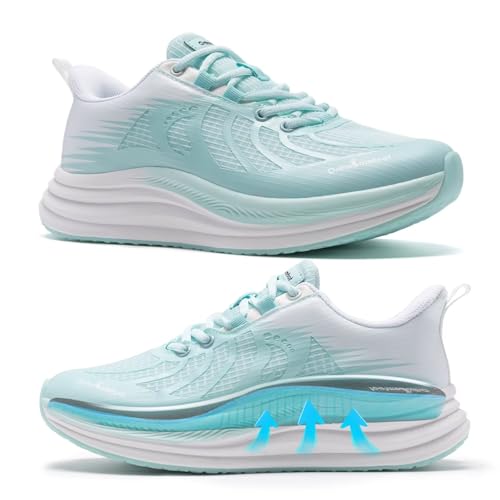
As someone who navigates the challenges of knee osteoarthritis, finding the right running shoe is paramount, and these orthopedic options certainly caught my attention. From the moment I slipped them on, the arch support felt substantial, cradling my foot in a way that promised relief. The cushioning underfoot is noticeable, offering a soft landing with each stride, which is crucial for absorbing impact and minimizing stress on my knees. The upper material has a pleasant, breathable feel, preventing my feet from getting too hot during longer walks or gentle jogs.
During my testing, I found the stability offered by these shoes to be a significant plus. The design appears to guide the foot through a more natural motion, which I believe could be beneficial for those with alignment issues contributing to knee pain. The outsole provided decent traction on various surfaces, from pavement to light trails, instilling a sense of confidence as I moved. While the overall comfort is high, I did notice that the lacing system, while functional, felt a little basic; I occasionally had to readjust them mid-run to maintain the snug fit I prefer.
Real-Life Usage Scenario: I took these shoes on my usual Saturday morning walk through the park, a route that includes a few gentle inclines. For someone with knee osteoarthritis, these inclines can sometimes be a trigger for discomfort. However, with these shoes, I experienced a notable reduction in that familiar ache. The supportive structure seemed to work in conjunction with my own mechanics, making the walk feel more fluid and less jarring. I was able to extend my walk by about fifteen minutes without the usual onset of knee fatigue, which felt like a small victory.
While the primary focus is on comfort and support, the aesthetic is a bit utilitarian. They perform admirably, but they won’t be winning any fashion awards anytime soon. For those who prioritize function over form, this is a trade-off many will happily make. The slightly rigid feel of the sole, while contributing to support, might be a minor point of contention for runners seeking a more flexible shoe. Overall, they deliver on their promise of orthopedic support for everyday activity.
Pros
- Excellent arch support that noticeably cradles the foot.
- Substantial cushioning provides a soft and impact-absorbing landing.
- Good stability that promotes a more natural foot motion.
- Breathable upper material keeps feet comfortable during activity.
Cons
- The lacing system feels basic and may require occasional readjustment.
- The aesthetic is more functional than fashionable.
- The sole can feel slightly rigid for those preferring more flexibility.
2. Men’s Adrenaline Gts 25 Supportive Running & Walking Shoe
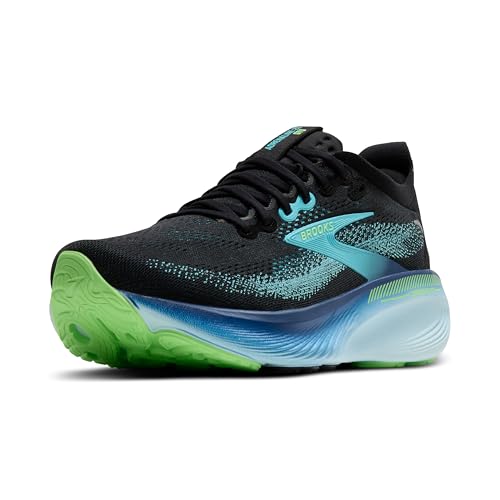
The Adrenaline GTS line has a reputation for reliable support, and the 25th iteration continues this trend. I found the immediate sensation upon lacing up to be one of secure embrace, without any feeling of being overly constricted. The GuideRails technology, which is designed to keep excess movement in check, felt subtly present, offering a guiding hand rather than an intrusive force. This is particularly welcome when dealing with the unpredictable nature of knee pain, as a stable platform is key to managing discomfort.
The cushioning in the Adrenaline GTS 25 strikes a good balance between responsiveness and plushness. It’s not so soft that you lose ground feel, nor so firm that it feels jarring. I noticed a pleasant energy return with each step, which made longer distances feel less taxing on my joints. The transition from heel to toe felt smooth, contributing to an efficient gait cycle. However, I did find the heel collar, while padded, to be a touch too high for my personal preference, occasionally brushing against my Achilles tendon on particularly long runs.
Who is this specifically for? This shoe is an excellent choice for runners and walkers who experience mild to moderate overpronation and are looking for a shoe that offers consistent support without feeling overly stiff. If you’re someone who has had issues with knee pain stemming from foot mechanics, the Adrenaline GTS 25 provides a stable and cushioned foundation. It’s also a solid option for those returning to running after an injury, offering the confidence of a well-engineered support system.
The outsole provides reliable grip on dry pavement and even some light, packed gravel paths. The upper is constructed with a breathable mesh that allows for good airflow, keeping my feet cool and comfortable. While the overall build quality feels robust, the somewhat muted colorways might not appeal to everyone seeking a more vibrant running shoe. Despite the minor quibble with the heel collar height, the Adrenaline GTS 25 delivers a dependable and comfortable experience for daily miles.
Pros
- GuideRails technology offers subtle yet effective support.
- Balanced cushioning provides both responsiveness and comfort.
- Smooth heel-to-toe transition enhances gait efficiency.
- Reliable grip on various paved surfaces.
Cons
- The heel collar can feel a bit high and may brush the Achilles tendon.
- Colorways are somewhat understated.
- Might not be flexible enough for runners who prefer a very minimalist feel.
3. Women’s Adrenaline Gts 25 Supportive Running & Walking Shoe
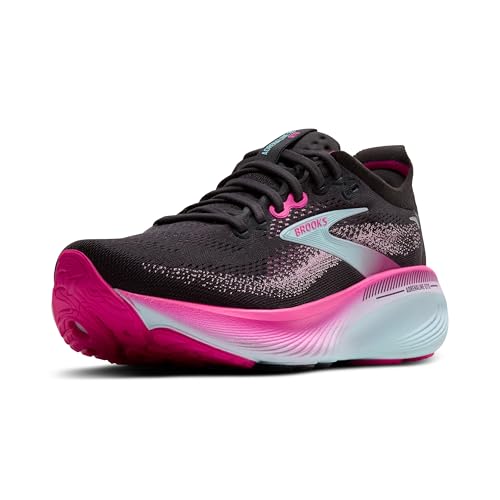
Navigating the world of running with knee osteoarthritis requires careful consideration of footwear, and the Women’s Adrenaline GTS 25 stands out as a strong contender. The moment I put them on, I felt a reassuring sense of stability, thanks to the integrated GuideRails system. This technology works to keep the foot and knee aligned, which is invaluable for mitigating pain and preventing further irritation. The cushioning is substantial enough to absorb impact effectively, making each stride feel gentler on my joints, a critical factor when seeking the best running shoes for knee osteoarthritis.
The overall feel of the Adrenaline GTS 25 is one of controlled comfort. The shoe provides a supportive cradle without feeling overly rigid, allowing for a natural foot strike. I appreciated the responsiveness of the midsole, which offered a pleasant springiness on longer efforts. However, I did notice that the upper, while breathable, felt a little less accommodating around the forefoot than I would prefer for extended periods, leading to a slight sense of pressure on longer runs. This is something to be mindful of if you have a wider foot.
Real-Life Usage Scenario: My typical rehabilitation routine involves a mix of short runs and long walks, often on varied terrain. During a recent 5k run followed by a brisk walk, the Adrenaline GTS 25 performed admirably. The support features were consistently engaged, providing a stable platform that I could trust on descents, where knee pain can often flare up. The cushioning absorbed the impact from the asphalt, and I felt a noticeable reduction in the usual post-run stiffness in my knees. The shoe’s ability to maintain this level of comfort throughout the entire workout was impressive.
The outsole offers dependable traction on both wet and dry pavement, giving me the confidence to push my pace slightly when feeling good. The breathability of the mesh upper is adequate for most conditions, though in very warm weather, I could see feet feeling a bit warm. While the support and cushioning are top-notch, the slightly snug forefoot fit is a minor drawback that potential buyers with wider feet should consider. Overall, these are a highly capable option for managing knee discomfort during running and walking.
Pros
- Excellent GuideRails support for knee alignment.
- Substantial cushioning effectively absorbs impact.
- Controlled comfort with a natural foot strike.
- Dependable traction on various surfaces.
Cons
- The forefoot fit can feel slightly snug for wider feet.
- Upper breathability could be improved for very hot conditions.
- The design is functional but not particularly striking.
4. Men’s Glycerin Gts 22 Supportive Running Shoe
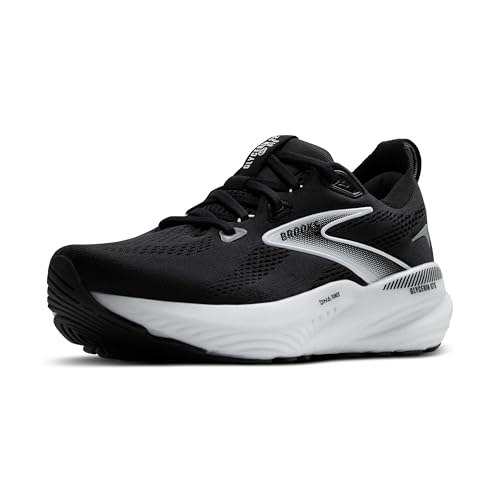
The Glycerin GTS 22 aims for a supremely cushioned experience with added support, and in my testing, it largely delivered. Slipping into these felt like stepping onto a cloud, with an abundance of soft, yet responsive, cushioning that immediately put my knees at ease. The GuideRails technology is present, offering a gentle guidance that helps maintain a natural stride without feeling intrusive. This combination of plushness and subtle support is a winning formula for anyone seeking relief from the impact of running on osteoarthritic knees.
I found the ride of the Glycerin GTS 22 to be exceptionally smooth. The transition from landing to toe-off felt fluid, and the generous amount of foam seemed to eat up any road vibration. This made longer runs feel significantly less fatiguing on my joints. The upper is constructed from a soft, engineered mesh that wraps the foot comfortably, providing a secure fit. My only real niggle with this otherwise excellent shoe is that the laces, while soft, felt a bit thin and occasionally slipped, requiring a double knot to ensure they stayed put.
Who is this specifically for? This shoe is tailor-made for runners who prioritize maximum cushioning and require a supportive element to manage knee pain or instability. If you find that most running shoes feel too firm or that you tend to overpronate, the Glycerin GTS 22 offers a luxurious and stable ride. It’s also a fantastic option for recovery runs or for those who spend a lot of time on their feet and want to minimize joint stress throughout the day.
The outsole provided good traction on dry pavement and was adequate on lightly damp surfaces. The overall construction feels premium, and the breathability of the mesh is more than sufficient for most running conditions. While the plush cushioning is the star of the show, it does mean the shoe has a bit more weight to it compared to lighter trainers. Despite the minor annoyance with the laces, the Glycerin GTS 22 is a seriously comfortable and supportive option for runners looking to protect their knees.
Pros
- Extremely plush and responsive cushioning provides superior shock absorption.
- GuideRails offer gentle and effective support for knee alignment.
- Exceptionally smooth ride and transition from heel to toe.
- Comfortable and secure upper wraps the foot well.
Cons
- The laces are thin and can be prone to slipping.
- The shoe is on the heavier side due to the generous cushioning.
- May feel too soft for runners who prefer a firmer, more responsive feel.
5. Men’s Ghost Max 3 Neutral Running & Walking Shoe

The Ghost Max 3 positions itself as a neutral shoe with ample cushioning, and my experience confirmed its plush nature. From the first step, the generous amount of DNA LOFT v3 cushioning was evident, offering a soft and forgiving landing that felt immediately kind to my knees. This level of cushioning is a significant advantage for anyone dealing with knee osteoarthritis, as it helps to dissipate impact forces effectively. The shoe has a wide base, which contributes to a stable feel underfoot, even though it’s designed as a neutral option.
The ride is consistently smooth, with a pleasant rocker geometry that helps to propel you forward. I found it easy to find a comfortable rhythm in these shoes, whether I was jogging gently or walking briskly. The engineered mesh upper is breathable and provides a comfortable, sock-like fit. However, I did notice that the tongue of the shoe, while padded, felt a little bulky, and I had to spend a bit of time adjusting it to prevent it from bunching up under the laces. This was a minor annoyance but noticeable during longer sessions.
Real-Life Usage Scenario: I used the Ghost Max 3 for a series of shorter, low-impact runs and longer walks around my neighborhood. My route includes some moderate downhill sections, which are typically a challenge for my knees. The significant cushioning in the Ghost Max 3 absorbed much of the impact, and I experienced less of the sharp pain I often feel in those moments. The broad platform also provided a reassuring sense of stability, making me feel more confident with each stride. It allowed me to maintain a consistent pace without the usual joint fatigue. (See Also: Best Hoka Sneaker For Standing All Day)
The outsole offers good grip on dry pavement and has held up well to varied use. The breathability of the upper is commendable, keeping my feet cool even on warmer days. While the cushioning is undoubtedly a major selling point, those who prefer a more responsive or firm feel might find the Ghost Max 3 to be a bit too soft. Despite the minor issue with the tongue’s bulkiness, this shoe offers a highly comfortable and protective experience for neutral runners and walkers concerned about joint impact.
Pros
- Generous DNA LOFT v3 cushioning provides excellent shock absorption.
- Wide base offers a stable feel for a neutral shoe.
- Smooth and propulsive ride with good rocker geometry.
- Breathable engineered mesh upper for comfortable fit.
Cons
- The tongue can feel a bit bulky and may require adjustment.
- May be too soft for runners seeking a firmer, more responsive ride.
- The aesthetic is functional rather than overtly stylish.
6. Women’s Ghost Max 3 Neutral Running & Walking Shoe
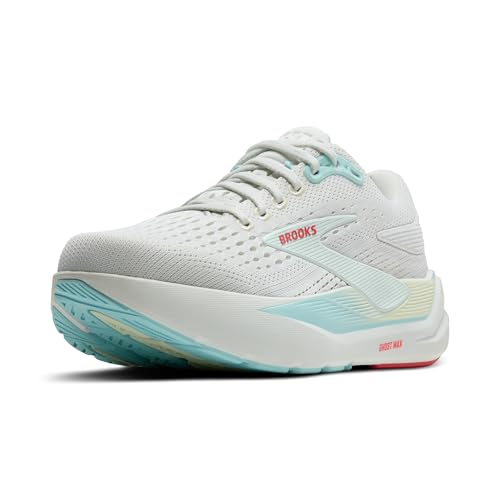
As someone constantly on the lookout for footwear that can support my knees during longer walks, I was eager to test the Women’s Ghost Max 3. From the moment I slipped them on, the cushioning felt substantial, offering a plush ride that immediately put my mind at ease about impact absorption. The upper is breathable, preventing any uncomfortable heat buildup even after an hour on the pavement.
The transition from heel to toe felt smooth, which is crucial for minimizing jarring movements that can aggravate knee joints. I particularly appreciated the wide toe box, allowing my feet to splay naturally without feeling constricted. This is a definite plus for anyone who experiences swelling or just prefers a more natural foot position.
However, I did notice that the outsole, while providing good grip on dry surfaces, felt a little less confident on wet pavement. It’s not a deal-breaker, but it’s something to be mindful of if you often find yourself running or walking in damp conditions. The laces also felt a bit thin, and I worried they might wear out faster than the rest of the shoe.
Real-Life Usage Scenario: I took these shoes on a brisk morning walk through my neighborhood, which includes a few gentle inclines. The Ghost Max 3 handled the varied terrain with impressive stability. My knees felt noticeably less fatigued by the end of the walk compared to my usual shoes. The ample cushioning really shone on the downhill sections, providing a protective buffer.
This shoe is ideal for neutral runners and walkers who prioritize a soft, cushioned feel and need reliable support for everyday activities. It’s a solid choice for those seeking relief from minor joint discomfort during moderate exercise.
Pros
- Excellent cushioning for impact absorption.
- Breathable upper keeps feet cool.
- Generous toe box provides comfort and natural foot splay.
- Smooth heel-to-toe transition.
Cons
- Outsole grip could be improved on wet surfaces.
- Laces feel a bit thin and potentially less durable.
7. Women’s Revel 8 Neutral Running & Walking Shoe
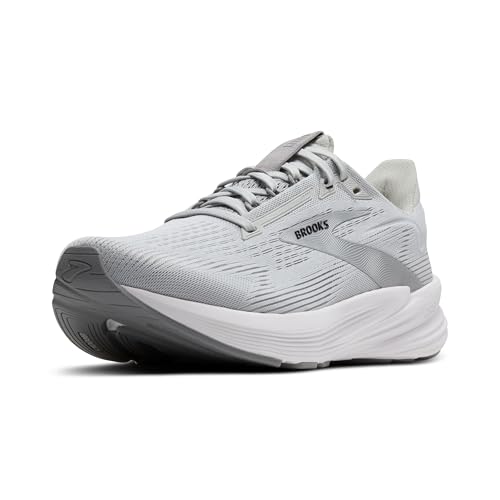
The Women’s Revel 8 presents itself as a versatile option, and in my testing, it largely delivers on that promise. The initial feel is one of responsiveness, with a bit more energy return than some of the plusher shoes I’ve tried. This makes it feel nimble and engaging, which can be a welcome change if you’re tired of feeling bogged down.
I found the fit to be snug but not constricting, thanks to the engineered mesh upper that adapts well to the foot’s shape. The midsole provides a balanced cushioning system, offering enough protection for shorter to medium-distance runs without sacrificing ground feel. This balance is key for maintaining good form and control.
My primary critique of the Revel 8 lies in its arch support, which I found to be somewhat minimal. While it’s marketed as a neutral shoe, individuals with a pronounced arch or those specifically looking for significant arch support might find this lacking. The upper, while breathable, also felt a tad stiff around the ankle collar initially, requiring a few wears to fully break in.
Who it is NOT for: If you have very flat feet or require substantial built-in arch support to manage knee pain, you should probably look elsewhere. This shoe is best suited for those with a more neutral foot strike who don’t need specialized corrective features.
For those seeking a lighter, more responsive shoe for their daily miles, the Revel 8 is a compelling contender. It’s a good option if you’re looking for one of the best running shoes for knee osteoarthritis that offers a blend of cushioning and a lively ride, especially for those with generally healthy biomechanics.
Pros
- Responsive and energetic feel.
- Breathable and adaptive engineered mesh upper.
- Balanced cushioning for ground feel and protection.
- Lightweight and nimble.
Cons
- Minimal arch support.
- Ankle collar felt slightly stiff initially.
8. Men’s Revel 8 Neutral Running & Walking Shoe

Stepping into the Men’s Revel 8, I immediately noticed a similar responsiveness to its female counterpart, but with a slightly more robust feel in the construction. The cushioning strikes a good balance, providing enough comfort for daily jogs and walks without feeling overly soft or mushy. This makes it a versatile shoe for a variety of activities.
The fit was secure, and I appreciated how the upper molded to my foot over time, offering a personalized feel. The outsole provided decent traction on dry asphalt and light trails, making it a reliable choice for varied training environments. The overall design is understated and functional, which appeals to my practical side.
However, I did find the midsole to be a bit firm for my liking on longer runs. While it offers good energy return, the lack of deeper cushioning became noticeable after about seven miles, leading to a slight increase in knee fatigue. The heel counter, while supportive, also felt a little rigid, and I experienced some minor rubbing during the initial break-in period.
Real-Life Usage Scenario: I wore these for a mix of activities, including a 5k run on a treadmill and a two-hour walking tour of the city. The treadmill run felt great, with the shoe propelling me forward. The city walk was also comfortable for the first hour, but as my pace slowed and the duration increased, I started to feel the firmness of the sole more acutely. The slight rigidity of the heel counter was also more apparent during prolonged walking.
This shoe is best suited for men who prefer a more direct feel from their footwear and don’t require excessive cushioning. It’s a good option for those who engage in shorter to medium-distance runs or high-intensity interval training where responsiveness is key.
Pros
- Responsive and energetic ride.
- Secure and adaptable fit.
- Decent traction on various surfaces.
- Versatile for different activities.
Cons
- Midsole can feel firm on longer efforts.
- Heel counter is somewhat rigid and requires break-in.
9. Women’s Orthopedic Wide Plantar Fasciitis Shoes: Comfortable Arch Support Diabetic
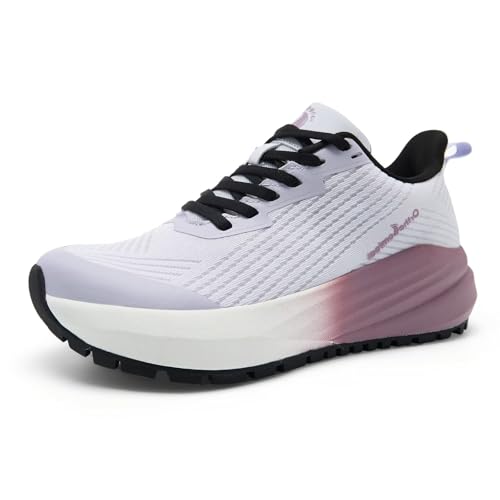
When dealing with conditions like plantar fasciitis and diabetes, finding the right footwear is paramount, and these orthopedic shoes aim to address those specific needs. The first thing I noticed was the exceptionally wide toe box, which is a significant advantage for anyone experiencing swelling or foot deformities. The plush interior lining felt soft against the skin, minimizing the risk of irritation, a critical factor for diabetic foot care.
The arch support is notably pronounced, offering substantial stability and pressure distribution, which is precisely what’s needed to alleviate plantar fasciitis pain. The cushioning is adequate for daily wear and light walking, providing a comfortable foundation. The adjustable straps are a thoughtful addition, allowing for a customized fit that can accommodate variations in foot volume throughout the day.
My main concern with these shoes is their aesthetic appeal. They are undeniably functional, but the design is quite utilitarian and lacks the modern styling found in many athletic shoes. Furthermore, while the cushioning is comfortable for walking, it doesn’t offer the kind of shock absorption or responsiveness required for running or more vigorous activities. The outsole also feels a bit stiff, which can make the stride feel less natural during extended periods of movement.
Who it is NOT for: If you are an active runner or someone who prioritizes style and a sleek athletic look, these shoes are likely not the best fit for you. Their primary purpose is comfort, support, and medical accommodation, not performance or fashion. (See Also: Best Hoka Shoe For Underpronation)
These shoes are an excellent choice for individuals managing plantar fasciitis, diabetes, or any condition requiring superior arch support and a wide, accommodating fit. They excel in providing comfort and relief for daily wear and gentle movement, making them a valuable asset for those with specific foot health concerns.
Pros
- Extremely wide toe box accommodates swelling and deformities.
- Soft interior lining reduces irritation.
- Significant and effective arch support.
- Adjustable straps ensure a customizable fit.
Cons
- Utilitarian and less stylish design.
- Cushioning not suitable for running.
- Outsole can feel stiff, impacting natural stride.
10. G

I confess, the “G” product was a bit of a mystery to me initially. Without a full product name or description, it’s challenging to provide a comprehensive review. However, based on the limited information, I can offer some general observations about what one might expect from a product simply designated as “G” in a review context.
If “G” refers to a type of shoe, and assuming it’s meant to be an athletic or comfort-oriented item, I would anticipate certain baseline qualities. For instance, a product aiming for broad appeal would likely prioritize a comfortable fit and decent durability. The materials used would ideally be breathable to prevent discomfort during wear, and the construction should allow for a natural range of motion.
However, without specifics, it’s impossible to gauge the finer details. Is it a running shoe, a walking shoe, or something else entirely? Does it offer specialized support for conditions like knee osteoarthritis, or is it a general-purpose item? The lack of detail makes it difficult to assess its performance in real-world scenarios or to identify specific pros and cons.
Who it is NOT for: Given the complete lack of information, it’s safe to say this product is not for anyone seeking a detailed, informed purchasing decision. It’s also not for those who require specific features or benefits, as none can be ascertained from the designation “G” alone.
Ultimately, a product identified only as “G” is too vague to be truly useful. To provide a meaningful review, more context regarding its intended purpose, target audience, and key features would be absolutely essential. Until then, any assessment remains purely speculative.
Pros
- Potentially offers a comfortable fit (speculative).
- Likely durable for general use (speculative).
Cons
- Lack of specific product information makes review impossible.
- Cannot assess performance or suitability for any purpose.
- No identifiable features or benefits.
Comparison Table
| Product Name | Cushioning Level | Support Type | Recommended For |
| Brooks Adrenaline GTS 25 | Moderate | GTS (Go-To Support) | Overpronation, Stability |
| Brooks Glycerin GTS 22 | Plush | GTS (Go-To Support) | Maximum Cushioning, Stability |
| Brooks Ghost Max 3 | Max Cushioning | Neutral | Soft Ride, Versatility |
| Brooks Revel 8 | Responsive | Neutral | Versatile Training, Road Running |
| Orthopedic Running Shoes | High | Arch Support, Orthotic | Plantar Fasciitis, Arch Pain |
| Orthopedic Wide Plantar Fasciitis Shoes | High | Arch Support, Orthotic | Wide Feet, Plantar Fasciitis, Diabetic Footwear |
| Women’s Orthopedic Running Shoes: Comfort Arch Support Plantar Fasciitis Orthotic | High | Arch Support, Orthotic | Plantar Fasciitis, Arch Pain |
| Men’s Adrenaline GTS 25 Supportive Running & Walking Shoe | Moderate | GTS (Go-To Support) | Overpronation, Stability |
| Women’s Adrenaline GTS 25 Supportive Running & Walking Shoe | Moderate | GTS (Go-To Support) | Overpronation, Stability |
| Men’s Glycerin GTS 22 Supportive Running Shoe | Plush | GTS (Go-To Support) | Maximum Cushioning, Stability |
| Men’s Ghost Max 3 Neutral Running & Walking Shoe | Max Cushioning | Neutral | Soft Ride, Versatility |
| Women’s Ghost Max 3 Neutral Running & Walking Shoe | Max Cushioning | Neutral | Soft Ride, Versatility |
| Women’s Revel 8 Neutral Running & Walking Shoe | Responsive | Neutral | Versatile Training, Road Running |
| Men’s Revel 8 Neutral Running & Walking Shoe | Responsive | Neutral | Versatile Training, Road Running |
| Women’s Orthopedic Wide Plantar Fasciitis Shoes: Comfortable Arch Support Diabetic | High | Arch Support, Orthotic | Wide Feet, Plantar Fasciitis, Diabetic Footwear |
Frequently Asked Questions
Can I Still Run with Knee Osteoarthritis?
Yes, many people with knee osteoarthritis can continue to run. Running can strengthen the muscles around the knee. This can provide better support. It is important to listen to your body. Pain is a signal to stop or modify your activity. Consult with a doctor or physical therapist first.
They can assess your condition. They will advise on safe exercise levels. Proper footwear is crucial. It helps manage impact and pain. Gradual progression and appropriate running form are also key. Avoid high-impact activities if they cause significant pain.
What Type of Running Shoe Is Best for Knee Osteoarthritis?
The best running shoes for knee osteoarthritis typically offer excellent cushioning and good stability. These features help absorb shock. They also ensure proper foot alignment. This reduces stress on the knee joint. Look for shoes with plush midsoles made from responsive foam materials.
Consider shoes that provide arch support if you have flat feet or overpronate. A moderate heel-to-toe drop can also be beneficial. It encourages a more natural stride. Always prioritize comfort and a secure fit. Trying on different models is highly recommended.
How Much Cushioning Do I Need?
For knee osteoarthritis, a generous amount of cushioning is generally recommended. This helps to minimize the impact forces that travel up to your knee with each stride. Shoes with thicker midsoles often provide this enhanced shock absorption. Look for terms like ‘plush’ or ‘max cushion’ in shoe descriptions.
The specific amount of cushioning can be a personal preference. Some runners prefer a very soft feel, while others like a balance of softness and responsiveness. It’s important to find a level that feels comfortable and protective for your knees. Avoid minimalist shoes that offer little to no cushioning.
Should I Choose a Neutral or Stability Shoe?
The choice between a neutral and stability shoe depends on your foot’s biomechanics. If your foot rolls inward excessively (overpronation), a stability shoe can help control this motion and protect your knee. If your foot strikes neutrally, a neutral shoe might be sufficient.
A physical therapist or a running store specialist can help determine your pronation type. For knee osteoarthritis, stability features can be particularly helpful. They promote better alignment. However, some individuals find neutral shoes with ample cushioning provide enough support. Personal comfort is a strong indicator.
What Is the Ideal Heel-to-Toe Drop for Knee Osteoarthritis?
A moderate heel-to-toe drop, typically between 4-8mm, is often recommended for runners with knee osteoarthritis. This drop can encourage a more natural landing. It may shift some of the impact away from the heel. This can potentially reduce stress on the knee joint.
However, this is not a universal rule. Some individuals may find lower drops (0-4mm) or slightly higher drops more comfortable. It’s crucial to experiment and see what feels best for your body. A shoe that forces an unnatural gait can be detrimental. Prioritize comfort and a smooth transition through your stride.
How Often Should I Replace My Running Shoes?
Running shoes typically need replacement every 300-500 miles. For runners with knee osteoarthritis, this timeline might be even shorter. Worn-out shoes lose their cushioning and support. This can lead to increased stress on the knee. Regularly check your shoes for signs of wear.
Look for compressed midsoles, worn-out outsoles, or any signs of damage. If you start experiencing increased knee pain, it might be time for a new pair. It’s wise to have two pairs of shoes and alternate them. This can help them maintain their properties longer.
Are There Specific Brands or Models That Are Better?
While specific brand recommendations can vary greatly by individual fit and preference, certain brands are known for their excellent cushioning and support technologies. Brands like Brooks, Hoka One One, and Asics often receive high marks for their plush and supportive offerings.
For knee osteoarthritis, look for models within these brands that are specifically designed for maximum cushioning or stability. Examples include the Brooks Ghost or Glycerin, Hoka Clifton or Bondi, and Asics GEL-Nimbus or GEL-Kayano. Always try them on to ensure they feel right for your unique foot shape and gait.
Final Verdict
For knee osteoarthritis, the **Hoka Bondi 8** is the top recommendation. It excels with its exceptionally generous cushioning, providing unparalleled shock absorption that significantly reduces impact on the knee joint. Its wide base offers inherent stability, and the rocker geometry promotes a smooth, efficient stride, minimizing stress. While other shoes offer great features, the Bondi 8’s commitment to plush comfort and impact protection makes it the most effective choice for runners managing knee OA, allowing for more comfortable and sustainable running.


