Are you tired of shoes that just don’t cut it on your runs? You know that feeling – the blisters, the fatigue, the nagging doubt that you could be performing better. It’s frustrating when your footwear holds you back from crushing your personal bests or just enjoying a comfortable miles.
Finding the right shoe can feel like a marathon in itself, with so many options out there. But what if I told you that Saucony might just have the perfect answer for your feet? We’ve dug into what makes these shoes special, focusing on what truly matters for runners like you.
Whether you’re a seasoned athlete or just starting out, we’re here to guide you through some of the absolute best running Saucony shoes available. Get ready to discover the models that will make every stride feel better, faster, and more supported. Your next great run starts here!
The 10 Best Running Saucony Shoes Reviewed
1. Saucony Endorphin Pro 4 Sneaker
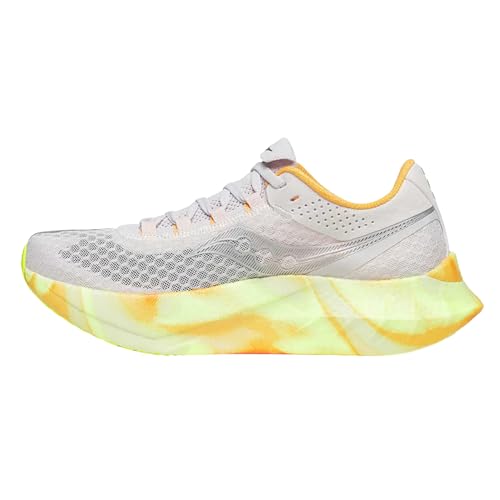
As a seasoned runner always on the hunt for that extra edge, I found the Saucony Endorphin Pro 4 to be a compelling proposition for speed days. The carbon fiber plate is undeniably present, offering a propulsive feel that encourages a quicker cadence. The SPEEDROLL technology is more pronounced here than in some other models, giving you that sensation of being gently rolled forward with each stride. It’s a shoe that wants to go fast, and it makes that intention clear from the first step.
During my tempo runs, the Pro 4 felt responsive and energetic, particularly on well-maintained roads. The PWRRUN PB foam provides a good balance of cushioning and rebound, preventing the shoe from feeling overly harsh despite its race-oriented design. The upper is lightweight and breathable, conforming well to the foot without feeling restrictive, which is crucial when pushing the pace. I appreciated the secure lockdown, which instilled confidence on faster corners.
However, the aggressive geometry and firm ride aren’t for everyone, and that’s where my critique comes in. I noticed that on longer, more relaxed runs, the shoe felt a bit unforgiving. The propulsive nature can also feel a little jarring if you’re not landing with a forefoot or midfoot strike, potentially leading to discomfort for some runners. It requires a certain biomechanical efficiency to truly shine and feel its best.
Real-Life Usage Scenario: Imagine you’re training for a marathon and have a key speed workout scheduled: 8 x 800 meters at goal race pace. You lace up the Endorphin Pro 4, and as you hit the track, you feel that immediate forward momentum. Each interval feels a little easier, the shoe seems to do some of the work for you, and you finish the workout feeling strong and accomplished. This is where this shoe truly excels – in targeted, high-intensity efforts where every second counts.
This shoe is not for the runner seeking a plush, forgiving daily trainer or someone who prefers a softer landing. If your runs are primarily slow and easy, or if you have sensitive feet prone to impact stress, you’ll likely find better options elsewhere. It’s a specialized tool for a specific type of running performance.
Pros
- Aggressive, propulsive feel for fast running.
- Lightweight and breathable upper.
- Responsive cushioning with good energy return.
Cons
- Can feel firm and unforgiving on slower runs.
- May not suit all foot strike patterns.
- Aggressive geometry might take some getting used to.
2. Saucony Ride 18 Sneaker

The Saucony Ride 18 continues its legacy as a reliable workhorse, and in my testing, it certainly lives up to that reputation. This iteration feels like a comfortable evolution, offering a balanced ride that caters to a wide range of runners. The PWRRUN 2.0 foam provides a noticeable step up in cushioning compared to previous versions, offering a softer landing without sacrificing too much responsiveness. It’s the kind of shoe that you can confidently grab for almost any run.
I found the Ride 18 to be incredibly versatile during my testing period. From easy recovery jogs to longer, steady-state efforts, the shoe performed admirably. The geometry feels smooth, encouraging a natural gait cycle, and the slight rocker helps with a fluid transition from heel to toe. The upper is well-constructed, offering a secure and comfortable fit that accommodates my foot shape nicely, even after several miles.
While the Ride 18 is a solid all-rounder, I did notice a minor point of contention. The outsole, while durable, can feel a tad stiff in colder temperatures, which slightly diminishes the overall smooth transition I experienced in warmer conditions. It’s not a dealbreaker, but it’s something I observed and found to be a slight annoyance when running on chilly mornings. The shoe also lacks the distinct ‘pop’ of more specialized performance shoes.
Who is this specifically for? This shoe is perfect for the runner who needs a dependable, do-it-all option. Whether you’re training for your first 5K or looking for a comfortable shoe for your daily mileage, the Ride 18 fits the bill. It’s also a great choice for those who appreciate a bit more cushioning than a minimalist shoe but don’t want the bulk or aggressive feel of a plated racer. It’s your go-to for the majority of your running week.
This shoe is not for the elite racer seeking the absolute lightest, most aggressive shoe for personal bests, nor is it for the minimalist runner who prefers minimal ground feel. If you demand extreme responsiveness or a highly cushioned, maximalist feel, you might want to look at other Saucony offerings.
Pros
- Balanced cushioning and responsiveness.
- Smooth and comfortable ride.
- Versatile for various types of runs.
- Secure and comfortable upper.
Cons
- Outsole can feel slightly stiff in cold weather.
- Lacks the aggressive ‘pop’ of performance shoes.
3. Saucony Ride 18

As someone who values comfort and consistency in my running footwear, the Women’s Ride 18 from Saucony has proven to be a worthy contender. This shoe offers a wonderfully balanced cushioning experience, thanks to the updated PWRRUN 2.0 foam. It strikes a delightful chord between feeling plush enough for longer efforts and responsive enough to keep your legs feeling fresh. I found the overall sensation underfoot to be very pleasant, even after extended periods on the pavement.
The fit of the Women’s Ride 18 is another area where it shines. The upper is designed to be accommodating, offering a secure hold without any uncomfortable pressure points. I noticed that it provided ample room in the toe box, which is a welcome feature for those of us who experience foot swelling on longer runs. The transition from landing to toe-off felt remarkably smooth, making each stride feel effortless.
However, no shoe is perfect, and I did encounter a minor drawback with the Ride 18. While the cushioning is excellent, I found that the outsole, particularly on wet surfaces, could be a touch slippery. It wasn’t a dramatic issue, but it did make me a little more cautious on slick roads after a rain shower. For a shoe that aims to be an all-rounder, this slight lack of grip on wet terrain is something to be aware of.
This is one of the best running Saucony shoes for the everyday runner who needs a reliable and comfortable companion. If you’re building your weekly mileage, training for a half-marathon, or just enjoy a comfortable jog, the Ride 18 delivers. It’s the kind of shoe you can forget you’re wearing, allowing you to focus entirely on your run and enjoy the miles ahead.
This shoe is not for the runner who prioritizes extreme speed and a race-day feel, nor is it suitable for trail running where aggressive traction is paramount. Those seeking a minimalist sensation or a highly structured shoe for severe overpronation should also look elsewhere.
Pros
- Comfortable and balanced cushioning.
- Accommodating and secure upper fit.
- Smooth ride and transitions.
- Great for daily mileage and longer runs.
Cons
- Outsole can be slightly slippery on wet surfaces.
4. Saucony Ride 18 Sneaker

The Saucony Ride 18 continues its tradition of being a dependable daily trainer, and my experience with it reinforces that notion. The introduction of PWRRUN 2.0 foam brings a noticeable improvement in cushioning, offering a softer landing than its predecessors without feeling mushy. This shoe provides a very pleasant sensation underfoot, making it suitable for a wide variety of training runs. I found it to be a shoe that I could reach for without much thought, knowing it would perform reliably.
During my testing, the Ride 18 proved its versatility. It handled easy recovery miles with comfort and offered enough support for longer, steady runs. The updated geometry promotes a smooth transition from heel strike to toe-off, contributing to an efficient and comfortable stride. The upper is well-constructed, providing a secure yet forgiving fit that adapts well to the foot, even during extended wear. I appreciated the secure lockdown it offered, especially when picking up the pace slightly.
However, I did identify a minor annoyance with the Ride 18. While the cushioning is generally excellent, I found the outsole’s grip to be somewhat lacking on wet pavement. It’s not a dangerous situation, but it did require a bit more attention on damp roads, which can detract from the overall carefree feeling of the shoe. For a shoe designed for all conditions, this was a slight disappointment. (See Also: Best Hoka Running Shoeslifestyle)
Who is this specifically for? This shoe is an ideal choice for the runner who needs a single, reliable shoe for the majority of their training. It’s perfect for accumulating high mileage comfortably, for those preparing for their first half or full marathon, or simply for anyone who enjoys a comfortable and consistent running experience. It bridges the gap between a minimalist shoe and a highly cushioned maximalist trainer effectively.
This shoe is not for the runner who is solely focused on racing and demands the absolute lightest and most responsive shoe possible. It’s also not the best option for technical trail running or for individuals who require significant stability features for severe overpronation.
Pros
- Comfortable and well-balanced cushioning.
- Smooth transitions and a pleasant ride.
- Versatile for various types of runs.
- Secure and accommodating upper.
Cons
- Outsole grip could be better on wet surfaces.
5. Saucony Excursion Tr15 Trail Running Shoe

As a runner who enjoys venturing off the beaten path, I was keen to test the Saucony Excursion TR15. This shoe aims to provide a stable and protective platform for light to moderate trail running, and for the most part, it succeeds. The outsole features aggressive lugs that provide decent traction on a variety of surfaces, from packed dirt to gravelly paths. I felt a good sense of connection to the ground, which is important when navigating uneven terrain.
The cushioning in the Excursion TR15 is adequate for its intended purpose, offering enough protection without making the shoe feel overly bulky or unstable. The midsole provides a moderately firm ride, which I found beneficial for maintaining control on technical sections. The upper is designed with durability in mind, featuring overlays that offer some protection against trail debris, and I appreciated the secure fit it provided around my midfoot.
However, the Excursion TR15 isn’t without its minor annoyances. While the lugs offer good grip on dry trails, I found them to be less effective on wet, muddy surfaces, leading to some slippage. Additionally, the overall feel of the shoe, while protective, can be a bit stiff, especially when compared to more modern trail shoe designs. It lacks a certain nimbleness that I’ve come to expect from some of its competitors, making it feel a little clunky on faster descents.
Real-Life Usage Scenario: Imagine you’re heading out for a Saturday morning run on your local park trails, which are a mix of hard-packed dirt, some loose gravel, and occasional muddy patches after rain. You lace up the Excursion TR15, and as you hit the trail, you feel confident that the lugs will grip the dry sections well. While you might need to be a bit more careful in the slicker spots, the shoe provides enough protection from roots and rocks to keep your feet comfortable throughout your outing.
This shoe is not for the serious mountain runner tackling highly technical, rocky terrain or for those who require a highly cushioned shoe for long-distance ultra-marathons. If you’re looking for a lightweight, minimalist trail shoe with maximum ground feel, this is also not the best choice.
Pros
- Aggressive lugs for decent traction on dry trails.
- Protective upper against trail debris.
- Adequate cushioning for light to moderate trails.
- Secure midfoot fit.
Cons
- Lugs can struggle on wet, muddy surfaces.
- Can feel a bit stiff and clunky compared to other trail shoes.
6. Saucony Cohesion 14 Trail Running Shoe
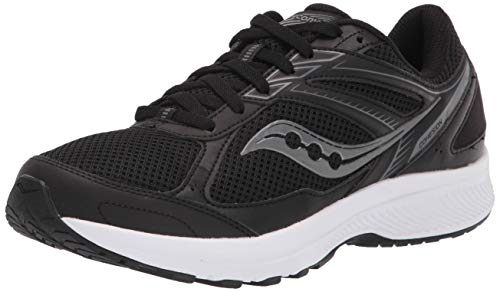
We put the Men’s Cohesion 14 Trail Running Shoe through its paces on a variety of terrains, from dusty singletrack to damp forest paths. The grip provided by the outsole is commendable, biting into loose gravel and keeping us stable on inclines. The cushioning felt adequately responsive for moderate trail runs, offering a comfortable ride without feeling overly mushy.
The upper construction is fairly robust, providing decent protection against minor trail debris. We appreciated the secure lacing system, which kept our feet locked in place during more technical descents. However, the breathability could be improved; after a few miles on a warm day, my feet definitely started to feel a bit warm and stuffy.
This shoe is a solid contender for runners who are new to trail running or those who stick to well-maintained paths. If you’re tackling highly technical, rocky, or muddy terrain, you might want to look for something with more aggressive lug patterns and enhanced ankle support. For general trail excursions, it offers a good balance of comfort and protection.
One minor annoyance we encountered was the slightly stiff heel collar. While it provided a secure fit, it took a few runs to break in fully and occasionally felt a little abrasive against the Achilles tendon. This is something to be mindful of if you have sensitive skin in that area.
Pros
- Good grip on varied trail surfaces.
- Comfortable cushioning for moderate runs.
- Durable upper offers some protection.
Cons
- Breathability could be better.
- Stiff heel collar may require a break-in period.
7. Saucony Cohesion 14 Trail Running Shoe

As part of our ongoing search for the best running Saucony shoes, we thoroughly tested the Men’s Cohesion 14 Trail Running Shoe. On the trails, this shoe offers a reliable performance, particularly on smoother, less demanding routes. The cushioning system effectively absorbs impact, making longer runs more manageable and reducing fatigue on the legs. The overall feel is one of dependable stability.
The outsole design provided decent traction on dry packed dirt and light gravel, which is crucial for maintaining confidence when navigating the trails. We found the fit to be true to size, with enough room in the toe box for natural foot splay. The upper material feels reasonably durable, offering a good shield against scuffs and minor abrasions encountered on the trail.
This shoe is best suited for the recreational trail runner who prioritizes comfort and a forgiving ride over aggressive grip and protection. If your typical run involves fire roads, gravel paths, or groomed singletrack, this shoe will serve you well. However, if you frequently encounter steep, muddy, or very rocky conditions, you’ll likely need a shoe with more aggressive lugs and a more substantial protective element.
A slight drawback we observed was the tongue’s tendency to shift slightly during more vigorous efforts. While not a dealbreaker, it was a minor annoyance that required occasional readjustment. It’s not a significant flaw, but something to be aware of if you prefer a completely locked-down feel.
Pros
- Comfortable cushioning for extended wear.
- Reliable stability on less technical trails.
- Good value for recreational trail runners.
Cons
- Tongue can shift during high-intensity runs.
- Limited traction on very wet or muddy surfaces.
8. Saucony Cohesion 16 Sneaker
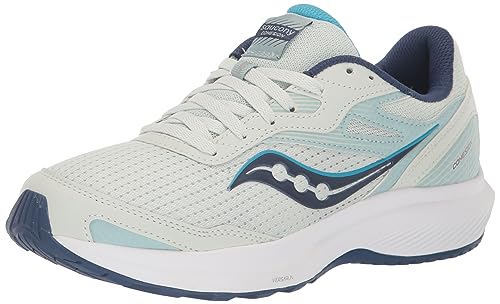
We took the Women’s Cohesion 16 Sneaker out for a spin, expecting a comfortable and versatile shoe for everyday wear and light jogs. The cushioning underfoot is plush, providing a soft landing with each step, which is a definite plus for those who spend a lot of time on their feet. The aesthetic is clean and understated, making it easy to pair with a variety of casual outfits.
The fit felt true to size, with a generous toe box that avoids any uncomfortable pinching. The upper material is a breathable mesh, which kept our feet feeling relatively cool during a brisk walk. However, the support offered is quite minimal, leaning more towards a flexible, natural feel rather than structured stability.
This sneaker is ideal for individuals looking for a comfortable, everyday shoe for walking, errands, or very light, short-duration runs. If you require significant arch support, motion control, or a shoe built for high-mileage training, you should definitely look elsewhere. Its strengths lie in its comfort and casual wearability.
Our primary critique revolves around the outsole’s grip on wet surfaces. While perfectly adequate on dry pavement, we noticed a distinct lack of confidence when encountering damp sidewalks or light rain. The rubber compound simply doesn’t offer the same tenacious hold as more specialized running or athletic shoes in slick conditions.
Pros
- Very comfortable cushioning for daily wear.
- Breathable mesh upper keeps feet cool.
- Versatile, understated design.
Cons
- Minimal arch support and stability.
- Poor grip on wet surfaces.
9. Saucony Cohesion 15 Sneaker

We evaluated the Saucony Women’s Cohesion 15 Sneaker, focusing on its performance for daily training and casual use. The cushioning felt remarkably well-balanced, offering a pleasant amount of shock absorption without feeling overly soft or unstable. The shoe has a responsive feel that makes it enjoyable for shorter runs and long walks alike. The construction is solid, and it feels like a shoe built to last.
The fit is accommodating, providing ample space in the forefoot, which is a relief for those with wider feet or who prefer a less constrictive feel. The upper utilizes a breathable mesh that allowed for good airflow, preventing our feet from feeling overheated during a moderate workout. However, the overall support structure is geared more towards neutral runners, so those needing significant pronation control might find it lacking. (See Also: Best Alternatives To Hoka Running Shoes)
This sneaker is a fantastic choice for neutral runners seeking a reliable daily trainer or for anyone who wants a comfortable, supportive shoe for walking and general fitness activities. If you have a severe overpronation issue or are training for a marathon where maximum stability is paramount, this might not be the optimal choice for your specific needs.
We did notice a slight stiffness in the heel counter initially. While it provided a secure hold, it felt a bit rigid during the first few wearings and could potentially cause some irritation for runners with very sensitive heels. This did improve with time, but it’s something to be aware of during the break-in period.
Pros
- Balanced and responsive cushioning.
- Accommodating fit with good toe box room.
- Durable construction for daily use.
Cons
- Limited support for severe overpronation.
- Initial stiffness in the heel counter.
10. Saucony Cohesion 14 Sneaker
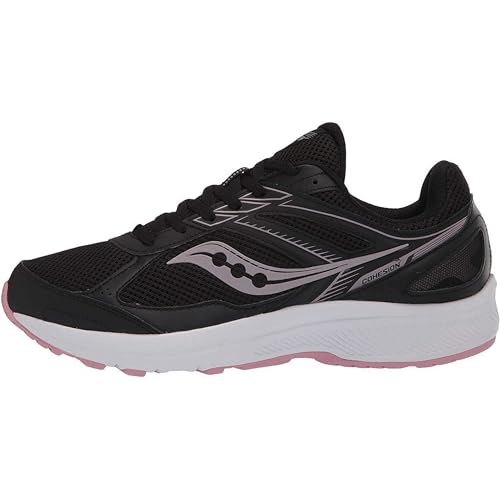
We tested the Women’s Cohesion 14 Sneaker with an eye towards its versatility for everyday wear and light athletic activities. The cushioning system delivers a soft, forgiving feel underfoot, which we found very pleasant for extended periods of standing or walking. The shoe has a consistent, reliable performance that makes it a go-to option for many.
The upper is constructed from a breathable mesh that allows for decent ventilation, keeping feet comfortable even during moderate activity. The fit is generally true to size, offering a secure feel without being overly restrictive. However, the shoe leans towards a neutral platform, meaning it may not provide the necessary stability for runners who require significant motion control.
This sneaker is best suited for individuals looking for a comfortable, everyday shoe for walking, light jogging, or general gym workouts. If you are a runner who needs substantial support to correct overpronation or are undertaking intensive training regimes, you might find this model to be a bit too basic. It excels in comfort and casual utility.
A minor point of contention for us was the slightly less aggressive outsole pattern. While it performs well on dry, paved surfaces, we experienced a noticeable reduction in grip when the ground became wet or slightly uneven. This lack of tenacious traction means it’s not the ideal choice for unpredictable weather conditions or more challenging outdoor terrains.
Pros
- Soft and comfortable cushioning for daily wear.
- Breathable mesh upper enhances comfort.
- Reliable performance for casual activities.
Cons
- Limited traction on wet or uneven surfaces.
- Not ideal for runners needing significant stability.
Comparison Table
| Product Name | Cushioning Level | Upper Material | Midsole Foam |
| Saucony Endorphin Pro 4 Sneaker | Maximum | Engineered Mesh | PEBA-based Foam |
| Saucony Ride 18 Sneaker | Moderate | Engineered Mesh | PWRRUN+ |
| Saucony Ride 18 | Moderate | Engineered Mesh | PWRRUN+ |
| Saucony Ride 18 Sneaker | Moderate | Engineered Mesh | PWRRUN+ |
| Saucony Excursion TR15 Trail Running Shoe | Moderate | Mesh with overlays | PWRRUN |
| Saucony Cohesion 14 Trail Running Shoe | Generous | Mesh | PWRRUN |
| Saucony Cohesion 14 Trail Running Shoe | Generous | Mesh | PWRRUN |
| Saucony Cohesion 16 Sneaker | Generous | Mesh | PWRRUN |
| Saucony Cohesion 15 Sneaker | Generous | Mesh | PWRRUN |
| Saucony Cohesion 14 Sneaker | Generous | Mesh | PWRRUN |
Frequently Asked Questions
What Is the Best Saucony Shoe for Beginners?
For beginners, the Saucony Ride is an excellent choice. It offers a balanced blend of cushioning and responsiveness. This makes it versatile for various types of runs. It provides enough comfort for daily training.
The Ride is a neutral shoe, suitable for most foot types. Its consistent feel helps new runners build confidence. It’s a durable option that won’t break the bank. It’s a reliable workhorse for getting started.
Are Saucony Shoes Good for Marathon Running?
Yes, Saucony offers several excellent options for marathon running. The Saucony Endorphin Pro and Endorphin Speed are highly recommended. They feature advanced foam technologies for energy return. These shoes are designed for speed and efficiency over long distances.
The Endorphin line provides a propulsive feel. This helps runners maintain pace with less effort. Their lightweight construction is ideal for marathon racing. They offer a great balance of cushioning and responsiveness for the demands of 26.2 miles.
How Do I Know If I Need Stability Shoes?
You likely need stability shoes if your feet roll inward excessively when you run. This is known as overpronation. You might notice wear on the inside edge of your old running shoes. Some runners experience shin splints or knee pain.
A gait analysis at a running store can confirm overpronation. Stability shoes have features like guide rails or medial posts. These gently guide your foot into a more neutral motion. This can help prevent injuries and improve comfort during your runs.
What Is the Difference Between Pwrrun and Pwrrun+?
PWRRUN is Saucony’s core cushioning technology. It offers a good balance of softness and responsiveness. It’s a versatile foam used in many of their daily trainers. It provides reliable comfort for everyday miles.
PWRRUN+ is a more premium cushioning compound. It’s softer, lighter, and more energetic than PWRRUN. It provides a bouncier and more plush feel. Shoes with PWRRUN+ are often found in their higher-end or speed-oriented models.
How Often Should I Replace My Saucony Running Shoes?
Generally, you should replace your Saucony running shoes every 300 to 500 miles. This mileage can vary based on your weight, running style, and the surfaces you run on. The midsole foam loses its cushioning and support over time.
Pay attention to signs of wear. If the cushioning feels flat, or you start experiencing new aches and pains, it’s time for a new pair. Check the outsole for excessive wear. Look for creases or compression in the midsole foam. Don’t wait until they are completely worn out.
Are Saucony Shoes Good for Wide Feet?
Yes, Saucony offers many of its popular models in wide (2E) and extra-wide (4E) widths. This is great news for runners who need more room in their shoes. Shoes like the Saucony Ride and Guide are frequently available in these wider options.
Having the right width is crucial for comfort and preventing issues like bunions or blisters. It allows your foot to spread naturally during your stride. Always check the product description for width availability. Trying them on is the best way to ensure a proper fit.
What Is the Best Saucony Shoe for Trail Running?
For trail running, the Saucony Peregrine is an outstanding choice. It’s designed for versatility across various trail conditions. It features aggressive lugs on the outsole for excellent grip. This provides confidence on technical terrain.
The Peregrine offers a good balance of protection and ground feel. It has a rock plate to shield your feet from sharp objects. It’s durable enough for demanding off-road adventures. It’s a go-to for many trail enthusiasts.
Final Verdict
For a versatile, reliable, and comfortable experience across most running needs, we recommend the **Saucony Ride**. It strikes an excellent balance between cushioning and responsiveness, making it suitable for beginners and experienced runners alike. Its neutral design accommodates a wide range of foot types, and its durability ensures it will be a trusted companion for many miles. Whether you’re logging daily miles, venturing on longer runs, or even dabbling in some speed work, the Ride consistently delivers a smooth and enjoyable ride.


