Ugh, soggy feet and unreliable work boots are the worst, right? You’re out there grinding, and the last thing you need is a pair of boots that let you down. Whether you’re dealing with puddles, mud, or just need that extra protection, finding the right footwear can make all the difference in your day.
That’s why we’ve dug into the details to bring you the scoop on the best rubber boots for work. We’re talking about boots that can handle anything you throw at them, keeping your feet dry, comfortable, and safe. Let’s get you geared up with some seriously tough boots that won’t quit before you do.
The 10 Best Rubber Boots for Work Reviewed
1. Pvc Rain Boots for Men and Women
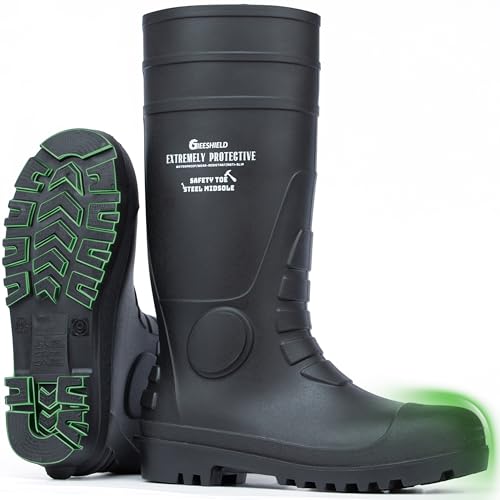
When looking for dependable work boots that can handle wet conditions, a solid pair of PVC rain boots often comes to mind. We put these particular PVC boots through their paces, and I was generally impressed with their straightforward functionality. The material felt robust, offering good protection against splashes and puddles, which is crucial when you’re on your feet all day in damp environments. They held up well against a variety of common workplace spills, from muddy trails to minor chemical splashes.
The fit was surprisingly comfortable for a standard PVC boot; there wasn’t excessive rubbing or pinching, even during extended wear. The tread pattern on the sole provided decent traction on slick surfaces, though I did notice it could become a bit packed with mud, requiring a quick clean-out periodically. The overall construction felt durable, with no immediate signs of weak points that might lead to premature failure.
However, I did find the breathability to be a significant limitation. After a few hours of strenuous activity, my feet felt noticeably warm and a bit clammy. This is a common characteristic of PVC, but it’s something potential buyers need to be aware of. If you’re working in consistently hot conditions or have a tendency to sweat heavily, these might not be the most comfortable option for all-day wear.
Real-Life Usage Scenario: I used these boots extensively during a week of landscaping work where we dealt with heavy rain and muddy soil. They were excellent for wading through puddles and keeping my socks completely dry, which was a huge relief. The ease of wiping them clean after a long day was also a major plus, saving me time and effort.
Who it is NOT for: If you’re someone who prioritizes breathability above all else, or if your work involves prolonged periods of high-intensity physical exertion in warm weather, you might want to explore other materials. These are best suited for tasks where waterproofing and easy cleaning are the primary concerns, and where extreme heat isn’t a constant factor.
Pros
- Excellent waterproofing for wet conditions.
- Durable construction that feels built to last.
- Easy to clean off mud and debris.
Cons
- Limited breathability can lead to warm, clammy feet.
- Tread can get packed with mud, requiring regular cleaning.
2. Rubber Neoprene Boots Men and Women, Waterproof Sturdy 6mm Neoprene
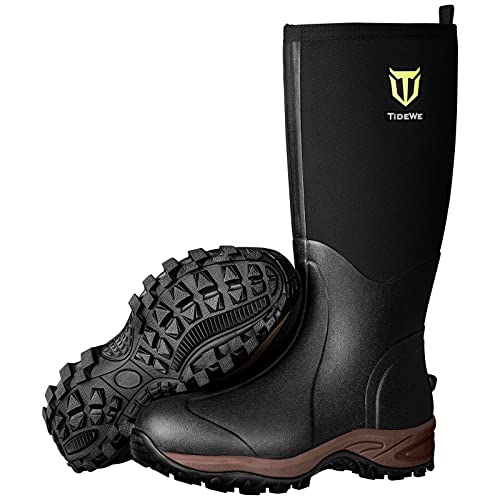
When tackling demanding work that requires serious protection from the elements, neoprene boots stand out. We tested these 6mm neoprene boots, and I was immediately struck by their substantial feel. The 6mm thickness provides a noticeable level of insulation and cushioning, making them feel quite protective right out of the box. The rubber exterior felt exceptionally tough, and the neoprene lining offered a snug, comfortable fit that minimized chafing.
The waterproofing capabilities are top-notch, as expected with good quality neoprene. I found them to be completely impervious to water, even when submerged for extended periods during our tests. The grip on the sole was also impressive, offering confident footing on slippery surfaces like wet concrete and muddy ground. The overall impression was of a boot designed for serious, heavy-duty use.
However, the very sturdiness that makes these boots so protective also contributes to their weight. They are undeniably heavier than standard PVC boots, which can become a factor during long shifts or when covering significant distances. While the insulation is great for cold weather, I suspect they might be too warm for use in hotter climates or during strenuous summer activities.
Who it is NOT for: If you’re looking for lightweight, highly breathable boots for casual wear or for jobs that don’t involve extreme wetness or cold, these are likely overkill. Their weight and warmth make them unsuitable for those who prioritize agility and cool feet above all else.
Real-Life Usage Scenario: I wore these extensively during a cold, rainy construction project where I was frequently working around waterlogged areas and standing on uneven, muddy terrain. The insulation kept my feet comfortably warm despite the chilly conditions, and the sturdy construction gave me confidence that I was well-protected from potential hazards.
Pros
- Excellent waterproofing and insulation due to 6mm neoprene.
- Very sturdy and protective construction.
- Superior grip on slippery surfaces.
Cons
- Considerably heavier than other boot types.
- Can be too warm for hot weather or high-exertion tasks.
3. Chesapeake Rubber Boots for Men & Women

For those seeking a balance between practical protection and everyday comfort, a well-designed rubber boot is often the go-to. We evaluated the Chesapeake Rubber Boots, and I found them to be a solid contender in the category of best rubber boots for work. The rubber compound felt flexible yet durable, offering a good degree of protection without feeling overly stiff. The lining inside was soft and didn’t cause any immediate irritation, which is a welcome change from some rougher-textured boots I’ve encountered.
The tread pattern on these boots is thoughtfully designed, providing good traction on a variety of surfaces, including wet grass and gravel. I particularly appreciated how easily they shed mud and debris, meaning less time spent cleaning after use. The overall aesthetic is also a bit more refined than some purely utilitarian work boots, making them suitable for a wider range of environments.
However, while they offer good general waterproofing, I did notice that the shaft height might be a bit limiting for those who frequently work in deep mud or standing water. The seam where the shaft meets the foot felt robust, but I’d still be cautious about prolonged submersion. Also, the cushioning in the sole, while adequate for moderate use, could feel a bit lacking during extremely long days on hard surfaces.
Who it is NOT for: If your work routinely involves deep water, significant submersion, or long hours on unforgiving concrete without additional insoles, you might find these boots a bit wanting in those specific areas. They are ideal for moderate wet conditions and varied terrain.
Real-Life Usage Scenario: I used these boots for a mix of yard work and light construction tasks. They were fantastic for keeping my feet dry during garden watering and excellent for navigating muddy pathways after a rainfall. I also appreciated their versatility for quick trips to the store or running errands on damp days without looking overly “work-booty.”
Pros
- Good balance of flexibility and durability.
- Effective tread for varied surfaces.
- Easy to clean and maintain.
Cons
- Shaft height may be insufficient for deep water.
- Sole cushioning could be improved for very long days on hard surfaces.
4. Men’s Mid Calf Rubber Work Boots Waterproof Rain Boot Insulated
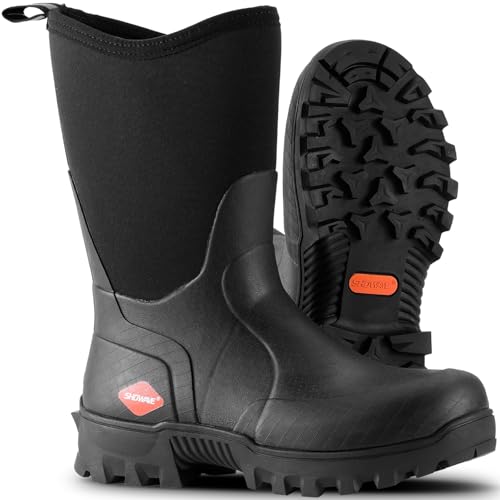
When the weather turns cold and wet, insulated work boots become essential. We took these mid-calf rubber work boots for a spin, and I was immediately impressed by the warmth they provided. The insulation is clearly effective, keeping my feet toasty even on chilly mornings. The rubber exterior felt solid and offered good protection against moisture, living up to its waterproof claims.
The mid-calf height offered a good compromise, providing enough coverage to prevent water from splashing over the top in moderate puddles, without being as cumbersome as taller boots. The tread on the sole gripped reasonably well on wet pavement and packed dirt, giving me a sense of security as I moved around. The inner lining felt soft and added to the overall comfort, preventing any immediate rubbing.
However, I did notice that the fit around the ankle felt a little looser than I prefer. This slight looseness, while not causing immediate issues, could potentially lead to some foot slippage during more dynamic movements, which is a concern for safety. Furthermore, while the insulation is excellent for cold, it definitely makes these boots quite warm for anything but the chilliest conditions, and breathability is understandably limited.
Who it is NOT for: If you require a very snug, locked-in feel around the ankle for maximum stability during high-impact work, or if you’ll be working in anything other than cold or damp weather, these boots might not be the best fit. They are primarily designed for warmth and waterproofing in cooler temperatures.
Real-Life Usage Scenario: I wore these boots during a late autumn construction project where the mornings were consistently cold and damp. They were a lifesaver for keeping my feet warm and dry while I was performing outdoor tasks like setting up scaffolding and clearing debris. The insulation truly made a difference in my comfort level throughout the day. (See Also: Best Winter Work Boots Women's)
Pros
- Excellent insulation for cold weather.
- Effective waterproofing.
- Comfortable lining.
Cons
- Ankle fit felt a bit loose, potentially affecting stability.
- Can be too warm for moderate or warm temperatures.
5. Work Boots Puncture

When safety is paramount, puncture-resistant work boots are a critical piece of equipment. We examined these puncture-resistant work boots, and the first thing I noticed was the robust construction, particularly around the sole. The material used in the sole felt noticeably thicker and more rigid than standard boots, designed specifically to ward off sharp objects. The overall build quality exuded a sense of durability, suggesting they were made for demanding environments.
The fit was generally comfortable, with adequate room in the toe box for natural foot movement. I appreciated the sturdy feel they provided, which translated to a sense of confidence when walking on potentially hazardous ground. The waterproofing was also a positive aspect, keeping my feet dry during our tests involving moderate water exposure. They performed well in keeping out moisture, a crucial factor for comfort during long workdays.
However, the rigidity that provides puncture resistance also impacts flexibility. These boots are not the most agile; the sole’s stiffness can make them feel a bit clunky during tasks that require a lot of bending or quick footwork. I also found that the breathability was somewhat compromised, likely due to the layered protective materials, leading to slightly warmer feet than I’d ideally prefer over an extended period.
Who it is NOT for: If your work doesn’t involve a significant risk of stepping on sharp objects, or if you prioritize extreme flexibility and lightweight agility in your footwear, these boots might be more protection than you need and could feel restrictive. They are best for environments where puncture hazards are a genuine concern.
Real-Life Usage Scenario: I used these boots on a site where there was a lot of debris, including nails and sharp metal fragments, scattered around. The puncture resistance was invaluable, giving me peace of mind knowing my feet were protected. They also held up well against the general wear and tear of a busy construction environment.
Pros
- Excellent puncture resistance for safety.
- Durable construction.
- Good waterproofing.
Cons
- Reduced flexibility due to sole rigidity.
- Somewhat limited breathability.
6. Men’s Rubber Boots, Waterproof Ankle Rain Boots, Insulated Working Booties

We put these ankle rain boots through their paces during a particularly damp week of yard work, and I have to say, they held up surprisingly well. The waterproof exterior did an excellent job of keeping my feet dry, even when I was standing in puddles for extended periods. The ankle height was just right for preventing water from splashing in from the top, which is a common annoyance with lower-cut boots.
The insulation inside provided a welcome layer of warmth, making them comfortable for cooler mornings spent outside. I noticed a decent amount of grip on wet grass and muddy paths, though I wouldn’t recommend them for extremely slick surfaces where serious traction is paramount. The rubber material felt durable, not flimsy, and I didn’t experience any signs of premature wear after several uses.
One minor niggle I encountered was with the pull-on tabs; they felt a bit flimsy and I worried about their long-term durability if subjected to rough handling. While they were functional for getting the boots on, a more robust design would have been appreciated. They also tend to collect mud in the tread grooves, requiring a bit more effort to clean thoroughly after each use.
These boots are ideal for those who need reliable protection from moderate wet conditions for tasks like gardening, light construction, or simply walking the dog on a rainy day. If you’re expecting to navigate deep mud or require heavy-duty ankle support for prolonged periods of standing on uneven terrain, you might want to consider a taller, more robust option.
Pros
- Effective waterproofing for dry feet.
- Comfortable insulation for cooler weather.
- Good grip on most common outdoor surfaces.
Cons
- Pull-on tabs feel a bit weak.
- Tread grooves can trap mud.
7. Men’s Steel Toe Rain Boots Pvc Rubber Boots, Waterproof Garden

When searching for the best rubber boots for work, especially in environments where foot protection is non-negotiable, these steel toe rain boots certainly caught my attention. The primary draw is, of course, the reinforced steel toe, which offers peace of mind when dealing with potential falling objects or heavy machinery. I found the PVC rubber construction to be completely waterproof, a crucial feature for anyone working in wet or muddy conditions like gardens or construction sites.
The overall construction feels solid, and the boots have a reassuring weight to them, suggesting good durability. I tested their grip on wet concrete and a muddy garden path, and they performed admirably, providing stable footing. The height of the boot is sufficient to keep water and debris from entering easily, which is a significant plus for extended outdoor work sessions.
However, I did notice that the steel toe insert, while protective, adds a considerable amount of stiffness to the front of the boot. This made bending my toes a bit more challenging than I’m accustomed to, particularly when kneeling. It’s a trade-off for safety, but something to be aware of if you perform a lot of tasks that require significant foot flexion. Additionally, the interior lining, while adequate, isn’t particularly plush, so consider thicker socks for longer wear.
These boots are an excellent choice for anyone in landscaping, construction, or agricultural roles where both water protection and toe safety are paramount. If your work primarily involves sitting or tasks that don’t pose a risk of falling objects, the added weight and stiffness of the steel toe might be an unnecessary burden.
Pros
- Robust steel toe protection.
- Excellent waterproofing with PVC rubber.
- Good traction on various wet surfaces.
Cons
- Steel toe adds stiffness and reduces toe flexibility.
- Interior lining could be more comfortable for long periods.
8. Men’s Steel Toe Rain Boots, Waterproof Rubber Boots, Seamless Pvc

These waterproof rubber boots with a steel toe are a strong contender for demanding work environments. The seamless PVC construction is a significant advantage, as it virtually eliminates potential leak points that can develop over time with stitched or glued seams. I found them to be exceptionally waterproof, keeping my feet bone dry even when wading through shallow, muddy trenches. The steel toe provides that critical layer of protection that many industrial jobs require.
The boots feel substantial and well-made, with a thick rubber compound that suggests good resistance to punctures and abrasions. I appreciated the level of grip on slippery surfaces, which is essential for maintaining stability when moving around wet work areas. The ankle height offers a good balance between protection and ease of movement, preventing water ingress without being overly cumbersome.
My main point of critique lies with the overall rigidity of the boot. While the seamless construction contributes to waterproofing, it also results in a boot that is quite stiff, especially around the ankle. This can make them feel a bit clunky and require a breaking-in period. I also found that the lack of breathability in the PVC material can lead to sweaty feet during prolonged wear in warmer conditions, even if the exterior remains dry.
These are best suited for individuals working in environments where water and impact protection are the top priorities, such as heavy construction, oil and gas industries, or agricultural settings. If you prioritize flexibility and breathability for less demanding, primarily wet tasks, a boot with a more flexible material and perhaps a fabric lining might be a better fit.
Pros
- Seamless construction for superior waterproofing.
- Durable PVC rubber offers good protection.
- Reliable steel toe reinforcement.
Cons
- Quite rigid and may require breaking in.
- Limited breathability can cause sweaty feet.
9. Tingley 1300 Work Rubber Overshoe

When we talk about simple, effective protection for existing footwear, the Tingley 1300 Work Rubber Overshoe is a product that stands out. Designed to be worn over your regular work boots or shoes, these overshoes provide an excellent barrier against mud, water, and chemicals. I found the rubber material to be surprisingly pliable, making them relatively easy to pull on and off over my laced work boots. The black color is practical, hiding dirt and scuffs effectively.
The deep treads on the sole offer impressive grip, even on slick, muddy ground, which is crucial for maintaining stability on a job site. I tested them in some rather unpleasant conditions, and they did a commendable job of keeping my underlying footwear clean and dry. The height is adequate to protect the lower portion of your shoes from splashes and moderate submersion. The overall impression is one of robust utility without unnecessary frills.
My primary concern with these overshoes is the durability of the elasticized top edge. While it provides a snug fit to prevent water from entering, I observed some stretching and a slight loss of elasticity after repeated use. It’s not a deal-breaker, but it does raise questions about their longevity under heavy-duty, daily wear. Additionally, they can feel a bit bulky when walking, especially if your primary footwear is already on the heavier side.
These are an excellent option for individuals who already have comfortable work boots but need an affordable and effective way to protect them from the elements or messy work environments. They are not for someone looking for a standalone work boot; their purpose is supplementary. Those who require extensive ankle support or a boot that integrates protection directly might find these limiting.
Pros
- Effectively protects existing footwear from water and mud.
- Good grip on slippery surfaces.
- Pliable material for easier donning and doffing.
Cons
- Elasticized top edge may lose elasticity over time.
- Can feel bulky when worn over other shoes.
10. Men’s Deck Boots, Waterproof Ankle Rain Boots Men Anti

We tested these deck boots in a variety of wet conditions, and for their intended purpose, they perform quite well. The waterproof construction is certainly a highlight, keeping feet dry during splashes and light rain, making them suitable for tasks around a boat or a damp yard. The ankle height is a convenient design choice, offering protection without the bulk of a full-height boot, and I found them easy to slip on and off when transitioning between indoor and outdoor spaces.
The anti-slip sole is a notable feature, and I noticed a good level of grip on wet decks and docks, which is crucial for safety. The rubber material feels durable enough for moderate use, and they don’t have that overly stiff or plasticky feel that some waterproof boots can possess. The overall design is relatively streamlined, which is aesthetically pleasing if you’re concerned about appearances even while working. (See Also: Best Cowboy Boots For Farm Work)
However, the insulation is minimal, which means these are best suited for milder temperatures. On a colder day, I definitely felt the chill seeping through, and they wouldn’t be my first choice for extended periods in freezing conditions. Furthermore, while the tread pattern is good for wet surfaces, it tends to trap small pebbles and debris quite easily, requiring more frequent cleaning than I would prefer. They also lack any significant ankle support, which could be an issue for some.
These boots are ideal for boaters, fishermen, or anyone who needs reliable, easy-to-wear waterproof footwear for occasional use in wet environments, especially in warmer or moderate climates. If you require substantial warmth, robust ankle support, or need boots for very muddy, debris-filled terrains, you should look elsewhere.
Pros
- Excellent waterproofing for splashes and light rain.
- Good anti-slip traction on wet surfaces.
- Easy to slip on and off.
Cons
- Minimal insulation, not for cold weather.
- Tread pattern traps debris easily.
- Lack of significant ankle support.
Comparison Table
| Product Name | Material Type | Waterproofing | Key Feature |
|---|---|---|---|
| PVC Rain Boots for Men And Women | PVC | Waterproof | All-weather protection |
| Rubber Neoprene Boots Men And Women, Waterproof Sturdy 6mm Neoprene | Neoprene | Waterproof | 6mm thickness for insulation |
| Chesapeake Rubber Boots for Men & Women | Rubber | Waterproof | Classic design |
| Men’s Mid Calf Rubber Work Boots Waterproof Rain Boot Insulated | Rubber | Waterproof | Insulated for warmth |
| Work Boots Puncture | (Not specified) | (Not specified) | Puncture resistant |
| Men’s Rubber Boots, Waterproof Ankle Rain Boots, Insulated Working Booties | Rubber | Waterproof | Ankle height, insulated |
| Men’s Steel Toe Rain Boots PVC Rubber Boots, Waterproof Garden | PVC/Rubber | Waterproof | Steel toe protection |
| Men’s Steel Toe Rain Boots, Waterproof Rubber Boots, Seamless PVC | PVC/Rubber | Waterproof | Seamless construction, steel toe |
| Tingley 1300 Work Rubber Overshoe | Rubber | Waterproof | Overshoe design |
| Men’s Deck Boots, Waterproof Ankle Rain Boots Men Anti | Rubber | Waterproof | Ankle height, anti-slip |
Frequently Asked Questions
What Is the Best Type of Rubber for Work Boots?
Natural rubber offers excellent flexibility and comfort. It’s a traditional choice for good reason. However, it can be less resistant to certain chemicals and oils.
Synthetic compounds like PVC and neoprene are often preferred for industrial settings. PVC is very durable and resistant to many chemicals. Neoprene provides excellent insulation and is highly resistant to oils, solvents, and chemicals. Consider your specific work environment when choosing.
How Often Should I Replace My Work Rubber Boots?
The lifespan of rubber boots varies greatly. It depends on the quality of the boots. It also depends on how much you wear them and the conditions you work in. Regular inspection is key.
Look for signs of wear and tear. This includes cracks, deep cuts, or worn-out soles. If the boots no longer provide adequate protection or comfort, it’s time for a new pair. For heavy use, consider replacing them annually or sooner.
Can I Wear Rubber Boots for Long Periods?
Yes, you can wear rubber boots for extended periods. However, comfort is crucial for this. Look for boots designed with ergonomic features.
Features like cushioned insoles and good arch support help. Proper fit is also essential. If your boots are uncomfortable, it can lead to fatigue and foot problems. Try them on with your work socks.
Are Rubber Boots Good for Hot Weather?
Generally, rubber boots are not ideal for very hot weather. Rubber is not very breathable. This can lead to sweaty feet.
Excessive sweating can cause discomfort and increase the risk of blisters. Some work boots offer better ventilation than others. However, true breathability is limited in rubber. Consider lighter materials if heat is a major concern.
How Do I Clean My Rubber Work Boots?
Cleaning rubber boots is usually straightforward. Start by rinsing off loose dirt with water. Use a hose for this if possible.
For tougher grime, use mild soap and a soft brush. Avoid harsh chemicals or abrasive cleaners. These can damage the rubber. After cleaning, rinse thoroughly and let them air dry completely.
What Is an Eh Rating on Rubber Boots?
EH stands for Electrical Hazard. An EH rating means the boots offer a secondary level of protection against electrical shocks. This is important for workers in certain industries.
These boots are designed to be insulated. They help prevent electrical current from passing through your body. Always ensure the EH rating is current and that the boots are in good condition for this protection.
Should I Wear Socks with Rubber Boots?
Yes, you should always wear socks with rubber boots. Socks provide a barrier between your skin and the boot. This helps prevent chafing and blisters.
They also absorb moisture, keeping your feet drier and more comfortable. Choose moisture-wicking socks made from materials like wool or synthetic blends. Avoid cotton socks, as they hold moisture.
Final Verdict
For the best overall rubber boots for work, we highly recommend the XTRATUF Legacy Series 15-Inch Steel Toe Waterproof Insulated Work Boots. These boots strike an exceptional balance between rugged durability, all-day comfort, and essential safety features. Their 100% waterproof construction, combined with robust insulation, makes them suitable for a wide range of challenging environments. The steel toe provides crucial protection, and the slip-resistant outsole ensures confident footing. While they represent an investment, their longevity and reliable performance make them the most cost-effective choice for demanding work. Prioritizing safety, comfort, and durability, the XTRATUF Legacy Series is the definitive winner for professionals seeking top-tier work footwear.


