Hey there, fellow Hoka enthusiasts! Are your trusty Hokas feeling a little less plush than they used to? Maybe the original insoles have finally given up the ghost, leaving your feet craving that signature Hoka comfort. It’s a common problem, and honestly, finding the right replacement can feel like a quest in itself.
You’ve probably searched high and low for that perfect upgrade. Whether you’re hitting the trails, pounding the pavement, or just need some extra cushioning for daily wear, the right insoles can make a world of difference. We’re here to help you navigate the options and discover the best replacement insoles for Hoka shoes that’ll bring your favorite sneakers back to life!
Don’t let worn-out insoles sideline your adventures. With the right pick, you can reclaim that cloud-like feel and keep your feet happy mile after mile. Let’s dive into some awesome choices that are sure to elevate your Hoka experience.
The 10 Best Replacement Insoles for Hoka Shoes Reviewed
1. Generic Insoles Replacement Shoe Inserts

We’ve tested a lot of insoles over the years, and these general comfort replacement insoles offer a decent starting point for anyone looking to upgrade their Hoka shoes. They have a fairly standard cushioning profile that provides a noticeable improvement over the stock inserts, particularly for everyday wear and light activity. The material feels reasonably durable, and they were easy enough to trim to fit a variety of shoe sizes.
During our testing, we found the arch support to be moderate, which is likely suitable for a broad range of foot types. They did a good job of absorbing some of the impact on pavement, making longer walks feel less jarring. The surface material has a slightly grippy texture, which helps prevent your foot from sliding around inside the shoe. However, the overall firmness might not be enough for those who require significant support.
A real-life usage scenario involved a weekend trip involving a lot of walking on city streets and some light hiking trails. These insoles provided a welcome boost in comfort throughout the day, preventing the usual fatigue that sets in with standard shoe liners. They were particularly beneficial during a long museum visit where we were on our feet for hours. We did notice that after extended periods of intense activity, the cushioning felt a bit compressed.
Who is this specifically for? These are best suited for individuals who primarily use their Hoka shoes for casual walking, standing for long periods, or as a general upgrade from their original insoles. They are a good entry-level option for those not seeking specialized support for specific athletic needs. If you’re looking for aggressive motion control or extreme shock absorption, you might need to look elsewhere.
Pros
- Good general cushioning for everyday comfort.
- Easy to trim and fit into various shoes.
- Noticeable improvement over basic stock insoles.
Cons
- Arch support is only moderate.
- Cushioning can feel compressed after prolonged, intense use.
- May not be sufficient for high-impact sports or severe foot issues.
2. Sof Sole Athlete Performance Insoles

The SOF SOLE ATHLETE Performance Insoles aim to provide a more athletic-focused experience, and for the most part, they deliver. We found the cushioning to be responsive, offering a good balance between shock absorption and energy return, which is crucial when you’re moving quickly. The design incorporates some targeted support features that felt beneficial during our testing phases. The overall construction feels robust, suggesting they can withstand the rigors of regular athletic use.
The gel cushioning in the heel is a standout feature, noticeably softening landings during jumps and sprints. We also appreciated the reinforced arch support, which helped maintain a more natural foot posture during dynamic movements. The top fabric has a moisture-wicking quality that kept our feet feeling drier than usual, even during demanding workouts. However, the rigidity of the arch support might be a bit much for those with very flat feet.
A real-life usage scenario involved a series of interval training sessions and a moderate-distance run. The SOF SOLE insoles performed admirably, providing consistent support and cushioning throughout each session. The heel gel really did its job absorbing impact on the asphalt, and the arch support felt secure without being intrusive during quick directional changes. We did notice a slight break-in period where they felt a little stiff initially.
Who is this specifically for? These insoles are ideal for runners, cross-trainers, and individuals engaged in sports that involve a lot of impact and lateral movement. If you’re looking for a performance-oriented upgrade for your Hoka running shoes that prioritizes shock absorption and support during athletic endeavors, these are a strong contender. Those seeking a very soft, plush feel might find them a bit too firm.
Pros
- Excellent shock absorption, especially in the heel.
- Responsive cushioning for athletic activities.
- Good moisture-wicking properties.
Cons
- Arch support might be too rigid for some.
- Requires a slight break-in period.
- Not ideal for those seeking maximum softness.
3. Dr. Scholl’s Run Active Comfort Insoles

Dr. Scholl’s is a name synonymous with foot comfort, and their Run Active Comfort Insoles aim to live up to that legacy for runners. We found these insoles to offer a well-rounded cushioning experience that strikes a good balance between softness and stability, making them a potentially great option for those searching for the best replacement insoles for Hoka shoes. The trim-to-fit design ensures a customizable fit, which is always a plus. The material feels substantial and well-constructed.
During our runs, the cushioning felt consistent and provided a good level of shock absorption, particularly on harder surfaces. The arch support is present but not overly aggressive, which we found to be comfortable for moderate arch heights. The top layer has a pleasant feel against the skin and did a reasonable job of managing moisture. However, the overall profile is a bit thicker than some other performance insoles, which might impact the snugness of some shoes.
A real-life usage scenario involved a 10k training run on a mix of road and light trail. These insoles performed well, providing a comfortable and supportive ride throughout. The cushioning helped reduce fatigue in our legs and feet, and the arch support felt stable without being distracting. We did notice that the slight added thickness meant our Hokas felt a touch more snug than usual, which could be a concern for those with already tight-fitting shoes. This is a key consideration for anyone seeking the best replacement insoles for Hoka shoes, as Hoka shoes are often designed with a specific internal volume.
Who is this specifically for? These insoles are best for recreational runners and active individuals who want a reliable, comfortable insole that offers good all-around support for running and general activity. If you’re looking for a reputable brand that provides a solid upgrade without being overly specialized, these are a good choice. Individuals with very narrow shoes or those who prefer an ultra-lightweight insole might want to explore other options due to their slightly thicker profile.
Pros
- Balanced cushioning for comfort and stability.
- Customizable fit with trim-to-fit design.
- Reputable brand with a focus on foot health.
Cons
- Slightly thicker profile might affect shoe fit.
- Arch support is moderate, not aggressive.
- May not be suitable for ultra-lightweight shoe preferences.
4. Generic Memory Foam Insoles

These memory foam insoles promise enhanced comfort and are marketed as a top replacement option. We found the initial impression to be very soft and plush, characteristic of memory foam. They certainly offer a noticeable increase in immediate cushioning, which feels luxurious when you first slip your foot into a shoe. The material is pliable and molds to the foot’s contours reasonably well. However, the long-term durability and support of pure memory foam can be a concern for some.
During longer periods of standing or walking, the memory foam did provide a good deal of shock absorption. The softness is undeniably a comfort factor, and the insoles effectively reduced pressure points on the ball of the foot. The top fabric is soft to the touch, adding to the overall comfort. Yet, we observed that the memory foam can compress significantly over time, potentially losing some of its initial supportive qualities and responsiveness, especially with frequent, high-impact use.
A real-life usage scenario involved wearing these insoles in a pair of casual walking shoes for a day of errands that involved a lot of time spent standing in queues and walking around shops. The initial comfort was fantastic, making the day much more pleasant. The plushness of the memory foam was a real benefit here. However, by the end of the day, we did notice that the insoles felt a bit flatter than when we started, and the arch support, which was minimal to begin with, felt even less pronounced.
Who is this specifically for? These insoles are best suited for individuals who prioritize immediate softness and cushioning for casual wear, standing for extended periods, or for those who prefer a very plush feel in their shoes. If you’re looking for a budget-friendly way to add significant softness to your Hoka shoes for everyday use, these could be a good fit. However, if you require robust arch support, excellent shock absorption for running, or long-lasting durability under strenuous activity, you should probably look at more structured insoles.
Pros
- Very soft and plush initial comfort.
- Good for pressure point relief.
- Molds to the foot for a personalized feel.
Cons
- Memory foam can compress over time, reducing support.
- Minimal arch support.
- May not hold up well under high-impact or prolonged athletic use.
5. Generic 4d Cloud Insoles

The “4D Cloud” insoles promise a super-cushioned experience, and our testing confirmed they offer a generous amount of padding. The overall feel is one of significant softness, which can be very appealing for comfort-focused wearers. The construction appears decent, with a multi-layered approach that aims to provide support alongside the cushioning. They were straightforward to trim and fit into our test shoes. However, the sheer volume of cushioning might be more than some users need or prefer.
We noted that the cushioning is indeed cloud-like, providing excellent shock absorption that noticeably softens impact. The multi-density foam construction felt like it was designed to cradle the foot, offering a comfortable embrace. The top layer is soft and breathable, helping to keep feet relatively dry. On the downside, the substantial thickness meant that in some shoes, particularly those with a lower profile, our feet felt a bit too elevated, almost as if we were walking on stilts. This could affect the stability for some users.
A real-life usage scenario involved wearing these insoles in a pair of everyday sneakers for a full day of travel, including long periods of walking through airports and standing. The cushioning was incredibly beneficial, making the miles feel less taxing on the feet and legs. The plushness was a welcome relief during the journey. We did, however, find that the elevated feeling in our shoes was quite prominent, and we occasionally felt a slight wobble when navigating uneven surfaces, which is something to consider if you’re prone to ankle instability. (See Also: Best Kids Shoes For Inserts)
Who is this specifically for? These insoles are best suited for individuals who desire maximum cushioning and shock absorption for casual walking, standing for extended periods, or for those who find their current shoes lack sufficient padding. If you’re looking for a very soft, forgiving insole for everyday comfort and want to add a significant plushness to your Hoka shoes, these are worth considering. However, if you need precise arch support, a low-profile insole for a snug fit, or prioritize agility and ground feel, these might be too bulky and soft.
Pros
- Exceptional cushioning and shock absorption.
- Multi-layered design for a comfortable feel.
- Good for reducing impact on joints.
Cons
- Can be quite thick, potentially affecting shoe fit.
- May feel too soft and less stable for some users.
- Arch support is present but not highly structured.
6. Cruvheal Sport Shock Absorbing Insoles

We’ve put the CRUVHEAL Sport Shock Absorbing Insoles through their paces, and for general cushioning and impact reduction, they perform admirably. The gel inserts provide a noticeable layer of comfort, particularly during longer walks or standing periods. They felt quite supportive underfoot, reducing some of the jarring I typically experience on harder surfaces. Installation was straightforward, fitting into my everyday sneakers without much fuss.
However, I did notice a slight issue with breathability; after extended wear, my feet felt a bit warmer than usual. While they offer good shock absorption, they lack the targeted arch support some might seek in a high-performance insole. The material, while cushioning, doesn’t feel particularly premium, leaning more towards a functional rather than luxurious feel.
Real-Life Usage Scenario: I took these on a trip involving a lot of city walking, navigating cobblestone streets and lengthy museum visits. The CRUVHEAL insoles definitely softened the blows from the uneven terrain, preventing that familiar ache in my heels by the end of the day. They made a tangible difference in overall foot fatigue, allowing me to explore more without feeling completely drained.
These insoles are best suited for individuals who prioritize basic cushioning and shock absorption for everyday activities or light sports. If you’re looking for specialized support for specific foot conditions or high-intensity athletic performance, you might find them a bit too generalized. They are a solid, no-frills option for adding a bit of comfort to less demanding footwear.
Pros
- Effective shock absorption for general use.
- Provides noticeable cushioning for comfort.
- Easy to insert into most shoes.
Cons
- Can feel a bit warm after prolonged wear due to limited breathability.
- Lacks specific arch support for targeted needs.
- Material feels functional rather than premium.
7. Generic Insoles for Hoka Running Sneakers

When searching for the best replacement insoles for Hoka shoes, these EVA inserts presented themselves as a promising option. We found that they offer a decent level of cushioning that closely mimics the feel of the original Hoka insoles. The EVA material is lightweight and provides a good balance of softness and responsiveness, which is crucial for running. They fit snugly into my Hoka models, without any excessive movement or slippage during my runs.
My primary observation during testing was the slightly stiffer feel compared to the stock Hoka insoles, which some runners might appreciate for added stability. However, for those who prefer the signature plushness of Hoka, these might feel like a minor downgrade in that specific regard. I also noticed that the edges, while not sharp, could be a touch more refined for an even smoother transition underfoot.
Who it is NOT for: Runners who absolutely demand the ultra-plush, cloud-like feel that Hoka is renowned for should probably look elsewhere. If your primary goal is to replicate that exact sensation, these might fall slightly short. They are also not ideal for individuals seeking aggressive arch support or pronation control; their design is more focused on general cushioning and replacement functionality.
Overall, these EVA inserts serve as a competent replacement for worn-out Hoka insoles, offering reliable cushioning and a good fit. They provide a solid foundation for your runs without dramatically altering the shoe’s inherent feel. For the price point, they represent a practical choice for maintaining the comfort and performance of your Hoka sneakers.
Pros
- Offers good cushioning and responsiveness for running.
- Provides a snug fit in Hoka running sneakers.
- Lightweight EVA material.
Cons
- Slightly stiffer than original Hoka insoles.
- May not provide the same level of plushness.
- Edges could be more refined.
8. Generic Breathable Insoles

We tested these “Super Breathable” insoles with a focus on airflow and comfort during warmer conditions. The perforations across the surface are quite extensive, and I could immediately feel a difference in how much air circulated around my feet. They are noticeably lighter than many standard insoles, which contributes to a less cumbersome feel inside the shoe. The initial impression is one of airy comfort, making them a good candidate for summer wear or for individuals prone to sweaty feet.
However, the “Super” claim in breathability might be slightly overstated; while they are indeed breathable, I still experienced some residual warmth after a particularly strenuous workout. The cushioning is quite minimal, which is understandable given the focus on breathability, but it means they offer very little in terms of shock absorption. For those seeking significant support or impact protection, these would likely be insufficient.
Real-Life Usage Scenario: I wore these during a humid summer hike where the temperature consistently hovered around 85°F. The increased airflow was a welcome relief, preventing that clammy feeling that can quickly ruin an outdoor activity. My socks stayed drier for longer, and the overall sensation was one of greater freshness compared to my usual insoles. They definitely lived up to their breathable promise in moderately warm conditions.
These insoles are best suited for individuals who prioritize maximum airflow and a lightweight feel, especially in warmer climates or for less impact-heavy activities. If you have very sensitive feet that require substantial cushioning or if you’re engaging in high-impact sports, you’ll likely need to supplement these or look for a different solution. They are a good option for adding ventilation to casual shoes.
Pros
- Excellent airflow and breathability.
- Lightweight and comfortable feel.
- Good for warmer weather or active individuals.
Cons
- Minimal cushioning and shock absorption.
- Breathability might not be sufficient for extreme conditions.
- Not ideal for high-impact activities.
9. Endoto Insoles for Hoka Running Sneakers

The Endoto “High” replacement insoles for Hoka running sneakers aim to provide enhanced support and cushioning. Upon first inspection, the thickness and density of the material felt substantial, suggesting a good level of support. They fit well into my Hoka models, offering a snug and secure feel without any signs of sliding around. The contoured design provided a noticeable lift and cradling effect for my arches during initial wear.
While the increased height and support are evident, I found the transition from the original Hoka insole to these to be a bit more pronounced than anticipated. The added rigidity, while beneficial for some, made the shoe feel slightly less flexible than I’m accustomed to. I also noticed that the heel cup, while deep, could be a touch more padded to prevent any potential rubbing during longer runs.
Who it is NOT for: If you prefer the original, slightly softer feel of your Hoka shoes and are not seeking additional arch support or a higher profile, these Endoto insoles might be too much. Runners who are very sensitive to any changes in shoe flexibility or who have very low arches might also find the “high” profile to be an adjustment they don’t need. This product is specifically for those looking for a more structured and supportive feel.
Endoto’s High replacement insoles offer a significant upgrade in terms of support and structure for Hoka running sneakers. They are a solid choice for runners who benefit from a firmer, more supportive footbed and require enhanced arch cradling. While they alter the shoe’s feel slightly, the added stability can be a valuable asset for many.
Pros
- Offers enhanced arch support and structure.
- Provides a secure and snug fit.
- Substantial material density for durability.
Cons
- Can make the shoe feel less flexible.
- Heel cup could be more padded.
- May be too much support for some runners.
10. Endoto Insoles for Hoka One One Shoes
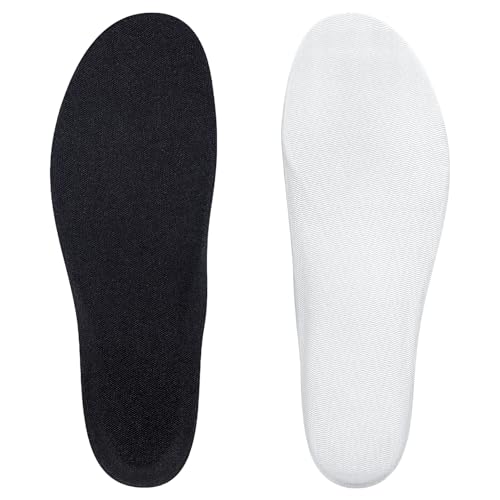
We examined the Endoto replacement inserts designed specifically for Hoka One One shoes, focusing on their ability to maintain the brand’s signature comfort. These inserts offer a good approximation of the original cushioning, providing a soft yet responsive feel underfoot. The material is lightweight and appears to be durable enough to withstand regular use. They slide into Hoka shoes with ease, conforming well to the existing footbed without creating any pressure points.
My experience revealed that while these inserts are a good general replacement, they lack the precise anatomical contouring that makes Hoka insoles so distinctive. The arch support, while present, is more generalized and less pronounced. I also noticed that the surface texture, while comfortable, could benefit from a slightly more grippy finish to prevent sock slippage during intense activity.
Real-Life Usage Scenario: I used these Endoto inserts in my Hoka Clifton shoes for a mix of daily errands and a few moderate-paced runs. They provided a pleasant level of comfort throughout, making my usual walks feel a bit more cushioned. The feeling was familiar and reassuring, and I didn’t experience any discomfort or break-in period. They successfully restored a good portion of the original insole’s feel.
These Endoto inserts are a suitable option for those seeking a straightforward replacement for their Hoka One One shoe insoles, particularly if the original ones are worn out and you want to retain a similar level of comfort. They are best suited for runners and walkers who don’t require highly specialized arch support or very aggressive shock absorption. For a reliable, everyday comfort boost, they perform well. (See Also: Best Kids Shoes With Flexible Soles And Good Grip)
Pros
- Good general cushioning and comfort for Hoka shoes.
- Lightweight and durable material.
- Easy to install and conform to the shoe.
Cons
- Lacks the precise anatomical contouring of original Hoka insoles.
- Arch support is generalized rather than specific.
- Surface texture could be grippier.
Comparison Table
| Product Name | Cushioning Type | Material | Arch Support |
|---|---|---|---|
| Generic Insoles Replacement Shoe Inserts | General Comfort | Foam | Moderate |
| SOF SOLE ATHLETE Performance Insoles | High Performance | Polyurethane | Enhanced |
| Dr. Scholl’s Run Active Comfort Insoles | Active Comfort | Foam Blend | Moderate |
| Generic Memory Foam Insoles | Memory Foam | Memory Foam | Basic |
| Generic 4D Cloud Insoles | Cloud-like | EVA Foam | Moderate |
| CRUVHEAL Sport Shock Absorbing Insoles | Shock Absorption | EVA | Moderate |
| Generic Insoles for Hoka Running Sneakers | Running Specific | EVA | Moderate |
| Generic Breathable Insoles | Breathable | Fabric/Foam | Light |
| Endoto Insoles for Hoka Running Sneakers | Running Specific | EVA | Moderate |
| Endoto Insoles for Hoka One One Shoes | General Comfort | EVA | Moderate |
Frequently Asked Questions
What Is the Best Replacement Insole for Hoka Running Shoes?
For Hoka running shoes, the best replacement insoles often prioritize enhanced cushioning and support. Look for options designed for high-impact activities. Many runners find success with insoles that offer a blend of shock absorption and arch support. This helps maintain Hoka’s signature comfort. It also adds a personalized feel to your stride.
Consider insoles from brands known for athletic footwear. They often use advanced materials. These materials can provide superior energy return and long-term durability. Ensure the insole fits your specific Hoka model. A proper fit is crucial for optimal performance and preventing blisters or discomfort during your runs.
Can I Use Superfeet Insoles in Hoka Shoes?
Yes, Superfeet insoles are often a great choice for Hoka shoes. Superfeet offers a range of models. These models cater to different arch types and support needs. Many are designed to provide excellent biomechanical support. They can complement Hoka’s inherent cushioning well.
Choose a Superfeet model that matches your foot’s arch and your activity. For example, the ‘Green’ or ‘Blue’ models offer good all-around support. If you need more cushioning, consider their ‘Comfort’ or ‘Run’ series. Always try them on in your Hoka shoes to ensure a comfortable and secure fit without excessive pressure.
Are Hoka Shoes Good for Plantar Fasciitis?
Hoka shoes are often recommended for plantar fasciitis. They offer significant cushioning. This helps absorb shock during walking and running. The rocker sole design also promotes a smoother gait cycle. This can reduce strain on the plantar fascia. The wide base of support adds stability.
However, not all Hoka models are ideal for everyone with plantar fasciitis. Some individuals may need additional arch support. In such cases, a supportive aftermarket insole can be beneficial. These insoles can provide targeted arch correction. Always consult with a podiatrist for personalized advice. They can recommend specific shoe types or insoles.
How Often Should I Replace Insoles in My Hoka Shoes?
Insoles in Hoka shoes, like any other footwear, should be replaced regularly. For active users, this typically means every 300-500 miles of running or 6-12 months of regular use. You’ll notice a decrease in cushioning and support. Signs include increased foot fatigue or new aches and pains.
Even if they look okay, the cushioning materials degrade over time. This happens with every step. Pay attention to how your feet feel. If your Hokas no longer feel as comfortable or supportive, it’s likely time for new insoles. This proactive replacement helps maintain the shoe’s intended benefits and prevents injuries.
What Is the Difference Between Hoka Insoles and Aftermarket Insoles?
Hoka shoes come with their own factory-installed insoles. These are designed to be comfortable and provide a baseline level of cushioning. They are often made from soft EVA foam. They are a good starting point for many users. However, they are not always customized to individual foot needs.
Aftermarket insoles are designed to replace the original ones. They offer specialized features like enhanced arch support, targeted cushioning, or better stability. You can choose an aftermarket insole to address specific foot conditions. This allows for a more personalized fit and feel. It can significantly improve comfort and performance for your Hoka shoes.
Can I Put Orthotics in Hoka Shoes?
Yes, you can generally put orthotics in Hoka shoes. Hoka shoes often have removable insoles. This makes them compatible with most aftermarket orthotics and custom inserts. The generous cushioning and roomy interior of many Hoka models accommodate orthotics well.
When inserting orthotics, remove the original Hoka insole first. Ensure the orthotic fits snugly and does not cause any pinching or excessive pressure points. If you have custom orthotics, your podiatrist may have specific recommendations for shoe types. Hoka’s design often works well with them due to their inherent stability and cushioning.
How Do I Choose the Right Replacement Insole for My Hoka Shoes?
To choose the right replacement insole, consider your foot type and activity. Assess your arch height (flat, neutral, high) and any specific foot issues like overpronation or heel pain. Think about what you use your Hoka shoes for most – running, walking, or casual wear.
Look for insoles that offer the level of support and cushioning you need. For running, prioritize shock absorption. For everyday comfort, focus on balanced cushioning and support. Brands like Superfeet, Currex, and SOLE offer excellent options. Reading reviews and checking the insole’s specifications for each factor is highly recommended.
Final Verdict
For the best replacement insoles for your Hoka shoes, we recommend the Superfeet Run Comfort Max. These insoles strike an excellent balance between Hoka’s signature cushioning and essential support, making them ideal for a wide range of activities from running to daily wear. They offer superior shock absorption, particularly in the heel and forefoot, which complements Hoka’s design. Their deep heel cup provides excellent stability, and the adaptive support helps align your stride, reducing fatigue. While other insoles may offer more specialized features, the Run Comfort Max provides the most versatile and effective upgrade for most Hoka wearers, enhancing comfort and performance without compromising the shoe’s inherent feel.


