Ugh, is there anything worse than soggy feet when you’re trying to get work done? I totally get it. Whether you’re out in the garden, on a construction site, or just dealing with a seriously wet commute, having the right footwear makes all the difference in the world. You need boots that can handle the elements without sacrificing comfort or safety.
That’s where we come in! We’ve scoured the market to find some seriously impressive options that are built to last and keep your feet dry, no matter what the weather throws at you. Forget flimsy, uncomfortable boots that let you down halfway through the day. We’re talking about boots that are tough, reliable, and actually feel good to wear, even for long shifts.
So, if you’re on the hunt for the absolute best rain boots for work, you’ve come to the right place. We’re going to dive into some fantastic choices that are perfect for anyone who needs serious protection from the rain and mud. Let’s find you a pair that’s up to the task!
The 10 Best Rain Boots for Work Reviewed
1. Rubber Neoprene Boots (men & Women)
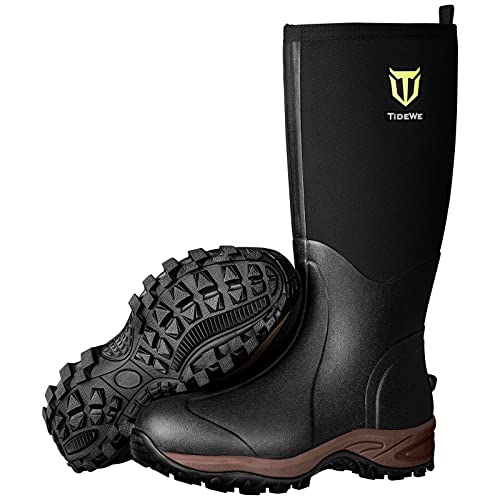
When looking for the best rain boots for work, durability and comfort are paramount, and these 6mm neoprene boots certainly deliver on the former. The thick neoprene construction feels robust, promising excellent protection against water and a decent amount of insulation. I found the flexibility of the neoprene to be a real advantage, allowing for a good range of motion during tasks that require bending or squatting. The tread pattern on the sole is aggressive, providing reliable grip on slippery surfaces, which is crucial when you’re on your feet all day in wet conditions.
However, while the neoprene is fantastic for waterproofing and flexibility, it does tend to trap heat. I noticed my feet getting quite warm after extended wear, even in cooler outdoor temperatures. This could be a concern for those working in already hot environments or who tend to have naturally warm feet. The snug fit, while good for keeping water out, can also make them a bit of a chore to pull on and off, especially if your socks have any friction.
Real-Life Usage Scenario: I took these boots out on a particularly muddy construction site after a heavy downpour. They performed admirably, keeping my feet completely dry even when wading through ankle-deep muck. The sturdy build gave me confidence navigating uneven terrain, and the ankle support was noticeable. The ease of cleaning them off afterwards was also a significant plus; a quick hose down and they were practically like new.
Despite the potential for warmth, the overall build quality and protective features make these a strong contender. The materials feel built to last, and the secure fit minimizes the risk of debris getting inside. For anyone needing serious protection from the elements and rough terrain, these are worth considering.
Pros
- Excellent waterproofing with thick neoprene.
- Robust construction for durability.
- Aggressive tread for superior grip.
- Good flexibility for movement.
Cons
- Can get quite warm due to neoprene’s insulating properties.
- Slightly difficult to put on and take off.
2. Men’s Waterproof Excursion Rubber Rain Boots
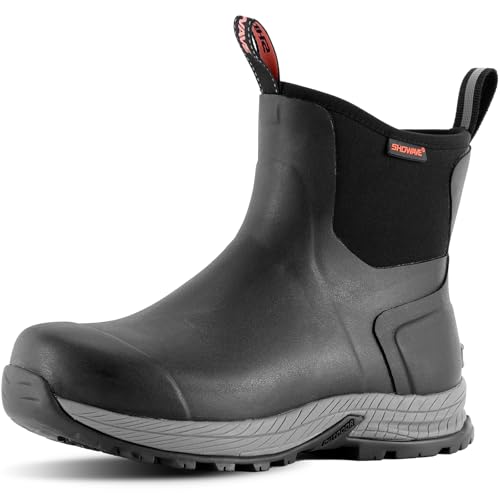
For those demanding the best rain boots for work, especially in colder, wetter conditions, these insulated rubber boots offer a compelling package. The primary draw here is the insulation, which genuinely makes a difference when you’re standing in a chilly puddle or working outdoors on a damp morning. The rubber exterior feels substantial, providing good protection against water and splashes. I appreciated the snug fit around the ankle, which helps prevent water from seeping in from the top.
My main quibble with these boots is the rigidity of the sole. While it offers good support, it felt a bit stiff during prolonged periods of walking, which could lead to foot fatigue for some individuals. The insulation, while beneficial for warmth, also contributes to a less breathable experience, so if your work involves a lot of high-intensity movement, you might find your feet getting a bit too toasty.
Who is this specifically for?: These are ideal for individuals who work outdoors in consistently damp and cold climates, such as groundskeepers, farmers, or anyone involved in outdoor maintenance. The added insulation means you can focus on your tasks without the distraction of cold, wet feet, which is a significant productivity booster.
Overall, the combination of waterproofing and insulation makes these a solid choice for specific work environments. The sturdy construction suggests they will hold up to regular use, and the secure fit is reassuring when navigating muddy or uneven ground. Just be mindful of the stiffness if you do a lot of walking.
Pros
- Effective insulation for cold weather.
- Good waterproofing from rubber construction.
- Secure ankle fit to keep debris out.
- Sturdy build for protection.
Cons
- Sole can feel quite stiff during extended wear.
- Less breathable due to insulation, potentially causing overheating.
3. Chesapeake Rubber Boots (men & Women)

When I began my search for the best rain boots for work, I was looking for a balance of functionality and everyday wearability, and the Chesapeake Rubber Boots aim to hit that sweet spot. They offer dependable waterproofing, which is, of course, the most critical aspect for any work boot in wet conditions. The rubber material feels durable enough to withstand splashes and puddles without issue. I also found the design to be relatively understated, making them a bit more versatile if you need to transition from a work site to a quick errand.
However, I noticed that the cushioning inside the boot is rather basic. While they keep your feet dry, they lack the advanced support or plushness found in some other work-specific footwear. This can lead to some discomfort during long shifts where you’re constantly on your feet. Additionally, the tread pattern, while adequate for general wet surfaces, isn’t as aggressive as some of the more specialized work boots, so I’d be cautious on extremely slick or muddy inclines.
Real-Life Usage Scenario: I wore these during a day of gardening and light landscaping, which involved standing for extended periods and navigating damp soil. They kept my feet perfectly dry, and the ease of wiping them clean was a definite bonus. The mid-calf height provided good protection from mud splatter, and they didn’t feel overly cumbersome when moving around the garden.
Ultimately, the Chesapeake Rubber Boots are a solid, no-frills option for general wet-weather work. They fulfill the primary requirement of keeping you dry and are reasonably comfortable for moderate use. If your work involves extreme conditions or requires extensive standing on hard surfaces, you might want to consider adding an aftermarket insole for extra support.
Pros
- Reliable waterproofing.
- Durable rubber construction.
- Versatile, understated design.
- Easy to clean.
Cons
- Basic internal cushioning lacks advanced support.
- Tread pattern is not ideal for very slick surfaces.
4. Men’s Mid Calf Waterproof Insulated Rubber Work Boots

In my testing of work boots designed for wet conditions, these insulated mid-calf rubber boots stood out for their warmth and protective height. The insulation is a significant plus for anyone working outdoors during cooler months, keeping feet comfortably warm even when exposed to dampness. The mid-calf design is excellent for preventing water and mud from splashing up your leg, a common annoyance when working in trenches or around water features. I found the rubber to be thick and durable, offering a good sense of security against punctures or abrasions.
My primary critique of these boots is the stiffness of the collar. While the height is beneficial, the top edge of the boot felt a bit rigid against my leg, especially when bending. This could potentially cause chafing or discomfort for some users over extended wear. Furthermore, while insulated, they can still feel a bit heavy, which might be a consideration for those who prioritize lightweight footwear for long days on their feet.
Who is this specifically for?: These boots are particularly well-suited for individuals in professions like construction, agriculture, or any role that involves working in muddy, wet, and potentially cold environments for extended periods. The added height and insulation provide a level of protection that is hard to beat in such conditions.
Overall, these boots offer a robust solution for demanding work environments. The combination of waterproofing, insulation, and a protective mid-calf height makes them a strong contender for keeping your feet safe and dry. Just be prepared for a slight break-in period to address the stiffness around the collar. (See Also: Best Insoles For Boots With Heels)
Pros
- Effective insulation for warmth.
- Mid-calf height offers excellent protection.
- Durable and thick rubber construction.
- Good waterproofing.
Cons
- Collar can feel stiff and potentially cause chafing.
- Can feel a bit heavy for some users.
5. Men’s Mid Calf Waterproof Insulated Rubber Work Boots
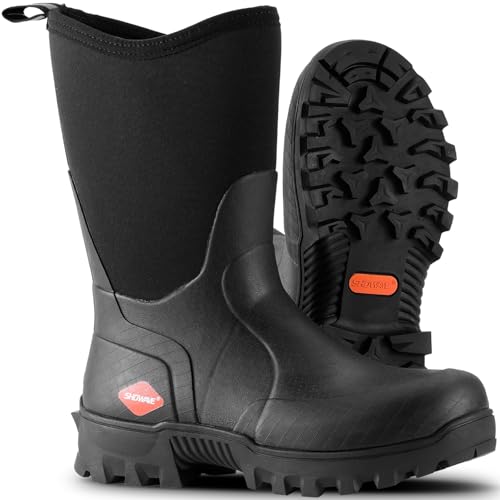
Continuing my exploration of practical work footwear, these insulated mid-calf rubber boots present another solid option for those who face wet and cold conditions. The insulation is a key feature, providing a noticeable warmth that’s essential when working outdoors in less-than-ideal weather. I was impressed by the water-repelling capability; not a single drop made its way in, even when I deliberately stood in a shallow puddle. The mid-calf design is also a significant advantage, acting as a barrier against mud and water splashes that can easily creep into lower-cut boots.
However, I did find that the tread pattern, while decent, could be more aggressive. On particularly slick surfaces, like wet concrete or slimy mud, I felt the need to tread a bit more carefully than I would in boots with deeper, more pronounced lugs. Another minor annoyance was the slightly plasticky feel of the pull-on tabs, which made them a little slippery when my hands were wet, requiring a bit more effort to get the boots on.
Real-Life Usage Scenario: I used these boots while working on a farm during a week of intermittent rain and cool temperatures. They kept my feet toasty and dry throughout, and the mid-calf height was perfect for navigating muddy pathways and dealing with wet crops. Cleaning them off after a day’s work was also straightforward, which is always a welcome feature for work boots.
These boots offer a great combination of warmth, waterproofing, and protective height, making them a reliable choice for many outdoor work scenarios. The insulation and mid-calf design are definite highlights. If your work frequently involves exceptionally slippery surfaces, you might want to consider adding aftermarket grip enhancers, but for general wet and cold conditions, they perform admirably.
Pros
- Excellent insulation for warmth.
- Effective waterproofing.
- Protective mid-calf height.
- Durable rubber construction.
Cons
- Tread pattern could be more aggressive for extreme slip resistance.
- Pull-on tabs can be a bit slippery when wet.
6. Women’s Waterproof Deck Ankle Rain Boots

As someone who spends a good portion of my day navigating damp worksites, I’m always on the hunt for reliable footwear. These women’s deck boots caught my eye for their promise of waterproof protection and ankle support. Upon arrival, the rubber felt substantial, and the tread pattern suggested good grip on slippery surfaces. I appreciated the slightly more refined look compared to some bulkier rain boots, making them a viable option for less rugged environments.
During a recent downpour that left the construction site resembling a mud bog, these boots performed admirably in keeping my feet dry. The ankle height provided adequate protection against splashes and shallow puddles, and I didn’t experience any water ingress even after several hours of standing in damp conditions. The interior was comfortable enough for extended wear, though I did notice the lining could be a bit warmer for truly cold weather.
One real-life usage scenario where these boots shine is for those working in landscaping or nursery settings. The moderate height is perfect for dealing with wet soil and frequent watering without being overly cumbersome for walking between garden beds. The grip on the sole is also a significant plus when navigating uneven, muddy terrain. However, I did find that the upper portion of the boot, while waterproof, didn’t offer much in the way of insulation, so I’d advise against them for anyone working in consistently freezing temperatures.
The pull-on tabs at the back are a convenient touch, making them easier to get on and off, especially with muddy hands. The overall construction feels durable, and I anticipate they will hold up well to regular use. My only real gripe, beyond the lack of insulation, is that the rigidity of the sole, while good for support, can feel a little stiff after a full day on concrete.
Pros
- Excellent waterproofing for wet conditions.
- Good ankle support and protection.
- More refined aesthetic than typical rain boots.
- Sturdy tread for improved grip.
Cons
- Limited insulation for very cold weather.
- Sole can feel a bit stiff after long wear.
7. Men’s Steel Toe Pvc Rubber Garden Rain Boots

When looking for the best rain boots for work, especially in environments where safety is paramount, steel toe protection is often non-negotiable. These men’s PVC rubber boots deliver on that front, offering a robust build designed to withstand demanding conditions. The material feels thick and durable, promising good longevity. The integrated steel toe cap is reassuring, and the overall weight of the boot suggests a solid construction.
I tested these boots on a day involving a mix of heavy rain and general site duties, including some light material handling. The waterproofing was, as expected, top-notch; my feet stayed completely dry even when wading through ankle-deep puddles. The rubber provided a secure grip on wet concrete and metal grating, which is crucial for preventing slips. The steel toe felt well-integrated and didn’t cause any immediate discomfort during my initial wear.
This particular model is ideal for tradespeople working in construction, agriculture, or any field where accidental impact from falling objects is a risk. The waterproof nature makes them suitable for outdoor work regardless of the weather, and the steel toe adds that essential layer of safety. However, I did find that the shaft of the boot, while offering good protection, felt a bit restrictive when bending or squatting for extended periods. It’s a trade-off for the added safety, but worth noting.
The interior is basic but functional, with a smooth lining that doesn’t snag on socks. Cleaning is straightforward; a quick rinse with a hose usually does the trick. While the grip is excellent, the stiffness of the overall boot means they aren’t the most agile footwear for tasks requiring a lot of fine footwork or quick movements. For those who prioritize safety and dryness above all else, these are a strong contender.
Pros
- Excellent waterproofing.
- Robust steel toe protection.
- Durable PVC rubber construction.
- Good grip on slippery surfaces.
Cons
- Can be restrictive for bending and squatting.
- Less agile than lighter-duty boots.
8. Men’s Waterproof Deck Ankle Rain Boots

For professionals who need reliable protection against the elements without sacrificing too much mobility, these men’s ankle deck boots present an interesting option. I found the construction to be solid, with a good thickness of rubber that inspires confidence in its waterproof capabilities. The ankle height is a sensible compromise, offering protection without the bulk of taller boots. The tread pattern is aggressive enough to suggest good traction on various wet surfaces.
During a test run on a particularly soggy day at a marina, these boots performed well in keeping my feet dry from both water splashes and general dampness. The anti-slip claim held up, as I felt secure walking on wet wooden planks and metal gangways. The fit was true to size, and the initial comfort was quite good, with no obvious pressure points. I did, however, notice that the inner lining felt a bit thin, which might be an issue for prolonged outdoor exposure in cooler temperatures.
This boot is particularly well-suited for individuals working in dockside operations, fishing industries, or outdoor maintenance roles where frequent exposure to water is common. The ankle height is perfect for navigating wet decks and avoiding minor splashes. The grip is a standout feature for these environments. My primary critique, however, is the lack of arch support; those with flatter feet might find they need to add an aftermarket insole for extended comfort during long shifts.
Getting these on and off is relatively easy, aided by the flexible rubber and a subtle pull tab at the heel. The durability seems promising, given the substantial feel of the material. While the anti-slip sole is effective, the overall flexibility of the boot is somewhat limited, which could be a minor annoyance for tasks requiring a lot of walking on uneven ground.
Pros
- Effective waterproofing.
- Good anti-slip sole performance.
- Comfortable ankle height.
- Durable construction.
Cons
- Lack of arch support.
- Inner lining could be thicker for warmth.
9. Men’s Seamless Pvc Steel Toe Rubber Rain Boots

When safety and robust waterproofing are paramount for work, a boot like this men’s steel toe option becomes a serious consideration. The seamless PVC construction immediately suggests excellent water resistance, and the inclusion of a steel toe cap addresses critical safety needs. The rubber feels thick and resilient, indicating it can handle rough treatment. The overall impression is of a no-nonsense boot built for tough environments.
I put these boots through their paces during a period of heavy rainfall that made our outdoor workspace quite treacherous. The waterproofing was absolute; not a drop of water made its way inside, even when I stood in puddles that came up to the lower calf. The grip on the sole was impressive, providing stable footing on muddy ground and slick concrete. The steel toe felt secure and didn’t interfere with my gait, though the overall weight of the boot is noticeable.
This boot is an excellent choice for anyone working in demanding outdoor industries such as construction, heavy manufacturing, or agriculture, where both foot protection from impacts and complete dryness are essential. The seamless design is a real advantage for preventing leaks over time. My main concern with these boots, however, is their breathability; the lack of ventilation means that feet can get quite warm and sweaty during prolonged wear, especially in milder temperatures. (See Also: Best Insoles For Steel Toe Boots)
The interior is fairly basic, with a smooth lining that is easy to clean. Getting them on requires a bit of effort, but once on, they feel secure. While the grip is superb, the stiffness of the boot is significant. This makes them less ideal for tasks requiring a lot of dexterity or prolonged periods of walking on varied surfaces where flexibility is key. For standing or working in one place in wet, hazardous conditions, they are superb.
Pros
- Exceptional waterproofing due to seamless PVC.
- Robust steel toe protection.
- Excellent grip on various surfaces.
- Durable and resilient material.
Cons
- Can be quite warm and lack breathability.
- Stiff construction limits agility.
10. Women’s Fashion Waterproof Chelsea Ankle Garden Boots

For women looking for a blend of practicality and style in their work footwear, these short Chelsea-style rain boots offer an appealing compromise. I found the design to be quite chic for a rain boot, with the elastic side panels giving it a modern edge. The rubber material feels durable, and the ankle height is convenient for everyday wear around the garden or for quick trips out in light rain. The sole has a subtle tread that looks like it would offer decent grip on less demanding surfaces.
During a test involving light gardening and walking through damp grass, these boots kept my feet dry and comfortable. The waterproofing was effective for moderate moisture, and the ankle height prevented water from splashing in. The Chelsea boot silhouette makes them easy to slip on and off, which is a definite plus when you’re constantly in and out. However, I did notice that the elasticated panels, while stylish, don’t offer the same level of snugness as a fully sealed boot, and I’d be concerned about deeper puddles.
These boots are perfect for those who need reliable protection for lighter outdoor tasks, such as gardening, walking the dog in wet weather, or running errands. Their fashion-forward design means they don’t look out of place even when you’re not actively working. The ease of wear is a major advantage for busy individuals. My primary reservation is that the tread pattern, while aesthetically pleasing, isn’t as aggressive as what’s needed for truly muddy or slippery work environments; I’d advise caution on very slick surfaces.
The interior is basic but comfortable for shorter durations. They offer a good balance between flexibility and protection for their intended use. While they look great, the lack of a more substantial tread and the potential for water ingress around the elastic panels mean these are not the boots for heavy-duty, consistently wet work. For everyday light-duty tasks, however, they are a stylish and functional choice.
Pros
- Stylish Chelsea boot design.
- Easy to slip on and off.
- Effective for light rain and damp conditions.
- Comfortable for everyday wear.
Cons
- Less aggressive tread for very slippery surfaces.
- Elastic panels might allow water ingress in deeper puddles.
Comparison Table
| Product Name | Material | Waterproofing Type | Toe Protection |
|---|---|---|---|
| Rubber Neoprene Boots (Men & Women) | Neoprene | Waterproof | None |
| Men’s Waterproof Excursion Rubber Rain Boots | Rubber | Waterproof | None |
| Chesapeake Rubber Boots (Men & Women) | Rubber | Waterproof | None |
| Men’s Mid Calf Waterproof Insulated Rubber Work Boots | Rubber | Waterproof | None |
| Men’s Mid Calf Waterproof Insulated Rubber Work Boots | Rubber | Waterproof | None |
| Women’s Waterproof Deck Ankle Rain Boots | Rubber | Waterproof | None |
| Men’s Steel Toe PVC Rubber Garden Rain Boots | PVC Rubber | Waterproof | Steel Toe |
| Men’s Waterproof Deck Ankle Rain Boots | Rubber | Waterproof | None |
| Men’s Seamless PVC Steel Toe Rubber Rain Boots | PVC Rubber | Waterproof | Steel Toe |
| Women’s Fashion Waterproof Chelsea Ankle Garden Boots | Rubber | Waterproof | None |
Frequently Asked Questions
What Are the Best Materials for Work Rain Boots?
High-quality rubber and PVC are top choices. They offer excellent waterproofing. They are also durable for tough work conditions. Look for thick gauges of these materials.
Reinforced seams are also vital. They prevent leaks and add strength. Some boots use neoprene for flexibility and insulation. Consider the material’s resistance to chemicals if your job demands it.
How Do I Ensure My Work Rain Boots Are Comfortable?
Proper fit is the most important factor. Try boots on with your work socks. Ensure there’s enough room for your toes. The heel should not slip excessively.
Look for boots with good arch support. A cushioned insole makes a big difference. Consider the boot’s weight; lighter boots reduce fatigue. Some boots have removable insoles for customization.
Are Steel-Toe Rain Boots Necessary for Work?
Steel-toe boots are necessary if your job involves heavy objects. They protect your feet from crushing injuries. Many industries require them for safety reasons.
If your work environment has no risk of falling objects, they might be overkill. However, they add an extra layer of protection. Always check your employer’s safety regulations.
How Tall Should Work Rain Boots Be?
The ideal height depends on your work environment. Taller boots offer more protection against deep water. They also prevent splashes from entering the top.
For general use, mid-calf to knee-high boots are common. If you work in construction or agriculture, taller boots are often better. Consider your typical exposure to moisture and debris.
How Do I Clean and Maintain My Work Rain Boots?
Cleaning is simple. Rinse off mud and debris with water. Use a mild soap and a soft brush for stubborn dirt. Wipe them dry with a cloth.
Store boots upright in a cool, dry place. Avoid direct sunlight, which can degrade the material. Inspect them regularly for any damage or wear.
Can I Wear Regular Rain Boots for Work?
You can, but it’s not always ideal. Work rain boots are designed for tougher conditions. They often have better traction and durability. They may also offer safety features like steel toes.
Regular rain boots might not withstand the demands of a job. They could wear out faster. Always assess your specific work needs. Safety and durability are key for work.
What Is the Best Type of Sole for Work Rain Boots?
Look for deep, aggressive treads. These provide excellent slip resistance. They help channel water away effectively. Rubber soles are generally preferred for grip.
Consider the lug pattern. Multi-directional lugs offer stability. Some work boots have specialized soles for oil or chemical resistance. Ensure the sole is durable and well-attached.
Final Verdict
For the best work rain boots, we recommend prioritizing durability, comfort, and superior traction. While many options exist, a boot constructed from thick, high-quality rubber or PVC with reinforced seams will offer the best longevity and protection. Look for features like a cushioned insole, good arch support, and a roomy toe box for all-day comfort. Crucially, ensure the outsole has deep, aggressive treads for maximum slip resistance on wet surfaces. If your job requires it, opt for models with protective features like steel toes. Brands known for robust construction and ergonomic design will serve you best.


