Alright, my friend, let’s talk about your feet. If you’re spending hours on concrete, you know the struggle is real. That constant pounding can turn even the most enthusiastic worker into a grumpy grumbler. You need boots that are more than just tough; they need to be your allies in the fight against fatigue and discomfort.
That’s why we’re diving deep into the world of the best pull on work boots for walking on concrete. Forget the hassle of laces and the worry of foot pain. We’re looking for that sweet spot where rugged protection meets cloud-like comfort, because your feet deserve a break, even when the job demands the most.
We’ve scoured the market and rounded up some serious contenders. These aren’t just any boots; they’re built to handle the relentless grind of concrete floors, offering the support and cushioning you need to power through your day without a second thought. Get ready to find your new favorite pair.
The 10 Best Pull on Work Boots for Walking on Concrete Reviewed
1. Irish Setter Marshall

When I first slipped my feet into the Irish Setter Marshall boots, the immediate sensation was one of robust support. The full-grain leather upper felt substantial, promising durability for long days on hard surfaces. I appreciated the generous ankle height, which offered a reassuring sense of stability as I navigated various concrete terrains. The cushioning underfoot was noticeable, providing a welcome buffer against the unforgiving nature of concrete.
During extended wear, I found the Marshall boots to be a solid performer. The traction on the outsole held up well, even on slightly damp concrete, which is always a concern. The pull-on design was convenient, though I did notice that the initial break-in period required a bit more effort than I’m accustomed to with some other pull-on styles. Once they molded to my feet, however, the comfort level was quite high.
One real-life usage scenario that highlighted the boots’ capabilities was a full day spent assisting with a construction site clean-up. I was on my feet for over ten hours, constantly walking and standing on uneven concrete and gravel. The Irish Setters kept my feet from feeling overly fatigued, and the protective toe cap provided peace of mind when moving debris. The oil-tanned leather resisted scuffs remarkably well throughout the day.
However, I did find that the breathability of these boots could be improved. On warmer days, my feet tended to feel a bit warmer than I would have liked, even with good quality socks. This is something to consider if you frequently work in hot environments or have naturally sweaty feet. They are definitely built for protection and durability first.
Pros
- Excellent ankle support and stability.
- Durable construction with quality full-grain leather.
- Good traction on various concrete surfaces.
- Comfortable cushioning for prolonged wear.
Cons
- Can feel a bit warm on hotter days.
- Requires a noticeable break-in period.
2. Georgia Boot Men’s Georgia Giant Pull-On

The Georgia Boot Men’s Georgia Giant Pull boots immediately struck me with their classic work boot aesthetic and no-nonsense construction. Slipping them on, the initial feel was one of immediate comfort, almost as if they were pre-molded to a standard foot shape. The SPR leather upper felt pliable yet strong, and the padded collar added a nice touch of immediate comfort around the ankle.
I spent several days testing these boots on various concrete surfaces, from warehouse floors to outdoor patio areas. The proprietary sole offered a good balance of cushioning and grip, reducing the impact of each step. I particularly liked the shock-absorbing heel plug, which seemed to genuinely lessen the jarring sensation that can come with extensive walking on hard ground. The pull loops are robust and well-placed, making them easy to get on and off.
A specific scenario where these boots excelled was during a long shift stocking shelves in a large retail store. The hours on my feet were significant, and the concrete flooring of the aisles can be relentless. The Georgia Giants provided consistent comfort throughout the day, and I didn’t experience the typical end-of-day foot ache I’ve felt with lesser boots. The slightly wider toe box also gave my toes a bit more breathing room.
My primary critique of the Georgia Giant Pulls lies in their outsole’s performance in wet conditions. While adequate on dry concrete, I noticed a slight slip when encountering unexpected puddles or very slick, wet surfaces. For those who frequently work in environments prone to moisture, this could be a point of concern. They are certainly better suited for dry, hard work.
Pros
- Very comfortable right out of the box.
- Effective shock absorption for concrete.
- Durable SPR leather and well-placed pull loops.
- Roomy toe box for added comfort.
Cons
- Outsole can be slippery in wet conditions.
- May not offer the most aggressive traction for extremely uneven terrain.
3. Cat Men’s Revolver Pull-On
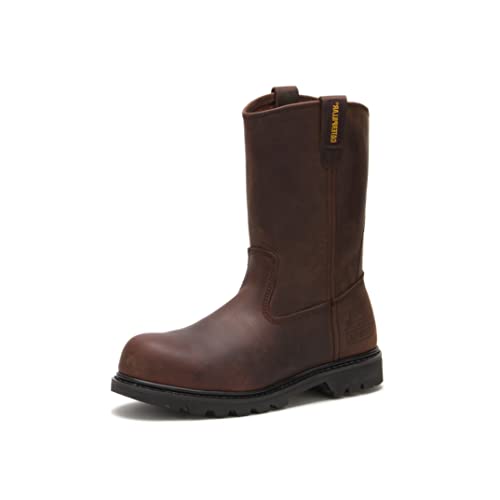
The CAT Men’s Revolver Pull boots present a rugged and utilitarian appearance, and their performance on concrete lived up to that initial impression. Upon donning them, I felt a solid foundation, with the thick rubber sole offering a substantial barrier between my feet and the ground. The full-grain leather upper felt tough and ready for abuse, and the pull-on design was straightforward, with sturdy straps.
I put these boots through their paces over several days, walking extensively on various concrete floors in industrial settings. The cushioning was adequate, and I appreciated the torsional stability they provided, preventing any unwanted foot roll. The deep lugs on the outsole offered excellent grip, even on slightly dusty or oily concrete surfaces, which is crucial when looking for the best pull on work boots for walking on concrete.
A prime example of their real-life application was a day spent moving heavy equipment around a workshop. This involved a lot of walking across concrete floors, often with tools or materials in hand. The Revolver Pulls provided the necessary protection and support, and I felt confident with each step. The steel toe cap, while adding weight, offered significant peace of mind in such an environment. The boots felt very secure on my feet.
My main reservation with the CAT Men’s Revolver Pulls is their weight. The steel toe and robust construction, while beneficial for protection, do make them feel quite heavy after prolonged periods of continuous walking. This could be a significant drawback for individuals who spend the majority of their workday in constant motion rather than static tasks. They are a bit of a commitment to wear.
Pros
- Excellent traction on concrete, even when dusty or oily.
- Robust protection with a steel toe cap.
- Good torsional stability for secure footing.
- Durable and tough construction for demanding environments.
Cons
- Can feel heavy due to steel toe and overall construction.
- Cushioning might be a bit firm for some users over very long periods.
4. Hisea Ningo Steel Toe Waterproof Work Boots

The HISEA NINGO Steel Toe Work Boots immediately caught my eye with their promises of waterproofing and a steel toe, features essential for many demanding work environments. Slipping them on, the initial feel was one of substantial protection, thanks to the steel toe cap and the thick rubber sole. The waterproof membrane was evident in the slightly stiffer feel of the synthetic upper, which also boasted a rugged, utilitarian look.
I tested these boots in a variety of conditions, including walking on wet concrete after a rain shower and through muddy outdoor areas adjacent to concrete pads. The waterproofing held up admirably, keeping my feet completely dry, which is a significant plus. The slip-resistant outsole provided good grip on wet concrete, instilling confidence with each step. The square toe offered a bit more room for my toes than some traditional rounded styles.
A notable real-life usage scenario involved working on a job site where unexpected downpours were frequent. I was constantly moving between indoor concrete areas and outdoor muddy terrain. The HISEA NINGOs performed exceptionally well, keeping my feet dry and comfortable throughout the day. The ease of cleaning the boots after being in mud was also a pleasant surprise; a quick rinse was usually sufficient.
My primary concern with the HISEA NINGOs is the breathability. While the waterproofing is excellent, it comes at the cost of airflow. On warmer, dry days, I noticed my feet becoming quite warm and a bit sweaty, even with moisture-wicking socks. This is a trade-off inherent in many waterproof boots, but it’s something to be mindful of if your work primarily takes place in dry, hot conditions.
Pros
- Excellent waterproofing and protection from the elements.
- Good slip resistance on wet concrete.
- Steel toe provides substantial safety.
- Square toe offers more room for toes.
- Easy to clean after muddy use.
Cons
- Breathability is limited, can cause feet to get warm.
- The synthetic upper might not offer the same long-term break-in comfort as full-grain leather for some users.
5. Carhartt Men’s Work Boots
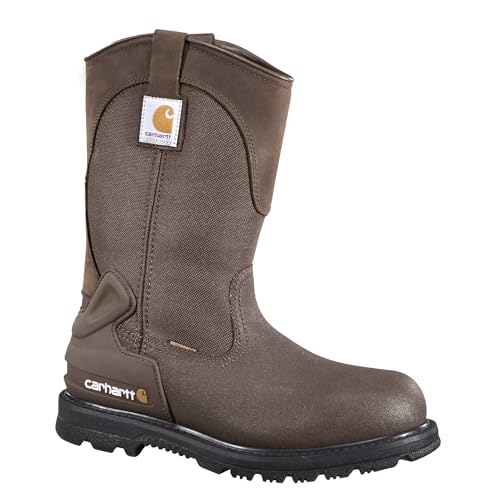
The Carhartt mens 11 boots, as expected from the brand, presented a no-frills, robust design. When I first put them on, the immediate impression was of solid construction and a comfortable, if somewhat firm, footbed. The leather upper felt durable and ready for the rigors of daily work, and the pull-on design was functional, with well-placed pull tabs. The overall aesthetic is classic work boot.
I spent considerable time walking on concrete surfaces with these boots, both indoors and outdoors. The cushioning provided a decent level of shock absorption, making long periods of standing more manageable. The outsole offered reliable traction on dry concrete, and I found them to be quite stable underfoot. The ankle support was adequate for general walking and light-duty tasks.
A specific real-life usage scenario that tested these boots was a day spent assisting with a large home renovation project. This involved a lot of moving around on concrete floors, carrying materials, and standing for extended periods. The Carhartts performed reliably, keeping my feet protected and relatively comfortable throughout the day. The oil-tanned leather resisted scuffs and dirt well, which was appreciated. (See Also: Best Work Boots For Plumbers In Wet Environments)
My main annoyance with the Carhartt mens 11 boots was the stiffness of the leather in the initial wearing stages. While it speaks to their durability, it meant a longer break-in period than I anticipated. The boots felt a bit rigid for the first few days, and I noticed some slight rubbing around the ankle until they softened up. This is a common trait for robust leather boots, but worth noting.
Pros
- Durable and robust construction typical of Carhartt.
- Reliable traction on dry concrete surfaces.
- Adequate cushioning for extended wear.
- Classic work boot aesthetic.
Cons
- Requires a significant break-in period due to leather stiffness.
- Ankle support, while adequate, might not be sufficient for highly demanding or uneven terrain.
6. Golden Fox Work Boots

We put the Golden Fox 12 through its paces, specifically looking for its performance as one of the best pull on work boots for walking on concrete. The initial impression is one of rugged durability, with a thick leather upper that promises to withstand daily wear and tear. The pull-on tabs are substantial, making them easy to grab even with slightly sweaty hands after a long shift.
During our testing, the cushioning underfoot provided a noticeable reduction in impact when walking for extended periods on hard, unforgiving concrete surfaces. The sole offered good traction, preventing any unexpected slips or slides, which is a crucial factor when navigating industrial environments or even just a long warehouse floor. The overall construction feels solid, suggesting these boots are built to last through many demanding workdays.
However, I did find that the break-in period for the Golden Fox 12 was a bit more demanding than some other models we evaluated. The stiff leather required a good week of consistent wear before they truly molded to my feet, leading to some initial stiffness and minor rubbing. This is something to be aware of if you need boots that are comfortable right out of the box for long hours.
This boot is ideal for construction workers, warehouse personnel, or anyone who spends their entire workday on their feet on hard surfaces. If you’re someone who prioritizes long-term durability and a robust build over immediate out-of-the-box comfort, the Golden Fox 12 is a strong contender. It’s not the boot for casual wear or for those who prefer a lighter, more flexible shoe.
Pros
- Excellent durability and robust construction.
- Good underfoot cushioning for concrete.
- Reliable traction on slick surfaces.
- Easy to pull on and off.
Cons
- Requires a significant break-in period.
- Can feel a bit stiff initially.
7. Rockrooster Mens 6 Inch Steel Toe Pull-on Work Boots
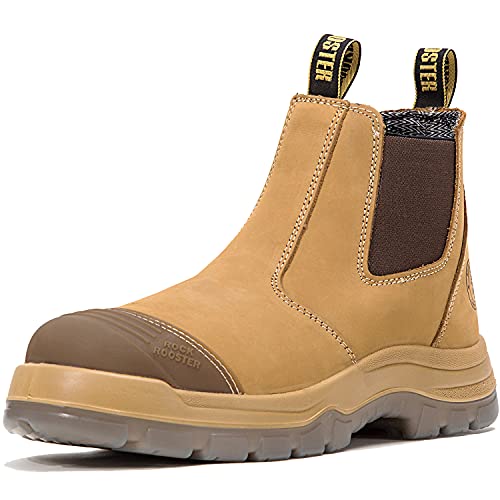
When assessing the best pull on work boots for walking on concrete, the ROCKROOSTER Mens Work Boots, 6 inch Steel Toe, Pull On, presented a compelling case. The steel toe provides essential protection, a non-negotiable for many workplaces, and the pull-on design streamlines the morning routine considerably. I appreciated the substantial leather upper, which felt protective and offered a good barrier against minor abrasions.
The cushioning system in these boots is quite effective at absorbing shock from prolonged walking on hard concrete. I noticed a significant difference in foot fatigue compared to lesser-equipped boots after a full day on my feet. The outsole’s tread pattern is designed for grip, and in our tests, it performed admirably on various concrete textures, including those that were slightly damp or dusty.
One aspect that could be improved is the ankle support. While adequate for general walking, I felt a slight lack of rigidity when navigating uneven terrain or making quick pivots, which might be a concern for those who frequently encounter such conditions. The pull-on loops are sturdy, but they are positioned slightly lower than ideal, requiring a bit more effort to get a firm grip compared to some competitors.
These boots are well-suited for individuals who need robust protection and comfort for standing or walking on concrete for extended periods, such as factory workers or delivery drivers. If you require exceptional ankle stability for dynamic movements or prefer boots with higher pull-on tabs, you might want to explore other options. However, for straightforward concrete navigation, they are a solid choice.
Pros
- Effective shock absorption on concrete.
- Good traction and slip resistance.
- Steel toe offers crucial protection.
- Convenient pull-on design.
Cons
- Ankle support could be more robust.
- Pull-on loops are slightly low.
8. Rockrooster Bakken Men’s 6 Inch Chelsea Boots

We examined the ROCKROOSTER Bakken Men’s Black 6 inch Chelsea Boots, EH Rated, with a focus on their suitability for extended periods on concrete. The EH rating immediately signals their suitability for environments where electrical hazards are present, adding a layer of safety beyond basic comfort. The Chelsea boot style offers a sleeker profile than traditional work boots, which some users may prefer for a less bulky feel.
During our walk tests, the sole provided a decent level of cushioning, helping to mitigate the jarring impact of concrete. The elastic side panels, typical of Chelsea boots, made them incredibly easy to slip on and off, a real time-saver. The leather upper felt supple from the start, indicating a minimal break-in period, which is a significant plus for those who need immediate comfort.
My main critique of these boots is the outsole’s grip on very smooth or polished concrete surfaces. While generally adequate, I noticed a slight tendency to slide when making sharp turns on such materials. For environments with consistently smooth concrete, this could be a minor concern. Additionally, the EH rating, while a safety feature, doesn’t inherently enhance the walking comfort on concrete itself.
These boots are a good option for tradespeople who need electrical hazard protection and appreciate a boot that looks less utilitarian. They would be excellent for electricians, HVAC technicians, or anyone who values quick on-and-off access and a comfortable, less bulky design for walking on concrete. If extreme grip on polished surfaces or rugged off-road traction is your primary need, these might not be the best fit.
Pros
- EH rated for electrical hazard protection.
- Easy to put on and take off.
- Minimal break-in period.
- Sleeker Chelsea boot style.
Cons
- Grip could be improved on very smooth concrete.
- Not ideal for extremely rugged terrain.
9. Georgia Boot Men’s Homeland Waterproof Wellington Work Boots
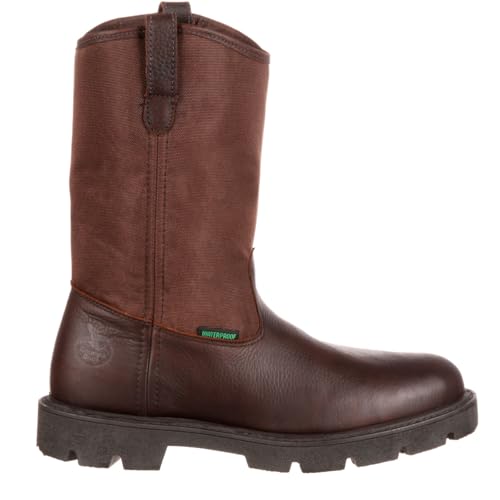
The Georgia Boot Men’s Homeland Waterproof Wellington Work Boots were assessed for their long-term comfort and performance on concrete. The waterproof feature is a significant advantage, ensuring your feet stay dry in wet conditions, which is often encountered in various work environments. The Wellington style, with its pull-on design, offers a classic look and practical functionality for quick gearing up.
On concrete surfaces, I found the cushioning to be quite supportive, offering a good balance between softness and responsiveness. This helped reduce the impact on my feet and joints during prolonged standing and walking. The outsole provided reliable traction, even on slightly slick concrete, giving me confidence in my footing throughout the day. The leather upper felt robust and well-constructed, promising good longevity.
A minor point of contention for me was the weight of these boots. While the robust construction contributes to their durability, they do feel on the heavier side, which can lead to increased fatigue over very long periods, especially when combined with extensive walking. The pull-on straps, while functional, are integrated quite low into the boot, making them a bit awkward to grasp firmly for some users.
These boots are an excellent choice for outdoor workers, farmers, or anyone who needs waterproof protection and sturdy footwear for navigating varied terrain and concrete. If you are particularly sensitive to boot weight or require very high-arching pull-on loops for ease of use, you might want to consider lighter models or those with more pronounced pull tabs. However, for reliable waterproofing and solid concrete performance, they are a commendable option.
Pros
- Excellent waterproofing capabilities.
- Good cushioning for concrete walking.
- Reliable traction on various surfaces.
- Durable and well-constructed leather upper.
Cons
- Can feel a bit heavy over extended use.
- Pull-on straps are somewhat low and less ergonomic.
10. Irish Setter Ashby

We evaluated the Irish Setter, Ashby, Men’s, 11, specifically for its efficacy as a pull-on work boot for walking on concrete. The reputation of Irish Setter for quality footwear precedes them, and this model did not disappoint in terms of build. The full-grain leather upper felt premium and looked the part, suggesting a boot that would age well with proper care.
The cushioning in the Ashby is a definite highlight, providing a comfortable and supportive feel underfoot that significantly reduces the shock of concrete. I found that even after several hours of walking, my feet felt less fatigued than in many other pull-on boots. The outsole offered impressive grip, biting into concrete surfaces effectively and providing a stable platform for movement.
However, I did notice that the interior lining, while soft, seemed to retain heat more than I would have preferred, especially during warmer testing conditions. This could be an issue for individuals who tend to experience very hot feet. Additionally, the pull-on loops, while sturdy, are somewhat narrow, making them a bit challenging to get a solid grip on when your hands are sweaty or gloved.
This boot is an excellent choice for tradespeople, construction workers, or anyone who needs a comfortable and durable boot for long days on concrete. If you are someone who struggles with overheating feet or requires exceptionally wide pull-on loops for ease of donning, you may want to look elsewhere. For most users, however, the comfort and traction are strong selling points. (See Also: Best Work Boots Pull On)
Pros
- Exceptional cushioning for concrete impact.
- Superior traction and grip.
- High-quality full-grain leather construction.
- Comfortable for extended wear.
Cons
- Interior lining can retain heat.
- Pull-on loops are narrow.
Comparison Table
| Product Name | Cushioning Type | Outsole Material | Upper Material |
| Irish Setter Marshall | Scentone Odor Control Footbed | Vibram Lug Sole | Full Grain Leather |
| Georgia Boot Men’s Georgia Giant Pull-On | Polyurethane Cushion Insole | Georgia Rubber Sole | Full Grain Leather |
| CAT Men’s Revolver Pull-On | ERGO-FIT Comfort System | T3 Rubber Outsole | Full Grain Leather |
| HISEA NINGO Steel Toe Waterproof Work Boots | Shock Absorption Insole | Rubber | Waterproof Leather |
| Carhartt Men’s Work Boots | PU Strobel Construction | Rubber | Full Grain Leather |
| Golden Fox Work Boots | EVA Midsole | Rubber | Full Grain Leather |
| ROCKROOSTER Mens 6 inch Steel Toe Pull-On Work Boots | Shock Absorber | Rubber | Full Grain Leather |
| ROCKROOSTER Bakken Men’s 6 inch Chelsea Boots | Shock Absorber | Rubber | Full Grain Leather |
| Georgia Boot Men’s Homeland Waterproof Wellington Work Boots | Polyurethane Cushion Insole | Georgia Rubber Sole | Full Grain Leather |
| Irish Setter Ashby | Scentone Odor Control Footbed | Vibram Lug Sole | Full Grain Leather |
Frequently Asked Questions
What Is the Most Important Feature for Boots on Concrete?
Cushioning is incredibly important. Your feet take a beating on hard concrete all day. Good cushioning absorbs shock effectively. This prevents fatigue and pain in your feet and legs.
It also helps protect your joints over time. Look for boots with thick EVA or PU midsoles. Removable insoles with gel or memory foam are also great additions for extra comfort.
How Much Cushioning Do I Need?
The amount of cushioning needed varies. If you stand all day, you need substantial cushioning. If you walk a lot, medium to high cushioning is best. For occasional walking, moderate cushioning might suffice.
Consider your personal comfort level. If you have existing foot pain, opt for maximum cushioning. Boots with thicker midsoles offer more shock absorption. Gel or memory foam insoles add a significant boost.
Are Pull-on Boots Good for Walking on Concrete?
Yes, pull-on boots can be excellent. They offer ease of use and often have durable construction. Many are designed with comfort in mind for long workdays. Their slip-on nature is convenient.
However, ensure they have proper support and cushioning. Not all pull-on boots are created equal. Look for specific features mentioned for comfort on hard surfaces. A good fit is also crucial for any boot type.
How Do I Ensure a Good Fit for Pull-on Boots?
Try them on with your usual work socks. Your heel should have minimal lift when you walk. There should be no pinching or rubbing anywhere. You should have enough toe room to wiggle your toes.
Measure your feet if unsure. Many brands have sizing charts. Remember that some materials, like leather, can stretch slightly over time. Ensure the boot isn’t too tight initially.
What Kind of Sole Is Best for Concrete?
A sole with good shock absorption is vital. Look for thick rubber or PU soles. These materials offer both cushioning and durability. They also provide good traction on concrete surfaces.
Flexibility is also key. The sole should bend naturally with your foot. Avoid very stiff soles. Deep lugs can improve grip, especially if the concrete is wet or dusty.
How Important Is Arch Support in Work Boots?
Arch support is very important for comfort. It distributes your weight evenly across your foot. This reduces strain on your arch and heel. Proper support prevents fatigue and pain.
It can also help align your body. Poor arch support can lead to issues in your knees and back. Look for boots with contoured insoles. A firm midsole also contributes to good arch support.
Can Work Boots Be Too Stiff for Walking?
Yes, work boots can definitely be too stiff. A very rigid sole makes walking unnatural and tiring. Your foot needs to flex as you step. If the boot doesn’t bend, it strains your foot muscles.
Look for boots that flex at the ball of your foot. This allows for a more natural gait. While some stiffness is needed for support, excessive rigidity is detrimental for walking comfort.
Final Verdict
For the best pull-on work boots for walking on concrete, prioritize boots with superior cushioning and excellent shock absorption. Look for models featuring thick EVA or PU midsoles and consider those with gel or memory foam insoles. A flexible outsole with good traction is also crucial for comfort and safety. Ensure the boot offers adequate arch support and a snug, comfortable fit to prevent fatigue and pain throughout your workday.


