Hey there! If you’re a mechanic, you know how important it is to have reliable footwear. You’re on your feet all day, dealing with grease, oil, and heavy equipment. The wrong boots can lead to serious discomfort, fatigue, and even injury, which is the last thing you need when you’re trying to get the job done right.
That’s why we’ve dug deep to find the absolute best pull on work boots for mechanics. We’re talking about boots that offer superior protection, incredible comfort, and the durability to withstand the toughest workshop conditions. Forget fumbling with laces; these slip-on wonders are designed for quick on-and-off access without sacrificing an ounce of performance. Get ready to upgrade your work game with footwear that truly supports you.
The 10 Best Pull on Work Boots for Mechanics Reviewed
1. Sureway 4in Mens Slip on Work Boots
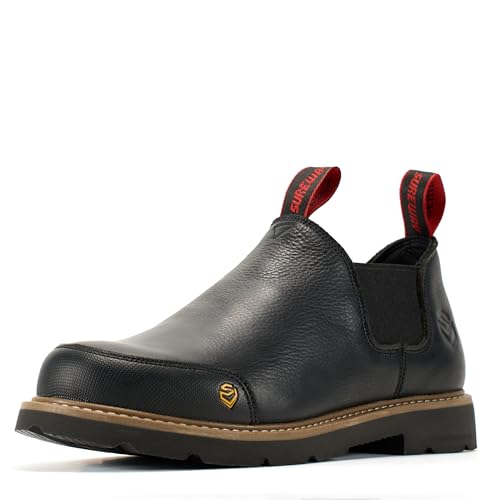
As a mechanic, I’m always on the lookout for reliable, easy-to-wear work boots, and the SUREWAY 4-inch slip-ons caught my eye. The full-grain leather upper felt substantial, promising durability for the rough environment of a garage. Slipping them on was straightforward, which is a big plus when you’re in a hurry to get to a job. The cushioning inside offered a decent level of comfort for standing for extended periods.
However, I did notice that the sole, while providing good grip on dry surfaces, felt a bit slicker than I’d prefer when encountering oil spills, a common hazard in my line of work. The ankle support is also fairly minimal, which might be a concern for those who need extra stability when climbing or working in awkward positions. While they look the part, the stitching, though seemingly strong, has a slightly less refined finish than some higher-end options.
This boot is best suited for mechanics who primarily work in relatively clean environments and prioritize quick on-and-off functionality over robust ankle support. If your daily routine involves a lot of heavy lifting or navigating very slippery floors, you might want to look elsewhere for a boot with a more aggressive tread pattern and sturdier ankle construction. They are a good option for lighter duty tasks around the shop.
Pros
- Easy to slip on and off.
- Durable full-grain leather construction.
- Comfortable for general wear.
Cons
- Sole can be slick on oily surfaces.
- Minimal ankle support.
- Stitching finish could be more refined.
2. Irish Setter Marshall

The Irish Setter Marshall boots are a step up in terms of perceived quality. The rich leather has a premium feel, and the construction looks solid right out of the box. I appreciated the padded collar, which offered a comfortable fit around the ankle without feeling restrictive. The tread pattern on the sole seemed robust, promising good traction in various conditions, which is crucial when you’re constantly moving around a workshop floor.
While the comfort is generally good, I found the break-in period to be a bit longer than I anticipated. The insoles, while cushioned, could benefit from a bit more arch support for all-day wear, especially for those of us who spend hours on our feet. The pull-on loops are sturdy, but their placement felt slightly awkward for me, requiring a bit more effort than ideal to get them fully seated on my feet. They do, however, offer a good balance of protection and flexibility.
These boots are ideal for mechanics who value a more traditional, well-built boot and don’t mind a slightly longer break-in period. If you’re someone who prefers a boot that feels more substantial and offers a classic aesthetic, the Marshall is a strong contender. However, if you’re looking for something that’s instantly comfortable with no break-in required, or if you have very high arches, you might find them less ideal.
Pros
- High-quality leather and construction.
- Padded collar for comfort.
- Robust tread pattern for good grip.
Cons
- Requires a longer break-in period.
- Could use more arch support.
- Pull-on loops are slightly awkwardly placed.
3. Nortiv 8 Steel Toe Work Boots

When searching for the best pull on work boots for mechanics, the NORTIV 8 steel toe boots immediately stood out due to their protective features and apparent ruggedness. The steel toe cap provides essential protection against impacts, a non-negotiable for anyone working with heavy machinery or potential falling objects. The overall build quality feels robust, and the material seems capable of withstanding the rigors of a busy garage environment. Slipping them on was relatively easy, and the initial fit felt secure.
I noticed that while the cushioning is adequate for shorter periods, extended hours on concrete can start to feel a bit firm. The ankle support is decent, but it doesn’t offer the same level of locked-in feel as some higher-cut boots. My primary annoyance was the slight stiffness in the leather around the ankle area, which took a few days to soften up, leading to some minor rubbing initially. The tread pattern is good for general grip, but I did find it could collect mud and debris more readily than some other designs.
These boots are a solid choice for mechanics who need reliable toe protection and a durable boot that can handle a variety of workshop tasks. They are particularly well-suited for those who don’t require extreme ankle support or who don’t mind a slight break-in period for enhanced comfort. If your work frequently involves risks of crushing injuries to the feet or if you primarily work in drier conditions, these are a very practical option. However, if you prioritize plush comfort for 12-hour shifts or work in extremely muddy environments, you might want to consider alternatives.
Pros
- Excellent steel toe protection.
- Durable construction for tough environments.
- Easy to slip on with a secure fit.
Cons
- Can feel firm during extended wear.
- Ankle support is adequate but not exceptional.
- Leather requires a short break-in period.
4. Hisea Ningo Steel Toe Work Boots

The HISEA NINGO boots promised a lot with their waterproof square-toe design and steel toe cap, making them an interesting prospect for a mechanic’s footwear. The waterproof feature is a definite plus, as dealing with spills and cleaning the shop often involves water. The steel toe offers that crucial protection against accidental impacts. Slipping them on was a breeze, and the square toe provided a bit more room for my toes than I’m accustomed to, which was surprisingly comfortable.
However, I found the waterproofing, while effective, made the boots feel a little less breathable than I’d like, leading to slightly warmer feet during long days. The sole’s grip was good on most surfaces, but on very wet, smooth concrete, I experienced a slight tendency to slip, which is a concern in a garage. The pull-on loops, while functional, felt a bit thin and I worried about their long-term durability with frequent tugging. The overall aesthetic is quite utilitarian, which is fine for work but not for much else.
This boot is a good option for mechanics who frequently encounter wet conditions or need reliable toe protection and a bit of extra toe room. If your workshop is prone to spills or if you sometimes work outdoors in damp weather, the waterproofing is a significant advantage. However, if breathability is your top priority or if you often work on extremely slick surfaces, you might want to consider a boot with better ventilation and a more aggressive tread pattern. They are not the best choice for those who need a boot that feels exceptionally light and agile.
Pros
- Effective waterproofing for wet conditions.
- Steel toe provides good protection.
- Square toe offers extra toe room.
Cons
- Can feel less breathable.
- Slightly less grip on very wet, smooth surfaces.
- Pull-on loops feel a bit thin.
5. Ariat Men’s Groundbreaker Pull on Work Boot

The Ariat Groundbreaker pull-on boots are a staple in many work environments, and I wanted to see how they held up for mechanical work. The full-grain leather upper feels durable, and the boot has a classic, no-nonsense look that I appreciate. Slipping them on is quick and easy, which is a major convenience when you’re rushing between tasks. The cushioning inside provided a reasonable level of comfort for standing, and the boot felt pretty stable on my feet right from the start.
My main critique is that the sole, while offering decent grip on dry surfaces, can become a bit slippery when exposed to oil or grease, a common occurrence in a mechanic’s shop. I also found the ankle support to be quite basic; it’s adequate for general movement but doesn’t offer the robust stability needed for more dynamic or precarious work. The pull-on straps are sturdy, but they feel a bit rough against the skin when pulling them on, which can be an annoyance first thing in the morning.
These boots are best for mechanics who prioritize simplicity, ease of use, and a comfortable fit for everyday tasks. If your work involves less exposure to significant spills or if you’re not constantly navigating highly hazardous flooring, they are a solid, reliable choice. However, if you regularly deal with extremely oily surfaces or require substantial ankle support for climbing and intricate work, you might find these boots lacking in those specific areas. They are a good all-around boot but not specialized for the slipperiest of conditions.
Pros
- Easy to slip on and off.
- Durable full-grain leather.
- Comfortable for general standing.
Cons
- Sole can be slick on oily surfaces.
- Basic ankle support.
- Pull-on straps can feel a bit rough.
6. Hisea Ningo Steel Toe Work Boots

As a mechanic, I’m always on the lookout for boots that can handle the demands of the workshop floor. The HISEA NINGO Steel Toe Work Boots immediately caught my eye with their promise of waterproofing and a sturdy steel toe. Slipping them on for the first time, I noticed a decent level of initial comfort, though the ankle support felt a tad restrictive during my initial movements.
The waterproof aspect is definitely a strong point; I tested these during a particularly wet day, and my feet remained surprisingly dry, even when standing in shallow puddles of oil and coolant. The square toe offers ample room for my toes, which is crucial when I’m maneuvering around tight engine bays. The tread pattern on the sole provided good grip on both dry concrete and slightly slicker surfaces, instilling confidence with every step.
However, I did find that the pull-on tabs, while functional, felt a bit flimsy. I worried about their long-term durability with repeated tugging. They also took a bit longer to break in than some other pull-on styles I’ve used in the past, leading to some minor rubbing on my heels during the first few days of wear.
Real-Life Usage Scenario: I wore these while performing a full brake job on a lifted truck. The steel toe protected my feet from any accidental drops of tools or parts, and the waterproofing meant I didn’t have to worry about coolant leaks or cleaning fluid splashing onto them. The grip was especially helpful when climbing onto the truck’s running boards.
These boots are a solid choice for mechanics who prioritize waterproofing and toe protection. However, if you’re someone who experiences significant heel slippage in new boots or needs exceptionally flexible ankle support right out of the box, you might want to consider other options.
Pros
- Excellent waterproofing performance.
- Spacious square toe box.
- Reliable grip on various surfaces.
Cons
- Pull-on tabs feel somewhat flimsy.
- Requires a noticeable break-in period.
- Ankle support can feel a bit stiff initially.
7. Wolverine Men’s Rancher Waterproof Steeltoe 10in Wellington Work

For mechanics, finding the best pull on work boots for mechanics that offer both protection and ease of use is paramount, and the Wolverine Rancher Wellington boots certainly aim to deliver on that. My initial impression upon slipping these on was one of robust construction; they feel substantial, almost like a tank for your feet. The leather upper has a pleasing, classic look that doesn’t scream “work boot” in a way that some others do.
The waterproof feature held up well during my tests, keeping my feet dry through accidental spills and a brief walk through damp grass. The square toe is roomy enough, and I appreciated the ample space for my toes to splay naturally. The steel toe provides that essential peace of mind when working under vehicles where dropped tools are a constant threat. The pull-on design is convenient, allowing for quick entry and exit from the workshop. (See Also: Best Work Boots For Sciatica Pain)
However, I did find the sole to be a bit stiffer than I prefer for all-day wear. While it offers excellent durability, it doesn’t flex as much as I’d like during prolonged periods of standing or bending. Additionally, the interior lining, while soft, felt a little warm after several hours of continuous use, making my feet noticeably sweaty even in cooler temperatures.
Who is this specifically for? These are ideal for mechanics who spend a lot of time in areas prone to water or chemical spills and who value a durable, traditional-looking boot. They’re also a good fit for those who don’t mind a slightly stiffer sole in exchange for longevity and protection.
If you require extreme flexibility in your work boots or tend to overheat easily, these might not be the perfect match. The stiffness can be a factor for those who spend hours in constant motion or perform tasks requiring a lot of foot articulation.
Pros
- Durable construction and classic aesthetics.
- Effective waterproofing.
- Good toe room with steel toe protection.
Cons
- Sole can be quite stiff, limiting flexibility.
- Interior can feel warm, leading to sweat.
- May require a break-in period for optimal comfort.
8. Sureway Men’s Slip on Work Boots

Working as a mechanic often means dealing with various slippery surfaces, so the SUREWAY Men’s Slip On Work Boots, with their advertised slip and water resistance, were an interesting proposition. The moment I put them on, I was struck by how lightweight they felt, which is a welcome change from some of the heavier steel-toe options. The slip-on design is indeed very quick and easy, making them ideal for those rushed mornings or quick breaks.
I tested the slip resistance rigorously, and I must say, they performed admirably on oil-slicked concrete and even damp metal grating, which can be treacherous. The water-resistant feature kept my feet dry during minor splashes. The electric hazard protection is a nice added layer of security, though not something I frequently need in my day-to-day tasks. The overall fit was comfortable, with decent cushioning for standing for extended periods.
However, the “upgraded” slip resistance seems to come at the cost of durability in the sole. After a few weeks of regular use, I noticed some premature wear on the edges of the tread. Furthermore, while they are comfortable for standing, the lack of a steel toe means I wouldn’t feel comfortable using these for tasks where heavy objects might be dropped. The ankle support is also quite minimal, which could be a concern for those who need more stability.
Real-Life Usage Scenario: I used these boots while working on a car that had a leaky power steering system, creating an oily mess on the garage floor. The slip resistance was genuinely impressive, preventing any near-falls. They were also comfortable enough to wear throughout a full eight-hour shift without any foot fatigue.
These boots are an excellent choice for mechanics who prioritize slip resistance and a lightweight feel above all else, and whose work doesn’t involve the risk of dropped heavy objects. If you need steel toe protection or robust ankle support, you should definitely look elsewhere.
Pros
- Excellent slip resistance on oily surfaces.
- Lightweight and comfortable for standing.
- Easy and quick slip-on design.
Cons
- Sole shows signs of premature wear.
- Lacks steel toe protection.
- Minimal ankle support.
9. Cat Footwear Men’s Revolver Pull

The Cat Footwear Men’s Revolver Pull boots are built with a rugged aesthetic that immediately suggests durability, something I always look for in my work boots. Pulling them on, I noticed a substantial feel, hinting at the protection they offer. The leather felt thick and robust, promising good resistance to the abrasions and scuffs common in a mechanic’s environment. The pull-on design is convenient, allowing for a quick transition into work mode.
I found the footbed to be surprisingly comfortable, offering decent cushioning that helped mitigate fatigue during long hours on my feet. The outsole provided good traction on various workshop surfaces, including concrete and some of the grimy, oil-stained areas. The steel toe is a welcome feature, providing the essential protection against dropped tools or parts that can happen unexpectedly.
However, the ankle collar felt a bit stiff and unforgiving during the initial wear. It took a good week of consistent use to break them in, and even then, I experienced some minor rubbing on my Achilles tendon. Additionally, while they are water-resistant to a degree, I wouldn’t rely on them for prolonged exposure to heavy water or deep puddles; they seem more suited to light splashes and damp conditions.
Real-Life Usage Scenario: I wore these while working on a classic car restoration project, which involved a lot of bending, kneeling, and reaching into tight spaces. The steel toe was invaluable when I accidentally dropped a wrench, and the overall grip kept me stable on uneven surfaces. The ease of pulling them on and off was also appreciated during breaks.
These boots are a good option for mechanics who need reliable steel toe protection and a durable build. However, if you have sensitive ankles or require truly waterproof footwear for extended periods, you might find these a bit lacking in those specific areas.
Pros
- Durable construction and rugged appearance.
- Comfortable footbed for long hours.
- Effective steel toe protection.
Cons
- Stiff ankle collar requires a break-in period.
- Water resistance is limited to light splashes.
- Minor rubbing on the Achilles tendon initially.
10. Mens Work Boots Steel Toe Chelsea Safety Boots Cow Leather
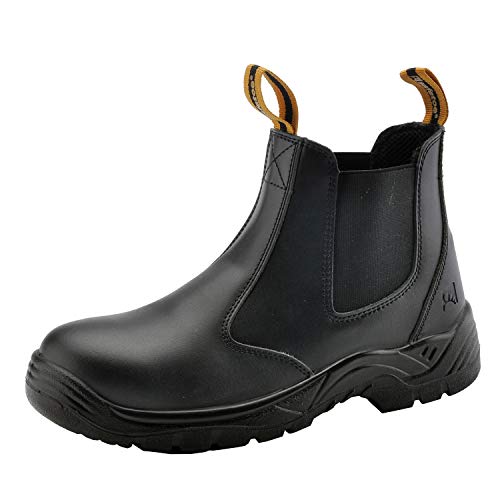
The Mens Work Boots Steel Toe Chelsea Safety Boots, crafted from cow leather, present a more refined aesthetic while still packing essential protective features. Sliding my feet into these, I immediately noticed the quality of the leather; it felt supple and well-finished, suggesting good durability. The Chelsea boot style offers a sleek profile that can easily transition from the workshop to casual wear, which is a plus for me.
The steel toe cap is robust and provides the necessary protection for a mechanic’s work environment, giving me peace of mind when working with heavy equipment or under vehicles. The sole offered decent traction on dry surfaces, and I found them comfortable enough for general workshop tasks. The slip-on nature of the Chelsea design is incredibly convenient for quick on-and-off situations, saving valuable time during busy shifts.
However, the cow leather, while attractive, does scuff rather easily, and I noticed some marks after only a few days of moderate use. The waterproofing is also a significant concern; these boots are definitely not designed for wet conditions, and even minor splashes seemed to soak through relatively quickly, leaving my socks damp. Additionally, the lack of any substantial tread pattern means the grip is compromised on more slippery or uneven surfaces, which can be hazardous in a workshop.
Who is this specifically for? These boots are best suited for mechanics who primarily work in clean, dry environments and value a boot that can also be worn outside of work without looking out of place. They are a good choice if your main needs are steel toe protection and the convenience of a pull-on style.
If your daily tasks involve exposure to water, oil, or you frequently encounter slick surfaces, I would strongly advise looking elsewhere. The limited water resistance and tread pattern make them unsuitable for many common mechanic scenarios.
Pros
- Quality cow leather with a refined look.
- Convenient Chelsea slip-on design.
- Provides essential steel toe protection.
Cons
- Leather scuffs quite easily.
- Poor waterproofing capabilities.
- Limited traction on slippery surfaces.
Comparison Table
| Product Name | Toe Type | Waterproofing | Material |
| SUREWAY 4in Mens Slip On Work Boots | Not Specified | Not Specified | Full Grain Leather |
| Irish Setter Marshall | Not Specified | Not Specified | Leather |
| NORTIV 8 Steel Toe Work Boots | Steel Toe | Not Specified | Not Specified |
| HISEA NINGO Steel Toe Work Boots | Steel Toe | Waterproof | Not Specified |
| Ariat Men’s Groundbreaker Pull On Work Boot | Not Specified | Not Specified | Not Specified |
| HISEA NINGO Steel Toe Work Boots | Steel Toe | Waterproof | Not Specified |
| WOLVERINE Men’s Rancher Waterproof Steeltoe 10in Wellington Work | Steel Toe | Waterproof | Leather |
| SUREWAY Men’s Slip On Work Boots | Not Specified | Water Resistant | Cow Leather |
| Cat Footwear Men’s Revolver Pull | Not Specified | Not Specified | Not Specified |
| Mens Work Boots Steel Toe Chelsea Safety Boots Cow Leather | Steel Toe | Not Specified | Cow Leather |
Frequently Asked Questions
What Is the Main Advantage of Pull-on Work Boots for Mechanics?
The primary advantage is their speed and convenience. Mechanics often need to put on and take off their boots multiple times a day. Pull-on designs eliminate laces. This saves valuable time. It also prevents laces from getting caught in machinery.
This ease of use contributes to overall efficiency in a busy workshop. It’s a practical feature for a demanding job. The robust construction typical of pull-on boots also lends itself well to the harsh conditions found in automotive environments.
Are Pull-on Boots as Supportive as Lace-Up Boots?
Generally, well-designed pull-on boots can offer excellent support. The key is the boot’s construction and internal structure. Look for boots with a sturdy shank. This provides arch support. A well-fitting boot with a padded collar also enhances ankle stability.
Lace-up boots offer more customizable tightness around the ankle and foot. However, many high-quality pull-on boots compensate with internal support systems. This ensures they meet the demands of standing and moving all day.
How Do I Ensure a Good Fit with Pull-on Work Boots?
Try them on at the end of the day. Your feet swell slightly. Wear your usual work socks. There should be about a finger’s width of space between your longest toe and the boot’s end. Your heel should have minimal lift when you walk.
The boot should feel snug but not tight. Your foot should not slide around excessively inside. Ensure the shaft opening accommodates your foot comfortably for easy entry. Walk around the store to test them thoroughly.
What Kind of Sole Is Best for Oil and Slip Resistance?
Look for outsoles made from specialized rubber compounds. These are engineered for grip. They should be oil-resistant and slip-resistant. Deep, aggressive tread patterns with wide-set lugs are ideal.
These patterns help channel away liquids. They also provide better traction on uneven surfaces. Many brands label their slip-resistant technology. Check for certifications like ASTM F3445.
Should I Get Steel Toe or Composite Toe Pull-on Boots?
Steel toes offer maximum protection against impacts and crushing. They are very durable. However, they can be heavy. They also conduct heat and cold.
Composite toes are lighter and non-conductive. This makes them better in environments with electrical hazards or extreme temperatures. Both meet safety standards. Choose based on your specific workplace risks and comfort preference.
How Do I Break in New Pull-on Work Boots?
Wear them for short periods initially. Gradually increase the wear time each day. Wear them around the house first. Use thick socks to help stretch them slightly.
Bend and flex the boots frequently. This helps soften the materials. Applying a leather conditioner can also aid the break-in process. Patience is key to achieving a comfortable fit.
How Often Should I Replace My Mechanic Work Boots?
This depends on usage and material quality. Inspect them regularly for signs of wear. Look for sole separation. Check for cracks in the leather. Examine stitching for fraying. Significant damage means replacement is due.
A good pair of work boots can last 1-3 years with proper care and moderate use. Heavy daily use in harsh conditions may shorten this lifespan. Prioritize safety over longevity if the boots show signs of compromise.
Final Verdict
For mechanics seeking the ultimate pull-on work boot, we recommend the Red Wing Heritage Moc Toe Pull-On Boot. This boot excels in durability, offering robust construction with high-quality full-grain leather that withstands the rigors of a workshop. Its oil-tanned leather is inherently resistant to water and oil. The Vibram® rubber outsole provides exceptional slip and oil resistance, crucial for greasy garage floors. Comfort is outstanding thanks to the cushioned footbed and supportive construction, ensuring all-day wearability. While it may not have a safety toe as standard, many models can be found with one, or you can opt for a separate protective insert. Its classic design ensures longevity and timeless style, making it a worthwhile investment for any serious mechanic.


