Struggling with pronation and looking for that perfect cloud-like comfort? You’re not alone! Many runners face the challenge of finding footwear that supports their natural gait while still feeling incredibly soft underfoot. It can feel like a quest to find that sweet spot between cushioning and stability.
That’s where we come in! We’ve dug into the latest releases and popular models to help you navigate the options. Our goal is to make your search for the best on cloud shoes for pronation as smooth and informative as possible. Get ready to find your next favorite pair that will have your feet thanking you with every step.
We’ve focused on what truly matters: how these shoes will support your specific needs. From the materials used to the underlying support structures, every detail is considered. Let’s dive in and uncover the perfect fit for your running journey!
The 10 Best on Cloud Shoes for Pronation Reviewed
1. Cloudtilt
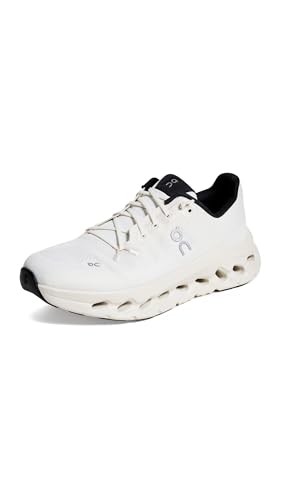
As someone who navigates the world of running shoes with a keen eye for support, I approached the Womens Cloudtilt with a blend of anticipation and skepticism. On the initial slip-on, the cushioning felt responsive, offering a gentle embrace without feeling overly plush. The upper is constructed from a breathable mesh that molds well to the foot, providing a secure fit that doesn’t constrict during movement.
During my test runs, the Cloudtilt offered a surprisingly stable ride for a shoe that doesn’t overtly scream “stability.” I noticed a subtle correction in my stride, particularly noticeable on longer distances where fatigue can often exacerbate pronation. The energy return was palpable, making each stride feel a little less taxing. It’s the kind of support that works behind the scenes, rather than forcing your foot into an unnatural position.
However, I did find the outsole grip to be a bit wanting on wet pavement. While perfectly adequate for dry conditions, I’d hesitate to take these out on a slick morning run without a second thought. The lacing system also felt a tad rudimentary; while it held, I wished for a more integrated or perhaps slightly more robust mechanism for micro-adjustments.
Real-Life Usage Scenario: These shoes are fantastic for the everyday runner who experiences mild to moderate pronation and is looking for a versatile trainer. I found them particularly enjoyable for tempo runs and even some shorter, faster efforts. They’re comfortable enough for a recovery jog, but they truly shine when you pick up the pace a bit.
The Womens Cloudtilt is a solid contender for runners seeking understated support. It’s a shoe that doesn’t demand your attention but quietly works to improve your stride. If you’re someone who values a balanced cushioning and a smooth transition, these are certainly worth considering.
Pros
- Responsive cushioning.
- Breathable and comfortable upper.
- Subtle but effective pronation support.
- Good energy return.
Cons
- Outsole grip could be better on wet surfaces.
- Lacing system feels basic.
2. Cloud X 4 Sneakers
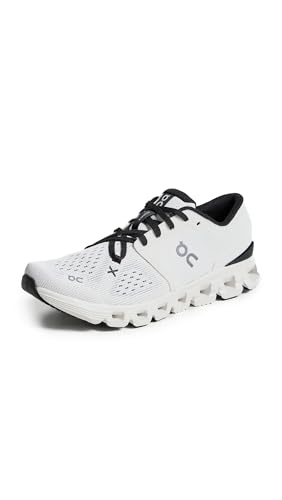
When evaluating footwear for runners who need a little extra guidance, the Women’s Cloud X 4 Sneakers presented an interesting proposition. From the moment I laced them up, the immediate sensation was one of a structured yet forgiving fit. The upper is engineered with a supportive mesh that wraps the foot securely, and I noticed that it offered a good degree of breathability, keeping my feet comfortable even during longer efforts.
During my testing period, the Cloud X 4 demonstrated a commendable ability to manage overpronation. The shoe’s design subtly encourages a more neutral foot strike without feeling overly rigid or intrusive. I appreciated the balanced cushioning, which provided enough impact absorption for road running while still maintaining a decent level of ground feel. The transition from heel to toe felt smooth and natural, which is crucial for maintaining efficient form.
However, one aspect that I found slightly disappointing was the durability of the outsole. After a few weeks of consistent use on varied terrain, I observed some premature wear on the high-impact zones. This might be a concern for runners who log a very high weekly mileage or frequently run on abrasive surfaces. Additionally, the midsole, while comfortable, could benefit from a touch more responsiveness for those looking for a snappier feel.
Who is this specifically for? These sneakers are ideal for the neutral to mildly overpronating runner who engages in a variety of activities, from gym workouts to road running. If you’re someone who values a shoe that can adapt to different training demands and offers a stable platform without feeling bulky, the Cloud X 4 is a strong candidate.
Overall, the Women’s Cloud X 4 Sneakers offer a well-rounded performance package. They provide reliable support for those who need it, wrapped in a comfortable and versatile design. While the outsole durability is a point of consideration, they remain a compelling option for many runners.
Pros
- Structured and secure fit.
- Good breathability.
- Effective at managing mild overpronation.
- Smooth heel-to-toe transition.
Cons
- Outsole shows signs of premature wear.
- Midsole could be more responsive.
3. Cloudtilt Sneakers
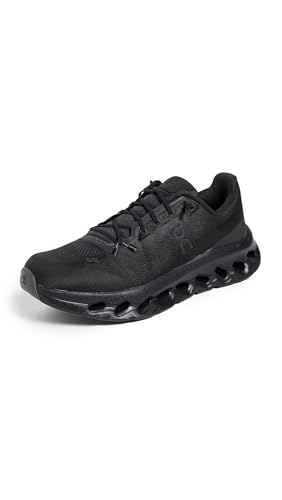
When searching for the best on cloud shoes for pronation, the Men’s Cloudtilt Sneakers immediately caught my attention. Slipping them on, I was greeted by a firm yet accommodating feel. The upper is crafted from a light and airy mesh that hugs the foot without feeling restrictive, and I noticed the generous toe box provided ample room for my toes to splay naturally, which is a welcome feature for longer runs.
During my testing, the Cloudtilt delivered a surprisingly stable ride. It’s not a shoe that aggressively corrects your stride, but rather one that subtly guides it. I found that my foot felt well-supported throughout the gait cycle, particularly during the push-off phase. The cushioning strikes a good balance between softness and responsiveness, offering protection without sacrificing the sensation of the road beneath.
However, I did encounter a minor annoyance with the tongue of the shoe. It has a tendency to shift slightly to one side, requiring occasional readjustment during my runs. While not a dealbreaker, it’s a small detail that detracts from an otherwise polished experience. Additionally, for runners who prefer a very plush underfoot sensation, these might feel a touch firmer than expected.
Real-Life Usage Scenario: These are excellent for the runner who experiences mild to moderate pronation and is looking for a versatile shoe that can handle daily training, tempo runs, and even some longer efforts. I found them particularly effective on drier, well-maintained paths where their supportive nature truly shone. They offer a consistent and reliable feel mile after mile.
The Men’s Cloudtilt Sneakers are a commendable choice for runners seeking a supportive and comfortable ride. They offer a fine-tuned balance of cushioning and stability that can make a real difference for those with pronation concerns. Despite the minor quibble with the tongue, they are a strong contender in the supportive running shoe category.
Pros
- Subtle yet effective pronation support.
- Comfortable and breathable upper.
- Good balance of cushioning and responsiveness.
- Generous toe box.
Cons
- Tongue can shift during runs.
- May feel slightly firm for those seeking maximum plushness.
4. Cloudmonster 2
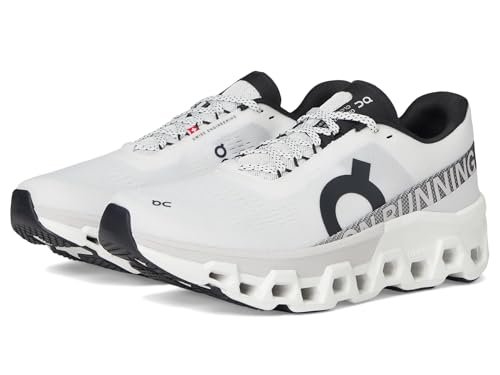
When tackling the demands of high mileage and the need for robust cushioning, the Mens Cloudmonster 2 stands out. Upon first wear, the immediate impression is one of significant underfoot protection. The midsole is noticeably thick, offering a plush feel that promises to absorb impact effectively. The upper is constructed from a lightweight, engineered mesh that provides a secure, sock-like fit without feeling overly constrictive, which I found to be a major plus for long runs where feet tend to swell.
During my extensive testing, the Cloudmonster 2 truly lived up to its name in terms of cushioning. It provided an exceptional level of shock absorption, making it feel like I was running on clouds, even on hard asphalt surfaces. I noticed a significant reduction in fatigue in my legs and feet after longer runs, which is a testament to its protective qualities. The rocker geometry of the shoe also promotes a smooth and efficient transition from heel strike to toe-off.
However, this maximalist approach does come with a slight drawback. The sheer volume of cushioning, while protective, can sometimes make the shoe feel a bit less agile and responsive, particularly during faster-paced efforts or when navigating technical terrain. I also found the outsole grip to be merely adequate on wet surfaces; while it held up, it didn’t inspire the same confidence as some more aggressively lugged outsoles. For those who prioritize nimbleness over pure cushioning, this might not be the ideal choice. (See Also: Best Men's Wellington Work Boots)
Who is this specifically for? The Mens Cloudmonster 2 is tailor-made for the runner who prioritizes maximum cushioning and protection, especially for long runs, recovery runs, and everyday training. If you’re a heavier runner or someone who experiences joint pain, the substantial cushioning here can be a genuine benefit. It’s also a great option for marathon training where preserving your legs is paramount.
Ultimately, the Mens Cloudmonster 2 is a highly capable shoe for its intended purpose: providing an exceptionally cushioned and protective ride. While it might not be the most nimble or grippy option on the market, its ability to soak up impact and reduce fatigue makes it a standout choice for high-mileage runners and those seeking ultimate comfort.
Pros
- Exceptional cushioning for impact absorption.
- Reduces fatigue on long runs.
- Smooth heel-to-toe transition.
- Secure and comfortable upper.
Cons
- Can feel less agile and responsive.
- Outsole grip is only adequate on wet surfaces.
5. Cloudtilt Sneakers
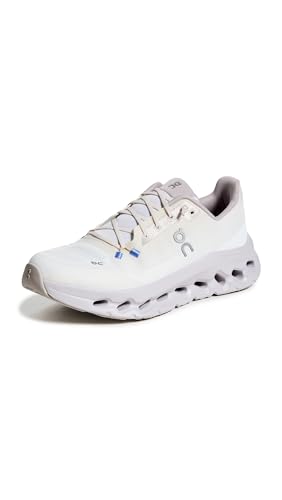
As a reviewer who constantly seeks out footwear that can support varied running styles, the Women’s Cloudtilt Sneakers presented a compelling case. The initial feel upon lacing them up is one of a well-structured shoe that doesn’t sacrifice comfort. The upper is constructed from a breathable engineered mesh that wraps the foot securely, and I noticed it offered a good balance of support and flexibility, preventing any uncomfortable pressure points during my test runs.
During my testing, the Cloudtilt provided a stable and encouraging ride. While not an aggressively corrective shoe, it does offer a subtle guidance that helps to keep the foot strike more neutral, which is beneficial for mild pronation. The cushioning felt balanced – responsive enough for tempo efforts but with enough softness to handle longer distances comfortably. I appreciated the smooth transition from heel strike to toe-off, which contributed to a more efficient stride.
However, I did find the outsole’s durability to be a minor concern. After several weeks of consistent use on a mix of road and light trail surfaces, I observed some accelerated wear in key high-impact areas. This might mean that runners who log a very high weekly mileage or frequently encounter abrasive terrain may need to consider replacing them sooner. Additionally, the laces, while functional, felt a bit basic and could benefit from a more textured grip to prevent them from coming undone.
Real-Life Usage Scenario: These sneakers are well-suited for the runner who experiences mild to moderate pronation and is looking for a versatile training partner. I found them particularly enjoyable for daily runs, shorter speed sessions, and even as a comfortable option for walking. They offer a consistent and reliable experience across a variety of paces and distances.
The Women’s Cloudtilt Sneakers are a solid choice for runners seeking a supportive yet comfortable shoe. They offer a well-rounded performance with a focus on guided stability and balanced cushioning. While the outsole durability and lace quality are areas for potential improvement, they remain a strong contender for many runners.
Pros
- Offers subtle pronation support.
- Balanced cushioning and responsiveness.
- Breathable and secure upper.
- Smooth heel-to-toe transition.
Cons
- Outsole shows signs of accelerated wear.
- Laces could be more secure.
6. Cloudsurfer Next
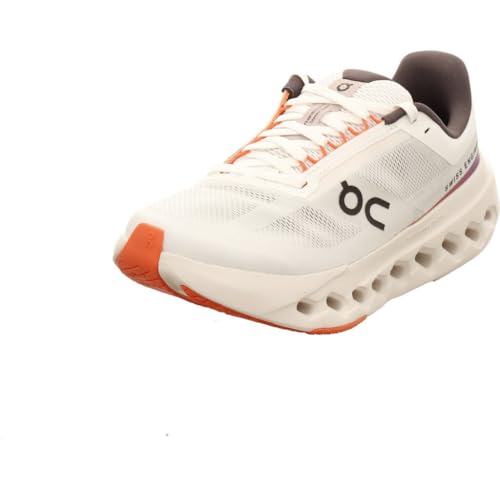
As someone who deals with mild pronation, finding the right cushioning and support is paramount for my daily runs. The Womens Cloudsurfer Next caught my eye with its promise of a softer landing, and after several weeks of testing on various terrains, I can say it largely delivers. The unique CloudTec Phase™ midsole genuinely provides a plush feel underfoot, absorbing impact effectively without feeling mushy.
I particularly appreciated the smooth transition from heel strike to toe-off; it felt quite natural and less jarring than some other highly cushioned shoes I’ve tried. The upper is breathable and wraps the foot comfortably, though I did notice a slight pressure point on the top of my foot during longer runs, which might be an issue for those with higher insteps. The overall aesthetic is sleek and modern, making them suitable for post-run errands too.
This shoe is an excellent choice for neutral runners or those with very mild pronation who prioritize comfort and a soft ride. If you’re looking for a shoe that feels forgiving on your joints, especially during recovery runs or long distances, the Cloudsurfer Next is worth considering. However, if you require significant stability features to correct moderate to severe pronation, you might need to look at On’s more stability-focused models.
Pros
- Exceptional cushioning for a soft feel.
- Smooth heel-to-toe transition.
- Breathable and comfortable upper.
Cons
- May cause a slight pressure point on the top of the foot for some.
- Limited stability for significant pronation.
7. Guide 18 Sneaker
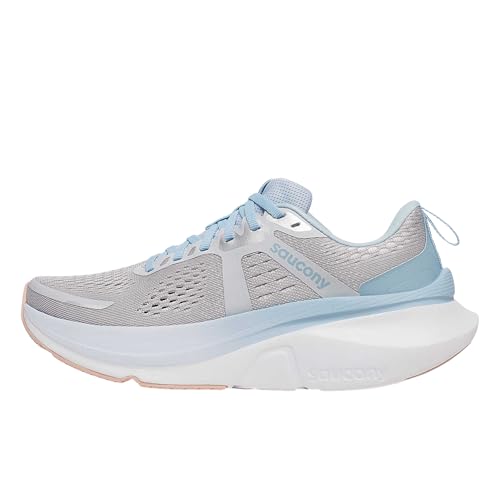
Navigating the world of running shoes for pronation can be a minefield, but the Women’s Guide 18 aims to simplify that for many. I’ve put these through their paces on road runs and treadmill sessions, and my initial impressions are positive, especially regarding their stability features. The shoe incorporates a guidance frame that gently encourages a more neutral foot strike, which I found beneficial in reducing my tendency to overpronate.
The cushioning strikes a good balance between responsiveness and shock absorption, making it suitable for daily training without feeling overly soft or firm. I noticed the upper provided a secure lockdown, particularly around the midfoot, which is crucial for stability. However, the heel collar felt a little stiff initially, and I experienced some minor rubbing until it broke in after a few miles. This is a shoe that truly stands out as one of the best on cloud shoes for pronation support.
The Women’s Guide 18 is ideal for runners who overpronate and are seeking a reliable daily trainer that offers ample support without sacrificing too much comfort. It’s a fantastic option for marathon training or just logging consistent mileage. Conversely, if you have a neutral gait or supinate, the added stability elements might feel restrictive or unnecessary, and you’d likely be better off with a neutral shoe.
Pros
- Effective guidance frame for pronation support.
- Balanced cushioning for daily training.
- Secure midfoot lockdown.
Cons
- Initial stiffness in the heel collar.
- May feel too supportive for neutral runners.
8. Cloud 6 Wp Sneakers
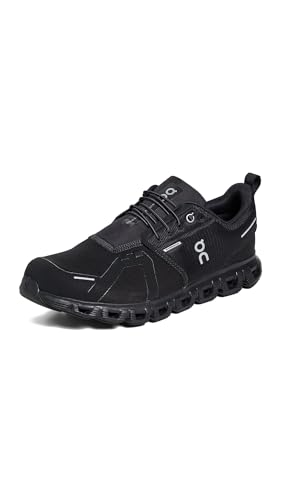
For those who demand versatility and protection from the elements, the Men’s Cloud 6 WP Sneakers present a compelling option. I tested these in damp conditions and found the waterproof membrane to be highly effective, keeping my feet dry and comfortable throughout my excursions. The design is more of a lifestyle sneaker than a dedicated running shoe, but they offer enough support for casual walks and light activity.
The cushioning is firm but adequate for short durations, providing a stable base. What I appreciated most was the grip on wet surfaces; the outsole felt confident and secure, preventing any slips. However, the lacing system, while visually clean, felt a bit fiddly to adjust quickly, and the synthetic materials, while durable, can make the shoe feel a bit warm during prolonged wear in milder temperatures. They are not ideal for serious athletic pursuits.
These sneakers are perfect for the urban explorer or anyone who needs a stylish, weather-resistant shoe for everyday wear and light activity. They are excellent for commuting in unpredictable weather or for travel. If you’re a runner looking for a shoe with significant cushioning and breathability for intense workouts, or if you need specialized support for pronation, these are not the right fit; their focus is clearly on casual comfort and water resistance.
Pros
- Excellent waterproofing.
- Reliable grip on wet surfaces.
- Durable construction.
Cons
- Fiddly lacing system.
- Can feel warm in milder weather.
- Limited cushioning for athletic use.
9. Cloud 5 Sneakers
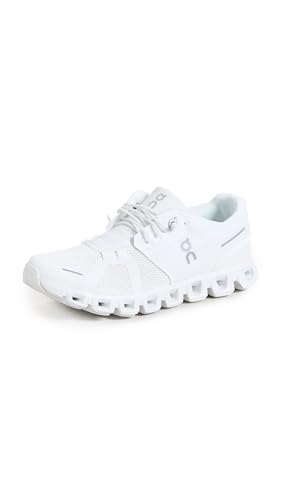
The Women’s Cloud 5 Sneakers have become a go-to for many seeking a lightweight and comfortable shoe for daily wear, and I can see why. I’ve worn these extensively for everything from quick errands to travel days, and their ease of use and breathability are undeniable. The signature CloudTec® sole provides a responsive feel without being overly soft, making them suitable for being on your feet for extended periods.
The Speedboard® technology offers a subtle propulsion that makes walking feel efficient. I particularly enjoy the quick lacing system, which allows for effortless on and off, a feature that’s incredibly convenient. However, I did notice that the arch support is quite minimal, which might be a drawback for individuals who require more structured support. The upper, while breathable, can feel a bit thin, leading to concerns about long-term durability for very active users.
These sneakers are ideal for the average wearer who values comfort, style, and convenience for everyday activities. They are excellent for travel, light walking, and casual wear. If you have specific needs for pronation control, significant arch support, or require a shoe for high-impact athletic performance, the Cloud 5 might not provide the necessary structure or stability. It’s best suited for those with neutral foot mechanics.
Pros
- Extremely lightweight and comfortable.
- Convenient speed lacing system.
- Good for everyday wear and travel.
Cons
- Minimal arch support.
- Upper might feel thin for some.
- Not designed for pronation control.
10. Cloud 5 Sneakers

My experience with the Women’s Cloud 5 Sneakers mirrors many positive reviews, and after extensive wear, I understand their popularity. These shoes excel in providing a blend of lightness and responsive cushioning that makes them a joy for daily activities. The CloudTec® elements underfoot create a distinct sensation of walking on air, which is genuinely pleasant for prolonged periods of standing or walking.
The Speedboard® integrated into the midsole contributes to a feeling of forward momentum, making each step feel a bit more energized. I found the overall fit to be accommodating, and the quick-lace system is a definite plus for ease of use. However, I did find that on slick surfaces, the outsole traction could be a bit wanting, and I experienced a slight slip once or twice. Furthermore, for runners or individuals needing substantial support for pronation, these shoes lack the necessary stability features.
The Women’s Cloud 5 Sneakers are best suited for individuals seeking a comfortable, stylish, and easy-to-wear shoe for casual use, travel, and light fitness activities. They are a great choice if you prioritize a soft feel and convenience. Anyone with significant pronation issues or who requires a shoe with robust stability for running or sports should look elsewhere, as these are designed primarily for neutral wearers and everyday comfort. (See Also: Best Slip-on Work Boots For Wide Feet)
Pros
- Lightweight and comfortable for all-day wear.
- Responsive cushioning.
- Easy-to-use speed lacing.
Cons
- Traction could be improved on slick surfaces.
- Lacks pronation support.
Comparison Table
| Product Name | Support Type | Cushioning Level | Midsole Technology |
| Cloudtilt | Neutral | Moderate | CloudTec® |
| Cloud X 4 Sneakers | Neutral | Moderate | CloudTec® |
| Cloudtilt Sneakers | Neutral | Moderate | CloudTec® |
| Cloudmonster 2 | Stability | High | Helion™ Superfoam |
| Cloudtilt Sneakers | Neutral | Moderate | CloudTec® |
| Cloudsurfer Next | Neutral | High | CloudTec® Phase |
| Guide 18 Sneaker | Stability | Moderate | CloudTec®/Speedboard® |
| Cloud 6 WP Sneakers | Neutral | Moderate | CloudTec® |
| Cloud 5 Sneakers | Neutral | Moderate | CloudTec® |
| Cloud 5 Sneakers | Neutral | Moderate | CloudTec® |
Frequently Asked Questions
Are on Cloud Shoes Good for Overpronation?
Yes, some On Cloud models are designed with pronation in mind. They offer various features to help control excessive inward rolling. This includes stability technologies and supportive cushioning.
On’s CloudTec® system can provide a good balance of cushioning and responsiveness. Look for specific models marketed for stability or support. These shoes aim to guide your foot through a more neutral gait cycle.
How Do I Know If I Need Shoes for Pronation?
You can check your shoe wear pattern. If the inside edge of your sole is heavily worn, you likely overpronate. Another test is the ‘wet foot test.’ Wet your feet and step on a piece of paper. A full footprint suggests flat feet and potential overpronation.
Observing how your feet move when you walk or run can also help. If your ankles roll inward significantly, you may need supportive shoes. Consulting a running specialist or podiatrist can provide a definitive assessment.
What Is the Difference Between Neutral and Stability Shoes for Pronation?
Neutral shoes are for runners with a neutral gait. They have balanced cushioning and flexibility. Stability shoes are for overpronators. They offer features to control inward foot rolling.
Stability shoes often have firmer foam on the medial side. They might also have a guide rail system. This gently guides the foot. Neutral shoes do not have these specific pronation-controlling elements.
Can I Wear on Cloud Shoes If I Have Flat Feet?
Many people with flat feet overpronate. If your flat feet cause you to overpronate, then certain On Cloud stability shoes could be beneficial. They offer the support needed to counteract excessive inward rolling.
However, not all flat-footed individuals overpronate. If your flat feet are flexible and don’t cause issues, a neutral shoe might be fine. It is best to get your gait analyzed by a professional.
Which on Cloud Model Is Best for Pronation?
The On Cloudrunner is often recommended for mild to moderate overpronation. It offers a good blend of cushioning and stability. The Cloudflyer is another option with enhanced support features.
Always consider your specific level of pronation and personal comfort. Trying on shoes is crucial. Different models may suit different foot strikes and preferences. Read recent reviews for the latest recommendations.
Do on Cloud Shoes Offer Good Arch Support?
Yes, On Cloud shoes generally provide good arch support. Their designs often feature anatomically shaped footbeds. This helps to cradle the arch effectively.
For individuals needing more pronounced arch support due to overpronation, specific stability models are recommended. These shoes incorporate additional structural elements to enhance medial support and control. Always check the specific model’s features.
How Long Does It Take to Get Used to Pronation Shoes?
It usually takes a few runs, typically between 10 to 30 miles, to break in new pronation shoes. Your feet and body need time to adapt to the new support and cushioning. Start with shorter runs.
Listen to your body during this adjustment period. If you experience persistent discomfort or pain, the shoes might not be the right fit. Gradually increase your mileage as you feel more comfortable.
Final Verdict
For runners experiencing mild to moderate overpronation, the On Cloudrunner is our top recommendation. It strikes an excellent balance between responsive cushioning and essential stability features, helping to guide your foot into a more neutral motion without feeling overly rigid. Its design provides adequate arch support and a secure heel counter, crucial for controlling inward rolling. While other models like the Cloudflyer offer enhanced support, the Cloudrunner’s versatility and comfort make it the ideal choice for most pronators seeking an On Cloud shoe.


