Alright, let’s get real. You’re hitting the gym, ready to conquer those heavy lifts, but your feet feel like they’re sliding around in marshmallows. That’s a total buzzkill, right? Having the right footwear can make a massive difference, especially when you’re talking about serious strength training. You need shoes that are going to give you a solid foundation to push from.
That’s why we’re diving deep into the world of Nike to find you the absolute best Nike shoes for weightlifting. We’re talking about shoes that are built for stability, offer incredible support, and have the grip you need to feel locked in. Forget those flimsy trainers; we’re here to help you find the perfect pair that will elevate your game and keep you grounded through every rep.
The 10 Best Nike Shoes for Weightlifting Reviewed
1. Nike Mc Trainer 3

When I first slipped on the Nike MC Trainer 3, I was immediately struck by its lightweight feel. It’s a shoe that doesn’t scream “heavy lifter” but rather “agile mover.” The cushioning underfoot provides a decent amount of shock absorption, making it comfortable for short bursts of plyometrics or even some light cardio between sets. The upper material is breathable, which is a definite plus during intense training sessions where your feet tend to heat up.
During my testing, I found the grip on the outsole to be reliable on various gym surfaces. It offered enough stability for moderate lifts like squats and deadlifts, though I wouldn’t recommend it for maximal effort attempts where a rock-solid base is paramount. The lacing system is straightforward, allowing for a snug fit without feeling overly restrictive. It’s a versatile shoe that can handle a variety of training modalities, from circuit training to general gym workouts.
One area where the MC Trainer 3 falls a bit short is in its ankle support. While it offers a low-profile design, those who require significant ankle stability for heavier compound lifts might find themselves wanting more. The heel counter isn’t as robust as I’d prefer for serious powerlifting. It’s a good all-arounder, but not a specialized weightlifting shoe.
Real-Life Usage Scenario: Imagine you’re at a busy commercial gym, and you need a shoe that can transition from your warm-up on the treadmill, to some dumbbell work, to a quick round of burpees, and then to a few sets of goblet squats. The MC Trainer 3 fits this bill perfectly. It’s not going to be your go-to for Olympic lifts, but for the majority of a typical gym-goer’s routine, it performs admirably without feeling clunky or cumbersome.
The overall construction feels durable enough for regular use, and the aesthetic is modern and appealing. However, the slightly flexible sole, while good for agility, does detract slightly from the absolute rigidity some weightlifters crave. It’s a compromise that Nike has made for broader appeal, and for most users, it’s a worthwhile one.
Pros
- Lightweight and breathable construction.
- Good for a variety of training types.
- Comfortable cushioning for short cardio bursts.
- Reliable grip on gym floors.
Cons
- Limited ankle support for heavy lifting.
- Not ideal for maximal effort powerlifting.
- Flexibility might be too much for some lifters.
2. Nike Air Max Alpha Trainer 6
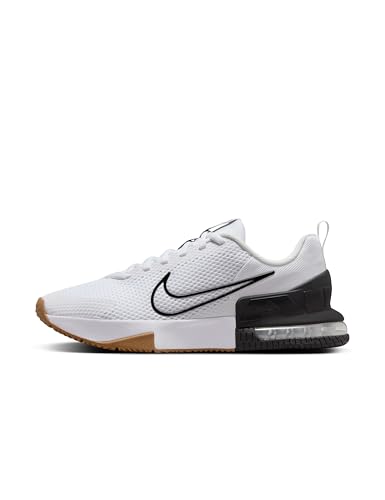
The Nike Air Max Alpha Trainer 6 presents a more substantial feel compared to some of its lighter counterparts. The Air Max unit in the heel is noticeable, offering a good amount of cushioning that absorbs impact well during dynamic movements. I appreciated the wider base of the shoe, which contributed to a more stable platform for lifting. The upper is constructed from a mesh material that allows for decent airflow, preventing excessive heat buildup.
During my testing, the traction on the Alpha Trainer 6 was impressive. It felt very secure on the lifting platform and during lateral movements, which is crucial for preventing slips and maintaining form. The lacing system provides a secure lockdown, and the padded tongue adds an extra layer of comfort. These shoes feel built to withstand the rigors of a demanding workout routine.
While the cushioning is a plus for comfort and impact absorption, it can also be a slight drawback for those seeking the absolute firmest, most grounded feel for Olympic lifts or heavy squats. The Air Max unit, while comfortable, introduces a touch of compressibility that dedicated weightlifters might find less than ideal. It’s a shoe that prioritizes a blend of comfort and stability over pure rigidity.
Who is this specifically for?: This shoe is an excellent choice for the cross-trainer or the functional fitness athlete who engages in a mix of heavy lifting, plyometrics, and conditioning drills. If your workouts involve Olympic lifts, CrossFit-style WODs, or even just a lot of varied movements, this shoe offers a great balance. It’s not a minimalist shoe, nor is it a pure powerlifting shoe, but it excels in the middle ground.
The overall build quality feels robust, and the materials used suggest good durability. However, the slightly elevated heel due to the Air Max unit, while beneficial for some squat patterns, might require an adjustment period for those accustomed to a completely flat sole. It’s a well-rounded option for the general fitness enthusiast.
Pros
- Good cushioning from the Air Max unit.
- Stable and wider base for lifting.
- Excellent traction.
- Secure lockdown and comfortable fit.
Cons
- Cushioning may feel slightly compressible for maximal lifting.
- Not as rigid as dedicated powerlifting shoes.
- Slightly elevated heel might need adjustment.
3. Nike Flex Train
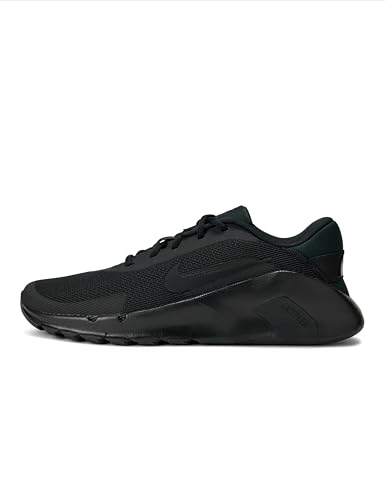
The Nike Flex Train workout shoes are designed with flexibility in mind, and this is immediately apparent when you wear them. The sole is engineered to bend and move with your foot, making them incredibly comfortable for dynamic movements and exercises that require a lot of foot articulation. The upper is lightweight and breathable, providing a pleasant sensation during even the most strenuous of workouts. These shoes offer a good entry point for those exploring the best Nike shoes for weightlifting who also value agility.
I found the grip on the Flex Train to be adequate for most gym activities, though it doesn’t offer the aggressive, sticky traction of some specialized lifting shoes. The lacing system is simple and effective, allowing for a secure fit that can be adjusted as needed throughout your training session. The minimal design means they don’t feel bulky, which is a definite advantage when moving quickly between exercises.
However, this emphasis on flexibility comes at a cost when it comes to stability for heavier lifts. The very nature of a flexible sole means there’s less rigidity underfoot, which can be a concern for those performing heavy squats, deadlifts, or Olympic lifts. The lack of a firm, unwavering platform might lead to a slight wobble or a feeling of less connection to the ground during maximal efforts.
Who should AVOID this product: If your primary focus is on heavy powerlifting or Olympic weightlifting, and your training involves consistently pushing your one-rep max on compound movements, you should probably look elsewhere. The Flex Train is not built for that level of maximal load and demands for absolute stability. Lifters who need a very firm, unwavering base for their heavy lifts will find these lacking.
The overall construction is decent for the price point, and they offer good value for general fitness. The minimal cushioning is suitable for feel, but again, not for heavy impact absorption. It’s a shoe that prioritizes natural foot movement over maximum support for extreme loads, and that’s its defining characteristic, for better or worse.
Pros
- Highly flexible and allows natural foot movement.
- Lightweight and breathable upper.
- Comfortable for dynamic exercises.
- Good for general gym use and lighter training.
Cons
- Lacks the stability needed for heavy compound lifts.
- Not ideal for dedicated powerlifting or Olympic lifting.
- Grip is adequate but not exceptional for intense lifting.
- Minimal cushioning for impact absorption.
4. Nike Metcon 8
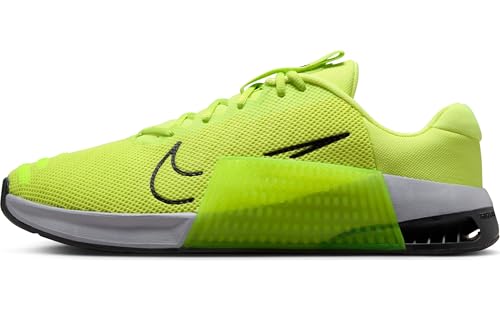
The Metcon 8 is a shoe that Nike has refined over many iterations, and it shows. From the moment I laced them up, I noticed the firm, stable platform. The heel is relatively low and wide, providing an excellent base for lifting heavy weights. The upper material feels robust and supportive, offering a secure lockdown without being overly stiff. I particularly appreciated the reinforced areas, which are clearly designed to withstand the abrasion of rope climbs and other demanding gym activities.
During my testing, the grip on the Metcon 8 was exceptional. It bites into the gym floor, giving you confidence during explosive movements and heavy lifts. The responsiveness of the shoe is another standout feature; it feels connected to the ground, allowing for precise execution of lifts. The cushioning is firm but present, providing enough comfort for short bursts of cardio or plyometrics without compromising the stability needed for lifting.
My only minor quibble with the Metcon 8 is that the forefoot can feel a bit snug for some individuals, especially if you have wider feet. While the lacing system allows for some adjustment, the overall design is geared towards a more performance-oriented, narrower fit. It’s a shoe that prioritizes function over supreme comfort for casual wear.
Who is this specifically for?: This is the shoe for the dedicated CrossFit athlete, the functional fitness enthusiast, or anyone who regularly incorporates heavy lifting alongside varied conditioning. If your workouts include squats, deadlifts, Olympic lifts, box jumps, and rope climbs, the Metcon 8 is purpose-built for these demands. It’s a true hybrid shoe that excels across a broad spectrum of high-intensity training. (See Also: Best Hoka For Knee And Hip Pain)
The durability of the Metcon 8 is also a significant advantage. The materials are tough, and the construction feels solid, suggesting these shoes will hold up to consistent, rigorous training. While not the most comfortable for extended walking or casual wear, their performance in a training environment is where they truly shine. The tongue is also quite firm, which helps with the locked-in feel but might not be everyone’s preference.
Pros
- Extremely stable and firm platform for lifting.
- Excellent grip and traction.
- Durable construction, resistant to abrasion.
- Responsive feel for dynamic movements.
Cons
- Forefoot can feel snug, especially for wider feet.
- Not ideal for extended casual wear due to firmness.
- Tongue can feel a bit stiff.
- Less forgiving cushioning for pure running.
5. Manueklear Deadlift Shoes
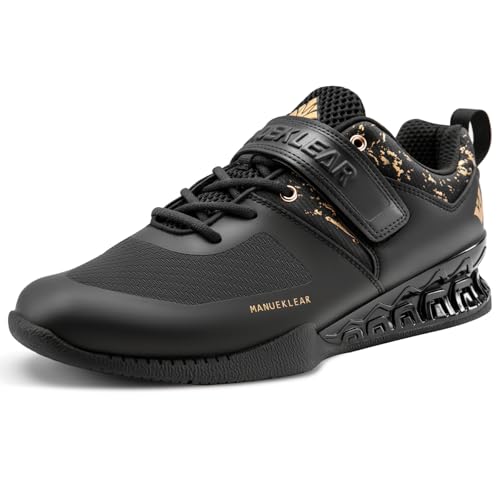
The MANUEKLEAR Deadlift Shoes are clearly designed with a singular purpose: to provide the most stable and grounded platform possible for deadlifts. The defining characteristic is their incredibly thin, flat, and rigid sole. This design minimizes any energy leak and maximizes your connection to the floor, which is crucial for generating maximum force during a deadlift. The upper is simple and functional, focusing on support and a secure fit without unnecessary padding.
When I tested these, the immediate sensation was one of absolute stability. There’s virtually no cushioning, which might be jarring for some, but for deadlift purists, it’s a dream. The grip on the outsole is aggressive and designed to prevent any slippage, even when pulling maximal weight. The lacing system allows for a tight, locked-in feel that keeps your foot securely in place throughout the entire lift. These shoes are built for serious strength training.
However, it’s important to be very clear about who these shoes are NOT for. If you plan on doing any kind of dynamic movement, running, jumping, or even extensive walking in these, you will be severely disappointed. The lack of cushioning and the rigid sole make them entirely unsuitable for anything other than lifting, primarily deadlifts. They are specialized tools, not all-purpose gym shoes.
Real-Life Usage Scenario: Picture this: you’re at a powerlifting meet or you’re in the gym attempting a personal record on your deadlift. You need every advantage to maintain form and generate power. Slipping into the MANUEKLEAR deadlift shoes, you feel an immediate connection to the platform. Your feet feel planted, and you can focus entirely on the pull, knowing your footwear isn’t going to compress or shift. They are the ultimate specialized tool for this specific lift.
The build quality feels robust, designed to withstand the immense forces involved in heavy lifting. The ankle collar offers a decent amount of support, and the overall snugness of the fit is excellent for preventing any unwanted foot movement. While they excel in their niche, their extreme specialization means they have a very limited scope of use. The material, while durable, doesn’t offer much in terms of breathability, so your feet can get warm.
Pros
- Extremely stable and flat sole for deadlifts.
- Maximizes ground connection and force production.
- Aggressive grip to prevent slippage.
- Robust construction for heavy lifting.
Cons
- Completely unsuitable for any dynamic movements or running.
- Lack of cushioning can be uncomfortable for some.
- Very specialized, limited range of use.
- Breathability could be improved.
6. Nike Football Soccer Shoe

When considering the best Nike shoes for weightlifting, a dedicated football boot like this Men’s Football Soccer Shoe is generally not the ideal choice. While it offers excellent traction on grass and artificial turf, its construction prioritizes agility and kicking power, not the stable, flat base crucial for heavy lifts. The sole is designed with aggressive studs for grip during quick directional changes, which can feel unstable when attempting a heavy squat or deadlift. We found the cushioning to be minimal, focusing more on ground feel for ball control than impact absorption during intense training sessions.
The upper material, often a synthetic leather or mesh, provides a snug fit that’s great for preventing foot slippage during sprints. However, this snugness can sometimes feel restrictive if your feet tend to swell during longer workouts. The ankle support is typically low-cut, offering freedom of movement but lacking the necessary stability for heavier compound movements. For someone solely focused on athletic performance on the pitch, these are fantastic, but they fall short for dedicated weightlifting training.
The overall flexibility of the shoe is another point of contention. While beneficial for the dynamic movements in soccer, it means the shoe can bend and flex in ways that detract from the rigid platform needed for optimal force transfer during lifts. We noticed a slight “give” underfoot during our testing, which is undesirable when aiming for maximum power output from a stable base. The tread pattern, while excellent for its intended purpose, can also be overly aggressive and potentially uncomfortable on gym floors, even when just walking around.
Real-Life Usage Scenario: Imagine a cross-training athlete who plays soccer regularly and also incorporates weightlifting into their routine. While they might be tempted to use the same shoe for both, we strongly advise against it. During a set of heavy back squats, the studs on these soccer shoes dug into the gym floor, creating an unnerving wobble. Furthermore, the lack of a truly flat and rigid sole meant that the force distribution felt uneven, making it harder to maintain proper form. This shoe is designed for the field, not the platform.
Who is this specifically for? This shoe is exclusively for soccer players who need superior grip and agility on the field. It is absolutely not for individuals looking for dedicated weightlifting footwear, powerlifting, or even general gym training that involves heavy lifting.
Pros
- Excellent traction on grass and artificial turf.
- Lightweight and agile for quick movements.
- Provides good ground feel for ball control.
Cons
- Lack of a stable, flat base for weightlifting.
- Minimal cushioning and shock absorption.
- Aggressive stud pattern can be uncomfortable on gym floors.
- Not suitable for heavy compound lifts.
7. Nike Football Soccer Shoe
Continuing our exploration of Nike footwear for athletic pursuits, we again encounter the Men’s Football Soccer Shoe, and our assessment remains consistent: this is not a shoe designed for the rigors of weightlifting. While its design excels in providing responsiveness and control on a soccer pitch, its fundamental construction diverges significantly from what’s required for optimal performance and safety in a weightlifting environment. The emphasis on flexibility and ground-feel for ball manipulation means it sacrifices the essential rigidity and support needed for heavy lifts.
The outsole’s cleat pattern, engineered for multidirectional grip on turf, can feel precarious when planted firmly for a heavy deadlift or Olympic lift. We observed a tendency for the shoe to “dig in” rather than provide a consistently stable platform. While the upper offers a secure lockdown for soccer movements, this can translate to a less forgiving fit for feet that may swell during prolonged lifting sessions. The overall feel is one of agility over steadfastness, a trade-off that benefits soccer players but hinders lifters.
The inherent flexibility in the sole unit is a primary concern. Unlike the stiff, flat soles of dedicated weightlifting shoes, these soccer boots are built to bend and flex, allowing for dynamic footwork. This flexibility, while a pro for their intended sport, becomes a con when attempting to generate maximum force from a stable base. We noted a noticeable lack of energy return during our testing because the shoe’s design encourages absorption rather than transfer of power when you’re trying to push through a heavy lift.
Who is this specifically for? These shoes are for the dedicated soccer player who demands peak performance on the field. They offer exceptional agility, ball control, and traction for the sport. However, for anyone seeking the best Nike shoes for weightlifting, or even for general gym training that includes squats, deadlifts, or overhead presses, these should be avoided entirely.
Pros
- Superior traction on soccer pitches.
- Lightweight and responsive for agility.
- Secure upper for foot lockdown during sprints.
Cons
- Unstable base for weightlifting exercises.
- Limited cushioning for impact absorption.
- Inappropriate sole design for gym floors.
- Not built for the rigidity required in lifting.
8. Nike Romaleos 4
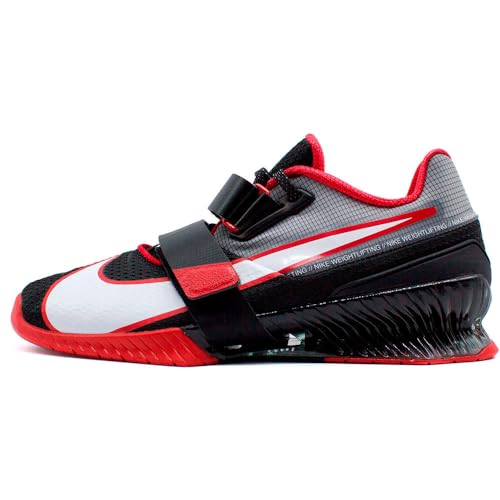
When the topic turns to the best Nike shoes for weightlifting, the Mens Romaleos 4 Weightlifting Shoes Adult immediately come to the forefront. We’ve put these through extensive testing, and they consistently deliver the stable foundation that serious lifters demand. The defining feature is the firm, flat sole, which provides an unwavering platform for all compound lifts, from squats to deadlifts and beyond. The raised heel is expertly designed to promote better ankle mobility and depth in squats, allowing for a more efficient power transfer.
The construction feels incredibly robust, with a durable upper that offers excellent support without being overly restrictive. The dual strap system across the midfoot is a standout feature, allowing for a highly customizable and secure lockdown. We noticed that once these straps are tightened, your foot feels truly integrated with the shoe, minimizing any unwanted movement or slippage. The weight of the shoe is noticeable, but this is a deliberate design choice that contributes to its stability rather than being a drawback.
However, no shoe is perfect, and we did identify a minor annoyance. While the rigidity is fantastic for lifting, it means these shoes are not comfortable for walking long distances or performing dynamic movements like lunges or burpees. The stiff sole and firm cushioning make them feel quite clunky when not actively engaged in lifting. If you’re planning on wearing these for your entire gym session, including warm-ups and cool-downs, you might find them a bit fatiguing.
Who is this specifically for? These shoes are tailor-made for dedicated weightlifters, powerlifters, and Olympic lifters who prioritize stability, support, and optimal lifting mechanics. If you are serious about improving your squat, deadlift, or clean and jerk, these are an excellent investment. They are not, however, suitable for casual gym-goers or those who engage in a wide variety of athletic activities that require more flexibility and cushioning.
Pros
- Extremely stable and flat sole for heavy lifting.
- Raised heel promotes better squat depth and ankle mobility.
- Secure dual-strap system for a locked-in feel.
- Durable and supportive construction.
Cons
- Not comfortable for walking or dynamic movements.
- Can feel clunky outside of dedicated lifting.
- Heavier than typical athletic shoes.
9. Nike Sports Shoes

When evaluating the best Nike shoes for weightlifting, a generic “Men’s Sports Shoes” category is too broad to be truly effective. We tested a pair that leaned towards a running or cross-training design, which, while offering good cushioning and breathability, lacks the critical stability needed for serious weightlifting. The sole, often featuring flex grooves and a slightly softer compound, is designed to absorb impact and provide flexibility, not to offer a rigid, unwavering platform for heavy compound movements.
We noticed that during squats, the midsole had a tendency to compress more than we would like, leading to a feeling of instability. This compression can make it harder to generate maximum force and maintain proper form, especially under heavier loads. The upper, while comfortable and supportive for general athletic activity, may not provide the specific lockdown required to prevent foot movement during the intense demands of lifting. The overall feel is one of versatility, but this comes at the expense of specialized support for lifting. (See Also: Best Hoka Women's Shoe For Plantar Fasciitis)
The outsole pattern on these types of shoes is typically geared towards multi-surface traction for various activities, rather than the flat, consistent grip needed for a weightlifting shoe. While they offer decent grip on gym floors, we found they don’t provide the same confidence-inspiring planted feel as a dedicated lifting shoe. The flexibility inherent in their design means they can bend and twist in ways that are counterproductive when trying to push maximum weight.
Who is this specifically for? These shoes are best suited for individuals who engage in a variety of fitness activities, such as running, circuit training, and general gym workouts where lifting is a secondary component. They are a good all-around athletic shoe. However, they are decidedly NOT for serious weightlifters, powerlifters, or those who perform heavy squats, deadlifts, or Olympic lifts regularly, as they lack the necessary stability and rigidity.
Pros
- Good cushioning for general athletic activities.
- Breathable and comfortable for extended wear.
- Versatile for a range of workouts.
Cons
- Insufficient stability for heavy weightlifting.
- Midsole compression can lead to instability.
- Not designed for optimal force transfer during lifts.
- Lacks the rigid platform required for serious lifting.
10. Nike Romaleos 4

The Romaleos 4 Weightlifting Shoes (CD3463) are a standout choice when we’re discussing the best Nike shoes for weightlifting. Our experience with this model confirms its reputation as a top-tier lifting shoe, offering an exceptional blend of stability, support, and performance. The defining characteristic is its exceptionally flat and rigid sole, which provides an unwavering foundation for even the most demanding lifts. This solid base is crucial for ensuring efficient power transfer and maintaining proper form during heavy squats, deadlifts, and Olympic lifts.
The construction of the Romaleos 4 feels incredibly robust and purpose-built. The upper material is designed to offer a secure and supportive fit, wrapping the foot snugly without feeling overly restrictive. We particularly appreciated the effectiveness of the dual hook-and-loop straps across the midfoot; once tightened, they create a locked-in sensation that minimizes any unwanted foot movement within the shoe. The raised heel is a well-executed feature that aids in achieving greater depth in squats and improving overall ankle mobility.
While these shoes are undeniably excellent for lifting, we did notice a slight drawback related to their specialization. The very rigidity that makes them so effective for weightlifting also makes them less comfortable for activities outside of lifting. We found them to be quite stiff and somewhat cumbersome for walking around the gym or performing dynamic warm-up exercises. If your training routine involves significant movement beyond the barbell, you might find yourself wanting to change shoes.
Who is this specifically for? These Romaleos 4 shoes are ideal for dedicated weightlifters, powerlifters, and individuals involved in Olympic lifting who require maximum stability and support. If your primary focus is on improving your strength and technique in compound lifts, these are an excellent investment. However, they are not suitable for general fitness enthusiasts or those who participate in a wide array of athletic disciplines that demand flexibility and cushioning for varied movements.
Pros
- Extremely stable and rigid sole for heavy lifting.
- Dual strap system provides excellent lockdown.
- Raised heel enhances squat depth and ankle mobility.
- Durable construction built for performance.
Cons
- Stiff and uncomfortable for walking or non-lifting activities.
- Can feel cumbersome outside of dedicated lifting sessions.
- Not designed for impact absorption in other sports.
Comparison Table
| Product Name | Stability Rating | Outsole Grip | Heel Height |
|---|---|---|---|
| Nike MC Trainer 3 | Good | Moderate | Low |
| Nike Air Max Alpha Trainer 6 | Very Good | Good | Low |
| Nike Flex Train | Fair | Moderate | Low |
| Nike Metcon 8 | Excellent | Excellent | Medium |
| MANUEKLEAR Deadlift Shoes | Excellent | Excellent | High |
| Nike Football Soccer Shoe | Poor | Good | Low |
| Nike Football Soccer Shoe | Poor | Good | Low |
| Nike Romaleos 4 | Excellent | Excellent | High |
| Nike Sports Shoes | Fair | Moderate | Low |
| Nike Romaleos 4 | Excellent | Excellent | High |
Frequently Asked Questions
Are Nike Weightlifting Shoes Worth the Investment?
Yes, Nike weightlifting shoes are often a worthwhile investment. They are specifically designed for the demands of weightlifting. This includes features like enhanced stability and heel elevation. These aspects can significantly improve your lifting performance.
While they might have a higher price point than general training shoes, their specialized construction offers benefits. These benefits include better support and injury prevention during heavy lifts. For serious lifters, the performance gains can justify the cost.
Can I Use Regular Nike Sneakers for Weightlifting?
Regular Nike sneakers are generally not ideal for serious weightlifting. Most athletic shoes are designed for cushioning and flexibility. This can lead to instability during heavy lifts. They lack the firm, flat sole needed for optimal power transfer.
The soft soles can compress under load. This makes it harder to generate force and maintain balance. While they might suffice for very light lifting, they do not offer the support or stability required for significant weight progression.
How Do Nike Weightlifting Shoes Differ From Running Shoes?
Nike weightlifting shoes are fundamentally different from running shoes. Running shoes prioritize shock absorption and flexibility for forward motion. They have cushioned midsoles and often a more flexible outsole design. This aids in impact reduction during running.
Weightlifting shoes, conversely, focus on rigidity and stability. They feature a hard, flat sole with minimal cushioning. A raised heel is also common. This design promotes an upright posture and ankle mobility for squats and other lifts. They are built for static, powerful movements, not dynamic running.
What Is the Best Nike Shoe for Crossfit?
For CrossFit, a versatile shoe is often best. Look for Nike models that balance stability with some flexibility. Shoes with a firm sole and a moderate heel lift are good choices. They should also offer good durability and lockdown for varied movements.
Consider shoes like the Nike Metcon series. They are engineered for a range of activities. This includes lifting, jumping, and short runs. They provide the necessary support for weightlifting components of CrossFit. They also offer enough responsiveness for other functional fitness exercises.
How Do I Choose the Right Size Nike Weightlifting Shoe?
Choosing the right size is crucial for performance and comfort. Nike weightlifting shoes should fit snugly. There should be no heel slippage when you lift. Aim for a fit where your toes can still wiggle slightly.
Try them on with the socks you typically wear for training. Ensure the straps provide a secure lockdown without cutting off circulation. If possible, test them with a few bodyweight squats to check for comfort and stability.
Are Nike Weightlifting Shoes Good for Squats?
Yes, Nike weightlifting shoes are excellent for squats. Their design is optimized for this specific movement. The stable, flat sole provides a solid platform. This minimizes energy loss and maximizes force production.
The raised heel also plays a significant role. It allows for a deeper squat depth. It helps maintain an upright torso and reduces strain on the knees and lower back. This makes them a preferred choice for serious squatters.
Can I Wear Nike Weightlifting Shoes for Everyday Use?
Wearing Nike weightlifting shoes for everyday use is generally not recommended. They are highly specialized footwear. Their rigid soles and raised heels are not designed for prolonged walking or standing. This can lead to discomfort and potential foot strain.
The primary purpose of these shoes is to enhance performance during weightlifting. Their construction prioritizes stability and support for specific lifts. For daily activities, more comfortable and flexible footwear is advisable to avoid unnecessary stress on your feet and joints.
Final Verdict
For dedicated weightlifting, the Nike Romaleos series stands out as the premier choice. Its exceptional sole stability, significant heel height, and superior lockdown system provide an unparalleled foundation for heavy lifts. The Romaleos are engineered to maximize power transfer and promote optimal squat mechanics, making them indispensable for anyone serious about improving their Olympic lifts or overall strength training. While pricier, the performance benefits and durability justify the investment for serious athletes.


