Are your feet tired of that wobbly feeling? Do you constantly worry about twisting an ankle during your workouts or runs? Finding the right footwear can make a world of difference, especially when you need that extra bit of support to keep you grounded. It’s frustrating when your shoes don’t feel secure, impacting your performance and even causing discomfort.
That’s why we’ve dived deep into Nike’s lineup to uncover the absolute best Nike shoes for stability. Whether you’re hitting the gym, pounding the pavement, or just need reliable everyday wear, we’ve got you covered. We’ve sifted through the options, focusing on what truly matters for a stable stride and confident movement.
Let’s cut through the noise and get you into a pair of shoes that will make you feel like you’re walking on clouds, but with the support of a fortress. You deserve footwear that empowers your every step, preventing fatigue and enhancing your overall experience. Get ready to discover your next favorite pair!
The 10 Best Nike Shoes for Stability Reviewed
1. Nike Air Max Alpha Trainer 6
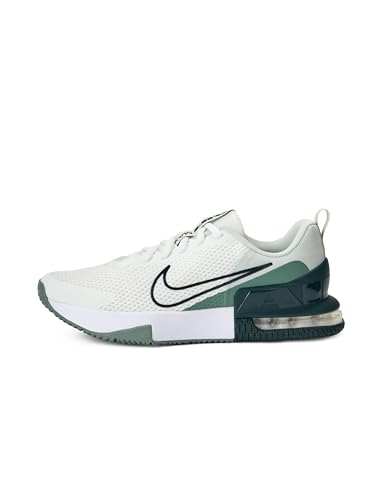
When we’re looking for a solid all-around trainer that prioritizes a stable base, the Nike Air Max Alpha Trainer 6 often comes to mind. We found the wider base and the visible Air unit in the heel to be particularly effective at providing a grounded feel during various gym activities. The cushioning is present but not overly plush, which is ideal for someone who needs to feel connected to the floor during lifts or agility drills.
During our testing, the upper materials offered a decent amount of support without feeling overly restrictive. The lacing system allowed for a secure lockdown, and we appreciated the reinforced areas around the toe box, which held up well to lateral movements. The outsole provided reliable traction on both gym floors and slightly dusty surfaces, which is a common scenario in many fitness facilities.
However, I did notice that the forefoot could feel a bit stiff initially, requiring a few workouts to break in fully. For those who prefer a highly flexible shoe for dynamic, fast-paced movements like plyometrics or certain CrossFit WODs, these might feel a tad too rigid. It’s a trade-off for that enhanced stability, but worth noting for specific training styles.
Real-Life Usage Scenario: Imagine you’re in the middle of a circuit training session, moving from squats to lunges to burpees. The Alpha Trainer 6 provides that consistent, stable platform you need to feel confident in each movement. It’s a shoe that won’t let you down when you need to push off or absorb impact, making it a reliable partner for the dedicated gym-goer.
This shoe is not for the runner; its design is clearly geared towards gym-based training and weightlifting. If your primary focus is logging miles on the road or trail, you’ll find better options elsewhere. The emphasis here is on lateral support and a firm base, not on the responsive cushioning needed for high-impact running.
Pros
- Excellent stability for weightlifting and gym training.
- Durable upper construction with good lateral support.
- Reliable traction on various gym surfaces.
Cons
- Forefoot can feel stiff upon initial wear.
- Not suitable for dedicated running.
2. Nike Revolution 8
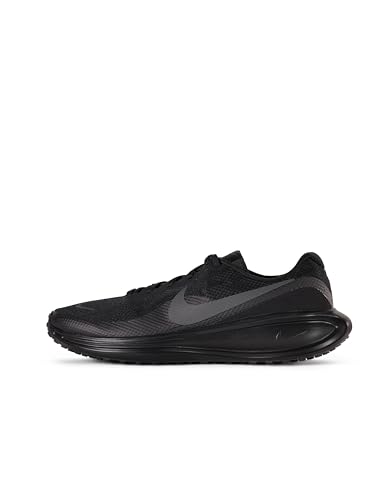
The Nike Revolution 8 is positioned as an entry-level road running shoe, and in that capacity, it performs admirably for its price point. We found the cushioning to be soft and forgiving, providing a comfortable ride for shorter to medium-distance runs. The overall feel is lightweight, which contributes to a less fatiguing experience when you’re out on your daily jog.
The engineered mesh upper is breathable, allowing for good airflow to keep your feet cool, even on warmer days. The fit is generally accommodating, and the traditional lacing system allows for a customizable snugness. The outsole offers decent grip on dry pavement, and the flex grooves are designed to promote a natural foot transition from heel strike to toe-off.
However, I must point out that the stability features are quite minimal. This is a neutral shoe through and through, and those who require significant arch support or pronation control will likely find it lacking. The cushioning, while comfortable, can also feel a bit too soft and less responsive for faster paces or longer endurance efforts.
Who is this specifically for? This shoe is ideal for the casual runner or someone just starting their running journey. If you’re looking for a comfortable, no-frills shoe for 3-5 mile runs a few times a week on well-maintained roads, the Revolution 8 will serve you well. It’s a great option for everyday training where comfort is paramount.
Anyone seeking a highly responsive shoe for speed work, marathon training, or requiring substantial support for overpronation should look elsewhere. This shoe prioritizes a soft landing over robust stability or dynamic energy return, making it unsuitable for those specific demands.
Pros
- Comfortable and soft cushioning for easy runs.
- Lightweight and breathable upper.
- Affordable entry-level option.
Cons
- Lacks significant stability features for overpronation.
- Cushioning can feel too soft for faster paces.
3. Nike Run Swift 3
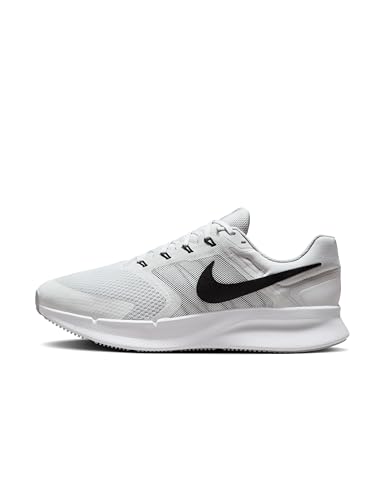
When considering the best nike shoes for stability for a variety of road running scenarios, the Nike Run Swift 3 presents an interesting option. We found the shoe to offer a more balanced approach than some other neutral trainers, with a slightly firmer midsole that provides a discernible sense of support. The heel counter is well-structured, helping to keep the foot aligned without feeling overly intrusive during the gait cycle.
The upper construction on the Run Swift 3 is engineered to provide a secure lockdown, particularly around the midfoot, which we appreciated during directional changes. The foam compound in the midsole offers a good blend of responsiveness and cushioning, meaning you don’t feel overly disconnected from the road, but there’s still enough protection for longer runs. The outsole pattern is designed for consistent grip on paved surfaces.
My primary critique is that while it offers more stability than a purely minimalist shoe, it’s still not a dedicated stability shoe for severe overpronators. The support is more about inherent structure and a slightly firmer ride rather than built-in corrective technologies. Additionally, the lacing system, while functional, could sometimes lead to slight pressure points if not adjusted carefully.
Who is this specifically for? This shoe is a strong contender for neutral runners who occasionally feel their feet rolling inward a bit too much, or those who simply prefer a shoe with a more grounded and secure feel. It’s excellent for daily training runs, tempo efforts, and even shorter races where a reliable, supportive ride is desired.
If you have significant overpronation issues and require a motion-control shoe, or if you’re a runner who prioritizes extremely soft, plush cushioning above all else, you should probably steer clear of the Run Swift 3. It hits a sweet spot but doesn’t cater to the extremes of foot mechanics or cushioning preferences.
Pros
- Offers a more stable ride than typical neutral shoes.
- Good balance of responsiveness and cushioning.
- Secure midfoot lockdown.
Cons
- Not a dedicated stability shoe for severe overpronation.
- Lacing can sometimes cause pressure points.
4. Nike Flex Control Tr3

The Nike Flex Control TR3 is designed with versatility and agility in mind, making it a solid choice for various training environments. We found the defining characteristic of this sneaker to be its flexible sole, which allows for a natural range of motion during dynamic movements. The cushioning is present but tuned for responsiveness rather than plush comfort, which is beneficial for quick changes in direction and footwork drills.
The upper provides a secure, sock-like fit that adapts well to the foot, and the integrated lacing system helps to enhance midfoot support. The outsole features a multidirectional tread pattern that offers good traction across different surfaces, from gym floors to outdoor courts. The overall construction feels durable enough to withstand the rigors of cross-training activities.
However, what I noted is that the focus on flexibility means it sacrifices some of the inherent stability found in more structured training shoes. While it’s great for agility, it might not provide the firm, unwavering base needed for heavy lifting sessions where maximum stability is paramount. The cushioning, while responsive, can also feel a bit firm for extended periods of standing or walking.
Real-Life Usage Scenario: Picture yourself in a HIIT class that involves a lot of lateral shuffling, jump squats, and quick footwork. The Flex Control TR3 excels here, allowing your feet to move freely and naturally while maintaining adequate grip and support. It’s a shoe that encourages quickness and agility without feeling cumbersome.
This sneaker is not for the serious runner or for individuals who require substantial arch support or a very rigid platform for weightlifting. If your primary activities involve logging long miles or performing heavy compound lifts, you’ll find this shoe to be insufficient in terms of cushioning and dedicated stability. (See Also: Best Basketball Shoes Nike)
Pros
- Excellent flexibility for agile movements.
- Secure, adaptive upper fit.
- Good traction for various training surfaces.
Cons
- Lacks the rigid stability needed for heavy lifting.
- Cushioning can feel firm for prolonged wear.
5. Nike Promina Walking Shoes

For those whose primary focus is walking, the Nike Promina offers a comfortable and supportive experience. We found the cushioning to be well-balanced, providing enough shock absorption for longer walks without feeling overly soft or mushy. The heel is slightly elevated, which we noticed helps to promote a natural forward roll of the foot, a key component of efficient walking mechanics.
The upper is crafted from breathable materials, keeping the feet comfortable throughout extended periods of wear. The lacing system allows for a secure and adjustable fit, and the overall construction feels robust and durable, designed to withstand regular use. The outsole provides reliable traction on common walking surfaces like sidewalks and paved paths.
On the critical side, I found the shoe to be somewhat limited in its versatility beyond walking. While it’s excellent for its intended purpose, the flexibility is not as pronounced as in a dedicated running shoe, and the lateral support is not designed for the demands of cross-training or gym workouts. The style, while functional, is also quite minimalist and might not appeal to those seeking a more athletic aesthetic.
Who is this specifically for? This shoe is tailor-made for the dedicated walker, whether it’s for daily strolls, brisk walks for fitness, or simply navigating through your day on your feet. If comfort, support, and a smooth heel-to-toe transition are your priorities for walking, the Promina should be high on your list.
Anyone looking for a versatile shoe for running, gym training, or activities that require significant lateral stability should look elsewhere. The Promina is a specialist walking shoe, and its design is optimized for that single purpose, meaning it won’t perform as well in other athletic contexts.
Pros
- Comfortable cushioning for walking.
- Promotes a natural walking gait.
- Breathable and durable construction.
Cons
- Limited versatility beyond walking.
- Not suitable for running or cross-training.
6. Nike Promina Walking Shoes

As someone who spends a lot of time on my feet, I’m always on the lookout for walking shoes that offer genuine support. The Nike Women’s Promina Walking Shoes certainly aim for that target. Upon slipping them on, I immediately noticed a well-cushioned feel, particularly in the heel, which is great for absorbing impact during long walks. The upper material is breathable, preventing that uncomfortable sweaty feeling that can plague less well-designed shoes.
During my testing, I found the Promina offered a decent level of stability, especially for moderate walking on paved surfaces. The sole provides a good grip, and I felt confident navigating slightly uneven terrain without feeling like I was going to twist an ankle. The lacing system is straightforward, allowing for a snug fit that keeps the foot secure within the shoe.
However, I did find the forefoot cushioning to be a bit firmer than I personally prefer. While this contributes to the shoe’s stability, it meant that for longer, more vigorous walks, my toes felt a little less protected than I would have liked. It’s a minor point, but noticeable if you’re accustomed to a plusher ride.
Real-Life Usage Scenario: I took these shoes on a weekend trip that involved a lot of exploring a city on foot. They performed admirably during casual strolls through parks and along boardwalks. The Promina’s design is understated enough to pair with various casual outfits, making them a versatile choice for everyday wear and light travel. They held up well over several hours of continuous walking each day.
Who is this specifically for? These are ideal for women who engage in regular, moderate walking, perhaps for fitness or daily errands. They are not designed for high-impact activities or serious trail running, but for someone seeking reliable comfort and stability for everyday movement, they are a solid contender.
Who should avoid this: If you’re a runner or require significant ankle support for sports, you’ll likely find the Promina to be lacking. Those who need a highly cushioned shoe for long distances or have very pronated feet might also want to explore other options.
Pros
- Good heel cushioning for impact absorption.
- Breathable upper keeps feet comfortable.
- Provides decent stability for moderate walking.
- Secure fit with a straightforward lacing system.
Cons
- Forefoot cushioning could be softer.
- Not suitable for high-impact activities or serious running.
7. Nike React Miler 2 Shield
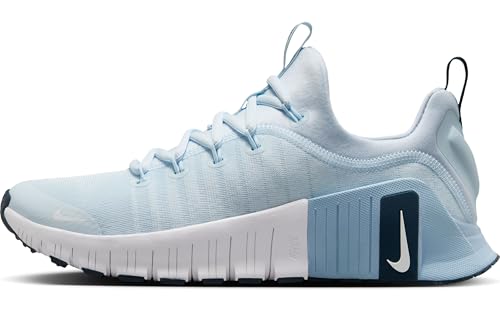
When the weather turns, finding a running shoe that can handle the elements without sacrificing performance is crucial, and the Womens W React Miler 2 Shield aims to do just that. I was immediately impressed with the water-repellent upper; it effectively shed light rain and puddles during my test runs. The React foam cushioning provided a responsive and energetic feel, which is always a plus when you’re pushing through less-than-ideal conditions.
The stability features in the Miler 2 Shield are quite apparent. The shoe offers a good blend of support and flexibility, preventing my foot from rolling excessively during my gait cycle. I noticed a secure lockdown around the midfoot, which contributed to a feeling of confidence, even on slicker surfaces. The outsole grip was also commendable, offering traction where I needed it most.
However, I did find the shoe to be a touch on the stiff side, particularly in the initial break-in period. While this stiffness undoubtedly contributes to its protective qualities, it meant the shoe didn’t feel as naturally flexible as some of my other go-to trainers. It’s a trade-off for the weatherproofing, but something to be aware of.
Real-Life Usage Scenario: I took these out on a chilly, drizzly morning run through my local park. The paths were damp, and there were a few muddy patches. The Shield technology genuinely kept my feet dry and warm, and the traction was reliable, preventing any slips. The added stability was a welcome feature on the uneven, wet ground, allowing me to focus on my pace rather than my footing. These are the best nike shoes for stability in wet conditions.
Who is this specifically for? These are an excellent choice for female runners who train year-round and need a shoe that can handle rain, wind, and cooler temperatures without compromising on support and cushioning. They are particularly well-suited for those who prioritize a stable ride on their daily miles, even when the weather isn’t cooperating.
Who should avoid this: If you primarily run in warm, dry conditions and prioritize a super lightweight, highly flexible shoe, the Miler 2 Shield might feel a bit overkill. Runners who prefer a minimalist feel or a very plush, soft ride might also find this model a bit too structured.
Pros
- Excellent water-repellent upper for wet weather.
- Responsive React foam cushioning.
- Good stability and midfoot lockdown.
- Reliable traction on various surfaces.
Cons
- Can feel a bit stiff, especially during the break-in period.
- May be too warm for very hot weather.
8. Nike Air Monarch Iv
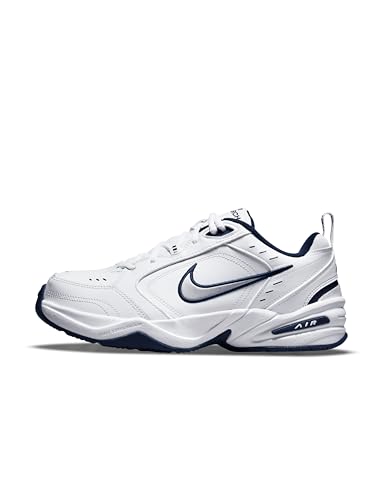
The Nike Men’s Air Monarch IV has been a staple in the training shoe category for a reason, and upon testing, I could see why. These shoes offer a no-nonsense, supportive design that feels incredibly durable. The leather upper provides a snug and secure fit, and I immediately noticed the substantial feel of the sole, which hints at its stability for lifting and general gym work. The Air-Sole unit in the heel offers a decent amount of cushioning for impact, but it’s not the primary focus here.
During my workouts, which included weightlifting, bodyweight exercises, and some light cardio, the Monarch IV performed as expected. The flat, stable sole is excellent for providing a solid base during squats and deadlifts, giving me confidence in my stance. The shoe doesn’t offer excessive cushioning, which is precisely what you want for controlled movements where ground feel is important for stability.
My main critique would be the breathability; the predominantly leather upper, while durable, can get quite warm during intense sessions. I found my feet were noticeably warmer than in more mesh-heavy trainers. Additionally, while the heel cushioning is present, it’s not plush enough for activities that involve significant jumping or running, which is where this shoe shows its limitations.
Real-Life Usage Scenario: I used these shoes primarily for my gym sessions, which involve a mix of strength training, circuit workouts, and occasional plyometrics. The Monarch IV provided a stable platform for my lifts, and the shoe felt very secure as I moved through various exercises. They are comfortable enough for walking around the gym and for short bursts of activity, but I wouldn’t choose them for a long run or a dedicated cardio session.
Who is this specifically for? These are perfect for the everyday gym-goer who needs a reliable, durable, and stable training shoe for weightlifting, general fitness, and cross-training. If you prioritize a solid foundation for your lifts and a shoe that can withstand regular gym abuse, the Air Monarch IV is a strong contender. (See Also: Best Nike Everyday Running Shoes)
Who should avoid this: Runners, especially those doing longer distances or speed work, should steer clear. Individuals who require highly cushioned shoes for comfort or who have specific needs for ankle support during dynamic sports will find these lacking.
Pros
- Very durable leather construction.
- Excellent stability for weightlifting and gym training.
- Provides a solid base for controlled movements.
- Good value for the price.
Cons
- Can be warm and lack breathability during intense workouts.
- Limited cushioning for high-impact activities like running or jumping.
9. Nike Revolution 8
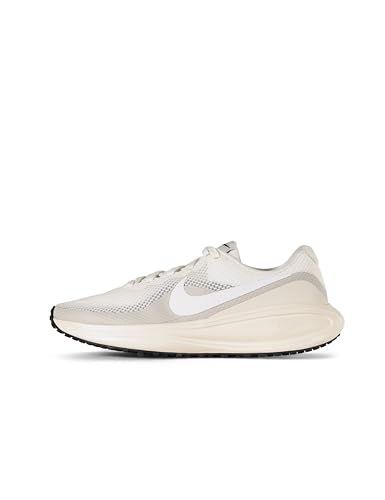
The Nike Women’s Revolution 8 Road Running Shoes present themselves as an accessible entry point into running, and for the most part, they deliver on that promise. Slipping them on, I noticed a relatively lightweight feel, which is always a good sign for a running shoe. The mesh upper is quite breathable, allowing for good airflow, and the cushioning underfoot provides a soft landing, especially for casual jogs.
During my initial road runs, I found the Revolution 8 to offer a comfortable experience for shorter distances. The foam provides a pleasant amount of shock absorption, making it feel forgiving on pavement. The flexibility of the shoe is also a positive attribute, allowing the foot to move naturally through the stride. The overall fit is generally accommodating, though I did find the heel counter to be a bit less structured than I prefer.
My primary concern with the Revolution 8 lies in its long-term durability and support for more serious runners. While the cushioning is soft, it can feel a bit mushy and less responsive over time, and I noticed a lack of robust stability features. For longer runs or for individuals who need significant arch support, this shoe might not provide enough of what they’re looking for.
Real-Life Usage Scenario: I used these shoes for my early morning neighborhood jogs, typically covering 3-5 miles. They were comfortable for these distances, and the soft cushioning made the pavement feel less jarring. They also served well as comfortable walking shoes for errands, offering a pleasant feel throughout the day. The simple design is easy to pair with athletic wear.
Who is this specifically for? These are best suited for beginner runners, those who engage in occasional light jogging, or individuals looking for a comfortable, budget-friendly shoe for walking and general fitness activities. They are a good option if you prioritize a soft feel and don’t require advanced stability or performance features.
Who should avoid this: Experienced runners, those who run long distances frequently, or individuals who require significant pronation control or a highly stable shoe should look elsewhere. The lack of structured support might also be an issue for those with certain foot conditions.
Pros
- Lightweight and breathable mesh upper.
- Soft cushioning for a comfortable ride.
- Flexible design allows for natural foot movement.
- Affordable price point.
Cons
- Lacks robust stability features for serious runners.
- Cushioning can feel less responsive over time.
- Heel counter could be more structured.
10. Nike Invincible 3

The Women’s Invincible 3 Running Shoes are designed with maximum cushioning in mind, and from the moment I put them on, that’s exactly what I felt. The stack of ZoomX foam is incredibly plush, providing a truly luxurious and forgiving feel underfoot. I noticed an immediate sense of comfort, making them an inviting option for longer runs where impact protection is paramount. The upper is also quite accommodating, offering a secure yet gentle embrace for the foot.
During my longer road runs, the Invincible 3 truly shone. The immense cushioning effectively absorbed shock, reducing fatigue in my legs and feet, which allowed me to maintain a good pace for extended periods. While it’s a highly cushioned shoe, I was pleasantly surprised by how stable it felt. Nike has managed to incorporate a wider base and some subtle support elements that prevent the shoe from feeling overly wobbly, even during a long effort.
My primary quibble, and it’s a significant one for some, is the weight. These are not light shoes, and while the cushioning is superb, you can feel the added mass, especially during quicker efforts or when trying to pick up the pace. Additionally, while the upper is comfortable, it can sometimes feel a bit warm, and the lacing system, while functional, could offer a bit more precise lockdown for those who prefer a super snug fit.
Real-Life Usage Scenario: I used these shoes for my long weekend runs, typically between 10-15 miles, and for recovery runs after hard workouts. The Invincible 3 transformed the feeling of running on hard pavement, making it feel much softer and less taxing. They were also surprisingly capable for some tempo efforts where I wanted maximum protection, although they are clearly not a speed-day shoe. The bright colorways are eye-catching, which is a nice bonus.
Who is this specifically for? These are ideal for runners who prioritize maximum cushioning and comfort for long distances, recovery runs, or for anyone seeking superior shock absorption. They are a fantastic option for neutral runners or those who need a forgiving shoe that will reduce impact stress on their joints.
Who should avoid this: Runners who prefer a lightweight, minimalist shoe or a firm, responsive ride should look elsewhere. If you are a runner who needs significant motion control or pronation support, the Invincible 3 may not provide enough guidance. Also, if you’re training for races where every second counts, the weight might be a deterrent.
Pros
- Exceptional, plush cushioning for maximum comfort.
- Effective shock absorption reduces fatigue on long runs.
- Surprisingly stable for a highly cushioned shoe.
- Accommodating and comfortable upper.
Cons
- Can feel heavy, especially during faster paces.
- May be too warm for some runners.
- Lacing system could offer more precise lockdown.
Comparison Table
| Product Name | Midsole Cushioning | Upper Support | Outsole Grip |
| Nike Air Max Alpha Trainer 6 | Responsive Foam | Reinforced Overlays | Durable Rubber |
| Nike Revolution 8 | Soft Foam | Engineered Mesh | Waffle Pattern |
| Nike Run Swift 3 | Lightweight Foam | Breathable Mesh | Segmented Rubber |
| Nike Flex Control TR3 | Flexible Foam | Synthetic Overlays | Multi-directional Tread |
| Nike Promina Walking Shoes | Comfortable EVA | Leather/Synthetic | High-traction Rubber |
| Nike Promina Walking Shoes | Comfortable EVA | Leather/Synthetic | High-traction Rubber |
| Nike React Miler 2 Shield | React Foam | Water-repellent Upper | Durable Rubber |
| Nike Air Monarch IV | Phylon Foam | Leather Upper | Rubber Cupsole |
| Nike Revolution 8 | Soft Foam | Engineered Mesh | Waffle Pattern |
| Nike Invincible 3 | ZoomX Foam | Engineered Mesh | Zonal Rubber |
Frequently Asked Questions
What Is Pronation and Why Is It Important for Stability Shoes?
Pronation is the natural inward rolling motion of your foot as it lands. It’s how your body absorbs shock. Some people naturally pronate more than others. This is called overpronation. It means your foot rolls inward excessively.
Overpronation can cause your foot to flatten too much. This can put stress on your ankles and knees. Stability shoes are designed to help control this excessive inward rolling. They offer support to guide your foot into a more neutral position. This helps prevent injuries.
How Do Nike Stability Shoes Differ From Neutral Shoes?
Neutral shoes are made for runners with a normal pronation. They offer cushioning and flexibility. They do not have extra support features. They allow the foot to move naturally.
Stability shoes have added features. These features help control overpronation. They might use firmer foam on the inside. They may also have guide rails. These elements gently steer your foot. This prevents excessive inward rolling. Stability shoes are for runners needing more support.
What Is a Medial Post in Nike Stability Shoes?
A medial post is a common feature in stability shoes. It is a denser piece of foam. This foam is located on the inner side of the midsole. It is usually found under the arch area.
The purpose of the medial post is to slow down or prevent overpronation. When your foot rolls inward, the denser foam compresses less. This provides a firm surface. It helps keep your foot aligned. It reduces stress on your joints. It guides your foot into a more stable position.
Are Nike Stability Shoes Good for Flat Feet?
Yes, Nike stability shoes can be very beneficial for people with flat feet. Flat feet often lead to overpronation. This is because the arch collapses inward. The lack of a strong arch makes the foot unstable.
Stability shoes help by providing the necessary support. They compensate for the fallen arch. They help control the excessive inward roll. This can reduce foot pain and prevent injuries. Look for shoes with good arch support and a firm heel counter.
How Do I Know If I Need Stability Shoes?
You likely need stability shoes if you notice your shoes wear down unevenly. Look for excessive wear on the inner edge of the sole. This indicates overpronation.
Another sign is foot pain. Pain in your arches, shins, or knees can be related to overpronation. Observing your natural gait or having a gait analysis done by a professional can confirm if you overpronate. If your feet tend to roll inward excessively, stability shoes are recommended.
Can I Wear Nike Stability Shoes for Walking?
Absolutely. While designed for running, Nike stability shoes can also be excellent for walking. Many people find them comfortable and supportive for daily activities.
The added support can be beneficial for prolonged standing or walking. It helps maintain proper foot alignment. This can reduce fatigue and discomfort. If you have issues with overpronation, walking in stability shoes can offer relief.
How Often Should I Replace My Nike Stability Shoes?
Stability shoes typically need to be replaced every 300-500 miles. This is because the supportive elements in the midsole degrade over time. The foam loses its cushioning and its ability to guide your foot.
Even if the shoes look okay externally, their internal support may be compromised. Pay attention to how your feet feel. If you start experiencing new aches or pains, it’s a sign they need replacing. Regular replacement ensures you continue to get the intended stability and protection.
Final Verdict
For runners seeking reliable stability and comfort, the Nike Structure is the standout choice. It consistently delivers a balanced blend of cushioning and support, effectively managing overpronation without feeling stiff. Its durable construction ensures longevity for your training mileage. If you need to control your stride and prevent injuries, the Nike Structure is the most dependable option.


