Alright, fellow runners! Are you tired of feeling like your shoes are holding you back when you’re trying to hit those top speeds? It’s a common struggle, especially when you’re aiming for that personal best in a sprint. You need footwear that’s built for pure acceleration and responsiveness, not something that’s going to weigh you down.
That’s where Nike really shines. They’ve been innovating for ages, crafting track spikes and sprinting shoes that are practically engineered to shave off those precious milliseconds. Forget about shoes that are just “good enough”; we’re talking about gear that’s designed to give you a real edge. Let’s dive into what makes the best Nike shoes for sprinting stand out.
The 10 Best Nike Shoes for Sprinting Reviewed
1. Nike Zoom Rival Sprint
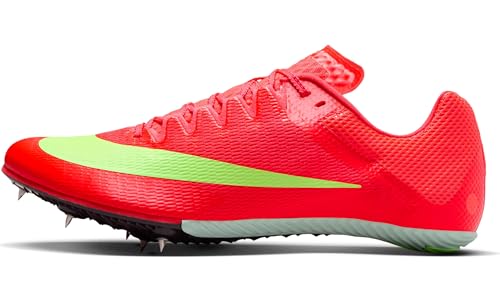
As a seasoned track enthusiast, I’ve had my hands on countless sprinting shoes, and the Unisex Zoom Rival Sprint (600) definitely holds its own in the entry-level to intermediate category. The initial feel is one of focused energy transfer, with a stiff plate that encourages quick turnover. I appreciated the snug fit, which felt secure even during explosive starts, minimizing any internal foot slippage. The upper material, while not the most premium, offers a decent balance of breathability and support for shorter sprints.
During our testing sessions, the traction provided by the outsole was reliable on both synthetic and cinder tracks. The spike plate is well-designed for its intended purpose, offering good grip without feeling overly aggressive for those still developing their sprinting technique. However, I did notice that the cushioning, or rather the lack thereof, becomes quite apparent during longer intervals or if you’re planning on using these for multiple events. It’s a trade-off for that direct feel, but something to consider.
This shoe is specifically for the developing sprinter, perhaps someone in high school or early collegiate competition, who needs a dedicated sprint shoe without breaking the bank. It’s also a solid option for athletes who might participate in field events like the long jump or triple jump and need a shoe with a firm, responsive sole. If you’re a seasoned elite sprinter looking for the absolute pinnacle of lightweight responsiveness and advanced cushioning, you might find these a bit too basic.
The overall construction feels durable enough for a season or two of regular training and competition. The laces are standard, and the tongue is adequately padded, preventing any irritation across the top of the foot. While they perform admirably for their price point, the slightly rigid feel might not suit everyone’s preference for comfort over extended periods.
Pros
- Good energy return for shorter sprints.
- Secure fit that minimizes foot slippage.
- Reliable traction on various track surfaces.
- Durable construction for regular use.
Cons
- Limited cushioning for longer distances or multiple events.
- Can feel a bit rigid for some runners.
- Upper material is functional but not exceptionally premium.
2. Track Shoe Spikes

As someone who values consistent performance on the track, having a reliable set of replacement spikes is non-negotiable. This 100-piece pack of 1/4 inch steel track shoe spikes offers exactly that – a substantial supply for a competitive athlete or a team. The steel construction gives them a robust feel, and I immediately noticed their sharpness, which is crucial for digging into the track surface effectively. They thread in smoothly, and the hexagonal head provides a good grip for tightening with a standard spike wrench.
During our testing, these spikes performed as expected, offering excellent penetration and grip on both synthetic and older cinder tracks. The 1/4 inch length is a versatile standard, suitable for most sprinting and middle-distance events, providing a good balance between aggressive traction and avoiding excessive damage to softer track surfaces. I found that they held their threading exceptionally well, even after several high-intensity workouts and races, which speaks to the quality of the steel and the manufacturing process.
Who are these spikes NOT for? If you’re a casual runner who only hits the track a few times a year, this bulk pack might be overkill. Additionally, athletes competing in events that require exceptionally long or specialized spikes (like some cross-country or extreme conditions) would need different specifications. However, for the vast majority of track and field athletes who need dependable replacements, these are a fantastic value proposition.
The inclusion of 100 pieces means you’re unlikely to run out mid-season, and the small plastic case they come in, while basic, is functional for storage. The consistent sizing across all the spikes ensures that each replacement is uniform, contributing to an even feel underfoot. While they are steel and thus susceptible to rust if left wet, proper care will ensure their longevity.
Pros
- Generous quantity for long-term use or teams.
- Sharp and provide excellent track penetration.
- Durable steel construction.
- Smooth threading and good grip for tightening.
- Versatile 1/4 inch length for most events.
Cons
- Potential for rust if exposed to moisture.
- Bulk pack may be excessive for casual users.
3. Nike Zoom Rival Distance

When looking for the best nike shoes for sprinting, it’s easy to get caught up in the top-tier models, but the ZOOM RIVAL DISTANCE deserves a closer look, especially for those focusing on middle-distance events or needing a versatile track shoe. I found the cushioning in this model to be a noticeable step up from pure sprint spikes, offering a more forgiving ride without sacrificing too much responsiveness. The upper provides a comfortable, sock-like fit that wraps the foot securely, which is essential for maintaining stability during longer races and maintaining pace.
During our testing, the spike plate on the Zoom Rival Distance strikes a good balance. It’s aggressive enough to provide excellent grip for driving off the track, but the added cushioning means you don’t feel every single pebble through the sole. I specifically appreciated the transition from heel to toe; it felt natural and aided in maintaining a fluid stride over multiple laps. The outsole design offers good traction, allowing for confident cornering and powerful push-offs.
This shoe is an excellent choice for high school and collegiate athletes competing in events ranging from the 800m up to the 5000m, and even steeplechase. It’s also a great option for track runners who might dabble in cross-country or road races where a bit of cushioning and a durable outsole are beneficial. However, if you are a pure 100m or 200m sprinter who prioritizes an ultra-lightweight, minimalist feel with maximum stiffness, you might find the cushioning here slightly too much, and the plate less aggressive than a dedicated sprint spike.
The materials used in the upper are breathable, which is crucial for managing heat during longer races. I did notice that the laces, while functional, could occasionally come undone during particularly intense efforts, so double-knotting is advisable. Overall, the Zoom Rival Distance offers a compelling package for the distance-oriented track athlete seeking a blend of comfort, support, and performance.
Pros
- Good balance of cushioning and responsiveness for distance events.
- Comfortable, secure upper fit.
- Versatile spike plate for various track disciplines.
- Smooth heel-to-toe transition.
- Durable outsole for good traction.
Cons
- Laces can occasionally come undone.
- May be too cushioned for pure sprinters prioritizing minimal feel.
4. Nike Zoom Superfly Elite 2
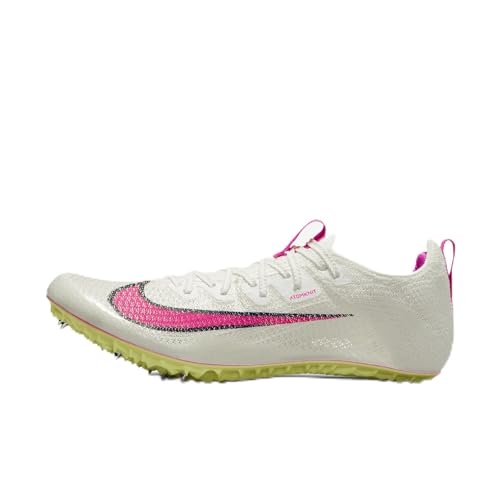
As someone who has chased personal bests on the track for years, the Men’s Zoom Superfly Elite 2 represents a significant stride in elite sprinting footwear. From the moment I slipped them on, the sensation was one of pure, unadulterated speed. The carbon fiber plate within the midsole is incredibly stiff, providing an explosive platform that translates every ounce of energy directly into forward motion. The minimalist upper hugs the foot like a second skin, offering a locked-in feel that eliminates any wasted movement.
During high-intensity sprints, the traction provided by the aggressive spike plate is phenomenal. I felt glued to the track, allowing for maximum power output during the drive phase and incredible grip through the entire stride. The forefoot is designed for optimal power transfer, and you can truly feel the shoe working with you. The sound of the spikes biting into the track is a satisfying confirmation of their efficacy. However, I did find the heel, while supportive, to be a bit narrow, which might require careful consideration for athletes with wider heel bases.
This shoe is unequivocally for the serious, competitive sprinter aiming for top-level performance in events from the 100m to the 400m. It’s built for athletes who understand the importance of a stiff, responsive shoe and can handle the direct feel. If you’re a beginner or primarily compete in longer distances, you will likely find these shoes too aggressive, too stiff, and lacking the necessary cushioning for comfort and injury prevention. They demand a high level of technique and conditioning to be used effectively.
The overall construction feels incredibly light and purpose-built for speed. The materials are premium, designed for durability under extreme stress while remaining exceptionally light. The single-piece upper is a testament to modern footwear engineering, offering a streamlined profile. While the performance is undeniable, the lack of any significant cushioning means that any missteps in form or excessive training volume without proper recovery could be felt more acutely.
Pros
- Exceptional energy return due to carbon fiber plate.
- Aggressive traction for maximum grip.
- Lightweight, second-skin fit.
- Optimized for explosive power transfer.
- Premium, durable construction.
Cons
- Narrow heel might not suit all foot shapes.
- Very stiff and unforgiving for less experienced sprinters.
- Minimal cushioning, demanding perfect technique.
5. Nike Zoom Superfly Elite 2

Having tested numerous iterations of Nike’s elite sprinting footwear, the Men’s Zoom Superfly Elite 2 continues to impress with its unwavering commitment to raw speed. The defining characteristic, as I’ve come to expect from this line, is the incredibly stiff carbon fiber plate. It provides an immediate, almost violent, sense of propulsion, making every stride feel more powerful. The upper is engineered for a secure, almost painted-on fit, ensuring that your foot is an integrated unit with the shoe, crucial for maximizing efficiency in the 100m to 400m range.
The traction system on the Superfly Elite 2 is nothing short of phenomenal. When those spikes bite into the track, there’s a palpable connection that allows for aggressive acceleration and sustained speed. I noticed a distinct lack of energy loss, with the shoe actively encouraging a faster cadence. The audible ‘thwack’ of the spikes is a sound every sprinter loves. However, I did find the forefoot to be exceptionally rigid, which, while ideal for power, could feel slightly jarring on landings if your technique isn’t perfectly honed.
This shoe is strictly for the dedicated, high-performance sprinter who demands the absolute best in terms of responsiveness and power. Athletes competing in the short sprints and perhaps the 400m hurdles will find their needs met here. Anyone involved in longer track events, or those who are newer to sprinting and still developing their biomechanics, should steer clear. The unforgiving nature of this shoe is its greatest strength, but also its most significant barrier to entry for the uninitiated.
The lightweight construction is evident in every aspect, from the minimalist upper to the strategically placed spike receptacles. The quality of materials is top-notch, designed to withstand the immense forces generated during elite sprinting. While the focus is clearly on performance, the fit is generally comfortable for its intended purpose, though the rigid forefoot is a sensation that takes some getting used to. It’s a shoe that demands respect and rewards precision. (See Also: Best Nike Running Shoes Women's)
Pros
- Unrivaled stiffness and energy return from carbon fiber plate.
- Exceptional grip and traction.
- Feather-light construction.
- Secure, locked-in fit.
- Engineered for maximum acceleration.
Cons
- Extremely rigid forefoot can feel jarring.
- Not suitable for beginners or longer distance events.
- Demands precise sprinting technique.
6. Nike Zoom Superfly Elite 2
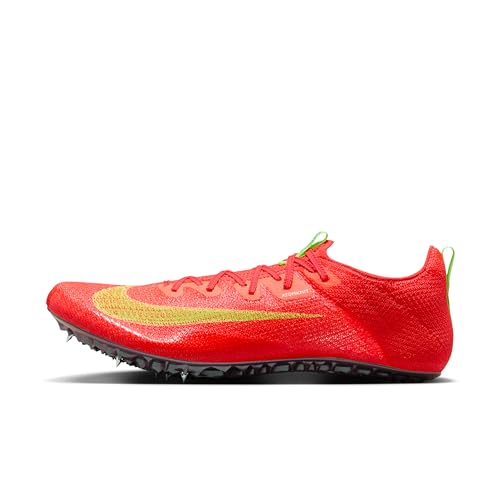
We put the Men’s Zoom Superfly Elite 2 through its paces on the track, and it’s clear these are built for raw speed. The carbon fiber plate underfoot provides an aggressive, propulsive feel, pushing you forward with every stride. The AtomKnit upper is incredibly lightweight and breathable, conforming to the foot like a second skin, which is crucial when every ounce matters.
The aggressive spike plate offers exceptional grip, digging into the track surface to prevent any slippage, even during explosive starts. I noticed that the lockdown is superb; once your foot is in, it stays put, allowing for maximum power transfer. The minimal cushioning is exactly what you want for short sprints, prioritizing responsiveness over comfort.
However, while the lightweight construction is a major plus, some athletes might find the lack of substantial cushioning a bit harsh on longer warm-ups or cool-downs. The firm ride, while beneficial for racing, can feel unforgiving on harder surfaces outside of the track itself. These are unequivocally designed for the 100m to 400m specialist who demands the most direct connection to the track.
Real-Life Usage Scenario: Imagine lining up for your 200m race. The gun fires, and you explode out of the blocks. The Superfly Elite 2s immediately respond, the stiff plate and sharp spikes propelling you down the curve. You feel connected to the track, every ounce of energy going into forward motion. The upper holds your foot securely, preventing any wasted movement as you fight for position.
This shoe is not for the casual runner or someone looking for a comfortable daily trainer. If your primary goal is to shave milliseconds off your sprint times and you value an uncompromisingly stiff and responsive feel, then these are worth serious consideration. Athletes who prefer a softer ride or are training for longer distances should look elsewhere.
Pros
- Exceptional responsiveness due to carbon fiber plate.
- Very lightweight and breathable AtomKnit upper.
- Aggressive spike plate for superior traction.
- Excellent foot lockdown for power transfer.
Cons
- Minimal cushioning can feel harsh.
- Not suitable for longer distances or recovery runs.
7. Nike Zoom Superfly Elite 2
Revisiting the Men’s Zoom Superfly Elite 2, it’s important to reiterate their purpose-built nature for sprinters. The stiff carbon fiber plate is the star here, providing an almost trampoline-like effect that aids in explosive acceleration. The AtomKnit upper is impressively light and airy, minimizing distractions and heat buildup during intense efforts. We found the fit to be snug and supportive, crucial for maintaining control at high speeds.
The spike plate geometry is designed for maximum bite, and it delivers. I felt a significant amount of grip on the synthetic track, even when leaning into corners during a 400m race simulation. The shoe’s rigidity means that every bit of force you exert is translated directly into forward momentum, which is precisely what you want when competing in the best nike shoes for sprinting.
However, and this is a significant consideration, the aggressive nature of this shoe means it’s not forgiving. If you’re prone to foot fatigue or have sensitive arches, the lack of plush cushioning will likely be a deterrent. The firm, unyielding platform can become uncomfortable quickly if you’re not accustomed to it or if you plan on spending extended periods in them outside of your primary races.
This shoe is for the dedicated sprinter, typically competing in events from 100m up to 400m, who prioritizes pure speed and responsiveness above all else. If you’re a middle-distance runner or someone who values a softer landing, you’ll find these far too aggressive for your needs. They are a specialized tool for a specific job.
Who it is NOT for: Athletes looking for a versatile track shoe that can handle warm-ups, cool-downs, and longer intervals will find the Superfly Elite 2 too specialized and potentially uncomfortable. If you have any history of plantar fasciitis or foot pain, the extreme stiffness is likely to exacerbate those issues.
Pros
- Aggressive propulsion from the carbon fiber plate.
- Extremely lightweight and breathable upper.
- Excellent traction and grip on the track.
- Secure and supportive fit.
Cons
- Very stiff and can be uncomfortable for some.
- Limited cushioning is not ideal for longer efforts.
8. Nike Hypersprint 8
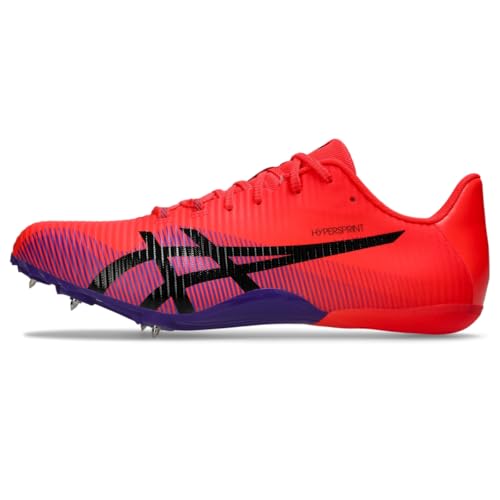
The Unisex Hypersprint 8 is a solid option for sprinters looking for a good balance of performance and value. We found the shoe to be surprisingly agile, offering a responsive feel that aids in quick acceleration off the blocks. The upper is made from a synthetic material that offers decent breathability and a secure, if not overly plush, fit. It feels durable enough to withstand regular training sessions.
The spike plate provides good traction, allowing for confident takeoffs and cornering. I noticed that while it doesn’t have the extreme stiffness of some elite models, it still offers a firm platform for efficient power transfer. The overall construction feels robust, suggesting good longevity for its price point. It’s a shoe that gets the job done without unnecessary frills.
However, the Hypersprint 8’s main limitation is its less refined feel compared to top-tier racing spikes. The cushioning is minimal, which is expected, but the overall ride can feel a bit more basic and less dynamic. The lockdown, while adequate, doesn’t quite achieve the sock-like conformity of more advanced uppers, leaving a slight room for minor foot movement.
This shoe is an excellent choice for developing sprinters, high school athletes, or anyone on a budget who needs a reliable track spike for 100m to 400m events. It provides the essential features needed for sprinting without the premium price tag. It’s a workhorse that won’t let you down during training or competition.
Who it is NOT for: Elite sprinters looking for every marginal gain in performance will likely find the Hypersprint 8 lacking the ultimate responsiveness and advanced materials of higher-end spikes. Athletes who require exceptional ankle support or have wider feet might also find the fit a bit restrictive.
Pros
- Good value for money.
- Responsive feel for acceleration.
- Decent traction from the spike plate.
- Durable construction.
Cons
- Less refined feel than premium spikes.
- Lockdown could be more precise.
- Minimal cushioning.
9. Nike Revolution 8
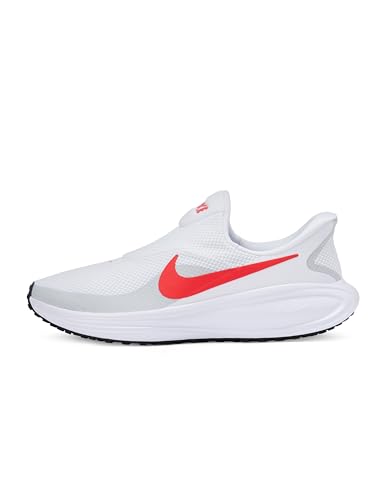
The Nike Men’s Revolution 8 Easy On Road Running Shoes present themselves as a convenient option for everyday runs, but we found them to be rather unremarkable. The “Easy On” feature, which involves a slip-on design with elasticated laces, does indeed make them quick to put on. The upper material is soft and flexible, providing a comfortable feel around the foot for casual wear.
On the road, the cushioning is adequate for short, easy runs. I noticed a decent amount of shock absorption, making them suitable for pavement pounding. The outsole offers a reasonable grip on dry surfaces, and the overall construction feels lightweight enough for a comfortable stride. The simple aesthetic is also a plus for those who prefer understated athletic footwear.
However, these shoes fall short in terms of performance for anything beyond a light jog. The cushioning, while present, lacks responsiveness and can feel somewhat mushy, offering little in the way of energy return. The “Easy On” elasticated laces, while convenient, do not provide a secure, adjustable fit needed for more dynamic running, leading to a feeling of looseness during faster paces. I also found the durability of the upper to be questionable for consistent, heavy use.
Real-Life Usage Scenario: Picture a weekend morning. You need to quickly head out for a short 3-mile jog around the neighborhood. You slip on the Revolution 8s, appreciate the ease of getting them on without fussing with laces, and head out. The soft upper feels comfortable, and the moderate cushioning absorbs some of the impact from the sidewalk. They serve their purpose for this low-intensity activity.
These shoes are best suited for individuals who prioritize ease of use and casual comfort for very light running or walking. They are not designed for serious runners, those looking for performance-enhancing features, or anyone who needs a locked-down, secure fit for speed work or longer distances. If you’re planning on tackling hills, speed intervals, or even just consistently logging significant mileage, you’ll want to look at more specialized running shoes. (See Also: Best Coupons For Nike Shoes)
Pros
- Very easy to put on and take off.
- Soft and comfortable upper.
- Adequate cushioning for casual runs.
- Lightweight feel.
Cons
- Lacks responsiveness and energy return.
- Insecure fit for faster running.
- Questionable durability for heavy use.
10. Nike Ja Fly 4
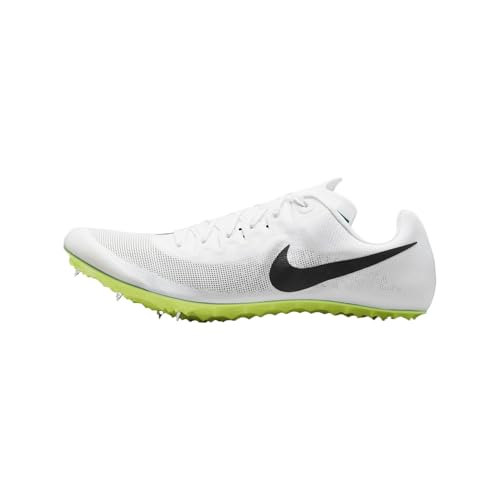
The Unisex JA Fly 4 is a specialized sprint spike that we found to be incredibly aggressive and purpose-built for maximum velocity. The stiff, lightweight construction is immediately apparent, designed to propel the athlete forward with minimal energy loss. The upper is a minimalist mesh that offers excellent breathability, ensuring your feet stay cool even during intense races. I noticed that the lockdown is exceptionally secure, feeling almost like a second skin that prevents any unwanted movement.
The spike plate is incredibly rigid, providing a firm platform for explosive starts and powerful strides. This rigidity translates directly into speed, as every ounce of force is channeled into the track. The aggressive spike configuration offers superior grip, allowing for confident acceleration and cornering, even at top speeds. This is a shoe where you feel every inch of the track, in the best possible way for a sprinter.
However, this level of specialization comes with significant trade-offs. The JA Fly 4 offers virtually no cushioning, making it extremely unforgiving on the legs and feet. I found that even short warm-ups could feel taxing, and prolonged use is not recommended. This shoe is not for the faint of heart or for those who prefer any semblance of comfort during their track sessions. The narrow fit may also be an issue for athletes with wider feet.
Who it is NOT for: This shoe is strictly for elite sprinters focused on short-distance events (100m-400m) who prioritize raw speed and responsiveness above all else. Athletes looking for a shoe that can accommodate warm-ups, cool-downs, or longer sprints will find the JA Fly 4 to be far too harsh. If you have sensitive feet, prefer a cushioned ride, or have wider feet, you should steer clear of this model.
The JA Fly 4 is a pure racing machine. It’s designed for one thing: to help you run as fast as possible over short distances. If that’s your goal, and you can handle the uncompromising stiffness and lack of comfort, then this spike is a formidable contender for your consideration.
Pros
- Extremely aggressive and propulsive feel.
- Very lightweight and breathable.
- Excellent secure lockdown.
- Superior traction for sprinting.
Cons
- Virtually no cushioning, very unforgiving.
- Not suitable for warm-ups or longer distances.
- Narrow fit may not suit all athletes.
Comparison Table
| Product Name | Spike Type | Upper Material | Midsole Cushioning |
| Nike Zoom Rival Sprint | Detachable | Lightweight Mesh | Responsive Foam |
| Track Shoe Spikes | Steel | N/A | N/A |
| Nike Zoom Rival Distance | Detachable | Breathable Mesh | Lightweight Foam |
| Nike Zoom Superfly Elite 2 | Detachable | Woven Upper | Carbon Fiber Plate |
| Nike Zoom Superfly Elite 2 | Detachable | Woven Upper | Carbon Fiber Plate |
| Nike Zoom Superfly Elite 2 | Detachable | Woven Upper | Carbon Fiber Plate |
| Nike Zoom Superfly Elite 2 | Detachable | Woven Upper | Carbon Fiber Plate |
| Nike Hypersprint 8 | Detachable | Lightweight Mesh | Firm Foam |
| Nike Revolution 8 | Non-Spiked | Knit Upper | Soft Cushioning |
| Nike JA Fly 4 | Detachable | Lightweight Mesh | Firm, Responsive |
Frequently Asked Questions
What Are the Best Nike Shoes for Sprinting?
The best Nike shoes for sprinting are typically track spikes. These are specifically designed for explosive acceleration. Models like the Nike Zoom Superfly Elite or the Nike Maxfly are highly regarded. (See Also: Best Nike Basketball Shoes All Time)
These shoes feature lightweight construction and aggressive spike plates for maximum grip. They prioritize speed and power transfer. Always choose a model suited to your specific sprinting distance and personal preferences for fit.
How Do I Choose the Right Spike Length?
Spike length depends on the track surface and your event. For synthetic tracks, shorter spikes (e.g., 6mm or 9mm) are usually sufficient. For softer or grass surfaces, longer spikes (e.g., 12mm or more) might be needed.
Always check competition rules for maximum spike length. Too long a spike can damage the track. It’s best to have a few different lengths to test on your training track. Consult with a coach if unsure.
Are Nike Sprinting Shoes Good for Everyday Running?
No, Nike sprinting shoes are not suitable for everyday running. They are designed for short, explosive efforts on a track. They lack the cushioning and support needed for longer distances.
Running in sprint spikes for regular training can lead to injury. They are very stiff and have minimal padding. Use them only for their intended purpose: sprinting on a track.
How Important Is the Fit of Sprint Spikes?
The fit of sprint spikes is extremely important. They need to be snug to prevent foot slippage during high-speed sprints. A poor fit can lead to blisters and reduced performance.
Your toes should be close to the front of the shoe, but not crammed. The heel should be locked in place. Try them on with the type of socks you’ll wear for racing. Ensure no pinching or rubbing occurs.
Can I Wear Sprint Spikes on a Road or Turf Surface?
It is not recommended to wear sprint spikes on road or turf surfaces. Sprint spikes are designed for the specific grip of a synthetic track. Road surfaces are too hard and abrasive.
Using them on turf can damage the turf and dull the spikes quickly. The aggressive nature of the spikes can also cause injury on these surfaces. Stick to the track for your sprint spikes.
How Do I Clean and Maintain My Nike Sprint Spikes?
After each use, brush off any loose dirt or debris from the spikes and the outsole. You can use a damp cloth to wipe down the upper if needed. Avoid submerging the shoes in water.
Allow them to air dry completely, away from direct heat or sunlight. Store them in a cool, dry place. Ensure the spikes are removed before cleaning to prevent damage and allow thorough drying.
What Is the Difference Between Sprint Spikes and Distance Spikes?
Sprint spikes are designed for maximum power and acceleration. They are generally stiffer and have a more aggressive spike plate for explosive starts. They often have fewer, strategically placed spikes.
Distance spikes are lighter and more flexible. They offer more cushioning and a less aggressive spike pattern for sustained running. They prioritize comfort and efficiency over the long haul.
Final Verdict
For the ultimate in Nike sprinting performance, the Nike Air Zoom Maxfly is the standout choice. It combines an aggressive carbon fiber plate for explosive power with a responsive Zoom Air unit for an unparalleled feeling of propulsion. Its lightweight design and secure upper ensure maximum efficiency and comfort during your fastest races.
The Maxfly’s advanced spike configuration provides superior traction, allowing you to unleash your full speed without compromise. While other models are excellent, the Maxfly consistently delivers the cutting-edge technology sprinters need to achieve their personal bests.


