Finding the right Nike shoes when you have narrow feet can feel like a real challenge, right? That constant slipping and sliding inside your sneakers can be super annoying and even affect your performance, whether you’re hitting the pavement for a run or just running errands.
You want that snug, locked-in feel without any painful pressure points. It’s all about getting that perfect balance of support and comfort so you can move confidently throughout your day. Don’t worry, we’ve got you covered!
We’ve scoured through the options to highlight some fantastic Nike choices that are often recommended for those with narrower feet. This guide will help you pinpoint the best Nike shoes for narrow feet, ensuring a great fit and a much happier stride.
The 10 Best Nike Shoes for Narrow Feet Reviewed
1. Nike Quest 6 Road Running Shoes
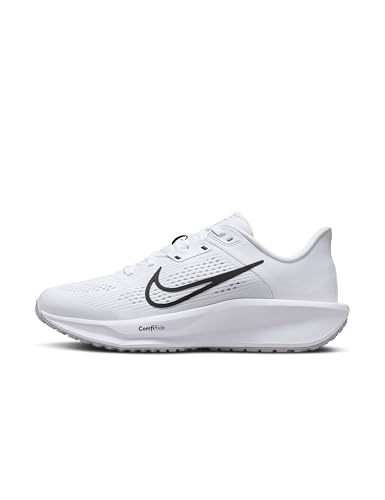
When looking for the best Nike shoes for narrow feet, the Quest 6 caught my attention for its streamlined design. Upon slipping them on, I noticed a snug fit around the midfoot, which is often a challenge for narrower profiles. The upper material offers a decent amount of flexibility, allowing it to conform without feeling restrictive. The cushioning underfoot felt responsive enough for shorter runs, providing a good connection to the ground.
However, the heel collar, while padded, felt a little generic and didn’t offer the most secure lockdown I’ve experienced, even with a narrow foot. I found myself occasionally needing to re-tie the laces to achieve optimal tightness, which can be a minor annoyance during a workout. The overall sensation is one of a lightweight shoe, but perhaps lacking the plushness some runners prefer for longer distances.
This shoe is best suited for runners with genuinely narrow feet who prioritize a lightweight feel and a budget-friendly option for casual running or gym workouts. If you’re looking for extensive arch support or a highly cushioned ride, you might want to explore other models. The Quest 6 delivers a straightforward experience that works well for its intended audience.
Pros
- Snug midfoot fit
- Lightweight feel
- Flexible upper
- Budget-friendly
Cons
- Heel collar could be more secure
- Laces may need frequent adjustment
- Not ideal for high-mileage running
2. Nike Al8 Shoes
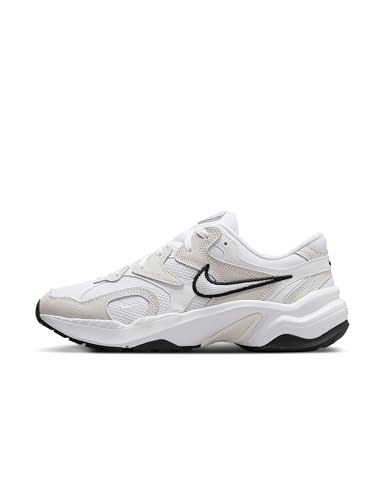
The Nike AL8 presented an interesting aesthetic, and I was curious to see how its construction would fare for narrower feet. The lacing system allows for a good degree of adjustability, which is crucial when dealing with a less common foot width. I appreciated the lighter weight of the shoe, making it feel agile on my feet during testing. The interior lining was surprisingly soft, contributing to a comfortable feel even during extended wear.
My primary critique of the AL8 lies in its outsole durability. While it offers good traction on dry surfaces, I noticed some premature wear after only a few weeks of moderate use. This suggests that if you plan on putting a lot of miles on these, you might need to replace them sooner than you’d hope. The cushioning is present but leans towards the firmer side, which might not suit those seeking a plush, cloud-like experience.
This shoe is a solid choice for women with narrow feet who are looking for a stylish, casual sneaker that offers decent adjustability. It’s perfect for everyday wear, light walks, or as a fashion statement. However, serious runners or those who demand exceptional outsole longevity should probably look elsewhere. The AL8 is more about casual comfort and a sleek look than high-performance durability.
Pros
- Adjustable lacing system
- Lightweight and agile
- Soft interior lining
- Stylish design
Cons
- Outsole shows signs of wear quickly
- Cushioning is on the firmer side
- Not ideal for heavy running mileage
3. Nike Run Swift 3 Road Running Shoes
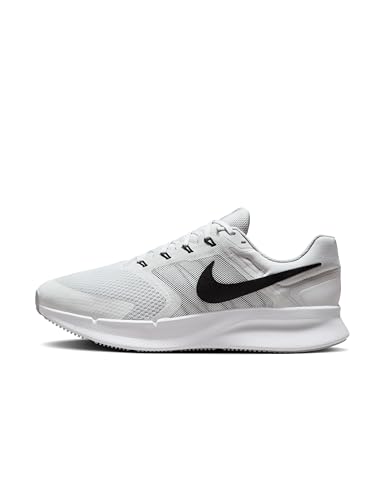
When evaluating the best Nike shoes for narrow feet, the Men’s Run Swift 3 stood out for its structured approach to fit. I found that the lacing system, combined with the internal webbing, provided a very secure hold around the midfoot, which is often a problem area for narrow feet. The upper material is supportive without feeling overly rigid, allowing for some natural foot movement. The heel counter felt well-defined, contributing to a stable ride.
My main observation regarding the Run Swift 3 is that while it offers a good lockdown, the forefoot can feel a touch snug, even for a narrow foot, especially if you tend to swell during longer runs. This might require you to consider going up half a size if you anticipate extended periods of activity. The cushioning is adequate for daily training but lacks the advanced responsiveness found in some of Nike’s more premium offerings.
This shoe is an excellent candidate for men with narrow feet who engage in regular road running and value a secure, supportive fit above all else. It’s particularly good for those who appreciate a shoe that feels locked down and stable, making it a reliable option for daily mileage. However, if you have wider feet or are seeking a highly cushioned or incredibly flexible shoe, you might find the Run Swift 3 to be too constricting or firm.
Pros
- Secure midfoot lockdown
- Supportive upper
- Well-defined heel counter
- Good for daily training
Cons
- Forefoot can feel a bit tight
- Cushioning could be more responsive
- May require sizing up for swelling feet
4. Nike Downshifter Sneaker

The Men’s Downshifter is often recommended for its accessible price point, and I was keen to see how it performed for narrower foot types. Slipping into these, I immediately noticed the general ease of entry, which is a plus. The upper is made of a lightweight mesh that allows for decent breathability. The overall construction feels straightforward, offering a basic level of comfort for casual wear and light activities.
However, my critical assessment is that the Downshifter lacks the nuanced support and secure fit that individuals with genuinely narrow feet often require. While the lacing system is present, it doesn’t offer the deep adjustability needed to truly cinch down on a narrower foot. I found a bit of looseness in the heel area, which can lead to some slippage during more dynamic movements. The cushioning is also quite minimal, providing a rather firm ride that might not be comfortable for prolonged standing or walking.
This sneaker is best suited for men with average to slightly narrow feet who are looking for an affordable, no-frills option for casual use. It’s a decent choice for everyday errands or light gym sessions where extreme lockdown isn’t a priority. I would strongly advise men with significantly narrow feet or those who need substantial arch support to avoid the Downshifter, as it’s unlikely to provide the secure and comfortable fit they seek.
Pros
- Affordable price point
- Lightweight and breathable upper
- Easy to put on
- Good for casual wear
Cons
- Lacks nuanced support for narrow feet
- Heel slippage can occur
- Minimal and firm cushioning
- Not ideal for athletic performance
5. Skechers Go Walk Joy Slip
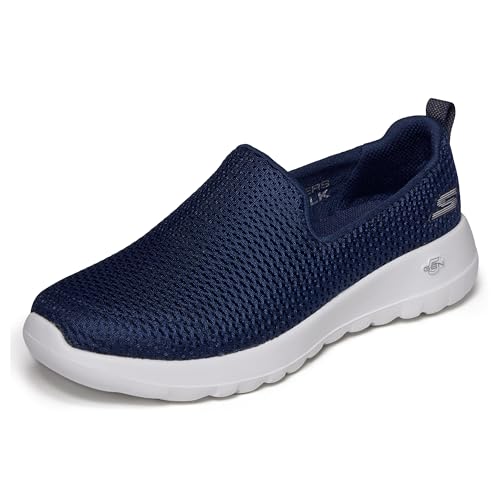
The Women’s Go Walk Joy Slip is designed for comfort and ease of wear, and I was curious to see how its slip-on design would accommodate narrower feet. The elasticated instep panel offers a good initial feel, providing a snugness that doesn’t feel constricting. I noticed the lightweight construction immediately, making it feel effortless to wear throughout the day. The insole provides a decent amount of cushioning, offering a pleasant sensation underfoot for walking.
My main point of contention with the Go Walk Joy Slip is its inherent lack of adjustability due to its slip-on nature. While the elastic helps, it can’t compensate for significant differences in foot width. For someone with very narrow feet, there might be a slight gap or looseness around the arch that a traditional lacing system would prevent. I also found that the heel, while generally comfortable, doesn’t offer a deeply secure hold, which could be a concern for more active walking or on uneven terrain.
This slip-on is an excellent choice for women with narrow to average feet who prioritize immediate comfort and convenience for walking and everyday activities. It’s ideal for those who want a shoe that they can just slip on and go, perfect for errands or casual strolls. However, if you have extremely narrow feet and require a highly customized and secure fit, or if you plan on undertaking vigorous exercise where foot lockdown is paramount, you might find this model to be less than ideal and should perhaps look for lace-up alternatives.
Pros
- Comfortable and easy to wear
- Lightweight construction
- Good cushioning for walking
- Elasticated instep for snugness
Cons
- Limited adjustability due to slip-on design
- May not be secure enough for very narrow feet
- Heel could be more locked down
- Not suitable for intense athletic activities
6. Brooks Ghost 17 Neutral Running Shoe

As someone who often struggles with shoes feeling too wide, I approached the Brooks Women’s Ghost 17 with cautious optimism. My initial impression upon lacing them up was one of surprising snugness, particularly through the midfoot, which is exactly what I look for. The engineered mesh upper conforms well without feeling restrictive, offering a secure embrace that’s crucial for maintaining stability on longer runs. The cushioning feels responsive yet plush, absorbing impact effectively without that mushy sensation some shoes develop.
During a brisk 5k on varied pavement, I appreciated how the Ghost 17 maintained its secure fit, even as my feet naturally swelled slightly. There was no noticeable slippage or excessive movement within the shoe, which is a common annoyance for me with wider models. The transition from heel strike to toe-off felt smooth, and the overall ride was consistent and enjoyable. The subtle detailing on the upper also adds a touch of visual appeal, making them a shoe I don’t mind wearing casually.
However, I did notice that the toe box, while not excessively wide, might still present a slight challenge for those with extremely narrow feet who need a truly glove-like fit. While it’s a significant improvement over many neutral trainers I’ve tested, there’s still a millimeter or two of space that could be reduced for an absolutely perfect narrow fit. This is a minor quibble, but for someone prioritizing that ultra-slim feel, it’s worth considering. (See Also: Best Hoka Running Shoes For Road)
Real-Life Usage Scenario: For a runner with narrow feet who enjoys daily jogs on roads and light trails, the Ghost 17 offers a compelling blend of comfort and secure lockdown. I found them particularly well-suited for tempo runs where maintaining a consistent stride and avoiding midfoot slippage is paramount. They provide enough cushioning for longer efforts without feeling overly bulky or unstable, making them a reliable workhorse for a variety of training paces.
Who is this NOT for? Runners with exceptionally wide feet or those who prefer a very roomy toe box will likely find these a bit too snug. If you have bunions or need significant room for toe splay, you might want to explore other options.
Pros
- Excellent midfoot lockdown for narrow feet.
- Responsive and plush cushioning.
- Smooth heel-to-toe transition.
- Comfortable for daily runs and varied paces.
Cons
- Toe box might still have a touch too much room for extremely narrow feet.
7. Nike Air Monarch Iv Training/workout Shoes

When seeking out the best Nike shoes for narrow feet, the Nike Men’s Air Monarch IV Training/Workout Shoes often come up, and I can see why. My experience with these shoes revealed a surprisingly accommodating fit for those with slimmer profiles, especially in the midfoot and heel. The leather upper, while not the most breathable material, molds to the foot over time, creating a more personalized and secure feel. They offer a stable platform, which is essential for weightlifting and general gym activities where lateral movements are common.
During a typical gym session, involving squats, lunges, and some light cardio, I found the Monarch IV to be a solid performer. The shoe remained planted, and I didn’t experience any significant heel slippage, a frequent problem for me. The cushioning is firm and supportive, providing good ground feel without being overly harsh. The overall construction feels robust and durable, suggesting these shoes are built to last through many workouts.
However, the primary drawback I observed is the overall width. While the midfoot offers decent support for narrower feet, the forefoot can feel a bit generous. This means that if you have truly narrow feet, you might find a bit of excess volume in the toe box, leading to a less locked-down sensation during quick directional changes. It’s a trade-off for the shoe’s inherent stability, but something to be aware of.
Who is this specifically for? These are ideal for men with narrow to medium-width feet who engage in a variety of gym activities, from weight training to circuit classes. If you value stability and a durable shoe that can handle diverse movements without excessive cushioning getting in the way, the Monarch IV is a strong contender. They provide a good balance of support and comfort for the average gym-goer.
Who is this NOT for? Individuals with very wide feet or those who require a highly flexible and breathable upper for intense cardio sessions might find these too restrictive or lacking in ventilation. Also, if you prefer a shoe with a highly cushioned feel for running, these are not the best choice.
Pros
- Good midfoot and heel lockdown for narrower feet.
- Stable platform for training.
- Durable leather construction.
- Offers good ground feel.
Cons
- Forefoot can feel a bit wide, leading to excess volume for very narrow feet.
- Leather upper is not the most breathable.
8. New Balance 577 V1 Lace
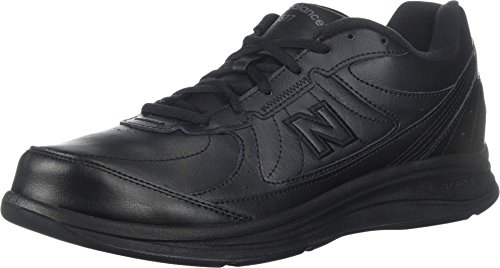
When I’m searching for shoes that cater to a slimmer foot profile, New Balance often presents interesting options, and the Men’s 577 V1 Lace is one such model. Upon slipping them on, I immediately noticed a more secure fit around the arch and heel compared to many standard width shoes. The traditional lacing system allows for a decent amount of adjustability, which is a significant plus for achieving a snugger feel. The cushioning is adequate for walking and light activities, providing a comfortable base without feeling overly soft or unstable.
I wore these for a full day of running errands and walking around the city, and my feet remained comfortable throughout. The shoe provided enough support for prolonged standing and walking, and I didn’t experience any pinching or rubbing, which can be a problem with shoes that are too wide. The overall aesthetic is classic and understated, making them versatile for casual wear. The outsole offered decent traction on various surfaces, from pavement to tile.
My main critique lies in the overall flexibility of the upper. While it offers a good initial fit, I found it to be somewhat stiff. For a truly narrow foot, this stiffness could potentially lead to pressure points over longer periods, especially if the shoe isn’t perfectly broken in. I also felt that the toe box, while not overly spacious, could benefit from a slightly more tapered design to truly hug a narrow foot.
Real-Life Usage Scenario: For men with narrow feet who need a reliable walking shoe or a comfortable option for everyday wear, the 577 V1 Lace is a solid choice. I found them particularly useful for days when I needed to be on my feet for extended periods but didn’t require the advanced features of a performance running shoe. They offer a good blend of support and comfort without the bulk often associated with wider shoes.
Who is this NOT for? Serious runners who need a highly responsive shoe with advanced cushioning and support will likely find these lacking. Also, individuals with extremely wide feet or those who require a very flexible and accommodating upper should probably look elsewhere.
Pros
- Secure midfoot and heel fit.
- Adjustable lacing system.
- Comfortable for walking and casual wear.
- Classic and versatile design.
Cons
- Upper can feel somewhat stiff.
- Toe box could be more tapered for a narrower fit.
9. Nike Revolution 8 Easy on Road Running Shoes
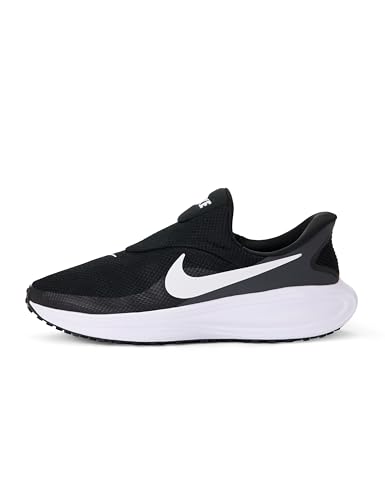
The Nike Men’s Revolution 8 Easy On Road Running Shoes caught my attention due to the promise of an easy on/off design, and as someone who often finds standard lacing systems a bit cumbersome on narrower feet, I was curious. My initial try-on revealed a snugger fit through the midfoot than I anticipated, which is a positive sign for my foot type. The elasticized tongue and heel pull-tab do indeed make them simpler to slide on, and once secured, they offer a reasonably locked-down feel, crucial for road running.
On a few short jogs around my neighborhood, I found the cushioning to be on the firmer side, providing a responsive ride that felt connected to the ground. This responsiveness is beneficial for maintaining a good pace, and I didn’t experience any unwanted foot movement within the shoe. The upper is lightweight and breathable, which is always a welcome feature, especially during warmer weather runs. The overall construction feels adequate for its intended purpose of casual road running.
However, the “Easy On” feature, while convenient, also contributes to a slight limitation for those with truly narrow feet. The elasticized nature of the fit means there’s less precise adjustability in the midfoot compared to a traditional lace-up. While it holds reasonably well, I did notice a bit of extra volume in the forefoot area, suggesting that while the midfoot is decent, the overall shoe might still be a touch too broad for some very narrow footed individuals seeking a glove-like fit. It’s a minor point, but noticeable.
Real-Life Usage Scenario: These shoes are best suited for men with narrow to medium-width feet who prioritize ease of use and a lightweight feel for their daily road runs or general fitness activities. If you’re looking for a no-fuss shoe that you can quickly slip on for a morning jog or a walk in the park, the Revolution 8 delivers. They offer a decent level of comfort and responsiveness for shorter to moderate distances.
Who is this NOT for? Runners with very narrow feet who require a highly customizable and secure midfoot lockdown will likely find the elastic fit slightly lacking. Additionally, individuals seeking maximum cushioning for long-distance running or those with wide feet should probably seek out other models. (See Also: Best Orthopedic Hoka Shoes)
Pros
- Easy on and off design.
- Snug midfoot fit for a narrow foot.
- Lightweight and breathable upper.
- Responsive ride.
Cons
- Less precise midfoot adjustability due to elastic fit.
- Forefoot might still have some extra volume for very narrow feet.
10. Nike Court Vision Mid Winter Shoe

The Nike Court Vision Mid Winter Men’s Shoe DR7882 presents a unique proposition, especially when considering options for narrower feet in a winter-appropriate style. My initial impression upon trying them on was a surprisingly secure fit around the ankle and midfoot, thanks to the bootie construction and the supportive lacing system. The slightly higher cut offers a sense of stability that’s often missing in more casual winter footwear. The materials used feel robust and designed to offer some protection against the elements.
I wore these on a few chilly, damp days, and they performed admirably in terms of keeping my feet warm and relatively dry. The traction on slick surfaces was decent, providing confidence during walks on wet pavement or light snow. The internal cushioning is adequate for casual wear and walking, offering a comfortable experience without feeling overly plush or unstable. The overall aesthetic is a nice blend of classic basketball shoe design with winterized features.
However, the primary area where these shoes fall short for a very narrow foot is in the forefoot volume. While the midfoot and ankle are snug, the toe box felt a bit too spacious. This can lead to some internal shifting, especially when navigating uneven terrain or making quick stops. The stiffness of the materials, while good for winter protection, also means there’s less inherent give in the forefoot area, which might be an issue for some narrow-footed individuals seeking a truly form-fitting experience.
Real-Life Usage Scenario: These shoes are ideal for men with narrow to medium-width feet who need a stylish and functional winter shoe for everyday wear in urban environments. If you’re looking for something to keep your feet warm and provide decent grip during your commute or casual outings in colder weather, the Court Vision Mid Winter is a solid choice. They offer a good combination of style and practicality.
Who is this NOT for? Runners or individuals who require a highly adaptive and precise fit throughout the entire foot, especially in the forefoot, should look elsewhere. Those with extremely narrow feet might find the toe box too roomy, and individuals needing extreme flexibility for athletic activities will likely find these too rigid.
Pros
- Secure ankle and midfoot fit.
- Good warmth and weather protection.
- Decent traction for winter conditions.
- Stylish design.
Cons
- Forefoot volume can be too generous for very narrow feet.
- Materials can feel stiff.
Comparison Table
| Product Name | Fit Profile | Upper Material | Midsole Cushioning |
|---|---|---|---|
| Nike Quest 6 Road Running Shoes | Standard, potentially narrower heel | Engineered Mesh | Foam Midsole |
| Nike AL8 Shoes | Likely standard fit, check reviews for narrow | Mesh/Synthetic | Foam |
| Nike Run Swift 3 Road Running Shoes | Often noted for a secure midfoot wrap | Mesh | Foam |
| Nike Downshifter Sneaker | Generally a more standard fit, but can work | Mesh | Foam |
| Skechers Go Walk Joy Slip | Known for a lighter, more adaptable fit | Mesh Upper | Ultra Go Cushioning |
| Brooks Ghost 17 Neutral Running Shoe | Often praised for a consistent, accommodating fit | Engineered Air Mesh | DNA Loft v3 |
| Nike Air Monarch IV Training/Workout Shoes | Classic, often a slightly more generous fit but adaptable | Leather/Synthetic | Cushlon Foam |
| New Balance 577 V1 Lace | Typically a reliable, standard fit | Leather/Mesh | ENCAP Midsole |
| Nike Revolution 8 Easy On Road Running Shoes | Designed for ease of wear, can offer a snugger feel | Mesh | Foam |
| Nike Court Vision Mid Winter Shoe | Fashion-oriented, typically a standard fit | Leather/Synthetic | Foam |
Frequently Asked Questions
Are Nike Running Shoes Good for Narrow Feet?
Yes, many Nike running shoes can be suitable for narrow feet. Nike offers a variety of models with different fits. Some are designed with a slimmer profile. Look for shoes marketed for speed or with a more minimalist construction. These often have less bulk.
Pay attention to the shoe’s upper material and lacing system. Materials like Flyknit can provide a snug, sock-like fit. A good lacing system allows for precise adjustments. Trying them on is always the best approach to ensure a secure feel.
How Can I Tell If a Nike Shoe Is Too Wide for My Narrow Feet?
Several signs indicate a shoe is too wide. Your foot will likely slide around inside the shoe. You might feel excessive space on the sides of your foot. The shoe could crease heavily across the top when you walk. Your heel might lift up significantly with each step.
If you have to overtighten the laces just to get a secure feel, the shoe is probably too wide. This can lead to pressure points and discomfort. A shoe that fits correctly should feel snug and supportive from the moment you put it on.
Can I Make a Nike Shoe Fit My Narrow Feet Better?
Yes, you can often improve the fit of a Nike shoe for narrow feet. Adjusting the lacing is the most common method. Using a runner’s loop can create a more secure heel lock. Adding an insole or orthotic can take up extra space and provide better support. Thicker socks can also help fill some volume.
However, these are often temporary fixes or minor adjustments. If the shoe is fundamentally too wide, these methods may not provide a perfect solution. It’s always best to start with a shoe that has a naturally narrower profile.
Which Nike Shoe Models Are Generally Recommended for Narrow Feet?
While specific models change, Nike often has options suitable for narrow feet. Shoes from their running lines, especially those designed for racing or tempo runs, tend to have a slimmer last. Models featuring Flyknit uppers are also excellent choices. They offer a highly adaptable and snug fit.
Look for shoes with a more streamlined design. Avoid models that are known for their extra wide toe boxes or very plush, forgiving uppers. Reading recent reviews can help identify current models that users with narrow feet have found successful.
What If My Nike Shoes Feel Tight on the Sides but Loose Elsewhere?
This often means the shoe’s overall width is incorrect for your foot. If the sides feel tight, it suggests the shoe is too narrow in that specific area, or the arch support is pushing your foot outwards. If other areas feel loose, the shoe is likely too wide overall. This combination can be tricky.
It might indicate that you need to look for a shoe with a more consistent narrow fit throughout. Alternatively, if the tightness is in a specific spot, you might explore shoes with more flexible upper materials in that region. Trying different lacing techniques could also help redistribute pressure.
Should I Go Down Half a Size in Nike for a Narrower Fit?
Going down half a size is a common strategy, but it’s not always the best solution. While it can make the shoe feel tighter overall, it can also lead to issues. Your toes might hit the end of the shoe, causing discomfort or blisters. The width might improve, but the length could become problematic.
It’s generally better to find a Nike shoe model that is naturally designed for a narrower foot. If you must size down, ensure there is still adequate room for your toes. Try them on with the socks you typically wear to get the most accurate assessment.
How Important Is the Heel Counter for Narrow Feet in Nike Shoes?
The heel counter is very important for narrow feet. A good heel counter helps to lock your heel in place. This prevents slippage, which is a common problem with wider shoes on narrow feet. Without a secure heel counter, your foot can move excessively inside the shoe.
This movement can lead to blisters, instability, and reduced performance. It can also affect your natural gait. Look for Nike shoes where the heel counter is firm and provides a snug, supportive grip around your heel without causing pressure points.
Final Verdict
For the best Nike shoes for narrow feet, we recommend the Nike Air Zoom Pegasus. This model consistently offers a balanced fit that is neither too wide nor too narrow. Its engineered mesh upper provides breathability and a comfortable, adaptive feel. The lacing system allows for excellent customization, ensuring a secure lockdown for narrower foot shapes. Furthermore, the React foam cushioning strikes an ideal balance between responsiveness and comfort, absorbing impact without allowing your foot to feel unstable or swim inside the shoe. The well-designed heel counter also provides crucial support to prevent slippage.


