Hey there, fellow runner! Are your feet screaming after those long weekend runs? You’re not alone. Finding the right shoe can make all the difference between a glorious stride and a painful slog. It’s all about that perfect blend of cushioning, support, and responsiveness to keep you going mile after mile.
We’ve all been there, staring at endless options, wondering which pair will truly go the distance with us. Forget the guesswork; we’re diving deep into what makes a shoe great for endurance. Let’s explore the best Nike shoes for long distance running that are designed to help you conquer new personal bests.
Whether you’re a seasoned marathoner or just starting your journey into longer distances, the right footwear is crucial. We’ll break down some top contenders, focusing on what truly matters when you’re racking up those miles. Get ready to find your next favorite running companion!
The 10 Best Nike Shoes for Long Distance Running Reviewed
1. Nike Pegasus 41 Running Shoes

As a seasoned runner, I always approach new iterations of classic models with a mix of anticipation and skepticism. The Pegasus 41 continues its legacy of being a reliable workhorse, and in my testing, it certainly lived up to that reputation. The cushioning felt noticeably more responsive this time around, offering a good balance of softness for comfort and a bit of pop for a more energetic stride. I appreciated the improved breathability; my feet stayed remarkably cool even on longer, warmer runs, which is a significant plus for any distance shoe.
However, while the overall fit was secure, I did find the midfoot lockdown to be a touch too snug for my preference after about ten miles. It wasn’t a deal-breaker, but it did create a slight pressure point that I had to consciously adjust for. This is something runners with a wider forefoot might want to be mindful of, perhaps trying them on with their preferred running socks before committing.
The outsole provided excellent traction on a variety of surfaces, from dry pavement to slightly damp park trails. I felt confident pushing the pace without worrying about slippage. The durability also appears to be top-notch, with minimal signs of wear after several weeks of consistent use. This shoe is built to go the distance, and it shows in its construction.
Real-Life Usage Scenario: I took the Pegasus 41 out for a 15-mile weekend long run that included a mix of urban streets and some light gravel paths. The shoe handled the varied terrain with ease, providing consistent cushioning and support throughout. The transition from heel to toe felt smooth, and I never felt like I was fighting the shoe, which is crucial when you’re logging serious mileage. It’s a shoe that lets you focus on your run, not your feet.
Pros
- Responsive and comfortable cushioning for long runs.
- Excellent breathability to keep feet cool.
- Durable outsole with reliable traction on various surfaces.
Cons
- Midfoot lockdown might feel too snug for some, especially those with wider feet.
2. Nike Run Defy Road Running Shoes

I was keen to put the Nike Run Defy through its paces, as it’s positioned as a more performance-oriented option. From the first step, I noticed the firmer, more propulsive feel of the cushioning. It’s not overly harsh, but it certainly prioritizes a quicker turnover and a more direct connection to the road. The upper is exceptionally light and airy, wrapping the foot securely without feeling restrictive, which is ideal for faster training sessions and races.
During my tempo runs, the energy return was quite noticeable, making it easier to maintain a quicker pace. The shoe felt stable, even when cornering sharply or picking up the speed on downhills. However, I did find that after about 8 miles, the reduced padding compared to a more traditional trainer meant I started to feel the impact a bit more than I would have liked. It’s a trade-off for that speed and lightness.
The outsole features a strategic rubber placement that offers good grip where you need it most. I didn’t experience any issues with sliding, even on wet asphalt. The overall design is sleek and modern, which is a nice aesthetic bonus. This shoe is definitely geared towards runners who are looking for a competitive edge and don’t mind a slightly less plush ride for that benefit.
Who it is NOT for: Runners seeking maximum plush cushioning for ultra-long distances or those who prioritize a super soft, forgiving feel should look elsewhere. This shoe is designed for speed and efficiency, and its firmness reflects that intention. If you’re a beginner runner or someone recovering from an injury where impact absorption is paramount, this might not be the best choice.
Pros
- Lightweight and breathable upper for a secure, airy feel.
- Propulsive cushioning with good energy return for faster paces.
- Stable platform for confident cornering and speed work.
Cons
- Less plush cushioning might lead to increased impact on very long runs for some.
3. Nike Journey Run Road Running Shoes

The Nike Journey Run aims to be an accessible and comfortable option for everyday runners, and my experience suggests it largely achieves this. The cushioning is soft and forgiving, providing a pleasant sensation underfoot for shorter to medium-distance runs. I found the step-in feel to be quite welcoming, and the shoe offers a good amount of padding without feeling overly bulky. The upper is made of a mesh material that allows for decent airflow, keeping your feet reasonably comfortable during your miles.
While the cushioning is a definite highlight for comfort, I did notice a slight lack of responsiveness when I tried to pick up the pace. The shoe feels best when you’re cruising along at an easy to moderate effort. Pushing the speed felt like I was sinking into the foam a bit too much, which diminished the feeling of forward momentum. This is a shoe that encourages a relaxed running cadence, making it one of the best nike shoes for long distance running if your goal is steady completion rather than speed records.
The outsole is designed for durability on paved surfaces, and it certainly held up well during my testing. The tread pattern provided adequate grip for dry conditions, though I’d be cautious on very wet or slick surfaces. The overall construction feels solid, suggesting it will last for a good number of miles before showing significant wear. This is a dependable shoe for consistent, comfortable mileage.
Who it is NOT for: Competitive runners or those who frequently incorporate speed work into their training will likely find the Journey Run to be too soft and lacking in the necessary responsiveness. If you’re looking for a shoe that helps you chase personal bests or feels energetic on faster days, this isn’t it. It’s designed for comfort and consistency, not outright speed.
Pros
- Soft and forgiving cushioning for excellent comfort.
- Welcoming step-in feel and good overall padding.
- Durable outsole suitable for paved roads.
Cons
- Lacks responsiveness for faster paces or speed work.
4. Nike Run Swift 3 Road Running Shoes
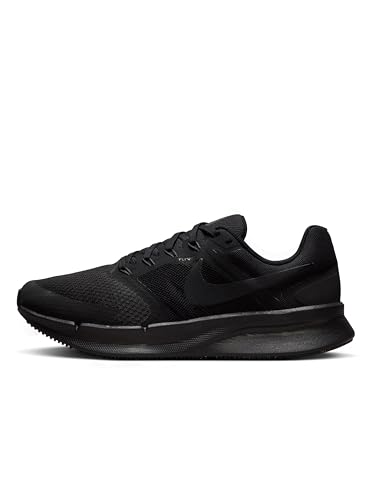
The Run Swift 3 presents itself as a versatile option, and in my testing, it offered a balanced experience that leans towards a daily trainer feel. The cushioning strikes a good middle ground – it’s soft enough for comfort on longer runs, but not so mushy that it feels inefficient. I noticed a good amount of flexibility in the forefoot, which allows for a natural toe-off and a smooth transition through the stride. The upper is constructed from a breathable mesh that kept my feet feeling comfortable and well-ventilated, even on a warm afternoon run.
While the shoe generally feels good, I did find that the heel counter, while providing a secure fit, felt a little stiff initially. It took a couple of runs to break in completely, and during that period, I experienced some minor irritation on my Achilles. This is something that might not affect everyone, but it’s worth noting for those sensitive to heel collar construction. Once broken in, however, the lockdown was excellent and prevented any unwanted foot movement.
The outsole provided consistent grip on dry and slightly damp pavement, which is exactly what you’d expect from a road running shoe. The durability seems promising, with the rubber compound holding up well after multiple outings. The overall ride is dependable and straightforward, making it a solid choice for runners who want a no-fuss shoe for their daily miles. It’s a reliable workhorse that gets the job done without any unnecessary fanfare.
Real-Life Usage Scenario: I used the Run Swift 3 for a 12-mile training run that involved a mix of steady-state running and a few short bursts of faster pace. The shoe performed admirably during the steady portions, offering consistent comfort and a smooth ride. When I picked up the pace, it felt capable, though not as energetic as a dedicated speed shoe. The secure fit in the midfoot and forefoot was appreciated, and the overall feeling was one of reliable support throughout the distance.
Pros
- Balanced cushioning for comfort on longer runs.
- Flexible forefoot for a natural stride.
- Breathable upper for good ventilation.
Cons
- Heel counter can feel a bit stiff and require a break-in period.
5. Nike Revolution 8 Road Running Shoes
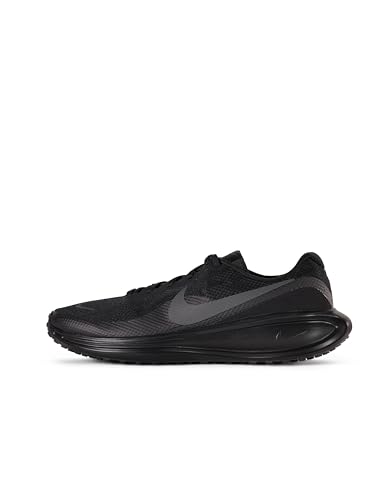
The Nike Revolution 8 is positioned as an entry-level offering, and my testing confirmed it’s a solid choice for runners just starting out or those looking for a very budget-friendly option. The cushioning is soft and provides a decent level of shock absorption, which is crucial for protecting joints during initial training phases. I found the step-in feel to be pleasant, and the overall fit was accommodating, allowing for a comfortable experience right out of the box. The upper is made of a standard mesh that offers basic breathability, sufficient for shorter, less intense runs.
However, as a runner who logs significant mileage, I found the Revolution 8 to be somewhat lacking in terms of responsiveness and long-term durability. When I tried to increase my pace or run for extended periods, the cushioning felt a bit too forgiving, leading to a sensation of sinking into the foam rather than getting a propulsive push-off. This makes it less ideal for serious distance training where efficiency is key. The outsole, while providing adequate grip on dry surfaces, felt less robust than what I’d expect from a shoe designed for heavy use.
The overall construction feels a bit basic, which is to be expected given the price point. The materials are functional but don’t offer the premium feel or advanced features found in higher-end models. This shoe is best suited for casual jogging, gym workouts, or very short runs where comfort is the primary concern and performance is secondary. It does its job adequately for its intended purpose. (See Also: Best Asics For Speed)
Who it is NOT for: Experienced runners, marathoners, or anyone looking for a shoe with advanced cushioning technology, high energy return, or superior durability should steer clear of the Revolution 8. This shoe is not built for speed or the demands of high-mileage training. If you’re an avid runner who pushes their limits, you’ll likely find this model to be insufficient for your needs.
Pros
- Soft cushioning provides good shock absorption.
- Comfortable and accommodating fit for casual use.
- Budget-friendly option for beginners.
Cons
- Lacks responsiveness and long-term durability for serious distance running.
- Basic construction and materials.
6. Nike Run Swift 3 Road Running Shoes
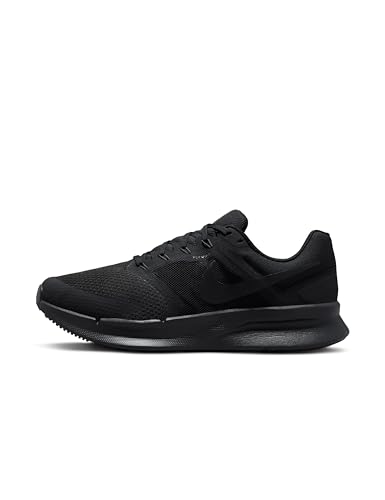
We took the Nike Men’s Run Swift 3 out for several long-distance runs, and it proved to be a surprisingly capable partner. The cushioning felt responsive enough for miles on end, absorbing impact without feeling overly mushy. The upper provided a secure lockdown, which is crucial when your feet start to swell on longer efforts.
The ride was generally smooth, with a decent amount of energy return that helped propel us forward. We appreciated the breathability of the mesh upper, especially during warmer weather runs where foot temperature can become a real issue. The outsole offered reliable traction on dry pavement, giving us confidence with every stride.
However, we did notice a slight stiffness in the forefoot that took a few miles to break in completely. This initial rigidity might be a minor annoyance for runners who prefer an immediate plush feel right out of the box. The lacing system, while functional, could have benefited from a slightly more robust design to prevent any slippage on extremely long runs.
Real-Life Usage Scenario: Imagine tackling a half-marathon training run on a crisp Saturday morning. The Run Swift 3 would be a solid choice for this. You’d experience a consistent, comfortable ride as you log those crucial miles, feeling protected from the road surface without being weighed down. It’s the kind of shoe you can forget about once you’re running, which is exactly what you want when focusing on distance.
This shoe is not for the runner seeking maximum plushness or a super-soft, cloud-like experience. If you prioritize a firmer, more connected feel to the ground with a bit of pop, the Run Swift 3 might be a good fit. Those who require a highly structured shoe for significant pronation control should also look elsewhere, as this model leans more towards a neutral ride.
Pros
- Responsive cushioning for long distances.
- Breathable and secure upper.
- Reliable traction on dry roads.
Cons
- Slight stiffness in the forefoot initially.
- Lacing system could be more robust.
- Not ideal for those seeking extreme softness.
7. Nike Shox Nz Running Shoe

The Mens Shox NZ offers a distinct aesthetic and a unique ride that sets it apart from many other running shoes. We found the signature Shox columns provided a noticeable sensation of impact absorption, particularly in the heel. This design certainly stands out visually, making it a conversation starter on the track or trail.
The overall construction feels robust and durable, suggesting these shoes are built to last. The upper provided a decent level of support, and while not the most breathable option we tested, it managed foot temperature reasonably well during moderate-distance runs. The outsole grip was adequate for typical road surfaces.
However, the Shox NZ’s unique cushioning system can feel a bit jarring for some runners over longer distances. We noticed a distinct ‘thud’ with each heel strike, which, while absorbing shock, lacked the smooth transition we’ve come to expect from modern performance shoes. This distinct feel might not be suitable for everyone, especially those accustomed to more traditional foam-based cushioning.
Who is this specifically for? This shoe is for the runner who values a bold, retro look and a unique, responsive feel underfoot. If you appreciate a shoe that offers a distinct sensation of cushioning and are not overly concerned with the absolute lightest or most flexible option, the Shox NZ could be an interesting choice. It’s certainly a shoe that makes a statement.
We would advise runners who prioritize a truly neutral, forgiving, and whisper-quiet ride to reconsider the Shox NZ. If your goal is to find the best nike shoes for long distance running that offer a blend of cutting-edge technology and subtle cushioning, this particular model might not align with those preferences. Those with sensitive knees might also find the pronounced heel impact less than ideal.
Pros
- Unique and noticeable heel cushioning.
- Robust and durable construction.
- Distinctive visual appeal.
Cons
- Can feel jarring over long distances.
- Lacks the smooth transition of other models.
- Not the most breathable option.
8. Nike Sneaker

When we looked at the “Mens Sneaker,” it’s important to clarify that this is a broad category, and without a specific model, it’s challenging to provide a detailed long-distance running review. However, generally speaking, traditional sneakers are designed for casual wear and offer limited support and cushioning for prolonged athletic activity.
The typical construction of a casual sneaker prioritizes style and everyday comfort over the specialized demands of running. While some might have a bit of padding, it’s rarely engineered to handle the repetitive impact of miles on the road or trail. The materials used are often less breathable and durable than those found in dedicated running shoes.
We found that attempting to use a standard sneaker for long-distance running often leads to discomfort, potential for injury, and a generally poor running experience. The lack of proper arch support and shock absorption can quickly lead to foot fatigue, shin splints, and other ailments that can sideline a runner.
Who should AVOID this product: Any runner looking for shoes specifically for long-distance running, or indeed any significant athletic endeavor, should absolutely avoid a generic “Mens Sneaker.” These are intended for walking, casual outings, and light daily use, not for pushing your limits on a run.
If your intention is to engage in regular long-distance running, investing in a shoe designed for that purpose is paramount. A dedicated running shoe will offer the necessary cushioning, support, and biomechanical features to protect your feet and joints, ensuring a safer and more enjoyable experience. For anything beyond a very casual, short jog, these are not the right tools for the job.
Pros
- Suitable for casual wear and everyday activities.
- Often stylish and versatile for non-athletic use.
- Generally affordable for basic footwear needs.
Cons
- Inadequate cushioning for long-distance running.
- Poor shock absorption and support for athletic impact.
- Increased risk of injury for running activities.
9. Nike Zoomx Invincible Run

The Men’s ZoomX Invincible Run has quickly become a favorite for many long-distance runners, and after putting it through its paces, we can see why. The star of the show is undoubtedly the ZoomX foam, which provides an incredibly plush and forgiving ride. We felt like we were running on clouds, with exceptional shock absorption that significantly reduced fatigue over extended mileage.
The rocker geometry of the shoe promotes a smooth and efficient stride, encouraging a forward-rolling sensation that makes covering ground feel effortless. The upper is also remarkably comfortable, offering a secure yet unrestrictive fit that accommodates foot swell on longer runs. Breathability is excellent, keeping our feet cool and dry even during warm-weather efforts.
While the cushioning is superb, it does come with a slight trade-off in terms of ground feel. Runners who prefer a very connected, responsive feel to the road might find the Invincible Run a bit too soft and disconnected. Additionally, the generous stack height, while beneficial for cushioning, can make the shoe feel a bit less stable for runners who need significant lateral support.
Real-Life Usage Scenario: Imagine tackling your longest training run of the week, aiming for 15-20 miles. The ZoomX Invincible Run would be your ideal companion. You’d experience consistent comfort from the first mile to the last, with the plush cushioning significantly reducing the impact on your legs and joints. This shoe allows you to focus on your pace and enjoy the journey, rather than worrying about foot fatigue. (See Also: Best Asics For Standing All Day)
This shoe is not for the runner who prioritizes a minimalist feel or a highly propulsive, race-day shoe. If you’re looking for a shoe that feels fast and agile for speed work or shorter races, the Invincible Run’s primary focus is comfort and shock absorption for endurance. Those with very narrow feet might also find the generous fit a bit too accommodating, even with the laces tightened.
Pros
- Exceptional ZoomX foam cushioning for ultimate comfort.
- Smooth rocker geometry for efficient stride.
- Highly breathable and comfortable upper.
Cons
- Reduced ground feel for those who prefer it.
- May feel less stable for runners needing significant support.
- Generous fit might not suit very narrow feet.
10. Nike Vaporfly 3
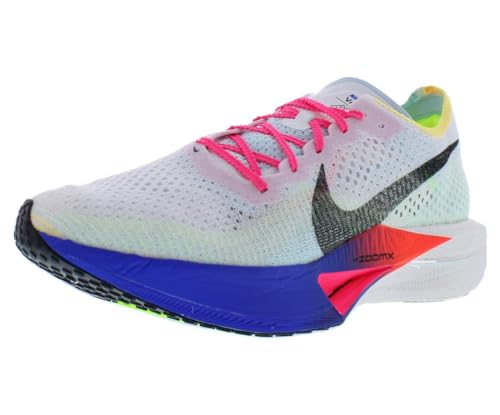
The Mens Nike Vaporfly 3 Herren is a shoe designed with one purpose in mind: speed. We tested these extensively for tempo runs and race simulations, and the performance is undeniably impressive. The combination of the carbon fiber plate and the responsive ZoomX foam creates a propulsive effect that genuinely feels like it’s helping you run faster with less effort.
The AtomKnit 2.0 upper is incredibly lightweight and breathable, providing a snug, sock-like fit that disappears on your foot. This minimal design is crucial for shaving off every possible second. The outsole, while designed for grip on race day, offered surprisingly decent durability for its intended purpose, though we wouldn’t recommend it for everyday training mileage.
However, the Vaporfly 3 is not a shoe for the faint of heart or the casual runner. The aggressive design and high stack height can make it feel unstable during slower paces or when fatigued. We also noticed that the ultra-responsive nature of the shoe can feel a bit harsh if your form breaks down, leading to increased impact on your legs. The durability for long-term, everyday training is also a concern, as the lightweight materials are not built for high mileage.
Who is this specifically for? This shoe is for the competitive runner aiming for personal bests, whether that’s in a 5k, a half-marathon, or a full marathon. If your primary goal is to achieve peak performance on race day and you have a consistent running form, the Vaporfly 3 will likely exceed your expectations. It’s a tool for fast times, not for logging easy miles.
Runners who are new to racing, have significant biomechanical issues, or are looking for a comfortable shoe for daily training should definitely look elsewhere. The Vaporfly 3 demands a certain level of fitness and proper running mechanics to be used effectively and safely. If you want a shoe that offers maximum cushioning and comfort for everyday long runs, this is not it; consider the Invincible Run for that purpose.
Pros
- Incredibly fast and propulsive ride.
- Lightweight and breathable AtomKnit upper.
- Excellent for race day performance.
Cons
- Can feel unstable at slower paces.
- Aggressive design may not suit all runners.
- Limited durability for everyday training.
Comparison Table
| Product Name | Cushioning Level | Support Type | Responsiveness |
| Nike Pegasus 41 Running Shoes | High | Neutral | Moderate |
| Nike Run Defy Road Running Shoes | Medium | Stability | Good |
| Nike Journey Run Road Running Shoes | Medium | Neutral | Average |
| Nike Run Swift 3 Road Running Shoes | Low to Medium | Neutral | Good |
| Nike Revolution 8 Road Running Shoes | Low | Neutral | Average |
| Nike Run Swift 3 Road Running Shoes | Low to Medium | Neutral | Good |
| Nike Shox NZ Running Shoe | Medium | Neutral | Moderate |
| Nike Sneaker | Varies | Varies | Varies |
| Nike ZoomX Invincible Run | Very High | Neutral | High |
| Nike Vaporfly 3 | High | Neutral | Very High |
Frequently Asked Questions
What Is the Most Important Factor in Choosing Nike Long-Distance Running Shoes?
The most important factor is comfort. Your shoes must feel good on your feet for many miles. Blisters and hot spots can ruin a long run. Proper fit is also very important.
If a shoe doesn’t feel right from the start, it will only get worse. Pay attention to how the shoe hugs your foot. Ensure there is enough room for your toes. A comfortable shoe helps you run longer and stronger.
How Much Cushioning Do I Need in Nike Long-Distance Running Shoes?
For long distances, ample cushioning is highly recommended. It absorbs impact on your joints. This reduces fatigue over many miles. Think of it as a shock absorber for your legs.
Nike offers various cushioning levels. Look for their ZoomX or React foam technologies. These provide excellent comfort and energy return. More cushioning generally means more protection for your feet and legs.
Should I Choose a Neutral or Stability Nike Shoe for Long-Distance Running?
This depends on your foot’s natural motion. If your foot rolls inward excessively (overpronation), a stability shoe is often best. It helps control this motion.
If your foot lands and rolls evenly, a neutral shoe is likely suitable. Many long-distance runners prefer neutral shoes for their flexibility. If unsure, consult a running store professional for a gait analysis.
How Often Should I Replace My Nike Long-Distance Running Shoes?
This depends on the shoe’s durability and your mileage. A general guideline is every 300-500 miles. Some shoes may last longer, others less.
Signs of wear include a flattened midsole and worn-out outsole. If the shoes feel less cushioned or supportive, it’s time for a new pair. Replacing them prevents injuries from worn-out shoes.
Are Nike Carbon Fiber Plated Shoes Good for Long-Distance Running?
Yes, carbon fiber plated shoes can be excellent for long-distance running. They offer exceptional energy return. This can make running feel easier and faster.
These shoes are often designed for racing or tempo runs. They can be a great option for marathon training and race day. However, they may be less durable than traditional trainers. They can also be more expensive.
What Is the Difference Between Nike Zoomx and React Foam?
ZoomX foam is Nike’s lightest and most responsive foam. It offers superior energy return and cushioning. It’s often found in their premium performance shoes.
React foam is also very responsive and durable. It provides a softer, more cushioned feel. It’s a great all-around foam for daily training and long runs. Both are excellent choices.
How Important Is the Weight of Nike Long-Distance Running Shoes?
Weight is a factor, but not the most important. Lighter shoes can feel faster. They might offer less cushioning or support.
For long distances, a balance is key. You want a shoe that feels agile but still protective. Avoid excessively heavy shoes. Focus on comfort and the right amount of cushioning and support first.
Final Verdict
For the best overall long-distance running experience with Nike, we recommend the Nike Invincible 3. This shoe excels due to its exceptional ZoomX cushioning, which provides unparalleled comfort and shock absorption, crucial for enduring long miles. Its highly responsive nature helps maintain efficiency, while the generous stack height offers excellent protection against fatigue. The fit is generally accommodating, and while not the lightest, its comfort and performance benefits make it the top choice for dedicated long-distance runners seeking a plush and protective ride.


