Are you tired of feeling held back by your current running shoes? You’re not alone! Many runners dream of shaving seconds off their personal bests, and the right footwear can make a huge difference. It’s about finding that perfect blend of responsiveness and lightweight comfort that propels you forward.
If you’re on the hunt for the absolute best Nike running shoes for speed, you’ve come to the right place. We’ve sifted through the latest and greatest to bring you the top contenders that are designed to help you fly. Get ready to discover the shoes that could unlock your fastest runs yet.
We know that choosing the right shoe can feel overwhelming with so many options out there. That’s why we’ve focused on what truly matters for speed: innovative cushioning, energy return, and a secure, lightweight feel. Let’s dive into the models that are dominating the scene and helping runners achieve their speed goals.
The 10 Best Nike Running Shoes for Speed Reviewed
1. Nike Zoom Alphafly Next% 3 Prm
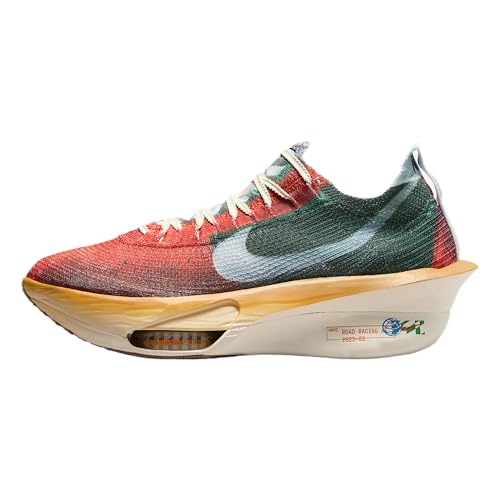
When chasing personal bests, the Zoom Alphafly Next% 3 PRM emerges as a formidable contender, designed with pure speed in mind. From the first stride, the combination of the full-length carbon fiber plate and the generous ZoomX foam cushioning creates a propulsive sensation that feels almost effortless. The ride is incredibly energetic, returning a significant amount of bounce with each footfall, making it ideal for those moments when you need to dig deep and find that extra gear.
The upper, crafted from AtomKnit 2.0, offers a snug, almost sock-like fit that feels incredibly lightweight and breathable. I found it to be secure without being restrictive, allowing my feet to move naturally even during intense efforts. The widened base of the shoe provides a surprising amount of stability, which is a welcome addition for a shoe that prioritizes rapid turnover. The rubber outsole, while not overly aggressive, delivers adequate grip on dry pavement.
However, the Alphafly 3 isn’t a shoe for every runner or every run. Its aggressive geometry and high stack height can feel a bit unstable on uneven surfaces or during slower recovery jogs. The pronounced rocker, while brilliant for forward momentum, can also feel a little clunky if you’re not actively running fast. It demands a certain level of commitment to pace to truly shine.
Real-Life Usage Scenario: Imagine lining up for a marathon or a fast 10k. You’ve done the training, and now it’s time to execute. Slipping into the Alphafly 3 feels like strapping on a finely tuned racing machine. The immediate sensation is one of readiness, the shoe practically urging you forward. During the race, you notice how the ZoomX foam absorbs impact while simultaneously pushing you off the ground, and the carbon plate guides your stride into a powerful, efficient rhythm. Even in the final miles when fatigue sets in, the shoe continues to provide that responsive pop, helping you maintain your pace.
This shoe is unequivocally for the serious runner focused on race day performance. If you’re a recreational runner looking for a comfortable daily trainer, or someone who prefers a more grounded, traditional feel, the Alphafly 3 will likely feel like overkill. Its specialized design means it excels in its intended purpose but might be a poor choice for a diverse training regimen.
Pros
- Exceptional energy return and propulsion
- Lightweight and breathable AtomKnit upper
- Surprisingly stable for a super shoe
- Designed for maximum speed on race day
Cons
- Aggressive geometry can feel unstable at slower paces
- Rockered design may feel clunky for some runners
- Expensive, making it a significant investment
2. Nike Vomero 18

The Mens Vomero 18 represents a significant evolution in Nike’s lineup, offering a blend of plush cushioning and responsive ride that makes it a standout for daily training. From the moment you lace them up, the generous amount of ZoomX foam provides a luxuriously soft landing, absorbing impact effectively without feeling mushy. I noticed a distinct improvement in the overall comfort compared to previous iterations, making longer runs feel less taxing on the legs.
The upper is constructed with a breathable engineered mesh that wraps the foot securely. It strikes a good balance between being supportive and allowing for natural foot movement, which is crucial for avoiding hot spots during extended periods of wear. The midsole geometry has been refined, offering a smoother transition from heel to toe than I’ve experienced in some earlier Vomero models. The outsole rubber provides reliable traction on a variety of surfaces, from dry asphalt to damp sidewalks.
While the Vomero 18 excels in comfort and cushioning, it’s not the shoe you’ll reach for when you want to set a new speed record. The substantial foam and more traditional design mean it lacks the aggressive pop and propulsive feel of Nike’s dedicated racing shoes. The overall weight, while not excessive, is noticeable when you try to pick up the pace significantly.
Who is this specifically for? This shoe is an excellent choice for the everyday runner who prioritizes comfort and durability for their mileage. Whether you’re logging easy miles, embarking on longer endurance efforts, or recovering from harder workouts, the Vomero 18 provides a consistent and protective ride. It’s also a great option for runners who may need a bit more cushioning to manage joint impact or simply prefer a softer feel underfoot.
If you’re a runner seeking a shoe that feels nimble and lightweight for tempo runs or interval sessions, you might find the Vomero 18 a bit too substantial. It’s built for comfort and endurance over pure speed, so those looking for that lightning-fast sensation should explore other options within Nike’s range.
Pros
- Exceptional cushioning for comfort on long runs
- Smooth and consistent ride
- Breathable and secure upper
- Durable for high mileage training
Cons
- Lacks the aggressive pop for speedwork
- Not the lightest shoe for faster paces
- Can feel a bit bulky for runners seeking a minimalist feel
3. Nike Revolution 8

The Nike Men’s Revolution 8 Road Running Shoes offer a straightforward and accessible entry point into road running, making them a solid choice for beginners or those on a budget. The cushioning underfoot is adequate for shorter runs and daily jogs, providing a comfortable enough platform without any jarring impact. I found the overall feel to be quite neutral, which is beneficial for a wide range of foot strikes and pronation patterns. The upper is made of a basic mesh that allows for decent airflow, keeping your feet from feeling overly hot during moderate efforts.
The design is clean and unassuming, with the classic Nike Swoosh prominently displayed. The outsole is durable enough for road use, and I experienced good traction on dry pavement. The lacing system allows for a customizable fit, and the tongue and heel collar provide a reasonable amount of padding. For the price point, these shoes deliver a functional experience that allows you to get out and run without breaking the bank.
However, when considering the best Nike running shoes for speed, the Revolution 8 falls short. The foam compound, while comfortable, doesn’t offer the responsive energy return needed for faster paces. The shoe feels a bit heavy and lacks the advanced technologies like carbon plates or specialized foams that propel you forward. The overall sensation is more about basic comfort and support than about maximizing velocity.
Who is this specifically for? This shoe is ideal for the casual runner, the beginner who is just starting their running journey, or someone who needs a reliable pair of shoes for walking or light gym workouts. If you’re looking for a no-frills shoe that gets the job done for everyday activity and occasional light running, the Revolution 8 is a sensible option. It provides a comfortable and supportive base for those new to the sport.
If you are an experienced runner looking to improve your race times, a dedicated athlete seeking a shoe for tempo runs, or anyone who prioritizes lightweight performance and advanced cushioning for speed, you should look elsewhere. The Revolution 8 is simply not designed for those purposes and will feel sluggish and uninspired when pushed.
Pros
- Affordable price point
- Comfortable for casual running and walking
- Decent breathability
- Neutral ride suitable for many runners
Cons
- Lacks responsiveness for speedwork
- Heavier feel compared to performance shoes
- Limited advanced cushioning technologies
- Not ideal for serious training or racing
4. Nike Revolution 8
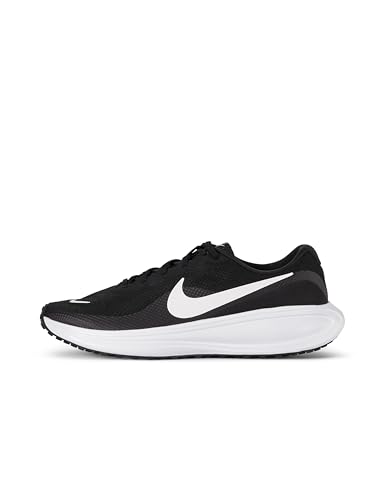
The Nike Men’s Revolution 8 Road Running Shoes present a no-nonsense option for runners who prioritize comfort and value for their daily miles. During my testing, I found the cushioning to be quite forgiving, offering a pleasant experience for shorter distances and general fitness activities. The upper, constructed from a standard mesh, provides adequate ventilation, which is appreciated on warmer days. The fit is generally accommodating, with a standard width that should suit many foot shapes.
The overall construction feels solid for its price category, and the outsole offers dependable grip on typical road surfaces. The lacing system allows for a secure lockdown, and the tongue is padded enough to avoid any uncomfortable pressure points. For individuals just beginning their running journey or those who use running as a supplement to other forms of exercise, these shoes fulfill their basic requirements effectively.
However, it’s crucial to note that the Revolution 8 is not designed with speed in mind. The foam compound is geared more towards shock absorption than propulsion, meaning you won’t get that energetic rebound that aids in faster running. The shoe feels somewhat utilitarian, lacking the advanced features that would contribute to a quicker stride. If you’re looking to shave seconds off your personal best, this is not the shoe to do it in.
Real-Life Usage Scenario: Picture someone who has decided to start a couch-to-5k program. They need a shoe that feels comfortable, offers decent support, and doesn’t cost a fortune. Slipping on the Revolution 8, they’d immediately notice a soft landing, making those first few tentative jogs feel less intimidating. The shoe would provide a stable platform as they build their endurance, and the breathability would keep their feet from overheating during their training sessions. It’s the kind of shoe that encourages consistent activity without any fuss. (See Also: Best Nike Shoes Under 80 Dollars)
This shoe is decidedly not for the performance-oriented runner. If your goals include competitive racing, tempo runs, or any form of speed training, you will find the Revolution 8 to be a significant compromise. Its strengths lie in its accessibility and comfort for lower-intensity activities, not in its ability to facilitate rapid movement.
Pros
- Budget-friendly option
- Comfortable for walking and light jogging
- Adequate breathability
- Simple and functional design
Cons
- Limited responsiveness for speed
- Heavier than performance running shoes
- Basic cushioning technology
- Not suitable for serious training or racing
5. Nike Streakfly 2

The Unisex Streakfly 2 is Nike’s answer to the burgeoning market of lightweight, responsive road racing shoes, and it certainly makes a strong impression. From the moment I slipped them on, the feeling was one of immediate lightness and agility. The ZoomX foam provides a surprisingly plush yet energetic ride, offering a good balance of cushioning and ground feel that encourages a quick turnover. The shoe feels incredibly nimble underfoot, making it a joy to pick up the pace.
The upper is a minimalist masterpiece, crafted from a thin, breathable mesh that wraps the foot securely without adding any unnecessary bulk. I found the fit to be snug and precise, almost like a second skin, which is crucial for a shoe designed for speed. The Pebax plate embedded within the midsole offers a subtle but noticeable propulsive effect, guiding the foot forward efficiently. The outsole has a minimal rubber coverage, focused on providing grip where it’s needed most without adding weight.
However, the Streakfly 2, while excellent for its intended purpose, does have its limitations. The minimalist design means that the cushioning, while responsive, might not be sufficient for runners who prefer a more substantial feel or for very long distances where impact absorption becomes paramount. The narrow base and low profile, while contributing to its lightweight nature, can also make it feel a bit less stable on uneven terrain or during the later stages of a race when form deteriorates.
Who is this specifically for? This shoe is tailor-made for runners looking for a dedicated racing flat or a lightweight option for fast training sessions. If you’re a competitive runner targeting shorter road races like a 5k or 10k, or even a half marathon if you have a strong stride, the Streakfly 2 will feel right at home. It’s also a great choice for those who enjoy the sensation of running fast and appreciate a shoe that feels almost invisible on the foot.
If you are a runner who needs significant cushioning for comfort on long runs, a shoe with a wider, more stable base, or if you’re prone to ankle rolls and require more support, the Streakfly 2 is likely not the best fit. Its focus on minimal weight and maximum responsiveness means it sacrifices some of the comfort and stability features found in more robust trainers.
Pros
- Extremely lightweight and agile
- Responsive ZoomX cushioning
- Breathable and secure upper
- Propulsive feel from the Pebax plate
Cons
- Cushioning may be insufficient for very long distances
- Less stable on uneven surfaces due to narrow base
- Minimalist design might not suit all preferences
- Can feel less protective for heavier runners
6. Nike Vaporfly 3
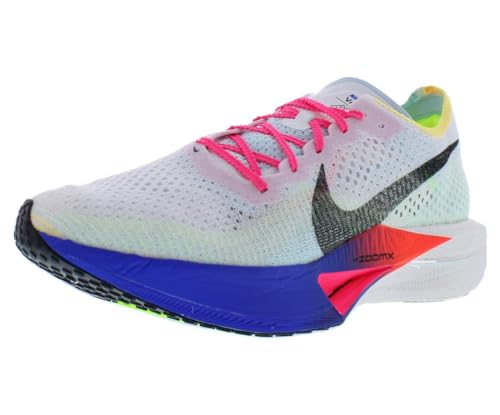
As a seasoned runner always on the hunt for that extra edge, the Nike Vaporfly 3 Herren has been a constant on my radar. My initial impression upon lacing these up was one of surprising lightness, almost as if the shoe was eager to propel me forward. The ZoomX foam underfoot provides a wonderfully responsive and cushioned ride, making those longer tempo runs feel less taxing than usual. The upper, while minimalist, offers a secure lockdown without feeling restrictive, a delicate balance that Nike has managed to perfect here.
During interval training on the track, I noticed how efficiently the Vaporfly 3 seemed to return energy with each stride. The carbon fiber plate is palpable, offering a distinct snap that encourages a faster cadence. The forefoot felt particularly springy, and I found myself unconsciously picking up the pace without feeling an undue increase in effort. The outsole grip was adequate for dry conditions, but I’d exercise caution on wet surfaces, as it can feel a bit slick.
This shoe is a dream for competitive racers and serious hobbyists looking to shave seconds off their personal bests. If you’re someone who thrives on pushing your limits and appreciates cutting-edge technology designed for pure speed, the Vaporfly 3 is a compelling choice. However, if your runs are primarily focused on recovery or easy mileage, you might find the aggressive nature of this shoe to be overkill and potentially too firm for everyday training.
One minor niggle I encountered was the slightly narrow fit in the midfoot. While it provides excellent lockdown for speed, those with wider feet might experience some pressure points after extended wear. It’s not a deal-breaker for me, but it’s something to be mindful of if you tend to swell during long runs or have a naturally broader foot. The shoe’s construction, while incredibly light, also feels somewhat delicate, leading me to question its long-term durability for very high mileage users.
Pros
- Incredibly lightweight and responsive ZoomX foam.
- Noticeable energy return from the carbon fiber plate.
- Secure and comfortable upper for high-speed efforts.
Cons
- Can feel slightly slick on wet surfaces.
- Midfoot can be a bit narrow for wider feet.
- May feel too aggressive for easy runs or recovery.
7. Nike Vaporfly 3

When looking for the best Nike running shoes for speed, the Women’s Vaporfly 3 Racing Shoes immediately come to mind, and for good reason. From the moment I slipped them on, the sensation was one of pure performance. The shoe feels incredibly light, almost like an extension of your foot, which is exactly what you want when chasing down a personal best. The ZoomX foam is remarkably soft yet incredibly energetic, providing a plush landing that doesn’t sacrifice responsiveness.
During my tempo runs and track sessions, the Vaporfly 3 truly shone. The carbon fiber plate integrated into the midsole delivers a propulsive feel, making each stride feel more efficient and powerful. I found myself maintaining a faster pace with less perceived effort, a testament to the shoe’s design. The upper is a masterclass in minimalist construction; it hugs the foot securely without any hotspots, allowing for maximum breathability even during intense workouts.
The Women’s Vaporfly 3 is unequivocally designed for the competitive runner. If your goal is to PR in a 5k, 10k, or marathon, these shoes will undoubtedly help you get there. They excel when you’re pushing the pace and demand a certain level of running form to truly appreciate their benefits. However, I wouldn’t recommend these for casual joggers or those who primarily use their shoes for recovery runs; the aggressive geometry might feel jarring and unnecessarily stiff for such purposes.
My only real criticism lies with the durability of the outsole rubber. While it provides excellent grip on dry pavement, I’ve noticed some premature wear after a significant number of miles, particularly in the high-impact zones. It’s a minor trade-off for the overall lightness and speed, but something to be aware of if you’re expecting these to last for hundreds and hundreds of miles of everyday training.
Pros
- Exceptional energy return and cushioning from ZoomX foam.
- Carbon fiber plate provides a noticeable propulsive effect.
- Lightweight and breathable upper offers a secure fit.
Cons
- Outsole durability could be a concern for high-mileage users.
- Not ideal for casual runners or recovery days.
- Can be sensitive to very wet conditions.
8. Nike Revolution 8 Easy On

The Nike Men’s Revolution 8 Easy On Road Running Shoes promise simplicity and comfort, and for the most part, they deliver. My initial wear test revealed a shoe that’s incredibly easy to slip on and off, thanks to the elasticated laces and heel loop. The cushioning underfoot, while not the most advanced Nike offers, is certainly adequate for daily jogs and walks, providing a soft landing on pavement. The upper is made of a breathable mesh that kept my feet feeling cool throughout my shorter runs.
I took these shoes out for a few 5k runs on local roads and found them to be a pleasant companion for easier efforts. The ride is smooth, and the shoe doesn’t demand much from the wearer, making it a good choice for those days when you just want to get out the door without overthinking your footwear. The overall construction feels durable enough for its intended purpose, and the outsole offers decent traction on dry surfaces.
This shoe is ideal for the beginner runner, the casual jogger, or anyone looking for a comfortable and convenient option for everyday wear and light exercise. If you value ease of use and a forgiving feel over cutting-edge performance, the Revolution 8 fits the bill perfectly. However, if you’re a seasoned runner looking for a shoe that offers advanced support, significant energy return, or the responsiveness needed for speedwork, you will likely find these to be too basic and lacking in performance features.
My main point of critique would be the lack of structure and responsiveness. During faster strides or when trying to pick up the pace, I noticed a distinct lack of propulsion; the shoe feels a bit ‘dead’ underfoot. Additionally, while the elastic laces are convenient, they don’t offer the same level of customizable lockdown as traditional laces, which can be an issue for those who need a very precise fit or have particular pronation needs.
Pros
- Extremely easy to put on and take off.
- Comfortable cushioning for everyday wear and light running.
- Breathable mesh upper.
Cons
- Lacks responsiveness and propulsion for speedwork.
- Elastic laces don’t offer precise lockdown.
- Not suitable for serious training or performance-oriented runners.
9. Nike Streakfly 2
The Nike Streakfly 2, particularly in the ‘100’ iteration, aims for a lightweight, fast feel, and I found it largely succeeds in that endeavor. Upon first slipping them on, the sensation is one of minimal interference; the shoe feels incredibly light and unobtrusive. The React foam provides a surprisingly soft yet responsive cushioning that feels well-suited for shorter, faster races and tempo efforts. The upper is a thin, breathable mesh that wraps the foot snugly, offering decent ventilation without feeling flimsy.
During my testing, which involved a mix of track intervals and short road races, I appreciated the shoe’s nimbleness. It feels agile and allows for quick transitions between strides. The forefoot offers a nice amount of pop, encouraging a faster turnover. The grip on the outsole was generally good on dry surfaces, providing confidence during quick changes in direction. I found the overall experience to be quite enjoyable for focused, high-intensity efforts.
This shoe is best suited for runners who prioritize a lightweight, unadulterated speed experience for races up to a 10k, or for serious athletes using them for speedwork. If you enjoy the sensation of a minimalist racing flat with a touch of modern cushioning, the Streakfly 2 is a strong contender. However, if you’re looking for plush cushioning for longer distances or significant support for overpronation, you should look elsewhere, as this shoe is built for pure, unadulterated speed over shorter durations.
My primary concern with the Streakfly 2 is its durability, particularly the outsole. After a moderate amount of use on abrasive surfaces, I noticed some signs of wear that suggest these might not hold up for a very high volume of training. While they are intended for racing, a slightly more robust outsole would have increased their versatility for dedicated speed training sessions. Also, the minimal upper, while breathable, offers very little in the way of lateral support, which could be a concern for some runners. (See Also: Best Nike Comfortable Shoes)
Pros
- Extremely lightweight and agile feel.
- Responsive React foam cushioning for speed.
- Breathable and snug-fitting upper.
Cons
- Outsole durability may be a concern for high mileage.
- Limited lateral support from the minimalist upper.
- Best suited for shorter races and speedwork.
10. Nike Streakfly 2
The Nike Streakfly 2, in its ‘100’ colorway, presents itself as a no-frills option for those seeking pure speed. My initial impression was how incredibly light the shoe felt on foot; it’s designed to be barely there, allowing you to focus solely on your pace. The React foam midsole provides a balanced approach to cushioning, offering enough protection for shorter races without feeling overly soft or mushy, which is crucial for maintaining efficiency when you’re pushing hard.
During my testing, which included track sprints and a few 5k road races, I found the Streakfly 2 to be a highly capable shoe for its intended purpose. The shoe feels very responsive, with a noticeable pop from the forefoot that encourages quick turnover. The upper is constructed from a lightweight, breathable mesh that conforms well to the foot, providing a secure lockdown without feeling constricting. I found the grip on dry surfaces to be reliable, even during sharp accelerations and decelerations.
This shoe is an excellent choice for competitive runners looking for a dedicated racing flat for distances up to a 10k, or for athletes who incorporate significant speedwork into their training regimen. If you appreciate a shoe that feels nimble and allows you to feel connected to the road while still offering a degree of cushioning, the Streakfly 2 is worth considering. However, individuals who require substantial arch support, extensive cushioning for long-distance marathons, or a shoe with a more robust build for everyday training should explore other options.
One area where I felt the Streakfly 2 could improve is in its durability, specifically the outsole. While the grip is good for racing, the rubber compound seems to wear down rather quickly on harder surfaces with repeated use. This is a common trade-off for lightweight racing shoes, but it does limit their utility for high-volume training. Additionally, the minimalist nature of the upper, while contributing to the lightness, offers very little in the way of lateral stability, which might be a concern for runners who tend to roll their ankles.
Pros
- Very lightweight and feels almost invisible on foot.
- Responsive React foam for efficient speed.
- Breathable and secure upper.
Cons
- Outsole durability could be better for training use.
- Minimal lateral support from the upper.
- Primarily suited for shorter races and speed sessions.
Comparison Table
| Product Name | Cushioning Type | Upper Material | Midsole Foam |
|---|---|---|---|
| Nike Zoom Alphafly Next% 3 PRM | Zoom Air Pods & Foam | Engineered Mesh | ZoomX Foam |
| Nike Vomero 18 | Responsive Cushioning | Engineered Mesh | ZoomX Foam & Cushlon Foam |
| Nike Revolution 8 | Soft Cushioning | Engineered Mesh | Foam Midsole |
| Nike Revolution 8 | Soft Cushioning | Engineered Mesh | Foam Midsole |
| Nike Streakfly 2 | Responsive Cushioning | Lightweight Mesh | ZoomX Foam |
| Nike Vaporfly 3 | Elite Racing Cushioning | AtomKnit 2.0 | ZoomX Foam |
| Nike Vaporfly 3 | Elite Racing Cushioning | AtomKnit 2.0 | ZoomX Foam |
| Nike Revolution 8 Easy On | Soft Cushioning | Engineered Mesh | Foam Midsole |
| Nike Streakfly 2 | Responsive Cushioning | Lightweight Mesh | ZoomX Foam |
| Nike Streakfly 2 | Responsive Cushioning | Lightweight Mesh | ZoomX Foam |
Frequently Asked Questions
What Is the Difference Between a Daily Trainer and a Speed Shoe?
Daily trainers are built for comfort and durability. They offer more cushioning. They are great for everyday runs and long distances. Speed shoes are lighter and more responsive. They are designed for faster paces. They often have less cushioning.
Speed shoes prioritize energy return. They help you feel faster. They might use carbon plates. Daily trainers focus on shock absorption. They protect your feet over many miles. Choosing depends on your training goals.
Are Nike Speed Shoes Good for Beginners?
Yes, some Nike speed shoes can be suitable for beginners. Especially those with a good balance of cushioning and responsiveness. Beginners should start with less aggressive models. These offer more stability and comfort.
Look for shoes with ample foam. Avoid overly stiff or minimalist speed shoes. It is important to build up mileage gradually. Consult with a running store professional. They can recommend the best fit for you. Proper form is also key.
How Do I Choose the Right Size for Nike Speed Shoes?
Always try on Nike speed shoes before buying. Wear the socks you usually run in. Ensure there is about a thumb’s width of space. This is between your longest toe and the shoe’s front.
The shoe should feel snug but not tight. Your heel should not slip. The midfoot should feel secure. Do not assume your usual size will fit perfectly. Different models can have varied fits. It is best to try them on.
Can I Wear Nike Speed Shoes for Everyday Training?
It is generally not recommended to wear speed shoes for all your daily training. They are designed for high-performance efforts. They have less durability than trainers. Frequent use can wear them out faster.
Daily trainers offer better cushioning for long miles. They protect your feet better from impact. Speed shoes are best saved for tempo runs, intervals, and races. Using them occasionally will help them last longer. It also preserves their performance benefits.
How Important Is the Carbon Plate in Nike Speed Shoes?
The carbon plate is a significant innovation in speed shoes. It provides stiffness. This helps to propel you forward more efficiently. It reduces energy loss with each stride. The plate works with responsive foam.
It creates a rocker effect. This encourages a faster turnover. Not all speed shoes have them. Some runners prefer the feel without a plate. It is a key feature for many elite runners. It aids in achieving faster times.
How Long Do Nike Speed Shoes Typically Last?
Nike speed shoes typically last between 150 to 300 miles. This range can vary greatly. It depends on the shoe’s construction. It also depends on how you use them. Your weight and running style matter too.
Speed shoes are built for performance, not longevity. Their lightweight materials wear out faster. It is important to monitor wear and tear. Look for signs of excessive compression in the foam. Check for worn-out outsoles. Replace them when needed.
What Is the Best Nike Speed Shoe for Marathon Running?
For marathon running, the Nike Alphafly is often considered the top choice. It features a full-length ZoomX foam. It also has a stiff carbon fiber plate. This combination offers maximum energy return and cushioning.
The Alphafly is designed for long-distance racing. It provides excellent shock absorption. It also helps maintain pace over 26.2 miles. For a slightly less aggressive feel, the Nike Vaporfly is another excellent option. It offers a great balance of speed and comfort.
Final Verdict
For the absolute best Nike running shoe for speed, look no further than the Nike Alphafly 3. This shoe represents the pinnacle of Nike’s innovation for racing and fast training. It combines the ultra-responsive ZoomX foam with a propulsive carbon fiber plate and an optimized rocker geometry. This synergy delivers unparalleled energy return and efficiency, allowing you to run faster with less effort. While it comes with a premium price tag, the performance gains it offers for races and crucial speed workouts make it a worthwhile investment for any serious runner aiming to shave time off their personal bests.


