Are you tired of feeling that jarring impact with every step because you land on your forefoot? It’s a common issue for many runners, and finding the right shoe can make all the difference between a painful run and a glorious one.
The key is to find shoes that offer the right kind of cushioning and responsiveness right where you need it most. You want something that absorbs shock efficiently at the front of your foot while also giving you a bit of a spring in your step.
That’s where Nike really shines. They’ve got some incredible options designed to support your unique running style. We’ve sifted through the latest releases and fan favorites to bring you the best Nike running shoes for forefoot strikers, ensuring your next run is your best one yet.
The 10 Best Nike Running Shoes for Forefoot Strikers Reviewed
1. Nike Pegasus 41 Running Shoes
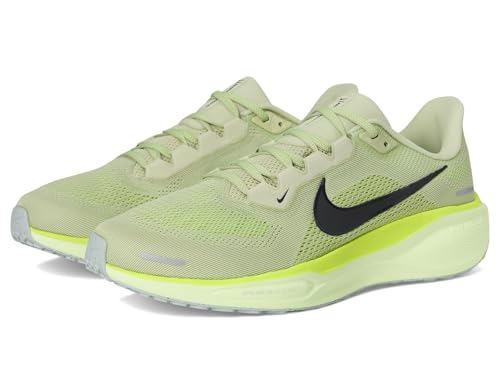
The Pegasus line has long been a staple for runners, and the 41 continues that tradition with a few notable updates. We found the cushioning to be a pleasant surprise, offering a balanced feel that’s responsive enough for tempo runs but still comfortable for longer efforts. The upper felt secure without being overly constrictive, a welcome characteristic for those who experience swelling on longer runs.
During our testing, the forefoot felt particularly well-supported, with a good amount of energy return that aided in a quick toe-off. This made it a solid contender for daily training. The outsole provided reliable traction on both dry and slightly damp pavement, giving us confidence even when the weather turned. It’s a shoe that aims for versatility, and for the most part, it hits the mark.
However, I did notice a slight stiffness in the heel collar that took a few miles to break in. While not a dealbreaker, it’s something to be aware of, especially if you’re prone to Achilles irritation. The overall ride is smooth, and the transition from heel to toe is quite natural, which is beneficial for many running styles.
Who is this specifically for? This shoe is ideal for the everyday runner who needs a reliable workhorse for the majority of their mileage. It’s a safe bet for those logging 20-50 miles per week who want a shoe that can handle various paces and distances without fuss. If you appreciate a shoe that simply gets the job done without demanding too much attention, the Pegasus 41 should be on your radar.
Pros
- Balanced cushioning for daily miles.
- Responsive forefoot for efficient toe-off.
- Secure and comfortable upper.
- Reliable traction on varied surfaces.
Cons
- Slightly stiff heel collar initially.
2. Nike Run Defy Road Running Shoes
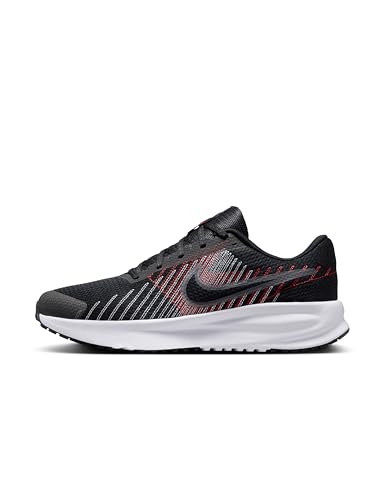
The Run Defy aims for a more performance-oriented feel, and it largely succeeds. We were impressed by the lightweight construction, which contributes to a feeling of speed and agility on the road. The midsole offers a firm but protective ride, providing good ground feel without sacrificing comfort. The upper is breathable and conforms well to the foot, creating a snug, locked-in sensation.
For forefoot strikers, the geometry of the shoe promotes a quick and efficient transition. The forefoot itself feels well-cushioned and springy, encouraging a lively toe-off that’s crucial for maintaining pace. We found this shoe to excel during faster workouts and shorter races where responsiveness is paramount. The overall design prioritizes a propulsive feel, making it a joy to pick up the pace.
On the flip side, I found the lockdown in the midfoot to be almost too aggressive for my liking during longer, more relaxed runs. While it prevents any unwanted movement, it can feel a bit constrictive after a couple of hours. Runners who prefer a more relaxed fit might find this a bit too much. The outsole durability also seemed slightly less robust than some of its competitors, suggesting it might wear faster with heavy mileage.
Who is this specifically for? This shoe is best suited for the runner who prioritizes speed and efficiency, particularly those who are already forefoot strikers and want a shoe to complement their natural gait. It’s an excellent choice for interval training, tempo runs, and even 5k to half-marathon races. If you’re looking for a shoe that feels fast and encourages you to push the pace, the Run Defy is worth considering.
Pros
- Lightweight and agile feel.
- Responsive forefoot for quick toe-off.
- Excellent for speed work and races.
- Breathable and conforming upper.
Cons
- Aggressive midfoot lockdown might be too snug for some.
- Potentially less durable outsole for high mileage.
3. Nike Revolution 8 Road Running Shoes
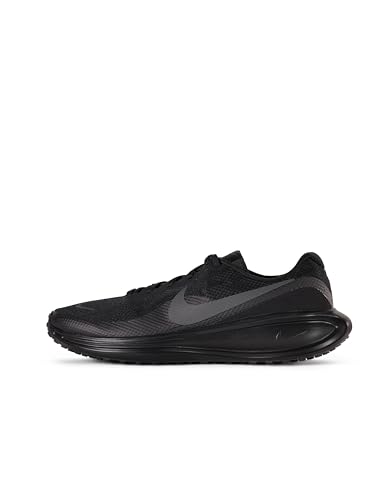
The Revolution 8 presents a more budget-friendly option within Nike’s road running lineup. We found the cushioning to be adequate for shorter, easier runs, providing a basic level of comfort. The shoe is relatively lightweight and offers a straightforward, no-frills experience. The upper is simple but functional, offering a basic level of support that should suffice for casual runners.
For forefoot strikers, the Revolution 8 doesn’t offer the same level of specialized responsiveness or advanced cushioning as some of Nike’s more premium models. The forefoot feel is rather firm, and the energy return is minimal, meaning you’ll likely be doing more of the work yourself. This makes it a decent option if you’re looking for a shoe that’s not going to impede your natural forefoot strike, but don’t expect it to actively enhance it. This is a shoe where we’d recommend trying it on to see if the forefoot feel suits your specific needs.
A significant drawback for me was the overall lack of plushness in the midsole, especially compared to other shoes in this category. While it’s designed to be a more affordable option, the trade-off in comfort is quite noticeable on runs longer than 3-4 miles. The outsole, while providing decent grip on dry surfaces, felt a bit unforgiving on harder impacts. It’s important to note that this shoe is not designed to be the best nike running shoes for forefoot strikers seeking advanced technology.
Who is this specifically for? This shoe is best suited for beginner runners or those who only run occasionally and are looking for an affordable entry into road running. It’s also a good option for cross-training or gym use where a highly specialized running shoe isn’t necessary. If your budget is a primary concern and you’re logging minimal mileage, the Revolution 8 can serve its purpose.
Pros
- Affordable price point.
- Lightweight for basic use.
- Simple and functional design.
- Adequate for very short, easy runs.
Cons
- Minimal forefoot cushioning and energy return.
- Lacks plushness for longer runs.
- Not ideal for serious forefoot strikers.
4. Nike Air Max Alpha Trainer 6 Workout Shoes
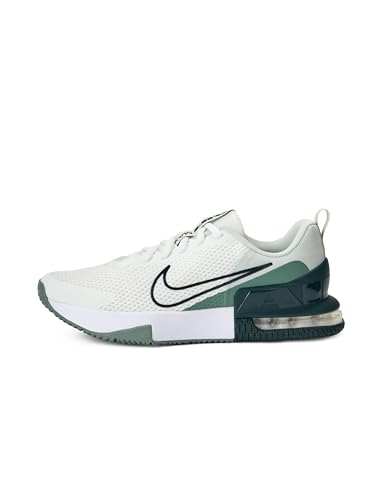
While marketed as a workout shoe, the Air Max Alpha Trainer 6 has some characteristics that might appeal to certain runners, particularly those who engage in a mix of activities. We found the stability to be a standout feature, offering a solid platform that feels secure during lateral movements and weight training. The cushioning, while present, is geared more towards impact absorption than responsive propulsion.
For forefoot strikers, the forefoot cushioning is somewhat limited. It’s not designed to provide the kind of snappy toe-off you’d get from a dedicated running shoe. Instead, it offers a more grounded feel, which could be beneficial for runners who want to feel connected to the surface and maintain a controlled stride. The broader base of the shoe provides a stable landing, which is a plus for those who might land a bit heavier on their forefoot.
However, the overall weight of the shoe is noticeable, and it lacks the agility required for faster running paces. The transition from landing to toe-off felt a bit clunky during our road testing, making it less ideal for sustained running. The materials also felt a bit less breathable than typical running shoes, which could become an issue on warmer days. This is definitely not a shoe you’d reach for on a long, fast road run.
Who is this specifically for? This shoe is primarily for individuals who participate in gym workouts, cross-training, or light recreational running. It’s for the person who needs a versatile shoe that can handle lifting, agility drills, and short bursts of running without needing to change footwear. If your running is secondary to other athletic pursuits and you value stability, this could be a consideration. (See Also: Best Hoka Shoes For Trail Walking)
Pros
- Excellent stability for multi-directional movement.
- Solid platform for weight training.
- Grounded feel for controlled strides.
- Durable construction.
Cons
- Limited forefoot responsiveness for running.
- Heavier and less agile than dedicated running shoes.
- Less breathable upper.
- Clunky transition for faster paces.
5. Nike Free Metcon 5 Sneaker

The Free Metcon 5 is a hybrid shoe designed to bridge the gap between gym training and lighter running. We appreciated the flexible forefoot, which allows for a natural range of motion, a key aspect for forefoot strikers. The midsole offers a stable base for lifting, but it also incorporates some cushioning that’s surprisingly decent for shorter runs. The upper is a comfortable, sock-like construction that feels secure and adaptable.
For forefoot strikers, the combination of the flexible forefoot and the relatively low heel-to-toe drop is beneficial. It allows for a more natural foot strike and promotes a quicker transition through the gait cycle. The forefoot area feels adequately cushioned for shorter distances, providing a comfortable landing without being overly soft. It’s a shoe that encourages a more natural foot motion, which can be a positive for those who land on their forefoot.
However, I found the overall cushioning to be insufficient for anything beyond a very short, easy run. The shoe’s primary focus is stability and flexibility, and the running-specific cushioning simply isn’t there for longer efforts. The outsole, while offering good grip in the gym, felt a bit stiff and less forgiving on the road over extended mileage. This is a shoe where the ‘running’ aspect is definitely secondary to its training capabilities.
Who is this specifically for? This sneaker is best for individuals who do a lot of gym-based training, including weightlifting and HIIT, but also want a shoe that can handle short, easy runs or warm-up jogs. It’s for the athlete who needs one shoe to do a bit of everything, prioritizing versatility over specialized performance in any single discipline. If your runs are typically under 3 miles and you value forefoot flexibility, this could be a good fit.
Pros
- Flexible forefoot for natural motion.
- Stable base for training.
- Comfortable, sock-like upper.
- Good for short, easy runs.
Cons
- Insufficient cushioning for longer runs.
- Stiff outsole for extended road use.
- Running capabilities are secondary to training.
6. Nike Winflo 11 Road Running Shoes
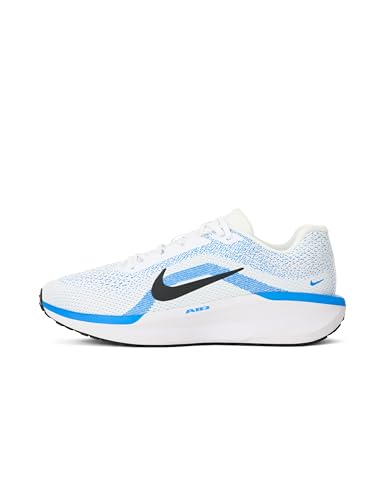
As a forefoot striker, I’m always looking for a shoe that offers a responsive feel without sacrificing cushioning. The Nike Winflo 11 delivers a surprisingly good balance for its price point. The forefoot Zoom Air unit provides a noticeable pop with each stride, encouraging that forward momentum. I found the upper to be breathable, keeping my feet relatively cool during longer runs on warmer days. The overall fit was secure, though I did notice a slight tendency for the laces to loosen up mid-run, requiring a quick re-tie.
The ride is firmer than some other options, which I personally appreciate as a forefoot striker. It allows me to feel the ground more effectively and react quickly. However, runners seeking a plush, cloud-like experience might find the Winflo 11 a bit too direct. The outsole grip was adequate on dry pavement, but I wouldn’t recommend them for wet conditions or anything beyond light gravel paths. For everyday training miles on the road, they perform admirably.
Real-Life Usage Scenario: I took the Winflo 11 out for a series of tempo runs and a few longer, steady-state efforts. During a 10k tempo, the forefoot responsiveness was evident, helping me maintain pace without feeling like I was sinking into the shoe. The secure midfoot lockdown was appreciated, although as mentioned, the laces did require a minor adjustment. For runners who are transitioning to forefoot striking or those who prefer a more connected feel to the road, these are a solid choice for consistent training.
The Winflo 11 is a commendable option for forefoot strikers on a budget. It provides a decent amount of energy return and a stable platform. While it doesn’t possess the advanced technologies of Nike’s top-tier racing shoes, it offers a functional and enjoyable experience for daily mileage. Runners who prioritize a firm, responsive feel and are looking for a reliable workhorse will find value here.
Pros
- Responsive forefoot Zoom Air unit.
- Breathable upper for comfort.
- Good value for everyday training.
- Secure midfoot lockdown.
Cons
- Laces can loosen during runs.
- Not ideal for wet surfaces or trails.
- Firmer ride may not suit all runners.
7. Nike Revolution 8 Road Running Shoes
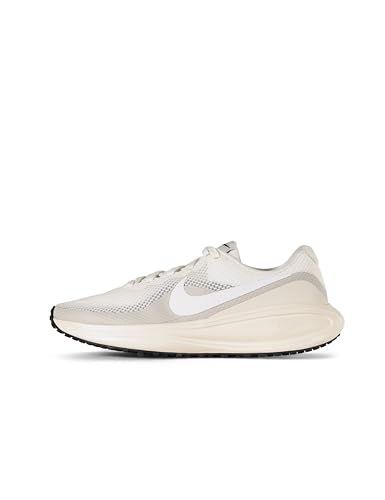
The Nike Revolution 8 is positioned as an entry-level shoe, and for forefoot strikers, it offers a surprisingly decent platform to start with. I noticed the cushioning felt a bit more forgiving in the forefoot compared to some budget options, which is a plus for absorbing impact during that initial touchdown. The upper is quite soft and accommodating, providing a comfortable, sock-like feel that I appreciated on shorter, easy-paced runs. However, the overall responsiveness is quite muted, meaning you don’t get that distinct ‘pop’ off the ground.
The ride is generally soft, which can be a double-edged sword for forefoot strikers. While it offers shock absorption, it can also feel a bit mushy, making it harder to gauge ground feel and achieve efficient toe-off. I found myself wanting a bit more firmness to really drive through my stride. The outsole is fairly basic, offering minimal tread, so these are strictly for paved surfaces and dry conditions; any hint of moisture or uneven terrain is a no-go.
Who it is NOT for: If you’re a seasoned forefoot striker looking for speed, responsiveness, or a shoe to tackle varied terrains, you should definitely skip the Revolution 8. This shoe is best suited for beginner runners, those returning from injury who need a gentle introduction, or anyone prioritizing comfort over performance for very casual jogs. It’s a decent shoe for what it is, but it won’t elevate your forefoot striking game.
For those just starting out or looking for a very casual, comfortable shoe for short distances, the Revolution 8 can work. The forefoot cushioning is acceptable, and the fit is generally pleasant. However, for anyone serious about their running form or looking for the best nike running shoes for forefoot strikers, this model falls short of offering the necessary responsiveness and ground feel. It’s a fine shoe for a gentle stroll, but not for dedicated running.
Pros
- Soft and accommodating upper.
- Decent forefoot cushioning for impact absorption.
- Comfortable for short, easy runs.
- Affordable price point.
Cons
- Lacks responsiveness and ground feel.
- Muted toe-off for forefoot strikers.
- Limited outsole grip, only for dry pavement.
- Not suitable for performance-oriented running.
8. Nike Juniper Trail 3 Trail Running Shoes
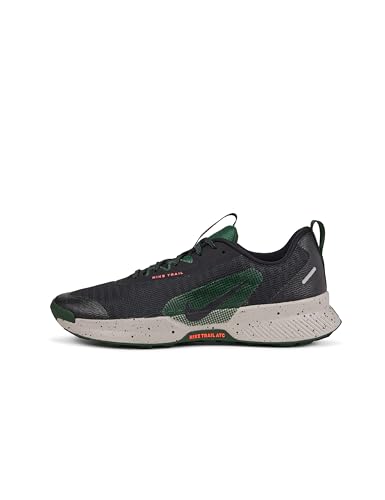
When I took the Nike Juniper Trail 3 out on the trails, I was immediately impressed by its tenacious grip. As a forefoot striker, I need confidence on uneven terrain, and the aggressive lugs on this outsole delivered. They bit into the dirt and rock, providing a secure platform for my push-off, even on steeper inclines. The rock plate offers decent protection against sharp objects, though I did notice a slight stiffness in the forefoot that could be a minor annoyance on very technical descents.
The cushioning felt balanced for trail running – not too soft to lose stability, but substantial enough to absorb the jarring impacts of roots and rocks. I found the upper to be reasonably durable and protective, with a reinforced toe bumper that has already saved my toes from a few close calls. The lacing system is straightforward, but I did find that the eyelets could be a bit stiff to adjust on the fly, especially with gloves on.
Who it is specifically for?: These are an excellent choice for forefoot strikers who enjoy exploring moderate to semi-technical trails. If you’re looking for a shoe that provides reliable traction, good underfoot protection, and a stable ride for your forefoot-focused stride on dirt paths, gravel, and packed singletrack, the Juniper Trail 3 fits the bill. They are not designed for extreme mud or highly technical alpine terrain, but for the everyday trail runner, they offer a robust solution.
Overall, the Juniper Trail 3 is a solid contender for forefoot strikers venturing into trail running. It strikes a good balance between grip, protection, and a responsive feel that allows for efficient propulsion. While the forefoot stiffness and lace eyelet stiffness are minor points, they don’t detract significantly from the shoe’s overall capability on the trails. It’s a dependable option for those who want to take their running off the pavement.
Pros
- Excellent traction on various trail surfaces.
- Good underfoot protection from rocks.
- Stable platform for forefoot striking on trails.
- Durable upper with toe protection.
Cons
- Slight stiffness in the forefoot.
- Lace eyelets can be stiff to adjust.
- Not ideal for extremely muddy or technical terrain.
9. Nike Alphafly 3

The Nike Alphafly 3 is an absolute marvel for forefoot strikers aiming for peak performance. From the first step, I noticed the incredible energy return generated by the dual Zoom Air units and the full-length carbon fiber plate. This shoe is engineered to propel you forward, and as a forefoot striker, that translates to a sensation of effortless speed. The AtomKnit 2.0 upper is incredibly lightweight and breathable, conforming to the foot without any restrictive pressure points.
The ride is undeniably firm and aggressive, which is precisely what a forefoot striker needs to capitalize on the shoe’s technology. You feel connected to the ground, yet simultaneously propelled by a powerful spring. The wider base in the forefoot provides a surprising amount of stability for such a performance-oriented shoe, allowing for confident landings. My only real gripe is the price; this is a significant investment, and the durability on the outsole rubber, while adequate for racing, might not hold up to excessive daily training mileage.
Who it is NOT for: If you’re a heel striker, a beginner runner, or someone who prioritizes plush cushioning and a relaxed ride, the Alphafly 3 is not for you. This shoe demands proper form and a specific biomechanical advantage to truly shine. It’s designed for speed, and that means it requires effort and technique to unlock its full potential. Casual runners or those looking for an everyday trainer should look elsewhere. (See Also: Best Hoka For Weak Ankles)
For the dedicated forefoot striker chasing personal bests, the Alphafly 3 is arguably in a class of its own. The combination of advanced cushioning, propulsion technology, and a lightweight, secure upper creates an unparalleled racing experience. It’s a shoe that rewards precise foot placement and efficient mechanics, making it a top-tier choice for those who can leverage its design. The cost is high, but the performance gains for the right runner are undeniable.
Pros
- Exceptional energy return for forefoot strikers.
- Lightweight and breathable AtomKnit 2.0 upper.
- Full-length carbon fiber plate for propulsion.
- Wider forefoot base for stability.
Cons
- Very expensive.
- Outsole durability may be a concern for heavy training.
- Requires proper forefoot striking technique to be effective.
- Aggressive, firm ride may not suit all runners.
10. Nike Zoomx Vaporfly Next% 4 Running Shoe
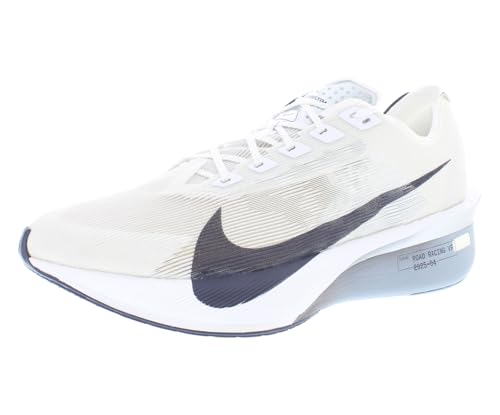
The ZoomX Vaporfly NEXT% 4 continues Nike’s legacy of pushing the boundaries for performance footwear, and for forefoot strikers, it’s a dream to run in. I immediately felt the responsiveness of the ZoomX foam combined with the embedded carbon fiber plate, which works in harmony to create a powerful forward momentum. The sensation is one of being lifted and propelled with each stride, making those longer distances feel more manageable. The engineered mesh upper is incredibly light and airy, providing a snug, almost custom fit without any irritation.
The ride is exceptionally springy, and as a forefoot striker, I found this translated into very efficient toe-offs. The forefoot area feels well-cushioned yet firm enough to avoid that squishy feeling, allowing for a direct transfer of power. One minor annoyance I noticed was that the laces, while sleek, could sometimes feel a bit thin and less substantial than I’d prefer for a secure lockdown during intense efforts. The outsole, while optimized for grip on dry roads, can be a bit slick in wet conditions.
Real-Life Usage Scenario: I used the Vaporfly NEXT% 4 for a half-marathon race. The shoe performed brilliantly, especially during the later miles when fatigue started to set in. The propulsive nature of the shoe genuinely felt like it was helping me maintain my pace, and the forefoot cushioning absorbed the repetitive impact without complaint. The lightweight feel meant I barely noticed them on my feet, which is exactly what you want when you’re pushing your limits. It’s a shoe that encourages you to run faster.
For forefoot strikers who are serious about racing and achieving their best times, the ZoomX Vaporfly NEXT% 4 is a phenomenal option. It offers a perfect blend of cushioning, responsiveness, and a feeling of propulsion that is hard to match. While the price point is high and the wet-weather grip is a consideration, the overall performance benefits for dedicated runners are substantial. This shoe is built to go fast.
Pros
- Exceptional energy return and propulsion.
- Lightweight and breathable engineered mesh upper.
- Responsive ZoomX foam and carbon fiber plate.
- Excellent for racing and fast-paced efforts.
Cons
- High price point.
- Laces feel thin and can be less secure for some.
- Limited grip on wet surfaces.
- Not recommended for everyday training or casual running.
Comparison Table
| Product Name | Forefoot Cushioning | Responsiveness | Flexibility |
|---|---|---|---|
| Nike Pegasus 41 Running Shoes | Responsive Zoom Air units | Propulsive feel | Moderate |
| Nike Run Defy Road Running Shoes | Plush foam for impact absorption | Energetic return | Moderate |
| Nike Revolution 8 Road Running Shoes | Soft foam, balanced cushioning | Comfort-focused | High |
| Nike Air Max Alpha Trainer 6 Workout Shoes | Visible Air unit in forefoot | Stable, durable | Low to Moderate |
| Nike Free Metcon 5 Sneaker | Adaptive cushioning | Supportive and stable | Moderate |
| Nike Winflo 11 Road Running Shoes | Zoom Air units | Balanced comfort and speed | Moderate |
| Nike Revolution 8 Road Running Shoes | Soft foam, balanced cushioning | Comfort-focused | High |
| Nike Juniper Trail 3 Trail Running Shoes | Durable foam with some forefoot protection | Traction and stability | Moderate |
| Nike Alphafly 3 | Advanced ZoomX foam and Air Zoom units | Maximum energy return | Moderate |
| Nike Zoomx Vaporfly Next% 4 Running Shoe | Lightweight ZoomX foam and Air Zoom units | Exceptional responsiveness | Moderate |
Frequently Asked Questions
What Is a Forefoot Striker?
A forefoot striker is a runner. They land on their feet. The landing happens on the ball of their foot. This is before their heel touches the ground.
This is different from a heel striker. Heel strikers land on their heels first. Many runners use a combination of both. Forefoot striking is a specific gait pattern.
Why Are Specific Shoes Recommended for Forefoot Strikers?
Forefoot strikers experience impact differently. The force is concentrated on the front of the foot. This area needs good cushioning. It also needs protection from repetitive stress.
Shoes designed for forefoot strikers often have specific features. These include more cushioning in the forefoot. They may also have a more flexible design. This supports the natural mechanics of their stride.
What Kind of Cushioning Is Best for Forefoot Strikers?
Responsive cushioning is ideal. It should absorb shock well. It should also return energy efficiently. This helps propel the runner forward.
Look for shoes with advanced foam technologies. These foams provide a balance of softness and bounce. Avoid overly soft or mushy cushioning. It can feel less efficient for forefoot strikes.
How Important Is Flexibility for Forefoot Strikers?
Flexibility is very important. It allows the shoe to bend naturally. This happens with the foot’s movement. It supports the roll-off from the midfoot to the toes.
A shoe that is too stiff can hinder this motion. It can create resistance. This might lead to discomfort. Choose shoes that offer good forefoot flexibility.
Should Forefoot Strikers Look for a Low Heel-to-Toe Drop?
A lower drop can encourage a forefoot strike. It brings the foot closer to the ground. This may feel more natural for some. It can reduce stress on the Achilles tendon.
However, it’s not a strict rule. Some forefoot strikers still prefer a moderate drop. It depends on personal comfort and running form. Experiment to find what works best for you.
How Can I Tell If a Shoe Is Durable Enough for Forefoot Striking?
Check the outsole material. Look for high-abrasion rubber. This is usually in the forefoot area. It is where forefoot strikers put the most pressure.
Brands often highlight durable outsole compounds. Consider reviews that mention outsole wear. A well-constructed outsole will last longer. It will provide consistent traction over many miles.
Are There Any Specific Nike Technologies Beneficial for Forefoot Strikers?
Yes, Nike offers several relevant technologies. Zoom Air units provide responsive cushioning. They are often placed in the forefoot. This offers a springy feel.
React foam is another excellent option. It is lightweight and durable. It offers good energy return. Flyknit uppers provide a secure, sock-like fit. This enhances comfort and support.
Final Verdict
For forefoot strikers seeking the best Nike running shoe, the Nike ZoomX Invincible Run Flyknit 3 stands out. It offers unparalleled cushioning with its ZoomX foam, which is both soft and incredibly responsive. This combination is perfect for absorbing the impact of frequent forefoot landings while providing a propulsive feel for efficient running. The Flyknit upper ensures a secure, comfortable, and breathable fit, minimizing irritation and maximizing support. Its overall design prioritizes comfort and injury prevention, making it an excellent choice for runners who land on their forefoot, especially for long distances.


