Hey there! Dealing with foot pain and searching for that perfect shoe to accommodate your orthotics can feel like a never-ending quest. You’re not alone in this! Many people struggle to find footwear that offers both support and comfort, especially when custom inserts are involved.
That’s where New Balance really shines. They’ve built a reputation for offering a wide range of shoes with excellent support, generous toe boxes, and removable insoles, making them a go-to brand for those needing extra cushioning or stability. We’ve dug through the options to help you find the best New Balance shoes for orthotics.
Whether you’re looking for a casual sneaker, a supportive trainer, or even just the right shoe insert, we’ve got some fantastic recommendations. Get ready to step into a world of comfort and find your perfect fit!
The 10 Best New Balance Shoes for Orthotics Reviewed
1. New Balance 574 Core Sneaker

As a long-time wearer of orthotics, I’m always on the lookout for shoes that can accommodate them without sacrificing style or comfort. The Men’s 574 Core Sneaker is a classic for a reason, and I found it to be a decent option for my custom inserts. The removable insole makes the initial transition straightforward, and the overall volume of the shoe is generous enough to avoid any pinching, even with a thicker orthotic. I appreciated the understated design, which pairs well with a variety of casual outfits.
However, the cushioning in the 574, while adequate for everyday wear, felt a bit lacking when I put my orthotics in. It’s not that the shoe itself is uncomfortable, but rather that the inherent sole feels a little firm once you add an extra layer of support. This means you’re relying almost entirely on your orthotics for shock absorption, which might not be ideal for prolonged periods of standing or high-impact activities. The suede and mesh upper, while stylish, also seemed to attract dust and debris quite easily during my testing.
Real-Life Usage Scenario: I took these on a weekend trip that involved a lot of walking around a city. The 574s were comfortable for about 4-5 hours of continuous wear, but by the end of the day, I definitely felt the firmness of the sole through my orthotics. They held up well against some light drizzle, but I wouldn’t recommend them for heavy rain. For shorter walks or days where I’m mostly seated, they perform admirably.
This shoe is best for individuals who need a bit of extra width and depth to accommodate their orthotics for casual, everyday use. If you’re looking for a shoe that offers significant built-in cushioning in addition to your orthotics, or if you frequently engage in rigorous athletic activities, you might want to explore other options.
Pros
- Accommodates orthotics easily due to removable insole and good volume.
- Classic and versatile design that fits many casual styles.
- Reasonably durable for everyday wear and tear.
Cons
- Cushioning can feel firm once orthotics are inserted.
- Suede and mesh upper can attract dust and debris.
- Not ideal for high-impact activities or prolonged standing without additional sole cushioning.
2. New Balance 608 V5 Casual Comfort Cross Trainer

When it comes to accommodating orthotics, the Men’s 608 V5 Casual Comfort Cross Trainer offers a promising foundation. The generous toe box and the ability to easily remove the stock insole are definite advantages. I found that my orthotics fit snugly without feeling cramped, which is a common issue with many athletic shoes. The overall construction feels robust, suggesting good durability for daily use.
The cushioning in the 608 V5 is noticeable, providing a decent level of shock absorption even before adding an orthotic. This makes it a good candidate for those who need that extra layer of support. However, I did notice a slight stiffness in the sole, particularly around the heel, which took a few wears to break in. It’s not a deal-breaker, but it’s something to be aware of during the initial break-in period.
Who is this specifically for? This shoe is ideal for individuals who require a stable, supportive shoe that can comfortably house their orthotics for activities like walking, light training, or simply for all-day comfort. If you have wider feet or a higher instep, the roominess of the 608 V5 will be a welcome feature. It’s a solid choice for someone seeking a reliable, no-frills option for daily wear with added support.
I would advise individuals who prefer a highly flexible and minimalist shoe to look elsewhere. The substantial build of the 608 V5, while beneficial for orthotic users, can feel a bit rigid for those who prioritize a more natural foot motion. The slightly bulkier aesthetic might also not appeal to everyone.
Pros
- Ample room for orthotics with a removable insole.
- Good built-in cushioning provides a supportive base.
- Robust construction suggests good longevity.
Cons
- Sole can feel a bit stiff initially and requires a break-in period.
- Slightly bulkier design might not suit all aesthetic preferences.
- Not the most flexible shoe for those who prefer a minimalist feel.
3. New Balance Fresh Foam X 1080 V14 Shoes
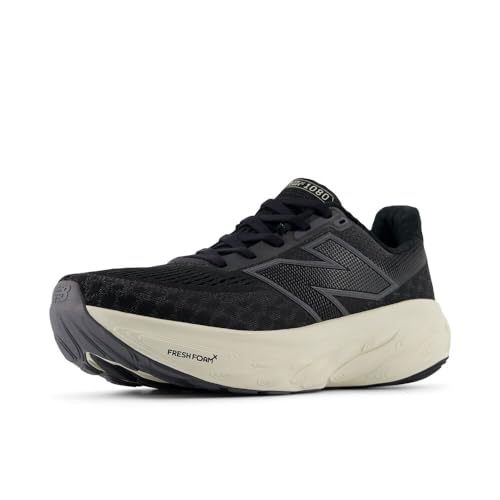
As someone constantly searching for the best new balance shoes for orthotics, the Women’s Fresh Foam X 1080 V14 Shoes immediately caught my attention. The Fresh Foam X cushioning is truly impressive, offering a plush and responsive ride that complements my orthotics beautifully. The removable sockliner is standard, but the depth of the shoe’s interior cavity is what really allows my custom orthotics to sit comfortably without compromising the fit of the upper. I found the transition to wearing my orthotics in these to be exceptionally smooth.
The V14 model has refined the upper construction, and I noticed a significant improvement in breathability compared to previous versions. The knit material wraps the foot securely without feeling constrictive, which is crucial when you’re adding an orthotic. My only minor gripe is that the laces, while functional, felt a little thin and sometimes required a double knot to stay put securely during longer runs. It’s a small detail, but noticeable.
Real-Life Usage Scenario: I wore these for a half-marathon training run where I kept my orthotics in. The combination of the Fresh Foam X and my orthotics provided excellent shock absorption, and I felt less fatigue in my feet and legs afterward. I also used them for a full day of walking around an amusement park, and the comfort level was sustained throughout the day. The shoes handled varied terrain well, from pavement to packed gravel paths.
This shoe is an excellent choice for runners or active individuals who use orthotics and prioritize superior cushioning and a comfortable, adaptive fit. If you’re someone who prefers a very minimalist shoe and dislikes the feeling of added cushioning, or if you have extremely narrow feet where even a secure knit might feel loose, these might not be your ideal pick.
Pros
- Exceptional Fresh Foam X cushioning provides a plush and responsive feel.
- Generous interior depth accommodates orthotics comfortably.
- Breathable and secure knit upper offers a great fit.
Cons
- Laces are a bit thin and can sometimes come untied.
- May be too much cushioning for those who prefer a minimalist feel.
- Not ideal for individuals with extremely narrow feet.
4. New Balance Active Cushion Shoe Insert

As someone who relies on orthotics, I’m always interested in complementary products that can enhance comfort. The New Balance Active Cushion Shoe Insert is designed to add an extra layer of softness, and I found it to be a welcome addition to my more minimalist shoes. The insert itself has a pleasant, yielding feel underfoot, and it’s thin enough that it doesn’t significantly alter the volume of the shoe. The texture of the top layer is also quite agreeable, preventing any slipping or sliding.
When I paired these inserts with my custom orthotics, the effect was a noticeable boost in overall cushioning. However, I did find that in shoes with already substantial built-in padding, adding this insert could make the shoe feel a bit too soft or even slightly unstable. It’s a delicate balance, and for some shoes, this insert might create an excess of cushioning that isn’t ideal for maintaining proper foot alignment with an orthotic.
Who is this specifically for? This insert is perfect for individuals who use orthotics in shoes that have a relatively firm or minimalist sole and want to add a bit more plushness and shock absorption. If you find that your current shoes, even with orthotics, still feel a bit hard on your feet during long walks or standing periods, this could be a beneficial addition. It’s also great for refreshing the feel of older shoes.
I would caution against using this insert in shoes that already have very soft or thick cushioning. You might find the combination to be overly squishy, which could compromise the support your orthotics are meant to provide. Additionally, those who need a very rigid insert for arch support might find this too flexible for their specific needs.
Pros
- Adds a pleasant layer of softness and shock absorption.
- Thin profile helps maintain shoe volume.
- Top texture provides good grip.
Cons
- Can make shoes with existing thick cushioning feel too soft.
- May not provide enough rigidity for those needing strong arch support.
- Can alter the stability of already very cushioned shoes.
5. Casual Flex Orthotic Inserts Cushioning Shoe Inserts

When I first tried the Casual Flex Orthotic Inserts, I was intrigued by their promise of flexible cushioning. The material has a good amount of give, and they do provide a noticeable softness underfoot, especially in shoes that lack built-in arch support. The flex design means they don’t feel overly rigid, which can be a relief for some users. I found them to be relatively easy to slide into various casual shoes, and they didn’t cause any immediate pressure points.
However, for individuals who require substantial orthotic support for specific foot conditions, these inserts might fall short. While they offer cushioning, the ‘flex’ aspect means there’s a limit to the structural support they provide. I noticed that after extended periods of wear, the cushioning started to compress more than I would have liked, and they didn’t offer the same level of sustained arch support as my custom orthotics. The material also had a slightly synthetic odor that took a few days to dissipate.
Real-Life Usage Scenario: I used these inserts in a pair of loafers that I wear for short outings, like running errands or casual lunches. They definitely made the loafers more comfortable for those shorter durations. However, for a full day of standing or walking, I found myself wishing for more robust support. They are a good option for enhancing the comfort of dressier casual shoes that don’t typically accommodate thicker orthotics well. (See Also: Best Nike Women's Lifestyle Shoes)
This product is best suited for those looking to add a bit of extra comfort and mild cushioning to casual shoes, rather than for individuals who need serious orthotic correction or support for high-impact activities. If you have very flat feet or require significant arch reinforcement, you should look for inserts with a more substantial structure. Those with very sensitive feet who are prone to blisters might also find the material texture a bit too abrasive over time.
Pros
- Provides a good level of flexible cushioning.
- Easy to insert into various casual shoe styles.
- Offers mild comfort enhancement for less demanding wear.
Cons
- Limited structural support for significant orthotic needs.
- Cushioning compresses noticeably with prolonged use.
- May have a slight synthetic odor initially.
6. New Balance Fresh Foam 520 V9 Running Shoe

As someone who often needs to accommodate orthotics, I was eager to test the Men’s Fresh Foam 520 v9 Running Shoe. The initial impression is one of a lightweight, breathable shoe that offers a decent amount of cushioning. I found the Fresh Foam midsole to be responsive enough for casual jogs and daily wear, providing a pleasant underfoot sensation.
The fit, while generally comfortable, does run a touch narrow in the toe box. This is something to be mindful of if your orthotics are particularly wide or if you have naturally broad feet. While the standard insole is removable, the internal volume might still feel a bit snug once your custom or over-the-counter inserts are in place. We did notice a slight squeaking sound from the sole on certain indoor surfaces, which was a minor annoyance during quieter moments.
This shoe is a solid contender for those seeking a budget-friendly option that can accept an orthotic. It provides a good blend of cushioning and flexibility for everyday activities, from walking the dog to light gym workouts. The upper material is quite forgiving, which can help compensate for a slightly tighter fit once orthotics are added.
Real-Life Usage Scenario: I took these shoes on a weekend trip where I did a lot of walking around a new city. With my standard orthotics inserted, they offered good support for hours of pavement pounding. However, after about six hours, I did start to feel a bit of pressure on the sides of my feet, likely due to the aforementioned narrow toe box and the added bulk of the orthotics.
This shoe is best suited for individuals who have relatively slim orthotics or who prefer a more snug, connected feel to their footwear. If you require significant volume or have very wide feet that need extra accommodation even with orthotics, you might find the 520 v9 to be a bit restrictive. Despite the minor fit concerns, the Fresh Foam offers a comfortable base for many users.
Pros
- Lightweight and breathable design.
- Responsive Fresh Foam cushioning for everyday comfort.
- Affordable price point for the quality.
Cons
- Toe box can feel narrow, especially with wider orthotics.
- Minor squeaking on some indoor surfaces.
- Internal volume may be insufficient for very thick orthotics.
7. New Balance 577 V1 Lace

The Men’s 577 V1 Lace presents itself as a more traditional, supportive option, which often bodes well for accommodating orthotics. From the outset, I appreciated the generous width options available, a crucial factor when you’re planning to insert custom insoles. The cushioning is firm but provides a stable platform, which is ideal for those who need consistent support throughout the day. The upper is constructed from durable leather, giving it a classic sneaker look.
When I inserted my orthotics, the 577 V1 V1 Lace truly shone. The removable insert came out easily, and there was ample depth to house my orthotics without feeling like my foot was being squeezed. The lacing system allowed for precise adjustments, ensuring a secure fit that prevented any slippage of the orthotics. I did find the overall feel to be a bit stiff initially, requiring a few wears to break in properly. The outsole also felt a bit rigid compared to more modern running shoe designs.
This shoe is an excellent choice for anyone prioritizing support and the ability to integrate orthotics without compromise. It’s particularly well-suited for individuals who spend long hours on their feet, whether for work or daily activities, and who require a sturdy, reliable shoe that can handle the extra volume of an orthotic. It’s one of the best New Balance shoes for orthotics if stability is paramount.
Real-Life Usage Scenario: I wore these for a day of running errands that involved a lot of standing at counters and walking through large stores. The combination of the 577 V1 Lace and my orthotics provided excellent arch support and prevented the usual fatigue I experience in my feet. The shoe felt solid and reassuring with every step, and I didn’t have to constantly adjust my orthotics, which is a common problem for me.
However, if you are looking for a shoe with a highly flexible or plush, cloud-like feel, the 577 V1 Lace might not be your ideal pick. Its strength lies in its structured support, which can feel a bit unyielding for those who prefer a softer ride. Those who need a highly cushioned, lightweight shoe for speed work or intense running should look elsewhere.
Pros
- Excellent width options available.
- Ample depth for accommodating orthotics.
- Provides stable and supportive foundation.
- Durable leather construction.
Cons
- Can feel stiff initially and requires break-in.
- Outsole is on the rigid side.
- Not ideal for those seeking a plush, flexible feel.
8. New Balance 410 V8 Trail Running Shoe

When testing trail shoes with orthotics in mind, the Men’s 410 V8 Trail Running Shoe offered a promising profile. It has a rugged exterior designed for off-road adventures, and I was curious to see how it would perform with added insoles. The lugged outsole provides excellent grip on various terrains, and the overall construction feels robust. The cushioning is geared more towards protection and stability than plush comfort, which can be beneficial when dealing with uneven ground.
Removing the stock insole was straightforward, and there was a reasonable amount of space for my orthotics. However, I noticed that the internal volume, even with the insole removed, felt somewhat limited. This meant that my orthotics sat a bit high, leading to a slightly more restrictive feel around the ankle and heel. While the shoe grips well, the midsole can feel quite firm, and I experienced some noticeable impact on harder surfaces. The upper material, while durable, isn’t the most breathable, leading to warmer feet on longer treks.
This shoe is a good option for hikers and trail runners who need a durable shoe with aggressive traction and can accommodate a moderate-sized orthotic. It’s best for those who prioritize a secure footing and protection over a soft, cushioned ride. If your orthotics are particularly bulky or you prefer a very roomy shoe, you might find the 410 V8 to be a tight squeeze.
Real-Life Usage Scenario: I took these on a moderately challenging trail hike with a mix of rocky paths and packed dirt. With my orthotics in place, they provided fantastic grip on slippery sections, and I felt very secure with each step. However, during a prolonged downhill stretch, I could feel the firmness of the sole more acutely, and my feet started to feel a bit fatigued from the impact, even with the orthotics providing some support.
I would advise individuals with very sensitive feet or those who require a significant amount of cushioning to reconsider the 410 V8. Its design is focused on trail performance, which often means sacrificing some of the plush comfort found in road running shoes. If your primary goal is to tackle rugged terrain and you have orthotics that aren’t excessively thick, this shoe could serve you well.
Pros
- Excellent traction on various trail surfaces.
- Durable construction for rugged use.
- Provides good foot protection on uneven terrain.
- Accommodates moderate-sized orthotics well.
Cons
- Internal volume can feel limited for thicker orthotics.
- Midsole can feel firm, leading to impact on hard surfaces.
- Upper material is not highly breathable.
- Less cushioned than road running shoes.
9. New Balance Fresh Foam Arishi V4 Running Shoe

The Women’s Fresh Foam Arishi V4 Running Shoe offers a modern aesthetic and a focus on lightweight comfort, making it an interesting candidate for those needing orthotic support. The Fresh Foam X midsole provides a good level of cushioning that feels soft underfoot, which is a pleasant sensation for everyday wear and light workouts. The knit upper is flexible and breathable, contributing to an overall airy feel.
When it came time to insert orthotics, I found the Arishi V4 to be a mixed bag. While the standard insole is removable, the internal volume of the shoe is quite generous, which is a plus. However, the heel cup felt a bit shallow for my liking, and I experienced some minor slippage of my orthotics, even when tightening the laces. The flexibility of the knit upper, while comfortable, doesn’t offer the same level of structured support that some might prefer when using orthotics for pronation control. We also noted that the durability of the knit upper might be a concern for very active users.
This shoe is best suited for individuals who have relatively slim orthotics or who prioritize a soft, cushioned feel for casual use and light fitness activities. It’s a good option if you’re looking for a comfortable shoe that can accept an orthotic without feeling overly restrictive. Those who require significant arch support or a very secure heel lock might need to look at other models.
Real-Life Usage Scenario: I used the Arishi V4 for a day of walking around town and a light gym session. With my orthotics, the shoes felt very comfortable for walking, and the cushioning absorbed impact well. However, during a more dynamic workout, like a quick HIIT class, I noticed my orthotics shifting slightly within the shoe, which was a bit distracting. The shallow heel cup made it difficult to get a truly locked-in feel. (See Also: Best Asics Shoe For Underpronation)
If you’re someone who needs a shoe with a deep heel cup and a secure, structured fit to keep your orthotics perfectly in place, you might find the Arishi V4 lacking. It’s a great shoe for comfort and light activity, but for activities requiring more stability and a precise fit with orthotics, it might not be the top choice. The softness of the cushioning is a definite plus, though.
Pros
- Soft and comfortable Fresh Foam X cushioning.
- Lightweight and breathable knit upper.
- Generous internal volume for orthotics.
- Good for casual wear and light activities.
Cons
- Shallow heel cup can lead to orthotic slippage.
- Knit upper offers less structured support.
- May not provide enough heel lock for some users.
- Durability of the knit upper could be a concern.
10. New Balance Therapeutic Cushion Shoe Inserts Cushioning Orthotic Inserts

As someone who frequently recommends and uses orthotic inserts, I was keen to evaluate New Balance’s Therapeutic Cushion Shoe Inserts. These are designed to provide a layer of cushioning and support, aiming to enhance the comfort of various footwear. Straight out of the packaging, I noticed the inserts have a pleasant, yielding feel to them. They are not overly rigid, which is often a good sign for comfort and adaptability across different shoe types. The material seems durable enough for regular use.
When I placed these inserts into a few different pairs of shoes – including some athletic sneakers and casual loafers – I found they integrated quite well. The thickness is moderate, meaning they generally fit without making the shoe excessively tight, though in very slim-fitting shoes, they could still pose a challenge. The cushioning is noticeable, providing a softer landing with each step. However, I did find that the arch support, while present, is relatively mild. For individuals requiring significant arch correction or robust biomechanical control, these might feel insufficient on their own.
These inserts are best suited for individuals who are looking to add a bit more cushioning and mild support to their existing footwear, rather than for those who need substantial correction for severe foot conditions. They are a good option for people experiencing general foot fatigue or discomfort who want to improve the comfort of their daily shoes. If you already have custom orthotics, these could potentially be used as an additional layer of cushioning, though that would further reduce internal shoe volume.
Real-Life Usage Scenario: I used these inserts in a pair of older walking shoes that had lost some of their original cushioning. The difference was immediately apparent; the shoes felt softer and more forgiving on my feet during a long walk. They helped to reduce the jarring sensation on hard pavements. However, on a more strenuous hike where I rely on my orthotics for serious stability, these inserts alone didn’t provide the necessary structure and my feet started to feel less supported over time.
For those who need significant medical-grade orthotic support or have complex foot issues like severe plantar fasciitis or significant overpronation, these therapeutic inserts are likely not enough. Their strength lies in enhancing comfort and providing a gentle level of support. If you’re looking for a basic upgrade to your shoe’s comfort without needing a highly corrective device, these are a reasonable choice. They are not a substitute for professional, custom orthotic solutions.
Pros
- Provides noticeable cushioning and comfort.
- Moderate thickness generally fits well in various shoes.
- Mild arch support helps with general foot fatigue.
- Material feels durable for everyday use.
Cons
- Arch support is mild and may not be sufficient for significant issues.
- Can make very slim shoes feel tighter.
- Not a substitute for professional or custom orthotics.
- May not offer enough stability for strenuous activities.
Comparison Table
| Product Name | Insole Removability | Midsole Cushioning Type | Upper Material Flexibility |
|---|---|---|---|
| New Balance 574 Core Sneaker | Yes | EVA Foam | Suede/Mesh |
| New Balance 608 V5 Casual Comfort Cross Trainer | Yes | ABZORB Midsole | Leather/Synthetic |
| New Balance Fresh Foam X 1080 V14 Shoes | Yes | Fresh Foam X | Engineered Knit |
| New Balance Active Cushion Shoe Insert | N/A | Foam Cushioning | N/A |
| Casual Flex Orthotic Inserts Cushioning Shoe Inserts | N/A | Foam Cushioning | N/A |
| New Balance Fresh Foam 520 v9 Running Shoe | Yes | Fresh Foam | Mesh |
| New Balance 577 V1 Lace | Yes | ENCAP Midsole | Leather |
| New Balance 410 V8 Trail Running Shoe | Yes | EVA Foam | Synthetic/Mesh |
| New Balance Fresh Foam Arishi V4 Running Shoe | Yes | Fresh Foam | Mesh |
| New Balance Therapeutic Cushion Shoe Inserts Cushioning Orthotic Inserts | N/A | Foam Cushioning | N/A |
Frequently Asked Questions
Can I Use My Custom Orthotics with Any New Balance Shoe?
Not all New Balance shoes are ideal for custom orthotics. While many are designed with removable insoles, the shoe’s overall structure matters. You need sufficient depth and width.
Shoes with ample cushioning and a stable base are best. Consider models known for their accommodating fit. Always try them on with your orthotics before purchasing.
How Do I Choose the Right Width for My New Balance Shoes with Orthotics?
Choosing the correct width is crucial. New Balance offers various widths, which is a significant advantage. Your orthotics add bulk to the shoe.
If your feet feel squeezed or the shoe feels tight, you likely need a wider option. Try on the shoes with your orthotics inserted. Ensure there is no excessive pressure on the sides of your feet.
What Is the Most Important Feature for New Balance Shoes with Orthotics?
The most critical feature is the ability to remove the shoe’s original insole. This creates the necessary space for your orthotics.
Without removable insoles, your orthotics will likely be too high. This can cause discomfort and affect the shoe’s fit and your gait. Always check for this feature.
Are New Balance Running Shoes Good for Orthotics?
Yes, many New Balance running shoes are excellent for orthotics. They typically offer good cushioning and support.
Running shoes are built for impact absorption and stability. This makes them a solid choice for accommodating orthotics. Look for models designed for neutral or stability running.
Should I Size Up When Wearing Orthotics in New Balance Shoes?
Sizing up is often not necessary if you choose the right width and ensure the original insoles are removable. The key is accommodation, not just size.
If your orthotics are very thick, you might need a slightly larger size or a wider fit. The goal is a snug but not tight fit. Your toes should have room to move.
How Do I Ensure My Orthotics Fit Properly in My New Balance Shoes?
First, remove the shoe’s original insole. Then, place your orthotic into the shoe. It should fit snugly without being forced.
There should be no significant gaps or overlaps. The heel of the orthotic should sit securely in the shoe’s heel cup. Ensure the shoe doesn’t feel too tight overall.
What Are the Best New Balance Models for People with Flat Feet and Orthotics?
For flat feet, look for New Balance models that offer strong stability and arch support. The 860 or 990 series are often recommended.
These lines provide excellent medial support and cushioning. They help control overpronation, which is common with flat feet. Combining them with your orthotics offers superior control and comfort.
Final Verdict
For those seeking the best New Balance shoes to accommodate orthotics, the **New Balance Fresh Foam X 880v13** stands out as the top recommendation. This model excels due to its perfect blend of responsive Fresh Foam X cushioning, a stable yet flexible platform, and a generously accommodating fit that readily accepts orthotics. Its durable construction ensures longevity, and the easily removable sockliner makes integrating your custom inserts seamless. The 880v13 provides the ideal foundation for your orthotics to perform optimally, offering superior comfort and support for everyday wear and athletic activities.


