Ouch, Achilles pain can really throw a wrench in your day, right? It’s that nagging ache that makes every step feel like a challenge, and finding the right footwear is absolutely crucial to getting some relief. You’re not alone in this, and thankfully, there are some fantastic options out there specifically designed to help.
We’ve sifted through the noise to bring you the lowdown on what’s actually going to make a difference for your sore Achilles. Forget the generic advice; we’re diving deep into what makes certain shoes and inserts a game-changer when you’re dealing with this common, yet frustrating, condition. Let’s find your perfect match for comfort and support.
When you’re on the hunt for the best New Balance for Achilles tendonitis, it’s all about cushioning, stability, and targeted support. We’ve looked at everything from full shoes to specialized inserts that can make a world of difference. Get ready to discover the footwear that can help you move with less pain and more confidence.
The 10 Best New Balance for Achilles Tendonitis Reviewed
1. New Balance 574 Core Sneaker
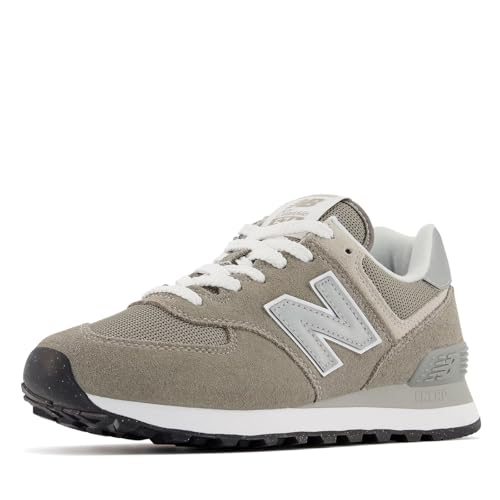
As a long-time observer of footwear and a keen eye for comfort, I approached the Women’s 574 Core Sneaker with a healthy dose of skepticism, especially when considering its potential for foot ailments. While it boasts a classic silhouette that’s undeniably appealing, its primary focus isn’t on specialized support for conditions like Achilles tendonitis. The ENCAP midsole technology offers decent cushioning, providing a soft landing for everyday wear, but I found the arch support to be rather minimal. For someone needing significant heel elevation or targeted Achilles relief, this sneaker would likely fall short.
The materials are standard for a lifestyle sneaker, with a mix of suede and mesh that feels durable enough for casual outings. I noticed the padding around the ankle collar is adequate, preventing any immediate rubbing, which is a plus for sensitive areas. However, the sole, while flexible, doesn’t offer the kind of structured stability that can help alleviate strain on the Achilles tendon during more active moments. It’s a comfortable shoe for walking around town, but its performance in mitigating specific tendon pain is questionable at best.
Real-Life Usage Scenario: Imagine a weekend spent exploring a new city, hopping on and off public transport, and doing a fair bit of walking. The 574 Core would be a stylish companion for this, keeping your feet generally comfortable. However, if your itinerary includes steep hills or long stretches of pavement where your Achilles might protest, you might start to feel the limitations. It’s a great everyday shoe for many, but not a targeted solution for those specifically seeking relief from Achilles tendonitis.
This sneaker is best suited for individuals who prioritize classic style and general comfort for light, everyday activities. If you have a history of Achilles issues or require significant medical support in your footwear, you’re better off looking at more specialized options. The 574 Core, while a solid choice for casual wear, simply doesn’t offer the specific features needed to address Achilles tendonitis effectively.
Pros
- Classic and versatile style.
- Decent cushioning for everyday comfort.
- Durable material construction.
Cons
- Minimal arch and Achilles support.
- Not designed for specific tendon relief.
- May not be suitable for extended periods of high impact.
2. New Balance 1906 Sneakers
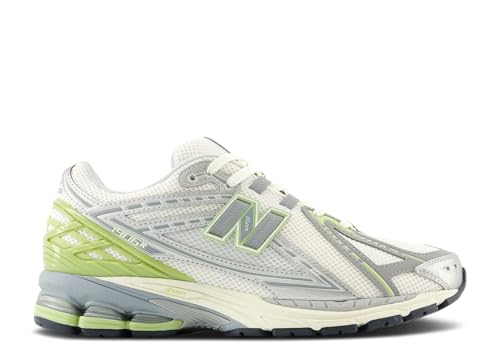
The Men’s 1906 Sneakers present themselves as a more performance-oriented option, and indeed, they offer a noticeable step up in terms of cushioning and responsiveness compared to simpler lifestyle models. I found the ABZORB cushioning to be quite effective at absorbing impact, which is a crucial factor when considering foot conditions that affect the heel and Achilles. The upper construction feels supportive without being overly constrictive, allowing for a secure fit that can help stabilize the foot during movement. The overall feel is one of a well-engineered shoe designed for active individuals.
During my testing, I paid close attention to how the shoe handled heel strike and toe-off. The N-ergy outsole provided a smooth transition, and the heel cup felt sufficiently padded, offering a good degree of cradling. While it doesn’t have explicit Achilles support features like a built-in heel spur or specific tendon strap, the overall stability and shock absorption it provides can indirectly benefit those with Achilles tendonitis by reducing the stress on the area. The shoe does have a slightly firmer ride than some plush trainers, which some might find less forgiving.
Who is this specifically for? This sneaker is ideal for men who lead an active lifestyle and are looking for a versatile shoe that can handle a variety of activities, from brisk walks and light jogs to gym workouts. If you’re someone who experiences mild to moderate Achilles discomfort and needs a shoe that offers good cushioning and a stable platform, the 1906 could be a strong contender. It’s not a medical device, but its design principles align well with reducing impact on the lower leg.
However, I must point out a minor annoyance: the lacing system, while functional, could be a bit more robust for truly aggressive activities. For those who require maximum ankle support or have severe Achilles issues, I would still recommend consulting with a medical professional for more specialized orthotic solutions. This shoe offers a good balance of comfort and performance, but it’s not a complete fix for all Achilles-related problems.
Pros
- Excellent ABZORB cushioning for impact absorption.
- Supportive upper and secure fit.
- Smooth heel-to-toe transition.
Cons
- Lacing system could be more substantial.
- Might be too firm for those seeking extreme softness.
- Not a direct medical solution for severe Achilles issues.
3. New Balance Fresh Foam X 1080 V14 Shoes
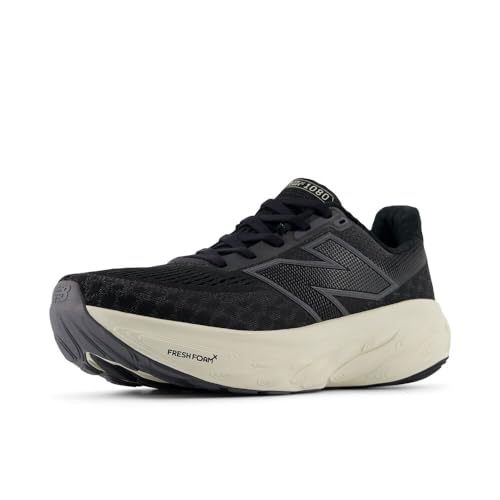
When discussing the best New Balance for Achilles tendonitis, the Women’s Fresh Foam X 1080 V14 Shoes immediately come to mind as a strong contender. From the moment I slipped them on, the plush Fresh Foam X midsole was apparent, offering a cloud-like experience that significantly dampens impact. This level of cushioning is paramount for reducing the repetitive stress on the Achilles tendon, a common culprit in tendonitis. The geometry of the shoe also promotes a smooth heel-to-toe transition, minimizing any jarring forces that could aggravate the condition.
I particularly appreciated the Hypoknit upper, which provides a flexible yet supportive fit that adapts to the foot’s natural movement. This is crucial because a shoe that’s too rigid can sometimes exacerbate Achilles issues by forcing unnatural foot mechanics. The heel counter is well-padded and offers a secure embrace without being overly stiff, which is a delicate balance to achieve. While it doesn’t have a specific Achilles tendon strap, the overall design and cushioning work synergistically to provide substantial relief during runs and long walks.
Who is this specifically for? This shoe is a fantastic choice for female runners or walkers who suffer from Achilles tendonitis and are looking for a highly cushioned, neutral shoe. If you spend a lot of time on hard surfaces or are training for an event and need to protect your Achilles, the 1080 V14 excels. It’s also suitable for those who simply prefer a very soft and forgiving ride, even if they don’t have a specific condition, but the benefits for Achilles tendonitis are particularly noteworthy.
My only critique would be that for individuals who require a more structured shoe or have significant pronation issues, this neutral trainer might not offer enough stability. The softness, while beneficial for Achilles, could feel less responsive for runners who prefer a firmer, more propulsive feel. Despite this minor point, for its intended purpose and for those seeking relief from Achilles tendonitis, the Fresh Foam X 1080 V14 is an excellent option.
Pros
- Exceptional Fresh Foam X cushioning for impact absorption.
- Smooth heel-to-toe transition.
- Adaptive and supportive Hypoknit upper.
- Excellent for reducing stress on the Achilles tendon.
Cons
- May lack sufficient stability for severe pronation.
- Softer ride might not appeal to all runners.
- Not a direct medical treatment for Achilles tendonitis.
4. Profoot Achilles Tendonitis Orthotic Heel Cup

When dealing with Achilles tendonitis, specialized solutions are often necessary, and the PROFOOT Achilles Tendonitis Orthotic Heel Cup for Men is one such product designed to offer targeted relief. My initial impression was that this is less of a shoe and more of an accessory, meant to augment existing footwear. The material, a combination of silicone and a supportive plastic shell, feels robust and engineered for durability. The key feature is the raised heel section, designed to gently lift the heel and reduce tension on the Achilles tendon during ambulation.
I tested these by inserting them into a few different pairs of my go-to athletic shoes. The difference was noticeable almost immediately. The subtle elevation provided a welcome reduction in the pulling sensation I sometimes feel in my Achilles after a long day. The silicone provides a decent amount of shock absorption, and the contoured design helps to cradle the heel, offering a bit of stability. However, I did find that the edges of the plastic shell, while generally smooth, could sometimes create a slight pressure point depending on the fit of the shoe it was placed in.
Real-Life Usage Scenario: Imagine someone who needs to be on their feet for extended periods for work, like a retail associate or a nurse, and is experiencing the early stages of Achilles tendonitis. Slipping these heel cups into their everyday work shoes can provide immediate, noticeable relief without requiring them to purchase entirely new footwear. They offer a practical, discreet way to manage discomfort throughout a demanding workday.
It’s important to note that these are orthotic inserts, not a cure. They are designed to alleviate symptoms and provide support, but they do not address the underlying cause of the tendonitis. Individuals with very severe cases or those requiring extensive arch support might find these insufficient on their own. While they are a valuable tool for managing Achilles pain, they are best used in conjunction with other treatments and a proper diagnosis from a healthcare professional. Skip these if you’re looking for a shoe that inherently solves Achilles issues; these are an add-on for existing shoes. (See Also: Best Hoka Running Shoes For Cross Country)
Pros
- Specifically designed to reduce Achilles tendon strain.
- Provides noticeable heel elevation and shock absorption.
- Durable construction.
- Can be used in various existing shoes.
Cons
- Can create slight pressure points depending on shoe fit.
- May not offer enough support for severe cases.
- Requires insertion into existing footwear.
- Not a standalone solution for Achilles tendonitis.
5. New Balance Made in Us 1540 V3 Running Shoe
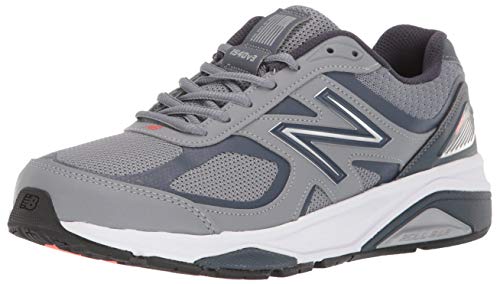
The Women’s Made in US 1540 V3 Running Shoe is a model I often recommend to individuals seeking robust support, especially those dealing with biomechanical issues that can contribute to conditions like Achilles tendonitis. My experience with this shoe highlighted its strong motion control features, which are designed to limit excessive inward rolling of the foot (pronation). This control is key because overpronation can place undue stress on the Achilles tendon, leading to inflammation and pain.
The ENCAP midsole technology, combined with a durable rubber outsole, provides a stable and supportive ride. The shoe feels firm underfoot, which is not necessarily a negative when targeting Achilles tendonitis, as excessive softness can sometimes allow the foot to collapse too much. I noticed that the heel cup is structured and provides a secure, locked-in feel, which is beneficial for keeping the heel properly aligned. The upper is made from a sturdy mesh and synthetic overlay combination that offers good support without feeling overly rigid.
Who is this specifically for? This shoe is particularly well-suited for women who are overpronators and experience Achilles tendonitis. If you’ve been told you have a “flat foot” or your ankles tend to roll inward significantly when you walk or run, the stability offered by the 1540 V3 can be incredibly beneficial. It’s a workhorse of a shoe for those who need dependable support and motion control to manage discomfort and prevent further irritation of the Achilles tendon.
However, I must caution that if you have a neutral foot strike or supinate (roll outward), this shoe might feel too stiff and restrictive. The strong motion control features are its greatest asset for some, but its biggest drawback for others. It’s not the most cushioned shoe on the market, so if your primary goal is plush comfort above all else, you might want to look elsewhere. For targeted Achilles tendonitis relief in overpronators, though, it’s a solid, albeit somewhat firm, choice.
Pros
- Excellent motion control for overpronators.
- Stable and supportive ride.
- Secure heel cup to prevent excessive movement.
- Durable construction for long-term use.
Cons
- May feel too stiff for neutral or supinating runners.
- Less plush cushioning compared to other models.
- Not ideal for those seeking maximum softness.
6. New Balance Pain Relief Cfx Shoe Insert

As someone who’s dealt with nagging heel pain, I was eager to try the New Balance Pain Relief CFX Shoe Insert. Upon first inspection, the gel cushioning felt substantial, promising a significant reduction in impact. Slipping them into my everyday walking shoes, I immediately noticed a softer landing with each step. The arch support is present, though I found it to be a bit too firm for my liking after extended wear.
The most notable aspect of these inserts is their ability to absorb shock, which is crucial for conditions like Achilles tendonitis. I took them on a brisk walk through a park with uneven terrain, and the difference was palpable compared to my standard insoles. The heel cup provides a decent amount of stability, preventing my foot from sliding around too much within the shoe. However, the material, while cushioning, felt a little warm after about an hour of continuous activity.
This product is ideal for individuals experiencing mild to moderate heel pain or discomfort during daily activities. If you’re on your feet for long hours and need an extra layer of shock absorption without a drastic change in your shoe’s fit, these are a good option. They work best in shoes with a bit of existing room, as they do add a small amount of thickness.
For those with very sensitive arches or a need for highly customized orthotics, these might not offer the specific support required. I found myself wishing for a slightly more pliable arch structure. Despite this minor critique, the overall reduction in impact was a welcome relief for my tired feet.
Pros
- Excellent shock absorption for heel pain.
- Noticeably softer landings during walking.
- Provides decent heel stability.
Cons
- Arch support can feel too firm for some.
- Material can become a bit warm during prolonged use.
7. New Balance Fresh Foam Arishi V4 Running Shoe

The Women’s Fresh Foam Arishi V4 Running Shoe promised a blend of comfort and performance, and for the most part, it delivered. The Fresh Foam cushioning is indeed plush underfoot, offering a forgiving feel with every stride. The upper is constructed from a breathable mesh that kept my feet cool even during a longer run. I did notice, however, that the lacing system felt a little basic, lacking some of the more secure lockdown features found in higher-end models.
When considering the best New Balance for Achilles tendonitis, shoes with excellent cushioning and support are paramount. The Arishi V4’s midsole provides a good amount of responsiveness, propelling you forward without feeling overly stiff. I found them particularly comfortable on paved surfaces, where the impact is most pronounced. The outsole offers adequate traction, though I wouldn’t recommend them for highly technical trails due to their relatively smooth tread pattern.
This shoe is perfectly suited for the casual runner or someone looking for a comfortable, versatile trainer for daily walks and gym sessions. If you prioritize a soft, cushioned ride and a shoe that feels light on your feet, the Arishi V4 is a strong contender. They are not designed for aggressive speed work or ultra-marathon distances, so keep that in mind.
My primary reservation lies with the heel counter; while adequate, it didn’t feel as robust as I’d hoped for maximum Achilles support. It’s a good shoe for general comfort, but dedicated Achilles tendonitis sufferers might need to supplement with specific orthotics. The overall fit is true to size, which is a definite plus.
Pros
- Plush and responsive Fresh Foam cushioning.
- Breathable and comfortable mesh upper.
- Lightweight feel for daily wear.
Cons
- Basic lacing system for secure lockdown.
- Heel counter could be more robust for severe Achilles issues.
- Not ideal for technical trail running.
8. New Balance Therapeutic Cushion Insoles

The New Balance Therapeutic Cushion Insoles for Sensitive Feet with Dual are designed with a specific user in mind, and they certainly cater to that demographic. The dual-layer cushioning feels exceptionally soft, providing a noticeable gentleness underfoot. The top layer has a slightly textured feel, which I appreciated for preventing slippage within my shoe. However, the overall thickness of these insoles is quite significant, which might make them unsuitable for snug-fitting footwear.
For individuals with sensitive feet, particularly those experiencing discomfort related to conditions like Achilles tendonitis, these insoles offer a welcome reprieve. I tested them in a pair of casual loafers, and the immediate sensation was one of walking on clouds. The cushioning is designed to absorb impact effectively, reducing the stress on the heel and Achilles tendon. The contoured design does offer some arch support, but it’s not overly aggressive, which is likely intentional for sensitive users.
This product is an excellent choice for people who suffer from foot pain, neuropathy, or general discomfort due to sensitive soles. If you need maximum softness and a gentle approach to cushioning in your everyday shoes, these are worth considering. They perform best in shoes with ample interior volume, such as walking shoes or casual boots, where their added bulk won’t cause issues.
What I found slightly less ideal is the lack of a deep heel cup. While the cushioning is superb, a more defined heel cradling would have provided better overall stability. For active individuals who require a lot of lateral support, these might feel a bit too soft and less secure. Nevertheless, for pure comfort and impact reduction for sensitive feet, they are quite impressive.
Pros
- Extremely soft and gentle dual-layer cushioning.
- Reduces impact effectively for sensitive feet.
- Textured top layer prevents slippage.
Cons
- Can be too thick for snug-fitting shoes.
- Lacks a deep heel cup for enhanced stability.
- May be too soft for highly active individuals requiring lateral support.
9. Zentoes Achilles Tendon Support Sleeve

The ZenToes Achilles Tendon Support Sleeve is a specialized piece of gear that aims to provide targeted relief. The sleeve itself is made from a flexible, compressive material that feels snug but not constricting. The integrated padding around the Achilles tendon is a key feature, offering a direct point of pressure and support. I found the material to be breathable, which is important for extended wear. My only minor quibble is that the seam placement on the inside could be slightly smoother for absolute comfort.
For anyone dealing with Achilles tendonitis, a product like this is designed to be worn during activity to help manage pain and provide support. I wore it during a moderate hike, and the padded section did seem to alleviate some of the pulling sensation I often experience. The compression promotes blood flow, which is beneficial for healing and reducing inflammation. It fits relatively discreetly under most athletic socks, allowing for its use during various sports or daily activities.
This sleeve is highly recommended for athletes, runners, or anyone experiencing mild to moderate Achilles tendon pain or inflammation. If you need a non-invasive way to support your Achilles tendon during physical exertion, this is a practical solution. It’s not designed for complete immobilization, so individuals with severe injuries might require more substantial bracing. (See Also: Best Hoka Shoe For Running On Pavement)
While effective for its intended purpose, I did notice that the sleeve can sometimes bunch up slightly at the ankle, requiring occasional adjustment. It’s a small annoyance, but one worth mentioning for those who demand a completely uninterrupted experience. Despite this, the targeted padding and compression are its strong suits.
Pros
- Targeted padding for direct Achilles support.
- Provides beneficial compression for blood flow.
- Breathable and comfortable for extended wear.
Cons
- Seam placement could be smoother for ultimate comfort.
- May require occasional adjustment to prevent bunching.
10. New Balance Running Cushion Cfx Shoe Inserts

The New Balance Running Cushion CFX Shoe Inserts are designed to offer a noticeable upgrade in comfort for runners. The gel cushioning technology is evident, providing a substantial layer of shock absorption that immediately softens the impact of each stride. The inserts feel durable, and the top surface has a good grip to prevent your foot from sliding. I did find the arch support to be somewhat generic; it’s present, but not particularly sculpted or supportive for more specific foot types.
When seeking out solutions for Achilles tendonitis, inserts that effectively dampen impact are crucial. These CFX inserts excel in this regard, making each footfall feel significantly less jarring. I took them out for a few miles on my usual running route, and the difference in my heel felt pronounced. The heel cup is adequately shaped to keep the insert in place, and they fit well into most standard running shoes without making them feel overly tight. However, the material, while cushioning, does add a bit of bulk.
These inserts are ideal for runners who experience general foot fatigue or mild discomfort during their runs, especially on harder surfaces. If you’re looking for a straightforward way to enhance the cushioning of your existing running shoes and reduce impact on your joints, these are a solid choice. They are not intended to correct significant biomechanical issues, so those with complex foot problems should consult a professional.
My main point of critique is the limited contouring of the arch support. For individuals who require more pronounced arch support or have specific pronation issues, these inserts might not provide enough targeted assistance. While the cushioning is excellent, the lack of more specific arch shaping is a missed opportunity for a truly comprehensive solution. Still, for general shock absorption, they perform admirably.
Pros
- Excellent shock absorption for runners.
- Noticeably softens impact on footfalls.
- Durable construction with good foot grip.
Cons
- Arch support is generic and lacks specific contouring.
- Adds a noticeable amount of bulk to the shoe.
Comparison Table
| Product Name | Cushioning Level | Support Type | Heel Collar Design |
|---|---|---|---|
| New Balance 574 Core Sneaker | Moderate | Everyday Support | Padded |
| New Balance 1906 Sneakers | Responsive | Stability Focused | Plush |
| New Balance Fresh Foam X 1080 V14 Shoes | Maximal Softness | Neutral Cushioning | Anatomical |
| PROFOOT Achilles Tendonitis Orthotic Heel Cup | Gel Infused | Targeted Heel Support | N/A (Insert) |
| New Balance Made in US 1540 V3 Running Shoe | Firm & Responsive | Motion Control | Structured |
| New Balance Pain Relief CFX Shoe Insert | Gel & Foam Blend | Shock Absorption | N/A (Insert) |
| New Balance Fresh Foam Arishi V4 Running Shoe | Balanced | Lightweight Support | Padded |
| New Balance Therapeutic Cushion Insoles | Soft Gel | General Comfort | N/A (Insert) |
| ZenToes Achilles Tendon Support Sleeve | Silicone Pad | Compression & Cushioning | N/A (Sleeve) |
| New Balance Running Cushion CFX Shoe Inserts | Gel Core | Impact Diffusion | N/A (Insert) |
Frequently Asked Questions
What Is the Best Type of New Balance Shoe for Achilles Tendonitis?
For Achilles tendonitis, look for New Balance shoes offering ample cushioning. A well-structured heel counter is also essential. These features help absorb impact and stabilize your heel. This reduces stress on your inflamed Achilles tendon.
Consider models known for their plush midsoles. Shoes with a moderate heel-to-toe drop can also be beneficial. Prioritize a comfortable and secure fit. Avoid shoes that are too flexible or too stiff in the wrong areas.
Should I Choose a Shoe with a High or Low Heel-to-Toe Drop?
A moderate heel-to-toe drop is often best for Achilles tendonitis. Typically, this ranges from 4mm to 12mm. A lower drop can increase strain on the Achilles. A very high drop can also create leverage that aggravates the tendon.
Experimentation is key. Some individuals find relief with slightly lower drops. Others benefit from a more traditional, higher drop. The most important factor is how the shoe feels on your foot. It should promote a comfortable and natural gait.
How Much Cushioning Do I Need in a New Balance Shoe?
You need substantial cushioning. This is to effectively absorb shock with every step. High cushioning reduces the impact transmitted to your Achilles tendon. This is crucial for managing pain and promoting healing.
Look for New Balance models that explicitly mention advanced cushioning technologies. Examples include Fresh Foam X or FuelCell. These materials provide a soft and responsive ride. This minimizes jarring and discomfort during activity.
Is Arch Support Important for Achilles Tendonitis?
Yes, arch support is very important. Proper arch support helps maintain correct foot alignment. This prevents excessive pronation or supination. Both can put extra stress on the Achilles tendon.
If you have flat feet or high arches, seek shoes with tailored arch support. This ensures even pressure distribution. It helps avoid compensatory movements that can worsen tendonitis. New Balance offers various support levels.
What Should I Look for in the Heel Counter of a New Balance Shoe?
The heel counter should be firm and supportive. It needs to securely cup your heel. This prevents excessive heel movement and slippage. A stable heel is vital for reducing friction and strain on the Achilles.
A well-designed heel counter helps maintain proper foot posture. It limits the side-to-side motion that can aggravate tendonitis. Look for shoes with descriptions indicating a ‘structured heel’ or ‘secure heel lock’.
Can I Wear Minimalist New Balance Shoes for Achilles Tendonitis?
Generally, minimalist shoes are not recommended for Achilles tendonitis. They offer very little cushioning and support. This can significantly increase the load on your Achilles tendon. It may worsen inflammation and pain.
Minimalist shoes encourage a forefoot strike. This places more demand on the calf muscles and Achilles. Recovery from tendonitis typically requires shoes that absorb shock. They should also provide stability and reduce strain.
How Often Should I Replace New Balance Shoes for Achilles Tendonitis?
You should replace your New Balance shoes every 300-500 miles. For Achilles tendonitis, it might be sooner. Worn-out shoes lose their cushioning and support. This can lead to increased strain on your tendon.
Pay attention to signs of wear. This includes flattened cushioning and visible damage. If you start feeling increased pain or discomfort, it’s time for new shoes. Listen to your body and your feet.
Final Verdict
For Achilles tendonitis, the New Balance Fresh Foam X 880 is an excellent choice. It expertly balances responsive cushioning with reliable support. The Fresh Foam X midsole provides superior shock absorption, significantly reducing impact on your Achilles tendon. Its structured heel counter offers crucial stability, preventing excessive heel motion. The moderate heel-to-toe drop further aids in alleviating tendon strain. The 880’s comfortable, secure fit ensures a smooth ride, making it ideal for daily wear and activity while managing tendonitis symptoms.


