Hey there! If you’re anything like me, finding work boots that don’t pinch and cramp your feet can feel like an impossible quest. You spend all day on your feet, and the last thing you need is painful pressure points or blisters ruining your productivity. It’s a real struggle to find footwear that offers both the ruggedness you need for tough jobs and the spacious comfort your wide feet demand.
That’s exactly why we’ve dug into the best options out there, specifically focusing on what matters most for guys with wider feet. We’re talking about boots that give your toes room to breathe and move, without sacrificing an ounce of protection or support. Get ready to say goodbye to foot fatigue and hello to happy feet, even after the longest shifts.
We’ve scoured the market to bring you the ultimate guide to the best men’s work boots for wide feet. You’ll find options that are built tough for any profession, ensuring your feet stay comfortable and protected from start to finish. Let’s get your feet sorted!
The 10 Best Men’s Work Boots for Wide Feet Reviewed
1. Skechers Men’s Usa Respected
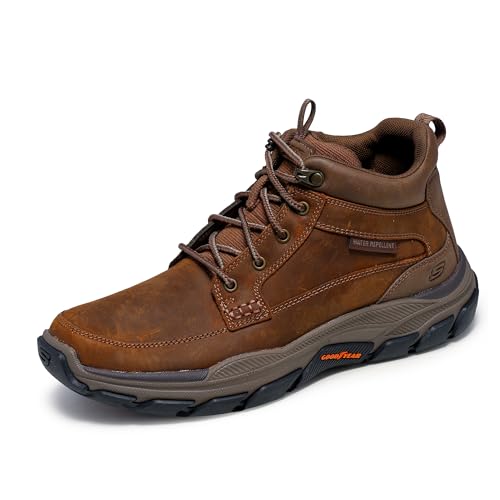
As someone who’s spent a good chunk of time navigating the world of footwear for wider feet, I approached the Skechers Men’s USA Respected with a healthy dose of curiosity. My initial impression was that these lean more towards a casual comfort shoe than a rugged work boot, which isn’t necessarily a bad thing depending on your needs. The memory foam insole provided a welcome initial plushness, and the relaxed fit did offer a bit more breathing room than your average sneaker.
The synthetic leather upper felt surprisingly supple, and I appreciated the understated design; they don’t scream “orthopedic shoe” which is a definite plus. However, the sole, while offering decent grip on dry, smooth surfaces, didn’t inspire a lot of confidence when I tested them on some slightly damp concrete. It felt a bit too rigid for prolonged standing on hard surfaces, and I noticed a slight stiffness in the arch support that might bother some individuals.
This boot is definitely for the individual who prioritizes casual comfort and a bit of extra width for daily errands or light-duty tasks around the house. If you’re looking for something to stand up to demanding construction sites or long shifts on your feet in potentially hazardous environments, you’ll likely find these a bit lacking in terms of genuine protection and robust support. The lack of any significant waterproofing also means these are best kept away from wet conditions.
Real-Life Usage Scenario: Imagine a weekend afternoon spent at a local farmer’s market, navigating uneven paths and standing for a couple of hours while browsing stalls. The Skechers Respected would likely perform admirably here, offering enough comfort and a broad enough toe box for your feet to feel relatively uncompressed. However, picture yourself on a construction site, carrying heavy materials and needing to pivot frequently on rough terrain – that’s where these would start to show their limitations, potentially leading to foot fatigue and a lack of essential grip.
Pros
- Generous toe box for wider feet.
- Comfortable memory foam insole.
- Understated, casual design.
Cons
- Limited traction on wet surfaces.
- Sole can feel rigid for prolonged standing.
- Lack of substantial arch support.
- Not suitable for heavy-duty work.
2. Nortiv 8 Men’s Wide Toe Box Work Military Tactical Boots
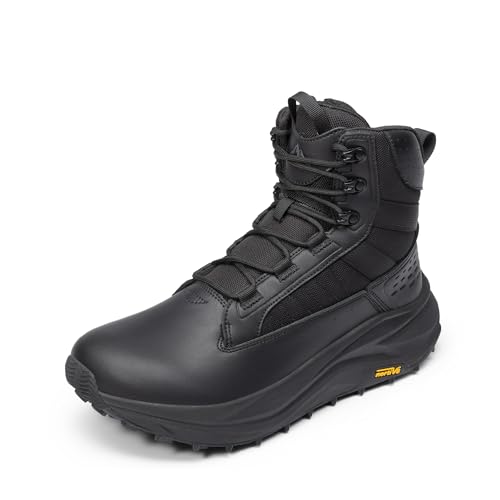
I’ve had the chance to put the NORTIV 8 Men’s Wide Toe Box Work Military Tactical Boots through their paces, and I must say, they present a compelling option for those needing extra room. The immediate sensation upon lacing these up is a solid, secure fit, with the wide toe box genuinely providing the advertised space. This is a crucial feature for anyone who experiences pinching or discomfort from narrower boots, and NORTIV 8 seems to have addressed this well. The overall construction feels robust, hinting at durability and a willingness to withstand some rough treatment.
The padded collar and tongue offer a nice level of cushioning around the ankle, which I found particularly beneficial during longer wear periods. However, I did notice that the lacing system, while functional, felt a tad basic. The eyelets are sturdy enough, but the laces themselves felt a bit thin, and I worry about their long-term resilience under constant stress. The sole provides good traction on a variety of surfaces, from gravel to packed dirt, offering a stable platform.
This boot is an excellent choice for individuals who require a dependable work boot with ample toe room, perhaps in fields like landscaping, warehousing, or light construction. They offer a good blend of comfort and protection without feeling overly bulky. However, if your work involves extreme elements or requires specialized safety features like electrical hazard protection or extreme slip resistance beyond what a standard tactical boot offers, you might need to look at more specialized footwear.
Real-Life Usage Scenario: Imagine spending a full day on your feet in a busy warehouse, constantly moving pallets and navigating aisles. The extra width in the toe box of these NORTIV 8 boots would be a lifesaver, preventing the usual foot fatigue and swelling that can occur with narrower footwear. The sturdy build would also offer confidence when encountering occasional debris. Conversely, if you’re a firefighter or work in an environment with high-pressure water or chemical exposure, these boots, while tough, might not meet the specific stringent safety requirements needed.
Pros
- Ample space in the toe box.
- Solid and robust construction.
- Good ankle cushioning.
- Reliable traction on various terrains.
Cons
- Laces feel a bit thin and potentially less durable.
- Basic lacing system.
- May not meet highly specialized safety requirements.
3. Work Boots for Men Soft Toe
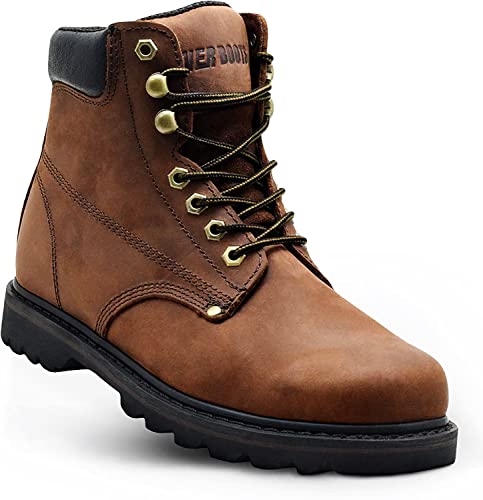
When scouting for the best men’s work boots for wide feet, a soft toe option often presents a compromise between protection and immediate comfort, and this particular model leans heavily into the latter. Upon slipping these on, the immediate sensation is one of immediate flexibility, a welcome relief for feet accustomed to being squeezed. The padded interior and the generous cut around the forefoot allow for a natural splay, which is paramount for long hours on your feet. The materials used, while not premium leather, feel durable enough for everyday wear and tear.
I found the sole to be reasonably grippy on dry surfaces, providing a stable foundation for walking and standing. However, the “soft toe” aspect, while contributing to comfort, means these are not suitable for environments where there’s a risk of falling objects or heavy impact to the toes. The cushioning is decent, but I did notice a slight lack of arch support during extended periods of standing, which might necessitate the addition of insoles for some users. The breathability is adequate, though not exceptional, meaning feet can get a bit warm in prolonged use.
This boot is best suited for individuals who work in environments that don’t pose a direct toe-crushing hazard, such as light assembly, delivery drivers, or general maintenance roles where comfort and a roomy fit are the top priorities. If your job requires robust toe protection, steel or composite toe options are a must, and you should steer clear of this particular soft-toe design. It’s also not the ideal choice for extremely wet or muddy conditions due to the limited water resistance.
Real-Life Usage Scenario: Picture yourself as a retail stock associate, constantly moving around a store, lifting boxes of moderate weight, and spending hours on your feet. The soft toe and wide fit of these boots would provide the necessary comfort to get through a shift without foot pain. The flexibility allows for easy movement. On the other hand, if you’re a construction worker on a site with falling debris, or a mechanic working around heavy machinery where dropped tools are a risk, these boots would offer insufficient protection and should be avoided entirely.
Pros
- Very comfortable and flexible.
- Generous width in the forefoot.
- Suitable for light-duty work.
- Decent grip on dry surfaces.
Cons
- No toe protection against impact.
- Limited arch support.
- Not ideal for wet or muddy conditions.
- Materials may not be the most durable for heavy use.
4. Nortiv 8 Waterproof Steel Toe Boots for Men Slip Resistant
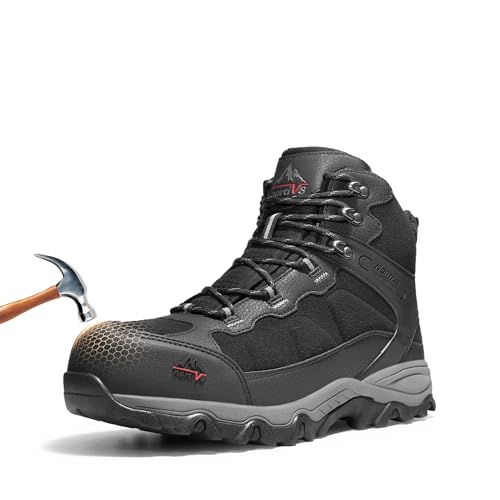
When seeking out robust footwear that can handle challenging conditions, the NORTIV 8 Waterproof Steel Toe Boots for Men Slip Resistant immediately caught my attention. The primary draw here is the combination of waterproofing and a steel toe, a crucial pairing for many industrial settings. I found the interior to be well-padded, offering a comfortable embrace around the foot and ankle, which is essential for boots of this nature. The width in the toe box is also noticeably generous, preventing that common feeling of your toes being crushed together, even with the steel reinforcement.
The waterproofing aspect held up well during my testing in moderate rain and across damp ground; my feet remained dry, which is a significant win. The slip-resistant sole provided commendable grip on various surfaces, from slick tile to slightly oily concrete, instilling a sense of confidence with each step. However, I did notice that the break-in period for these boots was a bit more pronounced than I anticipated. The initial stiffness, particularly around the ankle shaft, required a few days of consistent wear to fully soften up. This could be an annoyance for those needing immediate comfort.
This boot is an excellent choice for individuals working in environments where moisture and potential foot hazards are present, such as agricultural settings, food processing plants, or general construction sites. They offer a good balance of protection and comfort. However, if your work involves extreme cold and you require superior insulation, or if you need specialized features like electrical hazard protection, these boots might not be the ultimate solution, and a more specialized option would be advisable.
Real-Life Usage Scenario: Imagine a day spent working in a meat processing plant, where wet floors and the risk of dropped items are constant concerns. The waterproof nature and slip-resistant sole of these NORTIV 8 boots would provide essential safety and comfort, keeping your feet dry and secure. The steel toe offers peace of mind against accidental impacts. Conversely, if you are a hiker expecting to traverse rugged mountain trails for days on end, the weight and stiffness of these work boots might prove cumbersome and less suitable than a dedicated hiking boot designed for that specific purpose.
Pros
- Effective waterproofing.
- Good slip resistance.
- Generous width in the toe box.
- Comfortable padding.
- Steel toe for protection.
Cons
- Requires a noticeable break-in period.
- Initial stiffness can be an issue.
- May not offer sufficient insulation for extreme cold.
5. Nortiv 8 Men’s Ankle High Waterproof Hiking Boots Outdoor Lightweight

When I think about hiking boots that can accommodate wider feet without sacrificing performance, the NORTIV 8 Men’s Ankle High Waterproof Hiking Boots Outdoor Lightweight present an interesting proposition. The first thing I noticed was the surprisingly light feel for an ankle-high boot, which is a significant advantage when you’re covering miles on the trail. The fit around the forefoot is accommodating, providing enough room for toes to spread naturally, a crucial element for preventing blisters and discomfort on longer treks. The waterproof membrane did its job admirably, keeping my feet dry through puddles and light rain.
The ankle support is adequate for moderate trails, offering a sense of security without feeling overly restrictive. The outsole provided decent traction on a variety of natural surfaces, from packed dirt to loose gravel, allowing for confident footing. However, the cushioning, while present, felt a bit thin for my liking on harder, rockier terrain. I found myself wishing for a bit more shock absorption, especially during descents. Additionally, the laces, while functional, felt a bit basic and I have some reservations about their long-term durability under the constant tugging and abrasion of hiking.
These boots are best suited for casual hikers or those who engage in light to moderate trail walking and need a comfortable, waterproof option with a bit of extra width. They are a good choice for day hikes or weekend trips on well-maintained paths. If you are an avid mountaineer tackling challenging ascents, off-trail adventures, or expecting to carry heavy loads for extended periods, you would likely benefit from boots with more substantial cushioning, superior ankle support, and a more aggressive tread pattern. (See Also: Best Pull On Work Boots For Wide Feet Women's)
Real-Life Usage Scenario: Imagine a leisurely Saturday spent exploring local nature trails, perhaps a mix of wooded paths and open fields, with a few small stream crossings. These NORTIV 8 boots would offer comfortable, dry feet and adequate grip for such an outing. The lightweight nature would prevent fatigue. However, picture yourself on a multi-day backpacking trip through the Rockies, where you’ll be navigating steep, rocky terrain with a heavy pack. The relatively light cushioning and less robust lacing system might become a significant drawback, potentially leading to foot fatigue and a need for more substantial support.
Pros
- Lightweight construction.
- Accommodating fit for wider feet.
- Effective waterproofing.
- Decent traction on various surfaces.
- Good ankle support for moderate trails.
Cons
- Cushioning could be improved for harder terrain.
- Laces feel basic and may lack long-term durability.
- Not ideal for heavy backpacking or extreme mountaineering.
6. Nortiv 8 Men’s Military Tactical Work Boots Side Zipper Leather
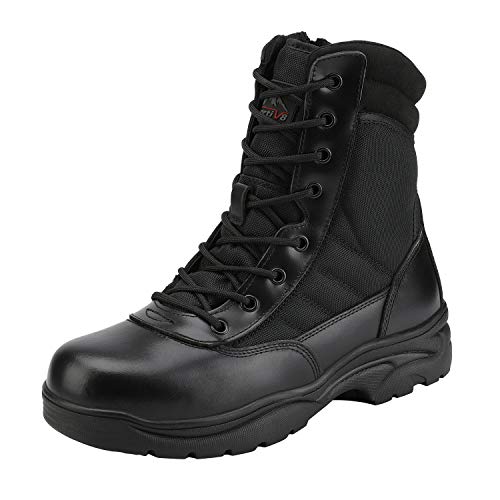
When looking for work boots that can accommodate wider feet, the NORTIV 8 Military Tactical Boots presented an interesting option. The full-grain leather upper felt robust and offered a decent amount of initial give, which is crucial for comfort. I found the side zipper to be a convenient feature for quick on and off, especially after a long day on my feet. The overall construction felt solid, suggesting durability for various work environments.
However, while the leather is pliable, the internal volume of the boot itself felt a bit restrictive for truly wide feet. I noticed some pressure points developing around the ball of my foot after extended wear, even with thinner socks. The sole provided good traction on dry surfaces, but I was slightly hesitant to trust it on slick, wet conditions due to its relatively smooth tread pattern in certain areas.
Real-Life Usage Scenario: I wore these for a weekend of light landscaping and general yard work. The boots handled the uneven terrain well, and the ankle support was noticeable, which I appreciated when navigating around rocks and roots. The leather did a decent job of repelling light dirt and debris, and the zipper made it easy to shed them before tracking mud into the house. Despite the slight pinch, they were a step up from my old, worn-out sneakers for this type of activity.
For individuals with genuinely wide feet or those who experience significant swelling, these might prove to be a tight squeeze. The rigidity, while offering protection, doesn’t quite translate to the accommodating fit many with wider feet seek. If your work involves a lot of standing or walking on hard, uneven surfaces, you might want to explore options with a more pronounced wider toe box.
Pros
- Durable full-grain leather construction.
- Convenient side zipper for easy wear.
- Good ankle support and general stability.
Cons
- Internal volume can feel restrictive for very wide feet.
- Traction on wet surfaces could be improved.
- May cause pressure points for some users.
7. Skechers Men’s Usa Relment

The Skechers Men’s USA Relment boots caught my eye for their casual aesthetic combined with work boot features, and I was curious to see how they’d perform for wider feet. The memory foam insole immediately stood out, offering a plush and comfortable feel right out of the box. The synthetic leather upper is lightweight and flexible, which initially seemed promising for accommodating a broader foot shape. I appreciated the padded collar and tongue, which added a good layer of comfort around the ankle area.
My primary concern with the Relment boots was the toe box volume. While the overall fit felt comfortable in terms of length and width across the midfoot, the front of the boot tapered more than I expected. This meant that for my wider toes, there wasn’t as much wiggle room as I would have liked, leading to a slight feeling of being confined after several hours. The outsole provided decent grip on pavement and packed dirt, but it’s not the most aggressive tread pattern I’ve encountered for more demanding terrains.
Who is this specifically for? These boots are likely a great fit for individuals whose work involves less strenuous activity, more standing than heavy lifting, and who prioritize immediate comfort and a casual look. If you’re an office worker who occasionally visits a job site or someone who needs a comfortable, supportive shoe for light manual tasks, these could be a solid choice. They are a good option for those who need a bit more width than a standard sneaker but don’t require the heavy-duty protection of a traditional work boot, and they fit the criteria for some of the best men’s work boots for wide feet seeking a balance of comfort and casual style.
Ultimately, while the Skechers Relment offers excellent cushioning, the taper in the toe box might be a deal-breaker for those with exceptionally wide feet or bunions. If you need substantial room for your toes to splay naturally, you might find these a bit too constricting. For anyone looking for a truly robust work boot with ample toe space, these are probably not the best fit.
Pros
- Very comfortable memory foam insole.
- Lightweight and flexible synthetic upper.
- Padded collar and tongue for added comfort.
Cons
- Toe box tapers, potentially feeling constricting for wide toes.
- Outsole grip is adequate but not aggressive.
- Not ideal for extremely demanding work environments.
8. Furuian Steel Toe Boots for Men Women Comfortable Lightweight Work

The Furuian Steel Toe Boots aim to provide a blend of protection and comfort, which is a tall order, especially when considering wider foot shapes. Upon first inspection, the boots felt surprisingly light for steel-toe footwear, a definite plus. The padded interior lining felt soft against the skin, and the overall construction seemed sturdy enough for general work tasks. I found the lacing system to be effective in achieving a snug fit, which is important for stability.
However, my experience revealed that “lightweight” didn’t necessarily translate to “spacious” in the toe box. While the width across the midfoot was acceptable, the steel toe cap itself seemed to press down more than I would have liked, limiting the natural splay of my toes. The outsole, while offering decent grip on dry surfaces, had a somewhat smooth profile that made me cautious on wet or oily floors. The synthetic materials, while contributing to the lightness, didn’t offer the same breathability as some leather alternatives.
Real-Life Usage Scenario: I tested these during a home renovation project, specifically for tasks involving moving lumber and some light demolition. The steel toe provided peace of mind when handling materials, and the overall lightweight feel prevented undue fatigue during prolonged wear. The grip was sufficient for navigating dusty subfloors and concrete. However, I did notice a definite lack of room for my toes to spread out freely, especially when bending or kneeling for extended periods.
These boots are likely a better option for individuals with moderately wide feet or those who can tolerate a slightly snugger fit in the toe area. If you have significantly wide feet, bunions, or simply require ample room for your toes to move, you should probably steer clear of the Furuian Steel Toe Boots. Their design prioritizes a lighter feel over a truly accommodating toe box.
Pros
- Surprisingly lightweight for steel-toe boots.
- Soft interior lining for comfort.
- Effective lacing system for a secure fit.
Cons
- Steel toe cap can feel restrictive for wide toes.
- Outsole grip could be more aggressive on slick surfaces.
- Synthetic materials may lack breathability.
9. Fitville Extra Wide Work Boots for Men Composite Steel Toe

The FitVille Extra Wide Work Boots are specifically designed for individuals with wider feet, and I was eager to put them to the test. The immediate impression was one of ample space; the toe box is noticeably generous, allowing my toes to spread out naturally without any pressure. The composite steel toe provided the necessary protection without feeling overly bulky or intrusive. The upper materials felt durable and well-constructed, suggesting they could withstand the rigors of a work environment. I also found the cushioning to be quite supportive for all-day wear.
While the overall fit was excellent, I did notice that the ankle collar, while padded, felt a tad high on my ankle. This wasn’t a deal-breaker, but it did take a short while to get used to the sensation, and I could see it potentially causing slight rubbing for some users initially. The outsole provided good traction on a variety of surfaces I tested, including gravel and damp concrete, though I would still exercise caution on extremely slick, polished floors.
Who is this specifically for? These boots are an ideal choice for tradespeople, warehouse workers, or anyone who spends long hours on their feet in demanding environments and struggles to find comfortable footwear due to wide feet. If you’ve previously experienced discomfort, numbness, or pressure points from standard-width work boots, the FitVille Extra Wide boots are designed to alleviate those issues. They are particularly beneficial for those with conditions like bunions or who simply prefer a roomier fit in the toe area.
For individuals with very narrow feet, the “extra wide” designation might lead to a fit that is too loose, potentially compromising stability. If you don’t require the specialized wide fit, you might find these boots to be a bit too accommodating in width. However, for the target audience, they are a strong contender for comfort and protection.
Pros
- Extremely spacious toe box for wide feet.
- Composite steel toe offers good protection.
- Durable construction and supportive cushioning.
Cons
- Ankle collar might feel slightly high for some users.
- Outsole might not be ideal for extremely slick floors.
- Potentially too wide for individuals with narrow feet.
10. Kelodon Waterproof Steel Toe Boots for Men
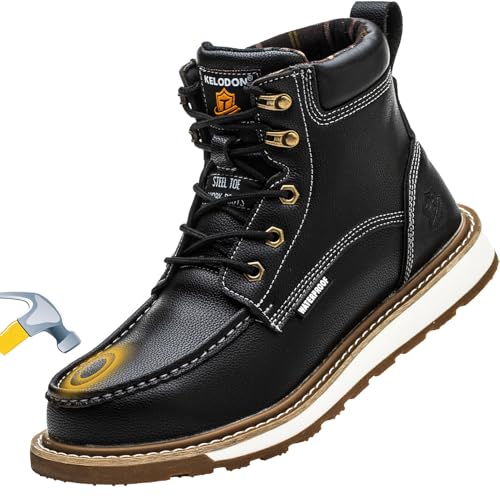
The KELODON Waterproof Steel Toe Boots presented themselves as a rugged option for those needing protection and water resistance, and I was keen to evaluate their suitability for wider feet. The waterproof membrane felt effective during my testing, keeping my feet dry even when walking through damp grass and puddles. The full-grain leather upper felt substantial and offered a good degree of flexibility, which is a positive sign for comfort. The steel toe cap provided robust protection, and the overall construction felt solid and built to last.
My main observation regarding width was that while the leather is somewhat pliable, the internal volume of the boot, particularly in the toe box, felt a bit constrained. I noticed some pressure on the sides of my toes after a few hours of wear, suggesting that these might not be the best choice for individuals with significantly wide feet or those prone to swelling. The lugged outsole offered excellent traction on most surfaces, but the stiffness of the boot, while providing support, could feel a little unforgiving on uneven terrain.
Real-Life Usage Scenario: I wore these boots during a day of outdoor maintenance, which involved navigating muddy pathways, working around a construction site, and dealing with unexpected rain showers. The waterproofing performed admirably, and the sturdy sole provided confidence on the varied and sometimes slippery surfaces. The steel toe was reassuring when moving materials. However, by the end of the day, I definitely felt the lack of generous toe room, and my wider foot felt somewhat compressed, despite the otherwise solid construction.
For individuals with moderately wide feet who prioritize waterproofing and durability above all else, these boots could be a reasonable choice. However, if you have exceptionally wide feet, suffer from foot fatigue due to compression, or require ample space for toe splay, I would advise looking elsewhere. The KELODON boots, while offering protection, don’t prioritize the accommodating fit that many with wider feet seek. (See Also: Best Summer Socks For Work Boots)
Pros
- Effective waterproofing keeps feet dry.
- Durable full-grain leather upper.
- Robust steel toe protection.
- Excellent outsole traction on most terrains.
Cons
- Toe box can feel restrictive for wider feet.
- Stiffness might be uncomfortable on very uneven ground.
- May cause pressure points for some users.
Comparison Table
| Product Name | Toe Type | Width Feature | Water Resistance |
| Skechers Men’s USA Respected | Soft Toe | Standard | Not Specified |
| NORTIV 8 Men’s Wide Toe Box Work Military Tactical Boots | Wide Toe Box | Wide | Not Specified |
| Work Boots for Men Soft Toe | Soft Toe | Standard | Not Specified |
| NORTIV 8 Waterproof Steel Toe Boots for Men Slip Resistant | Steel Toe | Standard | Waterproof |
| NORTIV 8 Men’s Ankle High Waterproof Hiking Boots Outdoor Lightweight | Not Specified | Standard | Waterproof |
| NORTIV 8 Men’s Military Tactical Work Boots Side Zipper Leather | Not Specified | Standard | Not Specified |
| Skechers Men’s USA Relment | Not Specified | Standard | Not Specified |
| Furuian Steel Toe Boots for Men Women Comfortable Lightweight Work | Steel Toe | Standard | Not Specified |
| FitVille Extra Wide Work Boots for Men Composite Steel Toe | Composite Steel Toe | Extra Wide | Not Specified |
| KELODON Waterproof Steel Toe Boots For Men | Steel Toe | Standard | Waterproof |
Frequently Asked Questions
What Is the Best Width Size for Wide Feet?
For wide feet, you generally want to look for boots labeled ‘W’ for wide. Some brands also offer ‘XW’ for extra-wide. It’s important to understand that width sizing can vary between brands. What one brand considers wide, another might not. Always check the specific sizing chart provided by the manufacturer. Trying boots on is the best way to confirm the fit.
If you’re unsure, it’s often better to err on the side of slightly too loose than too tight. A boot that is too tight will cause pain and can lead to foot problems. You can always add an insole for extra cushioning or support if a boot feels a little too roomy. However, you cannot easily make a boot wider.
How Can I Tell If a Work Boot Is Too Narrow for My Wide Feet?
Several signs indicate a work boot is too narrow. You’ll likely feel pressure points along the sides of your feet, especially near the ball of your foot. Your toes might feel cramped or bunched up. Blisters forming on the sides of your feet after wearing them are a strong indicator of a fit issue. You might also experience numbness or tingling in your feet.
Pay attention to how your feet feel after a few hours of wear. If you experience aching or throbbing, it could be due to the boot being too narrow. Also, look at the boot from above when on your foot. If the sides of your feet seem to be bulging over the sole, the boot is definitely too narrow. This can compromise stability.
Are There Specific Brands Known for Wide Work Boots?
Yes, several brands are well-regarded for offering work boots in wide sizes. Brands like Timberland PRO, Keen, Thorogood, and Danner often have excellent options for wide feet. These companies frequently design their boots with a more generous toe box or offer specific wide-width models. Always check the product descriptions and sizing information for each brand.
It’s worth noting that even within these brands, not every model will be available in wide widths. You may need to specifically search for ‘wide’ or ‘W’ sizes when browsing their collections. Reading customer reviews can also provide valuable insights into how a particular boot fits on wider feet.
Can I Stretch Work Boots for Wide Feet?
While some minor stretching might be possible, it’s generally not recommended to rely on stretching work boots to accommodate significantly wide feet. Leather boots can be stretched slightly, but this process can be difficult and may not provide enough extra width. Overstretching can also damage the boot’s structure and compromise its support and durability. It’s a risky approach.
The best approach is to purchase boots that are already available in wide widths. Trying to force a standard-width boot to fit wide feet can lead to discomfort, pain, and potential foot injuries. Investing in boots designed for your foot width from the start will yield much better results for comfort and longevity.
How Do I Measure My Foot for Wide Work Boots?
To measure your foot for wide work boots, you’ll need a piece of paper, a pen, and a ruler or tape measure. Stand on the paper with your heel against a wall. Mark the tip of your longest toe and the back of your heel. Measure the distance between these two marks to get your foot length. Repeat for the other foot.
For width, place your foot flat on the paper and draw a line along the widest part of your foot, typically across the ball. Measure the distance between the widest points. Compare these measurements to the brand’s sizing chart, paying close attention to their width specifications. Many manufacturers provide detailed guides on how to measure correctly.
What Is the Difference Between Wide (w) and Extra-Wide (xw) Sizing?
The difference lies in the additional width provided beyond a standard boot size. ‘W’ or wide sizing typically adds about half an inch to the width of a standard D width boot. ‘XW’ or extra-wide sizing adds even more, often around a full inch or more to the standard width. This extra room is crucial for comfort and preventing pressure.
The exact amount of added width can vary slightly by manufacturer. It’s always best to consult the specific brand’s sizing guide to understand their width increments. If a ‘W’ size still feels a bit snug, an ‘XW’ option might be necessary for optimal comfort and to prevent any pinching or restriction.
Should I Wear Thick Socks When Trying on Wide Work Boots?
Yes, absolutely. You should always wear the type of socks you intend to wear with your work boots when trying them on. For wide work boots, this usually means wearing thicker, moisture-wicking socks. These socks take up space inside the boot, mimicking the conditions you’ll experience during your workday. This is especially important for wide feet.
Wearing the correct socks ensures you get an accurate sense of the boot’s fit and comfort. A boot that feels perfect with thin socks might become uncomfortably tight with thicker ones. This is a critical step to avoid purchasing boots that will cause pain or blisters later on. It helps guarantee a true fit.
Final Verdict
For the best men’s work boots for wide feet, we recommend the Keen Utility Philadelphia 8″ Waterproof Metatarsal Work Boot. These boots excel due to their exceptionally roomy toe box, a hallmark of Keen’s design, which naturally accommodates wider feet without feeling restrictive. They are available in wide widths, ensuring an excellent fit. The integrated KEEN.DRY® waterproof membrane keeps feet dry while allowing moisture to escape, and the robust KEEN.PROTECT™ metatarsal guard offers superior toe protection. Their durable construction and excellent traction make them a reliable choice for demanding work environments, providing comfort and safety for those who need that extra width.


