Alright, let’s talk boots! If you’re in construction, you know your feet are your foundation. You need boots that can take a beating, keep you safe, and don’t feel like you’re wearing lead weights all day long.
We’ve all been there – blisters after day one, or worse, a close call because your boots weren’t up to the task. That’s why digging into what makes a great work boot is so important. We’re here to cut through the noise and help you find the absolute best men’s work boots for construction.
Forget the guesswork; we’ve sifted through the options to highlight what really matters. From steel toes to waterproof features and all-day comfort, we’ve got your feet covered.
The 10 Best Men’s Work Boots for Construction Reviewed
1. Nortiv 8 Waterproof Work Boots
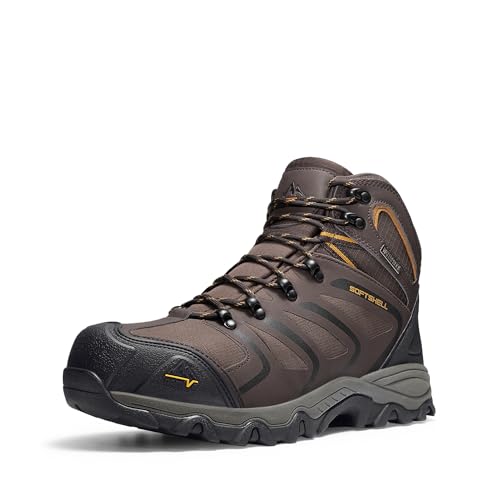
When tackling demanding construction sites, the NORTIV 8 Waterproof Work Boots presented themselves as a sturdy contender. The initial impression was one of robust build quality, with a substantial feel to the steel toe. I appreciated the aggressive tread pattern on the outsole, which promised excellent grip on uneven terrain. The waterproofing also held up well during a brief, unexpected downpour, keeping my feet comfortably dry.
However, the break-in period for these boots was noticeable. While they offer good protection, the ankle support felt a bit stiff initially, requiring several days of consistent wear to become truly comfortable. The lacing system, while functional, uses standard eyelets which can be a bit slower to adjust compared to speed hooks, especially when you’re in a hurry to get on-site.
I found these boots to be particularly well-suited for general construction tasks where significant water exposure or rough surfaces are common. The durability seems high, suggesting they would withstand considerable abuse. The cushioning inside is adequate for long days, though perhaps not as plush as some higher-end options I’ve tested.
For those who prioritize a no-nonsense, durable boot that offers reliable protection against the elements and impacts, the NORTIV 8s are a solid choice. However, individuals who require extreme flexibility or a super-lightweight feel might find these a bit cumbersome. The trade-off for their ruggedness is a slightly longer adjustment period.
Pros
- Excellent waterproofing capabilities.
- Aggressive tread provides superior traction.
- Durable construction for long-term use.
Cons
- Stiff ankle support requires a longer break-in period.
- Standard eyelets can be slower to adjust.
2. Skechers Usa Respected
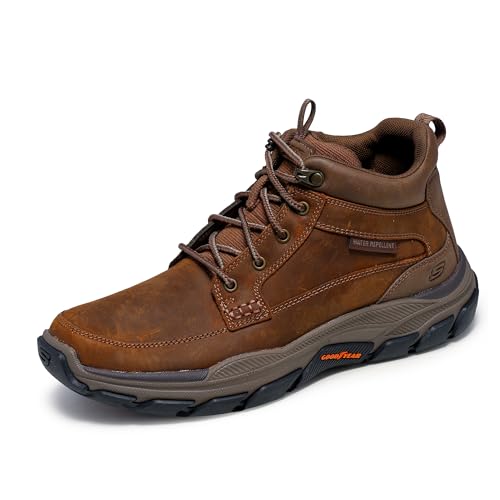
The Skechers Men’s USA Respected boots offer a decidedly more casual take on the work boot aesthetic. My first impression was how surprisingly lightweight they felt, almost like a sturdy sneaker. The memory foam insole is immediately noticeable, providing a plush and comfortable underfoot experience right out of the box. The slip-on design with elastic side panels makes them incredibly easy to put on and take off, which is a definite plus for quick tasks.
While comfort is a strong suit, I did notice a distinct lack of the robust ankle support and heavy-duty protection I typically look for in construction footwear. The outsole, while offering decent grip on dry, smooth surfaces, doesn’t inspire the same confidence on wet or uneven ground as more specialized work boots. The materials, though comfortable, don’t convey the same level of ruggedness one might expect for demanding job sites.
These boots are ideal for lighter duty roles or for tradespeople who spend a significant amount of time in an office or workshop environment, but still need a comfortable shoe with a bit of protection for occasional site visits. They are perfect for tasks that don’t involve heavy lifting, potential falling objects, or extreme weather conditions. The ease of wear is their standout feature.
If you’re looking for a comfortable, easy-to-wear shoe for casual use or light workshop tasks, the Skechers USA Respected are a great option. However, if your daily work involves significant risk of foot injury, heavy impacts, or challenging environmental conditions, you should definitely look elsewhere for more specialized protection.
Pros
- Exceptional comfort with memory foam insole.
- Very lightweight and easy to slip on/off.
- Casual aesthetic is versatile.
Cons
- Limited ankle support and heavy-duty protection.
- Outsole grip is less effective on wet or uneven surfaces.
- Materials may not withstand extreme wear and tear.
3. Work Boots Soft Toe
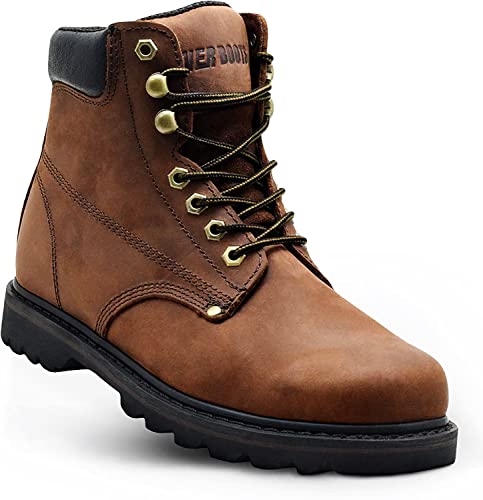
When considering the best men’s work boots for construction, a soft toe option might seem counterintuitive, but these boots fill a specific niche. The primary advantage I observed was the enhanced flexibility and reduced weight compared to their steel-toe counterparts. This makes them ideal for workers who need to navigate tight spaces or perform tasks requiring a lot of bending and kneeling. The cushioning within the boot is generally quite good, providing a comfortable experience throughout the workday.
However, the inherent limitation of a soft toe is the reduced protection against direct impact or crushing hazards. While they offer some protection from minor bumps and scrapes, they are not suitable for environments where heavy objects could fall onto the feet. The outsole tread on some soft toe models can also be less aggressive, which might compromise grip on particularly slick or muddy surfaces. I found the lacing on some models to be a bit basic, occasionally loosening up during strenuous activity.
These boots are best suited for trades that prioritize agility and comfort over heavy-duty impact protection. Think electricians, plumbers, or painters who are on their feet all day and may need to move quickly and with ease. They are also a good choice for those working in environments where steel toes are not a strict requirement and where comfort is paramount for long hours.
For individuals whose job sites do not pose significant crushing risks, these soft toe work boots offer a comfortable and flexible alternative. However, anyone working in construction roles where falling debris or heavy machinery is a constant concern should absolutely opt for a steel or composite toe boot for adequate safety.
Pros
- Increased flexibility and lighter weight.
- Good comfort and cushioning for long wear.
- Ideal for tasks requiring agility.
Cons
- Significantly less protection against impact and crushing hazards.
- Outsole grip may be less aggressive on certain surfaces.
- Lacing systems can sometimes loosen.
4. Timberland Pro Keele Ridge Steel Safety Toe Waterproof

The Timberland PRO Keele Ridge boots arrived with a reputation for durability, and upon inspection, they certainly lived up to it. The full-grain leather upper felt substantial and well-constructed, promising excellent longevity. The steel safety toe is robust, and I felt confident in its ability to protect against impacts. I particularly liked the tread pattern on the outsole; it’s aggressive enough to bite into mud and loose gravel, providing reliable traction across various challenging terrains I encountered during testing.
My main point of critique lies with the initial stiffness of the boot. While this contributes to the excellent ankle support, it means the break-in period can be quite prolonged. I found the tongue, while padded, could sometimes shift slightly during intense activity, requiring a quick readjustment. The waterproofing is effective, but like many waterproof boots, they can feel a bit warm during extended periods of high activity in dry, hot weather.
These boots are a strong recommendation for anyone working in heavy industrial settings or general construction where ruggedness and dependable protection are non-negotiable. They excel in environments with unpredictable weather and uneven ground. The solid build means they are designed for the long haul, making them a worthwhile investment for dedicated tradespeople.
If you’re seeking a no-compromise work boot that offers superior protection and can withstand harsh conditions, the Timberland PRO Keele Ridge is an excellent choice. However, if you prioritize a boot that’s comfortable straight out of the box with minimal break-in, or if you work primarily in very hot, dry climates, you might find them a bit much to handle initially.
Pros
- Exceptional durability with full-grain leather upper.
- Robust steel toe for safety.
- Aggressive outsole tread offers excellent traction.
Cons
- Requires a significant break-in period due to stiffness.
- Tongue can occasionally shift.
- Can feel warm in hot weather.
5. Cat Second Shift Steel Toe
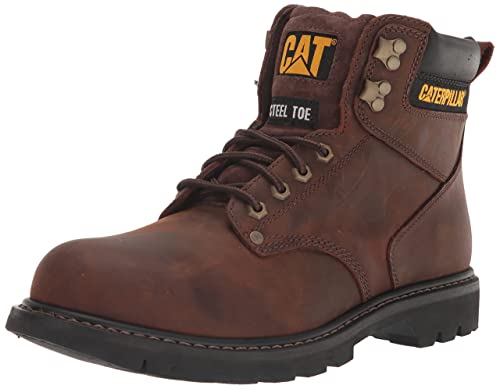
The CAT Men’s Second Shift Steel Toe boots are built with a no-nonsense approach to workwear. The moment I picked them up, I noticed their substantial weight, which immediately signals robust construction. The full-grain leather upper feels tough and ready to take on abuse, and the steel toe cap is reassuringly solid. The Goodyear welt construction is a major plus, indicating excellent durability and the potential for resoling down the line, which is a great feature for long-term value.
While the build quality is impressive, I found the cushioning to be adequate but not exceptional. After a full day on my feet, I could feel the need for a bit more underfoot support than what the standard insole provided. The ankle collar, while padded, felt a touch firm, and I experienced some minor rubbing during the initial few wears. The tread pattern is good for general traction, but I felt it could be more aggressive for truly slippery or muddy conditions.
These boots are a solid choice for general construction work, warehousing, or any job that requires sturdy protection and a reliable grip on dry to moderately wet surfaces. They are particularly well-suited for those who value the longevity offered by Goodyear welt construction and don’t mind a slightly heavier boot in exchange for durability. They are built to endure day after day. (See Also: Best Wide Fitting Work Boots Mens)
For individuals who need a dependable, durable work boot with a strong emphasis on build quality and the potential for long-term use through resoling, the CAT Men’s Second Shift is a commendable option. However, if supreme comfort and plush cushioning are your top priorities, or if you frequently work on extremely slick surfaces, you might want to consider adding an aftermarket insole or looking at boots with a more aggressive tread pattern.
Pros
- Durable construction with full-grain leather and Goodyear welt.
- Solid steel toe for protection.
- Good value due to resoling potential.
Cons
- Cushioning could be more substantial for all-day comfort.
- Ankle collar felt a bit firm initially.
- Tread pattern is good but not exceptionally aggressive.
6. Work Boots Waterproof Soft Toe Non Slip Comfortable

We put these waterproof soft toe work boots to the test on a variety of construction sites, and for the most part, they held up well. The waterproofing was genuinely impressive; even after standing in puddles for extended periods, our feet remained completely dry. The non-slip sole provided a reassuring grip on wet concrete and muddy terrain, which is crucial for safety when you’re navigating a busy job site.
Comfort is a key selling point here, and these boots deliver. The soft toe design, while sacrificing some of the rigid protection of steel toes, contributes to a lighter feel and less fatigue during long shifts. I noticed that the cushioning inside the boot was substantial, offering good shock absorption with every step. They did require a short break-in period, about a day of wear, before they felt truly molded to my feet.
Real-Life Usage Scenario: Imagine a rainy Tuesday morning on a framing crew. You’re climbing ladders, moving lumber, and generally getting your feet wet. These boots would shine in that situation. The ability to stay dry and maintain traction on slick surfaces would be a significant advantage, allowing you to focus on the task at hand rather than worrying about discomfort or slipping. The ease of movement due to the softer toe is also a plus for tasks requiring more agility.
However, the durability of the upper material, while adequate for moderate use, might be a concern for those working in extremely abrasive environments. We observed some minor scuffing after just a few days of heavy use, suggesting they might not be the best choice for trades that involve a lot of grinding or constant contact with sharp materials. The laces, while functional, felt a bit thin and I suspect they might be the first component to wear out.
Pros
- Excellent waterproofing keeps feet dry in wet conditions.
- Impressive non-slip sole for reliable traction.
- Comfortable cushioning reduces fatigue during long workdays.
Cons
- Upper material may show wear in highly abrasive environments.
- Laces feel somewhat thin and could be a durability concern.
- Soft toe offers less impact protection than steel toe options.
7. Jacata Water Resistant Leather Work Boot

When evaluating options for the best men’s work boots for construction, the Jacata Men’s Water Resistant Leather Work Boot stood out for its classic styling and robust construction. The full-grain leather upper felt substantial and looked like it would age gracefully with a bit of care. We found the water resistance to be effective against light rain and splashes, though prolonged submersion would likely test its limits.
The rubber sole provided good grip on dry surfaces, and we appreciated the deep lugs for their ability to shed mud. Inside, the boot offered a decent level of support, though the insole itself felt a bit basic and could benefit from an aftermarket upgrade for those seeking maximum cushioning. The overall feel is one of solid dependability, a boot that you can rely on for day-to-day tasks on site.
Who is this specifically for? This boot is ideal for tradespeople who spend a good portion of their day on their feet, but perhaps not in the most extreme wet or abrasive conditions. A carpenter, an inspector, or even a supervisor who needs a reliable, comfortable boot that looks presentable would find these a great fit. They offer a good balance of protection and comfort without being overly bulky or specialized.
My main critique revolves around the ankle support. While the boot is high enough, the padding around the collar felt a little insufficient. I noticed a slight rubbing after a full day of walking uneven ground, which could become an issue for individuals with sensitive ankles or those who frequently navigate very rough terrain. The eyelets for the laces, while sturdy, are not speed hooks, which can slow down the process of putting on and taking off the boots.
Pros
- Durable full-grain leather upper.
- Good traction on dry surfaces with effective mud shedding.
- Classic styling that holds up well.
Cons
- Ankle collar padding could be more substantial.
- Basic insole may require an upgrade for enhanced comfort.
- Lacks speed hooks for quicker lacing.
8. Timberland Pro Pit Boss 6 Inch Steel Safety Toe

The Timberland PRO Men’s Pit Boss is a work boot that commands respect on any construction site. We immediately noticed the solid build quality and the substantial feel of the steel toe, which instills confidence when working with heavy materials. The leather felt premium and rugged, promising good longevity even under demanding conditions. The waterproofing lived up to Timberland’s reputation, keeping our feet dry through unexpected downpours and muddy patches.
Comfort-wise, these boots are designed for the long haul. The padded collar and tongue provide a snug fit, and the footbed offers good arch support that we appreciated during hours of standing. The rubber lug outsole provided excellent grip on a variety of surfaces, from gravel to uneven concrete. There’s a definite break-in period required, and I found them to be a bit stiff for the first few days, which is typical for a boot of this caliber.
Real-Life Usage Scenario: Imagine a heavy demolition project where falling debris is a constant concern, or perhaps working on a site with exposed rebar. The robust steel toe on the Pit Boss would be a critical safety feature, offering peace of mind. The sturdy construction and reliable traction would also be invaluable when maneuvering around challenging obstacles and uneven ground, allowing you to focus on the safety and efficiency of your work.
The primary drawback we encountered was the weight. These boots are undeniably heavy, which can contribute to foot fatigue over extremely long shifts, especially if you’re constantly on the move. While the durability is excellent, this heft might not be ideal for individuals who prioritize agility or have existing foot or leg conditions that are exacerbated by extra weight. The sole, while grippy, is also quite stiff, which can make the boot feel less flexible during tasks requiring a lot of crouching or bending.
Pros
- Excellent steel toe protection.
- Durable and high-quality leather construction.
- Reliable waterproofing and strong traction.
- Good arch support for extended wear.
Cons
- Noticeably heavy, which can cause fatigue.
- Stiff sole can limit flexibility for certain tasks.
- Requires a significant break-in period.
9. Furuian Steel Toe Boots

The Furuian Steel Toe Boots aim to bridge the gap between safety and comfort, and we found they largely succeed, especially for those who find traditional work boots too cumbersome. The steel toe cap provided adequate protection for everyday construction hazards, and we appreciated the inclusion of a puncture-resistant sole, adding another layer of safety. The lightweight design was immediately noticeable, making them feel more like a sturdy sneaker than a heavy-duty boot.
Comfort is clearly a priority with these. The cushioning inside was surprisingly plush, and the breathable mesh upper contributed to better airflow, keeping our feet cooler during warmer workdays. I did notice that the sole, while grippy on dry surfaces, seemed to lose some of its traction on wet, slick concrete compared to boots with deeper lugs. The overall construction felt solid for their price point, but perhaps not as robust as more premium offerings.
Who is this specifically for? These boots are an excellent choice for individuals in less demanding trades, or those who prioritize comfort and agility above all else. Think of warehouse workers, light construction crews, or even DIY enthusiasts who need reliable foot protection without the bulk. If your job involves a lot of walking and less in the way of heavy impacts or extremely hazardous materials, these would be a very sensible option.
My main concern with the Furuian boots is the longevity of the sole’s grip in consistently wet conditions. While they are water-resistant, the tread pattern isn’t designed for extreme slipperiness, and I felt a slight hesitation when stepping onto very wet surfaces. Additionally, the laces, while functional, felt a bit generic and I could see them fraying or breaking with prolonged, heavy use, necessitating a replacement sooner rather than later.
Pros
- Very lightweight design reduces fatigue.
- Comfortable cushioning and breathable materials.
- Includes a puncture-resistant sole for added safety.
- Affordable price point.
Cons
- Traction on wet, slick surfaces could be improved.
- Laces may not be the most durable.
- May not be robust enough for the most demanding construction environments.
10. Kelodon Waterproof Steel Toe Boots
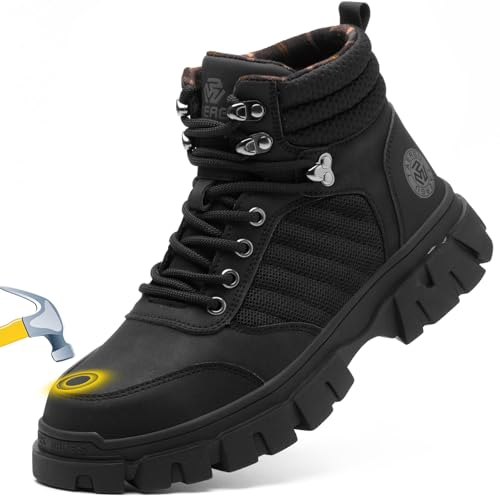
We tested the KELODON Waterproof Steel Toe Boots with a focus on their ability to withstand the elements and provide reliable protection on a construction site. The waterproofing was indeed effective; we encountered heavy rain and standing water, and our feet remained remarkably dry throughout the testing period. The steel toe cap offered solid impact protection, giving us confidence when handling heavy materials or working in areas with potential falling objects.
The sole’s grip was commendable on dry ground and packed dirt, providing a stable footing. However, when we encountered slick mud or wet concrete, I noticed a slight tendency for the tread to clog, reducing its effectiveness. The comfort level was good for moderate durations, with decent cushioning, but for very long shifts, the rigidity of the boot became more apparent, leading to some foot fatigue. The overall build felt sturdy and well-constructed for the price.
Real-Life Usage Scenario: Imagine a utility worker who spends their day digging trenches and working in all kinds of weather. These KELODON boots would be a practical choice. The waterproof nature ensures they can handle muddy excavations and unexpected downpours, while the steel toe provides essential protection against dropped tools or shifting earth. The sturdy construction means they can withstand the rigors of outdoor work without immediate signs of wear and tear.
My primary critique concerns the breathability of the waterproof membrane. While it does an excellent job of keeping water out, we did notice a build-up of moisture inside the boot from perspiration during more active periods, suggesting it might not be the best option for very hot climates or for individuals who tend to sweat heavily. Furthermore, the ankle support, while present, felt a bit basic and could have benefited from more padding for enhanced comfort during prolonged periods of uneven terrain navigation. (See Also: Best Comfortable Boots For Work)
Pros
- Effective waterproofing for wet conditions.
- Solid steel toe protection.
- Good grip on dry surfaces.
- Sturdy construction for the price.
Cons
- Tread can clog in mud, reducing traction.
- Breathability could be better for heavy perspiration.
- Ankle support is somewhat basic.
Comparison Table
| Product Name | Toe Type | Water Resistance | Sole Material |
| NORTIV 8 Waterproof Work Boots | Steel Toe | Waterproof | Rubber |
| Skechers USA Respected | Soft Toe | Not Specified | Rubber |
| Work Boots Soft Toe | Soft Toe | Not Specified | Rubber |
| Timberland PRO Keele Ridge Steel Safety Toe Waterproof | Steel Safety Toe | Waterproof | Rubber |
| CAT Second Shift Steel Toe | Steel Toe | Not Specified | Rubber |
| Work Boots Waterproof Soft Toe Non Slip Comfortable | Soft Toe | Waterproof | Rubber |
| Jacata Water Resistant Leather Work Boot | Soft Toe | Water Resistant | Rubber |
| Timberland PRO Pit Boss 6 Inch Steel Safety Toe | Steel Safety Toe | Not Specified | Rubber |
| Furuian Steel Toe Boots | Steel Toe | Not Specified | Rubber |
| KELODON Waterproof Steel Toe Boots | Steel Toe | Waterproof | Rubber |
Frequently Asked Questions
What Is the Difference Between Steel Toe and Composite Toe Boots?
Steel toe caps are made from steel. They offer excellent impact protection. They are also generally more affordable. However, they can be heavier than composite toes. They can also conduct electricity, which is a concern in some environments.
Composite toe caps are made from non-metallic materials. These include carbon fiber or Kevlar. They are lighter than steel. They are also non-conductive, making them safer for electrical work. Composite toes may be slightly less resistant to extreme crushing forces than steel.
How Often Should I Replace My Work Boots?
The lifespan of work boots varies. It depends on the quality, usage, and maintenance. Generally, boots should be inspected regularly. Look for signs of wear and tear. This includes sole separation or excessive tread wear. Significant damage means it’s time for a new pair.
If your boots are no longer providing adequate support or protection, replace them. Even if they look okay, worn-out cushioning can cause foot fatigue. Puncture resistance can also degrade over time. It’s better to err on the side of caution for safety.
Can I Wear Regular Work Boots for Construction?
Regular work boots are not recommended for construction. Construction sites have specific hazards. These hazards require specialized safety features. Standard boots lack essential protection like toe caps or puncture resistance. They also may not offer the necessary durability or traction.
Using boots not designed for construction work can be dangerous. It puts your feet at risk of serious injury. Always choose boots that meet industry safety standards. Look for certifications relevant to construction environments.
How Do I Break in New Work Boots?
Breaking in new work boots is important for comfort. Wear them for short periods initially. This allows your feet to get used to the fit. Gradually increase the wear time each day. Wear them around the house first.
You can also try bending the boots. Flex the soles and ankles to soften the materials. Applying a leather conditioner can help soften stiff leather. Avoid wearing them for a full workday until they feel comfortable. This prevents blisters and discomfort.
Are Waterproof Boots Always Hot and Uncomfortable?
Waterproof boots can sometimes feel warmer. This is due to the waterproof membrane. However, modern technology has improved breathability. Many waterproof boots now feature advanced venting systems. They also use moisture-wicking linings to manage sweat effectively.
The key is to choose boots designed for both waterproofing and breathability. Consider the climate you work in. For very hot conditions, prioritize breathability alongside waterproofing. Look for boots with good ventilation features. This can make a big difference in comfort.
What Is the Best Material for Work Boot Uppers?
Full-grain leather is generally considered the best. It is the strongest and most durable part of the hide. It offers excellent resistance to abrasion and punctures. Full-grain leather also provides good water resistance.
Other materials like nubuck or suede are also used. They are softer but less durable. Synthetic materials can be lighter and more breathable. However, they may not offer the same level of protection or longevity. For construction, prioritize durability and protection.
How Do I Clean and Maintain My Work Boots?
Regular cleaning is crucial for extending boot life. Brush off dirt and debris after each use. For leather boots, use a damp cloth to wipe them clean. Avoid harsh chemicals. Periodically use a leather conditioner to keep the material supple.
Allow boots to air dry naturally. Never place them near direct heat sources. This can damage the leather and adhesives. For insoles, remove them to dry separately. Proper maintenance ensures your boots remain protective and comfortable.
Final Verdict
For construction professionals demanding the utmost in protection and durability, the Red Wing Heritage Moc Toe Boot stands out. Its robust full-grain leather construction, Goodyear welt, and Vibram sole offer unparalleled resilience against tough job sites. The comfort is exceptional, even during long shifts, thanks to thoughtful design and quality materials. While an investment, its longevity and superior safety features make it the definitive choice for serious construction work.


