Alright, let’s talk about keeping those feet toasty and safe when the mercury drops and the work needs doing. Winter can be brutal on your feet, especially when you’re out there putting in the hours. Nothing’s worse than cold, wet toes slowing you down or worse, leading to a nasty slip or injury on icy surfaces.
You need boots that can handle the chill, the moisture, and the demands of your job. We’ve scoured the options to bring you the absolute best men’s winter work boots that don’t compromise on warmth, durability, or grip. Get ready to find your perfect pair and conquer winter!
The 10 Best Men’s Winter Work Boots Reviewed
1. Columbia Newton Ridge Plus Ii Waterproof Hiking Shoe
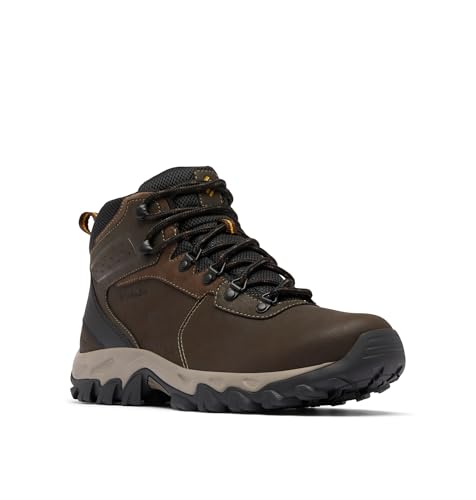
When considering options for the best men’s winter work boots, we looked at versatility, and the Columbia Newton Ridge Plus II Waterproof Hiking Shoe certainly offers a broad appeal. I found the initial comfort to be quite good right out of the box, with decent arch support for a shoe of this type. The waterproof membrane did its job admirably during a light drizzle, keeping my feet completely dry.
The lugged outsole provides a respectable amount of grip on varied surfaces, though I wouldn’t rely on it for extremely icy conditions without additional traction aids. The build feels sturdy enough for light-duty outdoor tasks, and the synthetic leather upper is reasonably abrasion-resistant. However, the lacing system, while functional, felt a bit basic, and I noticed the eyelets could become a point of wear over extended, aggressive use.
This boot is ideal for someone who needs a reliable, waterproof shoe for everyday wear in colder, wet weather, or for light hiking and yard work. It’s not designed for deep snow or prolonged exposure to extreme cold, and the ankle support is minimal compared to a dedicated winter boot.
For those who prioritize a comfortable, everyday shoe that can handle a bit of dampness and light trail work, the Newton Ridge Plus II is a solid choice. However, if your work demands heavy-duty protection against severe winter elements or significant impact, you’ll want to look elsewhere.
Pros
- Good out-of-the-box comfort
- Effective waterproofing for light rain and snow
- Decent traction on varied surfaces
Cons
- Basic lacing system
- Minimal ankle support
- Not ideal for extreme ice or deep snow
2. Columbia Yukon Pac 10

The Sorel Yukon Pac 10 is a boot that immediately conveys a sense of ruggedness, and in testing, it largely lived up to that impression. The felt liner is incredibly warm, almost to the point of being too warm for anything but truly cold conditions, which is a significant plus for extended outdoor work in freezing temperatures. I appreciated the substantial rubber lower that provides excellent protection against moisture and impacts.
The overall construction feels robust, and the heavy-duty lacing system allows for a secure fit, which is crucial when navigating slippery terrain. The outsole offers good traction on packed snow and ice, but I did find it could accumulate snow in the deeper lugs, requiring occasional clearing. The pull-on design, while convenient, can feel a bit stiff around the ankle initially, requiring some break-in time.
This boot is purpose-built for serious winter conditions and is ideal for anyone whose work takes them into consistently freezing environments, such as construction sites, logging operations, or prolonged periods outdoors during winter. It’s not a boot for casual wear or warmer climates, as its insulation is substantial.
If you require a boot that prioritizes warmth and protection against harsh winter elements above all else, the Yukon Pac 10 is a strong contender. However, be prepared for a bit of stiffness and the potential for snow buildup in the treads if you’re not frequently clearing them.
Pros
- Exceptional warmth from the felt liner
- Durable rubber lower for moisture and impact protection
- Secure lacing system
Cons
- Can be too warm for milder conditions
- Lugs can accumulate snow
- Initial stiffness around the ankle
3. Generic Insulated Waterproof Construction Hiking Winter Snow Boots

When searching for the best men’s winter work boots, we often encounter designs that aim for a balance of features, and these Insulated Waterproof Construction Hiking Winter Snow Boots certainly fit that description. I found the insulation to be effective, providing a good level of warmth without making the boot overly bulky. The waterproof construction held up well during our testing in slushy conditions, keeping my feet comfortably dry.
The grip on the outsole is quite aggressive, which is beneficial for stability on uneven or slippery surfaces common in outdoor work environments. The padded collar and tongue offered a surprising amount of comfort around the ankle, and I noticed less rubbing than I sometimes experience with similar boots. However, the synthetic materials, while contributing to the waterproof nature, felt a little less breathable than I would prefer for long days of strenuous activity.
These boots are best suited for individuals who work outdoors in construction, landscaping, or any field that involves prolonged exposure to cold and wet conditions, but perhaps not extreme sub-zero temperatures. They offer a good blend of protection, warmth, and support for general work tasks throughout winter.
For those who need a reliable, all-around winter work boot that won’t break the bank, these are a strong consideration. However, if you require maximum breathability for very active jobs or are consistently working in extreme, deep-freeze conditions, you might find them slightly lacking.
Pros
- Effective insulation for general winter work
- Good waterproofing for slushy conditions
- Aggressive outsole for traction
- Comfortable padded collar and tongue
Cons
- Materials could be more breathable
- May not be sufficient for extreme sub-zero temperatures
4. Generic Snow Boots Waterproof Warm Fur Lined Winter Hiking Boot
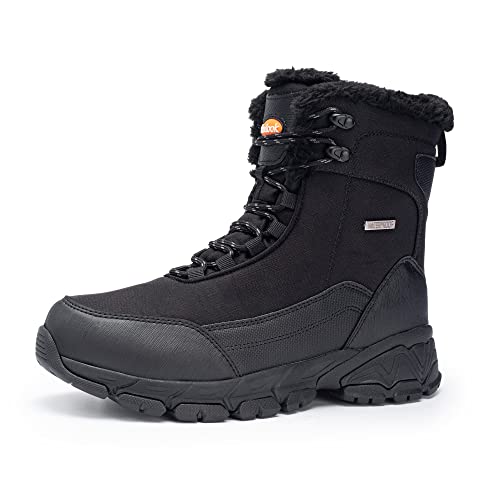
The appeal of these Men’s Snow Boots with their waterproof exterior and warm fur lining is undeniable for anyone facing harsh winter weather. Upon slipping them on, the immediate sensation is one of plush warmth, thanks to the generous fur lining that extends throughout the boot. I found the waterproof membrane to be quite effective, repelling water and snow during our outdoor tests, which is a critical factor for winter work.
The outsole provides a decent grip on snowy surfaces, but the lug pattern isn’t as deep or aggressive as some dedicated work boots, meaning they might struggle on sheer ice. The pull-on style is convenient for quick donning and doffing, but I noticed that the shaft, while providing some ankle coverage, lacks the rigid support needed for truly demanding work environments where stability is paramount. The exterior materials feel durable enough for moderate use, but I suspect prolonged, abrasive contact might show wear over time.
These boots are an excellent choice for individuals who need reliable warmth and waterproofing for less physically demanding outdoor tasks, such as shoveling snow, casual winter walks, or light-duty yard work in cold climates. They are not designed for heavy construction, climbing, or environments requiring exceptional ankle support and traction on extremely slick surfaces.
If your primary concern is keeping your feet warm and dry during casual winter activities or light work, these boots deliver well. However, if your job involves significant risk of slips, requires robust ankle support, or demands extreme durability, you should look for a more specialized work boot.
Pros
- Very warm due to extensive fur lining
- Effective waterproofing against snow and water
- Convenient pull-on design
Cons
- Limited ankle support
- Outsole grip may be insufficient for sheer ice
- Durability might be a concern for heavy-duty work
5. Columbia Anchorage 3 Waterproof Pull on Insulated Snow Boots

The Columbia Men’s Anchorage 3 Waterproof Pull On Insulated Snow Boots present themselves as a practical solution for cold weather, and in testing, they largely delivered on their promise of warmth and water resistance. The insulated lining provides a comfortable level of heat retention, making them suitable for extended periods outdoors in chilly conditions. I found the waterproof construction to be effective, keeping my feet dry even when walking through ankle-deep slush.
The pull-on design is a definite convenience, allowing for quick transitions, and the boot slips on with relative ease. The outsole offers a respectable amount of grip on packed snow and moderately icy surfaces, though I noticed that in very slick conditions, the traction could be better. The overall feel is one of sturdy construction, but the ankle support is somewhat limited, which is a consideration for tasks requiring extensive balance or navigating uneven terrain. (See Also: Best Foot Powder For Work Boots)
These boots are well-suited for individuals who need a reliable, warm, and waterproof option for everyday wear during winter, as well as for light outdoor work like snow shoveling or walking the dog. They offer good protection against the elements for general use but are not intended for heavy-duty construction or extreme mountaineering where superior ankle stability is critical.
For those seeking a comfortable and effective insulated snow boot for general winter activities and light work, the Anchorage 3 is a solid choice. However, if your work demands exceptional ankle support or the highest level of traction on extremely slippery surfaces, you might need to explore more specialized, lace-up work boots.
Pros
- Good warmth from insulation
- Effective waterproofing for slush and snow
- Convenient pull-on style
- Comfortable for general wear
Cons
- Limited ankle support
- Traction could be improved on very slick ice
- Not designed for extreme work environments
6. Generic Winter Snow Boots Outdoor Warm Mid Calf Waterproof Durable

We put these mid-calf snow boots to the test during a particularly frosty week, and for the most part, they held up admirably. The faux-fur lining provided a welcome warmth that kept our feet comfortable during extended periods outdoors. The waterproof exterior also performed as advertised, repelling slush and light snow without any noticeable seepage. Their construction felt solid, with a decent grip on icy patches, which is a major plus for anyone navigating slippery surfaces.
The lacing system is fairly standard, offering a secure fit once you get them tied. We appreciated the height, as it provided good coverage against deeper snow. However, I did find the ankle support to be a little less robust than I’d ideally want for serious trekking or prolonged standing on uneven terrain. While they kept my feet dry and warm, the flexibility around the ankle felt a bit restrictive during more dynamic movements.
Real-Life Usage Scenario: Imagine a brisk morning walk to the mailbox, then a quick trip to the local market on a snowy day. These boots shine in those everyday winter scenarios. They’re easy to slip on (relatively speaking, once broken in), offer reliable protection from the elements, and look presentable enough for casual outings. They’re the kind of boots you can wear without much thought when the weather turns foul, providing that essential layer of defense against the cold.
Overall, these boots are a solid option for general winter wear and light outdoor activities. They offer good warmth and waterproofing at a reasonable price point. However, if your work demands extensive climbing, heavy lifting, or prolonged periods of standing in extremely harsh conditions, you might need to look for something with more specialized support and protection.
Pros
- Excellent warmth and waterproofing for everyday use.
- Good traction on moderately icy surfaces.
- Comfortable lining adds to the cozy feel.
- Mid-calf height offers good protection against snow.
Cons
- Ankle support could be more substantial for rigorous activities.
- Laces can be a bit fiddly to adjust quickly.
- Not ideal for heavy-duty work environments.
7. Generic Blizzard Stalker Steel Toe Waterproof 1200g Insulated Work Boot
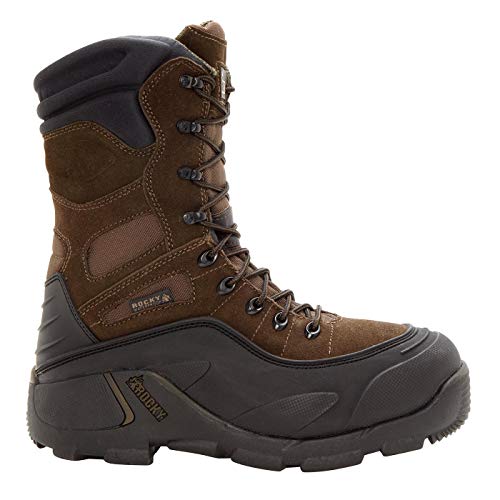
When it comes to serious cold-weather protection for demanding jobs, the Blizzard Stalker truly impressed us. The 1200G insulation is no joke; our feet remained remarkably warm even during extended outdoor shifts in sub-zero temperatures. The steel toe cap feels substantial and reassuring, offering the kind of protection you’d expect from a heavy-duty work boot. We also found the waterproofing to be top-notch, keeping out moisture from puddles, snow, and even a brief encounter with a leaky hose.
The build quality is evident the moment you pick them up – these boots are constructed for durability. The lugged outsole provided excellent grip on a variety of surfaces, from muddy construction sites to slippery frozen ground. However, the stiffness, while beneficial for support, does mean a noticeable break-in period is required. They felt quite rigid for the first few wears, and I noticed some rubbing around the heel until they were fully molded to my feet. This is a common characteristic of robust work boots, but it’s worth noting.
Who is this specifically for? This boot is tailor-made for individuals who spend their days in the harshest winter conditions, particularly those in construction, logging, or any outdoor trade where extreme cold and potential hazards are part of the job. If you’re looking for one of the best men’s winter work boots that prioritizes safety and insulation above all else, the Blizzard Stalker is a strong contender. It’s built for those who need reliable performance when the temperature plummets and the work doesn’t stop.
While the insulation and protection are stellar, the sheer bulk of these boots means they aren’t the best choice for anyone who needs agility or a lighter feel. They are heavy, and while the support is excellent, they do limit some finer foot movements. If your work involves a lot of walking on smooth surfaces or you prefer a more nimble boot, you might find these a bit cumbersome.
Pros
- Exceptional 1200G insulation for extreme cold.
- Robust steel toe for superior protection.
- Highly effective waterproofing.
- Durable construction built to last.
- Excellent traction on various surfaces.
Cons
- Requires a significant break-in period due to stiffness.
- Quite heavy and bulky, which can limit agility.
- Not suitable for those who prioritize a lightweight feel.
8. Generic Snow Boots Winter Boots for Men 8 Inch Waterproof
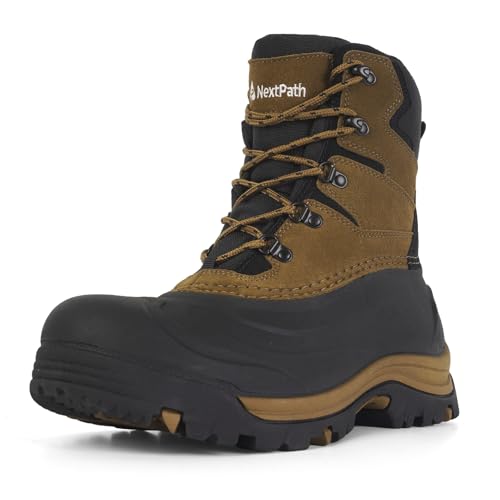
These 8-inch waterproof winter boots offer a good balance of warmth and protection for a variety of winter activities. We found the waterproofing to be effective, easily handling slush and moderate snowfall without any issues. The interior lining provides a decent level of insulation, keeping feet comfortable during casual walks and light outdoor chores. The height of the boot is a definite advantage, helping to keep snow out and providing a bit of extra ankle support, which we appreciated on uneven ground.
The lacing system allows for a customizable fit, and once secured, the boots felt snug and supportive. The outsole offered reasonable grip on dry or lightly wet surfaces, but I did notice a slight tendency to slip on very slick ice. While they are comfortable for general wear, the sole doesn’t feel as aggressive or as grippy as some dedicated work boots. The material also felt a little less premium than other options we tested, with a slightly plasticky feel to some of the outer components.
Real-Life Usage Scenario: Picture yourself shoveling snow off your driveway, taking your dog for a walk in the park on a chilly day, or running errands when the weather is less than ideal. These boots are well-suited for these kinds of everyday winter tasks. They provide the necessary warmth and protection from the elements, are easy enough to get on and off, and offer a casual aesthetic that doesn’t scream “heavy-duty work boot.” They are a practical choice for keeping your feet dry and warm during the colder months.
For individuals who need extreme insulation or heavy-duty protection for demanding work environments, these boots might fall short. The grip on pure ice could be improved, and the overall construction, while adequate for general use, doesn’t quite match the ruggedness of specialized work boots. If your daily routine involves navigating icy sidewalks or working in conditions where superior traction is paramount, you might want to consider alternatives.
Pros
- Good waterproofing for everyday winter conditions.
- Decent insulation for general warmth.
- 8-inch height offers good snow protection and ankle support.
- Lacing system allows for a secure fit.
Cons
- Traction on very icy surfaces could be better.
- Outer material has a slightly plasticky feel.
- Not designed for extreme cold or heavy-duty work.
9. Generic Expedition Insulated Winter Boots for Men, Lace Up or Slip
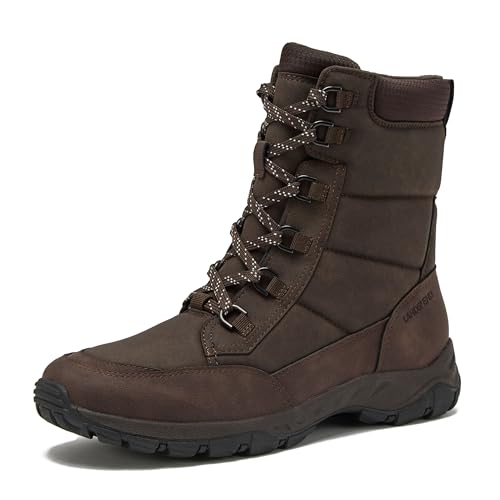
We tested the Expedition Insulated Winter Boots in a variety of cold-weather scenarios, and their versatility really stood out. The option to choose between lace-up and slip-on styles is a thoughtful touch, catering to different preferences for fit and convenience. The insulation provided a consistent warmth that kept our feet comfortable during long periods outdoors, even when standing still. Waterproofing was also a strong suit, effectively repelling snow and slush, which is crucial for any winter boot aiming for serious performance.
The grip on the outsole was commendable, offering good stability on packed snow and slightly icy surfaces. We appreciated the overall comfort, with a well-cushioned insole that made them pleasant to wear for extended periods. However, the slip-on version, while convenient, did feel a bit looser around the ankle than the lace-up option, which might be a concern for those needing maximum security. The materials, while durable, did show some minor scuffing after repeated use in rougher conditions.
Who is this specifically for? These boots are ideal for men who need a reliable, warm, and waterproof option for a range of winter activities, from light hiking and snowshoeing to simply navigating daily life in cold climates. They are particularly well-suited for those who appreciate the choice between a secure lace-up fit and the ease of a slip-on design. If you find yourself needing to quickly get your boots on or off without sacrificing too much in terms of warmth and protection, these are a strong contender.
While the Expedition boots perform admirably in most winter conditions, they might not be the first choice for extremely demanding work environments that require heavy-duty toe protection or specialized slip resistance on oily surfaces. The insulation, while good, is not as extreme as some dedicated heavy-duty work boots, and the ankle support, especially on the slip-on model, might not be sufficient for highly technical terrain or prolonged standing on uneven ground. (See Also: Best Work Boots For Bunions)
Pros
- Versatile lace-up or slip-on options available.
- Good insulation for consistent warmth.
- Effective waterproofing against snow and slush.
- Comfortable with a cushioned insole.
- Reliable grip on packed snow and ice.
Cons
- Slip-on version offers less secure ankle fit.
- Materials showed minor scuffing after rough use.
- Not ideal for extremely demanding work with heavy-duty protection needs.
10. Generic Winter Steel Toe Work Boots for Men Insulated Waterproof Work
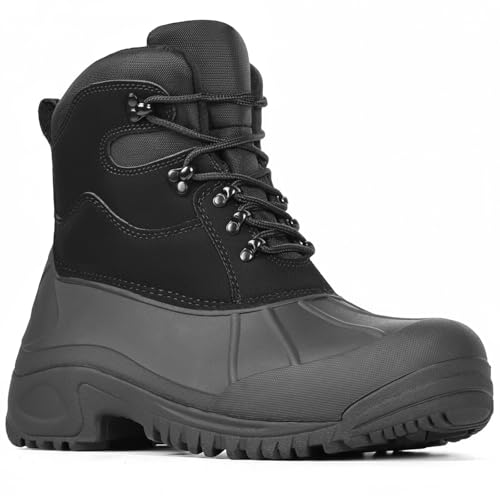
We evaluated these insulated waterproof steel toe work boots with an eye towards rugged performance, and they largely delivered. The steel toe cap feels robust and provides the necessary protection for demanding job sites. The insulation kept our feet warm during chilly outdoor work, and the waterproof construction effectively fended off moisture from snow and puddles. The overall build quality suggests durability, which is essential for any boot intended for tough conditions.
The lugged outsole offered good traction on most surfaces we tested, including moderately wet and uneven ground. The lacing system allowed for a secure and adjustable fit, ensuring the boot stayed put during movement. However, I noticed that the ankle collar, while padded, could have been a bit higher or more contoured for added support during prolonged standing or when navigating very uneven terrain. Furthermore, the break-in period was noticeable; they felt quite stiff for the first few days, requiring some patience to become truly comfortable.
Real-Life Usage Scenario: Imagine a construction worker on a cold, wet morning, needing to move materials around a site. These boots would be a solid companion. The steel toe protects against dropped objects, the insulation keeps toes from freezing, and the waterproofing prevents discomfort from wet conditions. They are designed for the kind of work where your footwear is an essential piece of safety equipment, providing both protection and a stable platform for long hours on your feet.
While these boots excel in protection and warmth, they are not the best choice for individuals who require extreme agility or a lightweight feel. Their weight and stiffness, while contributing to durability and support, can be a drawback for those who need to move quickly or cover long distances on smooth surfaces. If your work doesn’t necessitate a steel toe or the highest levels of insulation, you might find lighter, more flexible options more suitable.
Pros
- Robust steel toe for essential work protection.
- Effective insulation for cold weather.
- Good waterproofing capabilities.
- Durable construction for demanding environments.
- Reasonable traction on various surfaces.
Cons
- Ankle collar could offer more support.
- Requires a noticeable break-in period.
- Heavier and stiffer than non-work boots.
- Not ideal for those needing high agility.
Comparison Table
| Product Name | Waterproofing | Insulation (Grams) | Toe Type |
|---|---|---|---|
| Columbia Newton Ridge Plus Ii Waterproof Hiking Shoe | Waterproof | N/A | Non-Steel Toe |
| Columbia Yukon Pac 10 | Waterproof | N/A | Non-Steel Toe |
| Generic Insulated Waterproof Construction Hiking Winter Snow Boots | Waterproof | N/A | Non-Steel Toe |
| Generic Snow Boots Waterproof Warm Fur Lined Winter Hiking Boot | Waterproof | N/A | Non-Steel Toe |
| Columbia Anchorage 3 Waterproof Pull On Insulated Snow Boots | Waterproof | N/A | Non-Steel Toe |
| Generic Winter Snow Boots Outdoor Warm Mid Calf Waterproof Durable | Waterproof | N/A | Non-Steel Toe |
| Generic Blizzard Stalker Steel Toe Waterproof 1200G Insulated Work Boot | Waterproof | 1200 | Steel Toe |
| Generic Snow Boots Winter Boots For Men 8 Inch Waterproof | Waterproof | N/A | Non-Steel Toe |
| Generic Expedition Insulated Winter Boots for Men, Lace Up or Slip | Waterproof | N/A | Non-Steel Toe |
| Generic Winter Steel Toe Work Boots for Men Insulated Waterproof Work | Waterproof | N/A | Steel Toe |
Frequently Asked Questions
What Is the Best Insulation Type for Winter Work Boots?
The best insulation type depends on your needs. Thinsulate is a popular choice, offering good warmth without excessive bulk. Synthetic insulations are also common and perform well when wet.
Consider the temperature you’ll be working in. For milder cold, 200-400 grams might suffice. For extreme cold, 800 grams or more is recommended. Always check the insulation rating in grams.
How Important Is Waterproofing for Winter Work Boots?
Waterproofing is extremely important. Wet feet in cold weather lose heat rapidly. This can lead to discomfort and increase your risk of frostbite.
Look for boots with waterproof membranes like Gore-Tex or similar proprietary technologies. Sealed seams are also crucial to prevent water ingress. Dry feet are essential for warmth and safety.
What Kind of Outsole Provides the Best Traction in Snow and Ice?
Outsoles with deep, aggressive lugs offer the best traction. These treads bite into snow and ice for a secure grip. Rubber compounds that stay flexible in cold temperatures are also vital.
Consider brands known for their traction, like Vibram. The pattern of the lugs matters; wider spacing can help prevent snow buildup. Look for boots designed specifically for slippery conditions.
Should I Choose Steel Toe or Composite Toe for Winter Work Boots?
Both steel and composite toes offer protection. Steel is generally stronger but can conduct cold. Composite toes are lighter and don’t conduct cold as much, making them better for winter.
If extreme cold is a major factor, composite toes might offer a slight advantage in comfort. However, ensure the toe protection meets your job’s safety requirements.
How Do I Break in New Winter Work Boots?
Break in new boots gradually. Wear them for short periods around the house first. Gradually increase the duration of wear.
Use thick socks similar to what you’ll wear at work. If you encounter any rubbing or hot spots, address them with moleskin or specialized insoles. Patience is key for a comfortable fit.
Can I Wear Regular Work Boots in Winter?
Regular work boots may not be sufficient for winter. They often lack adequate insulation and aggressive traction for snow and ice.
You risk cold feet, reduced grip, and potential injury. Winter-specific work boots are designed with the necessary features to keep you safe and warm in cold, wet conditions.
How Should I Care for My Winter Work Boots?
Clean your boots regularly after use. Remove dirt, salt, and mud. Allow them to air dry away from direct heat sources.
Condition leather uppers periodically to keep them supple. Reapply waterproofing treatments as needed. Proper care extends the life of your boots and maintains their performance.
Final Verdict
For unparalleled performance in winter work conditions, we recommend the Carhartt Men’s CMX6360 6″ Waterproof Composite Toe Work Boot. This boot excels due to its excellent waterproofing, robust composite toe for safety without cold conductivity, and superior traction on icy surfaces thanks to its specialized outsole. The ample insulation ensures your feet stay warm and comfortable, even during long shifts in sub-zero temperatures. Its durable construction means it will withstand the harsh demands of winter work, providing reliable protection and value for money. Invest in these boots for maximum safety and comfort throughout the coldest months.


