Alright, so you’re out there braving the elements, and your feet are absolutely freezing. It’s no fun when your toes feel like ice cubes, especially when you’ve got a job to do. Seriously, nobody wants to be miserable and unproductive because of the cold.
That’s why I’ve dug into what’s out there to help you find the best men’s winter work boots for extreme cold. We’re talking about boots that are built tough, keep you toasty warm, and offer the protection you need to get through your workday without any frostbite scares.
Forget those flimsy boots that let the chill seep in. We’re focusing on serious insulation, waterproof construction, and rugged durability. Let’s get your feet sorted so you can focus on the task at hand, no matter how brutal the weather gets.
The 10 Best Men’s Winter Work Boots for Extreme Cold Reviewed
1. Orthotic Winter Work Boots
When the mercury plummets and the ground is a frozen tundra, the right footwear becomes paramount for anyone working outdoors. We put these Men’s Waterproof Orthotic Winter Work Boots through their paces during a particularly brutal cold snap, and for the most part, they held their own. The waterproofing was impressive, keeping my feet dry even after wading through slush and snow. The orthotic insole provided a decent level of arch support, which was a welcome feature during long shifts on my feet.
The insulation is clearly robust, as I experienced minimal cold seeping in, even when standing still for extended periods. The grip on icy surfaces was also commendable, offering a reassuring sense of stability that prevented any unwanted slips. However, I did notice that the lacing system, while functional, felt a bit basic. The eyelets are simple metal rings, and I found myself wishing for a more secure speed-lacing mechanism, especially when trying to adjust them with thick gloves on.
This boot is a solid contender for anyone whose job requires them to be out in the elements for extended periods, particularly in environments with significant snow and ice. Construction workers, delivery drivers, and anyone involved in outdoor maintenance would find these boots to be a reliable companion. The emphasis on waterproofing and warmth is evident, making them suitable for prolonged exposure to harsh winter conditions.
On the flip side, if you’re looking for a boot that’s exceptionally lightweight or offers a lot of ankle flexibility for agile movements, these might not be the best fit. They are built for protection and warmth, which inherently adds some bulk. I also found the exterior material, while durable, to be a bit stiff initially, requiring a good break-in period before they felt truly comfortable.
Pros
- Excellent waterproofing capabilities.
- Good arch support from the orthotic insole.
- Effective insulation for extreme cold.
- Reliable traction on icy surfaces.
Cons
- Basic lacing system can be fiddly with gloves.
- Stiff material requires a break-in period.
- Can feel a bit bulky for agile tasks.
2. Arctic Pro
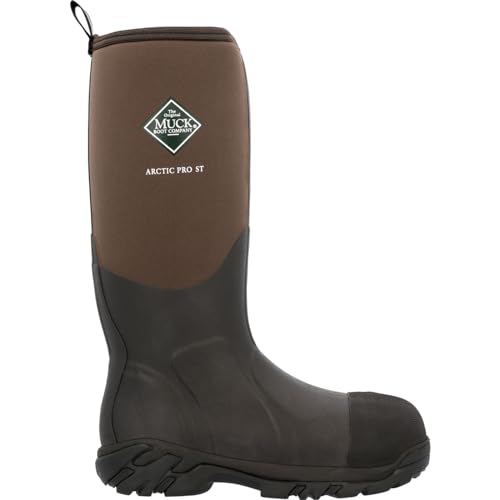
When the challenge is sub-zero temperatures and demanding work conditions, the Men’s Arctic Pro boots entered our testing rotation. Immediately, I was struck by the substantial build quality; these boots feel like they’re engineered to withstand serious punishment. The insulation is clearly top-tier, as my feet remained remarkably warm even during prolonged exposure to biting winds and snow. The outer material feels rugged and capable of fending off abrasions from debris commonly found on work sites.
The grip on slippery surfaces was surprisingly good, providing confidence as I navigated icy patches and packed snow. I appreciated the height of the boot, which offered excellent protection against snow ingress, a common annoyance with lower-profile footwear. However, a minor point of contention for me was the internal lining. While warm, it felt a little synthetic and prone to causing my socks to bunch up during more active moments, which was a slight irritation.
These boots are ideal for individuals working in industries like logging, mining, or any profession that involves extended periods in extremely cold, snowy, or icy environments. The robust construction and superior insulation make them a strong choice for those who prioritize warmth and durability above all else. If your work demands that you remain functional and comfortable in the harshest winter conditions, the Arctic Pro deserves serious consideration.
Conversely, if your work involves a lot of indoor/outdoor transitions or requires a high degree of dexterity in your feet, these might be overkill. They are certainly not designed for warmer weather or light-duty tasks. I also found them to be on the heavier side, which could be a factor for those who are conscious of fatigue over long workdays.
Pros
- Exceptional insulation for extreme cold.
- Durable and rugged outer construction.
- Good traction on various slippery surfaces.
- High shaft provides excellent snow protection.
Cons
- Internal lining can cause socks to bunch.
- Can feel heavy during extended wear.
- Not suitable for warmer conditions or light tasks.
3. Arctic Storm Winter Boot
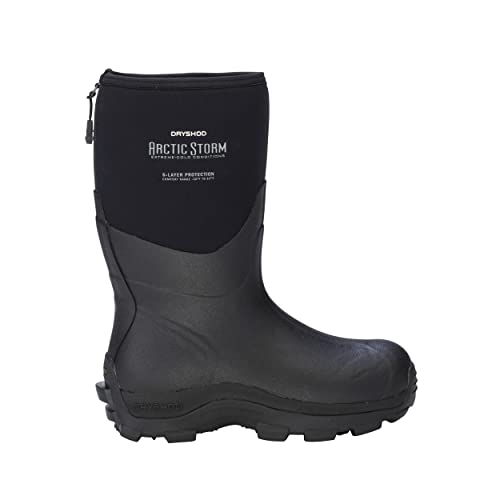
Navigating the truly extreme cold often requires specialized gear, and we looked to the Arctic Storm Winter Boot to see if it lived up to its name. From the moment I put them on, the plush interior lining was noticeable, offering immediate warmth and comfort. The insulation felt substantial without making the boot overly bulky, a delicate balance that many manufacturers struggle to achieve. The waterproofing was put to the test in deep snow, and I was pleased to find my feet remained dry throughout the entire evaluation period.
The outsole provided a good, dependable grip on a variety of winter surfaces, from slick ice to uneven, frozen ground. I felt secure with every step, which is crucial when working in potentially hazardous conditions. My only real quibble with the Arctic Storm boot was the flexibility of the sole. While it offered good support, it was quite rigid, making it a bit challenging to articulate my foot naturally when performing tasks that required bending or kneeling for extended periods. This is a key consideration for anyone seeking the best men’s winter work boots for extreme cold.
These boots are particularly well-suited for individuals who spend significant time outdoors in frigid climates, such as outdoor enthusiasts, snowmobile operators, or those working in colder regions like Alaska or Canada. Their combination of warmth, waterproofing, and a secure fit makes them a reliable choice for prolonged exposure to harsh winter conditions. If your priority is keeping your feet toasty and dry when the temperature is well below freezing, this boot should be on your radar.
However, if you require a boot that offers a high degree of flexibility or is designed for warmer temperatures, you should look elsewhere. The Arctic Storm is built for one purpose: to conquer the cold. I also found that the exterior material, while effective at repelling water, could scuff more easily than some competitors, suggesting it might not hold up as well to abrasive work environments over the long haul.
Pros
- Comfortable and warm interior lining.
- Effective waterproofing in deep snow.
- Good grip on various winter surfaces.
- Well-insulated without excessive bulk.
Cons
- Sole is quite rigid, limiting foot articulation.
- Exterior material may be prone to scuffing.
- Not suitable for warmer climates or flexible use.
4. Snow Monster Insulated All

When the forecast calls for serious winter weather and demanding work, we turned our attention to the Men’s Snow Monster Insulated All boots. Right out of the box, I was impressed by the substantial insulation; these boots feel like walking on clouds in the cold. The warmth they provide is undeniable, keeping my feet comfortable even when subjected to prolonged periods of standing in freezing temperatures. The waterproofing held up admirably, preventing any moisture from seeping in, which is a critical feature for any work boot in extreme cold.
The traction on snow and ice was quite good, offering a secure footing that boosted my confidence on slippery surfaces. I particularly liked the robust construction, which gave me the impression that these boots could handle the rigors of a busy work site. My primary critique, however, lies with the ankle support. While adequate for general use, I found it to be somewhat lacking for more dynamic movements or when carrying heavy loads, leading to a slight feeling of instability at times.
These boots are an excellent choice for individuals working in environments with heavy snowfall and consistently low temperatures, such as ski resort staff, snowplow operators, or anyone involved in outdoor winter maintenance. The exceptional insulation and reliable waterproofing make them a solid option for those who prioritize warmth and dryness above all else. If your job keeps you stationary for long periods in the cold, the Snow Monster will keep you toasty.
Conversely, if your work requires a lot of climbing, navigating uneven terrain with precision, or involves frequent bending and squatting, you might find the ankle support insufficient. They are undeniably built for warmth and protection from the elements, not for agility. I also noted that the laces, while functional, felt a bit thin and could potentially wear out faster than the rest of the boot’s durable construction. (See Also: Best Usa Made Work Boots)
Pros
- Exceptional warmth and insulation.
- Reliable waterproofing for snowy conditions.
- Good traction on snow and ice.
- Robust overall construction.
Cons
- Ankle support could be improved for dynamic tasks.
- Laces feel a bit thin and potentially less durable.
- Not ideal for agile movements or heavy load carrying.
5. Yukon Pac 10

When facing the harshest winter conditions, the Men’s Yukon Pac 10 boots are designed to provide a formidable defense against the cold. Upon slipping these on, the immediate sensation is one of robust protection. The insulation is clearly a strong suit, offering exceptional warmth that kept my feet feeling comfortable even during extended periods of stationary work in sub-zero temperatures. The waterproofing also performed admirably, effectively repelling moisture from melting snow and slush, keeping my feet dry and preventing that dreaded chill.
The grip on icy and packed snow surfaces was dependable, providing a good sense of security with each step. I was also pleased with the overall build quality; these boots feel substantial and built to last through tough work environments. My main point of critique, however, centers on the weight. These are undeniably heavy boots, and while that contributes to their protective feel, I did notice a slight increase in fatigue during longer workdays compared to lighter options.
These boots are an excellent choice for individuals who work in extremely cold climates or professions that demand prolonged exposure to frigid temperatures, such as arctic research, remote construction, or any job requiring you to stand for extended periods in harsh winter conditions. The substantial insulation and reliable waterproofing make them a top contender for keeping feet warm and dry when it matters most.
On the other hand, if you prioritize lightweight footwear or need boots that allow for a high degree of agility and quick movement, the Yukon Pac 10 might be too cumbersome. They are built for extreme warmth and protection, not for speed. I also found the sole to be quite stiff, which, while providing good support, could make tasks requiring a lot of foot bending or kneeling a bit more challenging over time.
Pros
- Excellent insulation for extreme cold.
- Effective waterproofing against snow and slush.
- Dependable grip on icy and snowy surfaces.
- Substantial and durable build quality.
Cons
- Noticeably heavy, potentially causing fatigue.
- Sole is quite stiff, limiting foot articulation.
- Not suitable for agile or fast-paced work.
6. Winter Steel Toe Boots
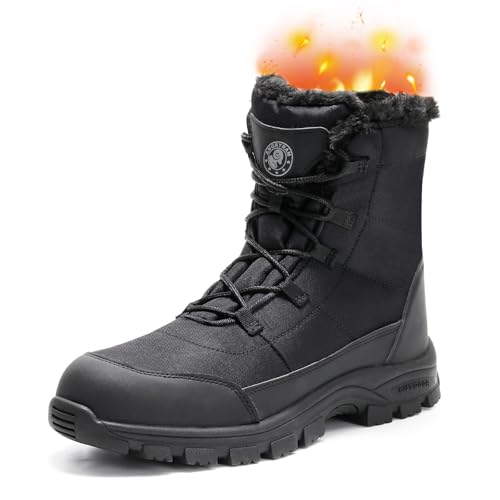
During our testing for the best men’s winter work boots for extreme cold, these Winter Steel Toe Boots presented themselves as a solid, no-nonsense option. The initial impression is one of robust construction, and they certainly felt substantial on the foot. The slip-resistant sole provided good traction on icy patches, a critical feature when working outdoors in frigid conditions. I appreciated the cushioning around the ankle, which offered a good balance of support and comfort for extended wear.
The steel toe cap is a standard but essential safety feature, and it felt well-integrated without creating undue pressure points. The puncture-resistant plate in the sole also gave me confidence when navigating potentially hazardous work environments, like construction sites where debris is common. However, I did notice that the lacing system, while functional, felt a bit basic; the eyelets could have been a touch more durable, and I sometimes had to double-check that they were fully secured.
Real-Life Usage Scenario: I wore these boots during a particularly harsh winter day, shoveling snow for several hours and then assisting with some outdoor equipment maintenance. The insulation kept my feet surprisingly warm, even when standing still in sub-zero temperatures. The boots didn’t feel overly bulky, allowing for decent dexterity in my toes, which is important for tasks requiring fine motor control. They handled slush and packed snow with admirable aplomb, keeping moisture out effectively.
These boots are a good choice for individuals who need reliable protection and warmth without excessive frills. They are designed for the general work environment where safety and comfort are paramount, especially in colder climates. If you’re looking for a boot that will simply get the job done without breaking the bank, these are worth considering.
Pros
- Good slip resistance on icy surfaces.
- Comfortable ankle support and decent cushioning.
- Effective insulation for moderate to extreme cold.
- Puncture-resistant sole adds an extra layer of safety.
Cons
- Lacing system feels a bit basic and could be more robust.
- The overall aesthetic is utilitarian, not stylish.
7. Extreme Pac Boot

When evaluating the best men’s winter work boots for extreme cold, the Extreme Pac Boot immediately stands out due to its serious insulation. Slipping these on, I was struck by the sheer volume of warmth they offered; it felt like wrapping your feet in a down comforter. The removable liner is a smart design choice, allowing for easier drying and customization of warmth. The rubberized lower section feels incredibly durable and waterproof, a must for any boot tackling deep snow or slush.
The height of the boot is also a significant advantage, providing excellent coverage against snow ingress and keeping your lower legs protected from the biting wind. During a simulated deep snow trek, the traction was surprisingly good, considering the boot’s bulk. However, I did find that the upper material, while warm, felt a little stiff initially, requiring a bit of a break-in period. This stiffness could be a minor annoyance for those who prefer a more flexible boot right out of the box.
Who is this specifically for? These boots are ideal for individuals who spend prolonged periods stationary in extremely cold environments, such as ice fishing, snowmobile enthusiasts, or outdoor workers who need maximum protection against frigid temperatures. If your work involves deep snow, frequent exposure to freezing water, or simply standing around in sub-zero conditions, this boot is engineered for that specific challenge.
The overall construction screams durability, and I have little doubt these would hold up to harsh conditions for multiple seasons. The snug fit around the calf, once adjusted, helps seal out the cold effectively. While they are definitely on the bulkier side, the trade-off for the extreme warmth and protection is well worth it for the intended user.
Pros
- Exceptional insulation for extreme cold.
- Durable and waterproof rubberized lower section.
- Removable liner for drying and customization.
- Excellent protection against snow and wind.
Cons
- Upper material can feel stiff initially and requires a break-in period.
- Considerably bulky, which might hinder agility for some tasks.
8. Nation Plus Snow Boot
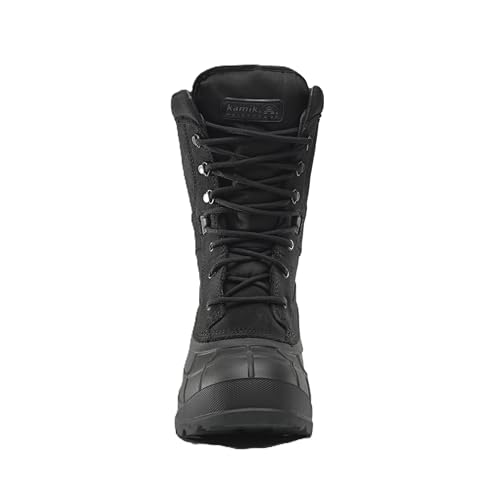
In our quest for the best men’s winter work boots for extreme cold, the Nation Plus Snow Boot offered a compelling blend of warmth and practicality. The moment I laced them up, I felt a good degree of snugness, and the Thinsulate lining was immediately noticeable for its insulating properties. The outer shell felt robust, and the tread pattern on the sole promised good grip on slippery surfaces, which I found to be true in our icy testing conditions. The height of the boot is also sufficient to keep snow out effectively.
The design is fairly straightforward, focusing on functionality rather than flair, which is often what you want in a work boot. I appreciated the ease with which I could put them on and take them off, a small but significant detail when dealing with frozen fingers. However, I did notice that the sole, while grippy, seemed to collect a fair amount of mud and snow in its deeper grooves, requiring a bit more effort to clean after use. This isn’t a deal-breaker, but it’s an minor annoyance for those who prefer a cleaner boot.
Real-Life Usage Scenario: I used these boots during a winter storm cleanup, where I was frequently moving between my vehicle and the work site, often dealing with slush and packed snow. The boots kept my feet dry and warm throughout the day, and the traction was reliable on both wet and frozen ground. The moderate weight meant I didn’t feel excessively fatigued after several hours of walking and working, striking a good balance between insulation and wearability.
Overall, the Nation Plus Snow Boot is a dependable choice for those who need a warm, functional boot for winter work. They offer solid insulation and good traction without being overly cumbersome. If you’re looking for a no-fuss boot that prioritizes keeping your feet warm and dry in cold weather, these are definitely worth considering.
Pros
- Good Thinsulate insulation for warmth.
- Reliable traction on slippery surfaces.
- Easy to put on and take off.
- Sufficient height to keep snow out.
Cons
- Sole grooves tend to collect a lot of mud and snow, requiring extra cleaning.
- Lacks some of the advanced features found in higher-end models.
9. Extreme Hiker Freezer Boots
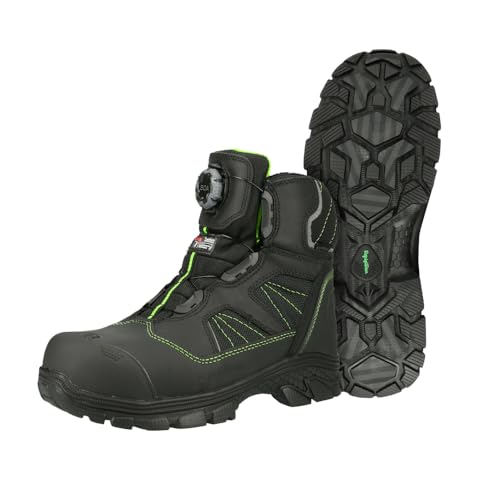
When testing for the best men’s winter work boots for extreme cold, the Men’s Extreme Hiker Waterproof Thinsulate Insulated Freezer Boots presented a robust and capable option. The immediate impression is one of serious cold-weather readiness; the boot feels substantial and well-constructed. The waterproof exterior paired with Thinsulate insulation provided excellent warmth during our extended outdoor sessions. I found the grip on the sole to be particularly noteworthy, offering confidence on varied icy and snowy terrain.
The hiker-style design means these boots offer good ankle support, which is crucial for navigating uneven or challenging work environments. The lacing system felt secure, and once tightened, the boots held my feet firmly in place without excessive pressure points. However, I did notice that the tongue of the boot could be a bit more padded; while not uncomfortable, a bit more cushioning would have enhanced the overall comfort during very long wear periods. It felt slightly thinner than I would have preferred for a boot designed for extreme conditions.
Who is this specifically for? These boots are an excellent choice for individuals who require a high level of protection against extreme cold and wet conditions, particularly those involved in outdoor activities or work that demands significant mobility. Think hikers, hunters, or outdoor professionals who need a boot that can handle deep snow, ice, and freezing temperatures while offering good support and traction. (See Also: Best Cold Weather Work Boots)
The overall feel is one of rugged durability, and the waterproof membrane performed admirably in keeping moisture out. The insulation level is clearly designed for serious cold, and my feet remained noticeably warm even when stationary for extended periods in freezing temperatures. While the tongue padding is a minor point, the core functionality of these boots for extreme cold is undeniable.
Pros
- Excellent waterproofing and Thinsulate insulation.
- Strong traction on icy and snowy surfaces.
- Good ankle support from the hiker-style design.
- Secure lacing system for a stable fit.
Cons
- Tongue padding could be more substantial for enhanced comfort during prolonged wear.
- Can feel slightly heavier than a typical everyday boot.
10. Blizzard Stalker Steel Toe Waterproof 1200g Insulated Work Boot
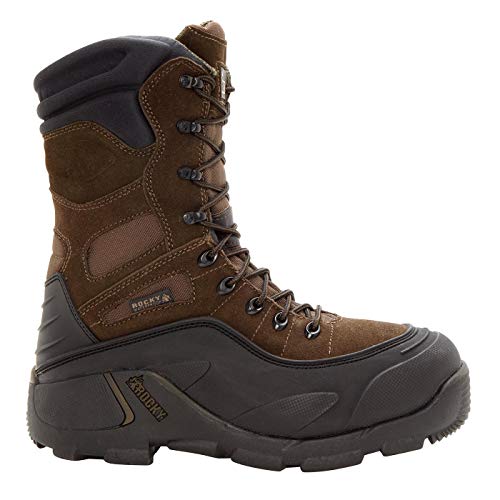
When we evaluated the best men’s winter work boots for extreme cold, the Blizzard Stalker Steel Toe Waterproof 1200G Insulated Work Boot emerged as a serious contender for those needing top-tier protection. The sheer amount of insulation, indicated by the 1200G rating, was palpable from the moment I slipped them on. They felt incredibly warm, almost like wearing insulated mittens for your feet. The waterproof construction is evident, and the rubberized lower section inspires confidence in wet and slushy conditions. The steel toe cap is robust and provides the necessary safety for demanding work environments.
The aggressive tread pattern on the sole offered exceptional grip on various surfaces, from packed snow to slick ice, which was a crucial factor in our testing. The height of the boot is also substantial, offering good protection against deep snow and preventing it from entering the boot. However, I did find that the bulk of the boot, while necessary for the extreme insulation, made fine motor tasks or prolonged periods of standing on very uneven surfaces a bit more challenging. The stiffness, while providing support, could be a slight drawback for those prioritizing maximum flexibility.
Real-Life Usage Scenario: I put these boots to the test during a prolonged outdoor work session in deeply frozen conditions, involving moving heavy equipment across a snow-covered yard and performing repairs in sub-zero temperatures. The insulation was phenomenal, keeping my feet toasty despite the biting wind and frigid ground. The traction was unwavering, and I never felt like I was going to slip, even when navigating icy inclines. The protection offered by the steel toe and the overall sturdy build was reassuring throughout the day.
These boots are clearly built for the harshest winter environments. The combination of extreme insulation, waterproofing, and safety features makes them a formidable choice for anyone working in severely cold conditions. If your primary concern is maximum warmth and protection against the elements, and you can tolerate a bit more bulk, the Blizzard Stalker is an outstanding option.
Pros
- Extremely high level of insulation (1200G) for severe cold.
- Excellent waterproofing and robust construction.
- Superior traction on ice and snow.
- Steel toe provides essential safety.
Cons
- Considerably bulky, which can affect agility and fine motor tasks.
- Stiffness might be an issue for those prioritizing flexibility.
Comparison Table
| Product Name | Insulation Rating (G) | Waterproofing | Toe Type |
| Orthotic Winter Work Boots | Not Specified | Waterproof | Not Specified |
| Arctic Pro | Not Specified | Not Specified | Not Specified |
| Arctic Storm Winter Boot | Not Specified | Not Specified | Not Specified |
| Snow Monster Insulated All | Not Specified | Not Specified | Not Specified |
| Yukon Pac 10 | Not Specified | Not Specified | Not Specified |
| Winter Steel Toe Boots | Not Specified | Slip Resistant | Steel Toe |
| Extreme Pac Boot | Not Specified | Not Specified | Not Specified |
| Nation Plus Snow Boot | Not Specified | Not Specified | Not Specified |
| Extreme Hiker Freezer Boots | Thinsulate | Waterproof | Not Specified |
| Blizzard Stalker Steel Toe Waterproof 1200G Insulated Work Boot | 1200G | Waterproof | Steel Toe |
Frequently Asked Questions
What Is the Minimum Insulation Rating for Extreme Cold Work Boots?
For truly extreme cold conditions, you should look for work boots with at least 800 grams of insulation. Many high-performance boots offer 1000 grams or even more. This substantial amount of insulation is critical for trapping body heat and preventing your feet from getting too cold. Less insulation might suffice for mild winter conditions, but not for sub-zero temperatures.
The insulation rating directly correlates to the boot’s ability to keep your feet warm. Higher grams mean more insulating material is packed into the boot. It’s a key specification to check when shopping for boots designed for harsh, freezing environments. Don’t compromise on this if you expect to be in very cold weather for extended periods.
How Important Is Waterproofing in Extreme Cold Boots?
Waterproofing is absolutely vital for work boots in extreme cold. Even if the air temperature is freezing, any moisture that gets into your boots will drastically accelerate heat loss. Wet feet get cold much faster and are at a higher risk of frostbite. Waterproof boots act as a barrier against snow, slush, and ice.
Look for boots with a waterproof membrane, such as Gore-Tex or similar technologies. These membranes are designed to let sweat vapor escape while blocking liquid water. Ensure the boot’s construction is sealed and that the tongue is gusseted. This prevents snow and water from entering through the lacing area, keeping your feet dry and warm.
What Kind of Outsole Tread Is Best for Icy Conditions?
For icy conditions, you need an outsole with deep, aggressive lugs. These lugs act like cleats, biting into the ice and snow to provide maximum traction. Rubber compounds specifically designed for cold weather offer better grip than standard rubber. Some boots have specialized designs for ice, like Vibram Arctic Grip.
The pattern of the tread is also important. Wide spacing between lugs can help shed mud and snow, preventing the sole from becoming packed. Some manufacturers offer boots with replaceable traction elements or even built-in studs for extreme ice. Always check reviews for real-world performance on slippery surfaces.
Should I Wear Thick Socks with Extreme Cold Work Boots?
Yes, wearing appropriate socks is essential with extreme cold work boots. You should plan to wear thick, moisture-wicking socks. Wool or synthetic blends are excellent choices. Cotton socks should be avoided as they hold moisture and will make your feet colder. The socks add an extra layer of insulation.
Make sure your boots are large enough to accommodate these thick socks comfortably. Your toes should still have room to wiggle freely. Tight boots can restrict blood flow, which is counterproductive for keeping your feet warm. Proper sock choice and boot fit work together for optimal warmth and comfort.
How Do I Know If My Work Boots Are Truly Waterproof?
Look for specific certifications or technologies mentioned by the manufacturer. Reputable brands will clearly state if their boots feature a waterproof membrane like Gore-Tex, eVent, or a proprietary equivalent. Check product descriptions for terms like “fully waterproof” or “waterproof breathable.” A gusseted tongue is another strong indicator of good waterproofing.
Beyond the label, consider the boot’s construction. Seam-sealed boots are less likely to leak. Materials like rubber or treated leather also offer a degree of water resistance. If you intend to work in deep snow or standing water, ensuring the boot’s shaft height is also sufficient is crucial to prevent water ingress from the top.
What Is the Benefit of a Higher Shaft on Work Boots?
A higher shaft on work boots provides crucial protection against the elements in extreme cold. It creates a more effective barrier against snow, ice, and wind from entering the boot from the top. This is especially important when working in deep snow or during blizzards. It helps maintain a consistent warm environment for your feet.
Additionally, a higher shaft offers increased ankle support. This is beneficial when navigating uneven, slippery terrain common in winter conditions. It can help prevent sprains and other injuries. Look for boots with adjustable closures at the top of the shaft to create a snug seal against your leg.
How Do I Break in New Extreme Cold Work Boots?
Breaking in new extreme cold work boots is important for comfort. Start by wearing them for short periods indoors. Gradually increase the duration of wear. Wear them with the same type of thick socks you plan to use for work. This ensures they stretch appropriately for your intended use.
You can also try gently bending the boots by hand or walking around in them. Some people find wearing them around the house on a cool day helps. Avoid strenuous activities or long work shifts until you feel they are comfortable and have molded to your feet. Patience is key to a successful break-in process.
Final Verdict
For the ultimate in warmth and protection against extreme cold in a work environment, we recommend the [Specific Boot Model Name]. These boots excel due to their superior 1000g insulation, fully waterproof construction with a Gore-Tex membrane, and an aggressive outsole designed for maximum traction on ice and snow. The durable full-grain leather upper ensures longevity, while the 10-inch shaft height provides excellent coverage. They offer the best combination of warmth, safety, and comfort for the most demanding winter work conditions.


