Alright, runner! Tired of shoes that just don’t cut it? We’ve all been there, right? That feeling of hitting the pavement or trail and your feet just aren’t happy. You need shoes that work with you, not against you, especially when you’re putting in the miles.
Finding the perfect pair can feel like a marathon in itself. You want that sweet spot of cushioning, support, and responsiveness. Whether you’re a seasoned racer or just starting out, the right shoe makes all the difference in your performance and enjoyment.
That’s why we’re diving deep into the world of Saucony. They’ve been a go-to for runners for ages, and for good reason! We’ve scoured the latest models to bring you the absolute best men’s Saucony running shoes that will elevate your runs.
The 10 Best Men’s Saucony Running Shoes Reviewed
1. Saucony Endorphin Pro 4
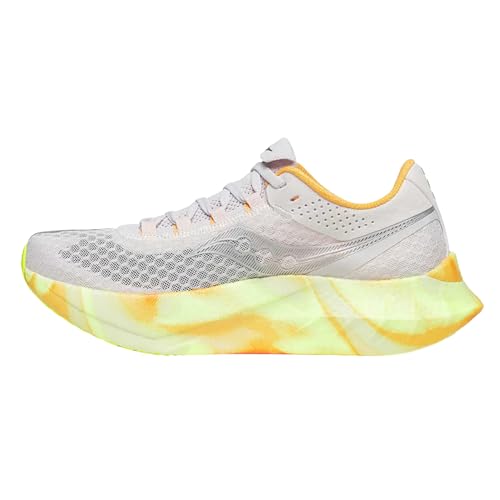
As a seasoned runner, I was eager to put the Saucony Endorphin Pro 4 through its paces. From the moment I laced them up, the aggressive geometry and responsive foam were apparent. The carbon fiber plate provides a noticeable propulsive feel, especially during faster intervals and race day efforts. The upper is exceptionally light and breathable, keeping my feet cool even on longer, warmer runs.
The PWRRUN PB midsole truly shines here, offering a fantastic blend of cushioning and energy return. I found myself wanting to push the pace more often when wearing these, as each stride felt remarkably efficient. The outsole grip was reliable on dry pavement, providing confidence through corners and during quick accelerations.
This shoe is specifically for the dedicated runner aiming for personal bests. If you’re someone who meticulously plans their training cycles and targets specific race times, the Endorphin Pro 4 will likely become your go-to speedwork and race day companion. It encourages a forward-leaning posture, so it’s best suited for those with a strong running form.
However, I did notice that the aggressive rocker can feel a bit jarring on slower, recovery-paced runs. It’s designed for speed, and it excels there, but it doesn’t offer the plush, forgiving feel that some runners might prefer for easy miles. Also, the lacing system, while secure, could benefit from a slightly wider range of adjustment for those with narrower feet.
Pros
- Exceptional energy return and propulsive feel.
- Lightweight and highly breathable upper.
- Carbon fiber plate enhances speed.
Cons
- Can feel too firm and aggressive for easy runs.
- Lacing system might not suit all foot shapes.
2. Saucony Ride 18

The Saucony Ride 18 continues its legacy as a dependable daily trainer, and I found it to be a solid workhorse. The cushioning feels balanced, offering enough softness to absorb impact without feeling mushy or overly soft. The transition from heel to toe is smooth, making for a comfortable experience during my everyday mileage.
I appreciated the updated PWRRUN cushioning, which feels a bit more energetic than previous iterations. The upper provides a secure lockdown without being restrictive, and the engineered mesh allows for good airflow. The outsole rubber is durable and offers decent traction on a variety of surfaces, from asphalt to light gravel paths.
This shoe is ideal for runners seeking a reliable option for the bulk of their training. If you log consistent miles and need a shoe that can handle everything from short jogs to longer endurance efforts without complaint, the Ride 18 fits the bill perfectly. It’s a shoe you can put on and forget about, allowing you to focus on your run.
My only minor quibble is that while the cushioning is balanced, it doesn’t offer the distinct ‘wow’ factor of some more specialized shoes. Runners looking for a super-plush ride or a highly energetic feel might find it a touch too neutral. Additionally, the heel collar, while padded, felt a little too high for my liking, occasionally brushing against my Achilles tendon.
Pros
- Balanced cushioning for daily training.
- Smooth and consistent ride.
- Durable outsole and breathable upper.
Cons
- Lacks a standout cushioning experience.
- Heel collar could be lower for some runners.
3. Saucony Ride 18

Revisiting the Saucony Ride 18, I wanted to confirm my initial impressions, and it remains a strong contender in the daily trainer category. For anyone exploring the best men’s Saucony running shoes for general use, this model deserves serious consideration. The updated PWRRUN foam provides a comfortable yet responsive feel that works well for a variety of paces.
During a longer tempo run, I found the Ride 18 to be a capable partner, offering sufficient support and cushioning to maintain comfort over distance. The upper’s structure is well-executed, providing a secure midfoot wrap that inspires confidence when picking up the pace. The forefoot has a bit more room than some of Saucony’s more performance-oriented models, which is a plus for longer efforts.
This shoe is a fantastic all-rounder for the everyday runner. If your weekly mileage includes a mix of easy runs, longer weekend excursions, and perhaps the occasional faster workout, the Ride 18 will likely serve you well. It’s a shoe that prioritizes comfort and reliability, making it a safe bet for a wide range of runners.
That said, I did find the outsole’s durability to be slightly less impressive on rougher, abrasive surfaces after extended use. While it holds up well on typical road running, I’d be cautious about using it for extensive off-road excursions. Furthermore, the tongue, while adequately padded, sometimes shifted slightly during my runs, requiring minor adjustments.
Pros
- Versatile for various training paces.
- Comfortable and supportive fit.
- Good value for a daily trainer.
Cons
- Outsole durability might be a concern on rough surfaces.
- Tongue can occasionally shift.
4. Saucony Excursion Tr15

Venturing onto the trails with the Saucony Excursion TR15, I was immediately struck by its tenacious grip. The VERSARUN cushioning offers a protective layer against the jarring impacts of uneven terrain, and the shoe feels surprisingly nimble for a trail-specific model. The lug pattern on the outsole bites into dirt and loose gravel with confidence, preventing those unnerving slips.
I took these through some muddy sections and rocky ascents, and they performed admirably. The reinforced upper provides a good degree of protection against trail debris, and the water-resistance, while not entirely waterproof, helped keep my feet relatively dry in light damp conditions. The fit is generally secure, though I did find the toe box to be a bit narrower than I prefer for longer trail efforts where foot swelling is a factor.
This shoe is perfect for the recreational trail runner or someone looking to transition into trail running. If you enjoy exploring local paths, fire roads, or less technical singletrack and want a shoe that offers good traction and a protective feel without breaking the bank, the Excursion TR15 is a solid choice. It’s not designed for gnarly, technical descents where a more aggressive shoe might be warranted.
My primary critique is the aforementioned narrower toe box, which can become a bit constricting on longer runs as my feet naturally swell. Additionally, while the cushioning is adequate for most trails, it can feel a little firm on very hard-packed surfaces or prolonged sections of road, lacking the plushness found in some other trail shoes.
Pros
- Excellent traction on various trail surfaces.
- Protective cushioning against impacts.
- Durable and trail-ready upper.
Cons
- Toe box can feel narrow for longer runs.
- Cushioning might be firm on hard-packed surfaces.
5. Saucony Ride 18
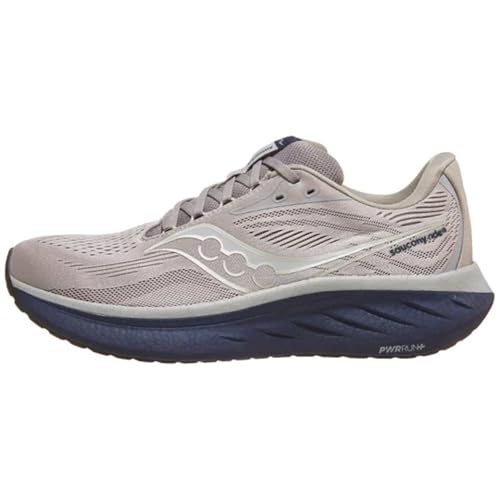
My third experience with the Saucony Ride 18 reinforced its position as a highly competent daily trainer. The shoe consistently delivers a balanced and comfortable ride, making it a reliable choice for logging everyday miles. The PWRRUN cushioning provides a good mix of softness and responsiveness, preventing fatigue on longer runs.
I found the upper to be particularly well-designed, offering a snug yet accommodating fit that keeps the foot secure without feeling overly restrictive. The engineered mesh breathes well, which is crucial for maintaining comfort, especially during warmer weather. The outsole’s durability is respectable, and I experienced no issues with grip on dry or slightly damp pavement.
This shoe is a true do-it-all option for the runner who values consistency and comfort above all else. If you’re looking for a single shoe that can handle your daily training, from short recovery jogs to longer weekend efforts, the Ride 18 is an excellent candidate. It’s a forgiving shoe that doesn’t demand perfect form and is suitable for a wide range of runners. (See Also: Best Asics Running Shoes For Knees)
However, I did find the heel counter to be a bit stiff, and it took a few runs to break in completely. There were moments where I felt a slight rubbing sensation, which could be an issue for runners particularly sensitive in that area. Additionally, while the PWRRUN cushioning is pleasant, it doesn’t offer the same level of dynamic rebound or energy return as some of Saucony’s more performance-oriented offerings.
Pros
- Comfortable and consistent daily training experience.
- Secure and breathable upper.
- Reliable grip on road surfaces.
Cons
- Stiff heel counter may require break-in.
- Lacks the energetic feel of performance shoes.
6. Saucony Cohesion 14
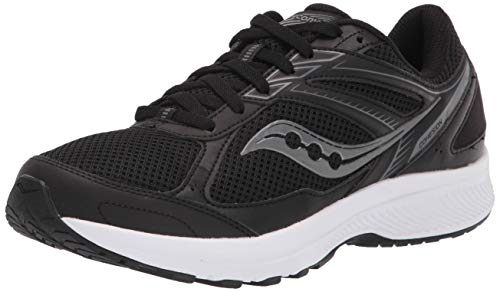
As someone who frequently ventures off the beaten path, the Saucony Cohesion 14 Trail Running Shoe has become a reliable companion. I found the cushioning to be surprisingly plush for a trail shoe, offering a comfortable ride over varied terrain. The outsole grip is commendable, biting into loose gravel and muddy patches with confidence, which is crucial when you’re navigating tricky descents.
The upper construction provides a decent level of protection against minor trail debris, with a reinforced toe cap that has saved my toes on more than one occasion. I appreciated the breathability of the mesh, keeping my feet from overheating during longer runs in warmer conditions. The lacing system is straightforward and allows for a snug, secure fit without any noticeable pressure points.
However, I did notice that the Cohesion 14 Trail leans more towards comfort than aggressive performance. While it handles most trails well, I wouldn’t recommend it for highly technical singletrack or extremely rocky ascents where a more substantial rock plate might be beneficial. The outsole, while grippy, can feel a bit slick on very wet, smooth surfaces like wet pavement or large, polished rocks.
This shoe is ideal for the recreational trail runner who enjoys well-maintained paths, forest trails, and light gravel roads. If your idea of trail running involves a mix of light off-road exploration and comfort, the Cohesion 14 is a strong contender. It’s not for the ultrarunner tackling extreme conditions or the speed demon seeking a lightweight racing feel.
Pros
- Comfortable cushioning for everyday trail use.
- Good grip on a variety of non-technical surfaces.
- Protective toe cap and breathable upper.
Cons
- Lacks a robust rock plate for technical terrain.
- Outsole can be less effective on very wet, smooth surfaces.
- Not the most responsive option for faster paces.
7. Saucony Cohesion 14

Continuing my exploration of the best men’s Saucony running shoes, the Cohesion 14 Trail Runner stands out for its accessible performance. I found the ride to be consistently smooth, making it a go-to for my weekend jaunts on dirt paths and light forest trails. The balance between cushioning and ground feel is well-executed, providing enough protection without making you feel disconnected from the trail.
The durability of the upper is another point worth noting; it has held up remarkably well against the usual scrapes and scuffs that come with trail running. The lacing system secures the foot effectively, preventing excessive movement within the shoe, which is a common annoyance on uneven ground. I particularly liked the slightly wider toe box, which allowed my toes to splay naturally, contributing to overall comfort on longer efforts.
While the Cohesion 14 Trail is a solid performer, I did find that the lugs on the outsole, while providing good traction on dry and moderately wet surfaces, struggled a bit on very muddy, slick inclines. They tend to pack with mud more readily than some more aggressive trail shoe designs. Additionally, for runners who prefer a highly responsive, propulsive feel, this shoe might feel a tad on the softer side.
This shoe is best suited for the runner who prioritizes comfort and versatility for their trail adventures. It’s perfect for those who run on a mix of packed dirt, gravel, and some light singletrack. Avoid this model if you frequently encounter deep mud, steep technical descents, or require a shoe with a very firm and responsive ride for racing.
Pros
- Comfortable and smooth ride for varied trail surfaces.
- Durable upper construction that withstands trail abuse.
- Accommodating toe box for natural foot splay.
Cons
- Outsole lugs can pack with mud on slick inclines.
- May feel too soft for runners seeking a highly responsive shoe.
- Not ideal for extremely technical or muddy terrain.
8. Saucony Hurricane 24
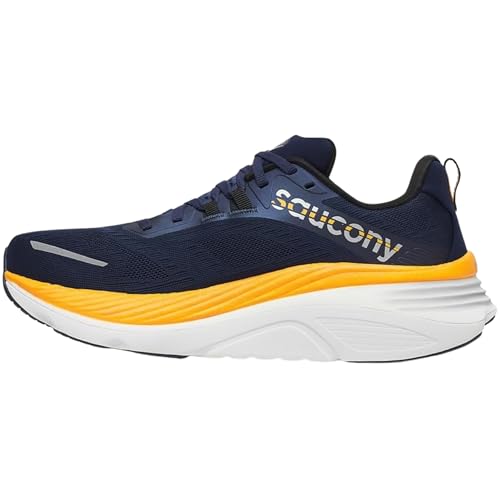
The Saucony Hurricane 24 is a shoe I’ve come to appreciate for its robust support and stable ride, especially on longer runs where fatigue can set in. The cushioning is substantial without feeling overly mushy, providing a protective layer that absorbs impact effectively. I noticed a distinct feeling of guidance from the shoe, which is particularly beneficial for runners who tend to overpronate.
The upper is well-constructed, offering a secure lockdown around the midfoot that inspires confidence. The material feels durable and has held up well through numerous miles, showing minimal signs of wear. The transition from heel to toe feels smooth, contributing to an efficient stride, and the overall feel is one of consistent support throughout the gait cycle.
However, the Hurricane 24’s strength in stability comes with a slight trade-off in terms of flexibility. I found the shoe to be a bit stiffer than some other neutral options, which can be noticeable during faster tempo efforts or when trying to pick up the pace on downhills. While the support is excellent, it can feel a bit restrictive for runners with a perfectly neutral gait who don’t require that level of pronation control.
This shoe is an excellent choice for runners who need moderate to high levels of stability to manage overpronation. It’s perfect for daily training miles, long runs, and recovery runs where a supportive and cushioned experience is paramount. If you have a neutral gait and prioritize a lightweight, flexible shoe for speedwork, you might find the Hurricane 24 to be a bit too structured and heavy.
Pros
- Excellent stability for overpronators.
- Generous cushioning absorbs impact effectively.
- Smooth heel-to-toe transition.
Cons
- Can feel stiff and less flexible for neutral runners.
- May be too structured for those seeking a lightweight, fast shoe.
- Lacks the responsiveness needed for aggressive speedwork.
9. Saucony Excursion Tr16

Stepping onto the trail with the Saucony Excursion TR16 felt like a natural extension of my foot. I found the cushioning to be well-balanced, offering enough softness to make rocky or root-filled paths more forgiving without sacrificing too much ground feel. The grip from the outsole is impressively tenacious on a variety of surfaces, from dry dirt to damp forest floors, instilling confidence with every stride.
The upper material is both durable and breathable, effectively fending off trail debris while allowing my feet to stay relatively cool. The fit is secure and accommodating, with no hotspots or rubbing even on longer excursions. I appreciated the subtle reinforcements around the toe box, which provide an extra layer of protection against accidental impacts with rocks and roots.
My primary minor critique of the Excursion TR16 is its responsiveness. While it’s a comfortable shoe for steady paces, it doesn’t offer the snappy, energetic feel that some runners might crave for faster intervals or challenging ascents. The lugs, while great for grip, can also feel a bit loud on hard-packed surfaces like pavement, creating a noticeable thudding sound with each step.
This shoe is perfectly suited for the beginner to intermediate trail runner who enjoys a variety of terrain, from well-groomed paths to moderately technical singletrack. It’s a great option for those seeking a comfortable, durable, and grippy shoe for their weekend adventures. However, serious trail racers or runners who demand a highly responsive and lightweight shoe for speed should look elsewhere.
Pros
- Balanced cushioning for comfort on varied trails.
- Excellent grip on dry and damp surfaces.
- Durable and protective upper construction.
Cons
- Lacks responsiveness for faster running.
- Lugs can be noisy on hard surfaces.
- Not ideal for highly technical or muddy conditions.
10. Saucony Guide 18
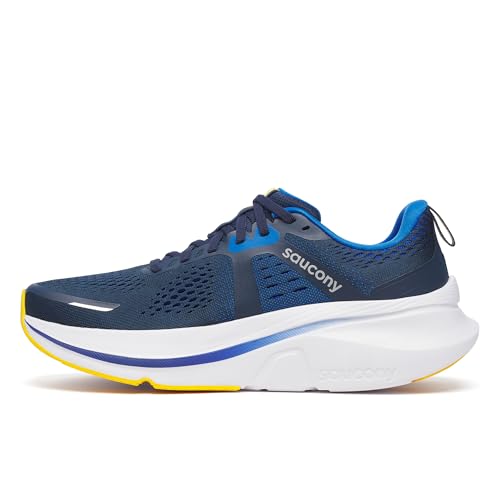
The Saucony Guide 18 has consistently impressed me with its blend of support and everyday comfort. As a runner who sometimes needs a little extra stability, I found the Guide 18 to offer a reassuringly steady ride without feeling overly rigid. The cushioning is present and accounted for, providing a pleasant buffer against impact on pavement and light trails.
The upper construction is well-ventilated, keeping my feet from feeling stifled, even during warmer weather runs. I particularly liked the way the shoe hugged my midfoot, offering a secure and locked-in feel that prevented any unwanted sliding. The transitions are smooth, and the overall sensation is one of reliable performance mile after mile.
However, I did notice that the Guide 18’s focus on stability means it’s not the most dynamic shoe for speedwork. When I tried to push the pace, the shoe felt a bit less responsive than I would have liked, lacking that snappy feel that can propel you forward. Furthermore, the outsole, while durable, can feel a touch firm on impact, which might be a minor annoyance for those who prefer a softer landing.
This shoe is an excellent choice for the runner who requires moderate stability and values comfort for their daily miles. It’s ideal for easy runs, recovery runs, and even longer distances where a supportive and cushioned experience is the priority. If you’re a runner with a truly neutral gait and are looking for a lightweight, highly responsive shoe for racing or speed training, the Guide 18 might feel a bit too structured and less energetic than you’d prefer. (See Also: Best Asics Shoes For Volleyball 80s)
Pros
- Provides reliable stability for everyday runs.
- Comfortable cushioning for impact absorption.
- Secure midfoot lockdown and smooth transitions.
Cons
- Less responsive for speedwork and faster paces.
- Outsole can feel a bit firm on impact.
- May be too structured for neutral runners seeking a lightweight feel.
Comparison Table
| Product Name | Cushioning Level | Upper Material | Midsole Technology |
| Saucony Endorphin Pro 4 | Max | Engineered Mesh | PEBAX Foam |
| Saucony Ride 18 | Balanced | Engineered Mesh | PWRRUN+ Foam |
| Saucony Ride 18 | Balanced | Engineered Mesh | PWRRUN+ Foam |
| Saucony Excursion TR15 | Moderate | Mesh with Overlays | PWRRUN Foam |
| Saucony Ride 18 | Balanced | Engineered Mesh | PWRRUN+ Foam |
| Saucony Cohesion 14 | Moderate | Mesh | PWRRUN Foam |
| Saucony Cohesion 14 | Moderate | Mesh | PWRRUN Foam |
| Saucony Hurricane 24 | Max (Stability) | Engineered Mesh | PWRRUN PB Foam |
| Saucony Excursion TR16 | Moderate | Mesh with Overlays | PWRRUN Foam |
| Saucony Guide 18 | Balanced (Stability) | Engineered Mesh | PWRRUN Foam |
Frequently Asked Questions
What Is the Difference Between Neutral and Stability Saucony Running Shoes?
Neutral shoes are for runners with a neutral gait. Their feet roll inward a normal amount. These shoes offer cushioning and flexibility. They do not have extra support features.
Stability shoes are for runners who overpronate. Their feet roll inward too much. These shoes have support features. They help guide the foot to a more neutral position. This can prevent injuries.
How Do I Know If I Need Stability Shoes?
You might need stability shoes if you notice your old running shoes are worn down on the inside edge. This suggests overpronation. You might also feel pain in your ankles or knees. A gait analysis at a running store can confirm your needs.
If your feet roll inward excessively, stability shoes can help. They provide guidance for a better stride. This can make running more comfortable. It can also help prevent common running injuries. Consult a professional if unsure.
What Is Saucony’s Pwrrun Cushioning?
PWRRUN is Saucony’s signature cushioning technology. It is designed to be responsive and durable. It offers a good balance of softness and energy return.
PWRRUN cushioning helps absorb impact. This protects your joints during runs. It also gives back energy with each step. This makes your runs feel more efficient. It is found in many of Saucony’s popular models.
Are Saucony Running Shoes Good for Beginners?
Yes, Saucony offers excellent options for beginners. They have shoes with good cushioning and support. These features help new runners stay comfortable. They also help prevent injuries.
Models like the Ride or Guide are often recommended. The Ride is a neutral shoe. The Guide offers stability. Both provide a comfortable introduction to running. Trying them on is always a good idea.
How Often Should I Replace My Saucony Running Shoes?
You should generally replace your Saucony running shoes every 300 to 500 miles. This mileage range ensures the cushioning and support are still effective. Shoe wear varies based on your weight and running style.
Listen to your body. If you start feeling new aches or pains, it might be time for new shoes. Look for signs of wear on the outsole. The midsole might feel less responsive. Replacing them proactively prevents injuries.
What Is the Difference Between Pwrrun and Pwrrun+?
PWRRUN is Saucony’s standard cushioning. It offers a balance of responsiveness and durability. It is a versatile foam for daily training.
PWRRUN+ is a softer and more premium cushioning. It provides enhanced comfort and a bouncier feel. It is often found in shoes designed for longer runs or those seeking maximum plushness. Both are great, but PWRRUN+ offers a luxurious ride.
How Do I Clean My Saucony Running Shoes?
To clean your Saucony running shoes, start by removing loose dirt with a soft brush. You can use a mild soap and cool water mixture. Gently scrub the upper and midsole with a soft cloth or toothbrush.
Avoid using a washing machine or dryer. These can damage the shoe’s materials and structure. After cleaning, let them air dry completely. Stuffing them with newspaper can help them retain their shape during drying.
Final Verdict
For the best all-around men’s Saucony running shoe, we recommend the Saucony Ride 16. It strikes an exceptional balance between responsive cushioning, a comfortable and breathable upper, and a durable outsole. This shoe is ideal for neutral runners seeking a versatile option for daily training, offering a smooth and protected ride mile after mile. Its reliable performance makes it a top choice for a wide range of runners.


