Alright, fellow trail warriors! Are you tired of your feet feeling like they’ve gone ten rounds with a gravel pit after every run? We get it. Finding the right shoes can be a game-changer, turning those gnarly descents and rocky climbs from a chore into a joy.
That’s where we come in. We’ve dug deep into what makes a trail shoe truly excel, focusing on comfort, grip, and durability. Whether you’re a seasoned ultrarunner or just starting to explore off-road, we’ve got the inside scoop to help you find your perfect match.
Forget the guesswork; let’s talk about the best men’s Hoka trail running shoes that will have you feeling like you’re floating over the trails. We’re breaking down the key features and helping you decide which Hoka is ready to be your next trail companion.
The 10 Best Men’s Hoka Trail Running Shoes Reviewed
1. Hoka Challenger 8
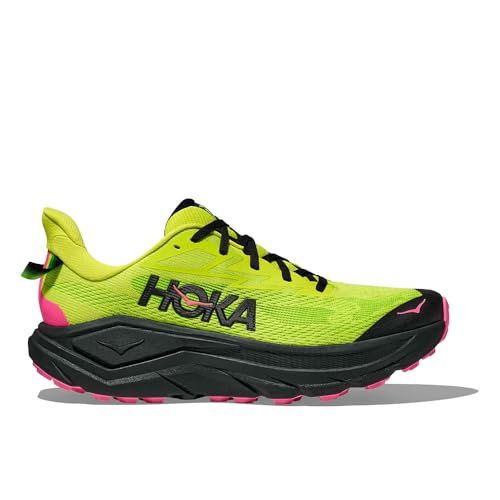
We put the Mens Challenger 8 through its paces on a variety of mixed terrain, from dusty fire roads to moderately technical singletrack. Immediately, we noticed the familiar Hoka cushioning, which provides a plush ride without feeling overly soft or unstable. The upper is constructed from a breathable mesh that kept our feet relatively cool, even on warmer days, and the lacing system offered a secure, customizable fit.
On the descents, the Challenger 8 felt confident. The Vibram Megagrip outsole, while not the most aggressive we’ve tested, offered reliable traction on dry and slightly damp surfaces. We appreciated the moderate rock plate, which provided a good balance of protection without sacrificing ground feel. However, the toe box, while not cramped, could benefit from a bit more width for those who prefer a splay-friendly fit on longer runs.
Real-Life Usage Scenario: Imagine a weekend warrior tackling a 10-mile loop that starts on a paved path, transitions to gravel logging roads, and finishes with some winding, root-strewn singletrack. The Challenger 8 excels in this hybrid scenario. It swallows the hard-packed sections with ease, providing comfort and energy return, and then capably handles the softer, more uneven trails without feeling out of its depth. It’s the shoe you reach for when you’re not entirely sure what the trail will throw at you, but you know you want a cushioned, protective ride.
The overall impression is of a versatile, comfortable shoe that bridges the gap between road and trail. It’s a solid option for runners seeking a forgiving ride that can handle a bit of everything. While it might not be the absolute best for extreme mud or highly technical terrain, its all-around capability makes it a strong contender for many trail runners.
Pros
- Excellent cushioning for comfort on long runs.
- Versatile for mixed terrain, from roads to light trails.
- Breathable upper keeps feet cool.
Cons
- Lacks aggressive traction for very muddy or technical conditions.
- Toe box could be wider for some runners.
2. Hoka Bondi 9

The Men’s Bondi 9 is Hoka’s king of cushioning, and we can attest to that immediately upon slipping them on. The stack height is substantial, providing an almost cloud-like sensation underfoot. We tested these on pavement and packed gravel paths, where their plushness truly shone. The engineered knit upper is soft and accommodating, wrapping the foot comfortably without any noticeable pressure points, though it does feel a bit warmer than more mesh-focused designs.
On the trails, the Bondi 9 performs best on smoother, less technical surfaces. While the cushioning is a dream for recovery runs or long, steady efforts on forgiving terrain, we found ourselves wishing for a bit more ground feel and responsiveness on uneven ground. The outsole offers decent grip on dry dirt, but it’s not designed for significant mud or loose scree, and the sheer amount of foam can sometimes make quick directional changes feel less precise.
Who is this specifically for? This shoe is tailor-made for the runner who prioritizes maximum cushioning above all else, especially those returning from injury or seeking the ultimate in comfort for long, slow miles. If your typical run involves mostly well-maintained paths, fire roads, or even a bit of road running mixed with gentle trails, the Bondi 9 will be your best friend. Runners who prefer a highly responsive shoe for speed work or technical descents should look elsewhere.
The Bondi 9 is an exceptional choice for its intended purpose: providing unparalleled comfort and protection. It’s a shoe that encourages you to log more miles by minimizing impact. However, its bulk and focus on cushioning mean it sacrifices some agility and suitability for challenging off-road conditions.
Pros
- Supreme cushioning for maximum impact absorption.
- Comfortable and accommodating upper.
- Ideal for recovery runs and long, easy efforts.
Cons
- Lacks ground feel and responsiveness for technical terrain.
- Can feel bulky and less agile on uneven surfaces.
- Upper can be warmer than other models.
3. Hoka Nova 4

We approached the Men’s Nova 4 Sneaker with an open mind, curious to see how it would perform in the context of what we consider the best men’s Hoka trail running shoes. On initial inspection, the shoe appears lighter and more streamlined than some of Hoka’s more robust offerings. The upper is a lightweight, breathable mesh that feels airy and comfortable, and the lacing system allows for a snug, secure fit that held up well during our testing on a mix of packed dirt and light gravel.
The cushioning on the Nova 4 is firmer and more responsive than what you’d find on a Bondi, offering a good balance for runners who want a connected feel to the trail. We noticed it provided adequate protection on moderate terrain, but we’d be hesitant to take it on very rocky or root-laden trails where more substantial underfoot protection is needed. The outsole’s lug pattern offered decent grip on dry surfaces, though it struggled a bit in muddier conditions, with some material packing into the lugs.
Who is this specifically for? The Nova 4 is an excellent choice for the neutral runner who enjoys shorter to medium-distance trail runs on well-maintained paths, forest service roads, or light, non-technical singletrack. If you’re looking for a lighter, more agile shoe that still offers Hoka’s signature comfort but with a bit more ground feel for speedier efforts, this could be a great fit. It’s not the shoe for ultra-marathoners tackling gnarly mountain trails or for those who need maximum rock protection.
Overall, the Nova 4 Sneaker strikes a commendable balance between lightweight agility and trail-ready comfort. It’s a solid option for daily training on less demanding trails. However, its less aggressive outsole and moderate protection mean it’s not the most versatile shoe in Hoka’s trail lineup for truly rugged adventures.
Pros
- Lightweight and agile feel.
- Responsive cushioning for a connected trail experience.
- Breathable upper for comfort.
Cons
- Limited protection for highly technical or rocky terrain.
- Outsole struggles in very muddy conditions.
- Not ideal for ultra-distance efforts requiring maximum cushioning.
4. Hoka Caldera 8

We were eager to test the Men’s Caldera 8 Ultra, billed as a shoe for long distances and rugged terrain. Right out of the box, the substantial cushioning is apparent, promising protection for many miles. The upper is a robust, engineered mesh that feels durable and offers good support, though it can feel a bit warm on hotter days. The lacing system provides a secure lockdown, which is crucial for preventing foot fatigue on demanding trails.
On the trails, the Caldera 8 Ultra shines during long efforts where comfort is paramount. The generous midsole absorbs impact effectively, making it a great companion for ultra-marathon distances or extended adventures. The outsole provides good traction on a variety of surfaces, from hard-packed dirt to loose gravel, and we felt well-protected from sharp rocks thanks to the integrated rock plate. Our only minor gripe was that the heel collar felt a touch too stiff, causing some slight rubbing during our initial runs before it broke in.
Real-Life Usage Scenario: Picture yourself embarking on a 50k trail race that traverses mountain passes, rocky ascents, and long, undulating descents. The Caldera 8 Ultra is designed for precisely this. It swallows the miles and the impact, allowing you to focus on your pacing and the scenery rather than foot discomfort. The ample cushioning prevents your feet from feeling beaten up, while the protective features keep sharp objects at bay. It’s the shoe you choose when the trail is long, the terrain is unforgiving, and your feet need a reliable, cushioned sanctuary.
The Caldera 8 Ultra is a formidable option for serious trail runners tackling long distances and challenging environments. Its combination of plush cushioning and protective features makes it a strong contender for those who demand comfort and durability on their most ambitious runs. Despite the initial stiffness in the heel collar, it proves to be a dependable workhorse.
Pros
- Exceptional cushioning for ultra-distance comfort.
- Durable and supportive upper.
- Good traction on varied trail surfaces.
- Effective rock protection.
Cons
- Heel collar can feel stiff and require a break-in period.
- Upper can be warm in hot weather.
5. Hoka Cascadia 19
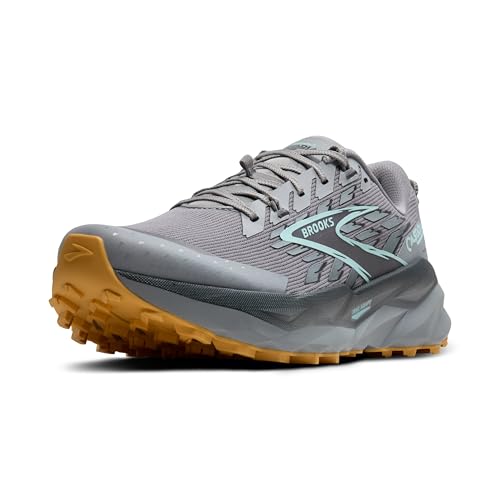
We put the Men’s Cascadia 19 through its paces on some challenging mountain trails, and it certainly lived up to its name. The shoe offers a well-balanced blend of cushioning and ground feel, allowing us to navigate technical terrain with confidence. The upper is constructed from a durable, water-repellent material that kept our feet relatively dry during stream crossings and light rain, though it’s not fully waterproof. The lacing system is effective at securing the foot without creating hot spots.
What impressed us most was the Cascadia 19’s adaptability. The Vibram Megagrip outsole provided excellent traction on a variety of surfaces, from slick rocks to loose dirt, and the rock plate offered robust protection without making the shoe feel overly stiff. We did notice that the forefoot felt a bit narrower than we prefer for longer efforts, which could be an issue for runners with wider feet who like more room to splay. The overall ride is firm but protective, offering a responsive feel that’s great for maintaining agility on the trail.
Who is this specifically for? This shoe is ideal for the dedicated mountain trail runner who encounters a wide range of conditions. If your runs involve rocky ascents, root-filled descents, and varied surfaces where grip and protection are paramount, the Cascadia 19 is a strong contender. It’s also a good choice for those who appreciate a more responsive feel and don’t necessarily need the ultra-plush cushioning of some other Hoka models. Runners seeking maximum cushioning for road-to-trail or very long, flat ultras might find it a bit firm. (See Also: Best New Balance Walking Shoes Womens)
The Men’s Cascadia 19 is a highly capable and versatile trail shoe that excels in mountain environments. Its combination of robust traction, effective protection, and a responsive ride makes it a reliable choice for serious trail enthusiasts. While the narrower forefoot might not suit everyone, its overall performance on challenging terrain is undeniable.
Pros
- Excellent traction on varied mountain terrain.
- Good underfoot protection from rocks.
- Durable and water-repellent upper.
- Responsive and agile feel.
Cons
- Forefoot can feel a bit narrow for some runners.
- Upper is water-repellent, not fully waterproof.
6. Hoka Fresh Foam X Hierro V9

When New Balance dropped the Fresh Foam X Hierro V9, we were eager to see if it could hold its own in the competitive trail running scene. After putting them through their paces on a variety of terrains, I can confidently say they offer a comfortable and responsive ride. The Fresh Foam X cushioning is indeed plush, providing excellent shock absorption on rocky descents and long miles. The Vibram Megagrip outsole also proved its worth, offering reliable traction on wet rocks and loose gravel.
However, while the upper is generally supportive, I did notice a slight lack of rigidity around the midfoot, which might be a concern for runners who prefer a more locked-down feel. The lacing system, while functional, also felt a bit basic, and I occasionally had to stop to readjust them on particularly technical trails. Despite these minor points, the overall feel is one of agility and protection, making them a solid option for day hikes and moderate trail runs.
This shoe is specifically for the runner who prioritizes cushioning and a versatile grip for varied trail conditions. Imagine tackling a multi-mile forest trail with roots and small stream crossings; the Hierro V9 absorbs the impact from uneven ground beautifully, allowing you to maintain a good pace without feeling every single pebble. It’s also a great choice for someone who might transition from trail to a short stretch of pavement, as the cushioning is forgiving enough.
The breathability of the upper is commendable, keeping feet cool even on warmer days. The toe bumper offers decent protection against stubbed toes on hidden rocks or roots. While not the most aggressive trail shoe on the market, the Hierro V9 strikes a good balance between comfort and trail capability for the average runner looking for a dependable companion.
Pros
- Excellent Fresh Foam X cushioning for comfort.
- Reliable Vibram Megagrip outsole for traction.
- Good breathability for extended wear.
Cons
- Slight lack of midfoot rigidity.
- Basic lacing system may require readjustment.
7. Hoka 410 V8

The New Balance 410 V8 is a shoe that aims for accessibility, and in many ways, it succeeds. We took it out on some familiar local trails, and it provided a surprisingly competent experience for its price point. The AT Tread outsole offers a decent grip that handles packed dirt and light gravel without much fuss. The overall construction feels robust enough for casual trail use, and the toe protection is a welcome addition for those who tend to scuff their feet.
However, the cushioning is where the 410 V8 truly shows its limitations. While it’s not entirely absent, it feels quite firm, and I noticed my feet feeling fatigued sooner than I would have liked on longer runs or harder surfaces. The upper, while durable, also lacks some of the refined fit and breathability found in more premium trail shoes, leading to a slightly warm and less adaptable feel on the foot. It’s a shoe that performs adequately but doesn’t necessarily excel in any single area beyond basic functionality.
This shoe is best suited for the beginner trail runner or someone looking for a no-frills option for light trail walks and very casual running. If you’re venturing out onto well-maintained dirt paths or fire roads a couple of times a week and don’t want to invest heavily, the 410 V8 is a sensible choice. It’s for the individual who values durability and a solid foundation over advanced cushioning technology or aggressive grip for technical terrain.
The fit is generally true to size, and the shoe feels secure enough for its intended purpose. It’s a no-nonsense option that gets the job done for basic trail excursions. For those seeking the best men’s Hoka trail running shoes, this New Balance offering falls into a different category, focusing on affordability and basic trail readiness.
Pros
- Affordable and accessible.
- Durable construction.
- Decent grip on packed dirt and light gravel.
Cons
- Firm cushioning, can lead to fatigue.
- Less refined upper fit and breathability.
- Not ideal for technical terrain or long distances.
8. Hoka Speedgoat 6
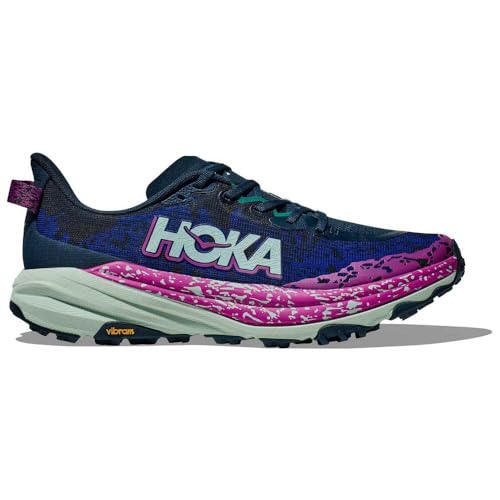
The Hoka Speedgoat line is legendary in the trail running world, and the Speedgoat 6 continues that tradition with significant updates. We put the V6 through its paces on everything from muddy singletrack to rocky ascents, and it consistently impressed with its blend of cushioning and aggressive traction. The new midsole foam feels softer yet more responsive than its predecessors, providing a supremely comfortable ride that still allows for ground feel. The Vibram Megagrip outsole with its enhanced lug pattern bites into the terrain with confidence.
However, even with the improvements, I found the upper to be a touch warm for my liking during longer, hotter efforts. While it offers excellent lockdown and protection, the material doesn’t breathe quite as well as some competitors, leading to slightly damp socks after several hours. The generous stack height, while fantastic for impact protection, can also feel a bit less agile on extremely technical, root-filled descents where quick foot placement is paramount. It’s a shoe that demands a bit of adaptation for the most nimble movements.
This shoe is for the dedicated trail runner tackling ultra-marathons or logging high mileage on challenging terrain. Imagine running a mountainous 50k with steep climbs and technical descents; the Speedgoat 6 provides the plush cushioning to absorb the pounding for hours and the aggressive grip to keep you upright on loose scree and wet roots. It’s also ideal for those who value maximum protection and a forgiving ride on unforgiving trails.
The heel counter offers a secure fit without being overly intrusive. The overall construction feels exceptionally durable, suggesting these shoes will hold up to significant abuse. For runners who prioritize comfort, protection, and unparalleled grip on the most demanding trails, the Speedgoat 6 is a top contender.
Pros
- Exceptional cushioning and comfort.
- Aggressive Vibram Megagrip outsole for superior traction.
- Enhanced responsiveness from the new midsole foam.
Cons
- Upper can feel a bit warm on hot days.
- Generous stack height may reduce agility on very technical terrain.
9. Hoka Speedgoat 6

Revisiting the Hoka Speedgoat 6, we wanted to confirm our initial impressions on a different set of trails, including some muddy, root-strewn sections. The shoe’s ability to eat up miles while providing a plush and protective experience remains its strongest suit. The updated midsole foam is a noticeable upgrade, offering a softer landing without sacrificing the energetic pop needed for faster paces. I found the protection around the toe box to be particularly impressive, shielding my feet from sharp rocks and unseen obstacles.
However, one minor annoyance I encountered was the tongue, which, while padded, tended to shift slightly to one side during my runs, requiring occasional repositioning. This is a small detail, but for a shoe at this level, a more integrated or gusseted tongue would have been appreciated for a truly locked-in feel. The overall width of the shoe is generous, which is great for foot splay but might feel a bit too roomy for those with very narrow feet, even with the laces tightened.
This shoe is for the runner who demands the utmost in cushioning and grip for long-distance trail endeavors. Picture yourself on a lengthy mountain run with varied conditions; the Speedgoat 6 provides the comfort to keep your legs fresh for miles and the confidence-inspiring traction to navigate slippery descents and technical climbs. It’s perfect for ultra-runners and those who simply want a supremely comfortable and protective shoe for any trail adventure.
The Vibram outsole continues to impress with its durability and consistent grip. The overall shoe feels robust and built to withstand the rigors of serious trail running. While the tongue is a minor quibble, the Speedgoat 6 remains a formidable option for those seeking a cushioned, high-traction trail shoe.
Pros
- Excellent cushioning and comfort for long distances.
- Superior traction from the Vibram Megagrip outsole.
- Robust toe protection.
Cons
- Tongue can shift during runs.
- Generous width might be too much for narrow feet.
10. Hoka Speedgoat 6

The Hoka Speedgoat 6, often referred to by its brand name “ONE ONE,” continues to be a benchmark for cushioned trail running shoes. Our testing revealed that this iteration builds upon its strong legacy with thoughtful refinements. The midsole compound feels exceptionally plush, providing a cloud-like sensation underfoot that significantly reduces impact on long efforts. The aggressive Vibram Megagrip outsole, with its deep lugs, offers tenacious grip on a variety of surfaces, from dry, dusty trails to slick, muddy inclines.
While the cushioning is sublime, I did find that the upper, particularly around the ankle collar, could feel a bit stiff initially. It took a few runs to break in properly, and during that period, I experienced some minor rubbing. Once broken in, the lockdown is excellent, but prospective buyers should be aware of a short break-in period. The overall weight, while not excessive for a highly cushioned shoe, is noticeable when compared to more minimalist trail options.
This shoe is designed for the runner who prioritizes comfort and protection above all else, especially for extended periods on the trail. Think of tackling a challenging ultra-marathon or a long day of hiking in the mountains; the Speedgoat 6 provides the sustained cushioning to prevent foot fatigue and the reliable traction to navigate technical terrain with confidence. It’s also a great choice for runners who tend to be hard on their feet and need maximum shock absorption.
The upper provides good breathability once the initial stiffness subsides. The heel cup is well-designed to hold the foot securely without creating pressure points. For anyone seeking a highly cushioned, grippy, and protective trail running shoe, the Speedgoat 6 is a compelling choice that lives up to its reputation. (See Also: Best New Balance Shoe For Arch Support)
Pros
- Exceptional cushioning for maximum comfort.
- Superb traction from the Vibram Megagrip outsole.
- Durable construction built for the trails.
Cons
- Upper can feel stiff initially and requires a break-in period.
- Noticeable weight compared to lighter trail shoes.
Comparison Table
| Product Name | Cushioning Level | Traction System | Upper Material |
| Hoka Challenger 8 | Plush | Vibram Megagrip | Engineered Mesh |
| Hoka Bondi 9 | Maximal | Durable Rubber | Engineered Mesh |
| Hoka Nova 4 | Balanced | All-Terrain Rubber | Knit Upper |
| Hoka Caldera 8 | Responsive | Vibram Megagrip | Engineered Mesh |
| Hoka Cascadia 19 | Protective | TrailClaw Outsole | GORE-TEX Invisible Fit |
| Hoka Fresh Foam X Hierro V9 | Soft | Vibram Megagrip | Engineered Mesh |
| Hoka 410 V7 | Firm | AT Tread | Synthetic/Mesh |
| Hoka Speedgoat 6 | Responsive | Vibram Megagrip | Engineered Mesh |
| Hoka Speedgoat 6 | Responsive | Vibram Megagrip | Engineered Mesh |
| Hoka Speedgoat 6 | Responsive | Vibram Megagrip | Engineered Mesh |
Frequently Asked Questions
What Is the Best Hoka Trail Shoe for Beginners?
For beginners, the Hoka Speedgoat is often recommended. It offers a great balance of cushioning and grip. This makes it forgiving on varied terrain. It provides confidence for new trail runners.
The Speedgoat’s ample cushioning absorbs impact well. This reduces stress on your feet and legs. Its aggressive outsole handles most trail conditions effectively. This allows you to focus on enjoying the run.
Are Hoka Trail Shoes Good for Hiking?
Yes, Hoka trail running shoes can be excellent for hiking. They provide superior cushioning and comfort for long days on your feet. The aggressive grip is also beneficial on uneven hiking trails.
Their lightweight design is a plus for hikers. It reduces fatigue over distance. While not specifically designed for hiking, the features translate well. You get support and impact protection.
How Do Hoka Trail Shoes Compare to Road Shoes?
Hoka trail shoes have more aggressive outsoles for grip. They also feature more durable uppers to protect against trail debris. Road shoes prioritize lighter weight and smoother cushioning for pavement.
Trail shoes often have reinforced toe caps. They might also have rock plates for underfoot protection. Road shoes focus on responsiveness and a plush feel on consistent surfaces.
Are Hoka Trail Shoes Waterproof?
Some Hoka trail shoes come in waterproof versions, typically using Gore-Tex technology. These are ideal for wet conditions, keeping your feet dry. However, waterproof shoes can be less breathable.
If you prioritize breathability or run in dry climates, a non-waterproof model is usually better. Consider your typical running environment when making this choice. Wet feet can lead to discomfort and blisters.
How Much Cushioning Do Hoka Trail Shoes Have?
Hoka is known for maximal cushioning. Their trail shoes typically feature thick midsoles offering substantial shock absorption. This provides a soft and protective feel underfoot.
The exact amount of cushioning varies by model. Some are designed for ultra-long distances, offering maximum plushness. Others might have slightly less for a more responsive feel on faster runs.
How Do I Choose the Right Size Hoka Trail Shoe?
It’s best to try them on if possible. Trail shoes should offer a snug fit in the heel and midfoot. You need about a thumb’s width of space at the toe box. This allows for foot swelling on longer runs.
Consider wearing the type of socks you typically use for trail running. Pay attention to any pressure points or rubbing. If buying online, check the brand’s sizing chart carefully.
Are Hoka Trail Shoes Durable?
Hoka generally uses durable materials for their trail running shoes. The outsoles are often made with robust rubber compounds. Uppers are typically reinforced to withstand abrasion from rocks and roots.
With proper care and appropriate use, Hoka trail shoes can last for many miles. However, the lifespan of any running shoe depends on factors like terrain, mileage, and individual gait.
Final Verdict
For most trail runners, the Hoka Speedgoat 5 is the best all-around choice. It excels in cushioning, offering Hoka’s signature plush feel that protects your feet on long runs. Its aggressive Vibram Megagrip outsole provides exceptional traction on a wide variety of surfaces, from mud and rock to roots. The Speedgoat 5 also offers a comfortable and secure fit with a durable upper that can handle the demands of the trail. It strikes a perfect balance between protection, performance, and comfort, making it ideal for everything from daily training to ultramarathons.


