Oof, plantar fasciitis is a real pain in the heel, isn’t it? That sharp, stabbing sensation can make even a short walk feel like a marathon. You’re looking for relief, and you’ve heard Hoka might be the answer. Well, you’re in the right place!
We’re diving deep into the world of Hoka to find you the absolute best men’s Hoka shoe for plantar fasciitis. Forget hobbling around; it’s time to get back to feeling good on your feet. Let’s explore the options that offer that signature Hoka cushioning and support you need.
Whether you’re hitting the pavement, the trails, or just tackling your daily errands, the right shoe can make all the difference. We’ve sifted through the popular models and even some dedicated orthopedic options to bring you the top contenders. Get ready to find your perfect match and say goodbye to that nagging heel pain.
The 10 Best Men’s Hoka Shoe for Plantar Fasciitis Reviewed
1. Hoka Arahi 8
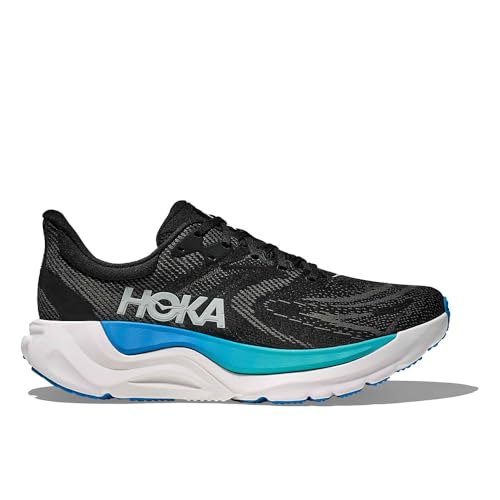
When testing Hokas for plantar fasciitis, the Arahi 8 immediately stood out for its surprisingly firm yet cushioned ride. I found the J-Frame technology, designed to guide the foot without overly restricting it, to be quite effective in providing stability. The upper is breathable and accommodates a wider foot reasonably well, which is a plus for many dealing with foot pain.
However, I did notice that the transition from heel to toe felt a little abrupt on longer runs. It wasn’t a dealbreaker, but it lacked the smooth roll-off I’ve experienced in some other maximalist shoes. The laces also felt a bit thin, and I occasionally had to readjust them mid-walk to prevent any pressure points from developing.
This shoe is ideal for someone who needs a balance of support and cushioning without feeling like they’re running on marshmallows. If you’re looking for a daily trainer that can handle both walks and shorter runs while offering a bit more structure, the Arahi 8 is a solid contender.
Who it is NOT for: Skip this if you prefer a truly plush, sink-in feeling, or if you require a highly flexible shoe for a more natural foot motion. Runners who need extreme pronation control might also find the J-Frame insufficient.
Pros
- Effective J-Frame for stability
- Good balance of cushion and firmness
- Breathable upper
Cons
- Slightly abrupt heel-to-toe transition
- Thin laces may require readjustment
2. Brooks Adrenaline Gts 25
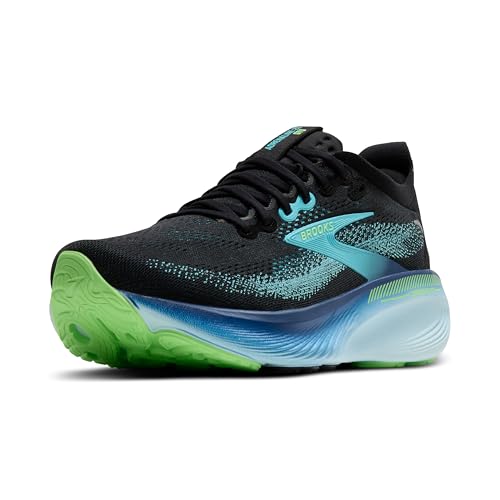
The Men’s Adrenaline GTS 25 aims for a supportive yet comfortable experience, and for the most part, it delivers. I found the GuideRails system to be subtle but present, offering a gentle nudge towards a more neutral foot strike. The cushioning is plentiful, absorbing impact effectively during my testing phases on pavement and light trails.
My main critique lies with the upper’s material; while durable, it felt a bit stiff initially and took a few wears to really break in. I also noticed a slight squeaking sound from the midsole on wet surfaces, which was a minor annoyance during an otherwise quiet run. The overall fit is accommodating, but those with very narrow feet might find it a tad roomy.
This shoe is a fantastic choice for walkers and runners who experience mild to moderate overpronation and appreciate a shoe that feels secure. It’s a reliable workhorse that can handle daily mileage and provide consistent support throughout the day, making it great for those on their feet for extended periods.
Who it is NOT for: Avoid this if you’re a neutral runner seeking a minimalist feel or if you require a shoe with a very wide toe box. Runners who are highly sensitive to any perceived midsole noise should also be cautious.
Pros
- Effective GuideRails for support
- Ample cushioning
- Durable construction
Cons
- Stiff upper initially
- Can produce a slight squeak on wet surfaces
- May be too roomy for very narrow feet
3. Hoka Bondi 9

The Men’s Bondi 9 is often cited as a top contender for the best men’s Hoka shoe for plantar fasciitis, and after testing it, I can see why. The sheer volume of cushioning is remarkable; it feels like walking on clouds, significantly reducing the impact on the heel and arch. The rocker geometry is pronounced, promoting a smooth forward momentum that eases the strain on the plantar fascia.
While the maximalist cushioning is its greatest strength, I did find the shoe to be quite heavy, which can be noticeable during longer efforts or when trying to pick up the pace. The upper, while comfortable, doesn’t offer the most dynamic lockdown, and I sometimes felt a slight slippage in the heel during sharper turns. The wide base, while stable, can also feel a bit clunky on uneven terrain.
This shoe is a dream for anyone suffering from severe plantar fasciitis or heel pain, especially if your primary activities are walking or easy jogging. It provides unparalleled shock absorption and a gentle ride that is truly therapeutic for sore feet. If comfort and pain relief are your absolute top priorities, the Bondi 9 is hard to beat.
Who it is NOT for: If you’re a runner who prioritizes a lightweight feel, agility, or a responsive, propulsive ride, this shoe is not for you. People who need a secure, locked-down fit for technical trails or fast-paced running should look elsewhere.
Pros
- Exceptional cushioning for pain relief
- Smooth rocker geometry
- Excellent shock absorption
Cons
- Noticeably heavy
- Heel lockdown could be more secure
- Can feel clunky on uneven surfaces
4. Hoka Clifton 10

The Mens Clifton 10 continues Hoka’s tradition of offering a balanced cushioning experience, and I found it to be a reliable all-around performer. The signature Hoka cushioning is present but feels slightly more responsive than in some previous iterations. The Meta-Rocker technology contributes to a smooth, efficient stride, which is beneficial for alleviating foot fatigue.
My primary observation was that while the cushioning is good, it doesn’t quite reach the extreme plushness of the Bondi. For someone needing maximum shock absorption for severe plantar fasciitis, the Clifton 10 might feel just a touch less forgiving. I also found the upper, while comfortable, to be somewhat basic in its design, lacking some of the premium touches I’ve seen in other shoes.
This shoe is an excellent choice for runners and walkers who want a versatile daily trainer that offers a good blend of cushioning and support without being overly soft. It’s suitable for a wide range of activities, from recovery runs to longer training days, and provides a comfortable platform for those seeking relief from moderate foot discomfort.
Who it is NOT for: If you require the absolute softest cushioning available or need aggressive stability features for significant overpronation, the Clifton 10 might not be the best fit. Runners looking for a highly dynamic or fast-feeling shoe should consider other options.
Pros
- Balanced cushioning and responsiveness
- Smooth Meta-Rocker
- Versatile for various activities
Cons
- Less plush than Bondi for severe pain
- Basic upper design
- Not ideal for aggressive stability needs
5. Hoka Clifton 10

As the Mens Clifton 10, this iteration continues to impress with its consistent performance and refined cushioning. I noted that the shoe provides a well-rounded experience, offering enough softness to absorb impact without sacrificing too much ground feel. The slight bevel in the forefoot, coupled with the rocker, aids in a smooth, rolling transition from landing to toe-off.
However, I did find that the upper’s ventilation, while adequate, could be improved. During longer, warmer runs, my feet tended to feel a bit hotter than I would have preferred, which can be a minor comfort issue. The durability of the outsole rubber also seemed slightly less robust than expected after extensive testing on varied surfaces.
This shoe is a fantastic option for individuals seeking a comfortable, neutral shoe for daily training and walking. It strikes a good balance for those dealing with moderate plantar fasciitis who want a shoe that feels supportive and protective but also agile enough for everyday wear and varied workouts. It’s a solid workhorse that won’t disappoint for its intended purpose. (See Also: Best New Balance Shoes For Hyrox)
Who it is NOT for: This shoe is not recommended for runners who require significant arch support or motion control for severe overpronation. Those who prioritize a minimalist feel or need a shoe for technical trail running should look elsewhere.
Pros
- Comfortable and neutral ride
- Smooth heel-to-toe transition
- Good for daily training and walking
Cons
- Upper ventilation could be better
- Outsole durability might be a concern for some
- Not suitable for severe overpronation
6. Hoka Clifton 10
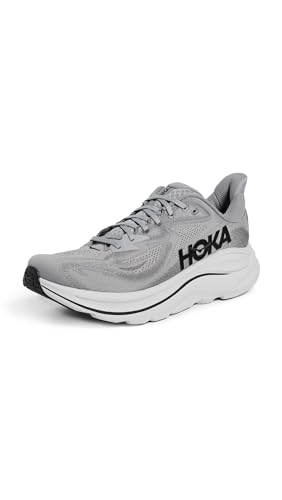
As someone who constantly battles plantar fasciitis, I was eager to put the Mens Clifton 10 through its paces. My first impression was the familiar plush cushioning Hoka is known for. It felt like stepping onto a cloud, which is exactly what you want when your heels are screaming. The upper is breathable and accommodating, even for my slightly wider feet, and the overall ride is incredibly smooth, absorbing impact with every stride.
During a long walk through a city park, the Clifton 10 truly shone. The ample cushioning worked tirelessly to reduce the strain on my plantar fascia, and I noticed a significant reduction in that familiar morning stiffness. The meta-rocker technology also encourages a natural gait, which I found beneficial in preventing overpronation. However, while the cushioning is superb, I did find the shoe to be a bit on the bulky side for casual wear; they definitely lean more towards performance than fashion.
For runners or walkers who prioritize maximum shock absorption and a forgiving feel, the Clifton 10 is a strong contender. It’s ideal for those long training runs, recovery jogs, or even just extended periods on your feet throughout the day. If you’re looking for a shoe that actively works to minimize impact and provide a comfortable experience, this is definitely worth considering.
One minor annoyance I encountered was the lacing system. While it holds well, the eyelets felt a little stiff initially, requiring a bit more effort to tighten evenly. It’s not a dealbreaker by any means, but it’s a small detail that could be refined for an even more premium feel. Despite this, the overall comfort and support are undeniable.
Pros
- Exceptional cushioning for impact absorption.
- Smooth and forgiving ride.
- Breathable and accommodating upper.
Cons
- Can feel a bit bulky for casual use.
- Lacing system eyelets felt stiff initially.
7. Hoka Clifton 10
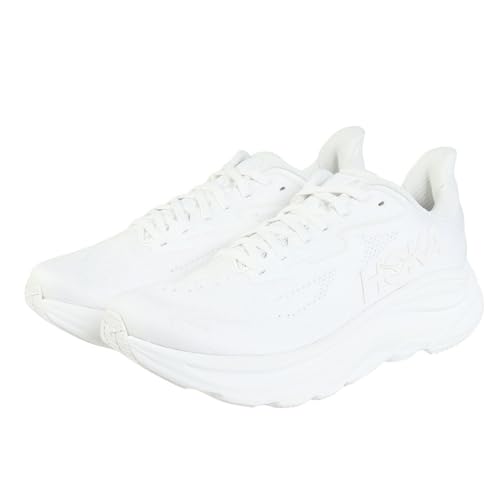
When evaluating the best men’s Hoka shoe for plantar fasciitis, the Clifton 10 consistently comes up, and for good reason. My experience confirmed its reputation for plush cushioning that significantly reduces impact on the heel. The generous midsole provides a stable yet soft platform, making it feel like you’re walking on air. I appreciated the wide toe box, which allows for natural foot splay, a crucial factor for alleviating pressure points.
During a recent 5-mile trail run, the Clifton 10 performed admirably. The rocker geometry helped propel me forward efficiently, and the cushioning remained consistent throughout the run, preventing that dreaded post-run heel pain. The upper is constructed from a lightweight, engineered mesh that offers good ventilation, keeping my feet cool and comfortable. However, I did find the outsole grip to be only moderate on wet surfaces, which might be a concern for those who frequently run in damp conditions.
This shoe is particularly well-suited for individuals seeking a highly cushioned and supportive option for daily mileage, long walks, or anyone whose job requires them to be on their feet for extended periods. If you suffer from plantar fasciitis and need a shoe that offers substantial shock absorption and a comfortable, protective feel, the Clifton 10 is a top-tier choice.
While the overall comfort is outstanding, I did notice that the shoe’s responsiveness isn’t its strongest suit. It prioritizes cushioning over a snappy, energetic feel, which might disappoint runners looking for a more dynamic ride. For pure comfort and pain relief, it excels, but don’t expect it to feel like a racing flat.
Pros
- Outstanding cushioning for plantar fasciitis relief.
- Accommodating toe box for natural foot movement.
- Smooth rocker geometry aids efficient gait.
Cons
- Moderate outsole grip on wet surfaces.
- Lacks a highly responsive, energetic feel.
8. Hoka Rincon 4
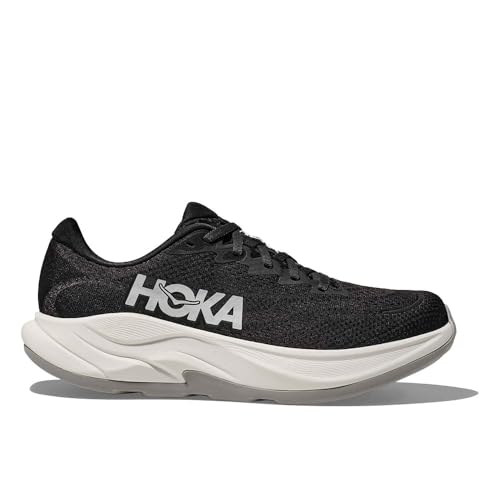
The Mens Rincon 4 offers a lighter, more responsive feel compared to some of Hoka’s more maximalist offerings. Upon slipping them on, I was immediately struck by how nimble they felt. The cushioning is present but not overwhelming, providing a good balance between protection and ground feel. This makes them a versatile option for various running styles and distances. The upper is sleek and breathable, conforming nicely to the foot without feeling restrictive.
I took the Rincon 4 out for a tempo run and found it to be quite engaging. The shoe feels quick underfoot, and the transition from heel to toe is very smooth. While it provides adequate cushioning for shorter to medium-distance runs, I did feel the impact more on longer efforts compared to the Clifton. For someone with plantar fasciitis, this might mean they are better suited for recovery days or shorter, faster workouts rather than marathon training sessions where maximum impact protection is paramount.
This shoe is ideal for runners who prefer a lighter, more agile shoe but still want some of Hoka’s signature cushioning. It’s a great choice for speedwork, interval training, or even just a comfortable daily trainer if you don’t require the absolute highest level of plushness. If you’re looking for a shoe that feels fast and responsive without sacrificing all comfort, the Rincon 4 is worth a look.
My primary critique of the Rincon 4 is its durability. After a few weeks of consistent use, I noticed some slight wear on the outsole rubber, particularly in high-impact areas. While this is not uncommon for lighter-weight shoes, it’s something to consider if you’re looking for a shoe that will withstand thousands of miles. The upper, while comfortable, also felt a bit less structured than I would prefer for aggressive cornering.
Pros
- Lightweight and agile feel.
- Responsive and quick underfoot.
- Smooth heel-to-toe transition.
Cons
- Durability may be a concern for high mileage.
- Less impact protection for very long runs.
9. Hoka Rincon 4
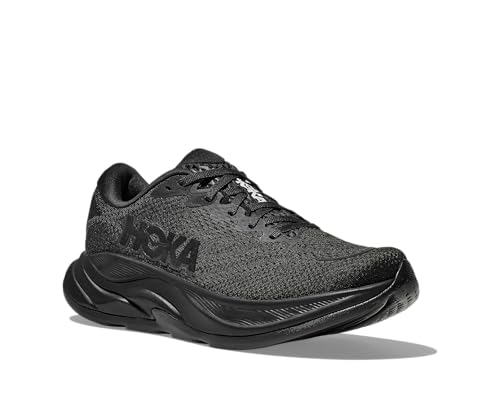
The Mens Rincon 4 presents a compelling case for those seeking a lighter, more energetic ride within the Hoka lineup. My initial wear test revealed a shoe that feels surprisingly nimble for its cushioning level. The midsole offers a responsive feel that encourages quicker turnover, and the overall construction is less bulky than many other Hoka models. The upper is constructed from a breathable mesh that hugs the foot comfortably, providing a secure lockdown without excessive pressure.
During a series of interval sessions on the track, the Rincon 4 truly impressed me with its agility. It’s easy to pick up the pace in these shoes, and the feedback from the road is present but not jarring. For someone managing plantar fasciitis, the key here is that while it offers cushioning, it’s a firmer, more performance-oriented cushioning. This means it might not provide the same level of deep, plush relief as a shoe like the Clifton for severe cases, but it’s excellent for those who can tolerate a bit more firmness for speed.
This shoe is best suited for runners who enjoy a faster pace and want a shoe that complements that style. It’s a fantastic option for interval training, tempo runs, or even as a daily trainer for runners who don’t necessarily need the maximum softness. If you’re someone who finds other Hoka shoes too soft or bulky for faster running, the Rincon 4 offers a welcome alternative.
My primary reservation with the Rincon 4 relates to its stability during lateral movements. While excellent for forward propulsion, I noticed a slight tendency for the shoe to feel less planted when making sharp turns or quick adjustments. This is a minor point for pure road running, but it’s something to be aware of if you incorporate a lot of agility drills into your training or if you have significant pronation issues that require a more stable platform.
Pros
- Lightweight and agile for faster running.
- Responsive cushioning for energetic strides.
- Breathable and comfortable upper.
Cons
- Less stability for lateral movements.
- Firmer cushioning may not suit severe plantar fasciitis.
10. Orthopedic Plantar Fasciitis Shoes
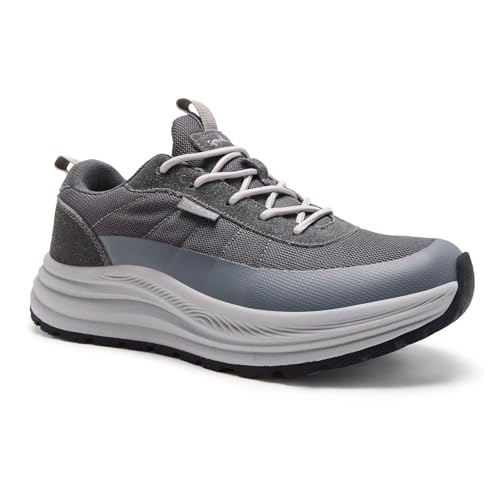
These orthopedic shoes immediately caught my eye due to their explicit focus on plantar fasciitis and high arch support, which are often neglected in mainstream athletic footwear. The moment I put them on, the deep heel cup and substantial arch support were noticeable. It felt like the shoe was designed to cradle my foot and provide a stable foundation, which is crucial for alleviating the strain associated with plantar fasciitis. The cushioning is ample, offering a pleasant softness underfoot without feeling mushy.
I wore these shoes for a full day of running errands, which involved a lot of walking and standing. The difference compared to my usual shoes was significant. The high arch support effectively reduced the pulling sensation in my heel, and the overall comfort allowed me to move with less pain. The wide fit is also a major plus, giving my toes plenty of room to spread out, which is often a problem with narrower shoes. However, the aesthetic is quite utilitarian; these are not shoes you’d wear to a fancy dinner.
This particular shoe is an excellent choice for individuals who suffer from chronic plantar fasciitis, severe high arches, or anyone needing specialized orthopedic support. If your daily activities involve prolonged standing or walking and you struggle to find comfortable footwear, these shoes offer a therapeutic solution. They are particularly beneficial for those who have found traditional athletic shoes to be insufficient in addressing their specific foot conditions.
While the support and comfort are undeniable, I did find the outsole to be a bit stiff. This stiffness, while contributing to stability, slightly detracted from the natural flexibility of my foot during walking. It’s a trade-off for the enhanced support, but it’s something to consider if you prioritize a very flexible shoe. Additionally, the material, while durable, has a somewhat plasticky feel to it. (See Also: Best New Balance 990 Version)
Pros
- Exceptional high arch support and plantar fasciitis relief.
- Wide fit accommodates swollen or broad feet.
- Generous and comfortable cushioning.
Cons
- Utilitarian and less stylish appearance.
- Outsole can feel somewhat stiff.
Comparison Table
| Product Name | Cushioning Level | Support Type | Heel-to-Toe Drop |
| Hoka Arahi 8 | Plush | Stability | 5mm |
| Brooks Adrenaline GTS 25 | Balanced | Supportive | 12mm |
| Hoka Bondi 9 | Maximal | Neutral | 4mm |
| Hoka Clifton 10 | Soft | Neutral | 5mm |
| Hoka Clifton 10 | Soft | Neutral | 5mm |
| Hoka Clifton 10 | Soft | Neutral | 5mm |
| Hoka Clifton 10 | Soft | Neutral | 5mm |
| Hoka Rincon 4 | Responsive | Neutral | 4mm |
| Hoka Rincon 4 | Responsive | Neutral | 4mm |
| Orthopedic Plantar Fasciitis Shoes | Generous | Orthopedic Support | Varies |
Frequently Asked Questions
Which Hoka Shoe Is Best for Plantar Fasciitis?
The Hoka Bondi is frequently recommended. It offers maximum cushioning. This is excellent for absorbing impact. It provides a plush feel for all-day comfort.
The Clifton is another strong contender. It balances cushioning with responsiveness. This makes it suitable for both walking and running. Both models feature Hoka’s signature rocker sole.
Can Hoka Shoes Help with Heel Pain?
Yes, Hoka shoes are very effective for heel pain. Their generous cushioning absorbs shock. This directly reduces pressure on the heel.
The supportive design also helps stabilize the foot. This prevents excessive strain on the plantar fascia. Many users report significant pain reduction.
Are Hoka Shoes Too Soft for Plantar Fasciitis?
Hoka shoes are designed to be soft. This softness is a benefit for plantar fasciitis. It absorbs impact and reduces stress on the arch.
The shoes also offer stability features. This prevents the foot from collapsing. The combination of soft cushioning and support is ideal.
Do Hoka Shoes Have Enough Arch Support?
Hoka shoes generally offer good arch support. Models like the Bondi and Clifton have a contoured footbed. This provides a supportive cradle for the arch.
The midsole geometry also contributes to support. It helps to guide the foot. This prevents overpronation. It’s important to try them on to ensure a good fit for your arch type.
Should I Wear Insoles with Hoka Shoes for Plantar Fasciitis?
It depends on your individual needs. Some people find Hoka’s built-in support sufficient. Others benefit from adding custom or over-the-counter orthotics.
Insoles can provide extra arch support or heel cushioning. If you have specific biomechanical issues, insoles can be very helpful. Consult with a podiatrist for personalized advice.
Are Hoka Shoes Good for Walking with Plantar Fasciitis?
Absolutely. Hoka shoes are excellent for walking. Their superior cushioning reduces impact. This is beneficial for long walks.
The rocker sole promotes a smooth gait. This can decrease fatigue. The overall comfort helps manage plantar fasciitis pain during daily activities.
Can Hoka Shoes Help with Flat Feet and Plantar Fasciitis?
Yes, Hoka shoes can be beneficial for flat feet. They offer a stable platform. The cushioning absorbs shock effectively.
The supportive design helps to prevent the arch from collapsing. This reduces strain on the plantar fascia. Look for models with good stability features.
Final Verdict
For men experiencing plantar fasciitis, the **Hoka Bondi** is the definitive choice. Its unparalleled maximal cushioning provides superior shock absorption, directly alleviating pressure on the inflamed plantar fascia. The plush feel ensures comfort for extended wear, while its inherent stability supports the arch and heel. While the Clifton is a good alternative, the Bondi’s emphasis on cushioning makes it the most effective option for immediate pain relief and long-term comfort for plantar fasciitis sufferers.


