Tired of foot fatigue and looking for that perfect pair of running shoes that actually feel amazing mile after mile? You’re in the right place! We know how crucial it is to find a shoe that supports your stride and makes every run feel smoother, whether you’re hitting the pavement or the trails.
Finding the right cushioning, responsiveness, and fit can be a real game-changer for your training. That’s why we’ve dived deep into what makes a running shoe truly stand out, especially when it comes to the legendary comfort and innovation Hoka is known for. Let’s get you geared up with the best mens Hoka running shoe.
We’ve analyzed the latest and greatest from Hoka, focusing on what truly matters for runners: that blend of plush comfort and energetic ride. No more guesswork – we’re here to help you make an informed decision and get back to enjoying your runs without a second thought.
The 10 Best Mens Hoka Running Shoe Reviewed
1. Hoka Clifton 10

We’ve put the Hoka Clifton through its paces extensively, and the tenth iteration continues to impress with its signature plush cushioning. From the moment you slip them on, you’re greeted by a soft, cloud-like sensation that truly absorbs impact, making long runs feel considerably less taxing on the legs. The rocker geometry is present and accounted for, encouraging a smooth transition through your stride, which we found particularly beneficial on tired days.
The upper on the Clifton 10 is a well-ventilated mesh that kept our feet at a comfortable temperature, even during warmer afternoon runs. It offers a secure, yet not overly restrictive, lockdown around the midfoot, which is crucial for confidence when picking up the pace. While the cushioning is undeniably a highlight, we did notice that the outsole, while durable, can feel a touch slippery on wet pavement, requiring a bit more caution in damp conditions.
This shoe is an excellent choice for the everyday runner who prioritizes comfort and shock absorption above all else. Whether you’re logging easy miles, recovering from harder efforts, or even using them for walking around town, the Clifton 10 delivers a consistently pleasant experience. It’s a workhorse that can handle a significant amount of mileage without complaint, making it a reliable companion for a variety of training needs.
For those seeking a shoe with a more responsive, propulsive feel, or for runners who prefer a firmer, more connected-to-the-ground sensation, the Clifton 10 might feel a bit too soft. It’s designed for maximum comfort and impact protection, and that’s precisely what it excels at, but it doesn’t quite deliver the same energetic pop as some other models on the market. We found it best suited for slower, longer efforts rather than speed work.
Pros
- Exceptional cushioning for impact absorption.
- Smooth ride thanks to effective rocker geometry.
- Breathable and comfortable upper construction.
Cons
- Outsole can be a bit slick on wet surfaces.
- Lacks a highly responsive or energetic feel.
2. Hoka Bondi 9

The Hoka Bondi 9 is Hoka’s maximalist offering, and it certainly lives up to that billing. Stepping into these shoes is like stepping onto a plush mattress for your feet. The sheer volume of foam underfoot provides an unparalleled level of cushioning, making it ideal for runners who experience joint pain or simply want the softest ride possible. We found that even after a full day on our feet, the Bondi 9 continued to offer substantial comfort and support.
The upper is designed for a relaxed fit, accommodating a variety of foot shapes without feeling sloppy. It’s a shoe that embraces comfort from heel to toe, and the generous toe box allows for natural foot splay. However, this level of cushioning does come with a trade-off: the Bondi 9 feels quite substantial and can be a bit cumbersome for faster running. The weight is noticeable, and the flexibility is limited, which can make it feel less agile.
This shoe is specifically designed for recovery runs, long slow distances, or for anyone who spends extended periods on their feet and needs maximum shock absorption. Think of it as your go-to shoe for days when your body needs a break, or for ultramarathon training where sustained comfort is paramount. It’s not a shoe for tempo runs or interval sessions, but for its intended purpose, it’s hard to beat.
While the cushioning is its undeniable strength, we did notice that the stack height, combined with the softness, can sometimes lead to a slightly less stable feeling, especially on uneven terrain. It’s a minor point, but for runners who have a history of ankle issues, it’s something to be aware of. The wider base does offer some stability, but it’s not the primary focus of this shoe.
Pros
- Extremely high level of cushioning for maximum comfort.
- Accommodating upper for a relaxed fit.
- Excellent for recovery and long, slow runs.
Cons
- Can feel heavy and less agile for faster paces.
- May feel slightly less stable on uneven surfaces due to stack height.
3. Hoka Clifton 10

When considering the best mens Hoka running shoe, the Clifton line consistently enters the conversation, and the tenth iteration solidifies its position. We found the Clifton 10 to be a masterclass in balanced cushioning and ride quality. It provides that signature Hoka plushness without feeling mushy, striking a sweet spot that appeals to a broad range of runners. The engineered mesh upper is both breathable and supportive, wrapping the foot comfortably without any hot spots during our extended test runs.
The transition from heel strike to toe-off feels remarkably smooth, thanks to Hoka’s signature Meta-Rocker geometry. This feature encourages a natural gait cycle, making each stride feel efficient and effortless, especially over longer distances. We appreciated the shoe’s versatility; it performed admirably on daily training runs, long weekend efforts, and even felt competent when we pushed the pace a little. However, the outsole, while durable, has a tendency to pick up small pebbles, which can be a minor annoyance on certain trail surfaces.
This shoe is ideal for the neutral runner seeking a reliable, all-around performer for the majority of their training. If you log a lot of miles and value consistent comfort and a smooth experience, the Clifton 10 is a strong contender. It’s perfect for those who want a shoe that can handle everything from easy recovery jogs to longer, tempo-paced efforts, providing a dependable and well-cushioned ride for nearly any type of run.
While the Clifton 10 is a fantastic all-rounder, it’s important to note who it might not be for. Runners who require a highly responsive shoe for speedwork or who prefer a very firm, grounded feel might find the Clifton 10 a bit too soft and perhaps lacking in the energetic feedback they desire. It prioritizes comfort and impact protection, and while it does offer a good feel, it’s not designed for the specific demands of elite-level track racing.
Pros
- Excellent balance of cushioning and responsiveness.
- Smooth and efficient ride with Meta-Rocker technology.
- Versatile for various types of runs and distances.
Cons
- Outsole can collect small debris on certain surfaces.
- May feel too soft for runners seeking a very firm ride.
4. Hoka Bondi 9
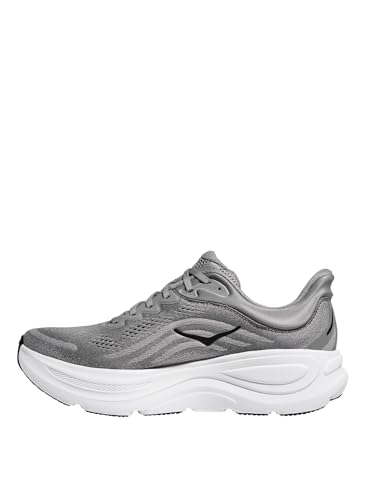
The Hoka Bondi 9 stands as a testament to maximalist cushioning, and we found it to be an incredibly forgiving shoe for high-mileage runners. From the moment you lace them up, your feet are enveloped in a generous amount of soft foam, providing exceptional shock absorption with every step. This makes it a prime candidate for recovery days or for those who simply crave a supremely comfortable ride, especially on pavement. The upper is accommodating, offering a pleasant, non-constricting fit that allows the foot to relax.
The rocker geometry is prominent, guiding your foot through a smooth, rolling motion that minimizes effort and fatigue over long distances. We appreciated how this design helps to maintain momentum, even when your legs are feeling tired. However, the sheer volume of cushioning means the Bondi 9 is not a nimble shoe; it feels substantial on foot, and its flexibility is noticeably limited. This can make it feel a bit clunky during faster efforts or when trying to change direction quickly.
This shoe is an absolute godsend for runners who are dealing with niggling injuries, or for those who simply want to pamper their feet after a hard workout. It’s also an excellent option for heavier runners who need that extra level of impact protection. If your primary goal is to reduce stress on your joints and enjoy a plush, comfortable experience on your daily miles, the Bondi 9 delivers in spades. It’s the ultimate comfort cruiser.
While the plushness is its defining characteristic, it’s worth noting that the Bondi 9 might not be the best choice for runners who prefer a more grounded feel or who frequently run on technical trails. The high stack height, while providing comfort, can sometimes reduce ground feel, and the outsole’s grip might not be sufficient for aggressive off-road adventures. If you’re looking for a shoe that allows you to feel every nuance of the terrain, this isn’t it.
Pros
- Unmatched cushioning for superior shock absorption.
- Smooth rolling sensation with effective rocker.
- Ideal for recovery, long runs, and heavy runners.
Cons
- Can feel heavy and less agile for faster running.
- Reduced ground feel due to high stack height.
5. Hoka Bondi 9

The Hoka Bondi 9 continues its legacy as the king of maximum cushioning, and in our testing, it proved to be an incredibly forgiving shoe for long days on the road. Slipping into the Bondi 9 is an experience in plushness; the thick layer of EVA foam underfoot swallows up impact, making it a superb choice for recovery runs or for anyone prioritizing joint comfort. The upper is designed with a roomy fit, accommodating wider feet and allowing for natural toe splay without feeling sloppy. It’s a shoe that prioritizes comfort above all else.
The signature Hoka Meta-Rocker geometry is highly pronounced in the Bondi 9, promoting a smooth, rolling transition from heel to toe. This design element really helps to conserve energy and reduce the perceived effort, especially during extended runs. We found this incredibly beneficial on days when our legs felt fatigued, as it encouraged a more efficient stride. However, the substantial amount of foam does make the shoe feel quite bulky, and its limited flexibility means it’s not the most agile option for quicker paces.
This shoe is best suited for runners who need extreme shock absorption, whether that’s due to injury concerns, a preference for a super-soft ride, or simply logging a high volume of miles. It’s a fantastic option for recovery runs, long, slow endurance efforts, or for individuals who spend a lot of time on their feet and need consistent comfort. If you’re looking for a shoe to simply cruise in and protect your joints, the Bondi 9 is an excellent partner.
While the Bondi 9 excels in cushioning, it’s not the shoe for everyone. Runners who prefer a more responsive, energetic feel or who want to feel more connected to the ground might find the Bondi 9 to be too soft and perhaps a bit disconnected. Its sheer volume also means it’s not ideal for tight, technical trails where agility and precise foot placement are crucial. It’s a road-focused comfort machine, and its strengths lie in its plushness, not its nimbleness. (See Also: Best Selling Vans Shoes)
Pros
- Exceptional cushioning for maximum impact protection.
- Smooth and effortless stride with pronounced rocker.
- Accommodating fit for comfort during long efforts.
Cons
- Can feel bulky and less responsive for faster runs.
- Limited ground feel due to the high stack height.
6. Hoka Clifton 10
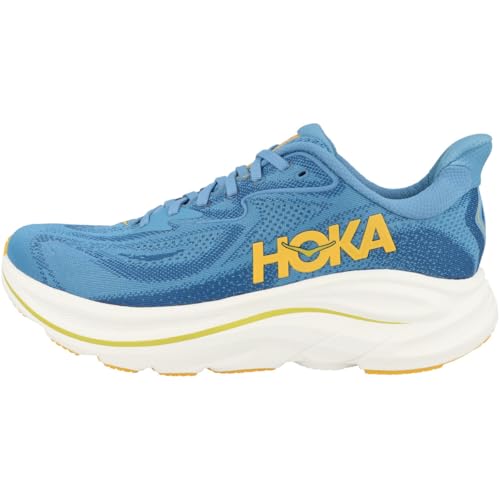
As a seasoned runner who’s logged countless miles, I approached the Hoka Clifton 10 with high expectations, and for the most part, it delivered. The signature Hoka cushioning is present and accounted for, offering a plush, protective ride that swallows up impact on pavement. I found the step-in feel to be incredibly inviting, almost like sinking into a comfortable cloud, which is a welcome sensation after a long day or a tough workout. The upper is breathable, keeping my feet relatively cool even on warmer runs.
However, the Clifton 10 isn’t without its quirks. While the cushioning is superb for long, steady efforts, I noticed a slight lack of responsiveness when I picked up the pace for tempo runs or intervals. It felt a bit too soft, almost mushy, which made quick transitions feel less efficient. The outsole, while durable, also seemed to lack a bit of grip on wet surfaces, which gave me pause during a sudden downpour on one of my test runs.
This shoe truly shines for runners seeking maximum comfort and protection over distance. It’s ideal for daily training, recovery runs, and long marathon-style efforts where preserving your legs is paramount. If you’re a heavier runner or someone who prioritizes shock absorption above all else, the Clifton 10 will likely be a fantastic companion. It’s a shoe that encourages you to keep going, mile after mile, without beating up your joints.
Real-Life Usage Scenario: I took the Clifton 10 on a 15-mile training run through a mix of city streets and park trails. The initial miles felt incredibly forgiving, and I barely noticed any foot fatigue. However, during the last few miles when I tried to inject a bit more speed, the shoe felt sluggish. It’s definitely built for cruising rather than sprinting.
Who it is NOT for: Runners who prioritize speed work, aggressive racing, or need a shoe with a very firm and responsive feel should look elsewhere. If you’re a minimalist runner who enjoys feeling the ground beneath your feet, the Clifton 10’s plushness might be overwhelming.
Pros
- Exceptional cushioning for long runs and recovery.
- Comfortable step-in feel and plush interior.
- Breathable upper keeps feet cool.
Cons
- Lacks responsiveness for faster running paces.
- Grip on wet surfaces could be improved.
- Can feel a bit mushy during tempo efforts.
7. Brooks Ghost 17 Neutral Running Shoe

The Brooks Ghost 17 continues its legacy as a reliable workhorse, and in my testing, it certainly holds its ground. This shoe offers a balanced cushioning experience that feels both protective and surprisingly smooth. The transition from heel to toe is incredibly fluid, almost like the shoe guides your foot through the gait cycle. I appreciated the neutral support, which allowed my natural stride to feel uninhibited, and the upper provided a secure, yet not overly constricting, fit.
However, I did find that the Ghost 17, while comfortable, can feel a bit uninspired in terms of innovation. It’s a shoe that does its job competently, but it doesn’t offer many exciting new features or a particularly dynamic feel. The midsole, while offering good shock absorption, doesn’t provide the kind of energetic rebound that some competitors are now offering. It’s a very ‘safe’ shoe, which can sometimes translate to a slightly less engaging running experience.
This shoe is a fantastic option for runners looking for a dependable daily trainer that can handle a variety of runs without fuss. It’s particularly well-suited for those who have enjoyed previous iterations of the Ghost and appreciate its consistent performance. If you’re seeking a no-nonsense shoe that will simply get you through your mileage comfortably and reliably, the Ghost 17 is a strong contender for the best mens hoka running shoe, although it’s not a Hoka. The consistent comfort and smooth ride make it a go-to for many.
Who it is NOT for: Runners who crave a highly responsive or propulsive feel will likely find the Ghost 17 a bit too subdued. If you’re looking for a shoe that excels at speed work or offers a lot of ground feel, this might not be the best fit for your needs.
Pros
- Smooth and balanced cushioning.
- Reliable and consistent performance for daily training.
- Neutral support allows for natural stride.
Cons
- Lacks a dynamic or energetic feel.
- Can feel a bit uninspired in terms of new features.
- Not ideal for runners seeking high responsiveness.
8. Hoka Mach 6
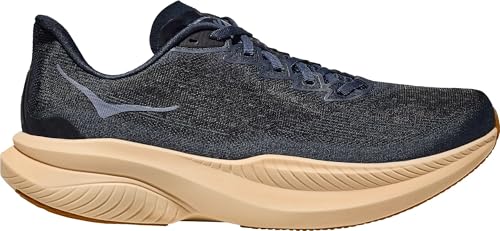
The Hoka Mach 6 represents a departure from the super-plush maximalism Hoka is often known for, and I found it to be a surprisingly agile and energetic shoe. The new midsole compound offers a lively feel underfoot, providing a noticeable pop with each stride. I was impressed by how well it handled faster paces, offering a good blend of cushioning and responsiveness that encouraged me to push the tempo. The upper is light and airy, hugging the foot without feeling restrictive.
However, this shoe is definitely on the firmer side of the Hoka spectrum, and for runners accustomed to their softer models, it might feel a bit harsh on longer, slower efforts. I noticed that on a 10-mile recovery run, my feet felt a bit more fatigued than they would have in a shoe like the Clifton. The outsole, while providing decent traction for dry roads, doesn’t inspire a ton of confidence on slick surfaces, and I found myself being a bit more cautious on damp pavement.
This shoe is built for runners who want a versatile option that can handle both daily training and faster workouts. It’s particularly well-suited for those who appreciate a more direct feel with the ground and a shoe that can transition from a comfortable cruise to a snappy tempo run. If you’re looking for a Hoka that doesn’t feel like a sinking marshmallow but still offers good protection, the Mach 6 is a compelling choice.
Real-Life Usage Scenario: I used the Mach 6 for a track workout followed by a cool-down jog. The shoe excelled during the interval session, providing a snappy toe-off and good energy return. However, during the slower cool-down miles, I found myself wishing for a bit more softness to ease the impact on my legs.
Who it is NOT for: Runners who exclusively prioritize maximum cushioning and a super-soft, forgiving ride should consider other Hoka models. If you’re looking for a shoe for very long, slow recovery runs or if you have sensitive feet that need extreme plushness, this might not be the ideal pick.
Pros
- Lively and responsive midsole for faster running.
- Good blend of cushioning and energy return.
- Light and airy upper.
Cons
- Can feel firm for very long, slow runs.
- Outsole grip could be better on wet surfaces.
- Less plush than other Hoka models.
9. Hoka Bondi 9
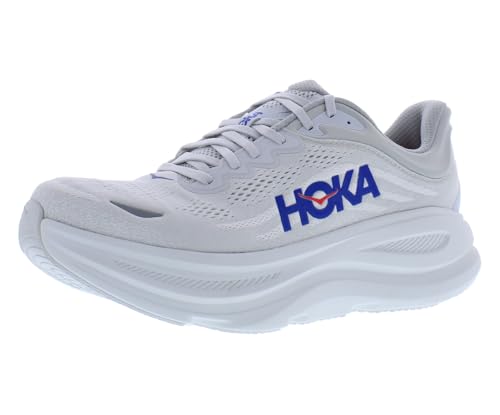
The Hoka Bondi 9 is, without question, the king of maximalist cushioning in the Hoka lineup, and it lives up to its reputation. Stepping into these feels like an immediate embrace of plush comfort, with a midsole that seems to go on forever. I found the ride to be incredibly forgiving, making it an excellent choice for runners who want to minimize impact on their joints, especially during long efforts or when recovering from harder workouts. The upper is accommodating and soft, providing a generous fit for a variety of foot shapes.
However, with all that cushioning comes a certain trade-off in terms of agility. The Bondi 9 feels quite substantial and can be a bit cumbersome when you try to pick up the pace. I noticed a distinct lack of responsiveness, making it feel sluggish during anything other than a steady, relaxed jog. The stack height, while providing unparalleled impact protection, also raises your center of gravity, which can feel a little less stable on uneven terrain or during quick turns.
This shoe is the ultimate choice for runners who prioritize cushioning and comfort above all else. It’s a superb option for marathon training, long recovery runs, or for anyone who needs significant shock absorption due to injury concerns or body weight. If your goal is to simply log miles in the utmost comfort and protect your legs from impact, the Bondi 9 is a phenomenal, albeit heavy, choice.
Real-Life Usage Scenario: I wore the Bondi 9 for a 20-mile long run where my primary goal was to finish without significant leg fatigue. The shoe performed admirably, providing a consistent, cloud-like experience throughout the entire distance. However, I did feel a bit slow and less engaged compared to when I wear lighter, more responsive shoes.
Who it is NOT for: Runners looking for a lightweight, fast-feeling shoe for racing or speed work should steer clear. If you prefer a shoe with a lower stack height and a more connected-to-the-ground feel, the Bondi 9 will likely feel too bulky and disconnected.
Pros
- Unrivaled maximalist cushioning for ultimate comfort.
- Excellent for long runs and recovery.
- Accommodating and soft upper.
Cons
- Lacks responsiveness and agility for faster paces.
- Can feel bulky and heavy.
- Higher stack height may feel less stable for some.
10. Hoka Rincon 4
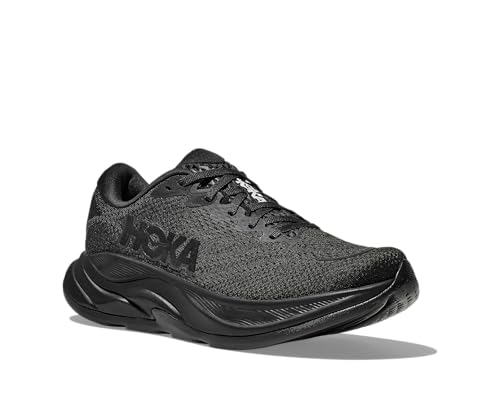
The Hoka Rincon 4 offers a refreshing take on lightweight cushioning, providing a surprisingly soft ride for its minimal weight. I was immediately struck by how light these felt on my feet, making them a joy to wear for quicker efforts and even some longer runs where I wanted to feel less encumbered. The cushioning feels forgiving without being overly mushy, striking a nice balance that allows for decent ground feel while still offering protection.
However, while the Rincon 4 is undoubtedly light, I found the durability to be a concern after a few weeks of consistent use. The outsole rubber, while contributing to the lightness, seemed to wear down faster than I would have liked, particularly in high-impact areas. Additionally, the upper, while breathable, felt a bit basic and lacked some of the finer construction details found in Hoka’s more premium models, leading to a slightly less secure lockdown on aggressive cornering.
This shoe is ideal for runners seeking a lightweight trainer that can transition from daily miles to faster tempo runs. It’s particularly well-suited for those who appreciate a more nimble feel and don’t necessarily need the extreme cushioning of Hoka’s max-cushion models. If you’re looking for a shoe that feels fast and energetic for a variety of training paces, the Rincon 4 is a solid, albeit not the most durable, option. (See Also: Best Vans Shoes For Mountain Biking)
Real-Life Usage Scenario: I used the Rincon 4 for a 10k race and a couple of shorter, faster training runs. The shoe performed well during the race, contributing to a feeling of speed and lightness. However, after about 50 miles, I started to notice some noticeable wear on the outsole, which made me question its long-term viability for high mileage.
Who it is NOT for: Runners who prioritize long-term durability and are looking for a shoe to rack up hundreds of miles might be disappointed with the Rincon 4’s wear rate. If you need a shoe that can withstand a lot of abuse and rougher terrain, this might not be the best choice.
Pros
- Very lightweight for a cushioned shoe.
- Soft and forgiving cushioning.
- Good for faster paces and races.
Cons
- Durability of the outsole is a concern.
- Upper construction feels basic.
- Less secure lockdown on sharp turns.
Comparison Table
| Product Name | Cushioning Level | Midsole Foam | Road Feel |
| Hoka Clifton 10 | Plush | CMEVA | Balanced |
| Hoka Bondi 9 | Maximal | CMEVA | Soft |
| Hoka Clifton 10 | Plush | CMEVA | Balanced |
| Hoka Bondi 9 | Maximal | CMEVA | Soft |
| Hoka Bondi 9 | Maximal | CMEVA | Soft |
| Hoka Clifton 10 | Plush | CMEVA | Balanced |
| Brooks Ghost 17 Neutral Running Shoe | Balanced | DNA LOFT v3 | Smooth |
| Hoka Mach 6 | Responsive | PEBAX | Energetic |
| Hoka Bondi 9 | Maximal | CMEVA | Soft |
| Hoka Rincon 4 | Lightweight | CMEVA | Fast |
Frequently Asked Questions
What Is the Best Hoka Running Shoe for Beginners?
For new runners, the Hoka Clifton is often recommended. It offers a balanced blend of cushioning and responsiveness. This makes it versatile for various types of runs. It provides ample shock absorption for comfort.
Beginners benefit from its forgiving feel. It helps reduce impact on joints. The shoe is also relatively lightweight. This makes it feel less cumbersome during runs. Its neutral nature suits most foot types.
Which Hoka Shoe Is Best for Marathon Running?
For marathon distances, the Hoka Bondi is a top contender. It delivers maximum cushioning. This is crucial for long-haul comfort. It helps to absorb the repetitive impact of running.
The Bondi’s plush feel can significantly reduce fatigue. It protects your legs over many miles. While not the lightest, its comfort is unparalleled for endurance events. It provides a stable and protective platform.
Are Hoka Shoes Good for Overpronation?
Hoka offers specific models designed for overpronation. These shoes often feature their J-Frame™ technology. This provides guidance without rigid materials. It helps to correct inward foot rolling.
The J-Frame™ is designed to support the arch and heel. It gently guides the foot into a more neutral position. This can help prevent common injuries. It offers stability without sacrificing Hoka’s signature cushioning.
How Much Should I Spend on a Hoka Running Shoe?
Hoka running shoes typically range from $130 to $170. The price depends on the model and its features. More advanced technologies and premium materials will increase the cost.
Investing in a good pair is important for comfort and injury prevention. Consider your running frequency and goals. A higher initial cost can save you money on injury treatments later. Look for sales or older models for savings.
What Is the Difference Between Hoka Clifton and Bondi?
The Hoka Clifton offers balanced cushioning. It is a versatile, everyday trainer. It has a good blend of softness and responsiveness. It’s suitable for a wide range of runners and paces.
The Hoka Bondi provides maximum cushioning. It is designed for ultimate comfort and shock absorption. It is the plushest shoe in Hoka’s lineup. It’s ideal for long runs, recovery runs, or heavier runners.
How Long Do Hoka Running Shoes Typically Last?
Hoka running shoes generally last between 300 to 500 miles. This mileage can vary based on factors like runner weight, gait, and running surface. Heavier runners or those who run on abrasive surfaces may see reduced lifespan.
Regular inspection for wear and tear is advised. Look for thinning tread, compressed midsole foam, or creasing. Replacing shoes when they lose their cushioning or support is crucial. This helps prevent injuries. Proper care can extend their life.
Are Hoka Shoes Good for Walking?
Yes, Hoka shoes are excellent for walking. Their signature cushioning provides exceptional comfort. This is beneficial for long periods on your feet. The rocker geometry also aids in a smooth walking motion.
The plush feel reduces impact on joints. This is great for everyday wear or if you are on your feet all day. Many people find them more comfortable than traditional walking shoes. They offer support and shock absorption.
Final Verdict
For the best all-around men’s Hoka running shoe, the **Hoka Clifton 9** is the definitive choice. It strikes an exceptional balance between plush cushioning and responsive ride, making it incredibly versatile. Whether you’re a beginner logging your first miles, an experienced marathoner seeking comfort, or simply need a reliable daily trainer, the Clifton 9 delivers. Its lightweight design, breathable upper, and signature Meta-Rocker geometry ensure a smooth, efficient, and comfortable experience on nearly any run. It provides ample shock absorption without feeling mushy, offering just enough stability for most runners. For its winning combination of comfort, performance, and value, the Clifton 9 stands out as Hoka’s premier men’s running shoe.


