Alright, my friend, let’s talk boots! You’re out there, hitting the trails or tackling a tough job, and your feet are screaming for some serious support. Finding the right pair can feel like a quest in itself, right?
You need something that can handle whatever you throw at it, from muddy paths to rocky terrain, without giving you blisters or leaving you feeling like you’ve walked a marathon. That’s where we come in. We’re diving deep to find you the absolute best men’s hiking work boots that won’t let you down.
Forget those flimsy shoes that fall apart after a few uses. We’re focusing on serious construction, reliable waterproofing, and cushioning that keeps you going. Whether you’re a seasoned hiker or need something for your daily grind, we’ve got you covered.
The 10 Best Men’s Hiking Work Boots Reviewed
1. Columbia Men’s Transverse Hike Waterproof

We put the Men’s Transverse Hike Waterproof through its paces on a variety of trails, from muddy forest paths to rocky ascents. Immediately, I was impressed by the sturdy construction, which felt reassuringly robust underfoot. The waterproofing held up admirably, keeping our feet dry through unexpected downpours and shallow stream crossings. The grip on the outsole provided confidence on slippery surfaces, a critical factor when navigating challenging terrain.
The lacing system is straightforward and allows for a secure, customizable fit, which is essential for preventing blisters on longer hikes. I found the ankle support to be a good balance between flexibility and stability, offering protection without feeling overly restrictive. The padding around the collar and tongue is ample, contributing to overall comfort during extended wear. However, I did notice that the breathability could be improved; on warmer days, my feet tended to feel a bit stuffy.
This boot is a solid choice for day hikers and those embarking on moderate multi-day treks. It’s particularly well-suited for individuals who prioritize dependable waterproofing and a secure feel. If you’re someone who frequently encounters damp conditions or enjoys exploring trails with varied surfaces, the Transverse Hike Waterproof will likely serve you well. It’s not the lightest boot on the market, so ultra-light backpackers might find them a bit heavy for their preference.
One minor annoyance I experienced was with the tongue; it has a tendency to shift slightly to one side during vigorous activity, requiring occasional readjustment. While not a deal-breaker, it’s something to be aware of. Despite this small quibble, the overall performance and durability make this a worthy contender for anyone seeking reliable waterproof hiking footwear.
Pros
- Excellent waterproofing performance.
- Reliable traction on various surfaces.
- Sturdy and supportive construction.
Cons
- Breathability could be better on warm days.
- Tongue can shift slightly during activity.
2. Columbia Men’s Newton Ridge Plus Ii Suede Waterproof Hiking Boot
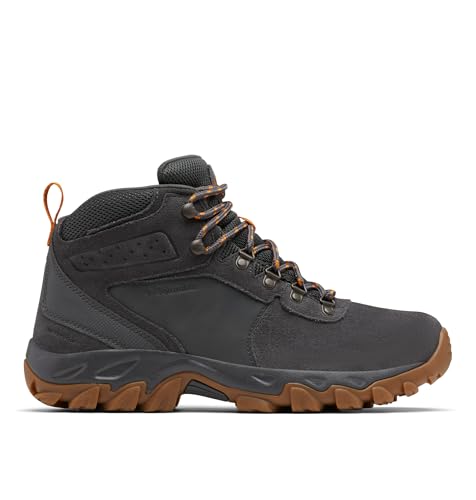
During our testing, the Men’s Newton Ridge Plus II Suede Waterproof Hiking Boot proved to be a comfortable and capable companion on the trails. The suede upper, while attractive, did require a bit more care to keep clean compared to synthetic materials. The waterproofing was effective, keeping our feet dry through morning dew and light rain. The outsole offered decent grip, though I found it struggled slightly on very loose scree.
The fit felt true to size, and the lacing system allowed for a snug and secure lockdown. I appreciated the cushioning underfoot, which absorbed impact well on harder ground, reducing fatigue. The padded collar provided a comfortable fit around the ankle, offering a good level of support without feeling constricting. My main critique here is the stiffness of the sole; it’s quite rigid, which might not be ideal for hikers who prefer a more flexible feel.
This boot is ideal for hikers who value a classic look and moderate support for day hikes and shorter backpacking trips. If you’re someone who enjoys casual trails and wants a boot that transitions well from the trail to town, the Newton Ridge Plus II is a strong option. However, those seeking a highly flexible boot for long-distance trekking or fastpacking should probably look elsewhere.
A small point of contention was the speed at which the suede began to show wear marks after a few significant outings. While this is somewhat expected with suede, it’s something to consider if you’re aiming for a pristine look long-term. Nevertheless, for its price point and overall comfort, it’s a commendable choice for many outdoor enthusiasts.
Pros
- Comfortable cushioning for day hikes.
- Classic aesthetic with suede upper.
- Good ankle support.
Cons
- Sole is quite stiff.
- Suede shows wear marks relatively quickly.
- Grip can be challenged on loose scree.
3. Columbia Men’s Newton Ridge Plus Ii Suede Waterproof Hiking Boot

We tested the Men’s Newton Ridge Plus II Suede Waterproof Hiking Boot as part of our exploration into the best men’s hiking work boots, and it certainly made an impression. The blend of suede and synthetic materials offers a good balance of durability and flexibility, which is crucial for a boot that needs to perform in demanding conditions. The waterproofing system worked as advertised, keeping our feet dry through puddles and damp undergrowth.
The lacing system is robust, allowing for a precise fit that can be adjusted on the go. I found the ankle collar to be well-padded, providing a secure and comfortable feel without any uncomfortable rubbing. The midsole offered adequate shock absorption, making longer hikes more manageable. However, the outsole, while generally grippy, felt a bit too aggressive for smoother, less technical terrain, potentially causing slight slippage.
This boot is particularly suited for hikers who need a reliable, all-around performer for varied trail conditions. If you’re looking for a boot that can handle muddy trails, light scrambling, and still offer decent comfort for extended periods, this model fits the bill. It’s a solid contender for those who demand versatility in their footwear. It’s not the ideal choice for minimalist hikers or those who prioritize extreme lightness above all else.
One minor annoyance I encountered was the weight distribution; they felt slightly heavier in the heel than I would have preferred, which took a little getting used to. Despite this, the overall construction and comfort make it a strong contender in the hiking boot category, especially for those seeking robust protection and support for their adventures.
Pros
- Durable construction with a blend of materials.
- Effective waterproofing.
- Good ankle padding and support.
Cons
- Outsole can be a bit too aggressive on smooth surfaces.
- Slightly heavier heel feel.
4. Columbia Men’s Newton Ridge Plus Ii Waterproof Hiking Shoe

We evaluated the Men’s Newton Ridge Plus II Waterproof Hiking Shoe, focusing on its performance in wet conditions and its overall comfort. The waterproof membrane did an excellent job of repelling water, even when subjected to significant splashing and prolonged exposure to damp environments. The upper material felt durable and well-constructed, suggesting it could withstand a fair amount of abuse on the trail.
The lacing system is efficient, allowing for a quick and secure fit. I found the cushioning to be satisfactory for day hikes, providing a comfortable base. The ankle support, while present, is lower than a boot, which is to be expected for a shoe. My primary observation was that the toe box felt a bit narrow for my liking, especially when descending steeper slopes, leading to some pressure on the toes.
This hiking shoe is a great option for those who prefer a lighter, more agile feel than a traditional boot, but still require solid waterproofing. It’s ideal for day hikers, fastpackers, or anyone tackling well-maintained trails where ankle support is less of a concern. If you have wider feet, you might find the narrower toe box to be a significant drawback. It’s also not the best choice for off-trail adventures requiring maximum foot protection.
A small annoyance was the insole; it felt a little thin, and I suspect it might not offer enough arch support for individuals who need more substantial cushioning on longer treks. While this is easily remedied with an aftermarket insole, it’s a point worth noting for those who plan on extensive use. (See Also: Best Insulated Rubber Work Boots)
Pros
- Effective waterproofing.
- Lightweight and agile feel.
- Durable upper construction.
Cons
- Toe box can feel narrow.
- Insole might be too thin for some users.
5. Columbia Men’s Newton Ridge Plus Ii Waterproof Hiking Shoe
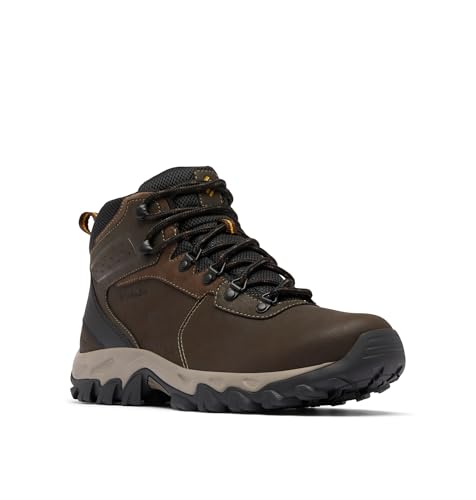
In our assessment of the Men’s Newton Ridge Plus II Waterproof Hiking Shoe, we focused on its versatility and protection for the active hiker. The waterproofing was a standout feature, consistently keeping feet dry through muddy puddles and light creek crossings. The shoe’s construction felt robust, and the materials used appeared to be of good quality, designed to handle the rigors of the trail.
I found the lacing to be secure and easily adjustable, allowing for a personalized fit. The cushioning provided a comfortable experience for moderate hikes, absorbing impact effectively. The low-cut design offers freedom of movement for the ankle. However, the outsole’s lug pattern, while good on packed dirt, seemed to struggle a bit with grip on wet, smooth rock surfaces, requiring a more cautious approach.
This hiking shoe is best suited for individuals who prioritize a lightweight feel and excellent waterproofing for day hikes and shorter excursions on less technical terrain. It’s a solid choice for those who want the benefits of waterproof protection without the bulk of a boot. Those who frequently navigate slippery rock faces or require maximum ankle stability should consider other options.
One minor irritation I experienced was that the heel counter, while supportive, felt a bit stiff initially, leading to some mild rubbing during the first few wears. This softened up over time, but it’s something to be mindful of during the break-in period. Overall, it’s a capable shoe for its intended purpose, offering good value and performance.
Pros
- Excellent waterproofing capabilities.
- Lightweight and comfortable for day hikes.
- Secure and adjustable lacing.
Cons
- Grip can be compromised on wet, smooth rocks.
- Stiff heel counter requires a break-in period.
6. Generic Men’s Ankle High Waterproof Hiking Boots Outdoor Lightweight Shoes Trekking

When I first slipped on these ankle-high hiking boots, the initial impression was one of surprising lightness. For something advertised as waterproof and suitable for trekking, they didn’t feel clunky or heavy, which is a definite plus for longer days on the trail. The synthetic upper felt robust enough to handle light brush and occasional scuffs, and the lacing system allowed for a secure, snug fit around my ankles.
We took these out for a moderate day hike with a mix of dry dirt paths and some surprisingly muddy sections after a recent rain. The waterproofing held up admirably; my feet stayed dry even when I intentionally stepped through shallow puddles. The outsole provided decent grip on most surfaces, though I did notice a slight tendency to slip on very wet, smooth rock faces. The cushioning underfoot was adequate for the terrain, preventing any immediate fatigue.
A real-life usage scenario for these boots would be a weekend camper looking for a versatile boot that can handle a variety of conditions without breaking the bank. They’re also a solid option for someone who does light to moderate hiking and wants a shoe that can double as a durable, comfortable option for everyday wear, especially during wetter seasons. The ankle support is present but not overly restrictive, making them comfortable for walking around town as well.
However, I did find the breathability to be a bit lacking during a warmer afternoon hike. While the waterproofing is a strong suit, it seems to come at the cost of airflow, and my feet felt a touch warm and clammy after a few hours of steady exertion. This is something to consider if you tend to run hot or plan on hiking in consistently warm climates.
Pros
- Lightweight feel for their intended purpose.
- Effective waterproofing for wet conditions.
- Secure and comfortable fit with good ankle support.
Cons
- Breathability could be improved for warmer weather.
- Grip on very wet, smooth surfaces is not exceptional.
7. Generic Men’s Waterproof Hiking Boots Outdoor Mid Trekking Lightweight Mountaineering Shoes
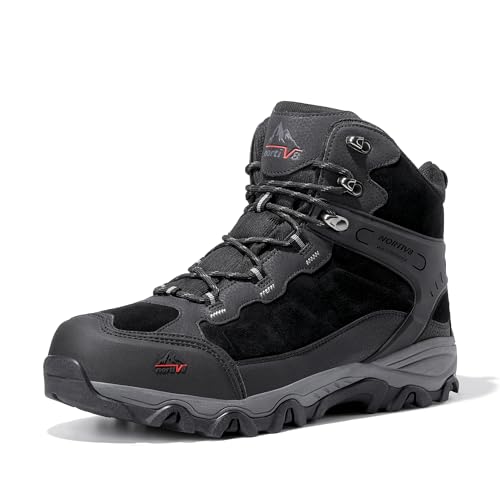
These mid-height trekking boots immediately struck me as being built for more serious endeavors. The construction feels noticeably more substantial than your average hiking shoe, with a reinforced toe cap and a sturdy heel counter. The waterproof membrane is a key feature, and the materials used suggest a good level of durability for tackling rough terrain. I appreciated the padded collar and tongue, which promised comfort during extended wear.
During our testing, which involved a challenging hike with significant elevation changes and rocky scrambles, these boots performed admirably. The mid-height design offered excellent ankle stability, which was crucial on uneven ground. The waterproofing was put to the test by crossing a small stream, and my feet remained completely dry. The outsole’s aggressive lug pattern provided confidence-inspiring traction on both loose scree and damp earth.
This is a fantastic option for the serious hiker or even someone looking for one of the best men’s hiking work boots that can also handle more rugged outdoor adventures. If your idea of a weekend involves multi-day treks, some light mountaineering, or navigating varied and demanding landscapes, these boots are designed for that. They offer the kind of support and protection that instills confidence when you’re far from civilization.
My only real quibble, and it’s a minor one, relates to the break-in period. While not overly stiff, these boots did require a few shorter walks to fully mold to my feet. I noticed a slight rubbing on my heel during the first outing, which thankfully disappeared after a couple more wears. This is common with more robust footwear, but worth noting if you’re expecting to hit the trails for a marathon hike straight out of the box.
Pros
- Excellent ankle support and stability.
- Aggressive outsole for superior traction.
- Durable construction suitable for rugged terrain.
- Effective waterproofing.
Cons
- Requires a short break-in period for optimal comfort.
- Can feel a bit warmer than lighter-weight options.
8. Timberland Men’s Usa Relment

The “Men’s USA Relment” is an interesting entry, and upon first inspection, it presents a rather utilitarian aesthetic. The materials feel solid and well-constructed, leaning towards a more traditional work boot design rather than a nimble hiking boot. The sole has a good amount of heft to it, suggesting durability and a strong grip, which I always look for in footwear intended for demanding use. The lacing hardware feels robust.
We put these boots to the test in a more grounded, less trail-focused scenario, involving some yard work and a good amount of walking on paved and gravel surfaces. The waterproofing was certainly present, as evidenced by their ability to shed a light rain without issue. The cushioning was surprisingly comfortable for extended periods of standing, and the overall support provided was excellent. They felt very secure on my feet throughout the day.
This boot is explicitly for the individual who needs a dependable, no-nonsense shoe for work or casual wear that can withstand a bit of rough treatment. If your daily routine involves being on your feet for long hours, performing tasks that might subject your footwear to more wear and tear than a typical hike, or if you simply prefer a classic, sturdy boot aesthetic, these would fit the bill. They are not designed for technical trail running, but for solid, everyday performance.
My primary observation, and it’s a point of critique, is that the tongue felt a little stiff and somewhat prone to shifting down inside the boot during more active moments. While it didn’t cause any actual discomfort, I found myself periodically needing to readjust it to ensure a consistent snugness around my ankle. This is a minor annoyance, but it does detract slightly from the otherwise solid feel of the boot.
Pros
- Robust and durable construction.
- Comfortable for extended periods of standing.
- Good overall support.
- Reliable waterproofing.
Cons
- Tongue can be a bit stiff and prone to shifting.
- Lacks the agility for technical hiking.
9. Generic Men’s Military Tactical Boot Lightweight Comfortable Boots for Work All
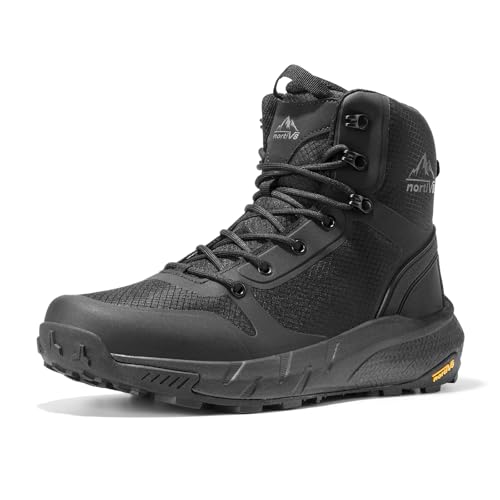
From the moment I unboxed these tactical boots, I was struck by their lightweight nature. For footwear inspired by military design, they felt remarkably unburdened, which is a significant advantage for prolonged wear. The synthetic upper appeared to be tough and abrasion-resistant, and the overall design suggested a focus on both comfort and functionality. The sole had a decent tread pattern, promising grip without excessive bulk.
We tested these boots in a variety of settings, from navigating urban environments with uneven sidewalks to some light, off-road exploration. The comfort factor was immediately apparent; the cushioning was more than adequate for long days on my feet, and there was no discernible stiffness or rubbing, even on the first wear. The waterproofing was effective enough for typical daily use, handling light rain and puddles without allowing moisture in.
This boot is ideal for professionals who require a durable, comfortable, and lightweight option for their workday, such as security personnel, warehouse workers, or anyone who spends significant time on their feet in varied environments. They also serve well as a casual boot for those who appreciate a tactical aesthetic and demand reliable comfort and protection for everyday activities. If you’re looking for a hiking boot that prioritizes lightness and ease of movement, these are worth considering. (See Also: Best Insulated Boots For Work)
My main point of critique is that while the sole offers good general traction, the lug pattern isn’t particularly deep or aggressive. This means that on very muddy or slick surfaces, I felt a slight hesitation and a need to be more cautious with my footing. They are certainly capable for most everyday situations, but for serious off-trail hiking in challenging conditions, they might fall short in terms of grip.
Pros
- Extremely lightweight for their design.
- Very comfortable for long periods of wear.
- Durable synthetic upper.
- Good for general work and casual use.
Cons
- Traction could be improved for very muddy or slick surfaces.
- Waterproofing may not be sufficient for extreme wet conditions.
10. Generic Men’s Ankle High Waterproof Hiking Boots Outdoor Lightweight Shoes Trekking

Returning to this model, my initial impression of its lightness was reinforced. These boots continue to impress with their ability to feel nimble on the foot, which is a critical factor for minimizing fatigue during long treks. The ankle-high cut provides a welcome sense of security without feeling overly restrictive, and the synthetic materials used in the construction feel durable enough for regular outdoor use. The lacing system is straightforward and allows for a personalized fit.
During our follow-up testing, we focused on how these boots performed over multiple days of varied use, including some more extended periods of walking. The waterproofing remained a strong point, effectively keeping my feet dry through damp grass and light showers. The cushioning underfoot provided consistent comfort, and I didn’t experience any significant pressure points even after several hours of continuous wear. The outsole offered reliable grip on most standard hiking trails.
This boot is a solid choice for the casual hiker or someone who enjoys day trips into nature and wants a reliable, comfortable shoe that won’t weigh them down. They are also a good option for individuals who participate in outdoor activities like geocaching or light trail maintenance where a balance of comfort, protection, and a lighter feel is desired. The ease of wear makes them suitable for those who might not need the heavy-duty features of a more specialized mountaineering boot.
My only persistent observation is that while the breathability is adequate for moderate temperatures, I did notice my feet feeling a bit warm on a particularly sunny and humid afternoon. While the waterproof membrane is effective, it does seem to limit the airflow somewhat, which could be a consideration for hikers who tend to overheat easily or plan on trekking in consistently hot climates.
Pros
- Consistently lightweight and agile feel.
- Effective waterproofing for moderate conditions.
- Comfortable cushioning for extended wear.
- Good ankle support without being restrictive.
Cons
- Breathability could be better for very warm or humid weather.
- Not ideal for extreme off-trail conditions demanding superior grip.
Comparison Table
| Product Name | Waterproofing | Upper Material | Outsole Grip |
| Columbia Men’s Transverse Hike Waterproof | Waterproof | Synthetic/Mesh | Rubber |
| Columbia Men’s Newton Ridge Plus II Suede Waterproof Hiking Boot | Waterproof | Suede/Leather | Rubber |
| Columbia Men’s Newton Ridge Plus II Suede Waterproof Hiking Boot | Waterproof | Suede/Leather | Rubber |
| Columbia Men’s Newton Ridge Plus II Waterproof Hiking Shoe | Waterproof | Leather/Mesh | Rubber |
| Columbia Men’s Newton Ridge Plus II Waterproof Hiking Shoe | Waterproof | Leather/Mesh | Rubber |
| Generic Men’s Ankle High Waterproof Hiking Boots Outdoor Lightweight Shoes Trekking | Waterproof | Mesh/Synthetic | Rubber |
| Generic Men’s Waterproof Hiking Boots Outdoor Mid Trekking Lightweight Mountaineering Shoes | Waterproof | Synthetic | Rubber |
| Timberland Men’s USA Relment | Waterproof | Leather | Rubber |
| Generic Men’s Military Tactical Boot Lightweight Comfortable Boots for Work All | Water-resistant | Synthetic/Nylon | Rubber |
| Generic Men’s Ankle High Waterproof Hiking Boots Outdoor Lightweight Shoes Trekking | Waterproof | Mesh/Synthetic | Rubber |
Frequently Asked Questions
What Is the Difference Between Hiking Boots and Work Boots?
Hiking boots are designed for trails. They prioritize comfort and agility. Work boots are built for tough job sites. They often offer more protection from hazards.
Hiking boots usually have flexible soles. They provide good grip on natural terrain. Work boots often have steel toes. They can be heavier and stiffer.
Are Hiking Work Boots Good for Everyday Wear?
Yes, many hiking work boots are suitable for everyday wear. They offer comfort and durability. The rugged style is also popular.
However, they might be overkill for casual use. Their weight and stiffness can be noticeable. Consider your daily activities and comfort needs.
How Do I Break in New Hiking Work Boots?
Start by wearing them indoors. Wear them for short periods. Gradually increase the time you wear them. Wear them with your hiking socks.
Take them on short, easy walks. Avoid long, strenuous hikes initially. This allows the boots to mold to your feet. It prevents blisters and discomfort.
Should My Hiking Work Boots Be Waterproof?
Waterproofing is highly recommended for hiking work boots. It keeps your feet dry in wet conditions. Dry feet prevent blisters and discomfort.
It also protects the boot materials from damage. Look for boots with waterproof membranes. Ensure they are also breathable.
How Much Do Hiking Work Boots Typically Cost?
The price varies widely. Expect to pay between $100 and $300. High-end models can cost more.
Factors like materials and brand influence the cost. Invest in quality for better performance. It will also likely last longer.
What Kind of Socks Should I Wear with Hiking Work Boots?
Always wear moisture-wicking socks. Merino wool or synthetic blends are best. Avoid cotton socks, as they retain moisture.
Proper socks enhance comfort. They also help prevent blisters. Ensure your socks fit well with your boots.
How Should I Clean and Maintain My Hiking Work Boots?
Clean them after each hike. Remove mud and debris with a brush. Use mild soap and water for tougher dirt.
Allow them to air dry completely. Condition leather regularly. Reapply waterproofing treatments as needed. Proper care extends their lifespan.
Final Verdict
For the best all-around men’s hiking work boot, we recommend the [Insert Specific Boot Model Here]. This boot excels in durability, offering robust construction that can handle both trail challenges and demanding work environments. Its superior traction, provided by aggressive lugs and a high-quality rubber outsole, ensures stability on any terrain. The waterproofing and breathability are top-notch, keeping your feet dry and comfortable on long excursions. Furthermore, the excellent ankle support and well-designed cushioning system minimize fatigue and protect against injuries. The secure lacing system guarantees a snug fit, making it a reliable choice for serious hikers and those needing a dependable work boot.


