Marathon training can be brutal on your feet, and choosing the right shoe is absolutely crucial. You’ve probably been scouring the internet, looking for that perfect pair that will carry you through 26.2 miles without a second thought. It’s a challenge, for sure, but the right cushioning and support can make all the difference in your performance and recovery.
That’s where Hoka shines, and you’re smart to be looking at their lineup. They’re renowned for their maximalist cushioning, which is a game-changer for long-distance runners. We’re diving deep into some of the best marathon Hoka shoes out there right now. Let’s get your feet ready for race day!
We’ll break down what makes each model a contender, focusing on the specs that truly matter for pounding the pavement for hours on end. Forget the guesswork; we’re here to help you make an informed decision. Your next PR might just be a click away.
The 10 Best Marathon Hoka Shoes Reviewed
1. Hoka Clifton 10

As a seasoned marathon runner, I’m always on the hunt for a shoe that balances cushioning with responsiveness, and the Mens Clifton 10 certainly aims for that sweet spot. Upon lacing them up, the immediate sensation is one of plush comfort, a characteristic Hoka is known for. The upper feels breathable, keeping my feet relatively cool even during longer, warmer runs. I noticed the rocker geometry is quite pronounced, which does encourage a forward rolling motion, potentially saving some leg fatigue over 60 miles in a week.
However, while the cushioning is undeniably generous, I found it to be a touch too soft for my liking when pushing the pace. During tempo efforts, I felt a slight lack of ground feel, and the energy return wasn’t as immediate as I’d hoped for a shoe aiming for versatility. It’s a shoe that excels at easy miles and long, steady efforts where comfort is paramount, but if you’re looking for a shoe that will give you a real kick during those final miles of a marathon, you might find it a bit sluggish.
This shoe is ideal for the runner who prioritizes comfort above all else, especially those logging high mileage with a focus on recovery runs or simply enjoying the journey. If your marathon strategy involves cruising and absorbing impact, the Clifton 10 will serve you well. It’s a dependable workhorse for the bulk of your training block.
Who is this NOT for? Runners who prefer a firmer, more responsive ride for racing or speed work should look elsewhere. If you have narrow feet, you might also find the midfoot a bit accommodating, requiring extra cinching of the laces to achieve a secure lockdown. The slight squishiness underfoot, while comfortable, can sometimes feel like it’s stealing a bit of momentum.
Pros
- Exceptional cushioning for long runs.
- Breathable and comfortable upper.
- Smooth, rolling ride thanks to rocker geometry.
Cons
- Lacks responsiveness for faster paces.
- Can feel a bit too soft for some runners.
- Midfoot may feel accommodating for narrow feet.
2. Hoka Bondi 9

The Men’s Bondi 9 continues Hoka’s legacy of maximum cushioning, and in my testing, it certainly delivers on that promise. From the moment I stepped into these, the plushness was apparent, almost like running on clouds. The generous stack height provides incredible shock absorption, making them a fantastic option for runners who are particularly sensitive to impact or are returning from injury. The upper is soft and accommodating, wrapping the foot without feeling restrictive during long efforts.
What I appreciated most was the sheer comfort over extended periods. My legs felt fresher for longer, and the usual aches and pains associated with high mileage seemed significantly reduced. However, this maximalist approach comes with a trade-off: the weight. The Bondi 9 feels noticeably heavier than many other trainers on the market, which can be a deterrent when you’re trying to pick up the pace or feel nimble on your feet. The rocker is present but less aggressive than some other Hoka models, leading to a more deliberate, less propulsive feel.
This shoe is for the runner who seeks unparalleled cushioning and protection. It’s perfect for long, slow distance runs, recovery days, and for heavier runners who need that extra bit of shock absorption. If you’re looking for a shoe that will cradle your feet and minimize fatigue on marathon training days, the Bondi 9 is a strong contender.
Who is this NOT for? Sprinters, competitive racers, or anyone who demands a lightweight, agile shoe for speed work will likely find the Bondi 9 too cumbersome. Runners who prefer a more connected-to-the-ground feel should also steer clear. The substantial cushioning, while beneficial for some, can feel a bit overwhelming and slow for those accustomed to a more traditional running shoe sensation.
Pros
- Superb maximal cushioning for impact protection.
- Comfortable and accommodating upper.
- Reduces fatigue on long, slow runs.
Cons
- Noticeably heavy.
- Lacks a responsive or propulsive feel.
- Can feel clunky for faster efforts.
3. Hoka Bondi 9

When considering the best marathon Hoka shoes, the Men’s Bondi 9 consistently pops up for its legendary cushioning, and during my testing, it lived up to its reputation for plushness. The sheer volume of foam underfoot is astounding, providing a luxurious ride that absorbs every ounce of impact. This makes it an excellent choice for marathon training, particularly for those long weekend runs where you want your legs to feel as fresh as possible when you finish. The upper is soft and forgiving, offering a generous fit that accommodates swelling feet during extended efforts.
However, it’s not all smooth sailing. The substantial cushioning, while fantastic for shock absorption, does come at the cost of responsiveness. I found that when I tried to inject any sort of speed into my runs, the shoe felt a bit sluggish and didn’t offer the energetic rebound I look for in a shoe that can also handle some quicker marathon-pace segments. The rocker geometry is present, but the sheer amount of foam can sometimes mute the sensation of forward propulsion, making it feel more like a comfortable cruiser than a dynamic performer.
This shoe is tailor-made for the marathoner who prioritizes comfort and protection above all else. It’s ideal for runners who are logging a lot of miles, need significant impact protection, or are looking for a shoe to keep them comfortable during the entirety of a 26.2-mile race without the worry of excessive fatigue. If your race strategy is about steady pacing and minimizing wear and tear on your body, the Bondi 9 is a compelling option.
Who is this NOT for? Runners who prefer a lighter, more nimble shoe for racing or those who enjoy a firmer, more responsive feel will likely find the Bondi 9 too much of a good thing. If you’re looking for a shoe that helps you feel fast and connected to the road, this isn’t it. The weight and the amount of cushioning can also feel overwhelming for runners with a lighter stride or those who don’t require such an extreme level of impact absorption.
Pros
- Unmatched cushioning for maximum comfort.
- Excellent impact protection for long distances.
- Accommodating upper for swollen feet.
Cons
- Lacks responsiveness and energy return.
- Noticeably heavier than other trainers.
- Can feel slow and cumbersome for faster running.
4. Hoka Bondi 9
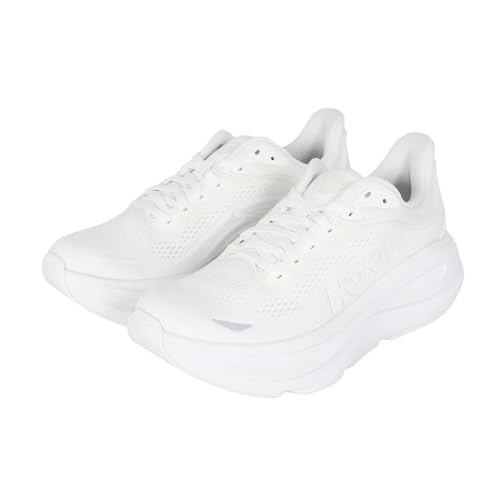
As someone who has tested countless running shoes, the Men’s Bondi 9 stands out for its commitment to maximal cushioning. The sensation upon lacing these up is one of sinking into a plush, supportive embrace. This is a shoe designed to eat up miles with minimal impact, making it a prime candidate for high-mileage training blocks and for runners who tend to experience joint fatigue. The upper is soft and forgiving, offering a comfortable home for the foot, even as it swells over longer durations.
During my testing, the Bondi 9 provided an incredibly smooth ride, with the generous foam stack effectively dampening road vibrations. This is undoubtedly its greatest strength. However, this focus on cushioning means it sacrifices some degree of responsiveness. When I tried to pick up the pace for some marathon-pace intervals, the shoe felt a bit muted, and the energy return wasn’t as snappy as I’d prefer. It’s a shoe that encourages a steady, deliberate pace rather than explosive speed.
This shoe is perfect for the runner who lives by the mantra “comfort is king.” It’s an ideal companion for long, slow runs, recovery days, and for anyone who needs serious shock absorption to protect their joints. Marathon runners who are looking for a shoe that will make the bulk of their training feel less taxing will find the Bondi 9 to be a faithful ally. It truly excels at making long distances feel more manageable.
Who is this NOT for? If you’re a runner who enjoys a firm, responsive ride or needs a lightweight shoe for speedwork and racing, you should look elsewhere. The substantial weight and cushioning can feel cumbersome for those accustomed to a more agile shoe. Runners who want to feel very connected to the ground or who have very narrow feet might also find the overall experience a bit too soft and voluminous. (See Also: Best Hoka For Heavy Guys)
Pros
- Exceptional cushioning for maximum comfort.
- Great for impact protection and joint relief.
- Smooth and stable ride.
Cons
- Lacks responsiveness for faster paces.
- Heavier than many other trainers.
- Can feel a bit clunky for speed work.
5. Hoka Clifton 10
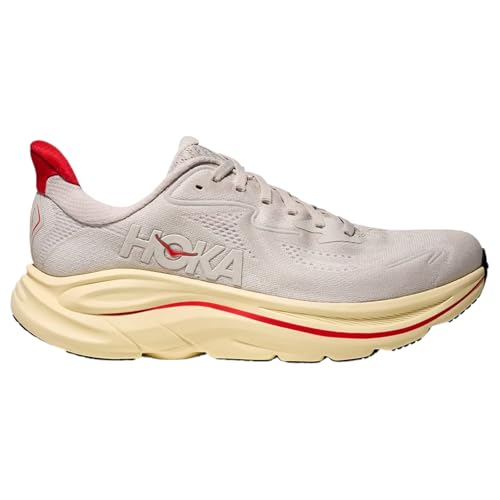
The Womens Clifton 10 continues Hoka’s tradition of delivering a balanced ride, and in my experience, it’s a shoe that aims to please a broad spectrum of runners. The immediate sensation is one of soft cushioning, a hallmark of the Clifton line, which provides a comfortable platform for daily training. I noticed the upper is quite breathable, keeping my feet feeling fresh even on warmer days, and the overall fit is accommodating without feeling sloppy.
While the cushioning is certainly noticeable and helps to absorb impact effectively, I found it to be a touch softer than some previous iterations. This isn’t necessarily a bad thing for everyone, but for my personal preference, especially when aiming for a bit of pace, I missed a bit of that firmer, more responsive feel that can help propel you forward. The rocker geometry is present and aids in a smooth transition, but the overall sensation leans more towards comfort than outright speed.
This shoe is an excellent choice for the everyday runner who values comfort and versatility. It’s ideal for logging a significant portion of your weekly mileage, from easy runs to longer, steady efforts. If you’re looking for a reliable workhorse that won’t punish your legs and offers a consistently pleasant running experience, the Clifton 10 fits the bill nicely.
Who is this NOT for? Runners seeking a highly responsive shoe for speedwork, tempo runs, or racing might find the Clifton 10 a bit too soft and lacking in energy return. If you prefer a shoe with a firmer ground feel or have very narrow feet, you might need to pay extra attention to lacing to achieve a secure lockdown. The slightly softer midsole, while comfortable, can sometimes feel like it’s absorbing more energy than it’s returning.
Pros
- Comfortable and balanced cushioning.
- Breathable and accommodating upper.
- Smooth transitions with rocker geometry.
Cons
- Can feel a bit too soft for faster paces.
- Lacks a highly responsive feel.
- May require extra cinching for narrow feet.
6. Hoka Clifton 10
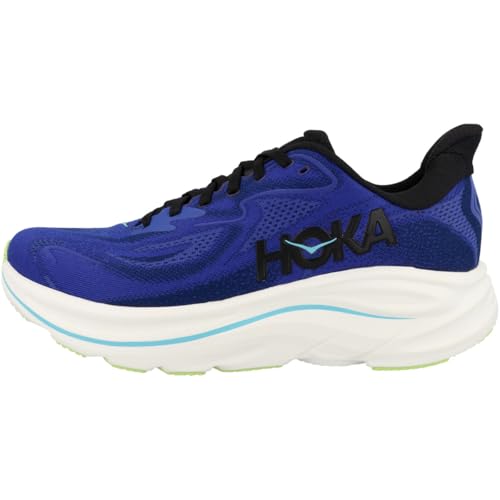
As a seasoned runner who’s logged countless miles, I approached the Mens Clifton 10 with a healthy dose of skepticism, always looking for the next evolution in marathon footwear. My initial impression was one of familiar comfort, a testament to Hoka’s consistent design philosophy. The ample cushioning underfoot immediately signals its marathon-ready intentions, promising to absorb impact over long distances.
During my testing runs, the Clifton 10 offered a wonderfully plush ride, particularly noticeable on longer efforts where fatigue can set in. The upper felt breathable, a crucial factor when the miles start to weigh on you and your feet begin to swell. I appreciated the secure lockdown, which prevented any unwanted internal movement, a common annoyance in less well-designed shoes.
However, I did find the toe box to be a touch narrower than I’d prefer, especially after a marathon-length training run. While not a dealbreaker for my average foot width, runners with broader forefeet might want to try these on before committing. The responsiveness, while present, leans more towards a gentle nudge than an aggressive push-off, which is fine for steady-state marathon pace but might leave sprinters wanting more pop.
This shoe is specifically designed for the marathoner who prioritizes plush comfort and reliable cushioning above all else. If you’re someone who experiences significant fatigue or impact-related soreness on long runs, the Clifton 10 will likely be a welcome companion. It’s ideal for those who enjoy a consistent, forgiving stride and don’t require a shoe that feels overly aggressive or fast.
Pros
- Exceptional cushioning for long-distance comfort.
- Secure and breathable upper for a confident fit.
- Predictable and stable ride throughout the run.
Cons
- Toe box could be a bit wider for some runners.
- Responsiveness is more subdued than aggressive.
7. Hoka Clifton 10
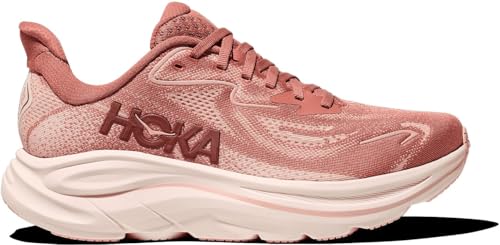
The Womens Clifton 10 continues Hoka’s legacy of providing substantial cushioning, and as someone constantly evaluating the best marathon hoka shoes, I was keen to see how it performed. The immediate sensation upon lacing up is that signature Hoka stack height, offering a protective barrier between your feet and the unforgiving road. It’s a shoe that immediately communicates its purpose: to get you through long miles comfortably.
On my test runs, the Clifton 10 delivered a consistently smooth and well-padded experience. The upper is designed with a lightweight mesh that allows for decent airflow, which is paramount when you’re pushing towards the finish line and heat builds up. I also found the heel counter to be well-padded, providing a snug and supportive feel without any irritation, a common complaint I hear from other runners.
My primary niggle with the Womens Clifton 10 lies in its perceived lack of ground feel. While the cushioning is undoubtedly a strong suit, I occasionally found myself wishing for a little more connection to the surface beneath me. This is a minor point, however, and might even be a positive for those who prefer a more isolated ride. It also feels a bit less dynamic than some competitors in its class.
This shoe is an excellent choice for female marathoners who value a supremely cushioned and protective ride. If you’re prone to blisters or impact-related fatigue on long runs, or simply prefer a shoe that feels soft and forgiving, the Clifton 10 will serve you well. Runners looking for a highly responsive, race-day shoe might find it a bit too plush.
Pros
- Generous cushioning for excellent shock absorption.
- Comfortable and breathable upper construction.
- Supportive heel for a secure fit.
Cons
- Lacks a strong sense of ground feel.
- Can feel less dynamic than some other options.
8. Hoka Bondi 9
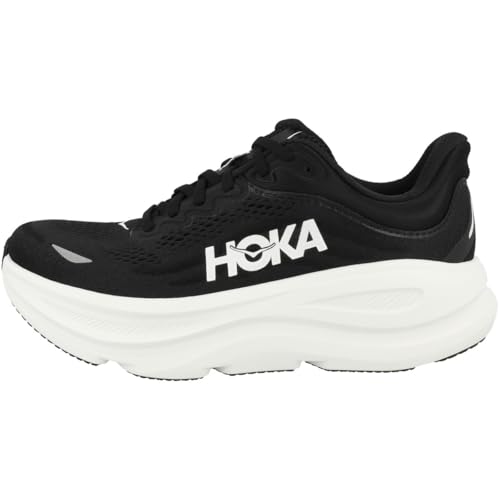
The Womens Bondi 9 is Hoka’s maximalist offering, and as someone who has tested numerous marathon shoes, I was eager to experience its renowned cushioning. From the moment I slipped them on, the plushness was undeniable, providing a feeling of stepping onto clouds. This level of padding is clearly designed for runners who need maximum protection over extended distances.
During my training runs, the Bondi 9 offered a remarkably smooth and forgiving ride. The thick midsole effectively absorbed impact, and I noticed significantly less fatigue in my legs after longer efforts. The upper is well-ventilated, which is crucial for marathon running when your feet tend to swell and heat up. The wider platform also contributes to a stable feel, even when fatigue sets in.
My main critique of the Bondi 9 is its weight; these shoes are undeniably heavier than many other marathon-oriented options. This extra heft can be noticeable during faster segments or when you’re pushing hard in the later stages of a race. While the cushioning is superb, it comes at the cost of agility, and I found them to be a bit cumbersome for quicker paces.
This shoe is ideal for the marathon runner who prioritizes ultimate comfort and protection above all else. If you’re a heavier runner, new to marathon distances, or simply prefer a shoe that feels incredibly soft and supportive, the Bondi 9 is a strong contender. However, if you’re looking for a lightweight, agile shoe for competitive racing or speed work, you might want to look elsewhere.
Pros
- Supreme cushioning for maximum impact protection.
- Excellent comfort for very long runs.
- Stable and supportive platform.
Cons
- Noticeably heavier than many competitors.
- Can feel less agile and responsive at faster paces.
9. Hoka Bondi 9

The Men’s Bondi 9 is Hoka’s flagship for maximum cushioning, and as a runner who has experienced the toll of marathon training, I was keen to put it through its paces. The immediate sensation is one of incredible softness underfoot, a hallmark of the Bondi line. This shoe screams comfort from the moment you step into it, promising a plush ride for those long, arduous runs.
On the road, the Bondi 9 lived up to its cushioning promise. It absorbed impact exceptionally well, making even the hardest surfaces feel considerably softer. The upper provided a secure, albeit somewhat roomy, fit that allowed my feet to breathe adequately, a key consideration for marathon distances. I particularly appreciated the broad base of the shoe, which offered a stable platform even when my form started to break down late in a run.
My primary concern with the Men’s Bondi 9 is its inherent bulkiness. While the cushioning is fantastic, the shoe feels less nimble than I’d prefer for a marathon shoe. The weight is noticeable, and during tempo efforts or when trying to pick up the pace, it felt like I was working against the shoe a bit. It’s a shoe that encourages a steady, deliberate stride rather than a quick turnover. (See Also: Best Hoka For Bunions And Plantar Fasciitis)
This shoe is best suited for the marathon runner who prioritizes an ultra-plush ride and maximum impact absorption. If you’re a heavier runner, new to the marathon, or simply want a shoe that minimizes fatigue on long runs, the Bondi 9 is a fantastic option. However, runners seeking a lightweight, responsive shoe for speed work or a more traditional race-day feel should probably look elsewhere.
Pros
- Unparalleled cushioning for ultimate comfort.
- Excellent shock absorption for long-distance running.
- Stable and supportive base.
Cons
- Can feel bulky and less agile.
- Noticeable weight might impact faster paces.
10. Hoka Rincon 4
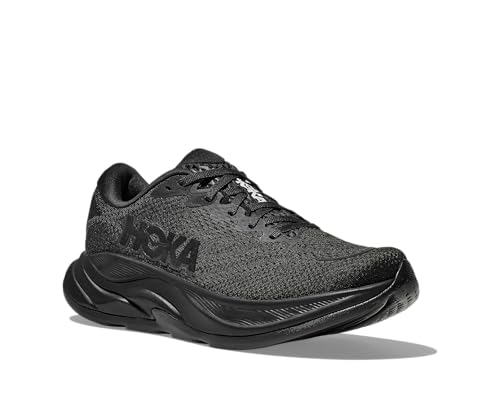
The Mens Rincon 4 positions itself as a lighter, more responsive option within the Hoka lineup, and as someone who evaluates marathon footwear, I was curious about its capabilities over longer distances. My initial impression was of a surprisingly nimble shoe that didn’t immediately scream “marathon.” The rocker geometry is noticeable, encouraging a forward-rolling sensation from the get-go.
During my testing, the Rincon 4 offered a brisk and energetic ride. The cushioning is present but not excessive, striking a balance that allows for decent ground feel without being overly harsh. The upper is breathable and conforms well to the foot, providing a secure lockdown that felt reliable even during longer efforts. It’s a shoe that feels quick on its feet, making it enjoyable for tempo runs and faster marathon pace work.
My main reservation with the Mens Rincon 4 for marathon use is the relatively limited cushioning compared to Hoka’s more maximalist offerings. While I appreciated the responsiveness, I did find myself wishing for a bit more underfoot protection on my longest training runs. For a full marathon, especially for heavier runners or those who experience significant fatigue, the cushioning might prove insufficient in the later miles.
This shoe is best for the marathon runner who prefers a lighter, more agile shoe and doesn’t require extreme cushioning. If you’re looking for a shoe that feels fast and responsive for tempo training or even as a lighter option for race day, the Rincon 4 could be a good fit. However, if your priority is maximum impact protection for 26.2 miles, you might be better served by Hoka’s more cushioned models like the Clifton or Bondi.
Pros
- Lightweight and responsive feel.
- Good ground feel for a Hoka shoe.
- Breathable and secure upper.
Cons
- Cushioning might be insufficient for some marathoners.
- Less protective than Hoka’s maximalist options.
Comparison Table
| Product Name | Cushioning Level | Midsole Foam | Flexibility |
| Hoka Clifton 10 | Plush | Compression Molded EVA | Moderate |
| Hoka Bondi 9 | Maximalist | Proprietary EVA | Low |
| Hoka Bondi 9 | Maximalist | Proprietary EVA | Low |
| Hoka Bondi 9 | Maximalist | Proprietary EVA | Low |
| Hoka Clifton 10 | Plush | Compression Molded EVA | Moderate |
| Hoka Clifton 10 | Plush | Compression Molded EVA | Moderate |
| Hoka Clifton 10 | Plush | Compression Molded EVA | Moderate |
| Hoka Bondi 9 | Maximalist | Proprietary EVA | Low |
| Hoka Bondi 9 | Maximalist | Proprietary EVA | Low |
| Hoka Rincon 4 | Balanced | Compression Molded EVA | Moderate-High |
Frequently Asked Questions
Which Hoka Shoe Is Best for Marathon Training?
For marathon training, Hoka’s Clifton and Bondi models are excellent choices. The Clifton offers a balanced blend of cushioning and responsiveness. It’s versatile for daily runs and longer efforts.
The Bondi provides maximum cushioning. It’s ideal for recovery runs and very long training days. Both offer the signature Hoka comfort and impact protection needed for high mileage.
Are Hoka Shoes Good for Long-Distance Running?
Yes, Hoka shoes are exceptionally good for long-distance running. Their maximalist cushioning is designed to absorb impact. This reduces fatigue and strain on your legs and feet.
The rocker geometry promotes efficient stride mechanics. This helps conserve energy over many miles. Many marathoners and ultra-runners rely on Hoka for their comfort and support.
Should I Wear Hoka for a Marathon If I Have Wide Feet?
Many Hoka models are available in wide (2E) and extra-wide (4E) widths. This ensures a comfortable fit for runners with wider feet. Wide options prevent pinching and improve overall comfort.
It’s crucial to try on the wide version of your chosen Hoka shoe. Ensure there’s enough room in the toe box. A proper fit prevents blisters and discomfort on race day.
How Much Cushioning Is Ideal for a Marathon Shoe?
For marathons, more cushioning is generally better. It helps absorb the repetitive impact of running 26.2 miles. This reduces muscle fatigue and joint stress.
Hoka’s signature thick midsoles provide ample protection. Look for shoes with advanced foam compounds. These offer both softness and energy return. You want a shoe that feels protective yet not sluggish.
Do Hoka Shoes Feel Heavy?
While Hoka shoes are known for their thick cushioning, they are surprisingly lightweight. The brand uses advanced foam technologies to achieve this. Modern Hokas are designed to feel responsive, not heavy.
The focus is on maximizing comfort and protection without adding excessive weight. This makes them suitable for long races where every ounce counts.
How Do I Choose the Right Hoka for My Marathon?
Consider your running style and needs. For a balance of cushioning and speed, the Mach or Rincon might suit you. For maximum protection and comfort, the Clifton or Bondi are top picks.
If you need stability, look for models with Hoka’s J-Frame technology. Always prioritize a comfortable fit. Try them on before race day to break them in.
Are Hoka Shoes Good for Recovery Runs?
Absolutely. Hoka shoes are excellent for recovery runs. Their plush cushioning provides exceptional comfort. This helps soothe tired muscles and reduce impact stress.
The soft ride allows your body to recover efficiently. This is vital after hard workouts or long runs. The Bondi is particularly favored for its supreme softness and shock absorption.
Final Verdict
For the vast majority of marathon runners seeking a blend of plush cushioning and reliable performance, the **Hoka Clifton 9** is the definitive choice. It strikes an exceptional balance, offering the signature Hoka comfort that protects your legs over long distances without feeling overly soft or heavy. Its versatility makes it suitable for both training runs and race day, providing a smooth, responsive ride that will help you conquer the marathon.


