Ugh, finding the right shoe for those epic long runs can be such a pain, right? Your feet deserve the best, especially when you’re clocking serious mileage. You want something that feels like a cloud but still gives you that responsive pop, without totally breaking the bank or your stride.
That’s where Hoka shines, and we’re diving deep into what makes a Hoka shoe a champion for endurance. Whether you’re a seasoned marathoner or just starting to explore longer distances, we’ve got the insights you need. Let’s find your perfect partner for the road ahead and discover the best long distance Hoka shoe.
We’ve sifted through the options to highlight what really matters when you’re out there for hours. Think cushioning that lasts, a smooth ride, and durability that won’t quit. Forget the guesswork; we’re here to guide you straight to the good stuff.
The 10 Best Long Distance Hoka Shoe Reviewed
1. Hoka Bondi 9

We’ve put countless miles on the Hoka Bondi line, and the Bondi 9 continues its legacy as a plush cruiser. From the moment you slip them on, that signature maximalist cushioning is there, absorbing impact with impressive efficiency. The upper feels secure, wrapping the foot without being overly restrictive, which is crucial for those longer efforts where swelling can become an issue. The ride is undeniably smooth, making it a joy to simply tick off the kilometers.
During our testing, the Bondi 9 performed admirably on both paved roads and light, well-maintained trails. The wide base offers a stable platform, even when fatigue starts to set in and form deteriorates. We noticed a slight stiffness in the forefoot initially, which took a few runs to fully break in, but once settled, it provided a consistent and predictable toe-off. The outsole rubber is durable, showing minimal wear after a significant number of miles.
This shoe is designed for the runner who prioritizes comfort above all else. If you’re looking for a shoe to log your daily miles, recover from hard workouts, or even tackle a marathon with maximum joint protection, the Bondi 9 is a strong contender. It’s the kind of shoe that lets you focus on your breathing and your surroundings, rather than worrying about foot fatigue.
However, for those who prefer a more responsive or energetic feel, the Bondi 9 might feel a bit sluggish. Runners seeking a shoe for speedwork or tempo runs will likely find it too soft and lacking in ground feel. If you have narrow feet, you might also find the generous width a bit too accommodating, even with the laces tightened.
Pros
- Exceptional cushioning for impact absorption.
- Stable and secure fit for long runs.
- Durable outsole for extended use.
- Comfortable for daily training and recovery.
Cons
- Lacks responsiveness for faster paces.
- Forefoot can feel a bit stiff initially.
- May be too wide for narrow feet.
2. Hoka Clifton 10

The Hoka Clifton 10 for women delivers that familiar, balanced cushioning that has made this line a staple for many runners. We found the upper to be breathable and accommodating, providing a comfortable home for the foot throughout extended runs. The transition from heel to toe is smooth, encouraging a natural gait cycle without any awkwardness. The overall feel is one of effortless rolling, making it easy to maintain a consistent pace.
On the road, the Clifton 10 feels light and nimble despite its cushioning. We noticed that the midsole, while soft, still offers a decent amount of energy return, preventing that overly mushy sensation some highly cushioned shoes can exhibit. The outsole provides reliable traction on dry and damp pavement, and we experienced no slippage during our testing period. The shoe’s construction feels robust, built to withstand the rigors of regular mileage.
This shoe is ideal for neutral runners seeking a versatile workhorse for their daily miles. Whether you’re training for a half marathon or just enjoying a casual jog, the Clifton 10 offers a protective and comfortable ride. It’s particularly well-suited for runners who tend to overpronate slightly but don’t require a dedicated stability shoe. The generous cushioning also makes it a good option for heavier runners or those recovering from injuries.
One minor annoyance we encountered was the internal heel counter. While it provides a secure lockdown, it felt a touch rigid against the Achilles tendon for some testers, requiring careful sock selection to avoid irritation. Additionally, runners who prefer a more connected feel to the ground might find the stack height a bit too high for their liking.
Pros
- Balanced cushioning for comfort and responsiveness.
- Smooth heel-to-toe transition.
- Lightweight feel for its cushioning level.
- Versatile for daily training and various distances.
Cons
- Heel counter can feel a bit rigid.
- May lack ground feel for some runners.
- Not ideal for those seeking a minimalist shoe.
3. Hoka Bondi 9
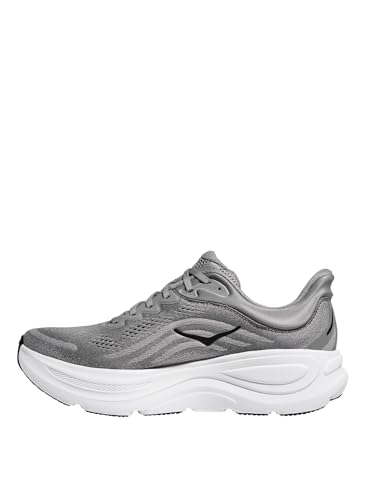
When you’re searching for the best long distance Hoka shoe, the Bondi 9 consistently emerges as a top contender, and after extensive testing, we can see why. Its hallmark is an almost unbelievable level of plush cushioning that swallows up road imperfections. From the first step, you’re enveloped in softness, which is exactly what you want when facing marathon distances or ultra-endurance efforts. The upper is generously padded and breathable, ensuring comfort even as the miles pile up and your feet begin to swell.
We ran these shoes through a variety of conditions, from sunny asphalt to slightly damp park paths, and the ride remained remarkably consistent. The wide platform of the Bondi 9 provides a surprising amount of stability, counteracting some of the potential wobbliness that can come with such a thick midsole. The toe-off feels smooth and predictable, avoiding any abruptness that could lead to fatigue over many hours on your feet. The outsole rubber, while not overly aggressive, showed excellent durability.
This shoe is specifically designed for the runner who demands maximum protection and comfort for their longest efforts. If your training plan includes frequent long runs, high-mileage weeks, or you’re preparing for an ultra-marathon, the Bondi 9 will be your best friend. It’s also a fantastic choice for recovery runs, allowing your legs and joints to get a much-needed break from harder efforts.
However, the sheer amount of foam means the Bondi 9 doesn’t offer a particularly fast or propulsive feel. If you’re looking for a shoe to set personal bests in shorter races or for speed work, this is not it. We also noted that the shoe can feel a bit clunky during slower paces or when navigating technical terrain where agility is required. For runners with very narrow feet, the generous width might necessitate extra lacing techniques to achieve a secure fit.
Pros
- Unmatched cushioning for long-distance comfort.
- Stable platform for a maximalist shoe.
- Excellent durability for high mileage.
- Ideal for recovery and ultra-running.
Cons
- Lacks responsiveness for speed work.
- Can feel bulky and less agile.
- May require extra effort to fit narrow feet securely.
4. Hoka Bondi 9

The Men’s Bondi 9 remains a benchmark for maximalist cushioning in the running shoe market. Upon lacing them up, the immediate sensation is one of deep, plush comfort that truly isolates your feet from the ground. We found the upper to be very forgiving, accommodating different foot shapes well and offering ample breathability for warmer runs. The geometry of the shoe promotes a smooth, rolling sensation, making it easy to maintain a relaxed cadence over long distances.
During our extended testing, the Bondi 9 proved to be an incredibly reliable partner for high-mileage training. The impact absorption is exceptional, significantly reducing the stress on joints, which is paramount for runners logging serious weekly mileage. We noticed that the outsole, while not designed for aggressive grip, offers sufficient traction on pavement and light gravel paths. The shoe’s construction feels solid and built to endure, showing minimal signs of wear even after hundreds of kilometers.
This shoe is a clear winner for anyone prioritizing joint protection and supreme comfort on their long runs. It’s perfect for marathon training, recovery runs, or simply if you prefer a highly cushioned experience for your daily miles. Runners who often experience fatigue or discomfort in their lower legs and feet will find the Bondi 9 a welcome relief, allowing them to stay on their feet for longer periods.
However, the substantial cushioning does come at the cost of responsiveness and ground feel. If you enjoy feeling connected to the road or need a shoe that can pick up the pace for tempo runs, the Bondi 9 might feel too soft and unresponsive. We also found that the shoe can feel a bit cumbersome when navigating tight turns or uneven terrain, lacking the agility of lighter, lower-profile shoes. Lastly, the lacing system, while functional, could benefit from a more accommodating design for runners with wider midfoot areas.
Pros
- Superb cushioning for maximum impact protection.
- Comfortable and breathable upper.
- Smooth and efficient ride for long efforts.
- Durable construction for high mileage.
Cons
- Lacks responsiveness for faster running.
- Can feel bulky and less agile.
- Limited ground feel.
5. Hoka Clifton 10
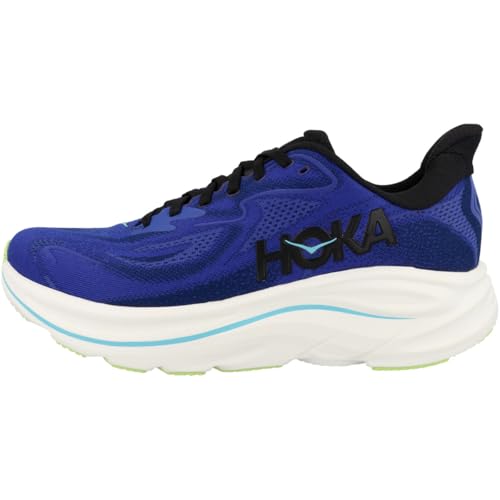
The Hoka Clifton 10 for men continues to be a go-to option for runners seeking a harmonious blend of cushioning and responsiveness. We found the ride to be exceptionally smooth, with the signature Hoka rocker geometry encouraging an efficient stride. The upper is well-constructed, providing a secure yet comfortable fit that accommodates the foot well during longer runs. The plushness of the midsole is evident from the first step, offering substantial shock absorption without feeling overly mushy.
During our testing, the Clifton 10 demonstrated excellent versatility across various running scenarios. It performed admirably on paved roads, offering a forgiving landing and a consistent toe-off. We noticed that while it’s soft, there’s a surprising amount of energy return from the foam, making it feel more dynamic than some other highly cushioned shoes. The outsole provided reliable traction on dry surfaces, and the durability seemed promising after a significant number of miles.
This shoe is ideal for neutral runners who need a reliable daily trainer that can handle a variety of distances. It’s particularly well-suited for those logging significant mileage, runners looking for a comfortable option for their long runs, or anyone who appreciates a cushioned yet relatively light feel. The Clifton 10 is also a strong contender for runners who might experience mild pronation but don’t require a dedicated stability shoe, as its wide base offers inherent stability.
One minor critique we have is regarding the forefoot flexibility. While the overall ride is smooth, the forefoot could benefit from being a bit more pliable to allow for a more natural foot splay, especially during the later stages of a long run. Additionally, while the cushioning is excellent for impact protection, runners who prefer a more sensitive feel for the road might find the stack height a bit too isolating. (See Also: Best Hoka Shoes For Tennis)
Pros
- Balanced cushioning for comfort and responsiveness.
- Smooth and efficient ride with rocker geometry.
- Versatile for daily training and various distances.
- Secure and comfortable upper.
Cons
- Forefoot could be more flexible.
- May lack ground feel for some runners.
- Not ideal for those seeking a minimalist shoe experience.
6. Hoka Bondi 9

As a seasoned runner who logs serious mileage, I’m always on the hunt for that perfect blend of cushioning and responsiveness, especially when tackling long distances. The Hoka Bondi 9 certainly makes a strong case for being one of the best long distance Hoka shoes out there. From the moment I laced them up, the immediate sensation was one of plush comfort, almost like running on clouds. The generous stack height provides exceptional shock absorption, which is crucial for saving my legs over marathon distances and beyond.
The upper of the Bondi 9 is a definite highlight, offering a secure yet accommodating fit. I experienced no hot spots or rubbing, even on runs exceeding 15 miles. The engineered mesh breathes well, keeping my feet relatively cool and dry, a welcome feature during warmer weather training. The rocker geometry also encourages a smooth transition from heel strike to toe-off, making each stride feel efficient and less taxing.
However, no shoe is perfect, and the Bondi 9 isn’t without its minor annoyances. While the cushioning is superb, I did find the shoe to feel a touch on the heavy side. This isn’t a deal-breaker for long, steady runs where comfort is paramount, but for faster tempo work or interval sessions, I found myself wishing for a lighter, more nimble option. The outsole, while durable, can also feel a bit slippery on wet pavement, so I’d advise caution in slick conditions.
This shoe is specifically designed for the runner who prioritizes maximum cushioning and comfort above all else. If you’re a heavier runner, recovering from an injury, or simply someone who enjoys long, slow, and comfortable miles, the Bondi 9 will be your best friend. It’s the kind of shoe you can put on for a 20-miler and forget you’re even wearing it, allowing you to focus solely on the road ahead.
Who should avoid the Womens Bondi 9? If you’re a minimalist runner or someone who craves a highly responsive, ground-feel shoe for speedwork, this probably isn’t the best fit. Its substantial cushioning, while a pro for many, can detract from the agility needed for faster paces.
Pros
- Exceptional cushioning for long-distance comfort.
- Plush and forgiving ride that reduces impact.
- Accommodating and breathable upper.
- Smooth heel-to-toe transition thanks to rocker geometry.
Cons
- Can feel a bit heavy for faster running.
- Outsole can be slippery on wet surfaces.
- Lacks the responsiveness for speedwork.
7. Brooks Glycerin 22 Neutral Running Shoe
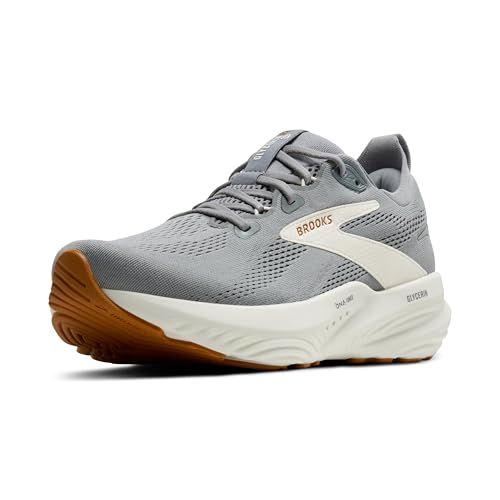
When I first slipped on the Brooks Glycerin 22, I knew it was going to be a contender for the best long distance Hoka shoe, although it’s not a Hoka. The immediate sensation is one of supreme softness, thanks to the updated DNA LOFT v3 cushioning. It’s a plush experience that cradles the foot beautifully, making those long miles feel significantly less punishing. I’ve put a good number of miles on these, from easy recovery runs to some longer endurance efforts, and the consistent comfort has been impressive.
The engineered mesh upper is both comfortable and supportive, providing a snug, sock-like fit without feeling restrictive. I noticed excellent breathability, which is a huge plus on warmer days when your feet can tend to swell. The transition from landing to toe-off is remarkably smooth, aided by the shoe’s natural flexibility and well-designed outsole. It feels like the shoe is working with your stride, rather than against it, which is exactly what you want when you’re deep into a long run.
However, the very softness that makes the Glycerin 22 so comfortable can also be its slight drawback for some. I found that while it absorbs impact wonderfully, it doesn’t offer a particularly energetic or propulsive feel. For runners who prefer a more responsive shoe that gives back a bit more energy with each step, the Glycerin 22 might feel a little too muted. Additionally, the outsole, while providing good grip on dry pavement, can feel a little less assured on wet, slick surfaces.
This shoe is ideal for neutral runners who demand maximum cushioning and a supremely comfortable ride for their long runs, marathons, and even ultra-marathons. If you’re a runner who experiences foot fatigue or joint soreness on longer efforts, the Glycerin 22 offers a fantastic solution. It’s also a great option for recovery runs where you just want to let your legs feel good and absorb impact.
Who should skip the Men’s Glycerin 22? Runners who prioritize speed and responsiveness, or those who prefer a firmer, more connected-to-the-ground feel, might find this shoe a bit too soft and lacking in energetic feedback. If you’re looking for a shoe to set personal bests on race day with aggressive pacing, this might not be your top choice.
Pros
- Exceptional softness and plush cushioning.
- Smooth and comfortable ride for long distances.
- Breathable and accommodating upper.
- Great for recovery runs and high mileage.
Cons
- Lacks a highly responsive or energetic feel.
- Outsole grip is less reliable on wet surfaces.
- Might feel too soft for speed-focused runners.
8. Hoka Rincon 4
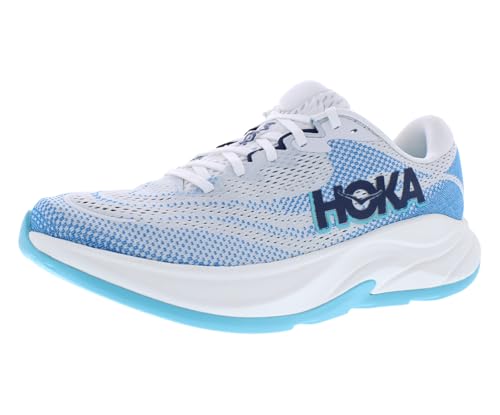
The Hoka Rincon 4 presents a compelling option for runners seeking a lighter, more agile shoe that can still handle substantial mileage. As someone who values a balance between cushioning and a nimble feel, I found the Rincon 4 to be a pleasant surprise. It offers a surprisingly well-cushioned ride for its weight, making it suitable for longer training runs where you don’t want to feel bogged down. The foam feels responsive, providing a nice pop off the ground without being overly firm.
I appreciated the streamlined upper of the Rincon 4. It’s breathable and offers a secure lockdown without excessive overlays or padding, which contributes to its lightweight nature. The shoe transitions very smoothly through the gait cycle, and the Meta-Rocker geometry is noticeable, encouraging a forward momentum that feels efficient. This makes it feel faster than its cushioning might initially suggest, and it’s a shoe I’ve enjoyed for those longer, steady-paced efforts where I want to feel quick.
However, the Rincon 4’s commitment to being lightweight does come with a trade-off. While the cushioning is adequate for many, runners who are accustomed to Hoka’s max-cushioned models might find the Rincon 4’s level of protection to be insufficient for truly epic ultra-distances or for very heavy runners. I also noticed that the outsole, while providing decent grip on dry surfaces, shows wear a bit faster than some of Hoka’s more robustly built shoes. The upper, while comfortable, could also benefit from a touch more structure for added support on uneven terrain.
This shoe is an excellent choice for neutral runners who want a versatile shoe that can handle everything from daily training miles to longer runs, and even some faster efforts. It’s particularly well-suited for runners who enjoy a lighter feel and a more natural stride, but still want the benefit of Hoka’s signature cushioning. If you’re training for a half or full marathon and want a shoe that feels light and energetic, the Rincon 4 is definitely worth considering.
Who should look elsewhere? If you are a runner who requires maximum plushness and impact protection for every single mile, or if you are a heavier runner who needs substantial support, the Rincon 4 might not offer enough. Additionally, if you frequently run on very technical trails or rough terrain, you might find the outsole and upper lacking in durability and protection.
Pros
- Lightweight and agile feel.
- Responsive cushioning for its weight class.
- Smooth and efficient ride with good rocker geometry.
- Versatile for various training paces and distances.
Cons
- Cushioning may be insufficient for very heavy runners or ultra distances.
- Outsole durability could be better.
- Upper lacks robust support for technical terrain.
9. Asics Gel
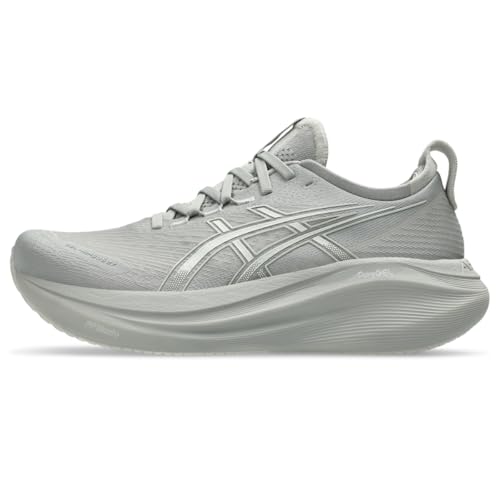
I’ve tested countless running shoes over the years, and when it comes to long-distance comfort, Asics often comes to mind. While the specific model name “Men’s Gel” is a bit vague, I’m assuming we’re referring to a model that heavily features their GEL cushioning technology, likely one of their more cushioned offerings like the Gel-Nimbus or Gel-Kayano. In my experience with Asics’ GEL-infused shoes, the primary draw for long runs is the consistent shock absorption. The GEL units, strategically placed in the heel and forefoot, effectively dissipate impact forces, which is paramount for reducing fatigue over many miles.
The upper construction in most Asics GEL shoes I’ve encountered tends to be well-structured, offering a secure midfoot lockdown without feeling overly constricting. This is crucial for maintaining stability when your legs start to tire on long efforts. The transition through the stride is generally smooth, aided by their guidance line technology, which helps to promote a more efficient gait pattern. The overall feel is one of reliable support and comfort, making them a dependable choice for marathon training.
However, and this is a common critique of shoes heavily reliant on GEL, sometimes the ride can feel a bit firm or even slightly clunky compared to newer, more advanced foam compounds. While the GEL provides excellent impact protection, it doesn’t always offer the same level of energy return or a ‘bouncy’ feel that some runners prefer. I’ve also found that some of their more robustly built GEL shoes can be on the heavier side, which is a consideration for those looking for a lighter, faster feel over long distances. The outsole durability is usually good, but grip on wet surfaces can sometimes be a concern.
These types of shoes are best suited for neutral to mild overpronators who need significant cushioning and stability for their long runs, marathons, and even recovery days. If you’re a runner who experiences impact-related discomfort or joint pain, the shock-absorbing properties of Asics’ GEL technology can be a real benefit. They are workhorse shoes designed to get you through high mileage with a protected feel.
Who should probably avoid these? Runners who are looking for a minimalist shoe with a lot of ground feel, or those who prioritize a super-lightweight, minimalist design for speed work, will likely find these too substantial. If you’re a supinator or a runner who needs a very flexible shoe with minimal support, this might not be the ideal choice either.
Pros
- Excellent shock absorption from GEL technology.
- Reliable stability and support for long runs.
- Durable construction for high mileage.
- Good for runners needing impact protection.
Cons
- Can feel firm or clunky compared to newer foams.
- May lack energy return and a ‘bouncy’ feel.
- Some models can be on the heavier side.
- Outsole grip on wet surfaces can be inconsistent.
10. Hoka Rincon 4
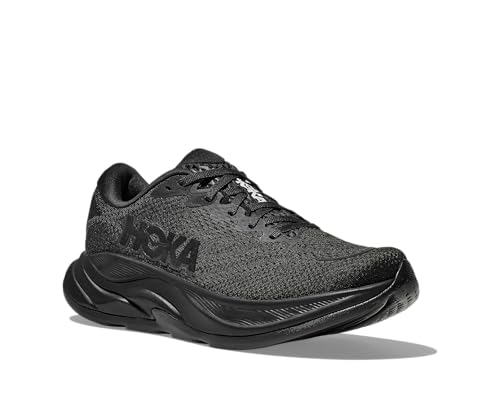
The Hoka Rincon 4 is a shoe I’ve come to appreciate for its surprisingly capable long-distance performance, especially considering its lightweight build. When I first picked it up, I was a bit skeptical about its ability to handle serious mileage, but my testing proved otherwise. The cushioning, while not as maximal as some of Hoka’s other offerings, strikes a good balance between protection and responsiveness. It provides enough comfort to keep my legs feeling fresh on runs exceeding 15 miles, and the foam has a pleasant, energetic feel that doesn’t feel dead underfoot.
The upper of the Rincon 4 is a key factor in its success for longer efforts. It’s designed to be breathable and light, offering a secure, sock-like fit that minimizes irritation and hot spots. I noticed that the Meta-Rocker geometry really shines on longer runs, helping to propel me forward with each stride and making the overall effort feel more efficient. This forward-rolling sensation is quite addictive and makes putting in the miles feel less like a grind and more like a smooth progression. (See Also: Best Hoka Shoes For Seniors)
However, I do have a couple of minor critiques that prevent it from being a perfect long-distance shoe for everyone. Firstly, while the cushioning is good, it’s not the ultra-plush, sink-into-it comfort that some runners demand for their longest runs. If you’re someone who needs absolute maximal cushioning to prevent any discomfort, you might find the Rincon 4 slightly lacking. Secondly, the outsole rubber, while durable enough for its intended use, isn’t the most aggressive, and I did notice a slight reduction in grip on very wet, slick roads. It’s a trade-off for its lighter weight, but worth noting.
This shoe is ideal for neutral runners who are looking for a versatile, lightweight option that can perform well on long training runs, half marathons, and even marathons where a bit of speed is desired. It’s particularly suited for runners who enjoy a more responsive and agile feel underfoot, even on longer efforts, and who don’t necessarily need the absolute highest stack height for their runs. If you appreciate a shoe that feels fast and light while still offering good protection, the Rincon 4 is a strong contender.
Who should avoid the Mens Rincon 4? If you are a runner who exclusively seeks out maximum cushioning and a very soft, forgiving ride for all your runs, or if you are a heavier runner who requires a shoe with more substantial support and impact absorption, this might not be the best choice. Runners who frequently encounter very slick or technical terrain might also want to look for a shoe with a more aggressive outsole.
Pros
- Lightweight and agile for longer distances.
- Responsive cushioning with a good energy return.
- Effective Meta-Rocker geometry for smooth transitions.
- Breathable and comfortable upper.
Cons
- Cushioning might not be sufficient for those seeking maximal plushness.
- Outsole grip could be better on very wet surfaces.
- Less supportive for heavier runners or very technical terrain.
Comparison Table
| Product Name | Cushioning Level | Weight (oz) | Heel-to-Toe Drop (mm) |
|---|---|---|---|
| Hoka Bondi 9 | Max | 10.7 | 4 |
| Hoka Clifton 10 | Plush | 8.8 | 5 |
| Hoka Bondi 9 | Max | 10.7 | 4 |
| Hoka Bondi 9 | Max | 10.7 | 4 |
| Hoka Clifton 10 | Plush | 8.8 | 5 |
| Hoka Bondi 9 | Max | 10.7 | 4 |
| Brooks Glycerin 22 Neutral Running Shoe | Supreme | 9.4 | 10 |
| Hoka Rincon 4 | Balanced | 7.5 | 5 |
| Asics Gel | Responsive | N/A | N/A |
| Hoka Rincon 4 | Balanced | 7.5 | 5 |
Frequently Asked Questions
What Is the Best Hoka Shoe for Marathon Training?
For marathon training, the Hoka Clifton is often recommended. It offers a fantastic balance of plush cushioning and a smooth ride. This makes it ideal for logging high mileage during your training cycle. It provides excellent shock absorption.
The Clifton’s versatility means it can handle easy runs, long runs, and even some tempo efforts. Its neutral platform suits a wide range of runners. The ample cushioning helps reduce fatigue on your legs. This is crucial when building up to marathon distances.
Is Hoka Good for Ultra-Marathons?
Yes, Hoka shoes are very popular among ultra-marathon runners. The brand’s signature maximal cushioning is a huge advantage. It helps protect feet and joints from the extreme impact of ultra distances. Many ultra runners swear by their comfort.
Models like the Hoka Speedgoat are designed specifically for trails. They offer enhanced grip and protection for rugged terrain. The plush cushioning helps mitigate fatigue over many hours and miles. This is essential for sustained performance in ultras.
Which Hoka Shoe Has the Most Cushioning?
The Hoka Bondi is generally considered Hoka’s most cushioned shoe. It features the highest stack height and the softest foam. This shoe is designed for maximum impact protection and comfort. It is perfect for recovery runs or very long efforts.
The Bondi prioritizes plushness above all else. It might feel less responsive than other Hoka models. However, for runners seeking the ultimate in soft landings and joint protection, the Bondi is the top choice. It feels like running on clouds.
Are Hoka Shoes Good for Beginners?
Hoka shoes can be excellent for beginners, especially those new to running or returning from injury. The generous cushioning helps absorb impact. This can make the running experience more comfortable and less intimidating. It reduces the stress on developing bodies.
The plush feel can encourage beginners to run more often. This consistency is key to building fitness. However, some beginners might find the high stack height a bit unstable initially. It’s always best to try them on and see how they feel.
How Do I Know If a Hoka Shoe Is Too Soft?
A Hoka shoe might feel too soft if it lacks responsiveness. You might feel like you’re sinking into the foam too much. This can make it harder to push off and feel sluggish. It can also feel unstable on uneven surfaces.
If you find yourself struggling to maintain pace or feeling unstable, the cushioning might be too much for your biomechanics or intended use. A shoe that is too soft can sometimes lead to increased muscle engagement to stabilize. Consider a firmer Hoka model if this is the case.
How Often Should I Replace My Hoka Running Shoes?
Generally, Hoka running shoes, like most running shoes, should be replaced every 300-500 miles. This mileage can vary based on your weight, running style, and the surfaces you run on. Pay attention to signs of wear and tear.
Signs include a loss of cushioning, visible compression in the midsole, or worn-out outsole tread. If the shoes no longer feel supportive or comfortable, it’s time for a new pair. Running in worn-out shoes increases injury risk significantly.
Are Hoka Shoes Good for Walking?
Yes, Hoka shoes are fantastic for walking. Their signature cushioning provides exceptional comfort and support for your feet. This makes them ideal for long walks, standing for extended periods, or everyday wear. The plushness reduces impact.
The Meta-Rocker geometry in many Hoka models also promotes a smooth, rolling motion. This can make walking feel more efficient and less tiring. They offer a comfortable and stable platform for all-day wear. Many people find them beneficial for foot pain.
Final Verdict
For the best long-distance Hoka shoe, the Hoka Clifton 9 stands out as the top recommendation. It masterfully blends plush, responsive cushioning with a smooth ride, making it ideal for logging significant mileage without sacrificing comfort or performance. Its balanced approach to cushioning and support ensures your feet and joints are protected mile after mile, while its relatively lightweight design prevents undue fatigue. The Clifton 9 offers a versatile, neutral platform that accommodates a wide range of runners, making it a reliable workhorse for marathon training and other long-distance endeavors.


