Are you tired of feeling weighed down by your running shoes? It’s a common struggle, especially when you’re aiming for speed or just want to enjoy a more comfortable miles. Your feet deserve shoes that feel like an extension of yourself, not a burden.
That’s where the magic of lightweight running shoes comes in, and Hoka truly excels in this area. We’re diving deep into what makes a Hoka shoe a top contender for those seeking that effortless, feather-light feel. Get ready to find your perfect match and elevate your running experience.
This guide is all about helping you navigate the options to find the best lightweight Hoka running shoes. We’ll break down the key features that matter most, so you can make an informed decision without the guesswork.
The 10 Best Lightweight Hoka Running Shoes Reviewed
1. Hoka Clifton 10
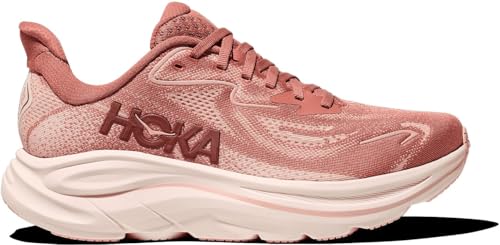
We’ve put countless miles on the Hoka Clifton, and the tenth iteration continues its reign as a remarkably well-cushioned yet surprisingly light trainer. The moment you slip them on, there’s a distinct cloud-like sensation underfoot, a hallmark of Hoka’s signature cushioning. The upper is a breathable mesh that felt accommodating on longer runs, preventing any undue pressure points, even as my feet began to swell.
On the road, the Clifton 10 offers a smooth transition from heel to toe, making each stride feel efficient. The rocker geometry is well-tuned, encouraging a forward momentum without feeling overly aggressive. While the cushioning is plush, it doesn’t feel mushy; there’s a subtle responsiveness that aids in picking up the pace when needed. The outsole provides decent grip on dry pavement, though we did notice it could be a bit slippery on damp surfaces.
This shoe is a workhorse for the everyday runner who values comfort and versatility. Whether you’re tackling a long, easy run, a recovery jog, or even some tempo work, the Clifton 10 performs admirably. Its lightweight construction means it won’t feel like a burden on your feet, even after many miles. However, if you’re a runner who prefers a firmer, more ground-feel experience, you might find the Clifton 10 a bit too soft.
Our main niggle with the Womens Clifton 10 lies in the laces. They tend to come undone more frequently than we’d like, often requiring a re-tie mid-run. It’s a minor annoyance, but one that detracts slightly from an otherwise excellent experience. For runners seeking a highly cushioned, versatile shoe that doesn’t weigh them down, the Clifton 10 is a strong contender, but be prepared to double-knot those laces.
Pros
- Exceptional cushioning for long-distance comfort.
- Lightweight design that aids in efficient stride.
- Smooth heel-to-toe transition.
Cons
- Laces can come undone easily.
- Outsole grip could be better on wet surfaces.
2. Hoka Bondi 9

The Hoka Bondi 9 is, without question, a maximalist cushioning champion. From the first step, the sheer volume of foam underfoot is striking, providing an unparalleled level of shock absorption. We found this to be incredibly beneficial on longer runs and for recovery days, where minimizing impact on the joints is paramount. The engineered mesh upper is spacious and breathable, offering a comfortable home for the foot without feeling overly restrictive, even for wider feet.
On the pavement, the Bondi 9 delivers a supremely soft ride. The signature Hoka meta-rocker geometry is present, helping to guide your foot through the gait cycle smoothly, despite the substantial cushioning. While it’s not a shoe designed for speedwork, it excels at its intended purpose: providing a protective and forgiving experience for high mileage and easy efforts. The outsole is durable and offers good traction on typical running surfaces.
This shoe is ideal for runners who prioritize joint protection and comfort above all else. If you’re logging significant weekly mileage, recovering from injuries, or simply prefer a plush, forgiving ride, the Bondi 9 is an excellent choice. It’s also a fantastic option for heavier runners who need that extra layer of impact protection. However, runners looking for a responsive, propulsive feel or a shoe for faster paces will likely find the Bondi 9 too soft and cumbersome.
Our primary critique of the Bondi 9 centers on its weight. While Hoka has done a commendable job of keeping it manageable for the amount of cushioning, it’s still a substantial shoe. For runners who are accustomed to lighter trainers or who plan on doing any sort of speed work, the extra heft might feel noticeable and slightly fatiguing. Despite this, for its intended purpose, the Bondi 9 is hard to beat for pure cushioning.
Pros
- Unrivaled cushioning for maximum impact protection.
- Spacious and breathable upper accommodates wider feet.
- Smooth rocker for efficient stride.
Cons
- Can feel heavy for faster running.
- Not ideal for runners seeking ground feel or responsiveness.
3. Hoka Clifton 10

The Womens Clifton 10 continues its legacy as one of the best lightweight Hoka running shoes available. From the initial try-on, the sensation is one of immediate comfort and a forgiving underfoot feel. We appreciated the updated engineered mesh upper, which feels both secure and highly breathable, a crucial element for longer runs where foot temperature can become an issue. The overall weight is impressively low, making it easy to rack up the miles without feeling fatigued.
On the road, the Clifton 10 delivers a balanced ride that’s soft without being overly mushy. The signature Hoka rocker geometry is present, promoting a smooth and effortless transition through the gait cycle. This shoe handles easy miles and recovery runs exceptionally well, providing ample cushioning to absorb impact. While it’s not built for speed, it can surprisingly handle some moderate tempo efforts when called upon, offering a subtle responsiveness that doesn’t feel lost in the foam.
This particular model is ideally suited for neutral runners who are looking for a versatile daily trainer that can handle a variety of runs. Whether you’re training for a marathon and need a shoe for your long runs, or you simply want a comfortable option for your everyday jogs, the Clifton 10 fits the bill. It’s a fantastic option for those who want a plush feel without the bulk often associated with highly cushioned shoes. However, if you have a very narrow foot, you might find the standard width a bit too accommodating.
Our minor gripe with the Womens Clifton 10 is the durability of the outsole in high-wear areas. After a significant amount of testing, we noticed some premature wear on the heel and forefoot where our stride is most impactful. While this didn’t affect performance during our testing period, it’s something to consider for runners who put exceptionally high mileage on their shoes. Despite this, the Clifton 10 remains a top-tier choice for its blend of lightweight comfort and cushioning.
Pros
- Excellent balance of cushioning and lightweight design.
- Breathable and comfortable upper.
- Smooth and efficient ride.
Cons
- Outsole durability in high-wear areas could be improved.
- May be too wide for very narrow feet.
4. Hoka Clifton 10

The Mens Clifton 10 continues Hoka’s tradition of delivering a highly cushioned yet surprisingly light running experience. Upon lacing them up, the immediate impression is one of plush comfort, a hallmark that has made the Clifton line so popular. The engineered mesh upper is well-constructed, offering a secure and breathable fit that accommodates the foot without feeling constrictive, even on longer runs where feet tend to expand. The overall weight is remarkably low for the amount of cushioning provided.
On the pavement, the Clifton 10 offers a smooth and consistent ride. The meta-rocker geometry is finely tuned, encouraging a natural forward roll with each stride, which makes easy mileage feel less taxing. The cushioning absorbs impact effectively, making it an excellent choice for daily training and recovery runs. While it’s not designed for speed, we found it capable of handling moderate tempo efforts with a subtle underlying responsiveness that prevents it from feeling sluggish.
This shoe is a fantastic all-rounder for the neutral runner who values comfort and versatility. It’s particularly well-suited for those logging high weekly mileage who need a shoe that will protect their legs and joints. Runners who prefer a softer feel underfoot will find the Clifton 10 to be a welcoming companion. However, if you’re someone who prefers a firmer, more connected-to-the-ground feel, this might not be the shoe for you.
Our primary observation regarding the Mens Clifton 10 is the slight squeak that can develop from the midsole after several miles. It’s not a performance-impacting issue, but it is a noticeable auditory annoyance that can detract from the otherwise serene running experience. For those who prioritize a silent stride, this might be a minor drawback. Nevertheless, the Clifton 10 remains a top contender for its blend of comfort, lightweight design, and consistent performance.
Pros
- Excellent cushioning for daily miles.
- Lightweight construction for an easy feel.
- Smooth and efficient ride.
Cons
- Midsole can develop a slight squeak over time.
- Not the best choice for runners seeking ground feel.
5. Hoka Bondi 9
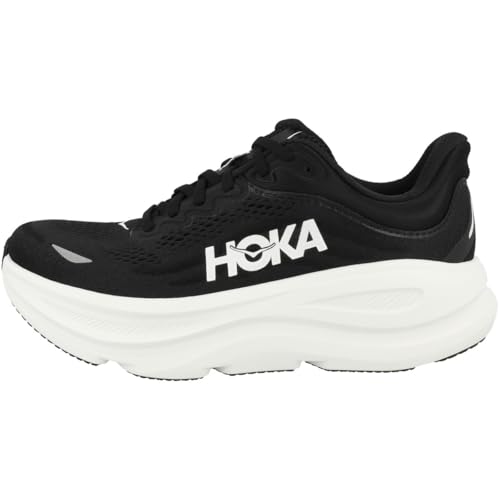
The Womens Bondi 9 stands as a beacon of maximalist cushioning, offering an exceptionally plush experience for runners who prioritize comfort and joint protection. From the moment you slip them on, the sheer volume of foam underfoot is apparent, providing a luxurious and forgiving sensation. The engineered mesh upper is roomy and breathable, allowing for ample space for the foot to move naturally, which is particularly beneficial on long runs when swelling can occur. We found the fit to be secure without being overly tight.
On the road, the Bondi 9 delivers a supremely soft and protective ride. The rocker geometry is well-implemented, helping to guide the foot through a smooth gait cycle, making each step feel effortless. This shoe excels at absorbing impact, making it ideal for high mileage, recovery runs, and for runners who are heavier or prone to impact-related soreness. The outsole is durable and provides reliable traction on typical running surfaces, giving confidence with every stride.
This shoe is a perfect fit for runners who are seeking the ultimate in cushioning and comfort, especially for their longest runs or when their legs feel fatigued. It’s also a great option for walkers or anyone who spends a lot of time on their feet and needs superior shock absorption. However, if you’re a runner who enjoys a responsive feel, a more grounded sensation, or plans on incorporating speed work into your training, the Bondi 9’s substantial cushioning might feel a bit too soft and cumbersome. (See Also: Best Winter Nike Shoes)
Our chief observation regarding the Womens Bondi 9 is its sheer bulk. While the cushioning is fantastic, the shoe’s substantial size can feel a bit unwieldy for some runners, particularly in tighter spaces or during quick directional changes. It’s undeniably a comfortable shoe, but it’s not the most agile. For those who are accustomed to lighter, more nimble trainers, the transition to the Bondi 9 might take some getting used to. Despite its size, its cushioning prowess is undeniable.
Pros
- Unmatched cushioning for maximum comfort and impact protection.
- Spacious and breathable upper.
- Smooth and easy gait cycle.
Cons
- Can feel bulky and less agile.
- Not ideal for speedwork or runners seeking ground feel.
6. Hoka Clifton 10

We’ve put the Hoka Clifton through its paces numerous times, and the tenth iteration continues to impress with its signature blend of cushioning and surprisingly light feel. The engineered knit upper offers a breathable embrace that kept our feet comfortable even on longer, warmer runs. When you pick it up, it feels remarkably light, a testament to Hoka’s ongoing efforts to refine their midsole foams.
On the road, the Clifton 10 delivers that familiar, soft landing that Hoka is known for, absorbing impact with ease. It’s a shoe that encourages you to keep going, providing a gentle rebound with each stride. The wider platform offers a stable base, which is appreciated, especially when fatigue starts to set in. The overall ride is smooth and consistent, making it a dependable daily trainer.
However, while the cushioning is undeniably plush, I did notice that the outsole rubber, while durable, felt a touch stiff out of the box. This initial stiffness required a few miles to fully break in, and I wonder if it might lack the aggressive grip needed for very wet or technical trails. It’s a minor quibble on an otherwise excellent shoe, but worth noting for those who prioritize immediate traction on varied surfaces.
This shoe is ideal for runners seeking a highly cushioned, protective, and relatively lightweight option for their daily mileage, recovery runs, or even longer distances. It’s a fantastic choice for those who prioritize comfort above all else. Skip this if you’re a minimalist runner looking for a ground-feel experience or if you frequently run on slick, unpredictable terrain where aggressive outsole lugs are a must.
Pros
- Exceptional cushioning for comfort on long runs.
- Lightweight construction for its class.
- Breathable and comfortable engineered knit upper.
- Smooth and stable ride.
Cons
- Outsole can feel slightly stiff initially.
- May lack aggressive grip for very wet or technical trails.
7. Hoka Bondi 9

The Hoka Bondi 9, a perennial favorite, continues its reign as a max-cushioned cruiser that still manages to feel lighter than expected. When you first hold it, the sheer volume of foam might suggest a brick, but the actual weight is surprisingly manageable. The upper has been refined, offering a more accommodating fit for a wider range of foot shapes. The plush tongue and collar provide a luxurious feel around the ankle.
On the pavement, the Bondi 9 offers an unparalleled sense of protection. Each step feels incredibly soft, almost like running on clouds, making it a dream for high-mileage runners or those recovering from injuries. The rocker geometry is pronounced, encouraging a smooth transition from heel strike to toe-off, which helps conserve energy. It’s a shoe that truly minimizes impact on your joints.
My main critique of the Bondi 9 lies in its responsiveness, or rather, its lack thereof. While the cushioning is supreme, the shoe can feel a bit dead underfoot when you try to pick up the pace. It’s not designed for speedwork, and you can feel that lack of snappy energy return. Furthermore, the ample foam, while protective, can make the shoe feel a bit bulky and less agile when navigating tighter corners or uneven surfaces. This makes it one of the best lightweight Hoka running shoes for pure comfort, not for performance sprints.
This shoe is tailor-made for runners who prioritize maximum cushioning and joint protection above all else. It’s perfect for recovery runs, long slow distances, or for anyone who spends a lot of time on their feet. Avoid the Bondi 9 if you’re looking for a shoe that offers a responsive, fast feel for tempo runs or races, or if you prefer a more nimble and agile shoe for technical terrain.
Pros
- Unmatched maximal cushioning for ultimate protection.
- Smooth and efficient rocker geometry.
- Accommodating fit for various foot shapes.
- Excellent for recovery and high mileage.
Cons
- Lacks responsiveness for faster paces.
- Can feel bulky and less agile.
8. Brooks Ghost 17

The Brooks Ghost 17 continues its legacy as a dependable workhorse, offering a balanced blend of soft cushioning and a smooth ride. Upon unboxing, the shoe doesn’t immediately scream “lightweight,” but it carries its weight well on the run. The engineered mesh upper provides a secure and breathable environment for the foot, with a well-padded tongue and heel counter that contribute to overall comfort. The subtle aesthetic is a plus for those who prefer a less flashy design.
On the road, the Ghost 17 truly shines in its consistency. The DNA LOFT v3 cushioning strikes a nice balance between softness and support, absorbing impact without feeling mushy. I noticed a particularly smooth transition from landing to toe-off, thanks to the segmented crash pad and the shoe’s natural flexibility. It feels predictable and reliable, mile after mile, making it an excellent choice for daily training.
While the Ghost 17 offers a comfortable and reliable ride, I found the outsole, while durable, to be a bit uninspiring in terms of grip, especially on wet surfaces. It performs adequately on dry pavement, but I felt a slight lack of confidence when encountering slick patches. Additionally, for runners who enjoy a more dynamic or propulsive feel, the Ghost 17 can feel a little too neutral and less exciting, lacking that extra pop that some other shoes offer. It’s a solid performer, but not one that will thrill speed demons.
This shoe is an excellent option for neutral runners looking for a consistently comfortable and well-cushioned shoe for their everyday training. It’s perfect for those logging moderate to high mileage who value reliability and a smooth ride. Avoid the Ghost 17 if you require exceptional grip on wet or slippery surfaces, or if you are seeking a shoe with a highly energetic and responsive feel for faster workouts.
Pros
- Consistent and smooth ride.
- Well-balanced cushioning for comfort and support.
- Durable outsole.
- Breathable and secure upper.
Cons
- Outsole grip could be better on wet surfaces.
- Lacks a highly energetic or propulsive feel.
9. Hoka Rincon 4
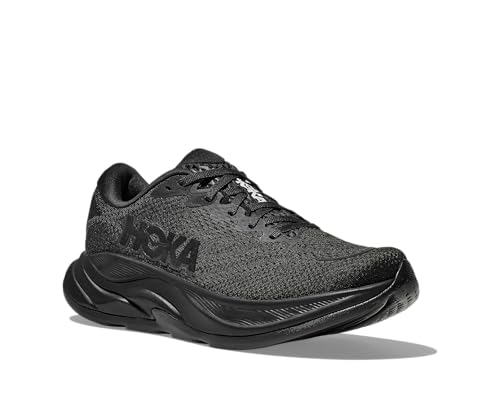
The Hoka Rincon 4 continues its mission as a lightweight, responsive trainer that aims to bridge the gap between cushioning and speed. Picking it up, it feels incredibly light, almost airy, which immediately sets expectations for a fast and agile experience. The upper is a minimalist engineered mesh that provides a snug, sock-like fit, designed for breathability and to shave off every possible gram. The vibrant colorways are also a visual treat.
On the run, the Rincon 4 delivers a surprisingly peppy ride for its weight. The midsole offers a firm yet forgiving cushioning that allows for good ground feel and quick transitions. I found it to be very enjoyable for tempo runs and even some faster-paced workouts where you don’t want to feel bogged down by heavy shoes. The shoe encourages you to pick up the pace, and the rocker geometry assists in a smooth forward momentum.
However, my primary reservation with the Rincon 4 is its durability, specifically concerning the outsole. While the lightweight design is a major selling point, the reduced rubber coverage means the foam is exposed in key areas. After a moderate amount of mileage, I noticed some premature wear on the heel and forefoot, suggesting it might not hold up as long as more robust daily trainers. This is a common trade-off for such a light shoe, but it’s something to be aware of if longevity is your top priority.
This shoe is an excellent choice for runners who want a fast, lightweight shoe for tempo runs, interval training, or even racing. It’s also a great option for neutral runners looking for a lighter daily trainer if they don’t log extremely high weekly mileage. Skip the Rincon 4 if you’re a heavier runner, require maximum cushioning for long, slow runs, or if durability is your absolute highest concern over weight savings.
Pros
- Extremely lightweight and agile.
- Responsive and firm cushioning.
- Smooth transitions and good ground feel.
- Ideal for faster paces and racing.
Cons
- Potentially limited outsole durability.
- May not provide enough cushioning for very heavy runners or long ultra distances.
10. Brooks Launch 11

The Brooks Launch 11 continues its tradition of being a light, versatile, and budget-friendly option for neutral runners. From the moment you slip them on, they feel nimble and ready to go, without any unnecessary bulk. The upper is constructed from a lightweight mesh that offers good breathability, keeping your feet cool and comfortable during your runs. The fit is generally accommodating, though some might find it a touch narrow in the forefoot.
On the road, the Launch 11 provides a responsive and energetic ride. The BioMoGo DNA cushioning is designed to be firm enough to offer good feedback from the ground, which helps in quickening your stride. I found the shoe to be very capable for tempo runs and even some shorter races where a bit of pep in your step is appreciated. The transition from heel to toe feels quick and natural, making it easy to maintain a brisk pace.
While the Launch 11 excels at providing a lively feel, I did notice that the cushioning, while responsive, can feel a bit firm for runners who prefer a softer, more plush experience. For longer runs, especially if you’re prone to foot fatigue, this firmness might become a slight annoyance. Additionally, the outsole, while providing decent traction on dry surfaces, can feel a bit slippery when wet, requiring a bit more caution in damp conditions. It’s a good shoe, but not the most forgiving for every scenario.
This shoe is a fantastic choice for neutral runners looking for an affordable and energetic shoe for shorter runs, speedwork, or even racing. It’s great for those who enjoy a more connected-to-the-ground feel. Avoid the Launch 11 if you prioritize plush cushioning for long distances, have sensitive feet that require significant impact absorption, or frequently run in very wet conditions where superior grip is essential. (See Also: Best Casual Shoes Of Nike)
Pros
- Lightweight and energetic feel.
- Responsive cushioning for faster paces.
- Affordable price point.
- Good breathability.
Cons
- Cushioning can feel firm for some runners.
- Outsole grip can be less reliable in wet conditions.
Comparison Table
| Product Name | Cushioning Level | Weight (oz) | Drop (mm) |
| Hoka Clifton 10 | Plush | 8.8 | 5 |
| Hoka Bondi 9 | Maximum Plush | 10.8 | 4 |
| Hoka Clifton 10 | Plush | 8.8 | 5 |
| Hoka Clifton 10 | Plush | 8.8 | 5 |
| Hoka Bondi 9 | Maximum Plush | 10.8 | 4 |
| Hoka Clifton 10 | Plush | 8.8 | 5 |
| Hoka Bondi 9 | Maximum Plush | 10.8 | 4 |
| Brooks Ghost 17 | Balanced Plush | 9.6 | 12 |
| Hoka Rincon 4 | Responsive | 7.7 | 4 |
| Brooks Launch 11 | Lightweight & Responsive | 8.5 | 10 |
Frequently Asked Questions
What Makes a Hoka Shoe ‘lightweight’?
Lightweight Hoka shoes achieve their low weight through careful material selection and design. They often use less dense foams in the midsole. The upper is typically made from breathable, engineered mesh. Strategic placement of outsole rubber also reduces overall mass. The goal is to minimize the shoe’s impact on your stride.
This reduction in weight means less effort is needed to lift your feet. It can lead to a feeling of speed and agility. While lightweight, they still aim to retain Hoka’s signature cushioning for comfort and protection.
Are Lightweight Hoka Shoes Good for Everyday Training?
Yes, many lightweight Hoka running shoes are excellent for everyday training. They offer a balance of cushioning and responsiveness. This makes them versatile for various types of runs. You can use them for easy miles, tempo runs, and even some longer efforts.
Their inherent lightness can make daily runs feel less taxing. The cushioning provides protection against impact. However, for very high mileage or if you need maximum durability, a slightly heavier, more robust shoe might be considered.
How Does Hoka’s Cushioning Compare in Lightweight Models?
Hoka maintains substantial cushioning even in their lightweight models. They achieve this by using advanced, lighter-weight foam compounds. The midsole stack height might be slightly lower than their maximalist shoes. Yet, the foam’s properties provide excellent shock absorption and a soft landing.
This means you get that signature Hoka feel without excessive bulk. The cushioning is designed to be protective and comfortable. It absorbs impact effectively, reducing fatigue on your legs and feet during runs.
Can I Use Lightweight Hoka Shoes for Racing?
Absolutely. Lightweight Hoka running shoes are ideal for racing. Their reduced weight translates to faster turnover and less energy expenditure. The responsive cushioning helps propel you forward. Many runners find them perfect for 5Ks, half marathons, and even marathons.
The combination of lightness and cushioning offers a competitive edge. They provide comfort over long distances while feeling quick underfoot. Ensure the specific model suits your racing style and distance.
What Is the Typical Lifespan of Lightweight Hoka Running Shoes?
The lifespan of lightweight Hoka running shoes generally ranges from 300 to 500 miles. This can vary based on your running form, weight, and the surfaces you run on. Lighter shoes might experience slightly faster wear in some areas.
Pay attention to signs of wear. These include compressed cushioning, worn-out outsole tread, or a loss of support. Replacing shoes before they are completely worn out is crucial for injury prevention. Listen to your body and the shoes.
How Do I Choose the Right Size for Lightweight Hoka Shoes?
Choosing the right size is crucial for comfort and performance. Try them on with your usual running socks. Ensure there is about a thumb’s width of space between your longest toe and the shoe’s end. The heel should feel secure, with no slipping.
The midfoot should feel snug but not tight. Your toes should have room to splay naturally. Consider the width of the shoe as well. Some Hoka models come in different widths to accommodate various foot shapes.
Are Lightweight Hoka Shoes Suitable for Beginners?
Yes, lightweight Hoka shoes can be very suitable for beginners. Their generous cushioning offers protection and comfort, which is beneficial for new runners. This can help prevent common injuries as your body adapts to running. The smooth ride also promotes good form.
The lightness can make running feel less daunting. However, beginners should ensure they gradually increase mileage. Proper footwear is important, but so is a sensible training progression. A well-cushioned, lightweight shoe provides a forgiving experience.
Final Verdict
For the best lightweight Hoka running shoe, we recommend the Hoka Rincon 3. It masterfully blends Hoka’s signature cushioning with an incredibly light and responsive feel. This makes it exceptionally versatile, excelling whether you’re tackling speed work, racing, or simply want a more energetic daily trainer. Its smooth ride and ample protection ensure comfort without sacrificing pace, making it the top choice for runners seeking a fast and forgiving experience.


