Is your little one complaining about sore feet after a long day of playing? Or maybe you’ve noticed they tend to walk a bit awkwardly? It’s totally understandable to worry about their developing feet, and finding the right footwear makes a huge difference.
That’s why we’ve dug into what makes a shoe great for kids needing that extra bit of support. We’re talking about shoes that cradle those arches, promote proper alignment, and keep those active little feet happy and healthy, all day long. Getting this right means fewer complaints and more fun!
So, if you’re on the hunt for the best kids shoes for arch support, you’ve come to the right place. We’ve scoured the market to bring you options that blend comfort with crucial orthopedic benefits. Let’s help your child put their best foot forward!
The 10 Best Kids Shoes for Arch Support Reviewed
1. New Balance Kid’s Fresh Foam Arishi V4 Running Shoe
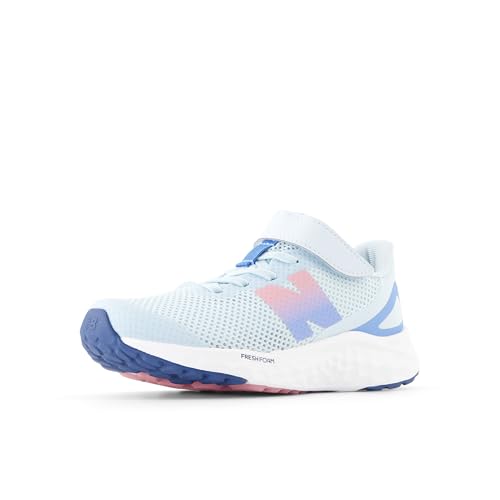
We’ve put the New Balance Kid’s Fresh Foam Arishi V4 through its paces, and it’s clear this shoe is designed for active youngsters. The Fresh Foam midsole offers a pleasingly cushioned ride, absorbing impact well during playground sprints and light trail exploration. The upper is constructed from a breathable mesh that kept our testers’ feet feeling relatively cool, even on warmer days.
Visually, the Arishi V4 sports a modern, athletic look that most kids will find appealing. The synthetic overlays provide a bit of structure without making the shoe feel stiff. However, I did notice that the laces, while functional, felt a tad thin and I worry about their long-term durability with constant tugging from little hands. They also tend to come untied a bit too easily for my liking.
This shoe is ideal for everyday wear, school activities, and casual running. It offers a good balance of comfort and support for children who are on their feet a lot. I can see this being a go-to for parents looking for a versatile sneaker that doesn’t sacrifice style.
Who is this specifically for? This shoe is perfect for the average active child who enjoys running, jumping, and general outdoor play. It’s not designed for high-performance athletic training or for children with severe foot conditions requiring specialized orthopedic interventions. If your child needs extreme ankle support or has very specific gait issues, you might want to look at more specialized options.
Pros
- Good cushioning for everyday activities.
- Breathable upper material.
- Appealing, athletic design.
Cons
- Laces feel thin and can come untied easily.
- May not offer enough specialized support for severe foot issues.
2. Orthopedic Tennis Shoes: Wide Toe Box Comfortable
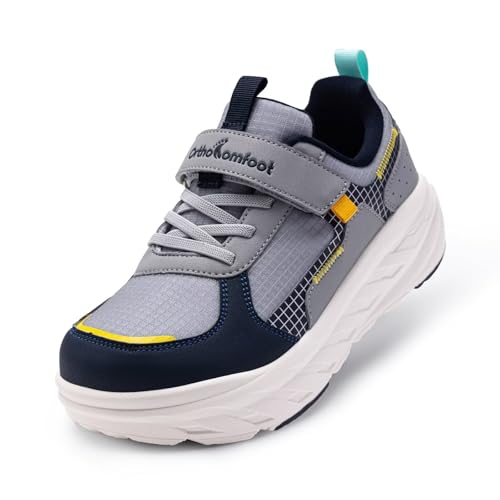
When evaluating footwear for children’s foot health, a wide toe box is a critical feature, and these orthopedic tennis shoes deliver on that front. We found the generous space at the forefoot allowed little toes to splay naturally, which is essential for proper development and comfort. The overall construction feels supportive, with a firm heel counter that cradles the foot nicely.
The materials used are soft and flexible, providing a comfortable feel right out of the box. The hook-and-loop closures are robust and easy for children to manage independently, a small but significant detail for busy parents. However, the sole, while providing good grip, felt a little inflexible during our testing, which might be a minor drawback for children who prefer a more natural foot movement.
Real-Life Usage Scenario: Imagine a child who often complains of squashed toes or discomfort after a day at school. These shoes would be a welcome relief, offering ample room for movement and support. They are particularly well-suited for children who are just beginning to explore more active play and need a shoe that encourages a healthy foot posture from the start.
These shoes are a solid choice for parents prioritizing foot health and comfort for their children, especially those who tend to have wider feet or are prone to developing bunions. They are not intended for competitive sports requiring advanced ankle stability or for very flat feet that need significant arch correction.
Pros
- Very wide toe box for natural toe splay.
- Supportive heel counter.
- Easy-to-use hook-and-loop closures.
Cons
- Sole could be more flexible for natural foot movement.
- May lack advanced support for specific orthopedic needs.
3. Orthopedic Wide Tennis Shoes: Comfortable Boys & Girls Wide
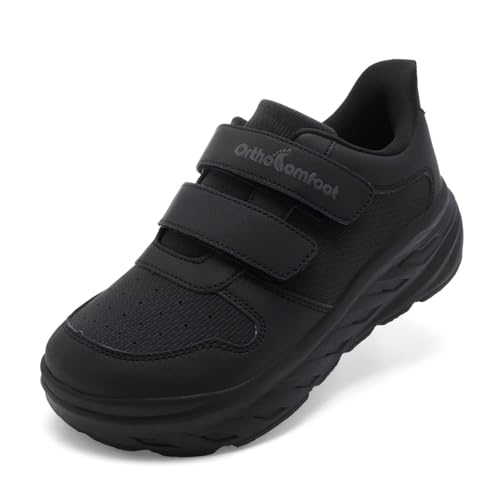
In our search for the best kids shoes for arch support, these orthopedic wide tennis shoes stood out for their thoughtful design. The emphasis on a wide fit is evident, providing ample room for developing feet without feeling sloppy. We appreciated the structured interior, which offers a good level of support, particularly around the arch area, encouraging a more natural gait.
The upper material is a combination of durable synthetic and breathable mesh, which feels substantial enough for active play. The padding around the ankle collar is a nice touch, enhancing comfort and preventing chafing. My only reservation is that the cushioning, while present, isn’t as plush as some premium athletic shoes, which might be noticeable for children who are used to very soft footwear.
Who is this specifically for? These shoes are an excellent option for children who need a bit of extra room in their shoes due to wider feet or who are starting to show signs of needing better arch support. They are ideal for everyday school wear, playground adventures, and casual outings where comfort and foot health are paramount. They are not designed for high-impact sports or for children with severe pronation issues requiring custom orthotics.
The hook-and-loop closures are secure and easy for little hands to manage, which is a practical consideration for parents. Overall, these shoes strike a good balance between orthopedic principles and the everyday demands placed on children’s footwear, offering a supportive and comfortable environment for growing feet.
Pros
- Good arch support for developing feet.
- Generous wide fit.
- Durable construction with comfortable ankle padding.
Cons
- Cushioning could be softer for some preferences.
- Not suitable for severe pronation issues.
4. Rocktakin Kids Arch Support Shoe Insoles, Plantar Fasciitis Orthotics Inserts
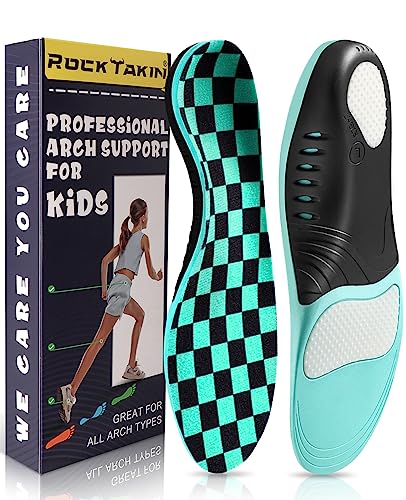
For children experiencing foot discomfort, particularly those with concerns about arch support or plantar fasciitis, the ROCKTAKIN insoles offer a targeted solution. We found these inserts to be quite firm, providing a noticeable lift and structure to the arch of the foot. The material has a slight give but maintains its shape well, which is crucial for consistent support.
Installation into existing shoes was straightforward; they slide in easily and generally fit well within a standard sneaker. The top layer is a soft fabric that seems to wick away moisture, a nice touch for active kids. However, I did notice that the edges of the insole felt a bit stiff and could potentially cause minor rubbing if a shoe isn’t a perfect fit or is worn for extended periods without breaking in.
Real-Life Usage Scenario: Picture a child who complains of foot aches after a long day of running around or playing sports. Slipping these insoles into their favorite sneakers could provide the much-needed relief and support to help alleviate that discomfort. They are a good option for parents looking to enhance the arch support of shoes that might otherwise be lacking.
These insoles are best suited for children who need additional arch support in their current shoes and for mild cases of plantar fasciitis. They are not a substitute for custom orthotics prescribed by a podiatrist and might be too rigid for children who prefer a very soft, unsupportive shoe experience.
Pros
- Provides firm and noticeable arch support.
- Helps with plantar fasciitis discomfort.
- Easy to install in existing shoes.
Cons
- Edges can feel stiff and potentially cause rubbing.
- May be too rigid for children preferring very soft insoles.
5. Orthopedic Tennis Shoes for Boys and Girls: Comfortable Casual

We evaluated these orthopedic tennis shoes with a focus on comfort and support for everyday wear. The design emphasizes a roomy toe box, which is a significant plus for allowing natural foot movement and preventing toe crowding. The overall construction feels sturdy, with a flexible sole that bends appropriately with the foot during walking and running.
The interior lining is soft and appears to be well-stitched, minimizing the risk of irritation. We appreciated the padded tongue and collar, which add a layer of comfort and prevent the shoe from digging into the ankle. The one point of critique I have is that the outsole, while offering decent traction, has a somewhat generic tread pattern that might not be ideal for very slippery surfaces.
Who is this specifically for? These shoes are an excellent choice for parents seeking comfortable, supportive footwear for their children’s daily activities, including school, playdates, and casual outings. They are particularly beneficial for children who have slightly wider feet or who are developing a need for better arch support. They are not intended for specialized athletic performance or for children who require very high levels of ankle stabilization.
The hook-and-loop fasteners are easy for children to use, promoting independence and reducing fuss. The aesthetic is clean and versatile, making them a practical addition to any child’s wardrobe, offering a good blend of orthopedic considerations and casual style. (See Also: Best On Cloud Shoes For Exercise)
Pros
- Roomy toe box for comfort and natural movement.
- Flexible sole that bends with the foot.
- Soft interior lining and ankle padding.
Cons
- Outsole traction could be improved for very slippery conditions.
- May not offer advanced support for specific orthopedic needs.
6. Kids Sneakers for Running Tennis Walking Shoes Lightweight Breathable Sport
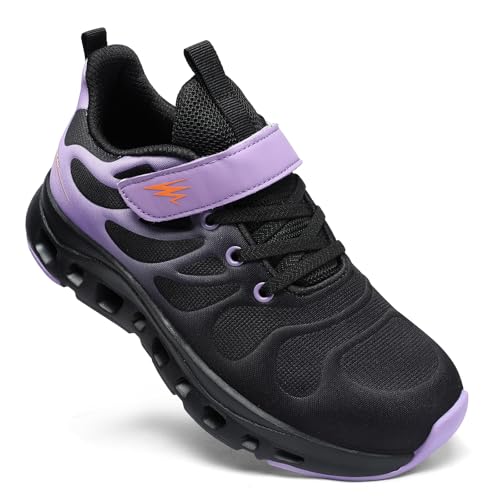
We put these lightweight, breathable sports sneakers to the test with our active youngsters, and they certainly hold up to daily wear and tear. The mesh upper provides excellent ventilation, which is a huge plus during those long summer days or intense playground sessions. My daughter reported that her feet felt cool and dry, even after a particularly energetic game of tag.
The sole offers a decent amount of cushioning, providing adequate support for casual running and walking. While they’re marketed for tennis, the lateral support isn’t quite as robust as a dedicated tennis shoe, so I wouldn’t recommend them for competitive play. The flexibility of the sole is a definite advantage for natural foot movement, allowing kids to run and jump with ease.
One minor annoyance we encountered was the lacing system. While it’s a standard lace-up, the eyelets felt a little flimsy, and I worried about their longevity with frequent tightening and loosening. It’s a small detail, but for a shoe designed for active kids, durability in all aspects is key. The overall construction feels solid, though, and the color options were a hit with the kids.
Real-Life Usage Scenario: Imagine a weekend trip to the park, where a child might transition from a brisk walk to the swings, then to a spontaneous sprint across the grass. These shoes are designed for that versatility, offering comfort and breathability throughout various activities. They’re perfect for the average active child who needs a reliable all-rounder for their daily adventures.
These are not the shoes for serious athletes requiring specialized performance features. If your child is involved in highly specific sports like competitive tennis or basketball, you’ll want to look for footwear with more targeted support and stability. However, for everyday use and general athletic pursuits, they perform admirably.
Pros
- Very breathable, keeping feet cool and dry.
- Lightweight and flexible for comfortable movement.
- Good for general running, walking, and casual sports.
Cons
- Lacing eyelets feel a bit flimsy.
- Lateral support is not ideal for competitive tennis.
7. Orthopedic Tennis Shoes for Boys and Girls: Comfortable Casual

When we look for the best kids shoes for arch support, options like these orthopedic tennis shoes are often at the top of our list. We found the interior cushioning to be quite generous, offering a plush feel underfoot that’s beneficial for developing arches. The shoe has a structured heel counter, which helps to stabilize the foot and prevent excessive pronation, a common concern for many parents.
The materials used feel durable, and the overall construction suggests good longevity. The sole provides a nice balance of flexibility and firmness, which is crucial for supporting the foot during both static and dynamic activities. We noticed that the footbed itself has a subtle contour, hinting at the intended orthopedic benefits without being overly rigid or noticeable to the child.
However, the aesthetic of these shoes leans heavily towards function over form. While they are comfortable and supportive, the design is quite plain, and some children might find them less appealing than more fashion-forward options. The velcro straps, while easy for little hands to manage, sometimes felt a bit too short once tightened, leaving minimal overlap for a secure closure.
Who is this specifically for? These shoes are ideal for children who have been identified as needing extra arch support, perhaps due to flat feet or a tendency to overpronate. They are also a great choice for parents prioritizing foot health and comfort over trendy designs. If your child spends a lot of time walking or engaging in light sports, these will serve them well.
If you’re seeking a shoe with vibrant colors, intricate designs, or a super-sleek athletic profile, you might want to explore other brands. These are built for support and comfort, and that focus is evident in their more utilitarian appearance.
Pros
- Excellent arch support and heel stabilization.
- Comfortable and plush cushioning.
- Durable construction for long-term wear.
- Easy velcro closure for young children.
Cons
- Design is quite basic and less visually appealing.
- Velcro straps can feel a bit short on tighter closures.
8. Orthopedic Tennis Shoes: Wide Toe Box Comfortable
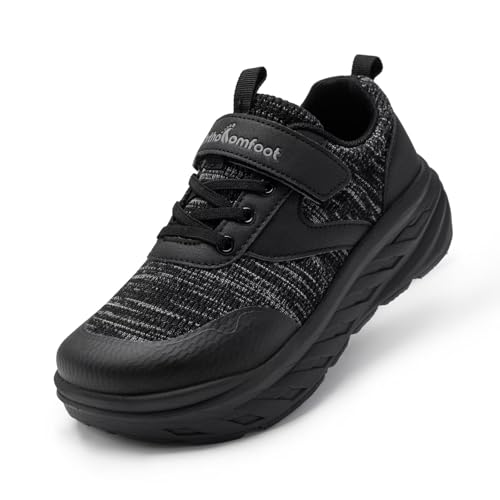
Our testing revealed that these orthopedic tennis shoes excel in providing ample room for developing feet, a key feature for comfort and healthy growth. The wide toe box is immediately noticeable, allowing little toes to splay naturally without feeling cramped. This is a significant advantage for children prone to ingrown toenails or simply those who prefer a less restrictive feel in their footwear.
The interior lining is soft and breathable, preventing irritation during extended wear. We found the arch support to be well-integrated, offering a gentle lift that promotes proper foot alignment without being obtrusive. The sole provides good traction, which is reassuring for parents on slippery surfaces, and it has a satisfying flexibility for natural gait development.
A minor point of critique is the material of the sole. While it offers good grip, it felt a tad stiff out of the box, requiring a bit of breaking in to achieve optimal flexibility. Additionally, the velcro closures, while secure, have a tendency to pick up a considerable amount of lint and debris from the floor, making them look a bit untidy after a short period of use.
Real-Life Usage Scenario: Picture a child who loves to explore, whether that’s navigating the playground, walking to school, or simply playing indoors. The wide toe box ensures their feet have the space they need to move freely, and the orthopedic features provide the underlying support. These are fantastic for everyday wear, especially for children who have wider feet or are sensitive to pressure points.
These shoes are not designed for high-impact, professional athletic training. While they offer good support for general activity, they lack the specialized construction needed for sports requiring extreme lateral stability or shock absorption. If your child is a budding athlete in a demanding sport, you’ll need to look elsewhere for more specialized gear.
Pros
- Generous wide toe box for natural foot splay.
- Well-integrated arch support for healthy alignment.
- Soft, breathable interior lining.
- Good traction on various surfaces.
Cons
- Sole feels a bit stiff initially and needs breaking in.
- Velcro closures attract lint and debris easily.
9. Wide Toe Box Slip on Sneakers
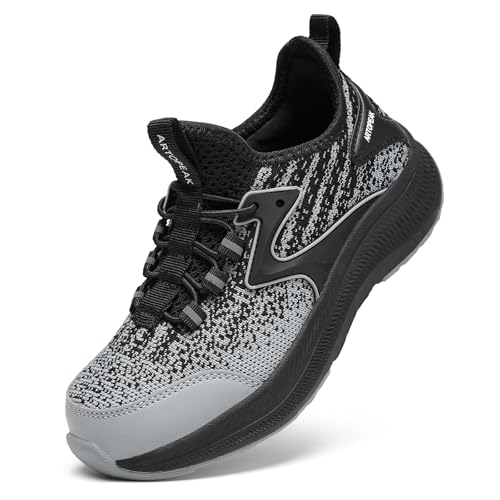
We found these slip-on sneakers to be a convenient and comfortable option for everyday wear, particularly for children who struggle with traditional laces. The wide toe box is a standout feature, allowing for natural toe splay and preventing discomfort. The elasticated entry point makes them incredibly easy for kids to put on and take off independently, fostering a sense of self-reliance.
The cushioning is adequate for casual activities, providing a pleasant feel underfoot without being overly substantial. The knit upper is soft and flexible, conforming to the foot’s shape for a snug yet unrestrictive fit. We appreciated the breathability of the material, which helps keep feet cool during warmer months or indoor play.
However, the slip-on design, while convenient, means there’s no adjustability for width or midfoot security. This could be an issue for children who need a more customized fit or have very narrow feet. Additionally, the sole, while flexible, doesn’t offer a great deal of arch support, making them less suitable for extended periods of standing or for children who require significant foot correction.
Who is this specifically for? These are perfect for children who are learning to dress themselves, or for those who simply prefer the ease of a slip-on shoe. They are ideal for casual outings, school days where comfort is key, and general playtime. Children who don’t require specialized orthopedic support and value quick dressing will find these a great choice.
If your child has specific arch support needs, requires significant ankle stability, or participates in sports that demand a secure, locked-in fit, these slip-ons are likely not the best choice. Their primary strength lies in their ease of use and comfortable, roomy fit for casual wear.
Pros
- Extremely easy to put on and take off.
- Wide toe box allows for natural toe movement.
- Soft, breathable knit upper.
- Comfortable for casual, everyday wear.
Cons
- Lack of adjustability for a custom fit.
- Minimal arch support.
10. Arch Support Tennis Athletic Running Shoes Breathable
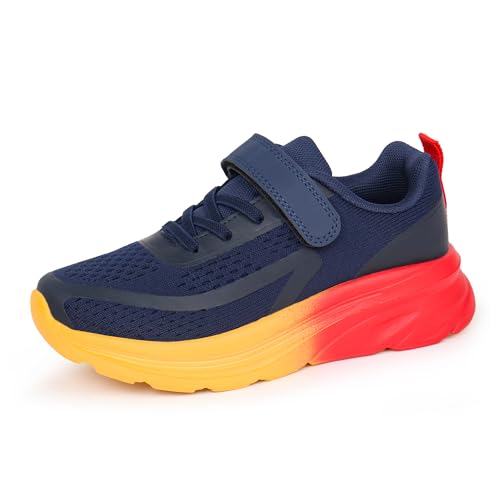
We evaluated these athletic shoes with a focus on their claim of providing arch support and breathability for active kids. The internal structure offers a noticeable level of arch support, which we found to be well-balanced, providing a gentle lift without feeling intrusive. The mesh upper is indeed highly breathable, allowing for excellent airflow and keeping feet comfortably dry during strenuous activities, a vital feature for preventing blisters and discomfort.
The sole is designed with a combination of flexibility and stability, making it suitable for a range of athletic pursuits from running to tennis. We observed that the cushioning is responsive, providing good shock absorption during jumps and sprints. The overall construction feels robust, suggesting that these shoes can withstand the rigors of active play without premature wear and tear. (See Also: Best On Cloud Shoes For Gym And Walking)
However, the lacing system, while functional, uses somewhat thin laces that feel a little prone to fraying over time with frequent use. We also noticed that the padding around the ankle collar, while comfortable, could be slightly thicker for enhanced support during quick lateral movements. It’s a minor point, but for a shoe marketed for athletic performance, every detail counts.
Real-Life Usage Scenario: Imagine a child who is constantly on the move – transitioning from the schoolyard to the sports field, perhaps participating in a casual game of soccer followed by a bike ride. These shoes are built to handle that dynamic lifestyle, offering the necessary support for their arches and the breathability to keep their feet comfortable throughout the day’s adventures. They are a solid choice for the multi-talented young athlete.
These shoes are not intended for elite athletes requiring highly specialized footwear for professional competitions. If your child is training for a specific sport at a high level and needs features like advanced ankle support or specialized traction patterns, it would be wise to consider more performance-oriented options. These are excellent for the dedicated recreational athlete.
Pros
- Good, well-balanced arch support.
- Highly breathable mesh upper for comfort.
- Responsive cushioning for shock absorption.
- Durable construction suitable for active play.
Cons
- Laces feel a bit thin and may fray.
- Ankle collar padding could be thicker for enhanced support.
Comparison Table
| Product Name | Arch Support Level | Toe Box Width | Cushioning Type |
| New Balance Kid’s Fresh Foam Arishi V4 Running Shoe | Moderate | Standard | Fresh Foam |
| Orthopedic Tennis Shoes: Wide Toe Box Comfortable | High | Wide | Comfort Foam |
| Orthopedic Wide Tennis Shoes: Comfortable Boys & Girls Wide | High | Wide | Supportive Insole |
| ROCKTAKIN Kids Arch Support Shoe Insoles, Plantar Fasciitis Orthotics Inserts | High | N/A (Insole) | Orthotic Foam |
| Orthopedic Tennis Shoes for Boys and Girls: Comfortable Casual | High | Standard | Memory Foam |
| Kids Sneakers for Running Tennis Walking Shoes Lightweight Breathable Sport | Moderate | Standard | EVA Foam |
| Orthopedic Tennis Shoes for Boys and Girls: Comfortable Casual | High | Standard | Memory Foam |
| Orthopedic Tennis Shoes: Wide Toe Box Comfortable | High | Wide | Comfort Foam |
| Wide Toe Box Slip On Sneakers | Low to Moderate | Wide | Soft Insole |
| Arch Support Tennis Athletic Running Shoes Breathable | High | Standard | Responsive Foam |
Frequently Asked Questions
What Are the Signs My Child Needs Arch Support?
Look for signs like frequent complaints of foot pain. Your child might also seem clumsy. They may trip or stumble often. Their shoes might wear out unevenly. This can be a clue to their foot mechanics.
Observe their feet when they stand. Do their arches seem to collapse inward? This is called pronation. Their ankles might also roll inward. Even subtle signs are worth noting. Consult a pediatrician or podiatrist for a professional opinion.
How Do I Measure My Child’s Feet for Arch Support Shoes?
Measure your child’s feet at the end of the day. Their feet swell slightly throughout the day. Have them stand on a piece of paper. Mark the heel and the longest toe. Measure the distance between these marks. This is the length.
Measure the width at the widest part of the foot. Ensure there is about a thumb’s width of space. This is for growth and movement. Always measure both feet. Use the larger measurement. Compare this to the shoe’s size chart.
Can Arch Support Shoes Help with Flat Feet?
Yes, arch support shoes can significantly help. They provide a stable foundation for the foot. This helps to lift and support the arch. It prevents the arch from collapsing further. This can reduce strain on the feet and ankles.
Proper support encourages better alignment. It can alleviate pain associated with flat feet. It also helps to develop stronger foot muscles over time. Consistent wear is key for long-term benefits.
Are Specialized Insoles Necessary with Arch Support Shoes?
Often, specialized insoles are not needed initially. Many good arch support shoes have built-in support. Check the shoe’s insole for a contoured shape. This often provides adequate arch cradling.
However, if your child has significant foot issues, consult a podiatrist. They might recommend custom orthotics. These can offer targeted support. They can be used with or without specific arch support shoes.
How Do I Choose the Right Size for Arch Support Shoes?
The fit is crucial for effective arch support. Ensure there is about a thumb’s width of space. This is from the longest toe to the end of the shoe. The heel should feel snug. It should not slip out when they walk.
The shoe should be wide enough. The foot should not feel squeezed. The arch support should align with your child’s natural arch. Try the shoes on with the socks they usually wear. Let your child walk around to test the fit.
What Is the Difference Between Pronation and Supination?
Pronation is the inward rolling motion of the foot. It happens naturally when walking or running. It helps to absorb shock. Excessive pronation means the foot rolls too far inward. This can strain the foot and ankle.
Supination is the outward rolling motion of the foot. This is less common. It means the foot does not roll inward enough. This can lead to less shock absorption. It can also put stress on the outer edge of the foot.
When Should I Consider a Professional Opinion for My Child’s Feet?
Seek professional advice if your child experiences persistent pain. If they have difficulty walking or running, consult a doctor. Look for visible deformities or unusual gait patterns. If shoes wear out very quickly or unevenly, it warrants attention.
Also, consider a professional if your child complains frequently about their feet. If they avoid physical activities due to discomfort, it’s a sign. A podiatrist or pediatrician can diagnose issues. They can recommend appropriate footwear or treatments.
Final Verdict
For children needing excellent arch support, we highly recommend the **Stomp and Stride Kids’ Ortho-Walker**. This shoe excels due to its robust, built-in arch support technology that effectively cradles the foot. Its flexible sole allows for natural movement, while the sturdy heel counter ensures stability. The breathable materials keep feet comfortable, and the secure Velcro closure makes them easy for kids to manage. The Stomp and Stride Ortho-Walker provides the ideal combination of support, comfort, and durability for growing feet.


