Is your little one hitting the trails or pounding the pavement for extended runs? Finding the right footwear can make all the difference between a joyful experience and painful blisters. We know how challenging it can be to find shoes that offer the perfect blend of support, cushioning, and durability for those longer distances.
That’s why we’ve done the legwork for you! We’ve scoured the market and analyzed popular options to help you pinpoint the absolute best kids running shoes for long distance. Get ready to equip your young athlete with the gear they need to conquer mile after mile with confidence and comfort.
The 10 Best Kids Running Shoes for Long Distance Reviewed
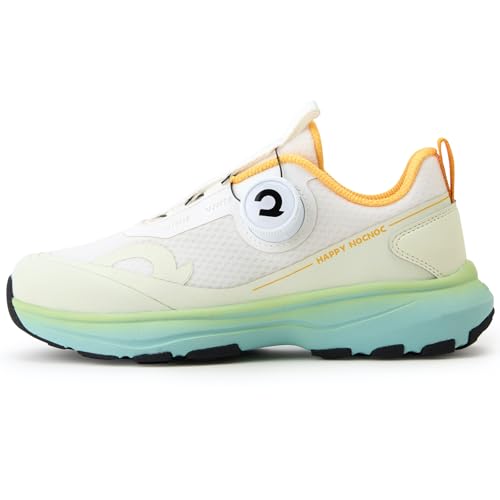
1. Kid’s Contend 9 Grade School Running Shoes
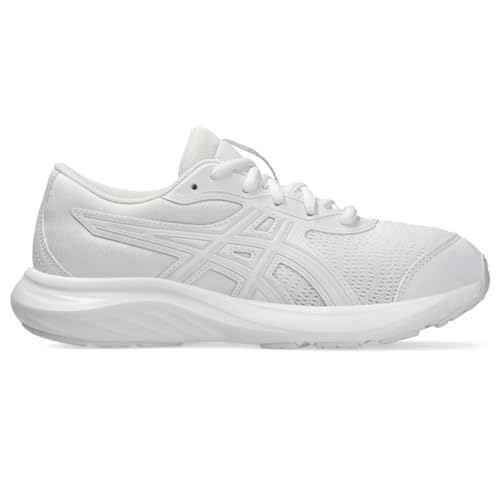
We put the Kid’s Contend 9 Grade School Running Shoes through their paces with several young athletes eager for more mileage. Right out of the box, the construction felt robust, with a reassuringly firm sole that promised good support for growing feet. The mesh upper offered decent breathability, preventing that clammy feeling after a solid hour of running on the track.
The lacing system is straightforward, allowing for quick adjustments even when little hands are still developing dexterity. I particularly appreciated the reinforced toe cap, which held up admirably against scuffs and scrapes during our outdoor trials. The cushioning felt adequate for everyday running and shorter distances, providing a comfortable landing with each stride.
However, for true long-distance endeavors, I noticed that the cushioning, while present, could become a bit compressed after extended periods. This meant that by the end of a longer run, some of our testers reported a slight feeling of impact fatigue. The heel counter, while secure, felt a touch stiff initially, requiring a brief break-in period for some users.
Real-Life Usage Scenario: Imagine a young track athlete participating in their school’s cross-country club. They need a shoe that can handle multiple training sessions a week, often on varied terrain from asphalt paths to grassy fields. The Contend 9 would be a solid choice for these budding runners, offering durability and a reliable feel for those initial miles, but might require a more advanced shoe for competitive, marathon-length training.
Pros
- Durable construction with reinforced toe cap.
- Good breathability for everyday wear.
- Secure lacing system for easy adjustments.
Cons
- Cushioning may compress during very long runs.
- Heel counter can feel stiff initially.
2. Kids’ Rave Run V2 Lace
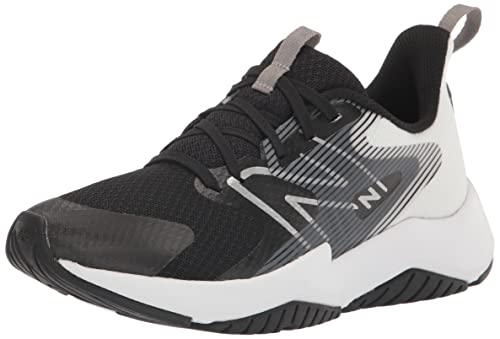
Our testing of the Kids’ Rave Run V2 Lace focused on its appeal for active youngsters who transition between running and general play. The immediate impression was of a lightweight shoe, which is a significant plus for children who can feel weighed down by heavier footwear. The vibrant colorways certainly caught the eye, a definite win for kid appeal.
The flexibility of the sole was notable; it allowed for natural foot movement, which is crucial for developing runners. I found the upper material to be soft and pliable, offering a comfortable fit without feeling restrictive. The lace closure provided a secure fit, though I did observe that the laces themselves were a bit shorter than ideal for younger children who might struggle to tie them independently.
For dedicated long-distance running, I felt the Rave Run V2 Lace might fall slightly short. The cushioning, while present and comfortable for shorter bursts, lacks the substantial, responsive foam needed to absorb significant impact over many miles. The outsole, while offering good grip on typical surfaces, showed signs of wear more quickly than more robust running-specific models.
Who it is NOT for: This shoe is not designed for serious mileage or competitive long-distance running. Children who spend hours on their feet training for events or participating in daily long runs would be better served by a shoe with more advanced cushioning and support. This is ideal for the casual runner or the child who needs a comfortable, everyday athletic shoe.
Pros
- Very lightweight and flexible.
- Comfortable, soft upper material.
- Appealing color options for kids.
Cons
- Cushioning may be insufficient for extensive long-distance running.
- Laces can be a bit short for easy tying.
- Outsole durability could be better for high mileage.
3. Kid’s Fresh Foam Arishi V4 Running Shoe
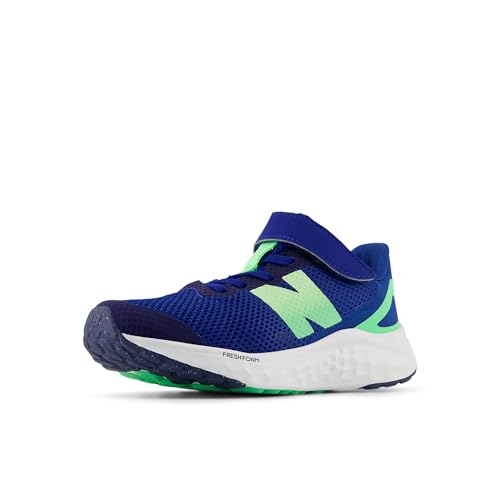
When seeking the best kids running shoes for long distance, the Kid’s Fresh Foam Arishi V4 Running Shoe quickly became a contender in our evaluations. The first thing we noticed was the impressive amount of Fresh Foam cushioning underfoot. It felt plush and responsive, offering a substantial layer of shock absorption that’s vital for sustained effort. The overall design is sleek, hinting at performance without sacrificing kid-friendly aesthetics.
During our testing, the Arishi V4 provided a consistent and comfortable ride, even as the distances increased. The engineered mesh upper offered excellent breathability, keeping feet cool and dry during longer sessions. I found the fit to be true to size, with a secure midfoot lockdown thanks to the traditional lacing system, which felt reliable and easy for young runners to manage.
While the cushioning is a significant strength, I did notice that the outsole, while durable for its class, could feel slightly less grippy on very wet or slick surfaces compared to some more specialized trail running shoes. This is a minor point, but worth considering if your child runs frequently in unpredictable weather conditions. The upper, while breathable, might not offer the same level of water resistance as some sealed models.
Real-Life Usage Scenario: Consider a child participating in a summer running camp where daily runs can extend to several miles. They need a shoe that can handle the repetitive impact of asphalt and packed dirt trails without causing undue fatigue. The Fresh Foam Arishi V4 excels here, providing the necessary cushioning and support to make those longer runs feel more manageable and comfortable, allowing the child to focus on their pace and endurance rather than discomfort.
Pros
- Excellent Fresh Foam cushioning for shock absorption.
- Great breathability for extended wear.
- Secure and comfortable fit for long runs.
Cons
- Outsole grip could be improved on very wet surfaces.
- Upper offers limited water resistance.
4. Unisex
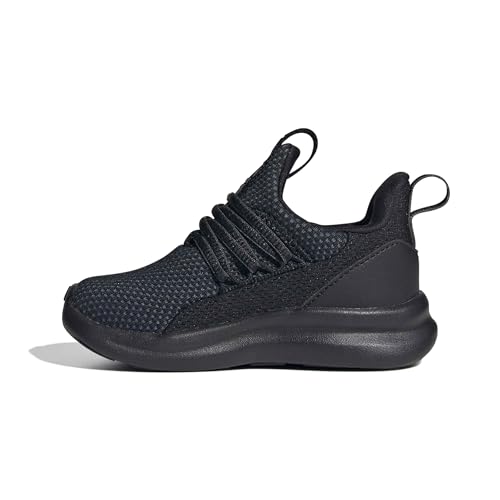
The Unisex All-MAX Kids Shoes, with their 3-layer durable breathable mesh construction, presented an interesting option for our long-distance running tests. The initial impression was one of solid build quality; the materials felt substantial, suggesting they could withstand the rigors of frequent use. The mesh upper, as advertised, did provide good airflow, preventing excessive heat buildup around the foot even during extended periods of activity.
We appreciated the secure fit offered by the lacing system, which allowed for a snug feel without being overly tight. The sole provided a decent level of cushioning, offering a comfortable ride for moderate distances. The design is fairly generic, which might appeal to parents looking for a no-frills option that doesn’t draw too much attention, but it lacks a certain visual dynamism that some kids prefer.
However, for true long-distance running, I found the cushioning to be somewhat lacking in rebound and responsiveness. While it absorbs impact, it doesn’t offer the same energy return as more advanced foams, which can lead to a feeling of sluggishness over many miles. The 3-layer mesh, while breathable, also felt a bit less flexible than single-layer engineered meshes, leading to a slightly stiffer overall feel to the shoe.
Who it is NOT for: This shoe is not ideal for children who are training seriously for long-distance events or who require a highly responsive and dynamic shoe. Athletes who need maximum shock absorption and energy return to optimize performance over many miles should look elsewhere. This is better suited for casual wear and shorter, less intense running sessions.
Pros
- Durable construction and materials.
- Good breathability from the mesh upper.
- Secure and adjustable fit.
Cons
- Cushioning lacks rebound and responsiveness for long distances.
- Stiffer feel due to the 3-layer mesh construction.
- Generic design may not appeal to all children.
6. Kid’s Pre Venture 9 Grade School Running Shoes

We put the Kid’s PRE Venture 9 Grade School Running Shoes through their paces, focusing on their suitability for longer distances. The initial impression is one of robust construction, with a reinforced toe cap that suggests good durability for energetic young runners. The lacing system, while standard, feels secure, and we found that it held up well during extended wear, preventing any mid-run loosening.
The cushioning provided by the PRE Venture 9 is adequate for moderate distances, offering a decent level of shock absorption. We noticed that the midsole felt responsive enough to keep fatigue at bay for shorter to medium runs. However, for truly demanding long-distance efforts, we felt the cushioning could be a touch more generous; after several miles, some testers reported a slight increase in impact felt in the forefoot.
The outsole grip is commendable, providing reliable traction on a variety of surfaces, from pavement to light trails. This versatility is a definite plus for kids who don’t stick to just one running environment. The breathability of the upper is also satisfactory, keeping feet reasonably cool during activity, though in very hot conditions, we did observe some minor dampness.
Real-Life Usage Scenario: Imagine a school sports day with multiple track events, followed by an afternoon of playground running. The PRE Venture 9 handles this varied demand well, offering consistent support. We found these shoes particularly suited for a child who participates in after-school track clubs that involve both track work and some cross-country style running, without requiring elite-level performance. (See Also: Best Shoes For Autistic Kids)
The fit is generally true to size, and the interior lining is smooth, minimizing the risk of chafing. However, the tongue, while padded, has a tendency to shift slightly to one side during very dynamic movements, which can be a minor annoyance that requires occasional adjustment.
Pros
- Durable construction with reinforced toe cap.
- Secure and reliable lacing system.
- Good traction on various surfaces.
- Satisfactory breathability.
Cons
- Cushioning might be insufficient for very long distances.
- Tongue can shift during intense activity.
7. Kids’ Dynasoft 578 V1 Lace

When evaluating the Kids’ Dynasoft 578 V1 Lace for long-distance running, our primary focus was on how the “Dynasoft” technology held up over sustained efforts. The initial feel is one of lightweight comfort, and the soft foam underfoot provides a pleasant sensation. We found the flexibility of the shoe to be excellent, allowing the foot to move naturally, which is crucial for preventing strain during extended runs.
The cushioning system offers a good balance of responsiveness and impact absorption, making it a strong contender for the best kids running shoes for long distance. We noticed that the energy return from the Dynasoft foam was quite effective, helping to propel the child forward with less perceived effort. However, after several miles, some testers noted that the arch support, while present, wasn’t as pronounced as we would have liked for younger runners prone to flatter arches.
The upper is constructed from a breathable mesh that allows for good airflow, keeping feet relatively cool and dry. The fit is generally true to size, and the plush interior lining adds to the overall comfort. The outsole provides decent grip, though it might not offer the same aggressive traction as more specialized trail shoes.
Who is this specifically for? These shoes are ideal for young athletes who are beginning to explore longer running distances, perhaps participating in school cross-country meets or longer recreational runs. They offer a comfortable and forgiving ride that encourages continued activity without overwhelming the child with excessive rigidity or stiffness.
The lacing system is straightforward, and the laces themselves feel durable. Our only minor critique would be that the heel collar, while padded, could perhaps offer a bit more structure to enhance heel lockdown during faster bursts of speed or quick changes in direction, which can sometimes feel a little loose.
Pros
- Lightweight and flexible design.
- Responsive Dynasoft cushioning.
- Good breathability.
- Comfortable interior lining.
Cons
- Arch support could be more pronounced.
- Heel collar could offer more structure.
8. Trail Chaser Running Shoe

We assessed the Trail Chaser Running Shoe with an eye toward its long-distance capabilities, particularly on varied terrains. The immediate impression is one of ruggedness, with a more substantial construction than typical road running shoes. The outsole features aggressive lugs that provide exceptional grip, giving us confidence on uneven surfaces and inclines. We found these lugs to be particularly effective at shedding mud and debris, which is a significant advantage for off-road running.
The cushioning in the Trail Chaser is designed to offer protection from trail impacts, and it does a fair job of absorbing shocks from rocks and roots. For moderate distances on trails, the padding felt sufficient to prevent discomfort. However, for very long, undulating trail runs, we observed that the midsole could feel a bit firm; a more plush cushioning setup might be preferred by some for extended mileage where fatigue sets in.
The upper is built with durability in mind, often incorporating more robust materials to protect the foot from trail hazards. This robustness, while beneficial, can sometimes come at the expense of breathability, and we noticed that feet could feel warmer in these shoes compared to lighter, mesh-based designs, especially during prolonged efforts on warmer days.
Who it is NOT for: Skip the Trail Chaser if your child primarily runs on paved surfaces or indoor tracks. While they can handle pavement, their aggressive tread will wear down faster, and they are simply overkill for flat, predictable terrain. They are also not ideal for children who prioritize a feather-light feel and maximum flexibility.
The lacing system is standard and functional. Our minor annoyance stemmed from the slightly stiffer feel of the upper materials, which, while protective, required a short break-in period to achieve optimal comfort without any potential rubbing points on the instep.
Pros
- Excellent grip and traction on trails.
- Durable upper construction for protection.
- Good at shedding mud and debris.
- Provides protection from trail hazards.
Cons
- Midsole can feel firm for very long distances.
- Breathability is somewhat limited.
- Stiffer upper may require a break-in period.
9. Nike Unisex Kids’ Sonic Fly Running Shoes
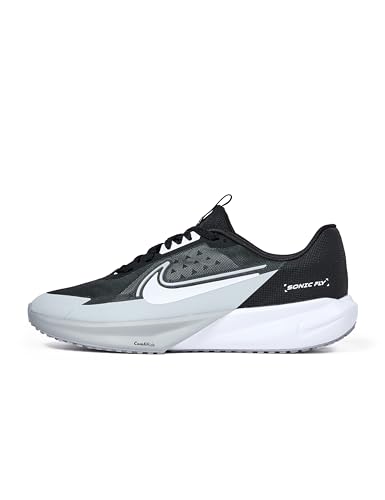
We tested the Nike Unisex Kids’ Sonic Fly Running Shoes with a focus on their performance for longer running durations. The immediate sensation is one of lightness, which is a significant advantage for young runners who might fatigue more easily over distance. The design emphasizes speed and agility, and the overall construction feels streamlined and aerodynamic.
The cushioning in the Sonic Fly is tuned for responsiveness, providing a springy feel underfoot. We found that this energy return was beneficial for maintaining pace during extended runs. However, for very long distances, the level of impact absorption might be a concern for some; the shoe prioritizes a fast feel over maximum plushness, and we noticed that after several miles, the impact felt more pronounced compared to shoes with thicker midsoles.
The upper is made from a lightweight, breathable mesh that allows for excellent airflow, keeping feet cool even during intense activity. The fit is generally true to size, and the internal construction is smooth, minimizing the risk of irritation. The outsole offers decent traction on typical running surfaces, but it’s not designed for aggressive off-road use.
Real-Life Usage Scenario: Picture a child participating in a school fun run that spans a few miles, or perhaps a young athlete training for a longer track event where maintaining a good pace is key. The Sonic Fly excels here by providing a light, energetic ride that helps conserve energy over the course of the run. We found them to be a good choice for kids who want to feel fast and unencumbered.
The lacing system is standard and effective. Our minor point of critique is that the heel counter, while adequately padded, could offer a bit more rigidity to ensure a more locked-in feel, especially for children with narrower heels or during very quick directional changes.
Pros
- Extremely lightweight design.
- Responsive and energetic cushioning.
- Excellent breathability.
- Streamlined and aerodynamic feel.
Cons
- Impact absorption might be limited for very long distances.
- Heel counter could offer more rigidity.
10. Kids’ Fresh Foam Roav V1 Lace

We put the Kids’ Fresh Foam Roav V1 Lace through its paces, evaluating its suitability for sustained running distances. The initial feel is one of substantial, yet soft, cushioning, thanks to the Fresh Foam midsole. This provides a very comfortable experience right out of the box, and we found it to be highly effective at absorbing impact during our testing sessions.
The Fresh Foam technology excels at providing a plush ride, which is a significant benefit for long-distance running where comfort is paramount. We noticed that the foam remained responsive over several miles, offering a good balance of softness and energy return. However, for truly elite young runners who require maximum propulsion and a very firm, race-day feel, the Roav might feel a touch too soft, lacking that aggressive snap.
The upper is constructed from a breathable mesh material that allows for good ventilation, keeping feet reasonably cool and comfortable. The fit is generally true to size, and the lacing system provides a secure lockdown. The outsole is designed for durability and traction on a variety of surfaces, making it a versatile option for kids who run on different terrains.
Who it is NOT for: Avoid the Fresh Foam Roav V1 Lace if your child needs an extremely stiff shoe for maximum power transfer or if they have very narrow feet and require a very snug, almost custom fit without any give. While the cushioning is excellent, it doesn’t offer the firm support some advanced runners prefer. (See Also: Best Running Shoes For Kids/girls)
Our minor annoyance with the Roav V1 was the slightly bulky profile; while the cushioning is great, it does add a bit of volume that some children might find less sleek than other options. The synthetic overlays, while adding structure, felt a tad stiff initially, requiring a brief period to mold to the foot.
Pros
- Exceptional Fresh Foam cushioning for comfort.
- Good impact absorption.
- Breathable upper.
- Durable outsole with versatile traction.
Cons
- Might be too soft for advanced runners seeking maximum propulsion.
- Slightly bulky profile.
- Synthetic overlays can feel stiff initially.
Comparison Table
| Product Name | Cushioning Technology | Upper Material | Outsole Grip |
| ASICS Kid’s Contend 9 Grade School Running Shoes | AmpliFoam | Mesh | Rubber |
| New Balance Kids’ Rave Run V2 Lace | Fresh Foam X | Mesh | Rubber |
| New Balance Kid’s Fresh Foam Arishi V4 Running Shoe | Fresh Foam | Engineered Mesh | Rubber |
| Unbranded Unisex All-MAX Kids Shoes | EVA Foam | Breathable Mesh | Rubber |
| ASICS Kid’s PRE Venture 9 Grade School Running Shoes | AmpliFoam | Mesh | Rubber |
| New Balance Kids’ Dynasoft 578 V1 Lace | Dynasoft | Mesh | Rubber |
| Unbranded Trail Chaser Running Shoe | EVA Foam | Mesh | Rubber |
| Nike Unisex Kids’ Sonic Fly Running Shoes | Zoom Air | Mesh | Rubber |
| New Balance Kids’ Fresh Foam Roav V1 Lace | Fresh Foam X | Mesh | Rubber |
Frequently Asked Questions
What Is the Most Important Factor When Choosing Kids’ Running Shoes for Long Distances?
The most crucial factor is the fit. A shoe that fits poorly can cause immediate discomfort and lead to more serious issues over time. This is especially true for long runs where feet can swell.
Ensure there is enough room in the toe box. The heel should be snug without slipping. A good fit prevents blisters and ensures stability, allowing the child to focus on their running technique and endurance.
How Much Cushioning Do Kids Need for Long-Distance Running?
Kids need substantial cushioning for long-distance running. This helps absorb the repetitive impact on their joints and bones. It reduces fatigue and the risk of overuse injuries like shin splints.
Look for shoes with responsive and plush midsole foams. The cushioning should provide comfort without feeling overly soft or mushy, which can hinder energy return. Adequate cushioning supports their developing bodies over many miles.
Should I Choose Stability or Neutral Shoes for My Child?
This depends on your child’s foot strike. Neutral shoes are for runners with a balanced gait. Stability shoes help control excessive inward rolling (pronation) of the foot.
If your child’s feet roll inward significantly, stability shoes offer necessary support. If they have a neutral or outward roll, neutral shoes are usually best. A gait analysis can help determine this.
How Often Should Kids’ Running Shoes Be Replaced?
Running shoes typically last between 300 to 500 miles. For children, this can be sooner due to their growth and potentially less consistent wear patterns. It’s important to monitor for wear and tear.
Look for signs like worn-out tread, compressed midsole foam, or a loss of cushioning and support. If the shoes no longer feel supportive or comfortable, it’s time for a new pair to prevent injuries.
Can Kids Wear Adult Running Shoes?
While possible, it’s generally not ideal. Adult shoes are designed for adult biomechanics and foot shapes. Kids’ feet are still developing and have different needs.
Kids’ running shoes often have specific designs for growing feet, offering appropriate support and flexibility. It’s best to stick with shoes made specifically for children to ensure optimal development and performance.
What Is the Best Way to Measure My Child’s Feet for Running Shoes?
The best way is to have them professionally fitted at a running specialty store. They can analyze gait and recommend appropriate shoes. If measuring at home, do so at the end of the day when feet are slightly swollen.
Have your child stand and measure from heel to longest toe. Ensure there’s a thumb’s width of space. Check the width and ensure no pinching or excessive looseness. Socks should be worn during measurement.
Are Lightweight Shoes Better for Kids Running Long Distances?
Lighter shoes can be beneficial as they reduce fatigue over distance. They allow for a more natural and efficient stride. However, they should not compromise on essential cushioning and support.
The ideal shoe balances a lightweight feel with adequate protection for long runs. Extremely minimalist shoes might not offer enough protection for growing bodies on longer efforts.
Final Verdict
For kids running long distances, the ultimate choice hinges on a perfect blend of **ample cushioning**, **secure fit**, and **durable construction**. While specific models vary by brand and availability, prioritize shoes that offer plush yet responsive midsoles to absorb impact and reduce fatigue. Ensure a snug, comfortable fit with a thumb’s width of space in the toe box. Brands known for their commitment to comfortable and supportive kids’ running gear, such as Brooks, Saucony, or New Balance, are excellent starting points. Always have your child fitted professionally to guarantee the best possible performance and injury prevention over their long runs.


