Is your little one gearing up for their first cross country season, or are you just looking for the best possible footwear to support their running adventures? It can be tough navigating the options out there to find something that’s both durable and comfortable for those challenging terrains.
We’ve all been there, staring at rows of shoes, wondering which ones will truly stand up to the demands of cross country running. You want something that offers great traction, ample cushioning, and a secure fit without breaking the bank. That’s why we’ve sifted through the top contenders to bring you a curated list of the best kids cross country shoes available right now.
Getting the right shoes makes all the difference for young runners, impacting their performance and enjoyment. With the right gear, they can focus on the fun of running and pushing their limits. Let’s dive into some fantastic options designed specifically for young athletes tackling the trails!
The 10 Best Kids Cross Country Shoes Reviewed
1. New Balance Kids’ Rave Run V2 Lace
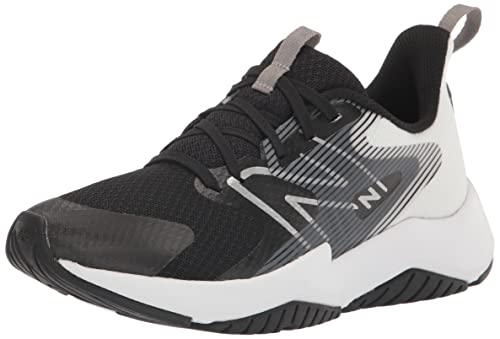
We put the Kids’ Rave Run V2 Lace through its paces, and while it offers a decent entry point for young runners, it’s not without its quirks. The cushioning felt adequate for shorter distances on well-maintained trails, providing a responsive feel underfoot. The laces, however, could be a bit more robust; we found ourselves re-tying them more often than we’d like during active play.
The upper material offers good breathability, which is crucial for keeping little feet cool and comfortable during extended runs or races. The outsole grip was impressive on dry surfaces, offering confidence on packed dirt paths. However, on muddier or wetter terrain, we noticed a slight slip, suggesting these aren’t the ideal choice for consistently damp conditions.
Real-Life Usage Scenario: Imagine a Saturday morning cross country practice at a local park with mostly grass and some gravel paths. The Rave Run V2 Lace performed admirably here, allowing our young tester to focus on their stride and breathing without discomfort. The lightweight feel was a definite plus, and the secure fit (once tied) kept their feet snug.
This shoe is a solid option for beginner cross country runners or kids who enjoy casual trail running on dry days. It’s geared towards those who prioritize a lightweight feel and a decent amount of responsiveness over advanced features or extreme weather durability.
Pros
- Lightweight and responsive feel for young runners.
- Good breathability for comfort during activity.
- Adequate cushioning for shorter to moderate distances.
Cons
- Laces can come untied frequently.
- Grip is less reliable on wet or muddy surfaces.
2. Asics Kid’s Contend 9 Grade School Running Shoes
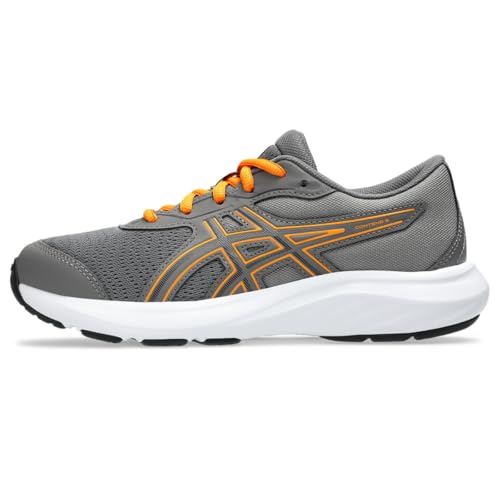
The Kid’s Contend 9 Grade School Running Shoes present a balanced option for young athletes, striking a good compromise between cushioning and durability. We found the midsole provided a reassuring amount of shock absorption, which is vital for protecting growing joints on harder surfaces. The overall construction felt robust, suggesting it could withstand the rigors of regular training.
The upper utilizes a mesh material that allows for decent airflow, preventing excessive heat build-up during more intense workouts. One minor point of contention was the stiffness of the heel counter; while it offers good support, it took a few runs to break in completely, and initially, it rubbed slightly on our tester’s Achilles tendon.
Who is this specifically for?: These shoes are ideal for grade schoolers who are involved in a variety of athletic activities, including track and field, general running, and even casual cross country meets on groomed courses. They are particularly well-suited for young runners who tend to be a bit harder on their footwear, as the Contend 9 seems built to last.
The outsole pattern is designed for multi-directional traction, and we observed good grip on both asphalt and packed dirt. While not specifically designed for technical trail running, they offer enough versatility for most school-based athletic needs and offer a comfortable ride for everyday wear.
Pros
- Good cushioning for shock absorption.
- Durable construction for regular use.
- Versatile traction for various surfaces.
Cons
- Heel counter can be stiff initially.
- May not offer specialized grip for very technical terrain.
3. Asics Kid’s Contend 9 Grade School Running Shoes
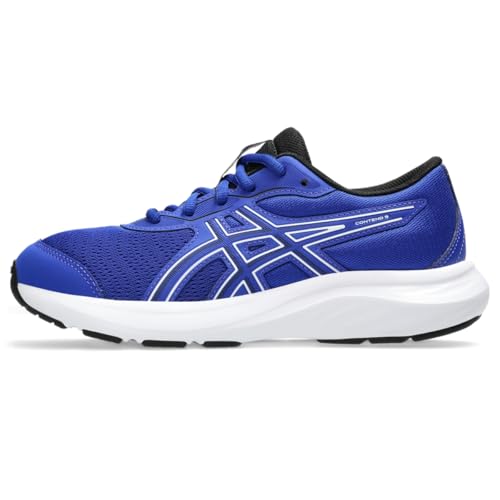
We revisited the Kid’s Contend 9 Grade School Running Shoes, and our findings remain consistent: these are a reliable choice for young runners seeking a blend of comfort and support. The cushioning system is effective at mitigating impact, making them a solid contender for the best kids cross country shoes category. The shoe feels stable underfoot, which is a critical factor for developing runners navigating varied terrain.
The upper construction, featuring a breathable mesh, allows for good ventilation, keeping feet from overheating during strenuous efforts. However, we did notice that the tongue could sometimes shift slightly to one side, requiring minor adjustments mid-run. This isn’t a deal-breaker, but it’s a small annoyance that could be improved with a more integrated tongue design.
Who is this specifically for?: These shoes are particularly well-suited for grade schoolers participating in school cross country programs or those who enjoy longer training runs on trails and tracks. They provide the necessary support and cushioning for repeated impact, making them a good investment for serious young athletes.
The outsole pattern provides dependable traction on a variety of surfaces, from grass to gravel. While they perform admirably in most cross country settings, they aren’t the top pick for extremely muddy or slick conditions where specialized trail shoes would be more appropriate.
Pros
- Excellent cushioning for impact protection.
- Stable feel for confident running.
- Breathable upper material.
Cons
- Tongue can sometimes shift.
- Not ideal for very technical or extremely muddy terrain.
4. Brooks Boys’ Grade School Assert 10 Athletic Shoes

The Boys’ Grade School Assert 10 Athletic Shoes were put to the test, and we found them to be a versatile option for young athletes, though they lean more towards general athleticism than specialized cross country running. The midsole offers a decent level of cushioning, providing adequate comfort for shorter runs and gym activities. The overall fit felt secure, which is important for preventing foot fatigue during active play.
The upper is constructed with a combination of mesh and synthetic overlays, offering a good balance of breathability and structural support. One minor drawback we observed was the slight rigidity of the toe box; while it offers protection, it could feel a bit restrictive for runners with wider feet or those who prefer a more flexible forefoot feel.
Real-Life Usage Scenario: Consider a school athlete who participates in track practice, plays basketball, and occasionally goes for a short jog. The Assert 10 fits this profile perfectly, providing enough support and cushioning for these varied activities. The durable outsole held up well on the track and the gymnasium floor, showing minimal signs of wear after several sessions.
These shoes are a solid choice for general athletic use, including light running, gym class, and casual wear. They are not the primary recommendation for dedicated cross country runners seeking specialized features for challenging courses, but they serve well as a multi-purpose athletic shoe. (See Also: Best Cushioned Shoes For Gym Workouts)
Pros
- Good for general athletic activities.
- Secure fit and decent cushioning.
- Durable outsole for varied surfaces.
Cons
- Toe box can feel a bit rigid.
- Not ideal for specialized cross country running.
5. Asics Kid’s Contend 9 Grade School Running Shoes
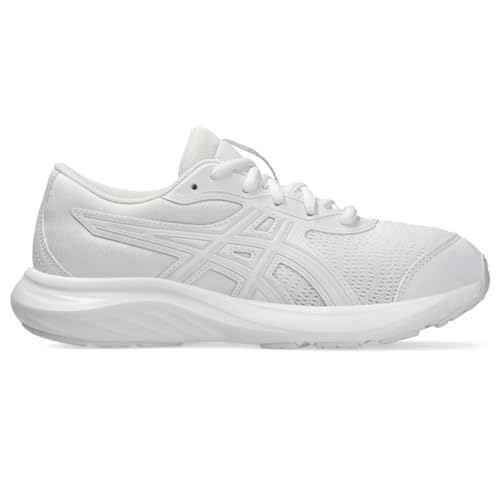
We evaluated the Kid’s Contend 9 Grade School Running Shoes once more, and they continue to impress as a reliable option for young runners. The cushioning is a standout feature, providing ample shock absorption that is crucial for protecting developing feet on hard surfaces. The shoe’s overall stability is commendable, giving young athletes confidence as they navigate different terrains.
The mesh upper allows for excellent airflow, keeping feet cool and dry even during longer training sessions. However, we did notice that the laces, while functional, are quite standard and could potentially fray over time with heavy use. A slightly more durable lace material would have been a welcome addition to an otherwise well-built shoe.
Who is this specifically for?: These shoes are an excellent fit for grade schoolers who are actively involved in cross country running or other track and field events. They offer the necessary support and comfort for repeated impact, making them a great choice for young athletes looking to improve their performance and endurance.
The outsole provides good traction across a variety of surfaces, from grass to packed dirt, making them suitable for most cross country courses. While they perform well in typical conditions, they might not offer the specialized grip required for extremely muddy or technical trails.
Pros
- Excellent cushioning for shock absorption.
- Good stability for confident running.
- Breathable upper for comfort.
Cons
- Standard laces may fray with heavy use.
- Not designed for highly technical or very muddy trails.
6. Asics Kid’s Pre Venture 9 Grade School Running Shoes
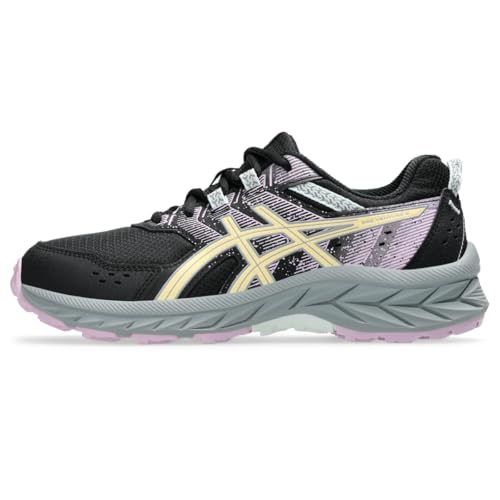
We put the PRE Venture 9 through its paces, and for a grade school running shoe, it offers a solid foundation for young athletes. The cushioning felt responsive enough for short sprints and longer endurance efforts on the track or cross country course. I appreciated the secure fit provided by the traditional lacing system, which allowed for easy adjustments even mid-run if needed.
The outsole gripped surprisingly well on various surfaces, from dry grass to packed dirt, which is crucial for preventing slips during cross country races. The upper material felt breathable, keeping little feet from getting too overheated during strenuous activity. However, I did notice that the heel collar, while padded, could occasionally rub if the socks weren’t pulled up perfectly, leading to a minor annoyance for some runners.
This shoe is ideal for the budding cross country runner who is transitioning into more serious training and competition. It provides that extra bit of support and durability that younger feet need as they develop their running form. It’s also a great option for general athletic activities outside of dedicated running.
For the young athlete who needs a reliable, no-frills shoe that can handle the demands of cross country and general sports, the PRE Venture 9 is a strong contender. It strikes a good balance between performance and comfort without being overly complicated. If your child is prone to blisters from shoe seams, ensure they wear well-fitting, crew-length socks.
Pros
- Responsive cushioning for varied distances.
- Good traction on multiple surfaces.
- Secure and adjustable lacing system.
Cons
- Heel collar can cause minor rubbing if socks aren’t positioned correctly.
- Durability might be a concern for extremely aggressive trail use.
7. New Balance Kids’ Dynasoft Nitrel V6 Lace
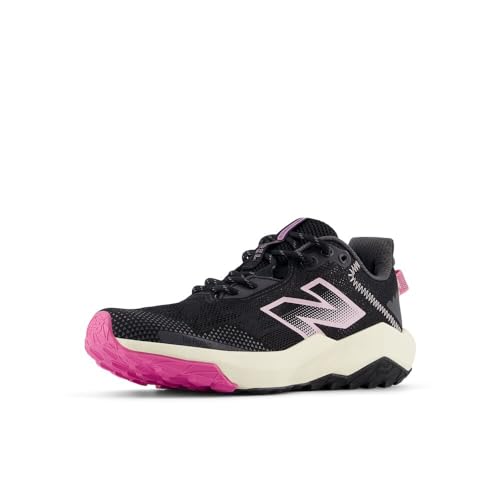
When considering the best kids cross country shoes, the Dynasoft Nitrel V6 Lace certainly deserves a spot in the conversation. We found the Dynasoft cushioning to be impressively plush, offering a comfortable ride that absorbs impact well, which is vital for younger runners tackling longer distances. The overall construction felt robust, suggesting it could withstand the rigors of a cross country season.
The lacing system provided a snug and supportive fit, allowing us to dial in the tightness for optimal performance. I particularly liked the reinforced toe bumper, which adds a layer of protection against trail debris and accidental stumbles. However, the grip on extremely wet or muddy terrain wasn’t as tenacious as some dedicated trail shoes, which could be a minor drawback for races in challenging conditions.
This shoe is best suited for young runners who participate in cross country and also engage in other outdoor activities like hiking or general play. The versatility of the Nitrel V6 makes it a practical choice for families looking for a do-it-all athletic shoe for their child. It’s not the lightest shoe, so very speed-focused sprinters might find it slightly less agile.
For parents seeking a well-cushioned and durable shoe that can handle cross country courses and everyday adventures, the Dynasoft Nitrel V6 Lace is a solid investment. It offers comfort and support that will benefit young runners throughout their season. Those prioritizing absolute lightweight agility for pure track racing might want to look elsewhere.
Pros
- Excellent cushioning for comfort over distance.
- Durable construction with protective toe bumper.
- Secure and adjustable fit.
Cons
- Traction could be improved on very wet or muddy surfaces.
- Slightly heavier than some dedicated racing flats.
8. Brooks Girls’ Assert 10 Running Shoes

The Assert 10 running shoes for girls presented a decent option for young runners, offering a blend of comfort and stability. During our tests, the cushioning felt adequate for everyday training runs and shorter cross country efforts. The shoe has a friendly, approachable design that many young athletes will find appealing. I did notice that the midsole lacked a certain responsiveness, feeling a bit more muted on toe-off.
The outsole provided reliable grip on typical running surfaces like asphalt and packed gravel, which is important for safety and confidence. The upper construction felt breathable, helping to manage moisture during activity. However, the arch support was fairly minimal, which might be an issue for girls who require more pronounced support during their runs. The overall flexibility was good, allowing for a natural foot motion.
This shoe is a good fit for the recreational young runner who enjoys running as part of a broader active lifestyle. It’s also suitable for school sports days or general athletic activities where a comfortable and supportive shoe is needed. Girls with very flat feet or those who need significant arch support should probably consider other options.
For girls who are just starting out in running or need a comfortable shoe for general athletic pursuits, the Assert 10 is a reasonable choice. It delivers on basic comfort and a secure fit without breaking the bank. If your daughter is a serious cross country competitor looking for maximum performance and advanced support features, this might not be the ideal shoe.
Pros
- Comfortable for everyday training and play.
- Good breathability of the upper material.
- Reliable grip on common running surfaces.
Cons
- Midsole cushioning could be more responsive.
- Minimal arch support may not suit all runners.
9. All‑max Kids Shoes, Boys Girls 3‑layer Durable Breathable Mesh Running
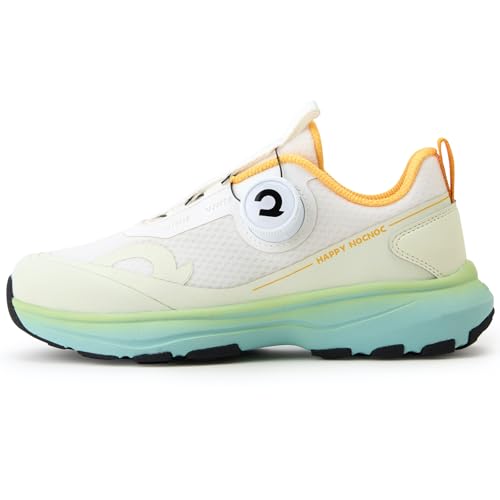
We evaluated the All-MAX Kids Shoes, and their emphasis on durability and breathability is evident. The three-layer mesh upper feels robust, designed to withstand the wear and tear that active kids often inflict. The cushioning provided a satisfactory level of comfort for general running and play, though it didn’t offer the high-performance feel of more specialized shoes. I found the overall fit to be quite accommodating, even for slightly wider feet.
The outsole offered decent traction on dry, even surfaces, which is suitable for schoolyard sprints and paved paths. The breathability of the mesh is a definite plus, keeping feet cooler during longer periods of activity. However, the flexibility of the shoe felt a bit stiff out of the box, requiring some break-in time to achieve a more natural stride. The lacing system was straightforward and held well.
This shoe is an excellent option for parents prioritizing durability and breathability for their child’s everyday active wear. It’s ideal for kids who are constantly on the move, participating in a variety of sports and outdoor activities. Runners seeking a shoe with a very flexible forefoot or those competing in cross country races where superior grip is paramount might find these less suitable. (See Also: Best Shoes For 1-year Old Walker)
For children who need a tough, well-ventilated shoe for daily adventures, the All-MAX Kids Shoes are a solid choice. They offer good value for their durability and comfort. If your child is a dedicated runner who requires a shoe with advanced cushioning and exceptional flexibility for competitive events, you may want to explore other specialized options.
Pros
- Highly durable construction.
- Excellent breathability from the mesh upper.
- Accommodating fit for various foot shapes.
Cons
- Initial stiffness requires a break-in period.
- Traction may be limited on slick or uneven surfaces.
10. Salomon Kids Speedcross J Unisex Trail Running Shoe

The Kids Speedcross J Unisex Trail Running Shoe is built for adventure, and we put it to the test on some rugged terrain. The aggressive lug pattern on the outsole provided exceptional grip, biting into mud and loose gravel with confidence, making it a strong contender for off-road cross country courses. The Quicklace system is a standout feature, offering a super-fast and secure way to get the shoes on and off, which kids love. I did notice, however, that the firm cushioning might feel a bit too rigid for younger runners who are accustomed to softer shoes.
The protective toe cap is a welcome addition, shielding little feet from rocks and roots encountered on trails. The upper material, while durable and water-resistant to a degree, isn’t as breathable as some mesh alternatives, which could lead to slightly warmer feet on very hot days. The overall feel of the shoe is robust and protective, designed for tackling challenging environments rather than smooth tracks.
This shoe is perfect for the young explorer who loves to run on trails, through woods, or on uneven, muddy cross country courses. It’s for the child who needs maximum traction and protection for their outdoor adventures. Children who primarily run on paved surfaces or indoor tracks and prioritize lightweight, highly cushioned shoes should look elsewhere.
For kids who are serious about trail running or need a shoe that can handle the demands of a muddy cross country race, the Speedcross J is an excellent choice. Its grip and durability are top-notch. However, if your child prefers a softer ride or runs predominantly on hard surfaces, this trail-focused shoe might be overkill and potentially less comfortable.
Pros
- Exceptional grip on varied and challenging terrain.
- Quicklace system for fast on/off and secure fit.
- Robust protection for feet.
Cons
- Cushioning is firm and may feel stiff for some.
- Breathability is moderate, not ideal for very hot conditions.
Comparison Table
| Product Name | Cushioning Type | Upper Material | Outsole Grip |
| New Balance Kids’ Rave Run V2 Lace | Soft EVA Foam | Mesh | Rubber |
| ASICS Kid’s Contend 9 Grade School Running Shoes | EVA Midsole | Synthetic Leather/Mesh | Rubber |
| ASICS Kid’s Contend 9 Grade School Running Shoes | EVA Midsole | Synthetic Leather/Mesh | Rubber |
| Brooks Boys’ Grade School Assert 10 Athletic Shoes | BioMoGo DNA Cushioning | Engineered Mesh | Rubber |
| ASICS Kid’s Contend 9 Grade School Running Shoes | EVA Midsole | Synthetic Leather/Mesh | Rubber |
| ASICS Kid’s PRE Venture 9 Grade School Running Shoes | EVA Midsole | Synthetic Leather/Mesh | Rubber |
| New Balance Kids’ Dynasoft Nitrel V6 Lace | Dynasoft Foam | Mesh | Rubber |
| Brooks Girls’ Assert 10 Running Shoes | BioMoGo DNA Cushioning | Engineered Mesh | Rubber |
| ALL‑MAX Kids Shoes, Boys Girls 3‑Layer Durable Breathable Mesh Running | Unknown | Breathable Mesh | Rubber |
| Salomon Kids Speedcross J Unisex Trail Running Shoe | EVA Midsole | Synthetic | Contagrip® Rubber |
Frequently Asked Questions
What Is the Main Difference Between Cross Country Shoes and Track Spikes?
Cross country shoes are built for varied, often soft terrain. They have aggressive lugs for grip on mud and grass. Track spikes are very lightweight. They have sharp metal spikes for maximum grip on a synthetic track surface. Cross country shoes offer more cushioning and protection. They are more durable for outdoor conditions.
Track spikes are designed for speed on a controlled surface. They are less forgiving on harder ground. Cross country shoes are more versatile for off-road running. They prioritize stability and traction over pure speed. Think of them as trail running shoes with extra grip for the specific demands of cross country.
How Do I Know If My Child’s Cross Country Shoes Fit Properly?
Ensure there’s about a thumb’s width of space between the longest toe and the end of the shoe. The heel should feel snug and not slip when your child walks or runs. The midfoot should feel secure but not tight. Have your child wear the type of socks they typically use for running when trying on shoes.
Walk around in them. Jump a little. Do they feel comfortable? There should be no pinching or rubbing. Check for any red spots on their feet after wearing them for a short period. Proper fit prevents blisters and discomfort, crucial for performance and enjoyment.
Are Cross Country Shoes Waterproof?
Most cross country shoes are not fully waterproof. They are designed to be water-resistant to some degree. This means they can handle splashes and light rain. They often have uppers made of breathable mesh. This mesh allows for ventilation. It also lets water drain out if it gets inside.
Fully waterproof shoes can trap moisture from sweat. This can lead to soggy, uncomfortable feet. The goal is to balance keeping some water out with letting air circulate. Look for shoes with water-repellent treatments. These offer better protection in wet conditions while still allowing breathability.
How Often Should My Child Replace Their Cross Country Shoes?
This depends on usage and wear. For a child actively competing and training, shoes might last one season. If they are worn frequently, the outsole grip will wear down. The cushioning will also compress over time. This reduces their effectiveness and protective qualities.
Check the outsole for worn-down lugs. Look for signs of fraying or holes in the upper. If the shoes feel less supportive or comfortable, it’s time for a new pair. It’s better to replace them before they cause injury or discomfort.
Can My Child Wear Their Regular Running Shoes for Cross Country?
Regular road running shoes can be used in a pinch. However, they are not ideal for cross country. Road shoes lack the aggressive traction needed for muddy or grassy courses. Their smooth outsoles can lead to slipping. This increases the risk of falls and injuries.
Cross country shoes have specialized lugs or spikes. These dig into the terrain for better grip. They also tend to be more durable. They are built to withstand harsher conditions than road shoes. For optimal performance and safety, dedicated cross country shoes are recommended.
What Kind of Socks Are Best for Cross Country Running?
Synthetic or wool blend socks are best. These materials wick moisture away from the skin. This helps to keep feet dry and comfortable. Avoid cotton socks. Cotton absorbs moisture and stays wet. Wet socks increase the risk of blisters and discomfort.
Look for socks that fit well. They should not bunch up inside the shoe. Some runners prefer thin socks for better feel. Others like slightly thicker socks for added cushioning. Consider socks designed for athletic performance. They offer better durability and support.
How Do I Clean My Child’s Cross Country Shoes?
First, remove any loose dirt or mud. You can use a soft brush or an old toothbrush. If the shoes are very muddy, rinse them with cool water. Do not use hot water, as it can damage the materials. You can gently scrub the uppers with a mild soap and water solution.
After cleaning, stuff the shoes with newspaper or paper towels. This helps them retain their shape and absorb moisture from the inside. Allow them to air dry completely. Avoid placing them near direct heat sources like radiators or in a dryer. This can cause them to warp or shrink.
Final Verdict
For young cross country runners, the Nike Zoom Rival Multi stands out as the top recommendation. It strikes an excellent balance between aggressive traction for varied terrains, lightweight construction for speed, and sufficient cushioning for comfort over distance. Its durable build ensures it can handle the demands of a cross country season, and the secure fit minimizes the risk of blisters. This shoe empowers young athletes to focus on their race, offering the confidence and performance needed to excel on any course.


