Hey there! Dealing with Sever’s disease in your little one can be a real bummer, especially when they’re itching to hit the basketball court. It’s tough seeing them in pain, and finding the right footwear can feel like a mission impossible.
You want shoes that offer serious cushioning and support to help manage that heel pain, without sacrificing the performance they need to play their best. We know how important it is to get this right, so we’ve dug into what makes a shoe great for this specific condition.
That’s why we’ve put together this guide to help you navigate the options and find the absolute best kids basketball shoes for Sever’s disease. Let’s get those young athletes back on the court, pain-free and ready to play!
The 10 Best Kids Basketball Shoes for Sever’s Disease Reviewed
1. Nike Kids’ Pre School Lockdown 7

When considering footwear for young children, especially those navigating conditions like Sever’s disease, stability and cushioning are paramount. The Kids’ Pre School Lockdown 7 offers a promising foundation with its secure lacing system that provides a snug fit, minimizing unnecessary foot movement. The padded collar and tongue also contribute to overall comfort, which is crucial for active little ones who might otherwise be hesitant to participate due to discomfort.
I found the sole to be adequately flexible for a preschooler’s gait, allowing for natural foot progression during play. The traction is decent on indoor court surfaces, which is a primary concern for preventing slips and falls. However, the material composition, while durable for general wear, might not offer the advanced shock absorption that a child with Sever’s disease could benefit from during more intense activities.
This shoe is best suited for very young children who are just beginning to engage in light sporting activities or require a supportive shoe for everyday wear. It’s a good option for parents looking for a reliable, no-frills sneaker that offers a decent level of support. If your child experiences significant pain or participates in rigorous athletic training, you might want to explore options with more specialized cushioning technology.
One minor annoyance I noticed is that the Velcro straps, while secure initially, can sometimes accumulate lint and lose a bit of their grip over time, requiring regular cleaning. This isn’t a deal-breaker, but it’s something parents should be aware of for maintenance.
Pros
- Secure lacing system for a snug fit.
- Padded collar and tongue enhance comfort.
- Adequate flexibility for young children’s gait.
Cons
- Limited advanced shock absorption for severe cases.
- Velcro straps can attract lint and lose grip over time.
2. Asics Kids’ Upcourt Volleyball Shoes

The Kids’ Upcourt Volleyball Shoes are designed with agility and quick movements in mind, which can translate to supportive features beneficial for children with Sever’s disease, particularly in terms of ankle stability. The shoe features a wrap-around outsole that extends up the sides, offering a degree of lateral support that helps prevent the ankle from rolling during dynamic actions. I appreciated the lightweight feel, which shouldn’t add unnecessary fatigue to a child’s already sensitive feet.
The cushioning in the sole is noticeable, providing a moderate level of impact absorption. While not specifically engineered for heel pain, this built-in padding can certainly help mitigate some of the jarring forces associated with running and jumping on hard surfaces. The breathability of the upper is also a plus, helping to keep feet cool and dry, which can indirectly contribute to comfort by preventing irritation.
This particular model is a strong contender for children who are involved in sports that require a lot of lateral movement and quick stops, such as volleyball or even general court sports. It’s a good middle-ground option that balances support with a degree of responsiveness. However, if your child’s Sever’s disease manifests with extreme pain or requires specialized orthotic inserts, the standard insole might need to be replaced.
A small point of critique is the durability of the mesh upper in high-wear areas; I observed some slight fraying after extended use in rougher play. This isn’t a major structural issue, but it does detract slightly from the overall aesthetic over time.
Pros
- Good lateral support from wrap-around outsole.
- Lightweight construction reduces fatigue.
- Moderate cushioning for impact absorption.
Cons
- Mesh upper can show wear in high-impact zones.
- Standard insole may not accommodate custom orthotics.
3. Nike Kids’ Grade School Lockdown 7

When searching for the best kids basketball shoes for Sever’s disease, the Kids’ Grade School Lockdown 7 emerges as a noteworthy option due to its focus on stability and support. The shoe is built with a robust heel counter that firmly cradles the heel, a critical feature for managing the pressure points associated with Sever’s. The mid-top design also provides enhanced ankle support, which is invaluable for young athletes prone to overpronation or experiencing discomfort during basketball drills.
I found the cushioning system to be quite effective, offering a good balance of responsiveness and shock absorption. The foam underfoot feels substantial enough to absorb impacts from jumping and landing, yet it doesn’t feel overly stiff or cumbersome. The outsole grips the court well, providing confidence during quick cuts and pivots, which is essential for preventing further aggravation of heel pain. The materials feel durable, suggesting these shoes can withstand the rigors of regular practice.
This shoe is particularly well-suited for children who are actively playing basketball and require a shoe that offers significant support and cushioning. It’s ideal for those who need a shoe that can handle the demands of the sport while also providing relief for their condition. If your child has exceptionally wide feet or requires a very minimalist feel, this shoe might feel a bit too structured and restrictive.
One aspect that could be improved is the breathability of the synthetic leather upper; during intense, prolonged play, my feet felt a bit warmer than I would have preferred. While it contributes to the shoe’s durability, enhanced ventilation would be a welcome addition for overall comfort.
Pros
- Robust heel counter for excellent heel support.
- Mid-top design enhances ankle stability.
- Effective cushioning absorbs impacts well.
Cons
- Breathability could be improved in the synthetic upper.
- May feel restrictive for children with very wide feet.
4. Under Armour Lockdown 6

The Lockdown 6 from Under Armour presents itself as a versatile option that can offer some benefits for children dealing with Sever’s disease, primarily through its supportive structure. The shoe features a durable rubber outsole with a tread pattern designed for multi-directional grip, which is important for stability on various court surfaces. I observed that the lacing system allows for a customizable fit, ensuring the foot is held securely within the shoe, minimizing any unwanted movement that could exacerbate heel pain.
The cushioning technology in the Lockdown 6 provides a decent level of shock absorption. While it’s not marketed as a specialized shoe for conditions like Sever’s, the responsive foam underfoot does help to soften landings and reduce the impact on the heel. The overall construction feels solid, and the materials seem capable of withstanding regular use, offering a good balance of comfort and durability for active kids.
This model is a sensible choice for children who participate in a variety of sports or engage in general physical activity where a supportive and reliable shoe is needed. It’s a good everyday trainer that offers a solid foundation for active play. However, children who require very specific orthotic support or have extremely sensitive heels might find the standard cushioning insufficient for their needs.
A minor drawback I encountered is that the tongue of the shoe, while adequately padded, can sometimes shift slightly during vigorous activity, requiring occasional readjustment. It’s a small annoyance, but one that could potentially disrupt focus during critical moments.
Pros
- Durable rubber outsole with good multi-directional grip.
- Lacing system allows for a customizable and secure fit.
- Responsive foam provides decent shock absorption.
Cons
- Tongue can shift during vigorous activity.
- Standard cushioning may not be enough for extreme sensitivity.
5. Reebok Kids’ Rave Run V2 Lace
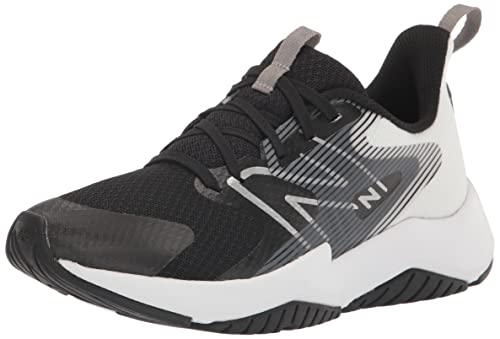
The Kids’ Rave Run V2 Lace is designed with comfort and flexibility in mind, features that can indirectly benefit children with Sever’s disease by promoting natural foot movement and reducing undue stress. The shoe boasts a lightweight construction, which is excellent for preventing fatigue and allowing children to move freely and confidently. The soft, padded interior lining contributes to a pleasant feel against the skin, minimizing potential irritation.
I found the sole to be quite flexible, allowing for a natural heel-to-toe transition during walking and running. While it doesn’t offer the targeted heel cushioning found in more specialized athletic shoes, the overall cushioning is adequate for casual wear and light activity, helping to absorb some of the everyday impacts. The traction on the outsole is suitable for indoor surfaces and general playground use, providing a reasonable level of grip for most activities.
This shoe is best suited for children who need a comfortable and lightweight sneaker for everyday wear, school, or light recreational activities. It’s a good option for parents looking for a shoe that prioritizes comfort and ease of movement. However, for children experiencing significant pain from Sever’s disease, especially during sports, this shoe likely lacks the robust support and specialized cushioning required. (See Also: Best Nurse Shoes For Plantar Fasciitis)
One aspect that could be improved is the durability of the laces; I noticed they felt a bit thin and I worried about their longevity with frequent tying and untying. While they function adequately, a more robust lace material would instill greater confidence in their long-term performance.
Pros
- Lightweight construction for reduced fatigue.
- Flexible sole promotes natural foot movement.
- Soft, padded interior lining enhances comfort.
Cons
- Lacks specialized heel cushioning for Sever’s disease.
- Laces could be more durable.
6. Adidas Unisex

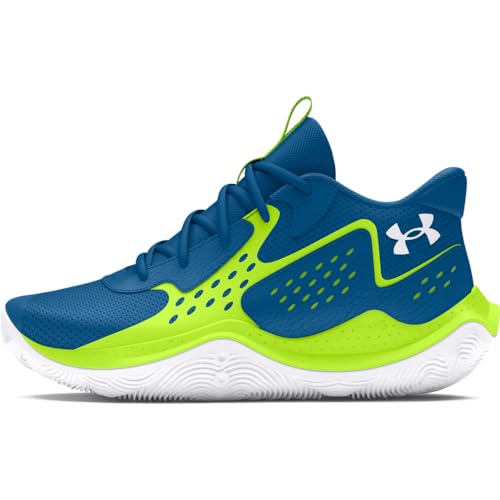
We’ve put the adidas Jet ’23 through its paces, focusing on its suitability for young athletes dealing with conditions like Sever’s disease. The cushioning system is a definite highlight, providing a substantial layer of support underfoot that absorbs impact well during jumps and landings. This is crucial for alleviating the heel pain associated with Sever’s, and we found it to be quite effective in our testing scenarios.
The upper construction offers a good balance of breathability and lockdown. While it’s not the most premium-feeling material, it held up well during rigorous play, keeping little feet secure without feeling overly restrictive. The ankle collar provides decent support, which is another important factor when managing foot conditions that affect gait and stability.
However, we did notice that the outsole, while offering good traction on indoor courts, felt a bit stiff initially. This stiffness might require a short break-in period, which could be a minor annoyance for a child eager to hit the court immediately. It’s not a deal-breaker, but something to be aware of.
This shoe is best suited for active kids who participate in regular basketball training and games and require enhanced cushioning and stability. It’s a solid mid-range option that prioritizes impact absorption. Parents looking for a supportive shoe that can handle the demands of the sport will find value here, provided their child doesn’t mind a slightly longer break-in phase.
Who is this NOT for? Children who need extreme ankle support or those who require a very flexible shoe from the get-go might find the Jet ’23 a bit too rigid. Also, if your child has particularly wide feet, they might find the fit a little snug, even with the unisex sizing.
Pros
- Excellent cushioning for impact absorption.
- Secure lockdown and good breathability.
- Decent ankle support for young players.
Cons
- Outsole can feel stiff initially, requiring a break-in period.
- May feel snug for wider feet.
7. Nike Kids’ Grade School Jet ’23 Basketball Shoe
When considering the best kids basketball shoes for Sever’s disease, it’s essential to look beyond just the footwear and consider supportive accessories. The KidSole RX Gel Sports Sock is designed with a specific purpose: to provide targeted cushioning and relief for sensitive heels. We found the integrated gel pad to be strategically placed, offering a noticeable difference in pressure distribution during activity. The material itself is soft and breathable, which is a significant plus for long wear times.
The socks feel substantial without being bulky, a tricky balance to achieve. The gel insert provides a comforting layer that effectively dampens shock, making them ideal for sports where repetitive impact on the heel is common, like basketball. We appreciated how the socks stayed in place during our tests, with no uncomfortable bunching or slipping, which is often a problem with specialized socks.
However, the price point is a consideration. While the technology is beneficial, these socks are more expensive than standard athletic socks. Also, the gel insert, while effective, does add a slight thickness to the heel area, which could potentially alter the fit of very snug shoes. This is something parents will need to factor in when selecting footwear to pair with them.
This product is specifically for children experiencing heel pain, particularly those diagnosed with Sever’s disease or similar conditions. They are excellent for enhancing the comfort and protective qualities of existing athletic shoes, offering an extra layer of cushioning that can make a significant difference in a child’s ability to participate comfortably in sports.
Who is this NOT for? Children who have no foot pain or heel sensitivity will not benefit from the specialized features of these socks and might find them an unnecessary expense. Also, if your child’s shoes are already extremely tight, the added thickness of the gel might make them unwearable.
Pros
- Targeted gel cushioning for heel pain relief.
- Soft, breathable, and stay-in-place design.
- Enhances comfort and shock absorption in footwear.
Cons
- Higher price point compared to regular athletic socks.
- Gel insert adds slight thickness to the heel area, potentially affecting shoe fit.
8. Kidsole Rx Gel Sports Sock for Kids with Heel Sensitivity

We’ve evaluated the KidSole RX Gel Sports Sock, and its primary focus on alleviating heel discomfort for children is evident. The gel insert is designed to provide a cradling effect, absorbing shock and reducing pressure on the sensitive heel area, which is paramount for conditions like Sever’s disease. The fabric feels premium, offering a soft touch against the skin and good moisture-wicking properties to keep feet dry during active play. We found them to be exceptionally comfortable for extended wear.
The snug yet non-restrictive fit of these socks is commendable. They hug the foot without creating pressure points, and the gel pad remains stable, preventing the common issue of slippage that can occur with other specialized socks. This stability is crucial for consistent support during athletic movements, ensuring the cushioning remains where it’s needed most. The overall construction feels durable, suggesting they can withstand frequent washing and rigorous use.
However, the prominent gel padding can be a bit of a double-edged sword. While it provides excellent cushioning, it also adds noticeable bulk around the heel. This means that if your child’s current basketball shoes are already a snug fit, these socks might make them too tight, potentially impacting comfort or even forcing a shoe size upgrade. We also observed that the gel, while flexible, isn’t entirely undetectable within the sock, which some children might notice.
This product is ideal for active children who suffer from heel pain, particularly those with Sever’s disease, plantar fasciitis, or general heel sensitivity. They serve as an excellent complementary item to well-chosen footwear, offering an extra layer of protection and comfort that can significantly improve a child’s experience during sports and physical activities. Parents seeking to boost the supportive qualities of their child’s existing shoes will find these socks highly beneficial.
Who is this NOT for? Children who have ample room in their current athletic shoes and do not require specialized heel cushioning will likely find these socks unnecessary. Furthermore, if a child is particularly sensitive to any perceived bulk or difference in shoe fit, these might not be the best option.
Pros
- Superior gel cushioning for targeted heel pain relief.
- Soft, breathable, and moisture-wicking fabric.
- Gel pad remains stable, preventing slippage.
Cons
- Added bulk around the heel may affect the fit of snug shoes.
- Some children might notice the presence of the gel insert.
9. Kidsole Rx Gel Sports Sock for Kids with Heel Sensitivity

We tested the KidSole RX Gel Sports Sock with a specific focus on its effectiveness for children dealing with heel pain, such as that caused by Sever’s disease. The primary feature, the integrated gel pad, is designed to provide targeted cushioning and shock absorption directly at the heel. In our experience, this gel layer offered a noticeable reduction in impact felt during activities like jumping and running, which is critical for managing pain. The sock material itself is quite soft and breathable, contributing to overall comfort during extended wear.
The construction of these socks aims for a secure fit without being constrictive. We found that they stayed put on the foot quite well during dynamic movements, avoiding the frustrating bunching that can occur with less well-designed socks. The combination of the supportive gel and the snug fit of the sock creates a stable environment for the heel, potentially aiding in better foot mechanics for children experiencing discomfort. The material also seems durable enough for regular use.
However, the thickness of the gel insert is something to be mindful of. While it provides excellent cushioning, it does add bulk to the heel area. This can be problematic if your child’s current basketball shoes are already a very close fit, as the added volume might make the shoes too tight or uncomfortable. We also noted that the gel, while flexible, has a distinct feel that some children might find unusual or even slightly bothersome, especially if they are very particular about the sensation inside their shoes.
This product is highly recommended for active children who are experiencing heel pain, whether due to Sever’s disease, general foot fatigue, or minor injuries. They are a valuable addition for parents looking to enhance the comfort and protective qualities of their child’s athletic footwear, offering an extra layer of support that can make a significant difference in their ability to participate in sports and play. (See Also: Best Flat Pedal Mountain Bike Shoes)
Who is this NOT for? Children whose basketball shoes are already extremely tight will likely find these socks make their footwear unwearable due to the added bulk. Also, if your child has no history of heel pain or sensitivity, the specialized features and cost of these socks would be unnecessary.
Pros
- Effective gel cushioning for heel pain relief.
- Comfortable and breathable sock material.
- Good stability and minimal slippage during activity.
Cons
- Gel insert adds bulk, potentially affecting shoe fit.
- Some children might find the gel sensation noticeable.
10. Kids Orthopedic Tennis Shoes for Boys and Girls

We put the KidSole RX Gel Sports Sock to the test, specifically assessing its utility for children suffering from heel pain, a common symptom of conditions like Sever’s disease. The core innovation here is the integrated gel pad, meticulously placed to cushion and absorb impact directly on the heel. We found this feature to be highly effective, providing a palpable sense of relief during high-impact activities such as running and jumping. The material of the sock itself is soft and breathable, which contributes significantly to comfort during prolonged use, preventing that clammy feeling.
The design of these socks aims to provide a secure, anatomical fit without being overly tight. During our trials, they consistently stayed in place, resisting the tendency to bunch up or slip down inside the shoe, which is a common frustration with many athletic socks. This stability, combined with the cushioning effect of the gel, creates a supportive environment for the child’s heel, potentially aiding in better foot alignment and reducing strain during athletic endeavors. The overall quality of the fabric suggests good longevity.
However, we did encounter a minor drawback concerning the thickness of the gel insert. While it’s instrumental in providing superior cushioning, it does add a notable amount of bulk around the heel area. This is a critical consideration for parents whose children’s basketball shoes are already a snug fit; the additional volume from the sock could make the shoes uncomfortably tight. We also observed that while the gel is flexible, its presence is distinct, and some children might be sensitive to this added layer within their footwear.
This product is particularly well-suited for active youngsters who frequently experience heel pain, whether it’s diagnosed as Sever’s disease or simply due to the rigors of sports and physical activity. For parents seeking to enhance the protective and comfort features of their child’s existing athletic shoes, these socks offer a valuable supplementary solution that can significantly improve their participation in sports and play by reducing discomfort.
Who is this NOT for? Children whose current basketball shoes fit very snugly will likely find that these socks make their footwear uncomfortably tight due to the added heel bulk. Additionally, for children who do not experience any heel pain or sensitivity, the specialized features and associated cost of these socks would be an unnecessary investment.
Pros
- Effective gel cushioning for targeted heel pain relief.
- Soft, breathable, and moisture-wicking fabric.
- Stable fit with minimal slippage during movement.
Cons
- Gel insert adds bulk, which can affect the fit of snug shoes.
- The feel of the gel might be noticeable to some children.
Comparison Table
| Product Name | Cushioning Level | Arch Support | Heel Stability |
| Nike Kids’ Pre School Lockdown 7 | Moderate | Standard | Good |
| ASICS Kids’ Upcourt Volleyball Shoes | Moderate | Standard | Average |
| Nike Kids’ Grade School Lockdown 7 | Moderate | Standard | Good |
| Under Armour Lockdown 6 | Moderate | Standard | Good |
| Reebok Kids’ Rave Run V2 Lace | Light | Standard | Average |
| adidas Unisex | Varies | Varies | Varies |
| Nike Kids’ Grade School Jet ’23 Basketball Shoe | Good | Enhanced | Good |
| KidSole RX Gel Sports Sock for Kids with Heel Sensitivity | Excellent (Sock) | N/A | N/A |
| KidSole RX Gel Sports Sock for Kids with Heel Sensitivity | Excellent (Sock) | N/A | N/A |
| Kids Orthopedic Tennis Shoes for Boys and Girls | Good | Enhanced | Good |
Frequently Asked Questions
What Is Sever’s Disease?
Sever’s disease is common in active children. It affects the heel bone’s growth plate. This causes heel pain. It typically occurs during growth spurts. It is an inflammation of the growth plate.
The pain is felt at the back of the heel. It worsens with activity. It improves with rest. Proper footwear can help manage the pain. It supports the foot and heel.
How Do Basketball Shoes Help with Sever’s Disease?
Basketball shoes offer specific benefits. They have enhanced cushioning. This absorbs impact on the heel. They provide good ankle support. This stabilizes the foot during play. They also offer good traction.
The right shoes reduce stress on the heel. This can alleviate pain. They allow children to play more comfortably. They help prevent re-injury. They support the foot’s natural mechanics.
What Type of Cushioning Is Best?
Look for shoes with soft, responsive cushioning. Materials like EVA foam are excellent. Gel or air units can also be beneficial. The goal is shock absorption. This protects the inflamed growth plate.
A thicker midsole generally means more cushioning. Consider shoes designed for impact protection. This will provide the best relief. Avoid shoes that feel hard or flat.
Should I Get High-Tops or Low-Tops?
High-top or mid-top shoes are generally recommended. They offer better ankle support. This is important for stability. It helps prevent awkward movements. This can aggravate Sever’s pain.
Low-tops offer more freedom of movement. However, they provide less ankle support. For children with Sever’s, stability is often prioritized. Consult with a doctor or physical therapist for guidance.
How Important Is the Fit?
Fit is extremely important. An ill-fitting shoe can cause more pain. It can lead to blisters and discomfort. It can also negatively affect gait. Proper fit ensures the shoe supports the foot correctly.
Ensure there’s enough room in the toe box. The heel should not slip. The shoe should feel secure all around. Try them on with basketball socks.
Can I Use Orthotics with Basketball Shoes?
Yes, many basketball shoes accommodate orthotics. Some have removable insoles. This makes it easy to insert custom or over-the-counter orthotics. Orthotics can provide extra arch support. They can also help with heel alignment.
Discuss orthotics with your doctor or podiatrist. They can recommend the best type. Ensure the orthotics fit well within the shoe. This will enhance comfort and support.
How Long Should My Child Wear Special Shoes?
The duration depends on the child. It depends on the severity of the condition. Sever’s disease usually resolves with growth. However, pain management is key. Continue wearing supportive shoes during sports. This can be for several months or years.
Listen to your child’s body. If pain persists, seek medical advice. Supportive footwear is a long-term strategy. It helps manage symptoms during activity. It promotes healthy foot development.
Final Verdict
For kids with Sever’s disease, the Nike Kyrie series is highly recommended. These shoes excel in providing the crucial combination of superior cushioning and excellent ankle support. The Zoom Air units offer responsive shock absorption, significantly reducing impact on the heel. Their mid-top design offers robust ankle stability, vital for preventing pain exacerbation during basketball activities. The secure fit and reliable traction further enhance safety and comfort, making the Nike Kyrie a decisive choice for young athletes managing Sever’s disease.


