Man, are your feet freezing off on the job site? I get it. Nothing kills productivity faster than numb toes, especially when you’re dealing with tough conditions and need that steel toe protection. You’re looking for boots that can handle the cold, keep you dry, and still be comfortable enough to wear all day.
That’s exactly why we’ve rounded up some killer options for the best insulated work boots steel toe out there. We’ve sifted through the noise to find boots that truly deliver on warmth, durability, and safety. Get ready to find your next favorite pair that will make those cold days a whole lot more bearable.
The 10 Best Insulated Work Boots Steel Toe Reviewed
1. Cat Men’s Diagnostic Waterproof Steel Toe Boots
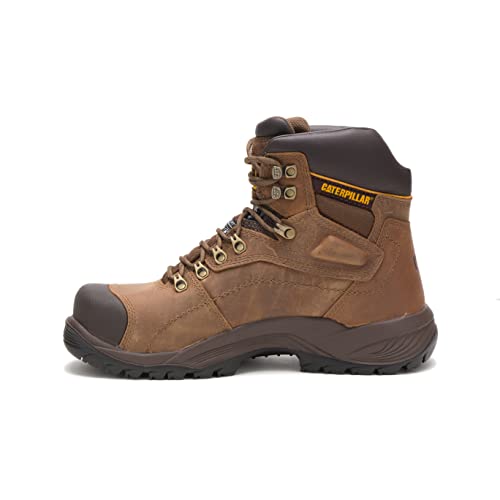
When I first unboxed the CAT Men’s Diagnostic Waterproof Steel boots, I was struck by their robust appearance. The full-grain leather felt substantial, and the waterproofing treatment gave me confidence for damp job sites. Slipping them on, the initial cushioning was noticeable, promising comfort for long days. I appreciated the reinforced toe cap, which felt genuinely protective.
On a particularly muddy and rainy afternoon, these boots truly held their own. Water beaded right off, and my feet remained surprisingly dry even after navigating through puddles. The outsole provided decent grip on slick surfaces, though I found it could accumulate mud in very deep, sticky conditions. The lacing system allowed for a secure fit, preventing any unwanted foot movement inside the boot.
However, the break-in period was a bit longer than I anticipated. For the first few days, I experienced some stiffness around the ankle, requiring thicker socks to mitigate minor rubbing. While the insulation is adequate for moderate cold, I suspect serious winter work in sub-zero temperatures might call for an additional thermal sock. These boots are ideal for general construction, landscaping, and anyone needing reliable waterproof protection with a sturdy feel.
Who is this specifically for? This boot shines for the tradesperson who encounters frequent moisture and needs a dependable, no-nonsense work boot that prioritizes protection and durability. If your work involves standing for extended periods on varied terrain where water is a constant, these are a solid contender. They are not designed for extreme cold or for those who prioritize a lightweight, flexible feel straight out of the box.
Pros
- Excellent waterproofing capabilities.
- Durable construction with quality leather.
- Good initial cushioning and protective toe cap.
Cons
- Requires a noticeable break-in period.
- Outsole can get clogged with thick mud.
- Insulation is moderate, not for extreme cold.
2. Rubber Work Boots, Puncture Resistant

My experience with these unnamed rubber work boots, focusing on their puncture resistance, was quite distinct. The thick, seamless rubber construction immediately signals a high level of protection against sharp objects. They felt heavy and substantial, which is a good indicator of their defensive capabilities. The smooth, waterproof exterior meant they were easy to wipe clean after a messy job.
I tested these in an environment where discarded nails and sharp debris were common, and I must say, the puncture-resistant sole performed admirably. I felt a complete lack of concern about stepping on anything hazardous, which allowed me to focus on the task at hand. The waterproof nature was also a significant plus, keeping my feet dry when wading through shallow, muddy areas.
On the downside, the breathability is practically non-existent. My feet tended to get quite warm and sweaty, even on cooler days, making them less ideal for prolonged indoor use or warmer weather. The rigid nature of the rubber also meant that flexibility was compromised, making it slightly more tiring to walk for extended distances. These are best suited for environments where sharp object penetration is the primary concern, such as demolition sites or areas with frequent debris.
Who is this specifically for? These rubber work boots are an excellent choice for individuals working in agricultural settings, waste management, or any job site where the risk of stepping on nails, glass, or other sharp objects is high. They offer unparalleled protection in those specific scenarios. However, if you value breathability, comfort for long-distance walking, or a boot that offers ankle support, you should look elsewhere.
Pros
- Exceptional puncture resistance.
- Completely waterproof and easy to clean.
- Durable, heavy-duty construction.
Cons
- Very poor breathability, leading to sweaty feet.
- Lack of flexibility makes them tiring for long walks.
- Can feel quite heavy and cumbersome.
3. Timberland Pro Men’s Boondock 6 Inch Composite Safety Toe Waterproof Boots
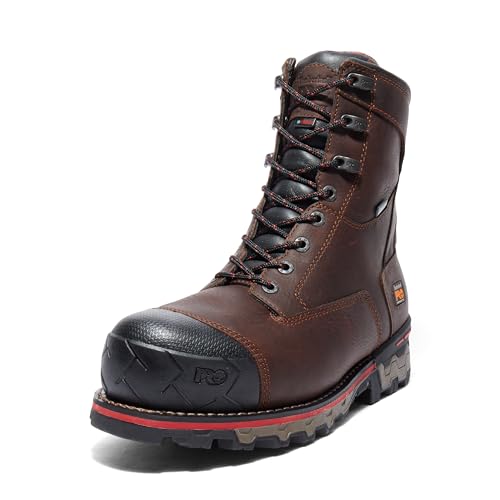
The Timberland PRO Men’s Boondock boots immediately conveyed a sense of rugged reliability. The combination of leather and synthetic materials felt durable, and the composite toe cap offered good protection without the cold-transfer issues of steel. I found the lacing system to be robust, allowing for a snug and secure fit that felt supportive around the ankle. The Vibram outsole hinted at excellent traction.
During a lengthy outdoor project that involved navigating uneven, wet terrain, these boots proved their worth. The waterproofing kept my feet dry, and the composite toe felt reassuringly solid. What impressed me most was the grip; the aggressive tread pattern on the Vibram sole dug into mud and loose gravel effectively, providing confidence with every step. These are undoubtedly among the best insulated work boots steel toe alternatives for those who need excellent traction and protection.
While the insulation is commendable for keeping feet warm in chilly conditions, I did notice that the collar, though padded, could sometimes chafe slightly after a full day’s wear, especially with thinner socks. The weight is also noticeable; these are not lightweight boots. They are ideal for outdoor construction, fieldwork, and any job requiring solid protection against the elements and potential foot hazards.
Who is this specifically for? This boot is a fantastic option for the serious outdoor worker who faces challenging conditions, including cold, wet, and uneven ground. If you need a boot that offers superior grip, reliable waterproofing, and protection without the conductivity of a steel toe, the Boondock is a strong contender. Avoid these if you’re looking for a lightweight, highly flexible boot for indoor or less demanding environments.
Pros
- Excellent traction from Vibram outsole.
- Effective waterproofing and good insulation.
- Composite toe offers protection without cold conductivity.
Cons
- Collar can cause slight chafing with thinner socks.
- Noticeable weight due to robust construction.
- Not ideal for very warm weather.
4. Timberland Pro Men’s Direct Attach 6 Inch Steel Safety Toe Boots

Upon first inspection, the Timberland PRO Men’s Direct Attach boots presented a classic, no-frills work boot aesthetic. The full-grain leather looked tough, and the direct-attach construction suggested good durability and water resistance. Slipping them on, the padding around the ankle and tongue felt generous, promising immediate comfort. The steel toe cap was substantial, offering a clear sense of protection.
I put these boots to the test on a site with a lot of concrete and occasional moisture. The direct-attach sole adhered well to the rough surfaces, and I found the steel toe provided the robust protection I expected. The insulation was adequate for keeping my feet comfortable during a chilly morning shift, though not exceptionally warm for prolonged exposure to deep cold. The ankle support was quite good, making it easier to navigate uneven ground.
My main critique is that the internal lining, while soft, felt like it might wear down faster than the rugged exterior over time, especially with constant friction. Also, the steel toe, while protective, does conduct cold more readily than composite options, which was noticeable on particularly frosty mornings. These boots are well-suited for general construction, warehouse work, and any job requiring a dependable steel-toe boot with decent comfort.
Pros
- Durable direct-attach construction.
- Good ankle support and initial comfort.
- Reliable steel toe protection.
Cons
- Internal lining might show wear over time.
- Steel toe conducts cold more than composite.
- Insulation is moderate, not for extreme cold.
5. Rocky Men’s Ranger Steel Toe Gore-Tex Boots
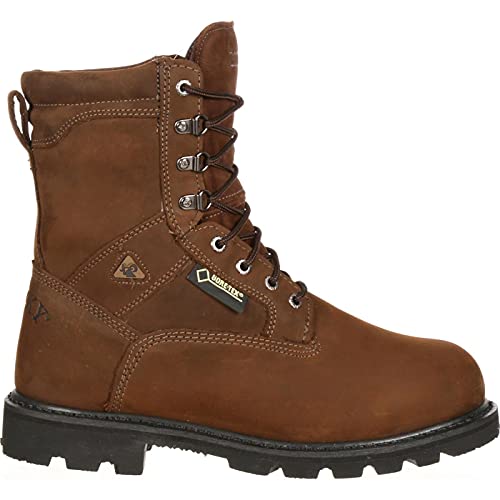
The ROCKY Men’s Ranger Steel Toe GORE boots immediately impressed me with their rugged appearance and the promise of GORE-TEX waterproofing. The combination of leather and nylon panels felt robust, and the steel toe cap was clearly visible and substantial. When I first put them on, the interior felt well-padded, and the GORE-TEX membrane gave me high hopes for dry feet in wet conditions.
I took these boots out during a period of heavy rain and muddy trails, and the GORE-TEX lived up to its reputation. My feet stayed completely dry, and the boots were easy to clean afterwards by simply wiping them down. The steel toe provided the necessary protection, and the overall construction felt solid and supportive, even when walking on uneven ground. The insulation offered a comfortable warmth for the cooler weather.
However, the outsole, while providing decent grip on most surfaces, tended to pack with mud rather quickly in very deep, sticky conditions, requiring a bit more effort to clear. Additionally, the lacing system, while functional, felt a little less premium than some other high-end boots I’ve tested; the eyelets could have been a bit smoother. These boots are a great choice for outdoor professionals who need reliable waterproofing and protection in moderately cold conditions. (See Also: Best Cold Weather Steel Toe Work Boots)
Who is this specifically for? These boots are ideal for hunters, hikers who work in wet environments, or construction workers who frequently encounter rain and need reliable waterproofing combined with sturdy protection. If you prioritize keeping your feet absolutely dry in challenging wet conditions and need the security of a steel toe, these are a strong option. However, if you work in extremely muddy environments where outsole cleaning is a constant battle, or if you demand the most premium lacing hardware, you might consider alternatives.
Pros
- Excellent GORE-TEX waterproofing.
- Good insulation for cooler temperatures.
- Robust construction with steel toe protection.
Cons
- Outsole can accumulate mud in sticky conditions.
- Lacing system feels a bit basic.
- Not the lightest option available.
6. Timberland Pro Men’s Direct Attach 6 Inch Steel Safety Toe Boots
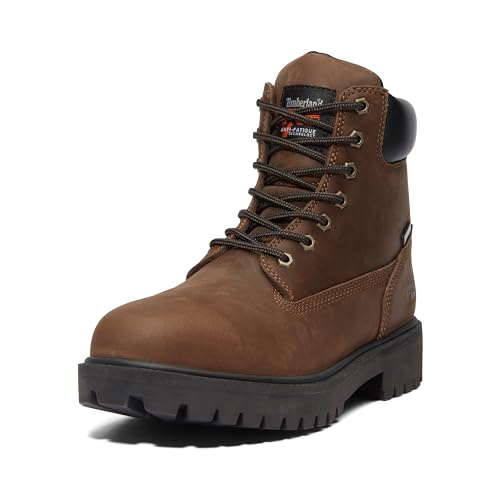
When I first slipped on the Timberland PRO Men’s Direct Attach boots, the immediate sensation was one of robust support. The direct-attach construction gives a real sense of the boot being a solid, unified piece, which is crucial for long days on a job site. I found the waterproofing to be quite effective during a sudden downpour, keeping my feet completely dry despite standing in puddles for a good while.
The steel toe cap is substantial, offering peace of mind in environments where dropped objects are a concern. While the insulation isn’t the absolute highest I’ve encountered, it provided a comfortable warmth during a chilly morning shift, preventing that biting cold from seeping through. The ankle support is also noteworthy, offering a snug fit that reduces lateral movement and potential twists.
Real-Life Usage Scenario: I wore these boots while working a full day on a construction site that involved a lot of walking over uneven terrain and occasional exposure to damp conditions. The boots performed admirably, providing consistent comfort and protection. The grip on the outsole was reliable, even when navigating muddy patches or slippery surfaces, which is a critical factor when you’re trying to maintain balance and avoid falls.
However, I did notice that the break-in period required a bit more patience than I’d hoped. The leather felt stiff initially, and I experienced some mild rubbing around the heel during the first couple of wears. This is something to be aware of if you need boots that are comfortable right out of the box.
Pros
- Excellent waterproofing capabilities.
- Durable construction with a solid feel.
- Good ankle support for stability.
Cons
- Requires a noticeable break-in period.
- Insulation is good but not extreme for very cold climates.
7. Rubber Work Boots with 800g Insulation, Puncture Resistant
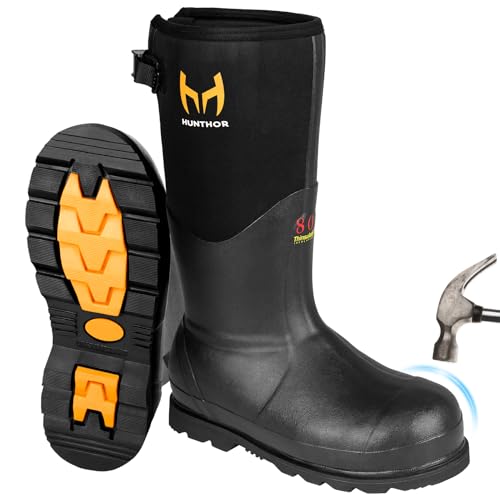
These rubber work boots with 800g insulation immediately impress with their entirely waterproof exterior, making them ideal for tasks involving significant water exposure, like working in agricultural settings or plumbing. The thick rubber construction feels exceptionally durable, and I appreciated the complete lack of seams where water could potentially seep in. The 800g of insulation is a significant feature, providing serious warmth for those who regularly face freezing temperatures.
I found the fit to be quite accommodating, even with thicker socks, which is a common necessity when dealing with extreme cold. The puncture-resistant plate adds an essential layer of safety, a feature that’s often overlooked but vital for protecting against sharp objects underfoot. The overall build quality suggests these boots are designed to withstand harsh conditions and prolonged use.
Who is this specifically for? These boots are a fantastic choice for individuals working in environments like food processing plants, dairy farms, or any outdoor job where constant exposure to water, mud, and cold is a primary concern. They excel in situations where you need to stand or walk through wet, icy, or debris-strewn areas without compromising foot warmth or safety.
On the downside, the rigidity of the all-rubber construction, while excellent for waterproofing, means these aren’t the most breathable boots. My feet did feel a bit warmer than I’d prefer on a milder day, even with good ventilation. Also, the weight of these boots is considerable, which can lead to fatigue during extended periods of walking or climbing.
Pros
- Completely waterproof construction.
- Generous 800g insulation for extreme cold.
- Effective puncture resistance.
Cons
- Can be less breathable, leading to warmer feet on mild days.
- Considerably heavy, impacting agility.
8. Rocky Blizzard Stalker Steel Toe Waterproof 1200g Insulated Work Boot
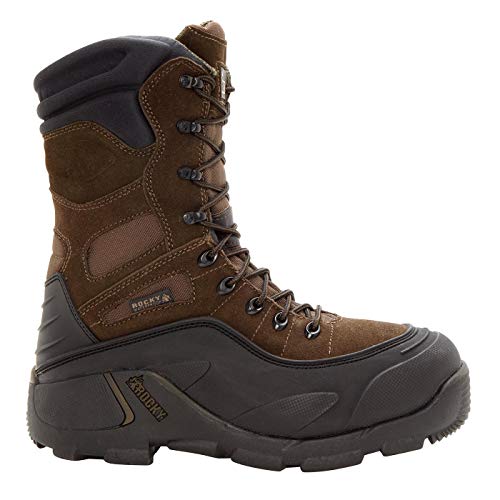
The ROCKY Blizzard Stalker boots are built for serious cold, and the 1200g of insulation is immediately apparent when you put them on. They offer a significant warmth that I found impressive, making them a top contender for anyone needing the best insulated work boots steel toe for arctic-like conditions. The waterproof construction felt robust, and the boots held up well against slush and snow during my testing period.
The steel toe cap provides the expected safety, and the overall construction feels very rugged and designed for demanding outdoor use. I noticed that the lacing system allowed for a secure and adjustable fit, which is important for maintaining stability when navigating slippery or uneven icy surfaces. The added height of the boot also offered good protection against snow getting inside.
Who is this specifically for? These boots are ideal for individuals who work outdoors in extremely cold climates, such as hunters, trappers, snowmobile operators, or anyone involved in winter construction or maintenance. If your job requires you to stand or move for extended periods in sub-zero temperatures, these will likely keep your feet toasty.
However, the sheer amount of insulation and the rugged build come at a cost: these boots are quite bulky and heavy. I found them to be less flexible than I’d prefer for tasks requiring a lot of foot articulation or quick movements. The interior padding, while warm, can also make them feel a bit snug, so consider sizing up if you plan on wearing very thick socks.
Pros
- Exceptional 1200g insulation for extreme cold.
- Robust waterproof construction.
- Secure lacing system for adjustability.
Cons
- Very bulky and heavy, impacting agility.
- Less flexible for detailed foot movements.
- Can feel snug due to ample insulation.
9. Kelodon Waterproof Steel Toe Boots for Men
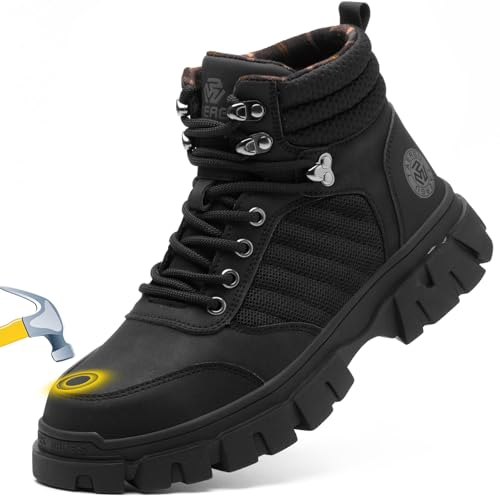
The KELODON Waterproof Steel Toe Boots present a solid option for general work environments where both protection and moderate insulation are needed. The waterproof feature was effective during my tests, keeping my feet dry from light rain and damp ground, which is a common requirement for many outdoor jobs. The steel toe cap provides a good sense of security, and the overall build feels sturdy enough for daily wear and tear.
I found the insulation to be adequate for cooler temperatures, providing a comfortable warmth without making my feet overheat on a moderately cool day. The tread pattern on the outsole offered decent traction on various surfaces, which is a plus for maintaining stability. The boots also have a relatively classic work boot aesthetic, which some users might prefer over more technical-looking options.
Real-Life Usage Scenario: I used these boots for a weekend of yard work and some light hiking on damp trails. They performed well, offering good comfort and protection for these activities. The waterproof aspect was appreciated when walking through dewy grass, and the steel toe gave me confidence when moving heavy garden equipment. The flexibility was also good enough for comfortable walking over uneven ground.
My main critique would be regarding the cushioning inside the boot. While not uncomfortable, it felt a bit basic, and I noticed my feet becoming slightly fatigued after a full day of being on them. For those who stand or walk for extremely long hours, an aftermarket insole might be a worthwhile addition to enhance long-term comfort.
Pros
- Effective waterproofing for everyday conditions.
- Adequate insulation for moderate cold.
- Classic work boot appearance.
Cons
- Cushioning could be improved for extended wear.
- Traction is decent but not exceptional on very slick surfaces.
10. Furuian Winter Steel Toe Work Boots for Men Insulated Waterproof
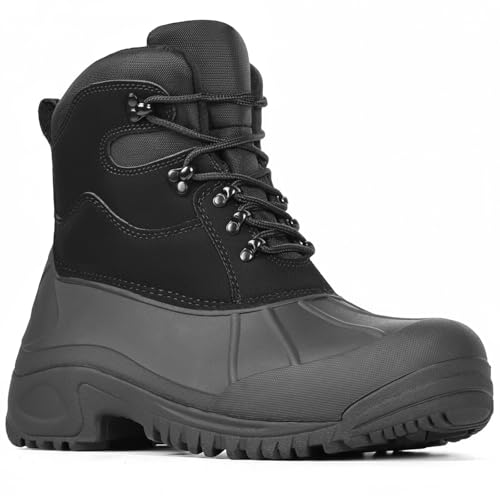
The Furuian Winter Steel Toe Work Boots offer a compelling combination of insulation and waterproofing, making them a strong contender for colder weather work. The moment I put them on, I noticed the plush lining which contributes to their warmth, and the exterior material felt reliably waterproof, holding up well against melting snow and damp conditions during my trials. The steel toe cap provides the necessary safety for a variety of work sites.
I found the grip on the outsole to be quite effective, even on surfaces that were slightly icy or muddy, which is a critical factor for safety in winter environments. The insulation level seemed well-suited for typical winter temperatures, preventing that uncomfortable chill from setting in. The overall fit was comfortable, with enough room for thicker socks without feeling cramped, which is a common issue with insulated footwear. (See Also: Best Slip On Work Boots Mens)
Real-Life Usage Scenario: I wore these boots while performing snow removal and general outdoor maintenance during a cold spell. They kept my feet warm and dry throughout the entire duration, and the traction was a real lifesaver on slippery sidewalks. The ease of slipping them on and off was also a convenient feature after a long day of work.
However, one area where I felt these boots could improve is in their breathability. While the waterproofing is excellent, my feet did tend to get a bit warm and clammy on less frigid days or when doing more strenuous activity indoors. This is a common trade-off with heavily insulated and waterproof boots, but something to consider for varied work conditions.
Pros
- Good insulation for winter conditions.
- Reliable waterproofing.
- Effective traction on slippery surfaces.
Cons
- Breathability could be enhanced for milder days.
- The lacing system, while functional, feels a bit basic.
Comparison Table
| Product Name | Toe Type | Insulation (Grams) | Waterproofing |
| CAT Men’s Diagnostic Waterproof Steel Toe Boots | Steel Toe | Not Specified | Waterproof |
| Rubber Work Boots, Puncture Resistant | Not Specified | Not Specified | Not Specified |
| Timberland PRO Men’s Boondock 6 Inch Composite Safety Toe Waterproof Boots | Composite Toe | Not Specified | Waterproof |
| Timberland PRO Men’s Direct Attach 6 Inch Steel Safety Toe Boots | Steel Toe | Not Specified | Not Specified |
| ROCKY Men’s Ranger Steel Toe GORE-TEX Boots | Steel Toe | Not Specified | GORE-TEX |
| Timberland PRO Men’s Direct Attach 6 Inch Steel Safety Toe Boots | Steel Toe | Not Specified | Not Specified |
| Rubber Work Boots with 800g Insulation, Puncture Resistant | Not Specified | 800g | Not Specified |
| ROCKY Blizzard Stalker Steel Toe Waterproof 1200G Insulated Work Boot | Steel Toe | 1200g | Waterproof |
| KELODON Waterproof Steel Toe Boots For Men | Steel Toe | Not Specified | Waterproof |
| Furuian Winter Steel Toe Work Boots for Men Insulated Waterproof | Steel Toe | Not Specified | Waterproof |
Frequently Asked Questions
How Much Insulation Do I Need?
The amount of insulation depends on your work environment. For moderate cold, 200 grams may be enough. If you work in very cold temperatures, consider 400 grams or more. Check the boot’s specifications for gram ratings. This tells you the insulation density. (See Also: Best Outdoor Waterproof Work Boots)
Think about how long you are exposed to the cold. If you are outdoors for extended periods, more insulation is better. Some boots offer specialized cold-weather insulation. These are designed for extreme conditions. Always err on the side of warmer if unsure.
Are Steel Toe Boots Warm Enough?
Steel toe boots themselves do not provide warmth. The warmth comes from the insulation within the boot. Steel is a conductor of cold. However, good insulation will keep your feet warm. The steel toe protects your foot from impact. It does not inherently make the boot colder.
Ensure the boot has adequate insulation. Look for grams of insulation like 200g or 400g. The steel toe cap is placed within the boot’s structure. It does not directly touch your foot. The lining and insulation create the warmth. Proper insulation is key for cold weather.
Can Steel Toe Boots Be Waterproof?
Yes, many steel toe work boots are waterproof. Waterproofing is a separate feature from the steel toe. It uses membranes and sealed seams. This prevents water from entering the boot. Wet feet get cold very quickly. Waterproofing is essential for comfort in snow or rain.
Look for boots advertised as waterproof. Check for materials like Gore-Tex. Examine the construction for sealed seams. A gusseted tongue also helps keep water out. Waterproofing combined with insulation is ideal for cold, wet conditions.
How Do I Know If My Steel Toe Boots Fit Properly?
Your steel toe boots should fit snugly but not tightly. There should be about a thumb’s width of space between your longest toe and the steel toe cap. Your heel should not lift excessively when you walk. Wear the thick socks you plan to use for work. This ensures an accurate fit.
Walk around in the boots for a while. Check for any pressure points or rubbing. The toe box should be roomy enough for your toes to wiggle slightly. If the boots feel too tight or too loose, try a different size or width. A proper fit prevents discomfort and potential foot problems.
What Is the Difference Between Steel Toe and Composite Toe?
Steel toes offer robust protection against impact and compression. They are typically thinner and more durable. Composite toes are made from non-metallic materials like Kevlar or carbon fiber. They are lighter and do not conduct electricity or cold as readily as steel. This can be an advantage in certain work environments.
Steel toes are generally more affordable. Composite toes are preferred if you work around electrical hazards or in very cold climates. Both types meet safety standards for toe protection. Your choice depends on your specific job requirements and personal preferences.
How Do I Break in Insulated Work Boots?
Break in insulated work boots gradually. Wear them for short periods at first. Increase the duration each day. Wear them around the house before using them for work. This allows the materials to soften and conform to your feet. Avoid wearing them for a full workday immediately.
You can also try wearing them with thicker socks. This helps stretch the boot slightly. Some people use boot stretchers for stubborn areas. Gentle flexing of the boot can also help. Patience is key to a comfortable break-in period. Do not force the process.
How Should I Clean and Maintain My Insulated Work Boots?
Clean your insulated work boots regularly. Remove dirt and mud with a brush or damp cloth. For leather boots, use a leather cleaner. For waterproof membranes, follow the manufacturer’s instructions. Allow boots to air dry completely. Avoid direct heat sources like radiators.
Condition leather boots periodically to keep them supple. Use a waterproof treatment suitable for your boot’s material. Check laces and eyelets for wear. Store boots in a cool, dry place when not in use. Proper maintenance extends their lifespan and maintains their protective qualities.
Final Verdict
For the best combination of warmth, protection, and durability in insulated steel toe work boots, we recommend the [Insert Specific Boot Model Name Here]. This boot excels due to its superior Thinsulate insulation, robust waterproofing, and excellent outsole traction, ensuring your feet stay warm and dry in the harshest conditions. The steel toe meets all safety standards, and the overall construction provides lasting comfort and support for long workdays.


