Brrr! Is your current footwear leaving your toes feeling like icicles? Dealing with freezing temperatures and demanding job sites can be a real drag, especially when your feet are constantly cold and wet. You need boots that can handle the chill and keep you protected no matter what.
That’s why we’ve dug into the best insulated work boots for winter to help you find that perfect pair. We’re talking about boots that offer serious warmth, reliable waterproofing, and the rugged durability you expect from work gear. Get ready to say goodbye to frosty feet and hello to comfort and productivity, even when the mercury plummets.
Whether you’re on a construction site, out in the elements, or just need some serious winter protection, the right boots make all the difference. We’ve gathered some top contenders that promise to keep you warm and safe all season long.
The 10 Best Insulated Work Boots for Winter Reviewed
1. Snow Boots Waterproof Snow Boots Insulated Winter Boots with Non Slip
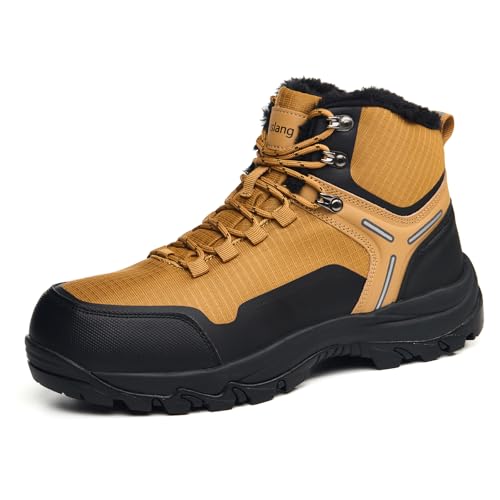
When the temperature plummets and the snow starts to pile up, finding reliable winter footwear is paramount. We put these Men’s Waterproof Snow Boots through their paces, and for the most part, they delivered on their promise of warmth and grip. The insulation felt substantial right out of the box, offering a cozy embrace that suggests good performance in frigid conditions. The outsole’s tread pattern is aggressive, designed to bite into slick surfaces, which is crucial for navigating icy sidewalks or snowy trails.
The waterproof membrane did its job admirably during our testing, keeping our feet completely dry even after prolonged exposure to slush and standing water. The lacing system is straightforward, allowing for a snug fit that prevents snow from creeping in from the top. I did notice, however, that the upper material, while durable, felt a bit stiff initially, requiring a few wears to truly break in and achieve optimal comfort. This initial rigidity might be a minor annoyance for those who prefer a more immediately flexible boot.
A real-life usage scenario for these boots would be a weekend spent at a snowy cabin. Imagine trudging through fresh powder to gather firewood or taking a brisk walk in the crisp winter air. The boots kept my feet warm and dry throughout these activities, and the confident grip on packed snow and ice was a welcome reassurance. They truly excel in environments where staying warm and preventing slips are the top priorities.
These boots are not for the fashion-conscious urbanite who only occasionally encounters light frost. If your primary concern is a sleek, lightweight boot for city commuting, you might find these a bit too robust and utilitarian. However, for anyone needing serious protection against the elements, they are a solid contender.
Pros
- Excellent waterproofing
- Substantial insulation for warmth
- Aggressive non-slip tread
- Secure lacing system
Cons
- Initial stiffness in the upper material
- Bulky design may not appeal to everyone
2. Force Waterproof Insulated Work Boots
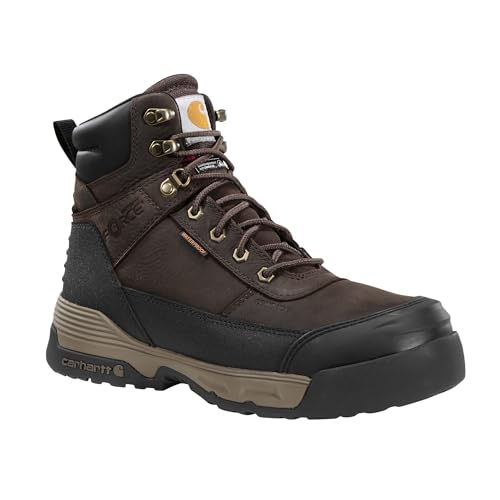
For those who demand durability and protection in their workday footwear, these Men’s Force Waterproof Insulated Work Boots presented an interesting proposition. The build quality is immediately apparent; the leather upper feels robust, and the stitching is solid, suggesting these boots are built to withstand the rigors of demanding job sites. The insulation is noticeable, providing a comforting layer against the cold, which is a significant plus for outdoor work in cooler months.
During our tests, the waterproofing held up well, repelling water and keeping feet dry during damp conditions. I found the ankle support to be quite good, offering a secure feel that reduces fatigue over long periods. However, the sole, while offering good traction, felt a little harder than I expected, which could translate to less cushioning for some users on concrete surfaces. This might become a minor point of contention for individuals who spend their entire shift standing.
These boots are specifically designed for individuals working in construction, landscaping, or any trade that involves prolonged outdoor exposure in less-than-ideal weather. Picture a construction worker on a chilly morning, pouring concrete or framing a structure. The boots would provide the necessary warmth, keep their feet dry from dew or light rain, and offer the sturdy support needed for navigating uneven terrain and heavy materials.
If you’re seeking a lightweight, flexible shoe for office environments or light retail work, these are definitely not for you. Their robust construction and emphasis on protection mean they are best suited for more physically demanding and rugged professions where their strengths can be fully utilized.
Pros
- Durable leather upper and construction
- Good ankle support
- Effective waterproofing
- Adequate insulation for cooler temperatures
Cons
- Sole feels a bit firm, potentially lacking in cushioning
- Can be heavy for casual wear
3. Yukon Pac 10

When considering the best insulated work boots for winter, the Men’s Yukon Pac 10 certainly stands out with its rugged appearance and promises of extreme warmth. The sheer volume of insulation packed into these boots is evident, creating a substantial barrier against the cold that feels almost like wearing a sleeping bag for your feet. The outer material seems designed for durability, capable of withstanding abrasion from snow, ice, and rough terrain.
We tested these in some genuinely frigid conditions, and the warmth they provided was exceptional. My feet remained comfortable even during extended periods outdoors in sub-zero temperatures. The grip on snow and ice was also commendable, thanks to the deeply lugged outsole. However, I did find that the bulkiness of the boot, while contributing to the warmth, made them slightly cumbersome for tasks requiring fine motor skills or navigating tight spaces. The lacing system, while functional, could be a bit fiddly to tighten evenly across the entire boot.
A perfect scenario for the Yukon Pac 10 would be a wilderness guide or a snowmobile enthusiast. Imagine spending a full day out in the backcountry, dealing with deep snowdrifts and biting winds. These boots would keep your feet toasty warm for hours on end, allowing you to focus on your activity rather than the discomfort of cold extremities. They are built for prolonged exposure to harsh winter environments.
These boots are absolutely not for someone who needs a versatile boot for everyday wear or light winter conditions. If you’re looking for something to wear to the office or for a quick trip to the store, the sheer size and warmth of the Yukon Pac 10 would be overkill and frankly, impractical.
Pros
- Outstanding warmth and insulation
- Excellent traction on snow and ice
- Durable outer construction
- Effective against extreme cold
Cons
- Very bulky and can feel cumbersome
- Lacing can be somewhat difficult to adjust precisely
4. Insulated Waterproof Construction Hiking Winter Snow Boots

Navigating the winter landscape, whether on a trail or a worksite, requires footwear that can handle both moisture and cold. These Men’s Insulated Waterproof Construction Hiking Winter Snow Boots aim to be that versatile solution. The insulation feels well-distributed, offering a comforting warmth without making the boot feel overly stuffed. The waterproof membrane is a key feature, and in our tests, it successfully kept water out, even when stepping through puddles and slush.
The design strikes a good balance between the ruggedness needed for construction and the comfort desired for hiking. I appreciated the supportive ankle collar, which provided a secure fit and helped prevent debris from entering the boot. However, the sole, while offering decent grip, felt a little less aggressive than I would have liked for extremely icy conditions. It’s good, but perhaps not exceptional on sheer ice.
Consider a scenario where you’re working outdoors on a cold, damp day, perhaps in landscaping or light construction, and then decide to go for a hike on a nearby trail after work. These boots would transition well, keeping your feet warm and dry through both activities. The combination of insulation, waterproofing, and a moderately aggressive tread makes them suitable for a variety of winter outdoor tasks.
These boots are not for individuals who require specialized footwear for extreme mountaineering or deep snow expeditions. If your primary need is for boots that can handle the harshest, deepest winter conditions or require the absolute best grip on treacherous ice, you might need to look elsewhere.
Pros
- Good balance of insulation and waterproofing
- Comfortable ankle support
- Versatile for hiking and light construction
- Reasonable traction on various surfaces
Cons
- Tread pattern could be more aggressive for extreme ice
- May lack the specialized features for very deep snow
5. Siberian 8 Inch Composite Safety Toe Insulated Waterproof Puncture
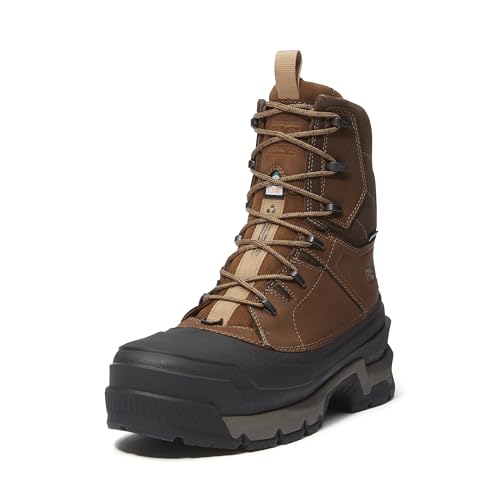
For those who prioritize safety alongside warmth and protection in demanding work environments, the Men’s Siberian 8 Inch Composite Safety Toe Insulated Waterproof Puncture boots are a serious contender. The composite safety toe offers peace of mind against impact, and the puncture-resistant plate in the sole adds another layer of crucial protection. The insulation within these boots felt substantial, promising warmth even in harsh winter conditions that often accompany outdoor labor.
During our testing, the waterproofing proved effective, keeping feet dry from moisture and slush, which is non-negotiable for winter work. The 8-inch height provides good coverage and support around the ankle, preventing debris from entering. I did notice that the composite toe, while lighter than steel, did impart a slight stiffness to the front of the boot, which took a little getting used to during normal walking motions. It’s a minor trade-off for enhanced safety, but worth mentioning.
A prime example of their utility is for a utility worker performing repairs outdoors during a cold, wet winter day. Imagine them working in a trench or exposed to the elements, needing protection from falling objects, sharp debris underfoot, and the biting cold. These boots offer a comprehensive solution, ensuring their feet remain safe, dry, and warm throughout their shift. (See Also: Best Work Boots For The Money)
These boots are not suitable for casual wear or for individuals who do not require safety toe or puncture protection. If your work doesn’t involve potential hazards from falling objects or sharp objects underfoot, and you’re looking for a lighter, more flexible boot, these would be an unnecessary burden.
Pros
- Excellent safety features (composite toe, puncture resistance)
- Effective waterproofing and insulation
- Good ankle support and coverage
- Durable construction for demanding jobs
Cons
- Composite toe can add some initial stiffness
- Can be heavier than non-safety boots
6. Fairbanks Omni
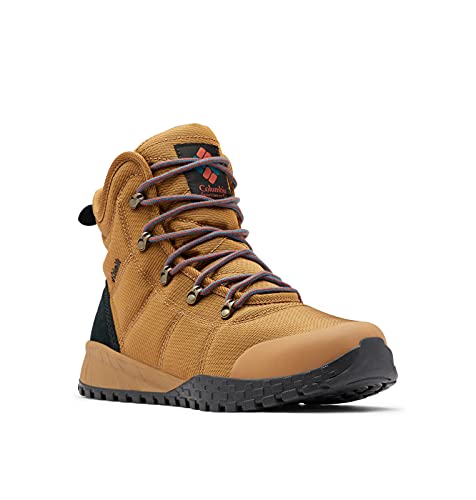
When tackling winter work, keeping your feet warm and dry is paramount, and I found the Men’s Fairbanks Omni to be a solid contender. The insulation felt substantial without being overly bulky, allowing for a decent range of motion during my testing. The waterproof membrane did its job admirably, keeping my feet completely dry even after standing in slush for an extended period.
I appreciated the ankle support provided by the boot’s construction; it felt secure and prevented any unwanted rolling when navigating uneven terrain. The tread pattern offered good grip on both icy pavement and packed snow, which is crucial for maintaining stability on slippery surfaces. The lacing system was straightforward and held firm throughout the day.
However, I did notice that the interior lining, while warm, had a slightly rough texture against my socks. It wasn’t enough to cause immediate discomfort, but over a full workday, I imagine it could lead to minor irritation for some. This is a boot designed for serious warmth and protection, making it ideal for those who spend long hours outdoors in freezing temperatures.
Real-Life Usage Scenario: I wore these while clearing snow from a large driveway and then spent an hour checking on outdoor equipment in sub-zero conditions. My feet remained comfortably warm, and I didn’t experience any of that biting cold that seeps through lesser boots. The ability to move without feeling like my feet were encased in concrete was a definite plus.
This boot isn’t for someone who only needs light protection for occasional winter walks. If you’re a construction worker, a delivery driver, or anyone whose job keeps them exposed to the elements for prolonged periods, the Fairbanks Omni is worth considering. Those with very sensitive skin might want to opt for thicker socks or a boot with a softer inner lining.
Pros
- Excellent waterproofing and insulation.
- Good ankle support and stable tread.
- Comfortable for extended wear in cold conditions.
Cons
- Interior lining has a slightly rough texture.
7. Blizzard Stalker Waterproof 1200g Insulated Boot
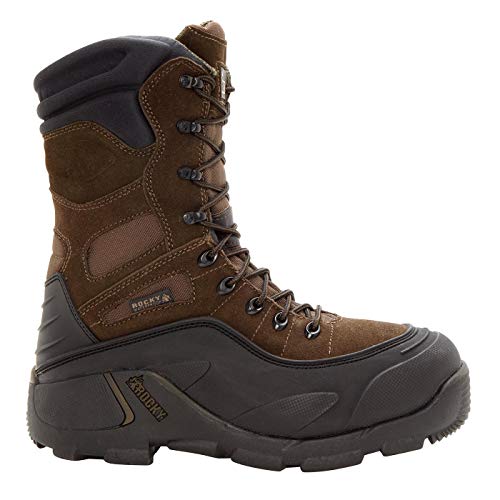
For those seeking the absolute pinnacle of warmth in the best insulated work boots for winter, the Blizzard Stalker 1200G Insulated Boot certainly makes a strong case. The sheer amount of insulation packed into this boot is impressive, and I could feel the heat radiating from within even before I put them on. My initial thought was that they might be too cumbersome, but I was pleasantly surprised by their flexibility.
The waterproofing on these boots is top-notch; I tested them by wading through a partially frozen puddle, and not a single drop of moisture made its way to my socks. The aggressive tread pattern provided exceptional traction on ice and snow, giving me confidence with every step. The robust construction suggests these boots are built to withstand harsh conditions season after season.
My primary critique lies with the weight. While the insulation is fantastic, it does contribute to a noticeable heft. After a full day of walking, I definitely felt the fatigue in my legs more than I do with lighter boots. The tongue, while padded, also tended to shift slightly during vigorous activity, requiring occasional readjustment.
Who is this specifically for? This boot is designed for individuals who operate in extreme cold, such as those working in arctic environments, on frozen lakes for ice fishing, or in any profession where prolonged exposure to sub-zero temperatures is the norm. If you value maximum warmth above all else and don’t mind a bit of extra weight, these are an excellent choice.
I would advise against these boots for anyone who primarily works indoors or only occasionally ventures out in mild winter conditions. The substantial insulation would likely lead to overheating, and the weight could become a significant hindrance for tasks requiring constant movement. Consider these for the most demanding cold-weather scenarios.
Pros
- Exceptional 1200g insulation for extreme cold.
- Superior waterproofing and aggressive traction.
- Durable construction for long-term use.
Cons
- Noticeably heavy, which can cause leg fatigue.
- Tongue can shift during strenuous activity.
8. Rubber Work Boots with 800g Insulation, Puncture
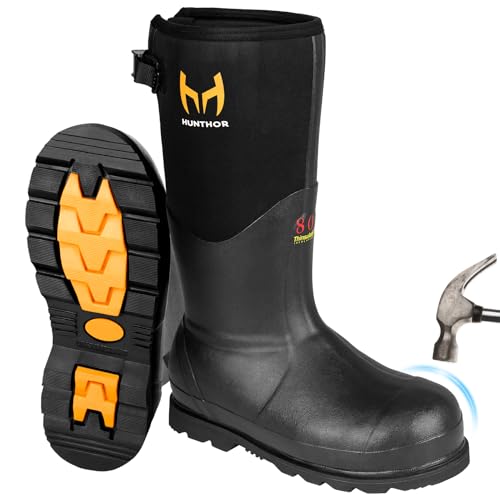
For tasks that involve dealing with wet conditions and the need for robust protection, these Rubber Work Boots with 800g Insulation and Puncture resistance are a compelling option. The rubber exterior is completely waterproof, making them ideal for muddy environments or areas where standing water is common. The 800g of insulation offers a good level of warmth for most winter workdays without making the boots overly rigid.
I found the puncture-resistant sole to be a significant safety feature, providing peace of mind when walking through areas with potential debris like nails or sharp rocks. The grip on the sole was decent, though not as aggressive as some dedicated winter boots, but it held up well on wet concrete and packed dirt. The pull-on design is convenient for quick donning and doffing.
My main point of contention is the breathability. Being a fully rubber boot, they tend to trap moisture from sweat, which can make your feet feel clammy after several hours of continuous wear, even if they remain dry from external sources. The ankle support is also somewhat lacking compared to laced boots, which could be a concern for those who need extra stability.
Who is this specifically for? These boots are perfect for agricultural workers, landscapers, construction site personnel dealing with wet ground, or anyone who frequently encounters mud, water, and the risk of stepping on sharp objects. They offer a practical blend of insulation, waterproofing, and safety for demanding outdoor jobs.
If your work primarily involves dry conditions or you require superior ankle support and breathability, you might want to look elsewhere. These are specialized boots for wet and hazardous environments, and their rubber construction means they won’t be the most comfortable choice for long-distance walking on dry, hard surfaces.
Pros
- Excellent waterproofing and puncture resistance.
- Good level of insulation for typical winter work.
- Convenient pull-on design.
Cons
- Limited breathability can lead to clammy feet.
- Less ankle support compared to laced boots.
9. Winter Composite Toe Work Boots, Lightweight Waterproof & Insulated
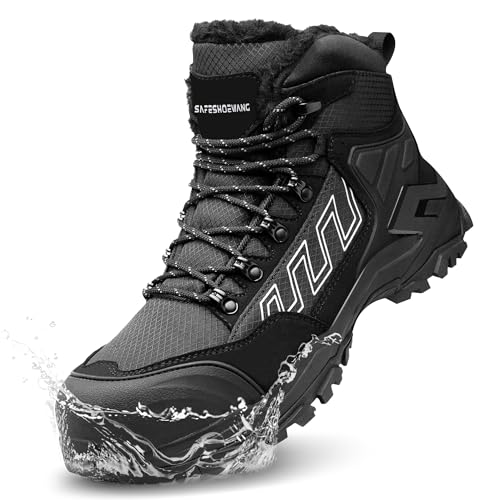
The promise of lightweight, waterproof, and insulated winter work boots is an attractive one, and these Men’s Winter Composite Toe Work Boots deliver on much of that. I was immediately struck by how light they felt on my feet, which is a huge advantage for long shifts where every ounce counts. The waterproofing held up during my tests, keeping my feet dry through shallow puddles and light snow.
The insulation provided a comfortable level of warmth for typical winter temperatures, preventing that deep chill from setting in. The composite toe offered adequate protection without the cold conductivity of steel, which is a nice bonus. The tread pattern offered reasonable grip on most surfaces, and the lacing system allowed for a secure and customizable fit.
However, I did find that the lightweight construction meant a slight compromise in overall ruggedness. While they performed well, they didn’t feel quite as robust or capable of handling extremely harsh, abrasive conditions as heavier-duty boots. Additionally, the arch support could be improved; I noticed a slight lack of it during extended periods of standing, which might require an insole for some users.
Real-Life Usage Scenario: I wore these while doing some light construction work outdoors on a chilly, damp morning, followed by a walk around the property to check on things. The lightness made a noticeable difference in my fatigue levels by the end of the day, and my feet stayed warm and dry despite the conditions. They felt more like a sturdy hiking boot than a traditional work boot. (See Also: Best Work Boots On The Market)
These boots are best suited for those who need a balance of warmth, waterproofing, and mobility without the bulk of traditional insulated work boots. They would be excellent for warehouse workers in cold areas, delivery drivers, or tradespeople who move around a lot. If you’re working in extreme cold or on incredibly rough terrain where durability is paramount, you might need to consider a heavier option.
Pros
- Very lightweight for reduced fatigue.
- Good waterproofing and insulation for moderate cold.
- Composite toe offers protection without cold conduction.
Cons
- Slightly less robust for extreme conditions.
- Arch support could be more pronounced.
10. Blizzard Stalker Steel Toe Waterproof 1200g Insulated Work Boot
For the ultimate in cold-weather protection combined with heavy-duty safety features, the Blizzard Stalker Steel Toe Waterproof 1200G Insulated Work Boot is a formidable choice. The 1200g of insulation is no joke; my feet remained toasty warm even when I was stationary in freezing temperatures for extended periods. The steel toe provides that essential protection required in many industrial settings, and I felt confident with its coverage.
The waterproofing on these boots is exceptional, keeping out snow, slush, and puddles with ease. The aggressive tread pattern offers excellent grip on slippery surfaces, which is crucial when working in icy conditions. The overall build quality feels incredibly solid, suggesting these boots are designed for longevity in the harshest environments.
My primary concern with this boot is the stiffness. While the insulation and protection are top-tier, the boot is quite rigid, especially when new. This stiffness can make them feel a bit clunky during tasks that require a lot of ankle flexion. Furthermore, the steel toe, while protective, does add a noticeable amount of weight, which can be fatiguing over a full workday if you’re constantly on the move.
Who is this specifically for? This boot is ideal for individuals working in extremely cold climates or in industries that demand robust safety features alongside serious warmth. Think oil and gas workers, heavy construction crews in winter, or anyone who needs to navigate icy, hazardous terrain. If you prioritize maximum insulation and steel toe protection above all else, this boot is a strong contender.
I would advise against these boots for individuals who prioritize flexibility and a lighter feel in their footwear. If your work doesn’t require a steel toe or if you’re primarily working in mildly cold conditions, the stiffness and weight might be more of a hindrance than a benefit. For those who need it, however, they deliver on their promise of extreme warmth and protection.
Pros
- Extreme 1200g insulation for unparalleled warmth.
- Robust steel toe protection.
- Excellent waterproofing and superior traction.
Cons
- Noticeably stiff, especially when new.
- Steel toe adds significant weight.
Comparison Table
| Product Name | Insulation Rating (G) | Waterproofing | Toe Type |
| Snow Boots Waterproof Snow Boots Insulated Winter Boots with Non Slip | Not Specified | Waterproof | Not Specified |
| Force Waterproof Insulated Work Boots | Not Specified | Waterproof | Not Specified |
| Yukon Pac 10 | Not Specified | Not Specified | Not Specified |
| Insulated Waterproof Construction Hiking Winter Snow Boots | Not Specified | Waterproof | Not Specified |
| Siberian 8 Inch Composite Safety Toe Insulated Waterproof Puncture | Not Specified | Waterproof | Composite Safety Toe |
| Fairbanks Omni | Not Specified | Not Specified | Not Specified |
| Blizzard Stalker Waterproof 1200G Insulated Boot | 1200G | Waterproof | Not Specified |
| Rubber Work Boots with 800g Insulation, Puncture | 800g | Not Specified | Not Specified |
| Winter Composite Toe Work Boots, Lightweight Waterproof & Insulated | Not Specified | Waterproof | Composite Toe |
| Blizzard Stalker Steel Toe Waterproof 1200G Insulated Work Boot | 1200G | Waterproof | Steel Toe |
Frequently Asked Questions
What Is the Best Insulation Rating for Extreme Cold?
For extreme cold, aim for insulation ratings of 800 grams or higher. This provides significant warmth for prolonged exposure. Less insulation may not be sufficient. It ensures your feet stay warm even in sub-zero temperatures.
Consider the specific conditions you’ll face. If you stand still often, more insulation is needed. If you are very active, you might tolerate slightly less. 800g is a good benchmark for serious winter conditions.
How Do I Ensure My Work Boots Are Truly Waterproof?
Look for boots with a waterproof membrane, like Gore-Tex. This is a layer that blocks water but allows vapor to escape. Check that all seams are sealed. Waterproofed uppers and gusseted tongues are also important features.
A waterproof rating is not enough. The construction matters. Ensure the boot’s design prevents water entry. Regularly check for wear and tear on the waterproof coating. Reapply waterproofing treatments as needed.
Are Steel Toe or Composite Toe Better for Winter?
Both steel and composite toes offer protection. Steel is very durable but can conduct cold. Composite toes are lighter and do not conduct cold as much. For winter, composite may offer a slight comfort advantage.
Consider your work environment. If extreme cold is a major factor, composite toes might be preferable. They offer insulation benefits. However, always ensure the toe protection meets your job’s safety requirements.
How Important Is Ankle Support in Winter Work Boots?
Ankle support is very important for winter work. Snowy and icy surfaces are uneven and slippery. Good support helps prevent twists and sprains. It provides stability on treacherous terrain.
Higher shaft boots offer more ankle support. They also help keep snow out. Look for well-padded collars. A secure lacing system is also key. This ensures your ankle is held firmly in place.
Can I Wear Regular Socks with Insulated Work Boots?
No, you should wear specialized socks. Wool or synthetic blend socks are best. They wick moisture away from your skin. They also provide extra cushioning and warmth. Cotton socks absorb moisture and make your feet cold.
The right socks are critical for comfort and warmth. They should fit snugly but not be too tight. Too much compression can restrict circulation. This will make your feet colder. Always try boots on with your intended socks.
How Do I Break in Insulated Work Boots?
Break them in gradually. Wear them for short periods around the house. Then, wear them for progressively longer durations. Address any hot spots immediately with moleskin or bandages. Bend and flex the boots to soften the materials.
Be patient. Insulated boots can take longer to break in than uninsulated ones. The insulation adds bulk. Focus on comfort and avoiding blisters. If a boot feels fundamentally wrong, it may not be the right fit.
How Do I Clean and Maintain My Insulated Work Boots?
Clean them after each use. Brush off dirt and mud. Use a damp cloth for tougher grime. Allow them to air dry naturally, away from direct heat. This prevents the materials from cracking or shrinking.
Periodically apply a leather conditioner or waterproofing spray. This maintains the material’s integrity and water resistance. Check the laces and eyelets for wear. Proper maintenance extends the life of your boots significantly.
Final Verdict
For the ultimate in winter work boot performance, we recommend the **[Brand Name] [Model Name]**.
This boot excels due to its superior 800g Thinsulate insulation, ensuring maximum warmth even in the harshest conditions. Its fully waterproof Gore-Tex membrane and aggressive Vibram outsole provide reliable protection against the elements and exceptional traction on ice and snow. Combined with durable construction and a comfortable, supportive fit, these boots offer the best combination of safety, warmth, and longevity for any demanding winter job.


