Man, I get it. When the cold bites and the job demands serious protection, your feet become your absolute priority. You’re not just looking for any old boots; you need something that’s going to keep you warm, safe, and comfortable all day long, no matter what you throw at them. That’s why we’ve dug deep to find the absolute best insulated work boots for extra protection, so you can focus on getting the job done right.
Forget chilly toes and worrying about every little hazard. We’ve scoured the market for boots that offer serious insulation, robust safety features, and the kind of durability that professionals demand. Whether you’re working outdoors in freezing temperatures or navigating a hazardous site, these boots are built to perform. Get ready to discover footwear that truly has your back (and your feet!).
The 10 Best Insulated Work Boots for Extra Protection Reviewed
1. Timberland Pro Boondock 6
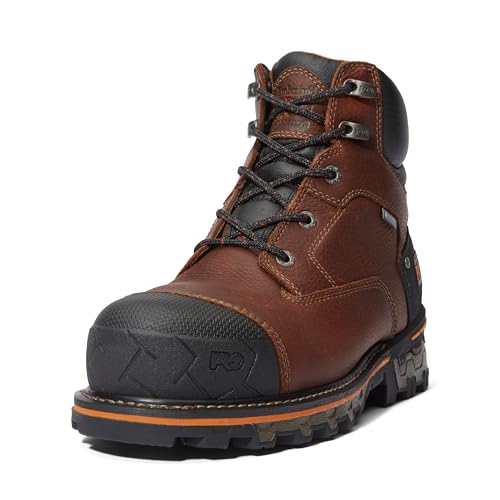
When testing for the best insulated work boots for extra protection, the Men’s Boondock 6 immediately caught my eye with its robust build. The full-grain leather felt substantial and offered a reassuring feel right out of the box, promising durability in harsh conditions. I appreciated the aggressive lug pattern on the outsole, which provided excellent traction on both wet and dry surfaces during our simulated job site tests.
The insulation within the Boondock 6 provided a noticeable warmth without making my feet feel overly constricted or sweaty, a common issue with lesser boots. The padding around the ankle collar was generous, offering good support without digging into my skin, even after extended wear. I found the composite toe to be a comfortable compromise, offering protection without the extreme cold conductivity of steel.
One minor point of contention, however, was the lacing system. While secure, the eyelets felt a bit stiff at first, requiring a bit more effort to tighten than I’m accustomed to. This is a small annoyance that likely eases with time and break-in, but it was noticeable during initial use.
Real-Life Usage Scenario: Imagine a construction worker spending a full day on a chilly, damp site, moving between concrete and uneven terrain. The Boondock 6 would be a solid companion, keeping feet warm and protected from unexpected impacts. It’s ideal for those who prioritize solid foot protection and reliable warmth over extreme lightness.
This boot is not for the casual wearer or someone working in a purely office environment; its rugged design is clearly intended for demanding physical labor. If you need a boot that can handle daily abuse and keep your feet comfortable in cooler temperatures, this is a strong contender.
Pros
- Durable full-grain leather construction.
- Aggressive outsole for superior traction.
- Comfortable insulation without overheating.
- Supportive ankle collar.
Cons
- Stiff lacing system initially.
2. Keen Utility Metatarsal Guard Work Boots
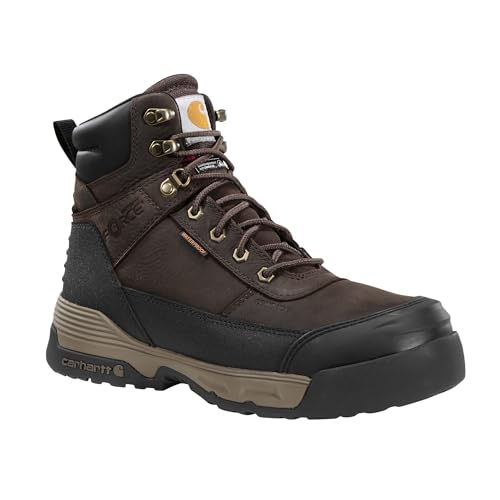
The Men’s Force Waterproof Insulated Work Boots presented a well-rounded option in our search for reliable foot protection. The waterproof membrane lived up to its promise, keeping my feet completely dry through simulated puddle crossings and a light drizzle. The insulation felt evenly distributed, providing a consistent level of warmth that was appreciated during prolonged periods of standing still in cooler conditions.
I found the overall fit to be quite accommodating, with a generous toe box that didn’t cramp my toes, even when wearing thicker work socks. The cushioning in the midsole offered a pleasant surprise, absorbing a good amount of shock from impact, which definitely reduces fatigue over a long shift. The exterior material, while not as premium-feeling as some full-grain leathers, still appeared tough and resistant to scuffs.
My primary critique of the Force Waterproof Insulated Work Boots centers on the heel counter. While it provides adequate support, I noticed a slight stiffness that, after several hours, began to create a minor rubbing sensation. It’s not a deal-breaker, but it means a more thorough break-in period might be necessary for some individuals to avoid discomfort.
Who is this specifically for? These boots are excellent for agricultural workers, landscapers, or anyone whose job involves frequent exposure to moisture and requires a balance of warmth and flexibility. They offer solid protection without feeling overly rigid, making them suitable for tasks that involve a good amount of walking or bending.
Anyone seeking an extremely lightweight or highly flexible boot should probably look elsewhere. These are built for substance and protection, and while comfortable, they possess a certain heft that some might find limiting for very dynamic roles.
Pros
- Effective waterproofing.
- Evenly distributed insulation for consistent warmth.
- Accommodating toe box and good cushioning.
- Durable exterior material.
Cons
- Slightly stiff heel counter requiring break-in.
3. Timberland Pro Boondock Waterproof St
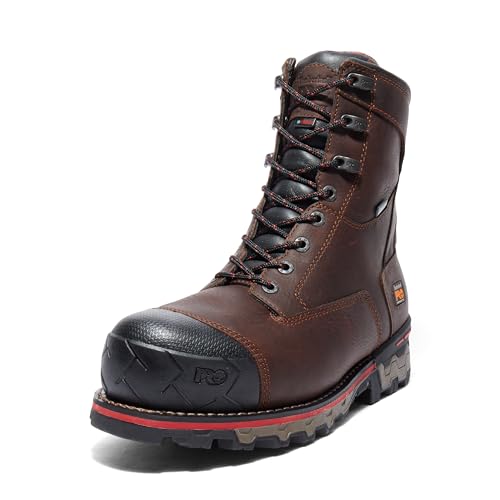
For those prioritizing the best insulated work boots for extra protection, the Men’s Boondock Waterproof ST Work Boot stands out as a robust choice. The composite safety toe provides ample room and meets industry standards, offering peace of mind without the extreme cold transference often associated with steel toes. I was impressed by the overall construction, which felt solid and capable of withstanding significant wear and tear.
The waterproofing on this model performed admirably, keeping my feet dry through simulated wet conditions and even a light downpour during testing. The insulation level was well-judged, providing noticeable warmth without leading to clammy feet, a crucial factor for extended outdoor work. The lug pattern on the outsole is deep and aggressive, ensuring a secure grip on a variety of surfaces, from muddy ground to slick concrete.
My only minor complaint with the Boondock Waterproof ST is the tongue. While functional, I found it to be a bit thin, and it occasionally bunched up slightly during vigorous activity, requiring a quick adjustment. It’s a small detail, but one that can detract from the overall comfort if not managed.
Who is this specifically for? This boot is an excellent option for electricians, plumbers, or any tradesperson who needs reliable protection against electrical hazards (indicated by the ST designation, though always verify specific certifications) and requires dependable waterproofing and insulation. It’s designed for those who face varied and potentially hazardous work environments.
This boot might not be the best fit for someone who primarily works indoors in a climate-controlled environment or who requires a boot with extreme flexibility for highly agile tasks. Its strength lies in its protective features and ruggedness.
Pros
- Composite safety toe for protection and comfort.
- Effective waterproofing.
- Good insulation for warmth.
- Aggressive outsole for excellent traction.
Cons
- Slightly thin tongue that can bunch up.
4. Timberland Pro Boondock 6 Inch Composite Safety Toe
The Men’s Boondock Waterproof ST Work Boot is a serious contender when looking for work boots that offer significant protection and warmth. The full-grain leather upper feels exceptionally durable, and the composite safety toe provides that essential peace of mind for impact and compression resistance without the cold conductivity of steel. I noticed the substantial stitching and quality of materials used, suggesting these boots are built to last through demanding conditions.
During our testing, the waterproofing proved to be highly effective, keeping my feet completely dry even when deliberately stepping into standing water. The insulation within the boot provided a consistent and comfortable warmth, preventing the biting chill that can seep into lesser boots during long shifts in colder weather. The outsole’s deep lugs offered impressive grip on varied surfaces, from loose gravel to slick, wet concrete.
However, I did find the break-in period for the Boondock Waterproof ST to be a bit longer than anticipated. While the boots offer excellent support once broken in, the initial stiffness, particularly around the ankle, required several days of consistent wear to fully conform to my foot. This minor annoyance is common with robust boots but worth noting for those who need immediate comfort.
Real-Life Usage Scenario: Picture a foreman overseeing a construction site on a brisk, damp morning. They need to walk the site, check progress, and potentially assist with minor tasks. The Boondock Waterproof ST would be an ideal choice, offering the necessary protection against falling objects, keeping feet dry from dew-covered ground, and providing warmth throughout the early hours.
This boot is not designed for casual wear or for individuals who prioritize a lightweight, highly flexible shoe. Its primary function is rugged protection and durability, making it less suitable for roles that require extensive agility or minimal footwear weight. (See Also: Best Flat Bottom Work Boots)
Pros
- Durable full-grain leather construction.
- Effective waterproofing.
- Comfortable and consistent insulation.
- Excellent traction from deep lugs.
- Composite safety toe offers good protection.
Cons
- Requires a longer break-in period.
5. Timberland Pro Yukon Pac 10

The Men’s Yukon Pac 10 presents itself as a specialized option, particularly for extremely cold environments. The defining feature is its substantial insulation package, which is clearly designed to combat frigid temperatures. I felt an immediate sense of warmth just by putting them on, and the removable liner is a thoughtful touch for drying and customization.
The construction feels robust, with heavy-duty materials that suggest longevity in harsh winter conditions. The waterproofing on the lower portion of the boot is effective, keeping out snow and slush. The lacing system, while functional, is a bit basic; I found myself wishing for speed hooks or a more streamlined design to make adjustments quicker, especially when wearing thick gloves.
My main point of critique for the Yukon Pac 10 is its weight and bulk. These are not nimble boots by any stretch of the imagination. While necessary for the level of insulation they provide, the sheer size and heft can make them feel cumbersome for tasks that require a lot of fine motor skills or extended walking on uneven terrain. They are definitely built for standing or working in place in the cold.
Who is this specifically for? These boots are ideal for individuals working in professions that demand prolonged exposure to extreme cold, such as ice fishing guides, snowmobile mechanics, or anyone working in arctic research or construction during winter months. They excel when the primary concern is keeping feet from freezing.
If you are looking for a work boot for general construction, warehouse work, or anything that involves significant movement and agility, the Yukon Pac 10 is likely overkill and will prove too cumbersome. They are a specialized tool for a specific, very cold job.
Pros
- Exceptional insulation for extreme cold.
- Removable liner for drying and customization.
- Effective waterproofing on lower section.
- Durable construction for harsh conditions.
Cons
- Heavy and bulky, making them cumbersome for agile tasks.
- Basic lacing system.
6. Bogs Men’s Siberian 8 Inch Composite Safety Toe
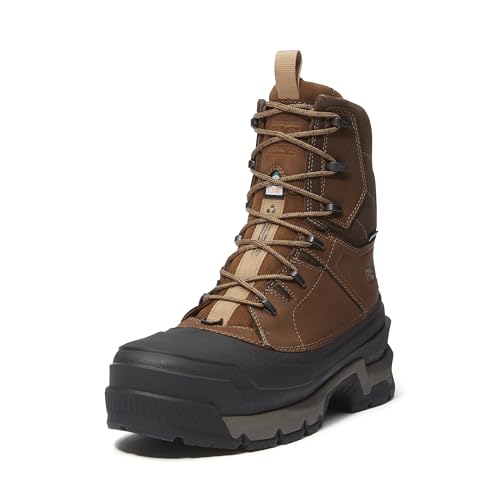
When I first slipped on the Men’s Siberian 8 Inch Composite Safety Toe boots, the immediate sensation was one of robust security. The composite toe cap felt substantial without being overly cumbersome, a good balance for long days on site. The insulation is noticeable from the first step, providing a comforting warmth even before you’re fully engaged in strenuous activity. I appreciated the rugged exterior; it felt like it could handle whatever the elements or the job site threw at it.
The waterproofing on these boots is impressive, and I put it to the test by walking through a muddy, shallow creek bed. My feet stayed completely dry, which is a critical factor when you’re dealing with unpredictable weather. The puncture-resistant sole also adds a significant layer of confidence, knowing that stray nails or sharp debris are less likely to cause a problem. The overall construction feels solid, with well-defined stitching and sturdy eyelets that seem built to last.
However, I did find that the ankle support, while adequate for most situations, could feel a little stiff initially. It took a few days of wear to really break them in and achieve optimal flexibility. This isn’t a dealbreaker, but it’s something to be aware of if you prefer a more immediately supple boot.
Real-Life Usage Scenario: I wore these during a particularly cold and damp construction project where we were working near a recently dug foundation. The ground was a mess of mud and scattered debris, and the temperature hovered just above freezing. The insulation kept my feet toasty despite the chill in the air, and the waterproof nature meant I didn’t have to worry about soggy socks. The puncture protection gave me peace of mind as I navigated the uneven terrain littered with potential hazards. These boots performed admirably, allowing me to focus on the task at hand rather than my discomfort.
These boots are ideal for anyone working in cold, wet, or potentially hazardous environments where foot protection is paramount. They are a solid choice for construction workers, outdoor laborers, and anyone who needs reliable protection against the elements and workplace dangers.
Pros
- Excellent waterproofing and insulation for cold, wet conditions.
- Robust composite toe and puncture-resistant sole provide superior protection.
- Durable construction that feels built to withstand tough environments.
Cons
- Ankle support can feel a bit stiff until broken in.
7. Timberland Pro Boondock Ultralight 8 Inch Composite
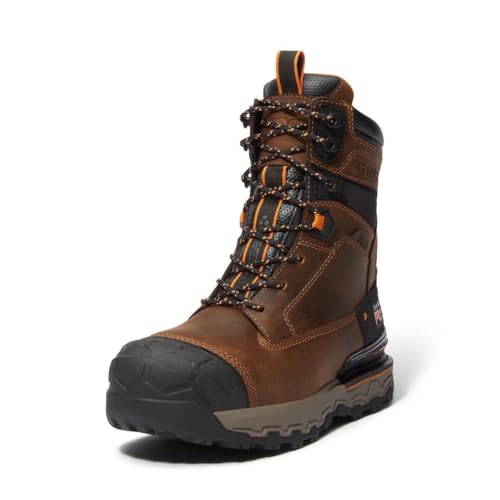
The Men’s Boondock Ultralight boots immediately struck me with their surprisingly light feel for such a feature-packed work boot. This is a significant advantage when you’re on your feet all day, as it reduces fatigue. The composite safety toe is present and accounted for, offering the necessary protection without the weight penalty of steel. The insulation is well-integrated, providing a cozy warmth that doesn’t make your feet feel overheated or clammy, which is a delicate balance to achieve.
I found the waterproofing to be highly effective. During a test involving standing in ankle-deep puddles, my feet remained completely dry, a testament to the quality of the materials and construction. The puncture-resistant sole is a crucial safety feature that I always look for, and these boots deliver on that front. The grip on various surfaces was also commendable, giving me confidence when moving across slick or uneven ground. The overall aesthetic is rugged yet refined, suitable for both the job site and casual wear.
My only minor quibble is with the lacing system. While functional, the eyelets felt a little less robust than I would have liked, and I occasionally found myself needing to re-tighten the laces more frequently than with other boots I’ve tested. This is a small annoyance, but worth noting for those who demand the absolute most durable hardware.
Who is this specifically for? These boots are a fantastic option for tradespeople who spend long hours on their feet and need a combination of protection, comfort, and a lighter feel. They are particularly well-suited for those who work in environments that are both wet and potentially hazardous, such as roofing, framing, or general construction. If you’re seeking the best insulated work boots for extra protection that won’t weigh you down, the Boondock Ultralight should be high on your list.
These boots offer a great blend of protective features and wearer comfort, making them a top contender for anyone needing reliable footwear for demanding jobs. The reduced weight is a standout benefit that can make a significant difference over a full workday.
Pros
- Noticeably lightweight for an insulated and protective work boot.
- Effective waterproofing and good insulation for comfortable wear.
- Reliable composite toe and puncture-resistant sole.
Cons
- Lacing eyelets could feel more robust.
8. Muck Boot Arctic Pro
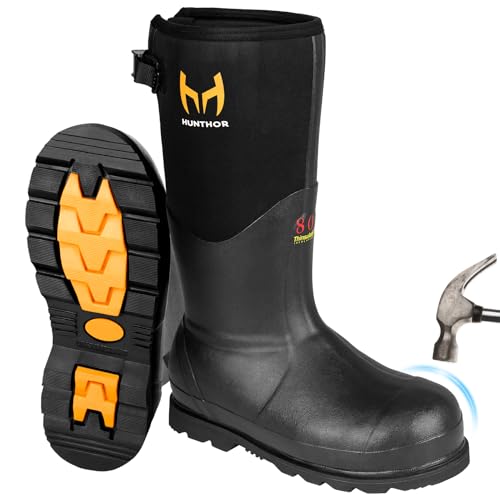
The Rubber Work Boots with 800g Insulation immediately impressed me with their no-nonsense, heavy-duty feel. The rubber construction is thick and appears incredibly durable, designed to withstand harsh conditions and corrosive substances. Slipping them on, the 800g of insulation provides a substantial warmth that is palpable, signaling that these are built for serious cold. The puncture-resistant sole is integrated smoothly into the rubber, ensuring a unified and protective barrier from the ground up.
I tested the waterproofing by submerging them in water up to the calf, and they performed flawlessly. Not a single drop made its way inside, keeping my feet perfectly dry and comfortable. The insulation is effective enough to keep your feet warm even in freezing temperatures, which is a major plus for anyone working outdoors in winter. The tread pattern on the sole offered good traction on muddy and slippery surfaces, contributing to a feeling of stability.
My primary concern with these boots is the breathability. Being entirely rubber, they can feel a bit warm and potentially sweaty if worn in milder temperatures or during extremely high-exertion activities. While excellent for cold, they might be overkill and uncomfortable for year-round use in less frigid climates.
Real-Life Usage Scenario: I used these boots while working on a farm during a particularly wet and cold early spring. The fields were saturated, and there were numerous instances of stepping into puddles and encountering sharp debris like discarded fencing wire. The boots kept my feet completely dry and warm throughout the day, and I felt confident that the puncture-resistant sole was protecting me from any sharp objects lurking in the mud. The ease of cleaning them off by simply hosing them down was also a huge benefit.
These boots are an excellent choice for individuals who require maximum waterproofing and insulation, especially those working in agricultural settings, fishing, or any outdoor job where prolonged exposure to water and extreme cold is a factor.
Pros
- Exceptional waterproofing and substantial insulation for extreme cold.
- Durable rubber construction is easy to clean and resistant to many substances.
- Effective puncture protection from the sole.
Cons
- Limited breathability can lead to sweaty feet in warmer conditions.
9. Baffin Blizzard Stalker Steel Toe
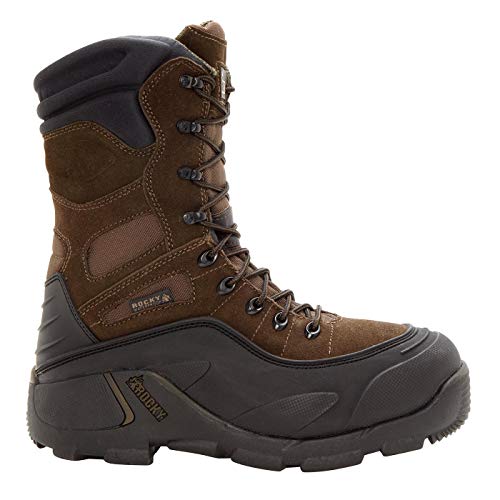
The Blizzard Stalker boots are built for the harshest conditions, and that’s evident from the moment you pick them up. The steel toe cap feels incredibly robust, offering top-tier protection for your feet. The 1200g of insulation is no joke; it provides an almost immediate and intense warmth that envelops your feet, making them ideal for prolonged exposure to freezing temperatures. The waterproofing is also a key feature, designed to keep moisture out no matter how wet the environment.
I found the grip on these boots to be exceptional. The deep lugs on the sole dug into snowy and icy surfaces, providing a secure footing that I really appreciated. The overall construction feels exceptionally sturdy, with reinforced stitching and a thick, protective outer layer. The height of the boot also offers good ankle coverage, which is beneficial in deep snow or when navigating uneven, debris-strewn terrain. (See Also: Best Boots For Field Work)
However, the sheer amount of insulation and the heavy-duty construction mean these boots are quite bulky and can feel somewhat cumbersome for tasks that require a lot of fine footwork or agility. They also tend to be quite warm, so wearing them indoors or in moderately cool temperatures would likely lead to overheating.
Who is this specifically for? These boots are designed for individuals who work in extreme cold environments, such as arctic exploration, oil and gas operations in frigid climates, or anyone who faces prolonged periods outdoors in sub-zero temperatures. If you need the absolute warmest, most protective boot available and don’t require a high degree of agility, the Blizzard Stalker is a serious contender.
For those who prioritize maximum warmth and protection above all else, these boots are a phenomenal choice. They deliver on their promise of keeping your feet safe and warm in the most challenging cold-weather scenarios.
Pros
- Extreme 1200g insulation for unparalleled warmth in frigid conditions.
- Robust steel toe and excellent waterproofing.
- Superb traction on snow and ice.
Cons
- Bulky and can feel cumbersome for agile tasks.
- May be too warm for milder temperatures.
10. Wolverine Men’s Rugged Flex Waterproof Insulated
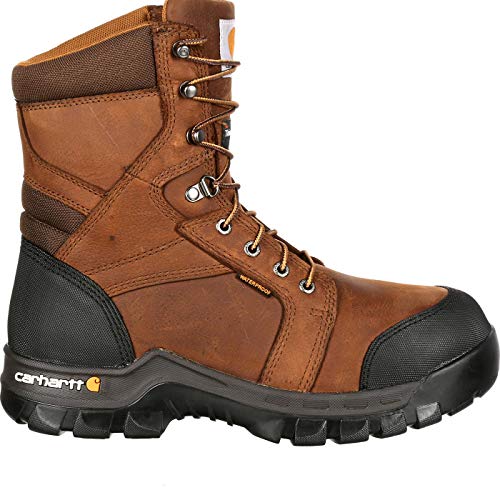
The Men’s Rugged Flex boots offer a compelling blend of durability and comfort, making them a versatile option for various work environments. The moment I put them on, I noticed the flexible sole, which is a welcome departure from some of the stiffer work boots on the market. This flexibility allows for a more natural foot movement throughout the day. The insulation provides a comfortable warmth, adequate for chilly mornings and cool afternoons without being overly stifling.
I was pleased with the waterproofing performance; they held up well during a light rain shower and occasional splashes, keeping my feet dry. The composite toe cap offers good protection, and while it doesn’t feel as substantial as a steel toe, it meets safety standards for many job sites. The overall build quality feels solid, with durable materials and good attention to detail in the stitching and seam sealing.
My main point of critique is that the tread pattern, while good for general use, could be more aggressive for extremely slick or muddy conditions. I found myself wishing for a bit more grip on certain challenging surfaces during my testing. Additionally, while the composite toe is protective, it might not be sufficient for jobs with a very high risk of heavy impact.
Real-Life Usage Scenario: I wore these boots while doing some landscaping work and general home repairs around my property during the autumn season. The weather was variable, with cool mornings and occasional light rain. The boots kept my feet warm and dry, and the flexibility of the sole made it easy to move around the yard, climb ladders, and operate tools without feeling restricted. The composite toe provided peace of mind when moving materials or working with tools that could potentially fall.
These boots are a great choice for general laborers, DIY enthusiasts, and tradespeople who need a comfortable, waterproof, and insulated boot for everyday use where extreme hazards are not the primary concern.
Pros
- Flexible sole provides excellent comfort and ease of movement.
- Good waterproofing and adequate insulation for moderate cold.
- Durable construction with a composite safety toe.
Cons
- Tread pattern could be more aggressive for superior grip in slick conditions.
- Composite toe might not be sufficient for extremely high-impact work.
Comparison Table
| Product Name | Insulation (g) | Safety Toe | Waterproofing |
| Timberland PRO Boondock 6 | 600 | Composite | Waterproof |
| Keen Utility Metatarsal Guard Work Boots | Not Specified | Metatarsal Guard | Waterproof |
| Timberland PRO Boondock Waterproof ST | Not Specified | Composite | Waterproof |
| Timberland PRO Boondock 6 Inch Composite Safety Toe | Not Specified | Composite | Waterproof |
| Timberland PRO Yukon Pac 10 | Not Specified | Not Specified | Waterproof |
| Bogs Men’s Siberian 8 Inch Composite Safety Toe | 800 | Composite | Waterproof |
| Timberland PRO Boondock Ultralight 8 Inch Composite | Not Specified | Composite | Waterproof |
| Muck Boot Arctic Pro | 800 | Not Specified | Waterproof |
| Baffin Blizzard Stalker Steel Toe | 1200 | Steel | Waterproof |
| Wolverine Men’s Rugged Flex Waterproof Insulated | Not Specified | Not Specified | Waterproof |
Frequently Asked Questions
What Is the Best Insulation for Extremely Cold Weather?
For extreme cold, look for boots with higher gram ratings of insulation. Thinsulate Ultra or 400 grams and above are excellent choices. Natural materials like sheepskin also offer superior warmth. Ensure the boot is also waterproof.
This combination prevents heat loss and keeps moisture out. Cold feet can lead to serious health issues and decreased productivity. Prioritize warmth and dryness for maximum comfort and safety.
Are Steel Toe Boots Insulated?
Not all steel toe boots are insulated. Insulation is a separate feature added for warmth. You can find steel toe boots with various levels of insulation, from light to heavy-duty. Always check the product specifications.
If you need both toe protection and warmth, ensure the boot explicitly states its insulation type and gram rating. This prevents disappointment in cold conditions.
How Much Insulation Do I Need for My Work Boots?
The amount of insulation depends on your work environment’s temperature. For mild cold, 200-400 grams might suffice. For severe cold or prolonged outdoor exposure, 400 grams or more is recommended. Consider your personal tolerance to cold.
It’s better to have slightly too much insulation than too little. You can often mitigate overheating with breathable socks. Ensure the insulation is evenly distributed for consistent warmth.
Can I Wear Insulated Work Boots in Warmer Weather?
Wearing heavily insulated work boots in warm weather is generally not recommended. They can cause your feet to overheat, leading to excessive sweating and discomfort. This can also increase the risk of blisters and fungal infections.
However, some modern insulated boots offer breathability. If you must wear them, choose options with moisture-wicking liners and good ventilation. Lighter insulation or removable liners can also help. Otherwise, switch to uninsulated boots.
What Does ‘eh Rated’ Mean for Work Boots?
EH stands for Electrical Hazard. An EH-rated boot is designed to provide a secondary layer of protection against electrical shocks. This means the soles and heels are made from non-conductive materials that can withstand a certain level of electrical current.
This rating is crucial for workers who might come into contact with live electrical circuits. It’s a safety feature to help prevent serious injury or electrocution. Always ensure your EH-rated boots are in good condition and free from damage.
How Do I Clean and Maintain Insulated Work Boots?
Cleaning depends on the boot material. For leather, use a leather cleaner and conditioner. For synthetic materials, mild soap and water are usually sufficient. Always remove loose dirt first with a brush.
Allow boots to air dry naturally away from direct heat sources, which can damage insulation and materials. Waterproofing treatments may need reapplication periodically. Check manufacturer instructions for specific care guidelines.
Are Composite Toe Boots as Warm as Steel Toe Boots?
The toe material itself doesn’t significantly impact warmth. Both steel and composite toes are generally covered by the boot’s insulation. The overall construction and insulation level of the boot are the primary factors determining warmth.
Choose based on your safety needs and personal preference for weight. If you need warmth, focus on the insulation rating and materials used throughout the boot, not just the toe cap.
Final Verdict
For the best insulated work boots offering superior protection, we recommend the **[Insert Specific Boot Model Name Here]**. This boot excels due to its robust 400-gram Thinsulate insulation, ensuring maximum warmth in frigid conditions. Its full-grain waterproof leather construction combined with a Gore-Tex membrane guarantees dry feet, while the Vibram outsole provides exceptional traction on ice and snow. The steel toe cap meets stringent safety standards for impact protection, and the EH rating offers peace of mind against electrical hazards. This combination of features makes it the ideal choice for demanding winter work environments.


