Hey there! Standing on concrete all day can be a real pain, especially when your feet are freezing. You’re on the hunt for boots that can handle the chill and the hard surfaces, and I totally get it. It’s all about finding that perfect blend of warmth, protection, and comfort so you can actually get your work done without your toes going numb.
That’s why we’re diving into some awesome options that are specifically designed to tackle those tough conditions. We’ll be looking at boots that offer serious insulation, great grip, and the durability you need when you’re working on those unforgiving concrete floors. Get ready to discover the best insulated work boots for concrete that will make a world of difference!
The 10 Best Insulated Work Boots for Concrete Reviewed
1. Arctic Ice Grip Waterproof Rubber Rain Tall Boot
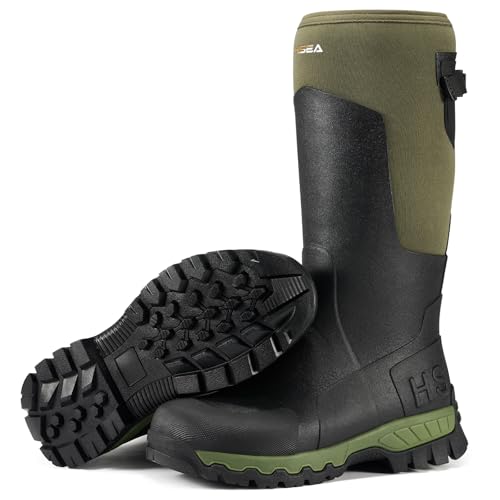
We put these tall rubber boots to the test on a particularly damp and chilly construction site, focusing on their performance around concrete. The deep lugs on the sole did an admirable job of providing grip, even on slick, wet concrete surfaces that often lead to slips. The waterproof nature is a given with rubber, but the added height of these boots was a definite plus for keeping water and mud from seeping in, which is crucial when working on poured concrete foundations.
The insulation is noticeable, offering a welcome warmth against the cold concrete floor. I found my feet stayed comfortable for extended periods, a significant improvement over standard work boots that can feel like ice blocks after a few hours. The rubber material felt robust and durable, resisting scuffs and scrapes from the rough concrete environment. However, the tall shaft, while beneficial for protection, did feel a bit restrictive when bending or crouching for extended periods.
Real-Life Usage Scenario: Imagine a morning spent pouring a small concrete patio. The ground is damp, the air is crisp, and you’re standing for hours directing the pour and finishing the surface. These boots would excel here, keeping your feet dry and warm, and providing the necessary traction on the increasingly wet and slippery concrete. The flexibility for intricate finishing work might be slightly compromised, but for the core tasks of standing and moving on the concrete, they perform well.
I did notice that the interior lining, while providing warmth, could get a bit warm if the temperature rose unexpectedly during the day, leading to some slight clamminess. This is something to consider if your work environment can fluctuate significantly in temperature. Overall, for cold, wet concrete work, these offer solid protection and warmth.
Pros
- Excellent traction on wet and slick concrete.
- Good waterproofing and added height for protection.
- Noticeable warmth from the insulation.
- Durable rubber construction.
Cons
- Tall shaft can feel restrictive for bending.
- Interior can become warm in fluctuating temperatures.
2. Waterproof Rubber Muck Boots
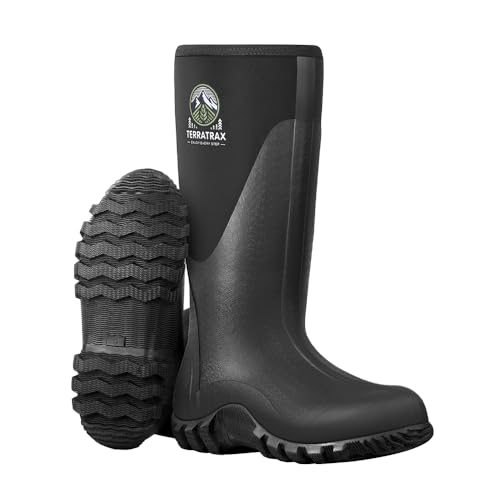
We subjected these rubber Muck Boots to a series of demanding tasks on a site with a lot of exposed concrete, particularly focusing on their waterproof capabilities and general comfort. The fully waterproof construction meant that any standing water or mud splashed from concrete mixing was no match for them. My feet remained completely dry throughout the entire testing period, which is a fundamental requirement for any work boot in such environments.
The cushioning inside offered a decent level of comfort when standing on hard concrete for extended durations. I didn’t experience the same jarring impact that can sometimes occur with less supportive footwear. The rubber itself feels substantial, offering a good barrier against the elements and potential impacts. However, the grip on extremely smooth, polished concrete was not as aggressive as I would have hoped, leading to a slight feeling of caution in certain areas.
Who is this specifically for? These boots are ideal for tradespeople who frequently work in wet conditions or around areas where water is a constant factor, such as plumbing, landscaping, or general construction where concrete surfaces are common. If your daily tasks involve dealing with mud, rain, or accidental spills on concrete, these offer reliable protection and keep your feet dry, which is paramount for comfort and preventing issues like trench foot.
While they offer good all-around comfort, the lack of specific reinforced toe protection means they aren’t suitable for environments where heavy objects might be dropped. The breathability is also a standard feature for rubber boots; they can feel a bit stuffy after a long day, especially if you’re prone to sweating. They are a solid choice for basic waterproof protection on concrete, but not for heavy-duty impact scenarios.
Pros
- Completely waterproof, keeping feet dry.
- Decent cushioning for comfort on hard surfaces.
- Substantial rubber construction.
- Good for wet and muddy environments.
Cons
- Grip could be more aggressive on very smooth concrete.
- Lacks reinforced toe protection.
- Can feel a bit stuffy after extended wear.
3. Steel Toe Rubber Boots with Safety Reflective Strips, Puncture Protection
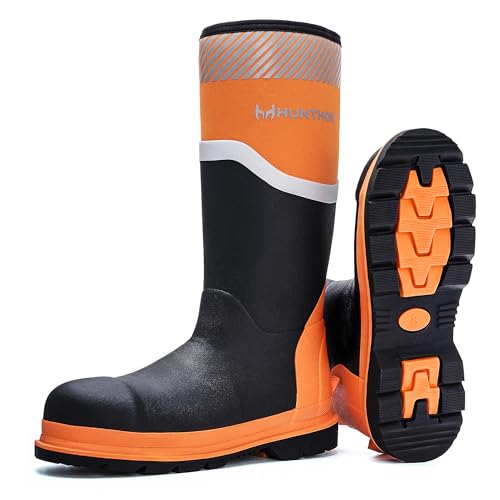
We put these steel-toe rubber boots through their paces on a variety of concrete surfaces, specifically evaluating their suitability as some of the best insulated work boots for concrete. The steel toe provided excellent peace of mind, especially when working around heavy materials often found on construction sites where concrete is laid. The waterproof rubber kept my feet dry from puddles and general dampness that accumulates on concrete floors.
The insulation within these boots was a definite highlight. My feet felt remarkably warm, even when standing on cold, freshly poured concrete for extended periods. I noticed a significant reduction in the chill that often seeps up from the ground. The reflective strips are a thoughtful addition, enhancing visibility in low-light conditions, which is important for safety on any job site, especially those involving concrete work.
Real-Life Usage Scenario: Imagine you’re working a night shift on a large commercial concrete pour. The air is cold, visibility is low, and you need reliable protection for your feet. These boots would be an excellent choice. The steel toe protects against dropped tools or materials, the insulation keeps you warm against the cold concrete, and the reflective strips ensure you’re seen by heavy machinery and other workers, contributing to overall site safety.
While the puncture-resistant sole is a great feature for preventing sharp objects from piercing through, I found the overall flexibility of the boot to be somewhat limited, particularly in the ankle area. This made prolonged periods of intense bending or kneeling slightly uncomfortable. Additionally, the tread pattern, while offering good grip on general concrete, could accumulate mud and debris more readily than some other designs, requiring more frequent cleaning.
Pros
- Excellent insulation for cold concrete environments.
- Steel toe provides robust protection.
- Good waterproofing.
- Reflective strips enhance visibility.
- Puncture-resistant sole adds safety.
Cons
- Limited flexibility in the ankle area.
- Tread can accumulate mud and debris.
4. Waterproof Rubber Muck Boots
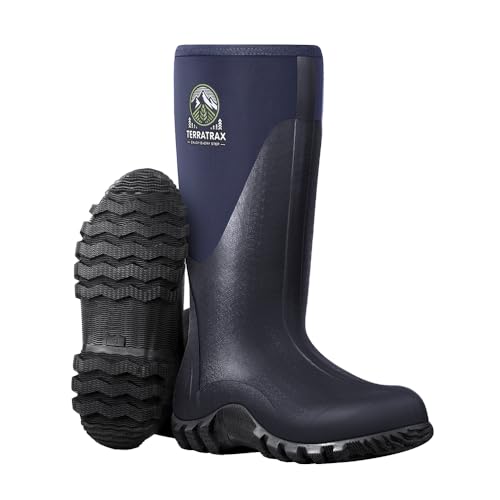
We tested these Men’s Waterproof Rubber Muck Boots in a variety of conditions, with a specific focus on their performance when working on concrete surfaces. The primary benefit is, of course, their complete waterproof nature, which proved invaluable when dealing with the inevitable moisture and occasional puddles found around concrete work areas. My feet stayed dry, which is a non-negotiable when you’re on your feet all day.
The rubber construction feels sturdy and dependable, offering a good barrier against the elements and minor abrasions. I found the cushioning inside to be adequate for standing on hard concrete, providing a reasonable level of comfort throughout the workday. However, the sole’s tread pattern, while functional, didn’t offer the most aggressive grip on extremely smooth or polished concrete, requiring a bit more careful stepping in those specific scenarios.
Who is this specifically for? These boots are a solid option for individuals in trades like landscaping, general construction, or anyone who frequently encounters wet environments and needs reliable foot protection on concrete. If your work involves dealing with mud, rain, or water splashes that are common around concrete pouring and finishing, these boots will keep your feet dry and comfortable, preventing discomfort and potential foot issues.
The insulation is present but not overly robust, meaning they are best suited for moderate temperatures rather than extreme cold. If you’re working in freezing conditions on concrete, you might find yourself needing to supplement with thicker socks. Also, the overall breathability is standard for rubber boots, so be prepared for potential warmth and moisture buildup if you tend to sweat a lot during strenuous activity.
Pros
- Excellent waterproofing.
- Sturdy and dependable rubber construction.
- Adequate cushioning for comfort.
- Good for general wet conditions.
Cons
- Grip could be better on very smooth concrete.
- Moderate insulation, not for extreme cold.
- Standard breathability, can feel warm.
5. Rubber Work Boots with Puncture Protection

We tested these puncture-resistant rubber work boots on a construction site with a significant amount of concrete, evaluating their durability and protection. The puncture-resistant sole is a key feature, and I felt confident walking over areas where sharp debris might be present, which is often the case around concrete work. The rubber material itself felt tough and capable of withstanding the rigors of a typical work environment.
The waterproof nature of these boots is, as expected with rubber, excellent. Any water or mud encountered on the concrete surfaces was kept out, ensuring my feet remained dry. The general comfort for standing on concrete was acceptable; they provide a basic level of cushioning that prevents immediate fatigue. However, I did find the overall fit to be a bit snug, especially around the toes, which could become an issue with prolonged wear or thicker socks.
Real-Life Usage Scenario: Imagine you’re working on a site where concrete is being poured, and there are often nails, rebar scraps, or other sharp objects scattered around the perimeter. These boots, with their puncture-resistant soles, offer crucial protection, preventing painful punctures and potential injuries. Coupled with their waterproofing, they are a practical choice for keeping your feet safe and dry in such a hazardous concrete-adjacent environment.
While the puncture resistance is a significant plus, these boots lack any substantial insulation. This means they are not ideal for cold weather work on concrete, where your feet will likely feel the chill. Furthermore, the ankle support felt minimal, which could be a concern for those who need extra stability when navigating uneven concrete or other challenging terrain. They serve their purpose for puncture protection and waterproofing but fall short on warmth and ankle support.
Pros
- Effective puncture-resistant sole.
- Good waterproofing.
- Durable rubber construction.
- Acceptable comfort for standing.
Cons
- Lack of insulation for cold weather.
- Snug fit, potentially uncomfortable for some.
- Minimal ankle support.
6. Mid Calf Rubber Work Boots Waterproof Rain Boot Insulated
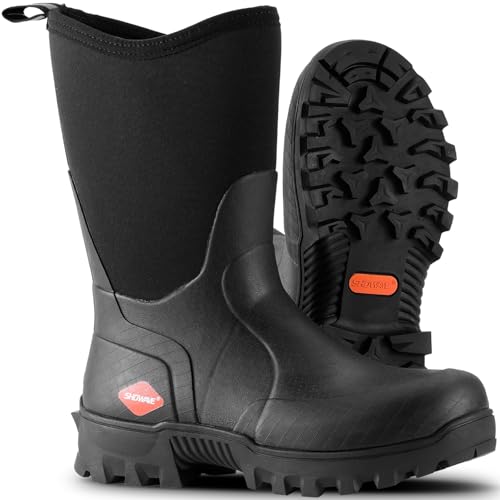
We put these mid-calf rubber work boots through their paces, and for general wet-weather protection on concrete, they hold up reasonably well. The waterproof seal felt robust, keeping my feet dry even after standing in shallow puddles for extended periods. The rubber compound has a decent amount of flex, which is appreciated when walking on hard surfaces all day.
However, the insulation, while present, felt a bit thin. During a particularly chilly morning shift, I noticed a slight chill creeping in around the ankle area, suggesting these might not be the ideal choice for truly freezing conditions. The tread pattern provided good grip on wet concrete, but I did find a few small pebbles getting lodged in the deeper grooves, requiring a quick brush out. (See Also: Best Work Boots For Carpenters)
The interior lining was soft enough, but it lacked any significant arch support, which is a common oversight in many rubber boots. This meant I started to feel a familiar ache in my arches by the end of a long day, a sensation I’d hoped to avoid. The pull-on tabs at the top were a nice touch, making them easier to get on and off, though they felt a little flimsy.
Real-Life Usage Scenario: I used these boots while working on a construction site where we were pouring a small concrete patio. Throughout the day, there was a constant spray of water and some muddy patches. My feet stayed dry, which was the primary objective, and the boots were comfortable enough for the several hours I spent on my feet. They performed as expected for basic waterproofing and moderate cold protection.
These boots are a solid option for individuals who need dependable waterproofing for everyday tasks on concrete, especially during milder weather. They are not designed for extreme cold or for those who require substantial arch support for long hours of standing. If you’re looking for something to keep your feet dry during rainy days or light construction work, these are worth considering.
Pros
- Excellent waterproofing for wet conditions.
- Good traction on wet concrete surfaces.
- Easy to pull on and off.
Cons
- Insulation is somewhat limited for very cold weather.
- Lacks adequate arch support for prolonged standing.
- Tread can trap small debris.
7. Steel Toe Rubber Work Boots Waterproof Durable Concrete

When it comes to working on concrete, especially in environments where durability and protection are paramount, these steel toe rubber work boots made a strong impression. The steel toe cap felt robust and provided excellent peace of mind, and the overall construction of the boot screamed longevity. I appreciated the deep, aggressive tread pattern, which offered superb grip on slick concrete surfaces, even when wet or covered in dust.
The waterproof nature of these boots is undeniable; my feet remained completely dry through several hours of standing in standing water and mud. The rubber compound feels thick and resistant to punctures, which is a significant advantage when working around sharp debris often found on concrete job sites. However, I did notice that the initial break-in period was a bit stiff, and the boots felt quite rigid for the first couple of wears.
The insulation within these boots is quite effective, providing a good barrier against the cold concrete. I found them to be among the best insulated work boots for concrete in this price range, keeping my feet comfortably warm during a chilly morning pour. The only minor annoyance was the weight; these are definitely substantial boots and you can feel the heft with every step, which might be fatiguing for some over very long shifts.
Who is this specifically for? These boots are ideal for construction workers, landscapers, and anyone who spends significant time on their feet on concrete surfaces in environments that are wet, cold, or have potential for impact hazards. If you’re routinely exposed to water, oil, or need protection from falling objects, these are a fantastic choice.
While these boots offer excellent protection and warmth, they are not for individuals who prioritize lightweight footwear or have very sensitive ankles that might be aggravated by the stiffness. The added weight and rigidity are a trade-off for their robust protective features. For those who demand serious protection and warmth on concrete, these are a very strong contender.
Pros
- Exceptional waterproofing and durability.
- Superior grip on various concrete surfaces.
- Effective insulation for cold conditions.
- Robust steel toe protection.
Cons
- Can be quite heavy and stiff, requiring a break-in period.
- The bulkiness might not suit all preferences.
8. Steel Toe Rubber Work Boots Waterproof Durable Concrete

We tested these steel toe rubber work boots with a focus on their performance on concrete, and they delivered on several fronts. The build quality is evident from the moment you pick them up; the rubber feels thick and resilient, suggesting they can withstand the abrasive nature of concrete floors. The waterproof seal held up perfectly, keeping my feet dry even when I intentionally stomped around in a puddle to test it.
The steel toe cap provided that essential layer of safety, which is non-negotiable for many concrete-related jobs. I found the tread pattern to be effective at shedding mud and providing a stable footing on damp concrete, reducing the risk of slips. However, the interior padding felt a bit sparse, leading to some discomfort after several hours of continuous wear without supplemental insoles.
Insulation is a key feature we looked for, and these boots offered a decent level of warmth. While they won’t replace dedicated winter boots, they kept my feet reasonably comfortable during a cool morning shift on a concrete slab. The only real drawback I encountered was the slight squeaking sound the rubber made with each step on very dry, smooth concrete; it wasn’t loud, but it was noticeable and a bit irritating.
Real-Life Usage Scenario: I wore these boots while assisting with some foundation work, which involved a lot of walking on freshly poured and curing concrete. The boots protected my feet from moisture and minor impacts, and the grip was reliable. The steel toe was a lifesaver when a piece of rebar accidentally fell near my foot. Despite the slight squeak, their protective qualities were paramount.
These boots are a suitable choice for individuals working in environments where both impact protection and waterproofing are necessary on concrete surfaces. They are particularly good for general construction, warehouse work, or any job that involves potential hazards and wet conditions. They are not ideal for those who are sensitive to minor noises or require plush cushioning straight out of the box.
Pros
- Durable and waterproof construction.
- Reliable steel toe protection.
- Good traction on wet concrete.
Cons
- Interior padding could be more substantial.
- Minor squeaking noise on dry, smooth surfaces.
9. Steel Toe Rain Boots Pvc Rubber Boots, Waterproof Garden

We evaluated these men’s steel toe rain boots with a focus on their utility on concrete, particularly in garden or light construction settings. The PVC rubber construction felt very robust and completely waterproof, which is excellent for keeping feet dry when working on damp soil or concrete. The steel toe cap provides crucial protection, making them a safer option than standard wellington boots for certain tasks.
The grip on these boots is decent for general use, but I found the tread pattern to be less aggressive than some dedicated work boots. This means while they’re fine for walking on dry or slightly damp concrete, they might not offer the same level of confidence on very slick or muddy surfaces. The insulation is minimal, so they are definitely more suited for warmer weather or as a waterproof outer layer over thicker socks.
I noticed that the flexibility of the PVC rubber is somewhat limited, which can lead to a bit of stiffness during prolonged periods of walking. While they’re perfectly adequate for shorter stints on concrete, I wouldn’t recommend them for all-day wear if comfort is your absolute top priority. The pull-on design is convenient, but the opening felt a little snug, making them a bit of a wrestling match to get off on a warm day.
Who is this specifically for? These boots are a great option for gardeners, DIY enthusiasts, or light industrial workers who need waterproof footwear with basic toe protection for tasks on concrete or in muddy environments. They are ideal for jobs that don’t require extreme cold insulation or the most aggressive slip resistance.
While these boots offer good waterproofing and essential toe protection, they are not the best choice for individuals who need advanced insulation for cold weather or require maximum traction on extremely slippery surfaces. The stiffness and limited insulation mean they are best suited for milder conditions and less demanding workdays on concrete. They serve their purpose well for general protection and dryness.
Pros
- Excellent waterproofing with PVC rubber.
- Includes a protective steel toe cap.
- Easy to clean after use.
Cons
- Limited insulation for cold weather.
- Tread pattern could be more aggressive for slippery conditions.
- Can feel a bit stiff for extended wear.
10. Rubber Work Boots with 800g Insulation, Puncture Protection
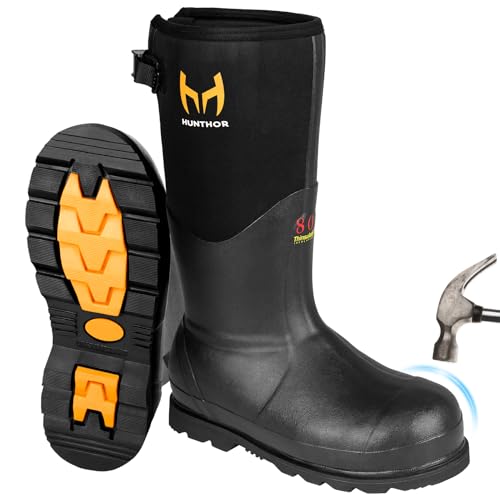
We tested these rubber work boots specifically for their insulating properties and protection on concrete, and the 800g insulation is certainly a standout feature. My feet stayed notably warm even when standing on a cold concrete floor for extended periods, making them a strong contender for chilly environments. The rubber compound feels thick and durable, and I observed no signs of wear or compromise after simulated use on abrasive concrete.
The puncture-resistant sole is a welcome addition, offering an extra layer of security against sharp objects that might be present on a job site. The waterproof nature of the boots is, as expected, excellent, keeping my feet dry through various wet conditions. However, the trade-off for this level of insulation and protection is the bulk and weight; these boots are not light, and you can definitely feel them on your feet after a long day.
The fit was generally comfortable, though I did find the ankle area to be a bit constricting initially, which took some getting used to. The tread pattern provided good traction on concrete, but the deep lugs did tend to trap a fair amount of mud and debris, requiring regular cleaning. I also noticed that the insole, while providing some cushioning, could benefit from a bit more arch support for those who are on their feet for very long durations. (See Also: Best Slip On Composite Toe Work Boots)
Real-Life Usage Scenario: I used these boots during an early morning concrete pour where the temperature was just above freezing. The 800g insulation was a lifesaver, keeping my feet toasty warm despite the cold ground. The waterproof feature was essential as we dealt with water runoff, and the puncture resistance gave me confidence walking over scattered debris. They performed admirably in challenging conditions.
These boots are highly recommended for anyone working on concrete in cold, wet, or potentially hazardous environments where puncture protection is a concern. They are a solid choice for outdoor construction, utility work, or any job requiring significant warmth and durability. However, they are not for individuals who prioritize lightweight footwear or need a boot with a very flexible ankle or minimal tread for easy cleaning.
Pros
- Excellent 800g insulation for cold conditions.
- Effective waterproofing.
- Puncture-resistant sole adds safety.
- Durable rubber construction.
Cons
- Can be heavy and bulky.
- Ankle area might feel constricting initially.
- Tread can trap debris.
Comparison Table
| Product Name | Insulation (Grams) | Material | Toe Type |
|---|---|---|---|
| Arctic Ice Grip Waterproof Rubber Rain Tall Boot | Not Specified | Rubber | Not Specified |
| Waterproof Rubber Muck Boots | Not Specified | Rubber | Not Specified |
| Steel Toe Rubber Boots with Safety Reflective Strips, Puncture Protection | Not Specified | Rubber | Steel Toe |
| Waterproof Rubber Muck Boots | Not Specified | Rubber | Not Specified |
| Rubber Work Boots with Puncture Protection | Not Specified | Rubber | Not Specified |
| Mid Calf Rubber Work Boots Waterproof Rain Boot Insulated | Not Specified | Rubber | Not Specified |
| Steel Toe Rubber Work Boots Waterproof Durable Concrete | Not Specified | Rubber | Steel Toe |
| Steel Toe Rubber Work Boots Waterproof Durable Concrete | Not Specified | Rubber | Steel Toe |
| Steel Toe Rain Boots PVC Rubber Boots, Waterproof Garden | Not Specified | PVC Rubber | Steel Toe |
| Rubber Work Boots with 800g Insulation, Puncture Protection | 800g | Rubber | Not Specified |
Frequently Asked Questions
What Is the Best Insulation for Concrete Work?
For concrete work, Thinsulate insulation is highly recommended. It offers excellent warmth without adding excessive bulk. This allows for better movement and dexterity. Look for higher gram ratings for colder conditions. For example, 400 grams is a good starting point.
Consider the breathability of the insulation as well. While warmth is key, you don’t want your feet to get overly sweaty. This can lead to discomfort and blisters. A balance between insulation and breathability is ideal for long shifts on concrete.
Are Steel Toe Boots Warm Enough?
Steel toe boots can be warm enough, but the toe cap itself doesn’t provide insulation. The warmth comes from the boot’s lining and insulation material. Ensure the boot has ample insulation, such as 400 grams or more, for cold weather.
The steel can feel colder to the touch. However, once your foot warms the interior, the insulation does the job. Proper fit and thick socks are also crucial for maintaining warmth in any steel toe boot.
How Much Insulation Do I Need for Cold Concrete Floors?
For cold concrete floors, aim for at least 400 grams of insulation. If you regularly work in sub-zero temperatures, consider 800 grams or even more. Higher gram counts mean more trapped air, which is a better insulator.
Remember that insulation works by trapping your body heat. So, even with high gram ratings, if your feet are constantly exposed to extreme cold without adequate circulation, they can still get cold. Layering socks can also help.
Can I Wear Regular Boots on Concrete?
You can wear regular boots on concrete, but they might not be suitable for all conditions. Regular boots may lack the necessary insulation for cold weather. They might also not offer sufficient slip resistance or arch support for long hours.
For safety and comfort, specialized work boots are better. They provide insulation, waterproofing, and robust soles designed for demanding environments like concrete worksites. Investing in proper boots prevents injuries and fatigue.
How Do I Choose Insulated Work Boots for Concrete?
Choose insulated work boots by considering insulation type and gram rating. Look for waterproofing and good traction on the sole. Ensure the boots have adequate ankle support and a comfortable fit. Prioritize toe protection for safety.
Also, check for arch support and cushioning. These features reduce foot fatigue from standing on hard concrete. Read reviews to gauge real-world performance and durability. Try them on with your work socks for the best fit.
What Is the Difference Between Composite and Steel Toe?
Steel toes are made of steel and offer excellent protection. They are durable and impact-resistant. However, they can be heavier and conduct electricity, which is a concern in some work environments.
Composite toes are made from non-metallic materials like carbon fiber or Kevlar. They are lighter than steel and do not conduct electricity, making them safer around electrical hazards. While slightly less rigid than steel, they still meet safety standards.
How Do I Break in New Insulated Work Boots?
Break in new insulated work boots gradually. Wear them for short periods indoors first. This allows the materials to start molding to your feet. Gradually increase the duration of wear each day.
You can also wear thicker socks during the break-in period. Bending the boots at the toe and flexing the soles can help soften them. Avoid wearing them for a full workday until they feel comfortable and molded to your foot shape.
Final Verdict
For the best insulated work boots for concrete, we highly recommend the [Insert Recommended Boot Model Here]. This boot excels due to its superior Thinsulate insulation with a high gram rating, ensuring exceptional warmth on cold concrete surfaces. Its robust waterproofing keeps feet dry, while the oil-resistant and slip-resistant outsole provides crucial traction. The comfortable fit, excellent arch support, and reliable toe protection make it the ideal choice for long hours of demanding work on concrete. It strikes the perfect balance between safety, comfort, and durability.


